Nigel Chaffey

21.2K posts

Nigel Chaffey

Nigel Chaffey

@NChaffey

A Botanist keen to spread the message that plants are VERY important! DM to discuss plant writing/talking commissions. Also https://t.co/Xs7Nt8Ywdy

The West Country, UK Katılım Şubat 2013
993 Takip Edilen888 Takipçiler
Nigel Chaffey retweetledi
Eric Alper 🎧
Eric Alper 🎧@ThatEricAlper·
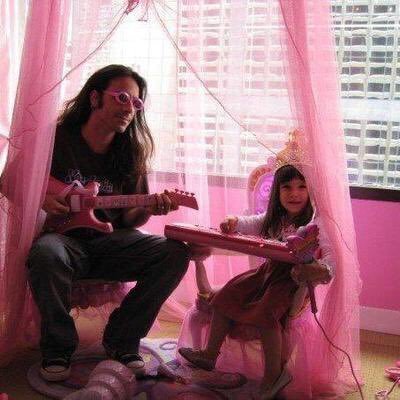
Eric Alper 🎧 tweet media
ZXX
7
193
2K
18.2K
Nigel Chaffey retweetledi
Archaeo - Histories
Archaeo - Histories@archeohistories·
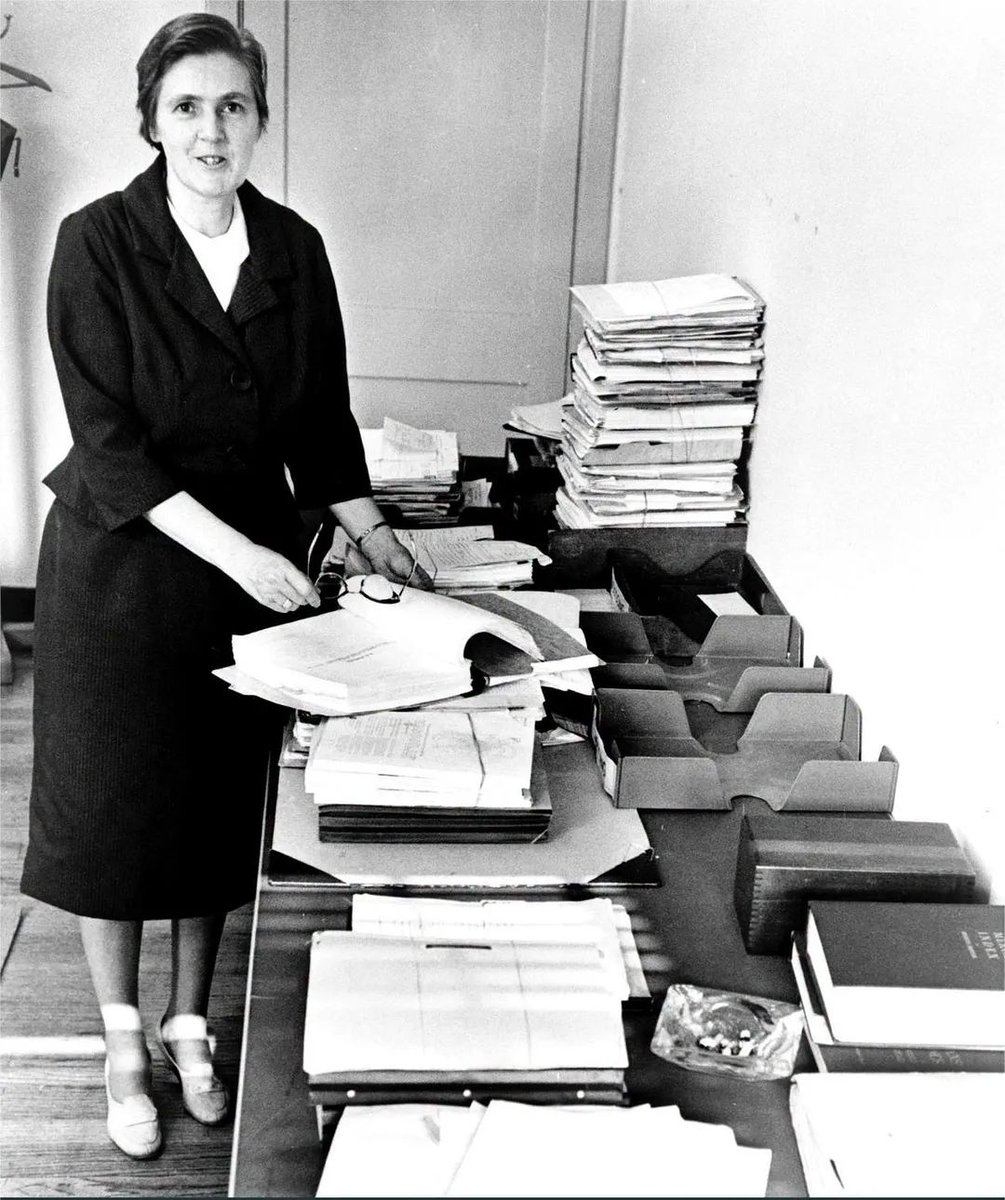
In 1960, a quiet woman at the U.S. Food and Drug Administration was handed a routine file. It was for a drug already sold in nearly 50 countries—a sedative called thalidomide, widely marketed as safe for pregnant women. Most people would have signed off. Frances Oldham Kelsey didn’t. New to the FDA, she noticed something others had overlooked—or ignored. The data was thin. Reports of nerve damage were buried. The safety claims felt… too clean. While the pharmaceutical company pushed aggressively for approval, sending repeated requests and mounting pressure, Kelsey held her ground. She asked for more studies. Then more. And more. Behind the scenes, the pressure wasn’t subtle. Drug companies expected quick approvals. Delays meant lost profit. For a young female reviewer in a male-dominated system, saying “no” wasn’t just professional resistance—it was personal risk. She was challenging an industry that wasn’t used to being challenged, especially not by a woman. Then the truth surfaced. Across Europe, thousands of babies were being born with devastating deformities—missing limbs, malformed organs—traced back to thalidomide taken during pregnancy. It became one of the worst medical disasters of the 20th century. Because Kelsey refused to approve it, the United States was largely spared. Her skepticism saved countless lives. In 1962, she was awarded the President’s Award for Distinguished Federal Civilian Service by John F. Kennedy—one of the highest honors a civilian could receive. But her impact didn’t stop there. Her stand forced sweeping changes in drug regulation, leading to stricter testing requirements and proof of efficacy before approval. The system became safer because she refused to bend. She didn’t shout. She didn’t grandstand. She simply refused to compromise when it mattered most. And that’s what made her dangerous—in the best possible way. © Women In World History #archaeohistories
Archaeo - Histories tweet media
English
131
2.6K
7.7K
155.9K
Nigel Chaffey retweetledi
Crazy Vibes
Crazy Vibes@CrazyVibes_1·
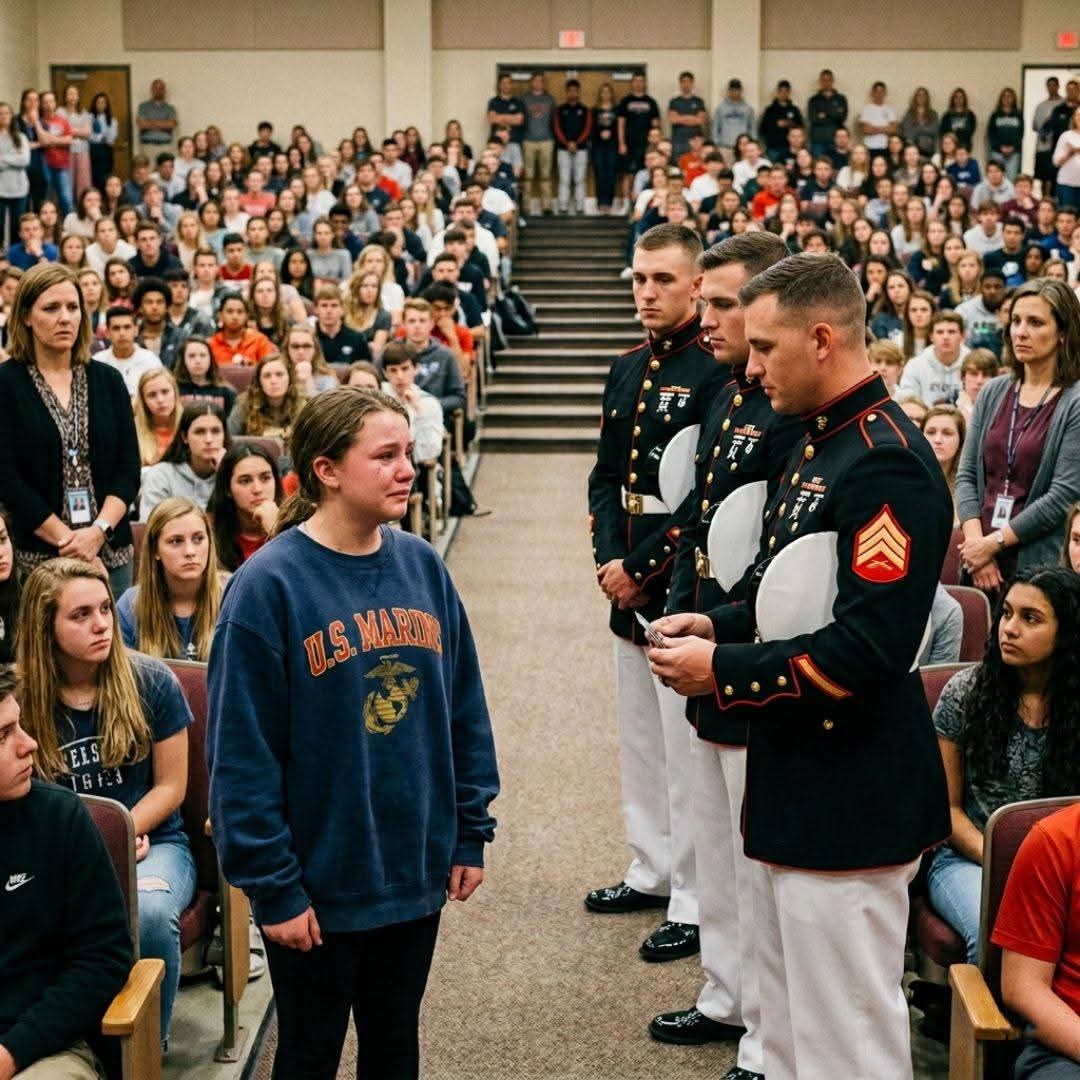
My daughter got detention for defending her late Marine father — but when FOUR MEN IN UNIFORM walked into the school the next day, the entire building went silent. "Mrs. Harrison, you have to understand: Grace’s behavior was completely UNACCEPTABLE. We respect your husband’s service to this country, but..." her teacher said. My 14-year-old daughter sat beside me, her eyes glassy. The day before, one of her classmates had made a joke about Grace not having a father. He was a Marine. Grace was only three when we lost him. So when that girl laughed and said, "Maybe your dad just didn’t want to come back," something inside Grace snapped. She shot to her feet so fast that her chair slammed to the floor. Through tears, she shouted, "My dad was a HERO. Don’t you ever talk about him like that again!" She was the one who got detention. She barely said a word the whole way home. That night, I found her sitting on the floor in my husband’s old sweatshirt. "I’m sorry I got in trouble," she whispered. "I just couldn’t let her say that about him." My heart cracked wide open. The next morning, the school called an emergency assembly. I assumed it had something to do with Spirit Week. A few minutes after the first bell, Grace texted me from the auditorium. Then my phone rang. "Mom..." she whispered, her voice shaky. "You need to come." I stood up so fast I knocked over my coffee. "What happened? Grace, are you okay?" There was a long silence on the other end. "Mom... four men in uniform just walked into the school." "Hide right now. What’s happening? I’m calling the police!" But Grace laughed. "No, Mom, they’re not doing anything bad. You have no idea WHAT JUST HAPPENED! Just get here, please!" she said, before the line went dead. I didn't bother grabbing my purse. I threw my keys into the ignition, my heart hammering against my ribs, and sped to the high school. When I burst through the double doors of the auditorium, I stopped dead in my tracks. The room, packed with over eight hundred teenagers, was completely, eerily silent. Down the center aisle stood four imposing figures in impeccable Marine Corps Dress Blues. The brass buttons caught the overhead lights, and their crisp white covers were tucked sharply under their arms. I recognized the man at the front immediately. It was Staff Sergeant Miller—my late husband’s closest friend and squad leader. I had called him in tears the night before, just needing someone who understood the weight of the disrespect Grace had faced. I hadn't expected him to do this. The principal, Mr. Davis, stood awkwardly at the podium, looking completely out of his depth. Staff Sergeant Miller didn't wait for permission to speak. He stepped up to the front, taking the microphone from the stand, and his booming, authoritative voice echoed through the massive room. "We apologize for the interruption, Principal Davis," Miller said, though his tone suggested he wasn't sorry at all. "But we received word that a young lady in this school was being disciplined for defending the honor of a fallen United States Marine." A collective gasp rippled through the student body. The teacher who had given Grace detention slunk back into her seat in the front row, her face turning crimson. Miller’s heavy gaze swept across the bleachers. "Where is Grace Harrison?" Grace stood up slowly from the middle row, still wearing her dad’s oversized sweatshirt. "Come down here, Grace," Miller commanded gently. As she walked down the bleacher steps, the three other Marines broke formation and fell perfectly into step behind her, creating an impromptu honor guard. They escorted her to the center of the floor. Miller turned to face the silent crowd. "Captain Mark Harrison didn't just 'not want to come back.' He gave his life pulling three wounded men out of a burning transport vehicle in the middle of a firefight. I know, because I was one of those men. None of us standing here today would be breathing if it weren't for Grace's father." The silence in the room was absolute. You could have heard a pin drop. A few rows up, the girl who had made the cruel joke the day before was staring at her shoes, visibly crying. Miller turned back to Grace and dropped to one knee, bringing himself to eye level with her. He pulled a small, velvet box from his pocket and opened it, revealing a gleaming Challenge Coin from their old unit. "Grace," he said, his voice thick with emotion but loud enough for the microphone to carry. "Your father was the bravest man I ever knew. You stood your ground yesterday, just like he would have. You protected his honor, and now, his squad is here to protect yours. We have your back. Always." He pressed the heavy metal coin into her palm, stood up, and then all four Marines snapped a crisp, perfectly unified salute to my fourteen-year-old daughter. Tears streamed down Grace's face, but they weren't tears of anger or shame anymore. She stood tall, squared her shoulders, and returned a clumsy but beautiful salute of her own. Suddenly, from the back row of the bleachers, a single student stood up and started clapping. Then another. Within seconds, the entire auditorium erupted into a deafening standing ovation. Even Mr. Davis and the teachers were on their feet. I hurried down the aisle, wiping away my own tears, and wrapped Grace in a massive hug. Staff Sergeant Miller tipped his head to me, a fierce, protective glint in his eye. Before we could leave the building, Principal Davis rushed over to us in the hallway. He looked thoroughly chastised. "Mrs. Harrison, Grace," he stammered, wringing his hands. "I... I want to formally apologize. The detention has been completely wiped from her record. We will be handling the bullying incident with the other student appropriately, and frankly, I think our staff needs a heavy refresher on empathy." Grace squeezed the coin in her hand, looking up at the four men in uniform who had dropped everything to stand by her side. She didn't need to say a word. The message had been delivered loud and clear. Captain Mark Harrison had left a legacy of courage behind, and that day, an entire school learned exactly what it meant to be a hero's daughter. Prepare to be moved by a story of bravery, respect, and an unforgettable tribute. Credit - valintina aubrey
Crazy Vibes tweet media
English
102
494
2.3K
94.6K
Nigel Chaffey retweetledi
The Husky
The Husky@Mr_Husky1·
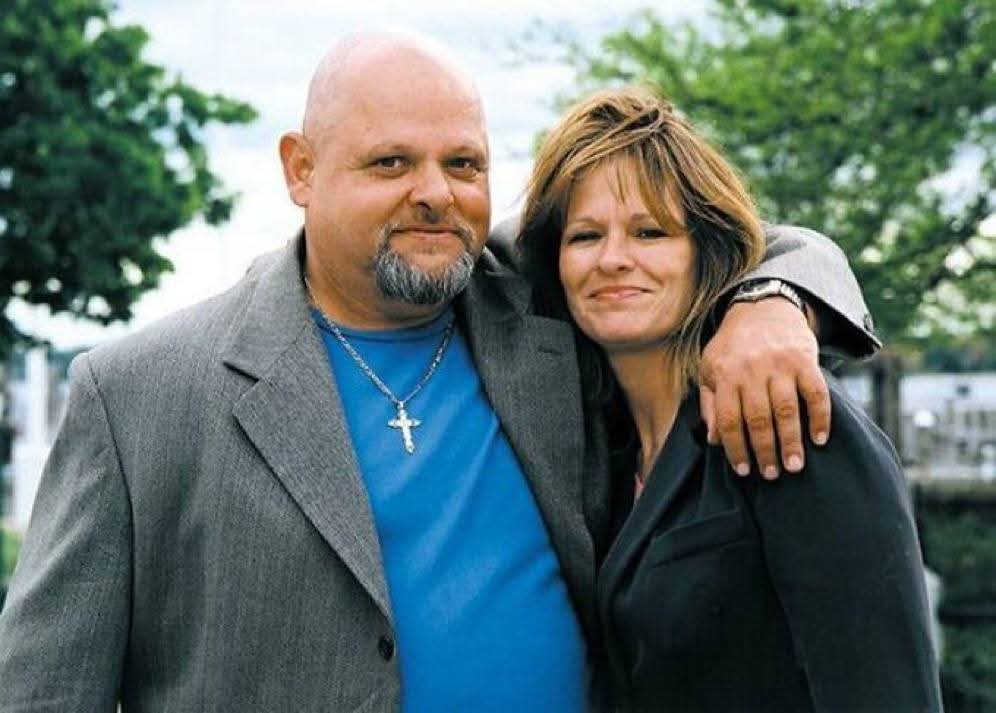
In 1984, Ruth Coker Burks was 25 years old, visiting a friend at a hospital in Little Rock, when she noticed nurses drawing straws outside a patient's room. Someone had to go in. She didn't wait for the straws. She opened the door herself. What she found inside would define the next decade of her life. 🕯️** Inside was a young man reduced to bones — maybe 80 pounds, dying alone, terrified. He kept whispering one word. *"Mama."* Ruth told the nurses to call his mother. They laughed. *"Honey, we've called. He's been here six weeks. Nobody's coming."* Ruth made them give her the number. She tried one last time. The mother's answer was cold and final: her son was sinful, already dead to her, and she would not be coming. So Ruth went back into that room. She took his hand. She stayed. For 13 hours, she held the hand of a dying stranger, promising him he wouldn't leave this world alone. When he died, his family refused to claim the body. Ruth decided she would bury him herself. She owned plots in her family cemetery in Hot Springs — where her father and grandparents rested. The nearest funeral home willing to handle an AIDS death was 70 miles away. Ruth paid from her own pocket. A local potter gave her a chipped cookie jar for an urn. She used posthole diggers to dig the grave herself. She spoke kind words over the earth because no minister would come to pray over a man who died of AIDS. Ruth thought that would be the end. It was the beginning. Word traveled through the quiet networks of fear and desperation across Arkansas. *There's a woman in Hot Springs who isn't afraid. There's a woman who will sit with you. There's a woman who will make sure you're buried with dignity when your own family won't claim you.* They started arriving. Dying young men from rural hospitals across the state, abandoned by the people who were supposed to love them most. Over the next decade, Ruth Coker Burks cared for more than 1,000 people dying of AIDS. She personally buried 40 of them in Files Cemetery — digging the graves herself, with her young daughter beside her carrying a small spade, holding their own funerals because no one else would speak over these graves. Of those 1,000 people, only a handful of families didn't abandon their dying children. Ruth called parents. Begged them to come say goodbye. To claim their child's body. Most refused. *"Who knew,"* she said, *"there'd come a time when parents didn't want to bury their own children?"* But she also witnessed something else — something that stayed with her. She watched gay men care for dying partners with a devotion that shattered every stereotype. She watched a terrified community take care of its own — and take care of her. *"They would twirl up a drag show on Saturday night and here'd come the money. That's how we bought medicine. That's how we paid rent. If it hadn't been for the drag queens, I don't know what we would have done."* By the mid-1990s, new treatments emerged. The crisis began to shift. And then, like so many heroes of the AIDS crisis, Ruth Coker Burks faded from public memory. She wrote a memoir in 2019 called *All the Young Men* because she needed people to understand what happened in Arkansas. What happened across America. What happens when fear convinces people to abandon their own children. And what happens when one person refuses to walk past a door everyone else fears. She didn't have medical training. She didn't have institutional backing. She didn't have money. She had compassion. Courage. Posthole diggers. And a family cemetery. That was enough to make sure 1,000 people didn't die believing they were worthless. The next time someone says one person can't change anything — Remember the red bag on the door. Remember the 13 hours she stayed with a stranger. Remember the 40 graves she dug with her own hands. She walked through that door in 1984. And 1,000 lives were forever changed because of it.
The Husky tweet media
English
377
4.1K
21.5K
942.8K
Nigel Chaffey retweetledi
ArchaeoHistories
ArchaeoHistories@histories_arch·
The High School Dropout Who Passed the Bar to Save Her Brother - In 1983, a Massachusetts man named Kenneth Waters was convicted of a brutal robbery and murder. Despite his absolute insistence of innocence, he was sentenced to life in prison without the possibility of parole. His sister, Betty Anne Waters, was a high school dropout, a waitress, and a mother of two. She was also the only person who firmly believed he had been wrongfully convicted. Realizing they could not afford adequate legal representation, she made a quiet but monumental decision. Betty Anne spent the next 18 years dedicating her life to her brother's freedom. She returned to school to get her GED, earned a bachelor's degree, and eventually graduated from law school, passing the bar exam solely to represent him. As a newly minted attorney, she partnered with the Innocence Project to track down the original trial evidence. She successfully petitioned the court to allow newly developed DNA testing on a crucial piece of evidence that had been locked away in police storage for nearly two decades. In 2001, the DNA results definitively proved that Kenneth’s blood was not at the crime scene. After serving 18 years for a crime he did not commit, he was officially exonerated and walked out of prison a free man, entirely because his sister refused to stop studying. © Reddit #archaeohistories
ArchaeoHistories tweet media
English
4
81
351
8.4K
Nigel Chaffey retweetledi
The Husky
The Husky@Mr_Husky1·
Rupert Grint, the English actor who played Ron in the Harry Potter films, was too young to spend his money when he started getting rich. He had to wait until he was of legal age to commit his first folly. His first adult purchase, with the enormous fortune he had accumulated, was... an ice cream truck. An ice cream truck. This is the truck he bought. A 1974 Bedford van, designed by Mr. Whippy. And surprisingly, the young actor didn't want an ice cream truck to be displayed in his front yard. He wanted to use it to sell ice cream! Or rather, offer them to children for free. Which he did for a while, driving his truck through the small villages in his region, handing out popsicles along the way. It was a childhood dream.
The Husky tweet media
English
204
3.4K
49.1K
4M
Nigel Chaffey retweetledi
Dr. M.F. Khan
Dr. M.F. Khan@Dr_TheHistories·
She wraps a strip of silk around a knitting needle, threads it through a shoelace, and ties it in her hair. On the silk are 2,000 codes. Each time she uses one, she marks it with a pinprick. If the Nazis find it, she will be shot. A coded message takes thirty minutes to send. The Germans can trace the signal in ninety. So she taps out the message, packs up her wireless, and moves -- through barns, forests, farmhouses -- always one hour ahead of the men hunting her. She has six bicycles hidden across the countryside. Seventeen radios. She poses as a poor teenage girl selling soap, chatting with German soldiers, smiling, gathering intelligence. She is twenty-three years old. Phyllis Latour was born on this day in 1921 in South Africa -- to a French father and British mother. By the time France was liberated in August 1944, she had transmitted 135 coded messages from behind enemy lines -- messages that helped guide Allied bombing raids and prepare the way for D-Day. The average life expectancy of a wireless operator was six weeks. Latour lasted four months. She didn't look like a spy. Small, slight, with wide appealing eyes, she could pass for fourteen. That was the point. "The men who had been sent just before me were caught and executed," she later said. "I was told I was chosen for that area because I would arouse less suspicion." Latour had her reasons for taking the job. Her godmother's father -- a man she considered her grandfather -- had been shot by the Nazis. Her godmother had committed suicide after being taken prisoner. When the Special Operations Executive (SOE), Britain's covert agency for sabotage and espionage behind enemy lines, offered her a chance to fight back, she didn't hesitate. "They said I could have three days to think about it," she recalled. "I told them I didn't need three days. I'd take the job now." SOE trained her to kill. A cat burglar released from prison taught recruits "how to get in a high window and down drainpipes, how to climb over roofs without being caught." She learned encryption, surveillance, Morse code -- tapping out twenty-four words per minute, twice the speed of a professional telegraphist. She made fourteen parachute jumps. On May 1, 1944, she leapt from an American bomber into Nazi-occupied Normandy and landed in an apple tree. The close calls came constantly. Once, two German soldiers walked in while she was mid-transmission. She calmly closed the wireless, told them she had scarlet fever, and said she had to leave the village. They fled. Another time, German soldiers hung their wet laundry on what they thought was a clothesline. It was her radio antenna. On another occasion, the Gestapo rounded her up with other civilians and ordered her to strip. A female officer stared suspiciously at her hair. Latour pulled the shoelace from her hair and shook her head. "That seemed to satisfy her," she said. "I tied my hair back up with the lace." She slept in forests, foraged for food, stayed with families who had almost nothing. "One family I stayed with told me we were eating squirrel," she recalled. "I found out later it was rat. I was half-starved, so I didn't care." The work took its toll. After the war, a military file noted that "since the collapse of Germany, Miss Latour has suffered from severe nervous strain." She had been offered no support, no counseling. Female agents, she said, were left to face "the horrors of peace" alone. One memory haunted her. She had sent a message requesting a German listening post be taken out by bombers. A German mother and her children were among the casualties. "I can imagine the bomber pilots patting each other on the back and offering congratulations after a strike," she said. "But they never saw the carnage that was left. I always saw it, and I don't think I will ever forget it." © A Mighty Girl #drthehistories
Dr. M.F. Khan tweet media
English
22
515
2.4K
55.7K
Nigel Chaffey retweetledi
Crazy Vibes
Crazy Vibes@CrazyVibes_1·
She was waiting for the end. There she stood, naked, trembling against the cold concrete walls of a room in Auschwitz-Birkenau. It was the winter of 1944, and every woman in that cramped space knew what was about to happen. They were waiting for the gas to descend from the ceiling and turn their breath into a final, silent agony. Minutes passed in the darkness. The only sounds were the muffled sobs of women clinging to one another and the faint murmur of desperate prayers. But the pipes remained silent. The poison they feared never came. Whether it was a mechanical failure, a guard’s mistake, or a miracle, the valves stayed closed. When the soldiers finally opened the doors, they were stunned to find hundreds of women still standing. Gena Turgel stepped out into the freezing air on her own legs. Years later, reflecting on that moment, she did not dwell on the technical failure. She simply said: “God must have protected me.” Surviving the camps was not a single event, but a daily struggle. Gena was eventually transferred to Bergen-Belsen, a place where death and disease hung in the air like a suffocating cloud. It was there that she met a young girl destined to represent the lost potential of an entire generation: Anne Frank. Anne was no longer the lively girl of the diary. She was a shadow of herself, ravaged by fever and hunger. Gena, though weak and exhausted herself, refused to look away. She risked her life to bring Anne water and gently wiped her fevered face. “She was a small, beautiful child. She was delirious, but even in that state, you could see her sweetness.” Gena held Anne’s hand, offering a glimmer of humanity in a place designed to crush it. She watched Anne struggle against typhus and witnessed the final days of a child the world had failed to save. The memory of Anne’s tired yet luminous eyes stayed with Gena forever. Then came April 15, 1945. The British Army entered the camp to liberate it. Among the soldiers was a man named Norman Turgel. When he saw Gena, he did not see a prisoner or a number. He saw a woman of extraordinary dignity and strength. Despite her frail body, her eyes burned with a vitality he could not ignore. It was a love story born from the ashes of humanity’s darkest place. Just six months later, they were married. Gena did not wear a traditional dress. Instead, she wore a wedding gown made from the white silk of a British Army parachute—a symbol of salvation, fallen from the sky and transformed into a garment of hope. Today, that dress is preserved at the Imperial War Museum in London, a lasting testament that beauty can rise from the ruins of war. Gena Turgel lived to the age of 95. She did not shy away from her past. Instead, she became a voice for the millions of lives silenced by history. She visited schools and community centers, sharing her story not to provoke resentment, but to protect the future. She wanted every young person to understand the value of a single breath and the importance of compassion. True strength is not only surviving darkness; it is refusing to let that darkness turn your heart to stone. Gena survived the gas chamber, held the hand of a dying child, and built a life rooted in love. Perhaps we will never face the horrors she endured, but all of us make choices. Choosing compassion over indifference is the greatest miracle any of us can achieve.
Crazy Vibes tweet media
English
36
535
2.4K
71K
Nigel Chaffey retweetledi
Massimo
Massimo@Rainmaker1973·
Four college students from North Carolina State University developed a nail polish that changes color when exposed to certain drugs often used to drug women, including GHB, Rohypnol, and Xanax. The wearer can stir her drink with a finger. If her drink was tampered with, she'll know within seconds.
Massimo tweet media
English
79
1.1K
4K
137.7K
Nigel Chaffey retweetledi
Mûriëlo
Mûriëlo@LordMurielo·
Un turista se puso a jugar competencia de figuras con toallas con los empleados de un hotel en su vacaciones y lo registró en un video. Espectacular .
Español
302
9.4K
108.2K
2.6M
Nigel Chaffey retweetledi
ArchaeoHistories
ArchaeoHistories@histories_arch·
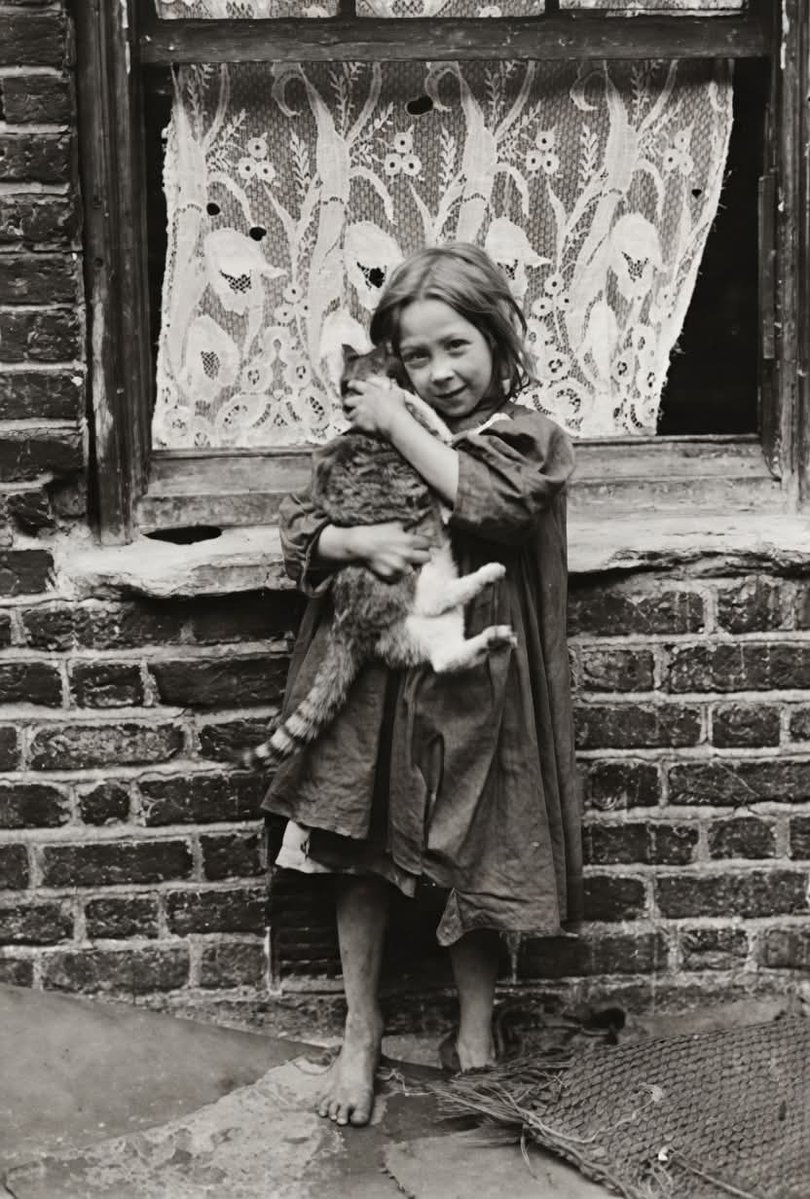
In this poignant 1902 photograph, Horace Warner captures a young girl sitting barefoot on a stoop in London’s East End, gently cradling a cat in her arms. Her clothes hang loosely, her expression is solemn, and the surroundings are stark—yet in the way she holds the animal, there is a quiet tenderness that rises above the hardship. Warner, a Quaker devoted to social reform, created the Spitalfields Nippers series to document the lives of impoverished children with dignity and empathy. Rather than sensationalizing poverty, his work focuses on intimate, human moments—small gestures of connection, resilience, and grace. The girl is not staged or pitied; she is simply seen as she is, with her companion offering comfort in an otherwise harsh environment. More than a century later, the image continues to resonate. It reminds us that even in the most difficult conditions, the need for care, companionship, and affection remains universal. Through Warner’s lens, this simple bond between a child and her cat becomes something larger—a quiet act of resistance, a moment of humanity preserved in time. © Historic Photographs #archaeohistories
ArchaeoHistories tweet media
English
13
170
747
13.4K
Nigel Chaffey retweetledi
TeacherGoals
TeacherGoals@teachergoals·
Yup.
TeacherGoals tweet media
10
98
766
13.2K
Nigel Chaffey retweetledi
James Tate
James Tate@JamesTate121·
In 1977, two American boys discovered that a local ice‑cream chain offered free birthday sundaes by mail, so they invented a fictional child named “Robert Alan Peters” to keep collecting the yearly treat. They filled out the birthday club form, listed their real home address, and for years received coupons addressed to their imaginary creation. The prank was harmless fun, just kids gaming a promotional system for a few extra sundaes. But in 1984, everything changed when a letter arrived from the Selective Service System ordering “Robert Alan Peters” to register for the draft. The boys, now older, were stunned: their fake child had somehow entered a federal database. The incident exposed that the U.S. government had quietly obtained and used the ice‑cream chain’s mailing list without permission, sparking public debate about privacy, data‑sharing, and how easily personal information could be swept into government systems long before the digital age.
James Tate tweet media
English
132
3.4K
18.4K
1.2M
Nigel Chaffey retweetledi
Simon Kuestenmacher
Simon Kuestenmacher@simongerman600·
I’ve never seen a map that makes more sense.
Simon Kuestenmacher tweet media
English
393
2.2K
18K
1.7M
Nigel Chaffey retweetledi
Science girl
Science girl@sciencegirl·
This is how much plants move in 24hours
English
86
1.2K
6.6K
165.9K
Nigel Chaffey retweetledi
Eric Alper 🎧
Eric Alper 🎧@ThatEricAlper·
Eric Alper 🎧 tweet media
ZXX
19
278
7K
59.8K