

sean@NDF いつも眠い💤💤
7.6K posts

sean@NDF いつも眠い💤💤
@NDFsean
motor sport journalist // rotary enthusiast
Japan, Los Angeles Katılım Haziran 2010
361 Takip Edilen2.6K Takipçiler
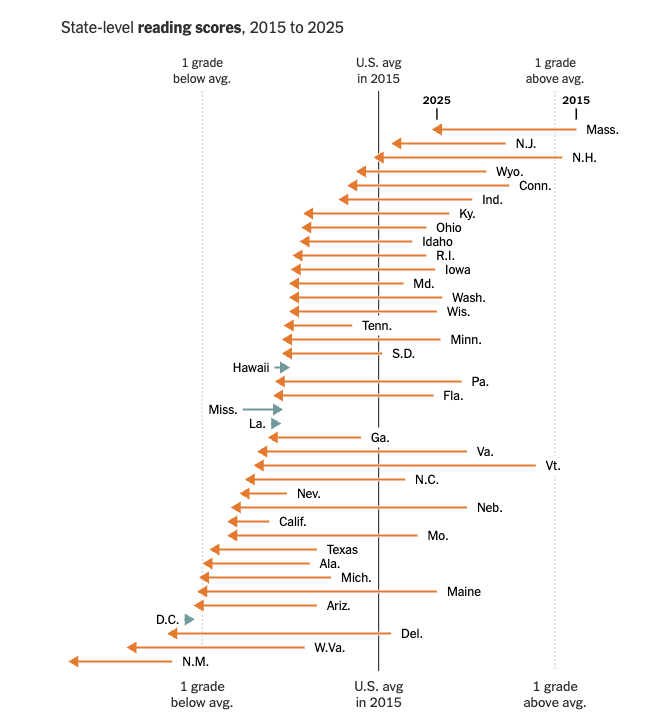
Reading scores, 3rd graders to 8th graders, 2015 to 2025. This is a national tragedy.
English


@FintwitPeaked not showing her until the numbers large enough for her to quit her job
English

sean@NDF いつも眠い💤💤 retweetledi






English


sean@NDF いつも眠い💤💤 retweetledi

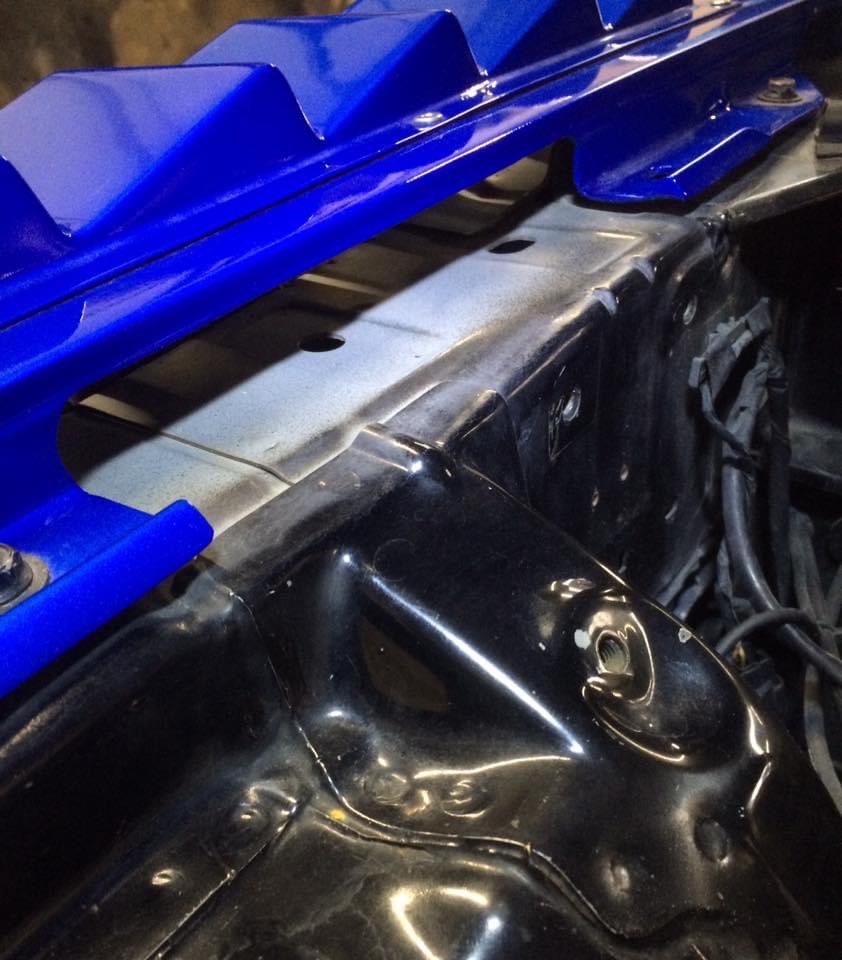

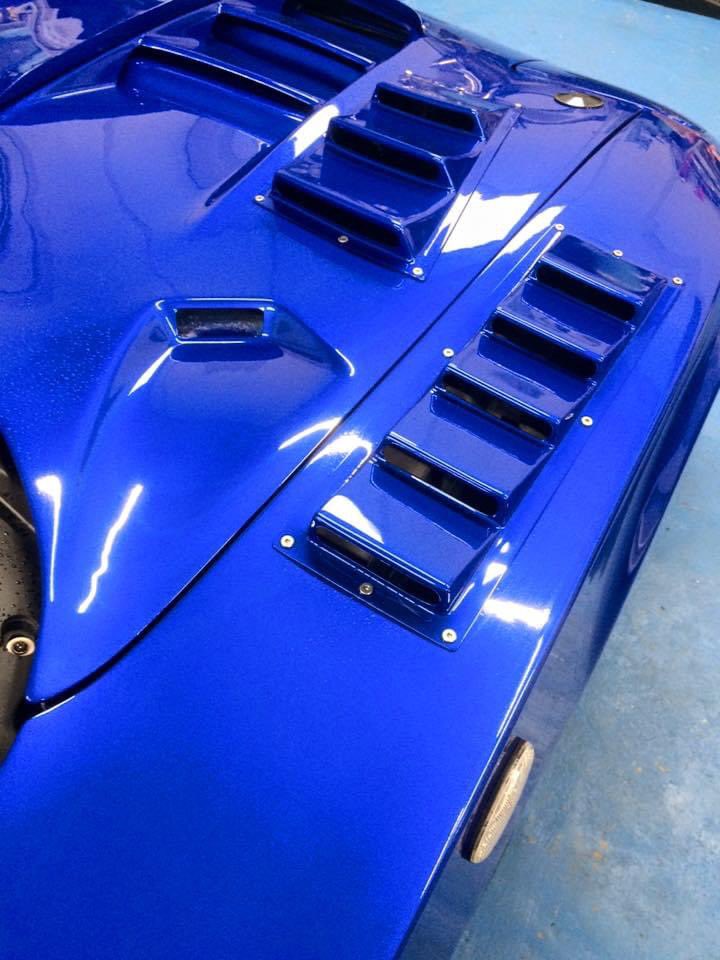







@jimbelosic Any chance of increasing the dimensions allowed for the CNC service in the future?
English

I’m testing our new CNC automation systems. If you need 10+ units of something, qty discount is now 70%. While capacity lasts.
English





Should you pay off your mortgage early or invest instead?
A couple recently faced this exact dilemma.
They had $180k in cash and a $175k mortgage at 3.1%.
Spouse #1:
“Let’s just pay it off. I hate debt. I want the house free and clear.”
Spouse #2:
“No way. Why use cash to eliminate a 3% loan when we could invest it at 7% or more based on historical returns?”
Both had valid points.
Her math said invest it.
His stress levels said pay it off.
So they compromised... paid off half, invested half — improving cash flow and keeping their long-term plan on track.
This decision isn’t purely financial.
It’s emotional, behavioral, and personal.
And that’s why this debate will never end.
Have you run your numbers on this scenario?
(Example is hypothetical and for illustrative purposes only)
English


The science of fetal microchimerism should have broken the internet by now.
It hasn’t.
When I read about a research I was so curious to know what’s actually happening.
Fetal cells — carrying the child’s own DNA — cross into the mother’s bloodstream during pregnancy and never fully leave. They embed into her organs. Her heart muscle. Her brain tissue.
Researchers have found a child’s living cells inside mothers in their 90s, from pregnancies six decades old. The child left the womb. The cells didn’t.
And they don’t just sit there. They migrate toward damage. Women with heart injuries show fetal cells concentrated at the wound site. Women with thyroid disease show their children’s cells inside the affected tissue.
The body that built the child gets tended to, in return, by the child’s own cells. Nobody designed this consciously. Evolution quietly built a repair system out of the mother-child bond itself.
The brain side of this is equally staggering. Pregnancy triggers gray matter reorganization — a structural rewiring that sharpens threat detection, deepens empathy, fundamentally alters how a mother processes the world. These changes persist for years after birth.
Possibly permanently. A mother’s nervous system doesn’t return to its factory settings. It was updated by the experience of carrying another person, and that update sticks.
The part worth sitting with longest — women who experienced pregnancy loss carry fetal cells too. The cellular merging doesn’t require a birth. It doesn’t require years of raising someone. Those cells remain regardless of what happened after. A mother grieving a child she never brought home is grieving someone biologically still present inside her. The world consistently underestimates that grief. The science says we have no business doing that.
Mothers always knew the connection didn’t end at birth.
Turns out it doesn’t end at the cellular level either.
All day Astronomy@forallcurious
🚨: SCIENCE CONFIRMS: A child "STAYS" in mother's body and heart FOREVER.
English


