Neel Patel, MD

631 posts

Neel Patel, MD

Neel Patel, MD

@NPatelMD

Cardiology PGY6/ University of Tennessee, Nashville. tweets and opinions are mine.

Nashville, TN Katılım Haziran 2014
6.7K Takip Edilen1.9K Takipçiler
Sabitlenmiş Tweet
Neel Patel, MD
Neel Patel, MD@NPatelMD·
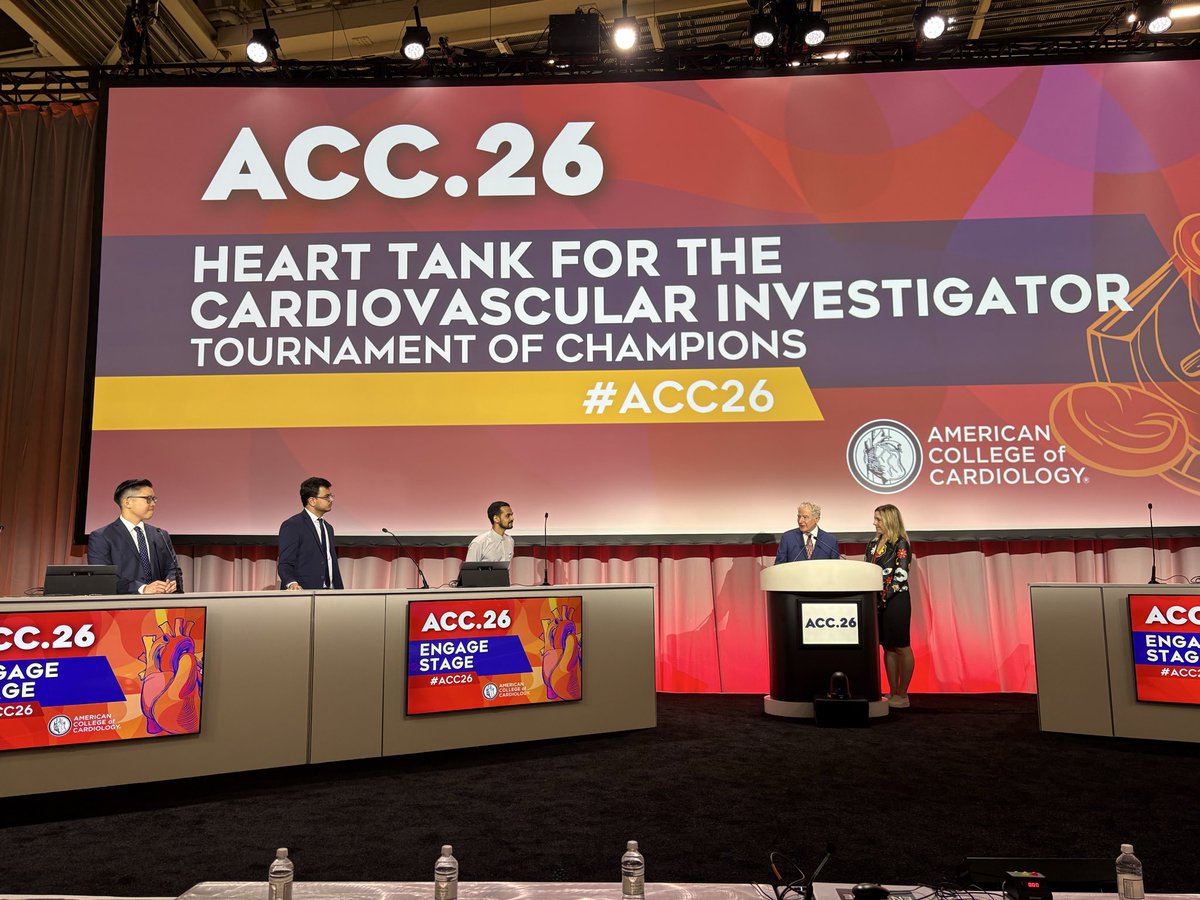
Feeling deeply humbled to receive the Ascension Saint Thomas Guardian Angel Award, a recognition that comes from the kindness of our patients. Grateful to care for them alongside incredible team, and especially thankful to my clinic mentor Dr. Keswani! @AmitKeswaniMD @timir_paul
Neel Patel, MD tweet mediaNeel Patel, MD tweet mediaNeel Patel, MD tweet media
English
12
4
61
5.8K
Neel Patel, MD retweetledi
Swotantra Gautam, MD
Swotantra Gautam, MD@SwotantraGautam·
Continuing a favorite tradition of welcoming our newest cardiology fellows over dinner at our amazing Program Director’s @timir_paul home. Grateful for the warm hospitality, great conversations, and the beginning of what promises to be an incredible journey together. Welcome to the family! ❤️🫀 #Cardiology #MedEd #CardiologyFellowship @NPatelMD @VOdeleye @Nikita20892512 @SasanRaissi @HadyLichaaMD @UTHSCNashCVD @MackennaDarling @kerrigjl @RoshanBista85 @zghouzi @timir_paul @UTHSCMedicine @ascenstthomas
Swotantra Gautam, MD tweet mediaSwotantra Gautam, MD tweet mediaSwotantra Gautam, MD tweet media
English
1
5
24
2.9K
Neel Patel, MD retweetledi
Midjourney
Midjourney@midjourney·
A technical dive inside our new "Midjourney Scanner"
Français
1.2K
3.2K
28.2K
11.4M
Thoughts on Healthcare Markets and Tech
Agreed, and the validation bottleneck you're describing is more structural than most people realize. A model trained at one academic center and tested on its own patient data is not validated in any meaningful sense, it's just confirmed. The generalizability problem is what makes external validation so hard to scale, because most health systems don't have the data science capacity to run rigorous validation pipelines locally. A mid-sized system might have one or two people with real ML background, that's not enough to do this work across dozens of models simultaneously. The bias problem compounds this. Patient populations shift, coding practices change, and a model that performed well at deployment quietly degrades without anyone noticing unless you have drift detection infrastructure watching it. Most health systems don't. What I'd push further on is that the external validation gap you're identifying points to a structural gap in who actually builds this infrastructure. Right now the assumption is that health systems do it themselves or that the AI vendor handles it, but vendors have obvious conflicts of interest in reporting their own model's failures, and health systems lack the capacity. There's a missing layer between the model and the bedside, and I wrote about what that layer needs to look like and why it's actually the better business than building models in the first place. onhealthcare.tech/p/the-ai-clini…
English
1
0
1
36
Neel Patel, MD
Neel Patel, MD@NPatelMD·
The biggest challenge in medical AI is no longer building models; it’s ensuring they are unbiased, externally validated, and effective in real-world practice. My latest article in @AmJCardio examines these challenges and outlines a path toward responsible AI implementation
Neel Patel, MD tweet media
English
7
5
30
3.1K
Neel Patel, MD retweetledi
Mark Lewis, MD, FASCO
Mark Lewis, MD, FASCO@marklewismd·
Cheers, chills, and a standing ovation when RASolute 302 showed unprecedented survival on daraxonrasib for patients with progressive pancreatic cancer Seldom do you sense you’re witnessing a historic moment in cancer care but this feels like ras targeting has arrived #ASCO26
English
92
1.3K
6.5K
1.2M
Neel Patel, MD retweetledi
Dave Feldman
Dave Feldman@realDaveFeldman·
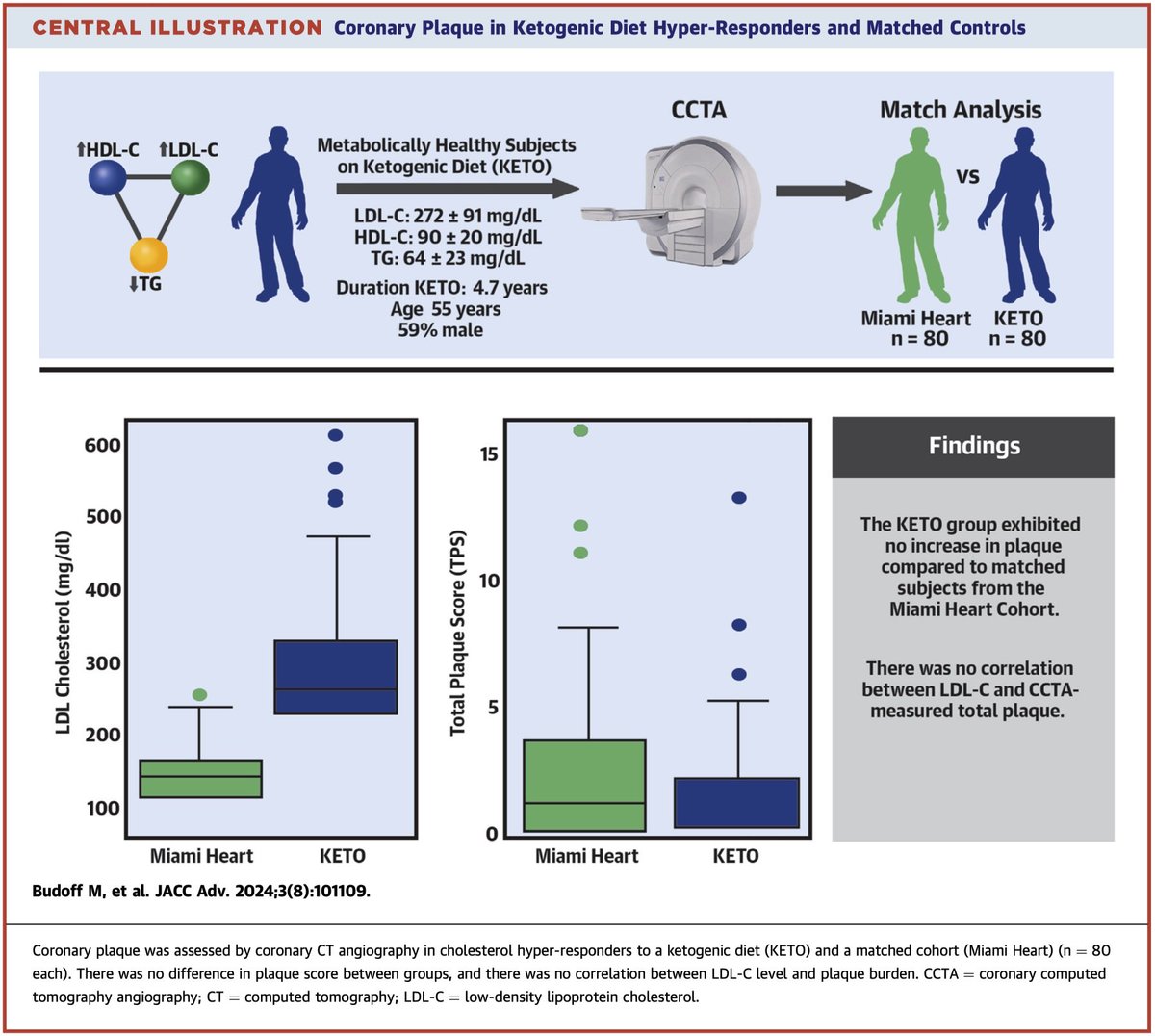
This viral thread from @bschermd is a great read. Veins and arteries see the exact same LDL/ApoB, yet plaque forms almost exclusively in arteries — and a pristine vein grafted into arterial flow rapidly develops atherosclerosis. That points strongly to hemodynamic stress and endothelial injury as the primary trigger (Response to Injury) over a pure Response to Retention model. Our Keto-CTA data in a metabolically healthy cohort with a wide spread of LDL/ApoB (going from under 100 to over 500) show no association with either the presentation or progression of plaque. Which is why we've needed to do this exact research for so long. This central illustration is from our match analysis in JACC Advances (Budoff et al., 2024), where we compared 80 metabolically healthy ketogenic hyper-responders (mean LDL-C 272 mg/dL, HDL-C 90, TG 64, after 4.7 years on keto) to 80 tightly matched controls from the Miami Heart cohort (mean LDL-C 123 mg/dL). Despite the ~149 mg/dL difference in LDL-C, there was no significant difference in coronary plaque burden by CCTA total plaque score, CAC score, or other measures. And crucially, there was no correlation between LDL-C levels and plaque burden in either group. (Full paper: jacc.org/doi/10.1016/j.…)
Dave Feldman tweet media
Bret Scher, MD@bschermd

Your veins and arteries carry the same blood. Same LDL. Same ApoB. Same everything. Yet veins almost never get plaque. Arteries constantly do. Maybe you've seen the recent discussions about this. It's an interesting question that provides clues in cardiovascular science, and could challenge how we think about LDL and ApoB. 🧵

English
19
32
193
78K