Special Interest Media

510 posts

Special Interest Media banner
Special Interest Media

Special Interest Media

@thoughtson_tech

Thoughts on healthcare markets and technology. Read our newsletter for free and paid essays on healthcare entrepreneurship, investing, technology & regs.

United states Katılım Şubat 2026
789 Takip Edilen114 Takipçiler
Special Interest Media
Special Interest Media@thoughtson_tech·
Hot take I keep circling back to: healthcare AI didn’t “solve medicine”… it solved paperwork. And that distinction matters more than people think. The last few years = huge wins in documentation: ambient scribes, coding copilots, note summarization. Clear ROI. Easy sell. Everyone’s happy. Why it worked: it’s a compression problem. Messy clinical convo → clean structured note High entropy → low entropy LLMs are perfect for this But clinical reasoning? Totally different beast. That’s not compression. That’s inference under uncertainty. It’s: • holding multiple hypotheses at once • updating probabilities as new data comes in • knowing when you’re wrong (or might be) • tracking a patient over time, not just a snapshot And this is exactly where current LLMs start to crack. They don’t really: • maintain persistent “belief states” • keep a true differential (they converge to 1 answer fast) • express calibrated uncertainty (confidence ≠ correctness) Instead you get something more subtle (and riskier): a very convincing narrative that may or may not be right In documentation, fluency is a feature In reasoning, fluency can be a bug What’s interesting now is the shift in architectures: → LLM as orchestrator (calling tools like Wells, CHA2DS2-VASc, guidelines) → graph-based reasoning (explicit hypotheses + evidence links) → persistent memory layers tied to longitudinal EHR data → multi-agent “debate” to avoid premature closure None of these are fully solved. But they’re directionally closer to how clinicians actually think. Also worth saying out loud: most of our evals here are kinda broken Crushing USMLE / MedQA ≠ managing a patient across 3 days with evolving labs and uncertainty We’re benchmarking recall + pattern matching… not real reasoning Why this matters (esp if you’re building/investing): documentation AI = getting commoditized fast (reason: Epic/Oracle bundling + low switching costs) reasoning augmentation = different game entirely → deeper workflow integration → real outcome impact (diagnosis, utilization, errors) → data flywheel from longitudinal patient context → much higher switching costs Bigger TAM. Harder build. Way more defensible if it works. My current mental model: we’re moving from “AI that writes what happened” to “AI that tracks what might be happening” That second one is where things get interesting… and dangerous… and valuable. I wrote a deeper breakdown on: • why next-token prediction struggles with clinical cognition • what a “computable differential” actually looks like • failure modes nobody is talking about (premature closure, narrative bias, calibration) • and where I think the real moats get built Link to the full analysis onhealthcare.tech/p/clinical-rea…
English
0
0
0
8
Special Interest Media
Special Interest Media@thoughtson_tech·
The blame framing is accurate, but it misses the layer underneath: the language itself is doing structural work that makes "personal responsibility" narratives stick while letting system failures off the hook. The English medical vocabulary for chronic disease is almost perfectly designed to obscure lifestyle causation. "Diabetes" comes from Greek for "siphon," describing a symptom observed in the 2nd century. "Obesity" lost its original Latin meaning of "having eaten oneself fat" somewhere in transit through French. "Hypertension" focuses on a measurable parameter, not the dietary and behavioral inputs that drive it. These aren't neutral labels. They position conditions as discrete medical events that happen to people, not as processes shaped by modifiable factors. When 80% of premature heart disease is preventable through lifestyle changes and the Diabetes Prevention Program showed a 58% risk reduction through behavioral intervention, the disconnect between what the terminology communicates and what the evidence shows is not trivial. Compare the Chinese model: diabetes is "táng niǎo bìng," literally "sugar urine disease." The traditional term "xiāo kě" means "wasting-thirst." Both immediately connect the condition to consumption and metabolic regulation in ways that require zero medical education to grasp. Arabic uses "da' al-sukkar," directly referencing sugar. Japanese uses "tōnyōbyō," sugar urine disease. The English term tells you nothing about what to do differently tomorrow morning. This matters clinically. The research consistently shows that patients who understand the lifestyle-etiology connection demonstrate better glycemic control, higher medication adherence, and fewer complications. Patients who perceive their condition as an external event imposed on them disengage from behavioral interventions. The terminology is shaping the cognition, and the cognition is shaping the outcomes. Politicians cycling through blame-the-patient rhetoric every few years is the symptom. The deeper problem is that six in ten American adults have a chronic disease and the entire linguistic infrastructure through which they understand those conditions was built to describe symptoms to 2nd century physicians, not to activate behavior change in 21st century patients. System change costs money, but reframing how we talk about preventable disease is one of the lowest-cost, highest-leverage interventions nobody is seriously pursuing.
English
0
0
0
5
Aaron E. Carroll
Aaron E. Carroll@aaronecarroll·
Every few years, politicians rediscover chronic disease, blame Americans for eating wrong and moving too little, then call it a day. Blame is cheap. System change costs money. My latest in @washingtonpost: wapo.st/3PiGpgX
English
2
6
17
4.4K
Special Interest Media
Special Interest Media@thoughtson_tech·
The nine percent uninsured number is the leading edge of a much uglier actuarial problem. The people dropping coverage first are disproportionately the healthier enrollees who were only in the risk pool because enhanced subsidies made it free or nearly free. That's not speculation, it's the same adverse selection pattern that played out during the Medicaid unwinding when healthy young adults who lost coverage simply went uninsured rather than navigating marketplace enrollment. What the survey captures at the household level, insurers already priced into 2025 rates. They saw utilization data from post-unwinding populations running substantially sicker than pre-2021 exchange enrollees and built twenty percent premium increases on that basis. The subsidy expiration accelerates the death spiral mechanics: premiums rise, healthiest members leave, risk pool deteriorates, premiums rise again. The ACA's original safeguard against this was the individual mandate penalty, which got zeroed out in 2017. What remains is community rating and guaranteed issue sitting on top of a voluntary enrollment structure with no meaningful counterweight to adverse selection. The household spending cuts are the part policymakers should find most alarming because they signal the coverage is becoming functionally inadequate even for people who keep it. When someone pays their premium but can't afford the four or five thousand dollar deductible on a silver plan, they're insured on paper and uninsured in practice. Insurers know this too, which is why the levers they have left, narrow networks, aggressive prior authorization, high cost-sharing, generate member dissatisfaction while delivering only marginal savings. The core tension is that the enhanced subsidies drove enrollment to twenty-one million but eliminated consumer price sensitivity entirely. When someone pays ten dollars a month regardless of whether the sticker price is four hundred or five hundred, there's zero incentive to shop for value, and insurers price accordingly. Reverting to pre-2021 subsidy levels without structural reform isn't a correction, it's a controlled demolition of the risk pool. Wrote a long piece on exactly this, mapping the regulatory drivers, the subsidy paradox, and where the actual intervention points exist for entrepreneurs and investors trying to build around the dysfunction rather than within it. onhealthcare.tech/p/understandin…
English
0
0
0
13
Larry Levitt
Larry Levitt@larry_levitt·
Our new follow-up survey of ACA enrollees as enhanced tax credits expire finds they’re paying more for health care and cutting back on household spending. Nine percent are already uninsured, and that number is sure to grow.
Larry Levitt tweet media
English
2
23
16
4K
Special Interest Media
Special Interest Media@thoughtson_tech·
The patient selection problem is real, and it's the predictable second-order effect of tying financial risk to population health metrics without adequate risk adjustment. When analytics platforms flag high-cost patients under capitated or shared-savings contracts, the rational organizational response isn't always "invest more in that patient." Sometimes it's "find a way to deselect them." That's not a bug in one bad actor's system. It's a structural incentive baked into how most value-based models actually operate. The Avalere Health analysis of 18 CMMI models makes this concrete. One-third generated substantial losses, only four showed clear quality improvements, and just two demonstrated improvement on patient demographic objectives. The MA VBID model improved beneficiary access but ran $4.5 billion in net losses before CMMI terminated it five years early. These aren't implementation failures. They're evidence that calibrating financial incentives to produce consistent improvements across diverse patient populations is fundamentally harder than the VBC narrative assumes. The deeper issue is the premise itself: that clinicians need financial engineering to deliver good care. Research on complex cognitive work consistently shows external incentives can crowd out intrinsic motivation. Physicians already make decisions that financially disadvantage their practices because they believe those choices serve patients. The real barriers aren't motivational, they're operational. Lack of real-time data, administrative burden consuming 15-30% of spending, siloed information systems. Companies like Jvion, Health Gorilla, and Dispatch Health are proving you can get dramatic outcome improvements (30% reductions in preventable harm events, 39% fewer heart failure hospitalizations, $1,800 per-episode cost reductions) without changing the payment model at all. They just remove the friction that prevents good clinicians from acting on what they already know. The fix isn't better risk adjustment formulas or more sophisticated payment models. It's technology that enhances provider capability within existing structures rather than restructuring incentives in ways that make sick patients a financial liability. I've written extensively about this exact dynamic. onhealthcare.tech
English
0
0
1
31
Kevin Pho, M.D.
Kevin Pho, M.D.@kevinmd·
Value-based care was supposed to save healthcare. In some cases, it created a new incentive: getting rid of the sickest patients. In a recent episode of The Podcast by KevinMD, Dr. Jonathan Bushman reveals the dark side of healthcare analytics. He shares the story of a young physician whose management removed patients with high A1Cs from her panel to secure a contract bonus. We have to stop mislabeling this as burnout. Burnout implies the doctor is the problem. Moral injury recognizes that the system is broken. Physicians are trained to heal, then told to show up and shut up by systems that view patients as transactional data points. Dr. Bushman breaks down the irony of non-profit health systems chasing metrics, the reality of value-based contracts, and how Direct Primary Care restores physician autonomy. Episode is in the comments. #ValueBasedCare #MoralInjury #MedTwitter #HealthIT
Kevin Pho, M.D. tweet media
English
10
11
25
4.2K
Special Interest Media
Special Interest Media@thoughtson_tech·
The PBM-pharmacy ownership ban is the right instinct, but it only addresses one layer of a problem that goes much deeper than most people realize. The discriminatory pricing piece is real, and Dr. Griffith is right to flag it. But the mechanism isn't just "PBM owns pharmacy, steers volume there." It's that the entire reimbursement structure for independent pharmacies uses NADAC as a cost benchmark, and NADAC isn't actual acquisition cost. Pharmacies report invoice prices before generic compliance ratio adjustments and chargebacks, so a pharmacy might buy a generic for $10, report that to NADAC, then get hit with a $2 chargeback for missing their GCR target. If the PBM reimburses at NADAC plus a small dispensing fee, the pharmacy is at breakeven, not cost-plus. That math doesn't change just because you separate ownership. The deeper structural issue is that the big three wholesalers, McKesson, Cardinal, AmerisourceBergen, own the PSAOs that negotiate reimbursement on behalf of roughly 15,000-20,000 independent pharmacies. So the entity selling drugs to the pharmacy is also negotiating what the pharmacy gets paid. That conflict persists regardless of whether the PBM owns a retail pharmacy. And PBM contracts still routinely include NDAs that prevent employers from comparing pricing terms, which means the information asymmetry that enables spread pricing survives any ownership separation. Banning PBM-pharmacy co-ownership removes one obvious conflict but leaves the wholesaler-PSAO conflict, the NADAC measurement gap, and the contract opacity problem fully intact. The pharmacies that are struggling aren't just losing to PBM-owned competitors on volume steering. They're losing on reimbursement math that doesn't reflect their actual costs, negotiated by entities that profit from both sides of the transaction. I wrote about these specific mechanisms in detail, including how Conway at Optum defended NADAC-based reimbursement and Cuban challenged it with the GCR problem, in a recent piece. onhealthcare.tech
English
0
0
1
68
Speaker Cameron Sexton
Great explanation from Dr. Griffith on how PBMs use vertical integration to dictate the market and drive independent pharmacies out of business through discriminatory pricing. Proud to support #HB1959 which simply says you can’t own both a PBM and a pharmacy. Safeguarding free-market practices in TN. @mattmurphyshow @TruthRX @Commpharmacy
English
9
31
141
58K
Special Interest Media
Special Interest Media@thoughtson_tech·
The 51.6% under-triage rate is the number that matters here, and it validates exactly what health system CIOs discovered the hard way over the past two years. Textbook performance on controlled benchmarks is table stakes. The gap between passing medical licensing exams in controlled settings and functioning safely within real clinical workflows is far wider than the initial hype suggested. Hundreds of health systems tried deploying foundation models for clinical use cases and most got stuck in pilot purgatory precisely because edge cases, inconsistent outputs, and hallucinations surfaced the moment you moved beyond cherry-picked scenarios with heavy human oversight. This is why OpenAI built ChatGPT Health as a partnership play with Color Health and bwell Connected Health rather than a direct deployment product. Color brings clinical validation capabilities, experience designing studies that measure real-world outcomes in representative patient populations, and FDA regulatory navigation that OpenAI completely lacks internally. The under-triage finding is the exact class of problem that formal validation studies with representative patient cohorts are designed to catch before deployment, not after a Nature Medicine paper flags it. Academic publications and benchmark metrics help but do not substitute for the kind of rigorous safety evidence that skeptical clinicians and risk-averse hospital committees demand. The deeper issue is that liability frameworks for AI-related medical errors remain largely untested. If a triage tool under-triages a true emergency and the patient deteriorates, who bears liability? The health system that deployed it? The vendor? The foundation model company? No legal precedents clearly establish responsibility allocation, and malpractice carriers do not yet have actuarial data to price AI-related risk. That uncertainty alone keeps risk-averse institutions from moving beyond pilots regardless of how well the model handles textbook anaphylaxis. The Nature Medicine findings are useful but they confirm what the market structure already told us: domain specificity, clinical validation, and regulatory positioning beat raw model capability every time. Wrote a long piece on exactly this, why foundation models keep failing in clinical settings and how the partnership model addresses the gaps benchmarks miss. onhealthcare.tech/p/chatgpt-heal…
English
0
0
0
7
Christina Farr
Christina Farr@chrissyfarr·
Is "textbook performance" enough for medical AI? The first independent stress test of ChatGPT Health is out in @NatureMedicine. The Good: Near-perfect triage for textbook stroke and anaphylaxis. The Bad: A 51.6% under-triage rate for true emergencies. But there’s a massive elephant in the room: How fair is a safety study without a human control group? More analysis at link in comments.
English
9
14
30
8K
Special Interest Media
Special Interest Media@thoughtson_tech·
The "sell outcomes not tools" framing is correct but it undersells the infrastructure problem that makes this actually hard to execute. Most digital health companies saying this still get paid PMPM regardless of whether anything moves clinically. The rhetoric shifted years ago. The business models mostly haven't. The real shift is taking on actual downside risk through shared savings arrangements, bundled payments, quality bonuses. That changes everything about how a company operates. You need claims data integration to establish baselines, risk stratification models to target interventions, longitudinal tracking to attribute outcomes, and real-time reporting infrastructure so payers can verify performance against agreed metrics. That's basically building a mini analytics company inside your digital health company. Data engineers fluent in EDI 837 claims files, data scientists who understand risk adjustment and propensity score matching, product people who can translate that into dashboards operators actually use. The gap between "we improve outcomes" and "we will give back our fees if we don't" is enormous and almost entirely technical. The evidence generation piece is where companies really screw it up. Engagement metrics and self-reported surveys don't cut it. You need actual claims-validated cost reductions and clinical wins, things like A1C changes, reduced preventable hospitalizations, medication adherence rates for specialty drugs. Outcomes that are objectively measurable, directly attributable, and economically meaningful to whoever is writing the check. Companies that can show this credibly trade at 8-12x revenue versus 3-5x for traditional adoption-based digital health. That valuation gap is the whole ballgame for investors. The companies getting this right are targeting customers already operating in risk arrangements. Medicare Advantage primary care groups, ACOs, specialty pharmacy. Those buyers don't need to be convinced that outcomes matter, they're already financially exposed to them. The sales conversation flips from pitching a benefits buyer with NPS scores to showing a sophisticated operator exactly how your platform improves their VBC contract performance. Wrote a long piece on exactly this, why risk-sharing is the new moat and what infrastructure it actually takes to get there. onhealthcare.tech/p/the-risk-sha…
English
0
0
0
17
Special Interest Media
Special Interest Media@thoughtson_tech·
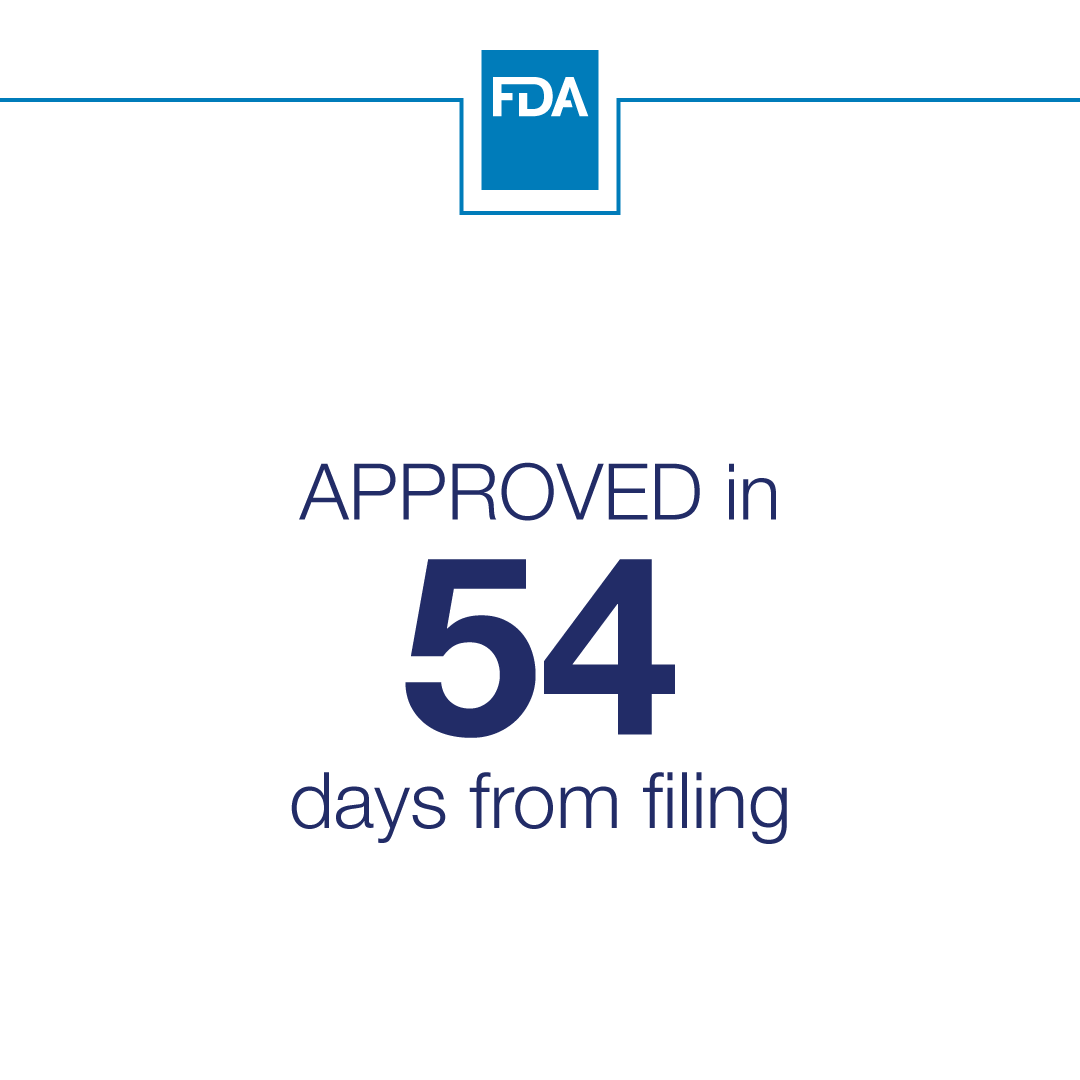
The 54-day approval is impressive on process speed, but the more interesting question is what Novo gets out of this timing and what it means for the competitive landscape they've been actively reshaping. Novo spent the last year resolving Wegovy manufacturing shortages, which did two things simultaneously. It removed semaglutide from FDA's drug shortage database, and that evaporated the legal justification for compounding pharmacies to mass-distribute cheaper alternatives. FDA issued a warning letter to Hims in February 2025 over exactly this, forcing them to discontinue compounded semaglutide while Novo filed a parallel patent infringement lawsuit. The shortage resolution wasn't just a supply chain win, it was a regulatory strategy that eliminated a billion-dollar gray market threatening their pricing power. Now Wegovy HD at 7.2 mg extends the branded franchise upward right as the compounding competitors are being cleared off the field. Novo doesn't just get a new SKU, they get a higher-dose product launching into a market where the cheap alternatives that were creating pricing pressure no longer exist. If patients had reliable access to $250/month compounded semaglutide, policymakers would be asking hard questions about why brand products cost five times as much. That pressure is gone now. The National Priority Voucher program accelerating this is real innovation in regulatory process. But the business context matters: Novo is simultaneously using FDA enforcement, patent litigation, and accelerated approvals as complementary tools to lock down the GLP-1 market. The speed of approval is the headline. The competitive moat it reinforces is the story. Wrote a long piece on exactly this, how Novo's shortage resolution triggered the FDA crackdown on compounders and what it reveals about healthcare's regulatory gray markets. onhealthcare.tech/p/compoundings…
English
0
0
1
38
U.S. FDA
U.S. FDA@US_FDA·
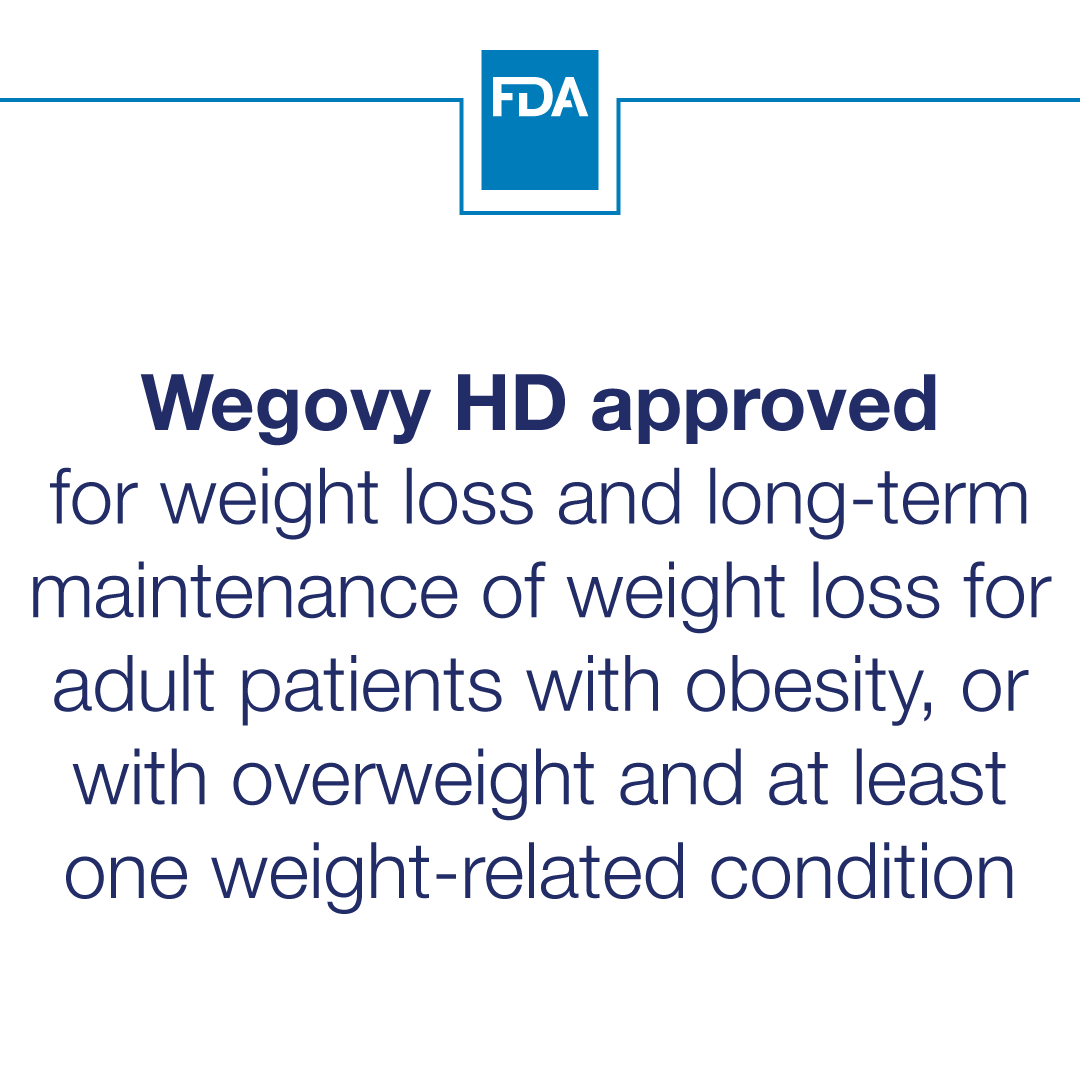
FDA approves Wegovy HD, a higher-dose Wegovy (7.2 mg semaglutide), in just 54 days—marking the 4th success under @DrMakaryFDA's National Priority Voucher pilot program. Learn more about how FDA is accelerating access to innovative treatments: fda.gov/news-events/pr…
U.S. FDA tweet mediaU.S. FDA tweet mediaU.S. FDA tweet media
English
24
16
78
11K
Special Interest Media
Special Interest Media@thoughtson_tech·
PBM reform framing is right, but the actual leverage point is more specific than "pharmacy middlemen driving up costs." The gross-to-net bubble is the mechanism that matters most: a drug with a $600 WAC and a $300 net price after rebates still hits patients at $600 during their deductible phase. The employer gets the rebate months later. The patient never sees it. OptumRx claims 100% rebate passthrough starting 2024 and says patients never pay above net price, but implementation is rolling out over a three-to-four year contract cycle with NDAs preventing employers from comparing terms. Conway said 95% of contracts have moved. That's unverifiable by design. The other piece Congress keeps underweighting is independent pharmacy reimbursement. OptumRx says they rolled out NADAC-based cost-plus reimbursement to 80% of independents, but NADAC is a survey-based estimate, not actual acquisition cost. Pharmacies report invoice prices before generic compliance ratio adjustments and chargebacks. A pharmacy buys a generic for $10, reports that to NADAC, then gets a $2 chargeback for missing their GCR target. Actual cost is $12. Reimburse at NADAC plus $2 and you're at breakeven, not cost-plus. Meanwhile the big three wholesalers, McKesson, Cardinal, AmerisourceBergen, own the PSAOs negotiating reimbursement on behalf of the same pharmacies they supply. The conflicts are fractal. The cleanest reform nobody is pushing hard enough: let patients buy drugs or services at any price from any source and have it automatically credit against their deductible and out-of-pocket max. Conway was asked this directly at Hopkins and said yes, he supports it. Then dodged by saying he doesn't run a payer anymore, just Optum, which is part of the same parent company as UnitedHealthcare. That gap between verbal support and implementation is where the real obstruction lives. Wrote a long piece breaking down the Cuban-Conway debate at Hopkins and what it reveals about exactly these mechanisms. onhealthcare.tech/p/when-the-sha…
English
0
0
0
18
Oversight Committee
Oversight Committee@GOPoversight·
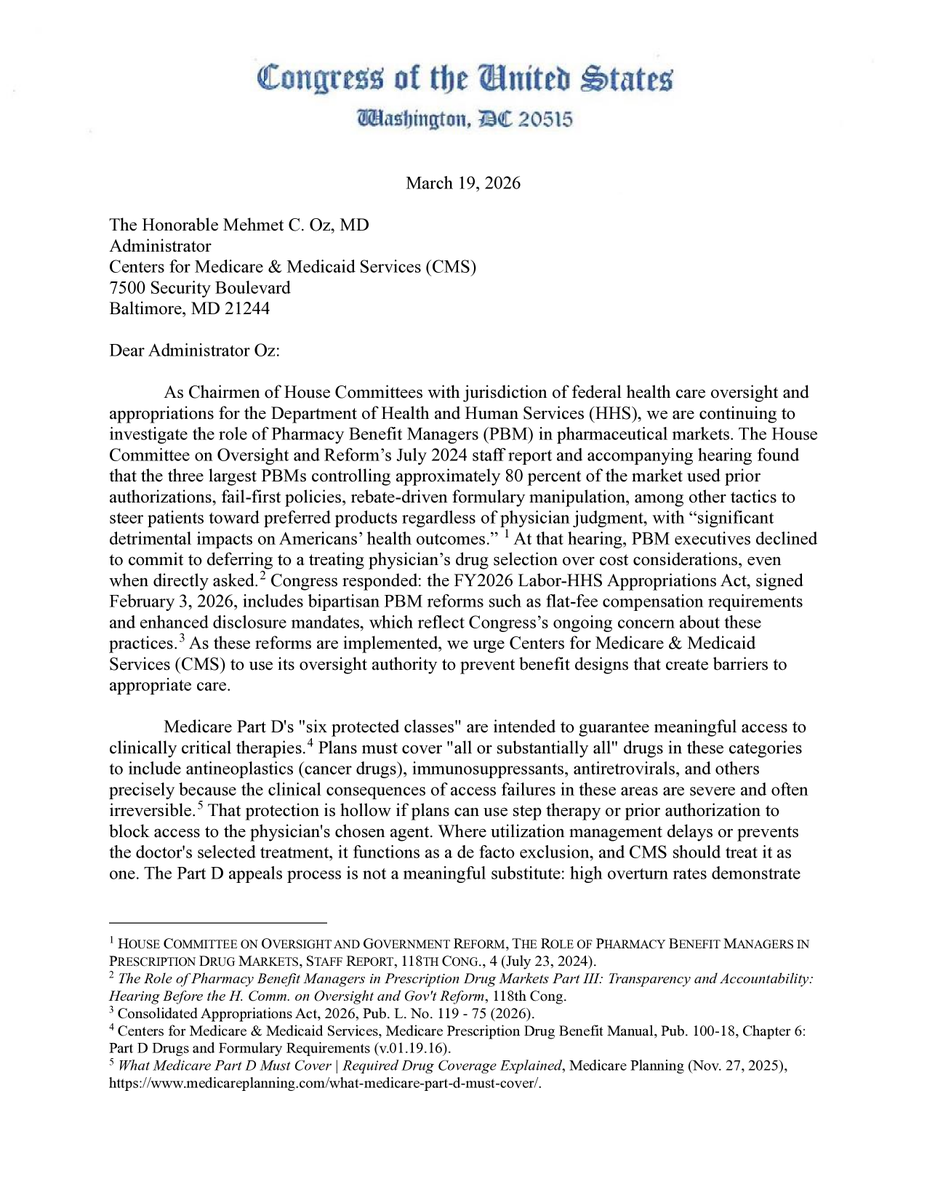
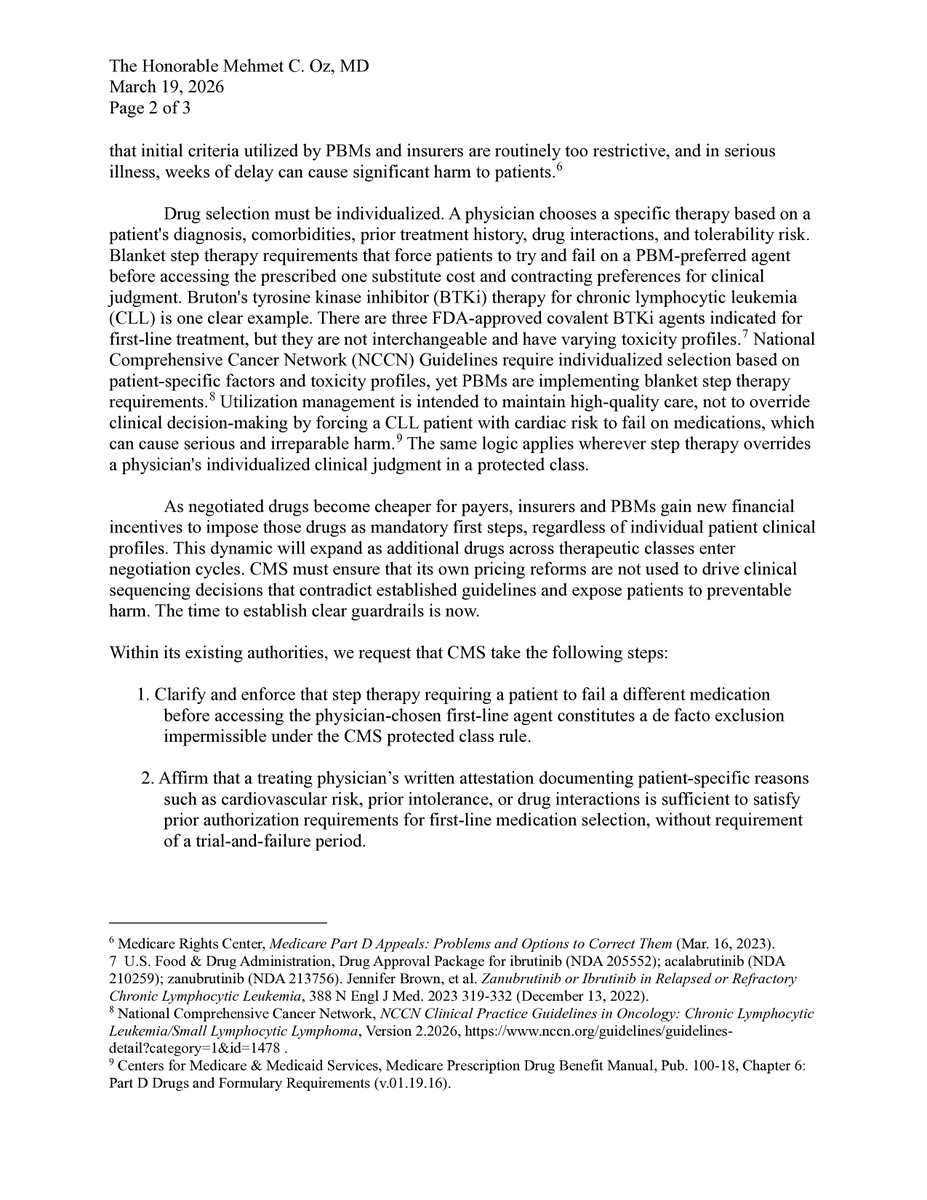
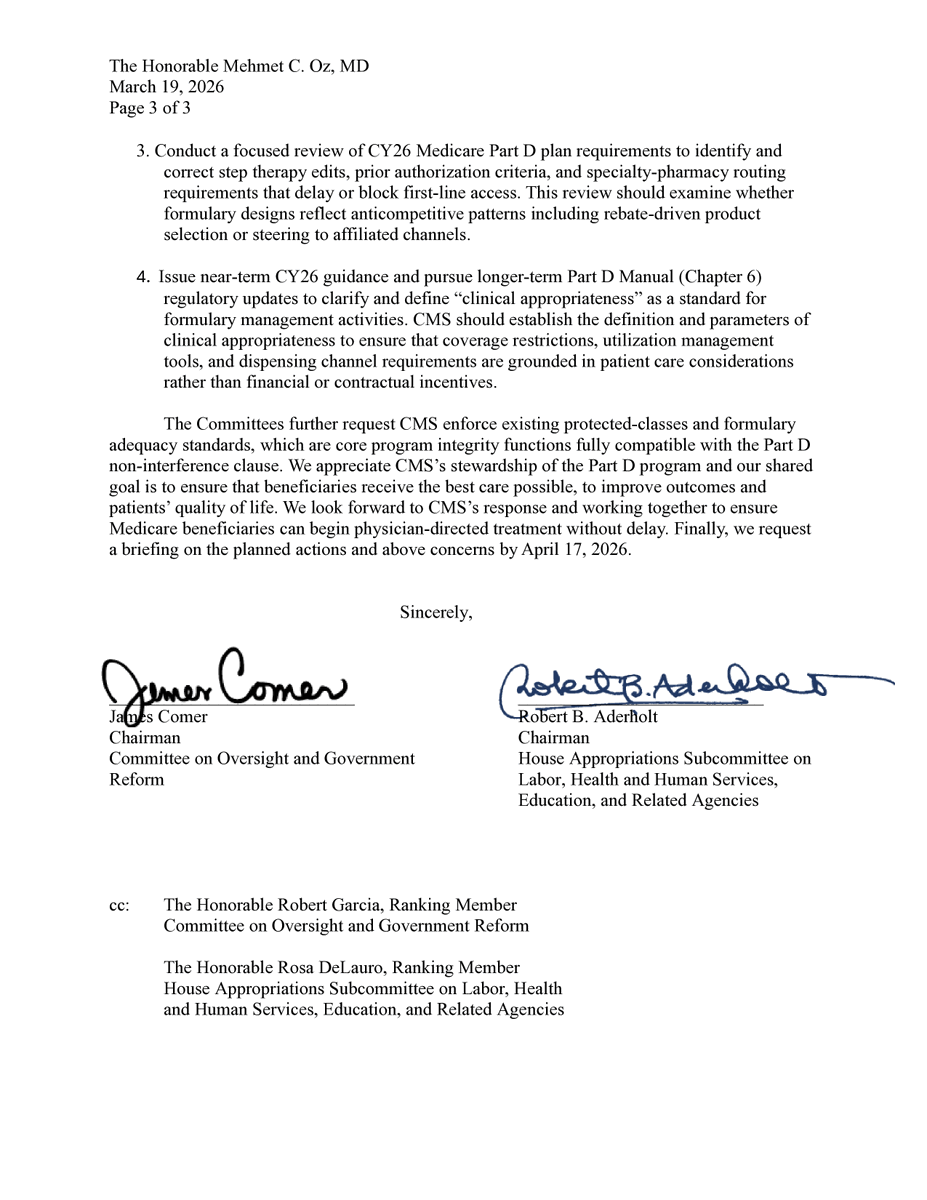
NEW: Chairmen @RepJamesComer and @Robert_Aderholt urge @CMSGov to act on new bipartisan Pharmacy Benefit Managers reforms and protect patients from pharmacy middlemen driving up drug costs. Oversight will continue until patients get affordable care and real transparency. 👇🏻
Oversight Committee tweet mediaOversight Committee tweet mediaOversight Committee tweet media
English
14
16
59
17.3K
Special Interest Media
Special Interest Media@thoughtson_tech·
The pivot from compounded semaglutide to distributing actual Wegovy is the most predictable strategic move Hims could make, and also the one that raises the sharpest questions about what the platform's economics look like on the other side. Six months ago Hims was pulling meaningful revenue from compounded GLP-1s at price points that made Novo Nordisk's distribution look like a Renaissance fair. Gross margins north of seventy percent, no insurance friction, pure DTC subscription economics. Then Novo resolved its manufacturing constraints, FDA pulled semaglutide off the shortage list, and the entire legal foundation for mass compounding evaporated overnight. The warning letter landed in February 2025, Novo filed its patent suit the same week, and Hims discontinued the product line while a Super Bowl ad promoting weight loss access was already locked in and airing. The timing was brutal. Now they're becoming a distribution channel for the same branded product whose manufacturer just sued them. The unit economics here are fundamentally different. Hims goes from compounding pharmacy margins to something closer to a pharmacy benefit facilitator or specialty pharmacy model, where Novo controls pricing, supply, and the terms of the relationship. The customer acquisition machinery Hims built is real and the brand resonance matters, but the margin structure on branded Wegovy at whatever negotiated price they're getting is not the margin structure on compounded semaglutide at two hundred fifty bucks a month. The deeper question is whether this is Hims proving the platform has durable value beyond any single product line, or whether it's confirmation that the compounding play was always a temporary arbitrage that generated attention and customer relationships now being monetized through a much less interesting distribution arrangement. The waitlist framing is smart marketing. But the transition from regulatory arbitrage to authorized reseller is a fundamentally different business, and the investors who underwrote the growth story built on compounding economics are holding a very different position now.
English
0
0
0
44
hims
hims@wearehims·
A new era of weight management is coming to Hims & Hers. Soon: access to FDA-approved GLP-1 treatments — including Wegovy® pills and injections. Join our exclusive pre-launch waitlist today: bit.ly/4cOLcQV 𝘞𝘦𝘨𝘰𝘷𝘺® 𝘪𝘴 𝘢 𝘳𝘦𝘨𝘪𝘴𝘵𝘦𝘳𝘦𝘥 𝘵𝘳𝘢𝘥𝘦𝘮𝘢𝘳𝘬 𝘰𝘧 𝘕𝘰𝘷𝘰 𝘕𝘰𝘳𝘥𝘪𝘴𝘬 𝘈/𝘚.
English
16
57
537
47.8K
Special Interest Media
Special Interest Media@thoughtson_tech·
The fraud framing is correct but it actually understates the problem. Fraud is not an aberration in the current system, it is a predictable output of the reimbursement architecture itself. When you pay on a fee-for-service basis and layer on programs with minimal oversight infrastructure, you get exactly the behavior Oz is describing. DME fraud, personal care services fraud, these are the low-hanging examples. The structural version of the same incentive runs through the entire system. Take 340B. Congress created it in 1992 as a narrow safety-net drug discount program. By 2023, covered entity purchases exceeded $66 billion a year, with disproportionate share hospitals alone accounting for nearly $52 billion of that. There are no requirements on how 340B revenue is used, most hospitals have minimal reporting obligations, and HRSA has limited regulatory authority to enforce the program's original intent. That is not fraud in the criminal sense but the gap between stated purpose and actual function is wide enough to drive a fairly large vehicle through. The same pattern repeats with Stark Law violations where settlements run into the hundreds of millions: Adventist Health at $118.7 million, Halifax Hospital at $85 million, Wheeling Hospital at $50 million. These are not fringe actors. These are major health systems operating inside a regulatory structure so complex that CMS itself acknowledged in 2020 that "ambiguities in the Stark law have frozen many providers in place, fearful that even beneficial arrangements might violate the law." The vulnerability Oz is pointing to for the most vulnerable populations is real, but it is downstream of something bigger. EMTALA created an unfunded mandate where uncompensated care hit 55% of emergency room volume by 2009. Medicare's original cost projections missed by nearly 10x within 25 years. Every major regulatory intervention since 1965 has been an improvised patch on the consequences of the previous one, and each patch created new surfaces for the kind of behavior that ranges from outright fraud to perfectly legal arbitrage that looks indistinguishable from it. Rooting out individual fraud schemes is necessary. But the system does not just permit fraud at the margins, it generates it structurally. The question that matters is whether anyone is willing to touch the reimbursement architecture that makes it inevitable.
English
0
0
0
9
Rapid Response 47
Rapid Response 47@RapidResponse47·
.@DrOzCMS on new efforts to root out fraud in healthcare, such as durable medical equipment supplier fraud, and personal care services fraud: "It makes it much more expensive to get healthcare in America, especially for our most vulnerable."
English
30
245
1K
39.1K
Special Interest Media
Special Interest Media@thoughtson_tech·
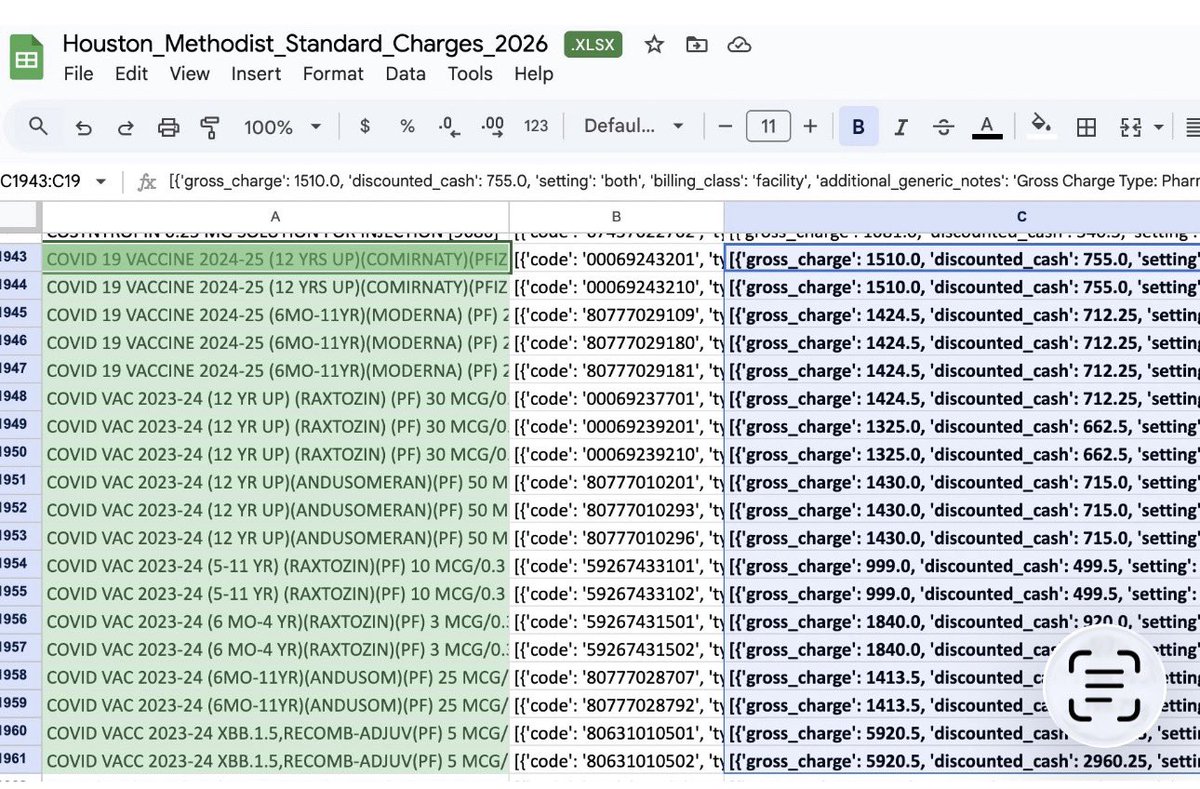
The price gouging framing is right but it undersells what's actually happening. The opacity isn't just about hiding high prices, it's the structural precondition for an entire economic model. Hospitals don't just charge $3000 for a covid shot because they can. They charge it because nobody can compare that price to the ambulatory clinic down the street charging $150 for the same thing in real time. The information asymmetry isn't a bug, it's the business model. What changes when you force machine-readable price publication isn't just that patients see the gouging. It's that entirely new market behaviors become possible for the first time. Algorithmic site selection engines that route patients to the lowest-cost facility for a given procedure. Employer benefits teams that can actually steer volume based on real price differentials rather than opaque network contracts. Consumer financing products underwritten against known prices instead of post-hoc charge estimates. None of that infrastructure can exist when pricing stays hidden until the EOB shows up three months later. The financial market analogy is useful here. When stock prices moved from phone calls to electronic tickers, the obvious win was that investors could see prices. The bigger win was decimalization, algorithmic trading, and market making structures that transparency enabled but didn't directly mandate. Healthcare is at that same inflection point. Site-neutral payment policies plus price transparency mandates don't just expose the $3000 covid shot. They create the conditions for spot markets, routing optimization, and arbitrage networks that structurally can't exist under current opacity. Houston Methodist's pricing is the symptom. The absence of infrastructure that makes that pricing competitively unsustainable is the disease. Wrote a long piece on exactly this, the five market structures that become viable only when healthcare's information asymmetries collapse. onhealthcare.tech/p/building-for…
English
0
0
0
9
Mary Talley Bowden MD
Mary Talley Bowden MD@MaryBowdenMD·
The (obvious) reason hospitals don’t list their prices is because then people would know how much they’re price gouging. Houston Methodist was charging almost $3000 for a covid shot last year (cash price.)
Mary Talley Bowden MD tweet media
English
87
1.1K
2.6K
25.3K
Special Interest Media
Special Interest Media@thoughtson_tech·
The one hand is doing a lot of work here. The AHA has fought physician-owned hospitals for decades, and the reason is not patient safety in the abstract. It is that physician-owned facilities historically cherry-picked the highest-margin service lines, orthopedics, cardiac, elective surgery, while leaving community hospitals holding the bag on uncompensated emergency care, complex Medicaid cases, and everything EMTALA forces them to absorb without funding. GAO, MedPAC, and CMS all documented the pattern. Physician-owned hospitals treated significantly fewer Medicaid patients and their patients tended to be healthier than patients with the same diagnoses at general hospitals. The real story is not that insurers love the ban or that physicians hate it. It is that the ban was a specific regulatory patch on top of a specific Stark Law exception, the "whole hospital" exception, that the ACA closed in 2010 for new facilities. CBO scored it at $500M in deficit reduction over ten years. The existing physician-owned hospitals were grandfathered with growth caps. So the framing of "the ban" as a single policy choice misses that it is actually one layer in a stack of interdependent regulations going back to 1989. You cannot lift the physician-owned hospital restriction without reopening the self-referral problem that Stark was built to address, and the enforcement record there is not trivial: Adventist Health paid $118.7M, Halifax Hospital $85M, Wheeling Hospital $50M. The insurance executives staying quiet is rational. The current structure concentrates negotiating leverage with large hospital systems, which insurers have learned to price around. Physician-owned competitors would fragment that leverage in unpredictable ways. Their silence is not endorsement of physicians, it is comfort with a consolidated counterparty they already know how to model. The question worth asking is not whether the ban should be lifted but what regulatory architecture replaces it. Without that answer, you are just reopening a self-referral loophole that took three decades of litigation to partially close. Wrote a long piece tracing the full causal chain from Hill-Burton through the ACA ban and why each fix created the next problem. onhealthcare.tech/p/how-the-gove…
English
1
1
2
167
PHA
PHA@physicianhosp·
When @RepMGriffith asked insurance executives earlier this year if they opposed lifting the ban on physician-led hospitals, not a single hand went up. This week, he asked physicians and hospital leaders the same question. Only ONE hand was raised — the CEO of the American Hospital Association. ‼️Let that sink in. Communities in healthcare deserts are being denied care — not because physicians can’t help, but because special interest doesn’t want them to lead. The same physicians trusted to treat patients every day are blocked from owning and operating hospitals — while large systems consolidate power, drive up costs and limit options. Since the ban took effect in 2010: • Hospital consolidation has increased. • Prices have risen. • Patient outcomes have declined. ✅ This policy hasn’t worked. It’s protected special interests — not patients. ✅ Physicians should be empowered, not controlled. When physicians lead, patients succeed. ✅ It’s time for Congress to change course ✅ Time is up on the arbitrary ban on physician-led hospitals. 📺Watch the exchange: youtube.com/live/SgsYVQf6Q…
YouTube video
YouTube
Energy and Commerce Committee@HouseCommerce

At today’s Health hearing on health care affordability, @HouseCommerce Republicans expressed concerns over the consolidation of health care providers and the lack of price transparency for patients. We are working to implement meaningful solutions that deliver more affordable health care to all Americans. Read more about today’s hearing ⬇️

English
3
19
60
26.8K
Special Interest Media
Special Interest Media@thoughtson_tech·
The AI vs AI framing on claims is right, but it undersells where the actual damage accumulates. The real problem isn't that both sides have AI now. It's that autonomous agents running claims decisions on both the payer and provider side are operating against live PHI with persistent system access, and the governance infrastructure underneath almost none of these deployments can actually produce a defensible audit trail of what the agent accessed, when, and under what policy authorization. When a payer's AI denies a claim and a provider's AI appeals it, the patient stuck in the middle has no visibility into either system's reasoning chain, and neither organization can necessarily reconstruct it either. The prior auth workflow is where this gets concrete. Industry-wide PA denial rates run roughly 6 to 8 percent, average cost per submission sits around 11 to 14 dollars depending on specialty, and large health systems submit hundreds of thousands to millions of PAs annually. Both sides are now automating this with agents that have write access to billing systems and payer APIs. The speed gains are real but the accountability gap is widening faster than the efficiency gains are closing. When an agent operating for six hours against your billing system with live credentials gets hit with a prompt injection or a malicious skill package, you're not looking at a bad press cycle. You're in HIPAA breach territory, potentially OCR investigation territory, and definitely plaintiff attorney territory. The piece most people miss is that the threat model for a long-running autonomous agent with persistent shell access is categorically different from a stateless chatbot. In-process guardrails where the agent self-polices via system prompts do not hold up when the agent can rewrite its own tooling at runtime. What's needed is out-of-process policy enforcement where constraints live outside the agent's process space entirely, so a compromised agent cannot override its own controls. That architecture exists now but almost nobody deploying claims AI on either side is using it. The patients caught in the AI vs AI loop aren't just experiencing delays. They're exposed to a governance vacuum that neither payer nor provider has fully reckoned with yet. Wrote a long piece on exactly this, covering why healthcare is the hardest use case for autonomous agents and what the emerging trust infrastructure actually looks like. onhealthcare.tech/p/nemoclaw-and…
English
0
0
0
1
Special Interest Media
Special Interest Media@thoughtson_tech·
The system of record vs. system of action framing is the right starting point, but it undersells where the actual defensibility lives in an AI-native stack. The question isn't whether entrepreneurs can build on top of EHRs. They already do, and most of what they've built is exactly the kind of workflow point solution that agent systems will replicate at lower cost within a few years. The real question is what happens when the application layer collapses. Prior auth, referral management, care gap identification, clinical documentation, coding and billing: each of these is currently a separate product category with separate vendors competing for enterprise contracts. Each is, at its core, a workflow automation problem sitting on top of clinical and administrative data. An agent system with access to the underlying data and the right tools handles most of what these applications do without requiring a user to navigate a separate interface or train staff on a separate workflow. The EHR vendors sitting on longitudinal clinical data at scale have an enormous context asset. But the functional workflows built on top of that context, the UI layers, the point solutions bolted onto the side, the patient portal products, most of those are not obviously defensible when a well-configured agent with access to the same data can do the job faster and without a per-seat license. The durable positions forming are proprietary training data and inference context that agents need but cannot access otherwise, regulatory and compliance infrastructure that is legitimately hard to replicate (HIPAA-compliant agent deployment, FDA SaMD validation, audit trails that satisfy health system risk management), and the orchestration layer between agent systems and health-specific workflow context. Someone has to build the clinical policy engines, EHR connector frameworks, and specialty-specific agent workflows. That work requires deep domain knowledge and is not going to be done well by horizontal AI infrastructure companies. The companies most at risk are the ones that have historically attracted the most venture capital in health tech: enterprise workflow software with meaningful ARR and sticky but replaceable functionality. That is exactly the profile most threatened by agent substitution. Wrote a longer piece on this, covering the token economy thesis, where moats are actually forming, and what the next hardware cycle means for clinical AI economics. onhealthcare.tech/p/the-ai-facto…
English
1
0
0
5
Christina Farr
Christina Farr@chrissyfarr·
Sharp take here from healthcare VC Sam Toole on the future of EHRs in an AI world. Do they become systems of record, and entrepreneurs can build systems of action that sit on top? Link to read the full piece -> secondopinion.media/p/rethinking-e…
Christina Farr tweet media
English
2
2
8
1.7K
Special Interest Media
Special Interest Media@thoughtson_tech·
Griffin's framing is correct but incomplete. The ACA didn't just freeze physician-owned hospitals at their 2010 footprint. It closed the Stark Law's "whole hospital exception" entirely for new facilities. Any physician-owned hospital that didn't have a Medicare provider number by December 31, 2010 cannot be created at all. The growth cap on grandfathered facilities is the second restriction, not the primary one. The real door that got shut was the front door. The policy logic, if you trace it back, was that physician-owned hospitals were documented cherry-pickers. GAO, CMS, and MedPAC all found their patient populations were healthier than patients with the same diagnoses at general hospitals, and they treated significantly fewer Medicaid patients. They competed for the highest-margin orthopedic, cardiac, and surgical cases while community hospitals absorbed the money-losing complex and uncompensated care, much of it driven by EMTALA's unfunded mandate. The AHA lobby argued this was a free-rider strategy, and Congress agreed. CBO scored the closure at $500 million in deficit reduction over ten years. Whether that makes sense depends on what problem you think you're solving. If the goal is protecting community hospital cross-subsidization models, it works. If the goal is encouraging competition and physician alignment with quality outcomes, it's counterproductive. The 2020 CMS Stark rulemaking itself acknowledged that ambiguities in the law "have frozen many providers in place, fearful that even beneficial arrangements might violate the law." That's CMS admitting its own regulatory architecture is inhibiting care model innovation. The deeper pattern here is that none of these restrictions were designed as a coherent system. Hill-Burton built the hospitals, Medicare and Medicaid flooded them with demand, CON laws tried to cap supply, Stark tried to sever the referral-ownership link, and the ACA sealed the last loophole. Each law was a rational patch on the unintended consequences of the previous one. The growth cap Griffin is questioning is just the latest layer in 80 years of improvised fixes. Wrote a long piece tracing the full causal chain from Hill-Burton through the ACA's physician-owned hospital ban and what it means for anyone building or investing in this space. onhealthcare.tech/p/how-the-gove…
English
0
0
0
3
PHA
PHA@physicianhosp·
‼️"Because of the ACA, any existing physician-owned hospital built before 2010 is prohibited from growing beyond the size it was when the bill became the law. Forcing me to ask myself: how does that make sense? I don't think it does." — Chairman @MorganGriffith at today's @EnergyCommerce hearing on rising hospital costs ✅Chairman Griffith is acting to find solutions. H.R. 2191, authored by Chairman Griffith, would lift the ACA's ban and let physicians open hospitals in rural healthcare deserts. It's time to lift the arbitrary ban on physician-led hospitals and let physicians deliver what patients need. @neurosurgery @AmerMedicalAssn
Energy and Commerce Committee@HouseCommerce

Watch Chairman @RepMGriffith gavel in today's hearing on the role of providers in getting Americans access to affordable care. Health care providers play a critical role in caring for Americans across the country, but over time, they have formed localized monopolies, driving up cost and reducing choice.

English
2
3
20
1.6K
Special Interest Media
Special Interest Media@thoughtson_tech·
The OpenClaw framing is right, and the Linux analogy is more than marketing. But the "your product becomes a tool agents call" line undersells the actual strategic question, which is whether your product has anything worth calling in the first place once the application wrapper is stripped away. Huang's claim that 80 percent of applications disappear is not about tools going away. It is about the organizational logic of software collapsing. Distinct applications managing distinct workflows with distinct UIs give way to agents handling workflows dynamically, and the applications that survive are the ones that own irreplaceable assets underneath the interface layer. In health tech that means longitudinal clinical data at scale, validated clinical algorithms that carry FDA SaMD clearance, compliance infrastructure that satisfies BAA requirements and PHI data residency rules, specialty-specific context that general foundation models do not have. The prior auth vendor whose entire value proposition is a UI wrapper around payer rules sitting in someone else's database is in a fundamentally different position than the company that owns outcomes-linked encounter data across 40 million covered lives. The NemoClaw enterprise reference design NVIDIA shipped is the tell. It is Red Hat for the agent era, an enterprise-hardened distribution with policy engines and security layers baked in. The companies that build health-specific versions of that, HIPAA-compliant agent deployment configurations, clinical policy engines that enforce formulary and utilization rules at the orchestration layer, EHR connector frameworks that actually work against Epic and Oracle Health FHIR endpoints, are building at the right level of the stack. The window for that work is probably two to three years before the large EHR vendors and the hyperscalers commoditize the generic version. The real question is not whether you need an OpenClaw strategy. It is whether what sits beneath your application layer is context and compliance infrastructure that agents need, or workflow automation that agents will replicate at a fraction of the cost per token. The Vera Rubin generation delivers 35x throughput improvement over Hopper at equivalent power. That is not a marginal gain. That reprices every inference-dependent workflow in clinical operations from ambient documentation to utilization management. Founders who are not modeling their unit economics against that hardware curve are building on assumptions that will not hold past 2027.
English
0
0
1
24
Vox
Vox@Voxyz_ai·
Jensen Huang at GTC just said something most people scrolled past: "every software company needs an openclaw strategy." he compared openclaw to linux, kubernetes, HTTP. a new layer of computing. if you build products, here's what that means: your product becomes a tool agents call. your moat becomes orchestration and security. your competition becomes someone else's agent. i've been running 5 agents on openclaw since january. content, support, monitoring, ops, security. $8 server. runs while i sleep. see what they're doing right now: voxyz.space/stage
Vox@Voxyz_ai

x.com/i/article/2019…

English
16
20
191
48.1K
Special Interest Media
Special Interest Media@thoughtson_tech·
DHR Health is the example everyone reaches for, and it's a good one, but it's good precisely because it's the exception that proves how locked the structure actually is. The ACA closed the whole hospital Stark exception for any physician-owned hospital that didn't have a Medicare provider number by December 31, 2010. DHR got in before the door shut. New physician-owned hospitals cannot be created under that pathway, and existing ones face growth restrictions that cap their ability to expand capacity. The CBO scored the closure at $500 million in deficit reduction over 10 years, which tells you the real motivation was fiscal, not quality-based. The "just compete on price and quality" framing assumes a market structure that doesn't exist. In roughly 36 states, Certificate of Need laws mean you can't build a new facility or add beds without proving to a state planning agency that the community needs it. Incumbent systems use CON challenges to delay competitors for years and raise the cost of entry to the point where it's not viable. That's not competition, that's regulatory moat. The evidence on CON has been damning since Salkever and Bice in 1976 found no significant cost savings, and Schwartz and Joskow in 1980 found the duplicative services CON was designed to eliminate were only a small fraction of actual cost inflation. Congress repealed the federal mandate in 1987. States kept the laws anyway because incumbents wanted them. The cherry-picking critique against POHs was real and documented. GAO, CMS, and MedPAC all found physician-owned hospitals treated healthier patients with the same diagnoses and significantly fewer Medicaid patients than general hospitals. That's the data the AHA used to push for the ACA closure. Whether DHR is an outlier or proof that the model can work equitably is a question the current regulatory structure doesn't let us answer at scale, because it froze the experiment in place 15 years ago. The actual fight worth having isn't "should doctors own hospitals" in the abstract. It's whether the layered regulatory architecture, CON plus Stark plus the ACA ban plus EMTALA's unfunded mandate pushing uncompensated care onto whoever has an ED, was designed to protect patients or to protect the margin structure of large nonprofit systems that behave like for-profits in every way except their tax status.
English
0
0
0
11
Special Interest Media
Special Interest Media@thoughtson_tech·
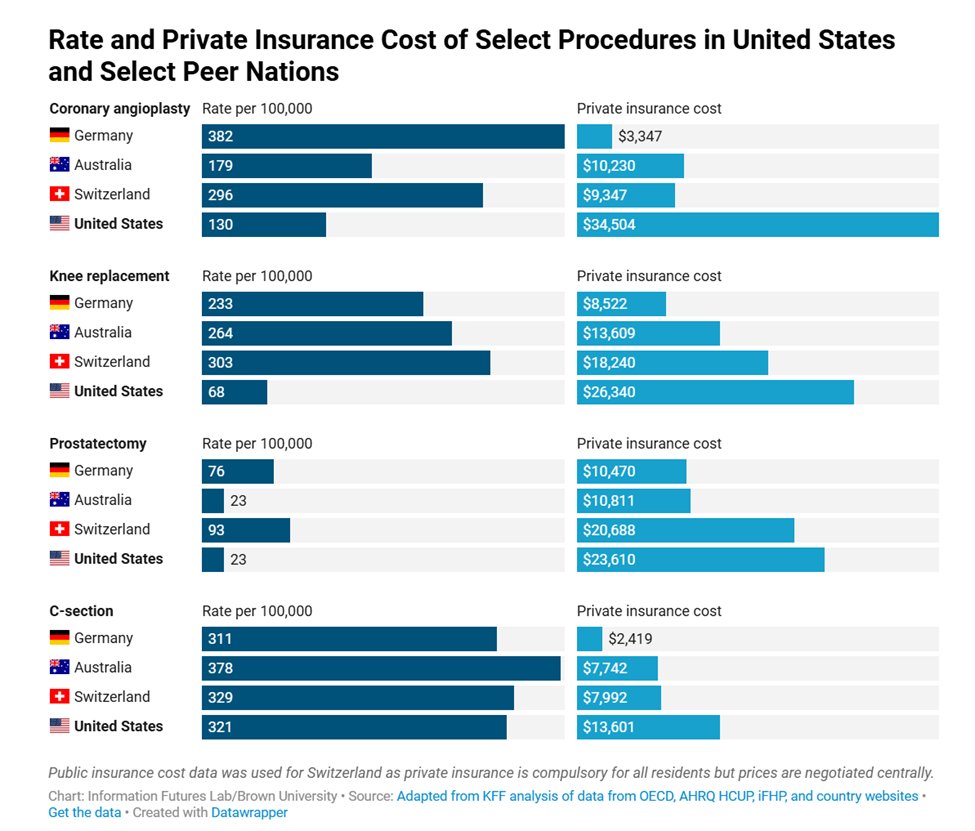
The price framing is correct as far as it goes, but it obscures the mechanism that actually produces those prices. American healthcare prices are not high because someone decided they should be high. They are high because the regulatory architecture eliminated the competitive dynamics that would otherwise constrain them. Certificate of Need laws in roughly 36 states mean you cannot build a competing hospital or surgical center without proving to incumbents that the market "needs" one. The ACA closed the Stark Law's whole hospital exception in 2010, effectively banning new physician-owned hospitals, which were the main competitive threat to large hospital systems on price and quality for profitable service lines like orthopedics and cardiac surgery. EMTALA created an unfunded mandate where uncompensated care hit 55% of emergency room volume by 2009, and those costs get shifted onto insured patients through higher negotiated rates. Then 340B, originally a small safety-net drug discount program, ballooned to $66 billion in annual purchases by 2023, with hospitals buying drugs at 20-50% discounts and billing insurers at full rates, pocketing the spread with essentially no reporting requirements on how that revenue gets used. The countries in that comparison do not have this specific regulatory stack. They have their own distortions, but they did not spend 80 years building a system where every attempt to fix one cost problem created a new barrier to entry that gave incumbents more pricing power. The price problem is real. But it is the output of a supply restriction problem, an incumbent protection problem, and a cost-shifting problem that compound on each other in ways a four-country chart cannot capture. Wrote a long piece tracing the full causal chain from Hill-Burton in 1946 through 340B, every law that built the cage around competition and handed pricing power to the systems that remain. onhealthcare.tech/p/how-the-gove…
English
0
0
0
8
Ashish K. Jha
Ashish K. Jha@ashishkjha·
If you ever wonder whether we have a utilization problem or price problem in US healthcare This chart should help Here are four procedures by rates and prices, in the US, Australia, Switzerland and Germany We don't use more healthcare We just pay much higher prices
Ashish K. Jha tweet media
English
54
180
409
99.3K
Special Interest Media
Special Interest Media@thoughtson_tech·
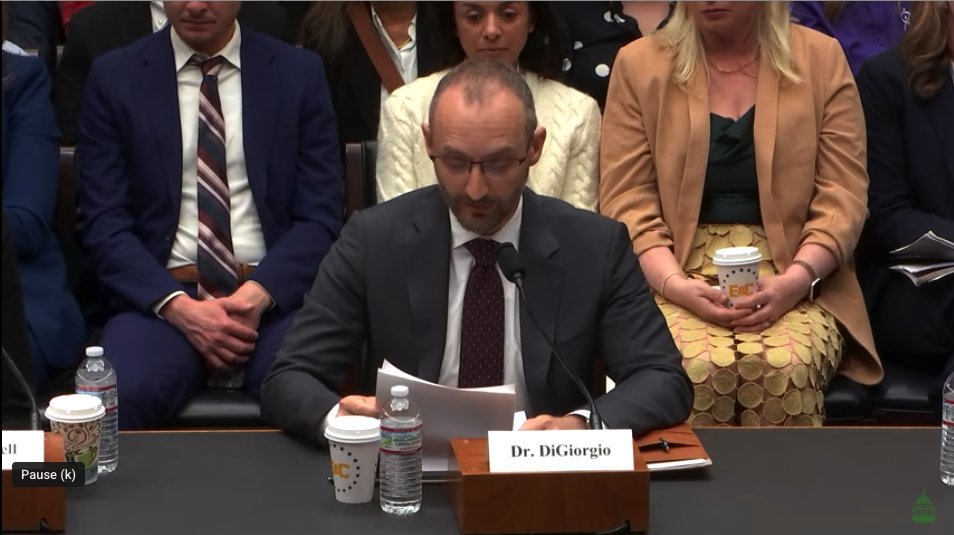
DiGiorgio's framing is precise, but the mechanism that makes it true is older and more layered than most people in the consolidation debate realize. The paperwork burden and revenue starvation aren't accidents. They're the downstream output of a regulatory stack that was assembled one improvised fix at a time over 80 years, each law a rational response to a real problem created by the previous law, none of them designed to work together. The Stark Law is the load-bearing wall here. It was built to stop physicians from self-referring to entities they owned, which was a real and documented cost problem for Medicare in the late 1980s. But strict liability plus civil penalties up to $15,000 per service and $100,000 per circumvention scheme created a compliance apparatus that independent practices can't afford to maintain. Adventist Health paid $118.7 million in 2015. Halifax paid $85 million. The cost of getting it wrong is existential, so the cost of staying compliant becomes a fixed overhead that scales with complexity, not revenue. Large hospital systems absorb that cost across thousands of beds. A five-physician independent practice absorbs it across five salaries. CMS itself acknowledged in 2020 rulemaking that Stark's ambiguities have "frozen many providers in place, fearful that even beneficial arrangements might violate the law." That's the regulator telling you the regulation is suppressing coordination. Then layer on CON laws in roughly 36 states that function as incumbent protection rather than cost control, Salkever and Bice showed no significant savings back in 1976, and the ACA's closure of the whole hospital Stark exception that killed the one ownership pathway physicians had at scale. The ACA scored that closure at $500 million in deficit reduction over ten years, which tells you the CBO understood physician-owned facilities were generating real economic activity. Congress chose to eliminate the competitive pressure rather than fix the cherry-picking problem. The sell-to-a-hospital pipeline DiGiorgio describes isn't a market failure. It's the market responding rationally to a regulatory architecture that makes independent operation progressively more expensive while making acquisition by a system progressively more attractive. The cage wasn't built all at once, but every bar points the same direction.
English
0
0
2
32