Would be mostly away from Twitter for the next 4-5 months! See you all in summers!
English
Neha Zaidka
2.5K posts

@NZaidka
Theology and Philosophy student

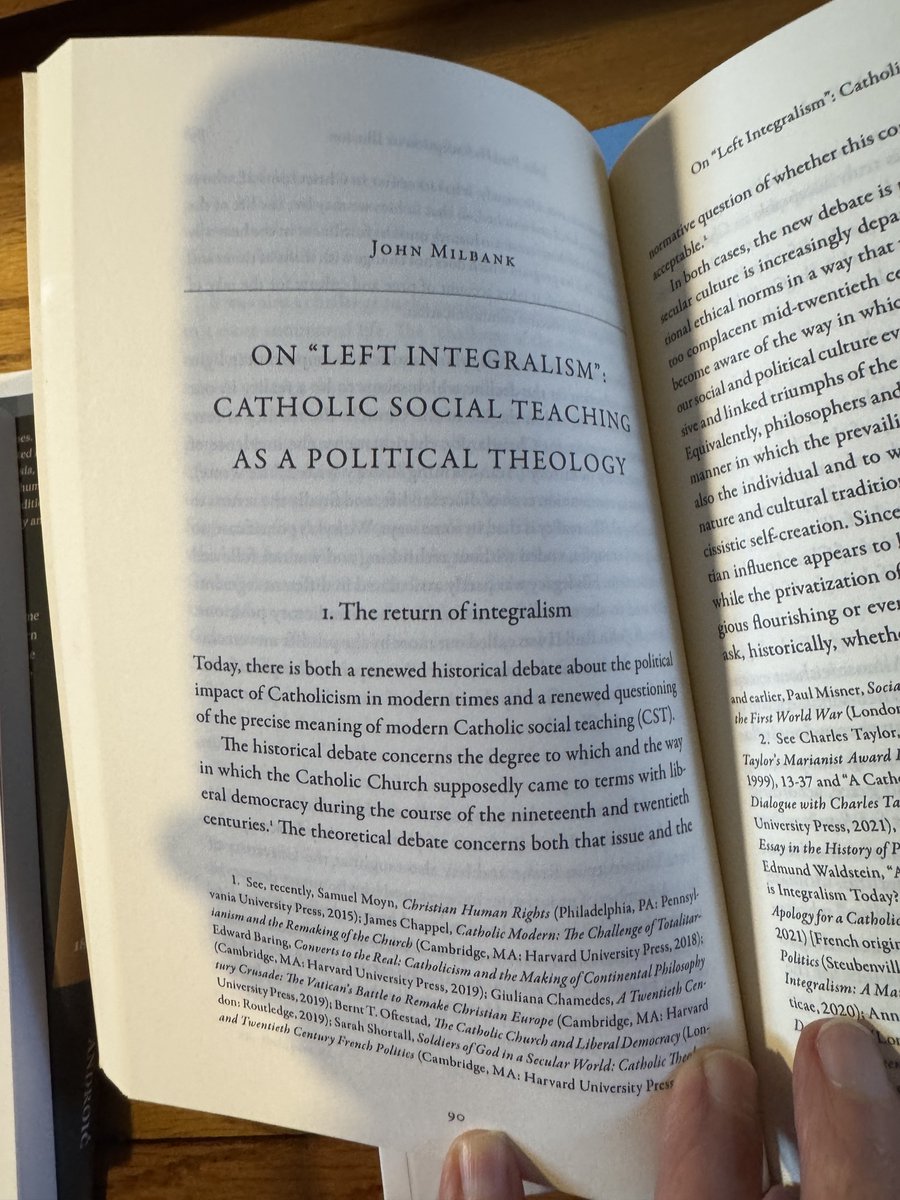

It's official: I'm writing a book.


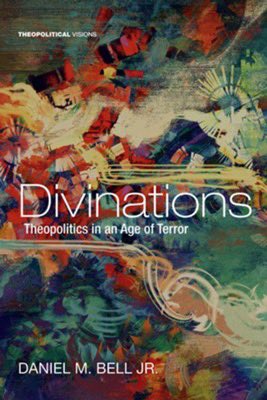
“Anselm's aneconomic reading of Christ's atonement also provides several intimations of how true sacrifices, the practice of the end of judgment, may fund resistance to capitalism. It does so as it creates a space that allows us to distance true sacrifice from all pernicious forms of sacrifice, all forms of sacrifice that correspond to an economy of debt, scarcity, and competition. According to such an order, all sacrifice is implicated in violence as it necessarily entails a loss—a loss of self, a loss of dignity, a loss of identity, a loss of life. Pernicious sacrifice is always a giving up or a surrender of the lesser to the greater—the present to the future, women to men, men to the state/corporation, all to the greater good (market). Thus, morality under the sign of modernity oscillates between egoism and altruism, between self-preservation and self-destruction. And, perhaps unsurprisingly, modern Christian ethics has tended to embrace altruism and "self-sacrifice." But in so doing, it is rightly censured by liberationists and others, for altruism and self-sacrifice remain circumscribed by scarcity, loss, and death-sacrifice always entails a loss. For this reason, as Ayn Rand reminded us, altruism is immoral.” - Daniel M. Bell Jr. “If the Son becomes man—not through a kenosis on God's part, since this is impossible given the immutability of the divine essence—he owes God (the Father) a life of perfect righteousness. Indeed, he owes him more: he owes it to him to suffer for this righteousness to which he holds fast so tenaciously. In negative terms, this means that, for Anselm, neither Jesus' life nor even his sufferings represent a work of supererogation, but only his death. For, since he was not a sinner, dying was not a debt he was required to pay. (This view will need critical examination.) Positively, it means that Jesus' death was not an isolated event but the final consequence of a righteousness he had maintained throughout his life. This aspect, which sees Jesus' death as the ultimate consequence of his initiative on behalf of righteousness, could provide a link with a theology of liberation. At all events, it shows that it is not only the Son's divine nature that exercises free volition (sponte), whereas his human will "merely obeys". On the contrary, the humanity of Jesus, with its free will (as is clear from Maximus onward), participates in his free-will, atoning death: its goal is man's final liberation (liberatio). On the other hand, this liberation cannot be automatic: it cannot override man's naturally constituted freedom, even if he is a sinner. Anselm makes an important distinction between an objective restoration of the world's order through Christ's death and the subjective appropriation of redeeming grace by the sinner who repents and is converted. In principle, this conversion can occur after or before Jesus' death on the Cross, but it takes place because of the merits of the latter, as Anselm illustrates. In Jesus, a man has made such satisfaction that, on the basis of his achievement, all others can be given a share in it. This is only possible because Jesus is also God, which means that whatever he does has a surpassing worth and fruitfulness. Since, being God, he cannot himself profit from the reward, he makes it available to sinful man, on whose behalf the entire work was undertaken: "solvit pro peccatoribus quod pro se non debebat". The pro nobis, propter salvandos is a constant theme, and the triune God's initiative in the work of redemption is just as evident as that of the man Jesus.” - Hans Urs von Balthasar

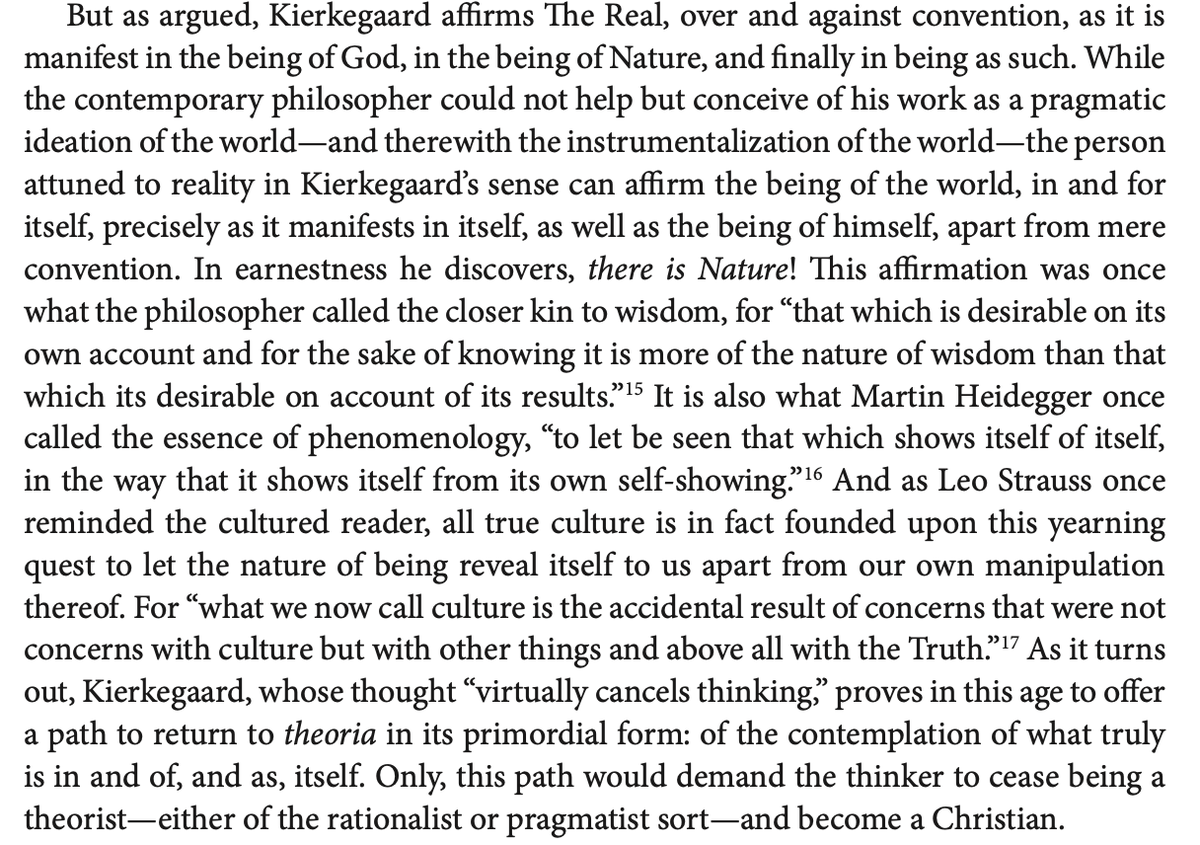

@NZaidka Broke: Harry Potter, etc fan fiction Woke: Kierkegaard fan fiction
Jean-Luc Marion is objectively a better philosopher than Plato.