Moses Myles✊@Young_Pharmacie
About Nairobi metro .I believe this is exactly what we need to cross the $500B mark in GDP .
The biggest mistake cities make with metro systems is going underground too much. Tunnelling is extremely expensive, sometimes costing up to three or four times more than building above ground. The secret to making a project like this work in Nairobi is simple: keep as much of it as possible above ground, either at street level or on elevated viaducts.
Take the main Red Line from Wangige through the CBD to the airport. This is the backbone of the system and carries the highest demand. The good thing is that most of it can run along existing corridors like Waiyaki Way, Ngong Road, and Mombasa Road. That means large sections can be built at ground level or elevated. Only the CBD section would need to go underground, and even then, it should be kept very short. In reality, about three-quarters or more of this line can stay above ground, which dramatically reduces cost.
The Blue Line from Ruaka through Westlands to Imara Daima is even more favourable. These are relatively open, well-planned corridors, especially in the north and south. Apart from a short stretch around the CBD, the rest can comfortably run above ground. This is the kind of line that gives you strong coverage without blowing up your budget.
Then comes the Purple Line, which is actually the smartest part of this entire design. It runs along outer corridors like the bypasses and avoids the CBD altogether. This is exactly how you build cheaply and efficiently. Almost the entire line can be elevated or at ground level, making it one of the most cost-effective parts of the system. If anything should be built first, it’s this one.
The Green Line, connecting Ruiru through Eastlands to Lang’ata, serves some of the most densely populated areas. That means high ridership from day one. The beauty is that it also follows road corridors where elevated construction is very possible. Most of this line can be built above ground, which keeps costs manageable while serving the people who need it most.
The only truly expensive part of the system is the small Black Line loop around the CBD. This is where space is tight, buildings are dense, and disruption must be minimised. Here, some underground construction becomes unavoidable. But the key is discipline , keep it short, focused, and only where absolutely necessary. This section should not stretch beyond a few kilometres.
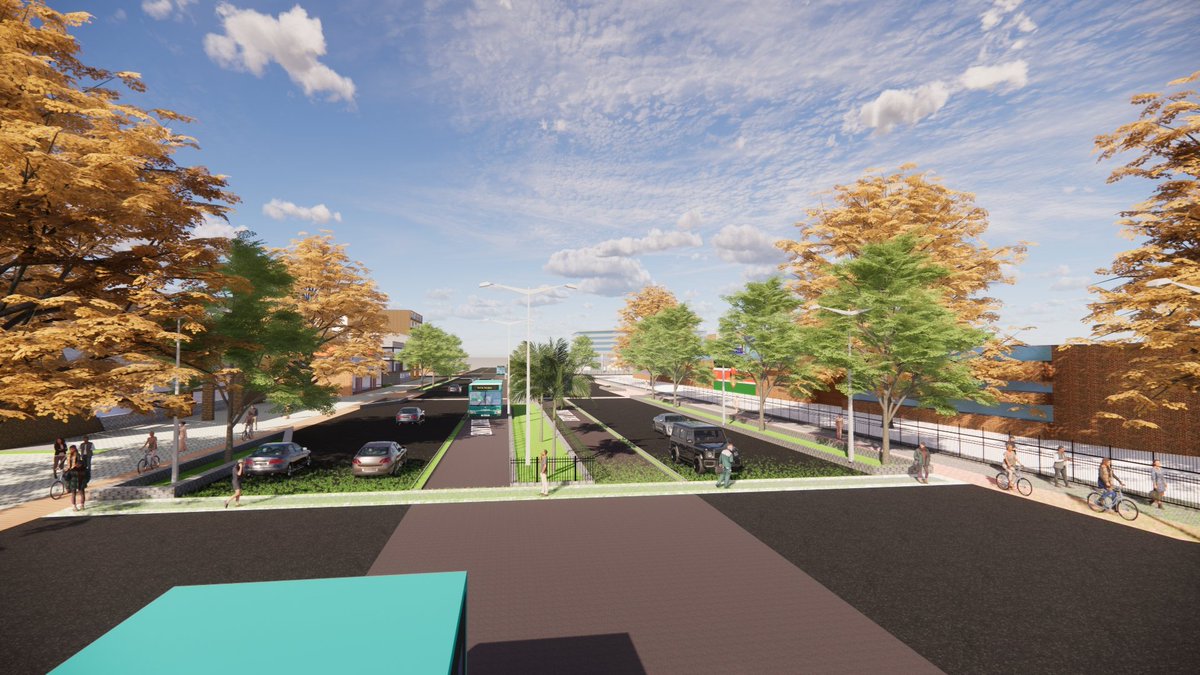
When you step back and look at the entire network, the strategy becomes clear. Keep tunnels to a minimum, build along existing roads and transport corridors, and prioritise elevated and at-grade sections. Done this way, up to 80 -90% of the system can realistically be built above ground.
That is what turns this from a “fantasy map” into a financially possible project. Designing a system with economic reality in mind.