
More-than-human truth-to-process. retweetledi
More-than-human truth-to-process.
1.2K posts


More-than-human truth-to-process.
@NeilleRoux1
Collaborating with the world.
South Katılım Ocak 2019
673 Takip Edilen68 Takipçiler

More-than-human truth-to-process. retweetledi

More-than-human truth-to-process. retweetledi

More-than-human truth-to-process. retweetledi
Metallic colors shifting on a Greater Blue-Eared Starling's feathers
English
More-than-human truth-to-process. retweetledi

More-than-human truth-to-process. retweetledi
Clubs numeral card. Die Jungfrau von Orleans Transformation Playing Card Deck. Designer: Countess Charlotte von Jennison-Walworth. Publisher: Johann Friedrich Cotta, Tübingen, 1805. Technique: Stipple engraving on copperplate.
While the deck's illustrated court cards directly depicted characters from the play, the numeral cards featured independent illustrations like this one, drawn without any shared theme. Plus, aristocrats of this era didn't use these decks strictly for playing games. Like most playing cards in the early 19th century, the backs of Cotta's cards were completely blank and unpatterned. This allowed the nobility to use them as calling cards. When visiting an estate, people would write their names or brief messages on the blank backs to leave word for the host, handing them to the servants at the door.

English
More-than-human truth-to-process. retweetledi

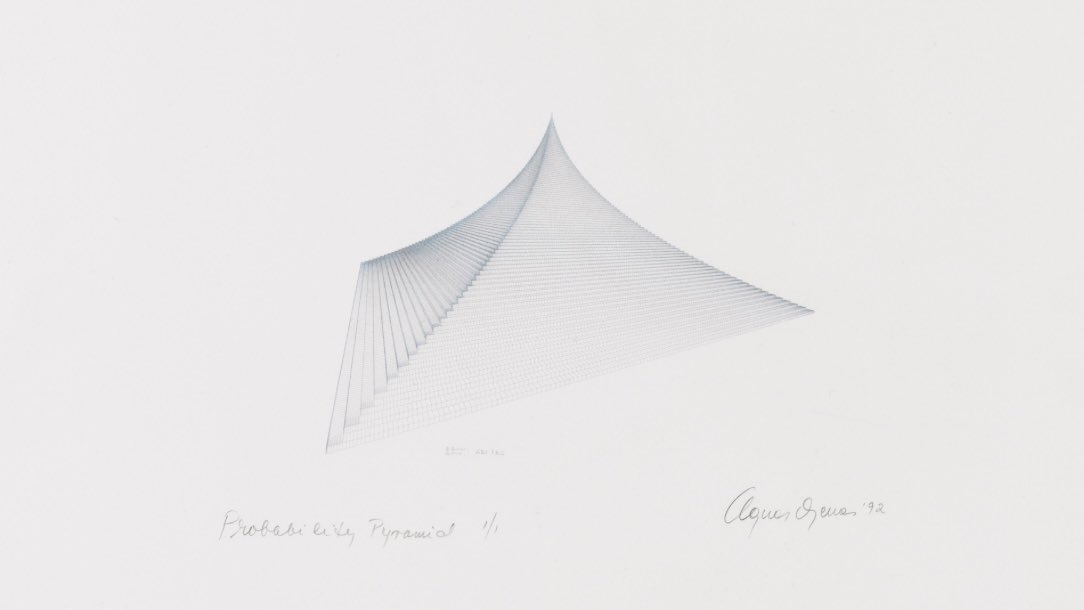
Agnes Denes. The Reflection (1981); Snail Pyramid, Study for Self-Contained, Self-Supporting City Dwelling: A Future Habitat (1988); Probability Pyramid (1992).


English
More-than-human truth-to-process. retweetledi
More-than-human truth-to-process. retweetledi
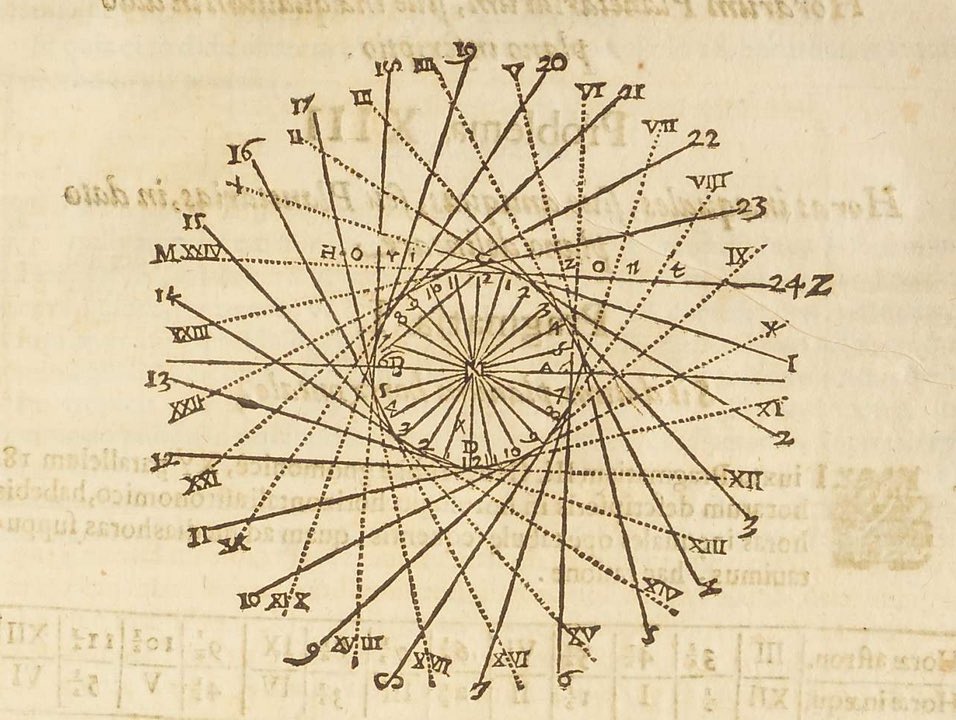
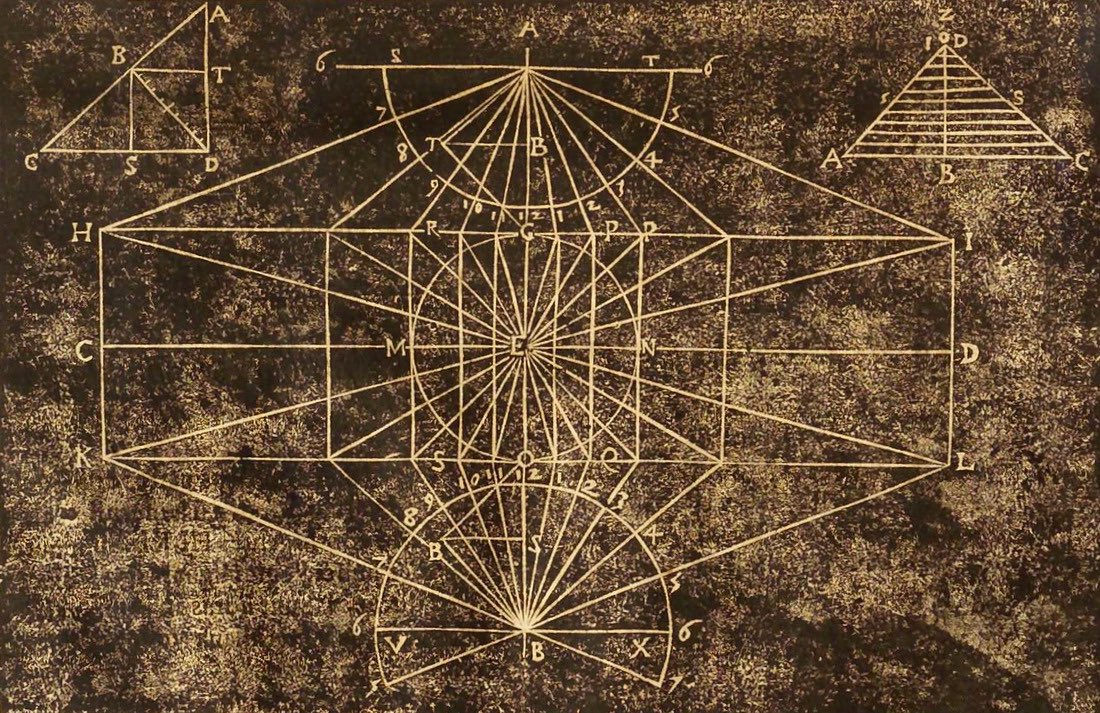
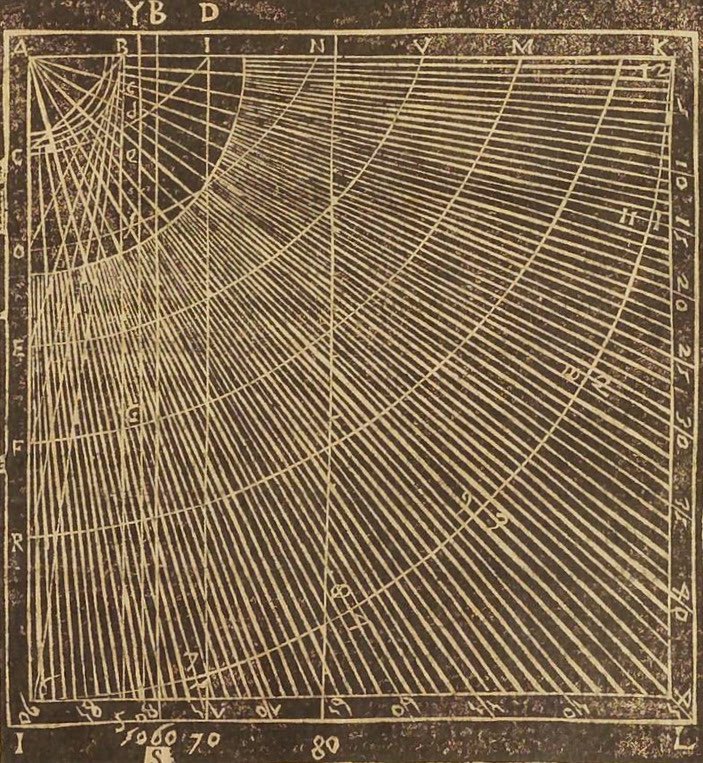
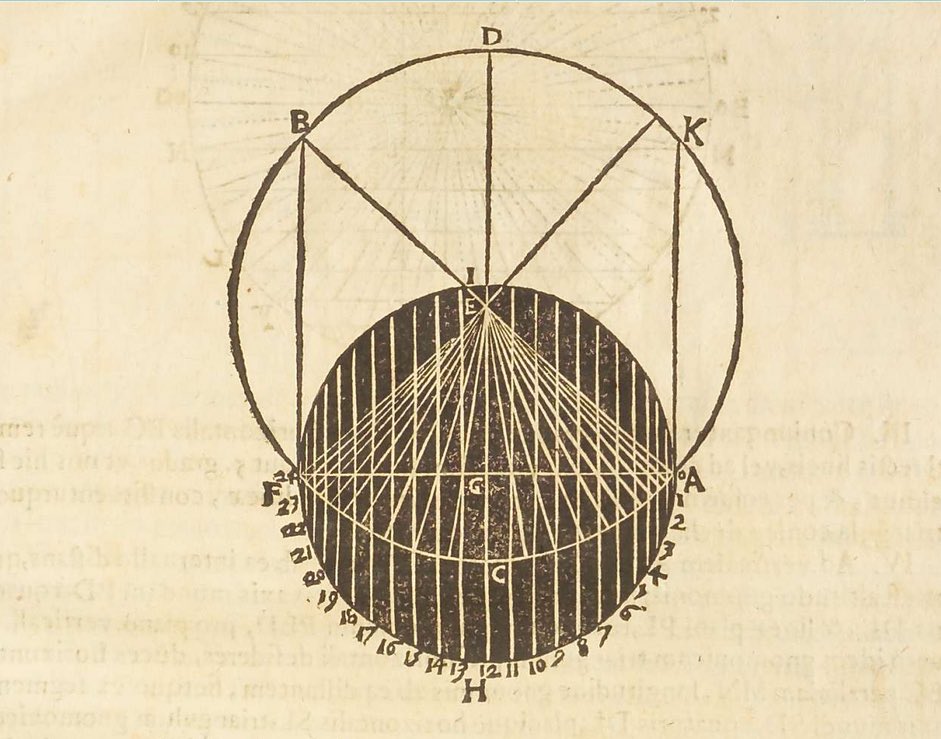
Athanasius Kircher, Ars Magna Lucis et Umbrae (The Great Art of Light and Shadow). 1646.
Engravings.
One of the last great Renaissance polymaths, Kircher was a Jesuit scholar whose work ranged across optics, magnetism, music, linguistics, Egyptology, and cosmology.
English
More-than-human truth-to-process. retweetledi
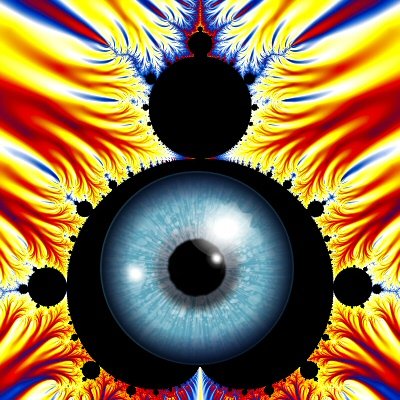
Exploring and revealing a vast mathematical landscape formed from a simple formula:
( x & y ) % ( y - x) % 37
Visualization by Non-Euclidean Dreamer, @NonEuclideanDr1, cc by-nc-sa
English
More-than-human truth-to-process. retweetledi
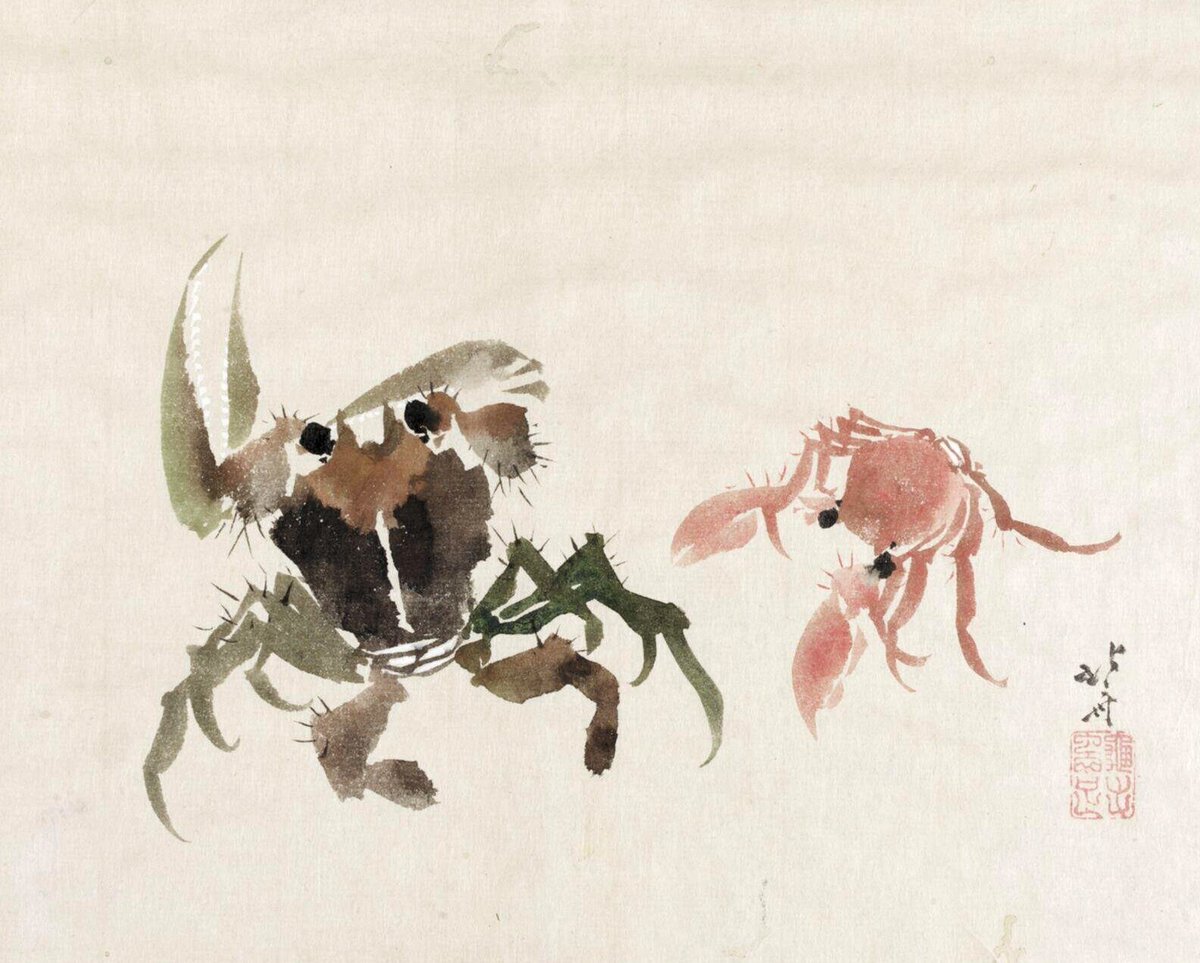
Crabs. Artist: Katsushika Hokusai (1760-1849). Album leaf. Medium: Ink and color on paper. Collection: Victoria and Albert Museum, London.
This work is part of an album of seven Hokusai paintings held at the V&A. The same album also features a rooster and some bird-and-flower studies, all done in the same medium of ink and color on paper.
Hokusai’s nature studies are rooted in kachō-e, the traditional Japanese genre of bird-and-flower painting. Reflecting the reverence for nature found in Shinto and Buddhist worldviews, kachō-e includes not just birds and flowers, but also insects, fish, and crustaceans. While Western natural science focused on classification and identification, the Japanese approach highlighted how all living things are connected, prioritizing experience, perception, and aesthetics.
In Japanese culture, the crab has been an auspicious symbol since ancient times; crab depictions were often displayed during celebrations and festivities. It’s believed that the up-and-down movement of its claws invites good luck. Plus, the vibrant red color it turns when cooked symbolizes vitality, prosperity, and protection against evil.
English
More-than-human truth-to-process. retweetledi

More-than-human truth-to-process. retweetledi

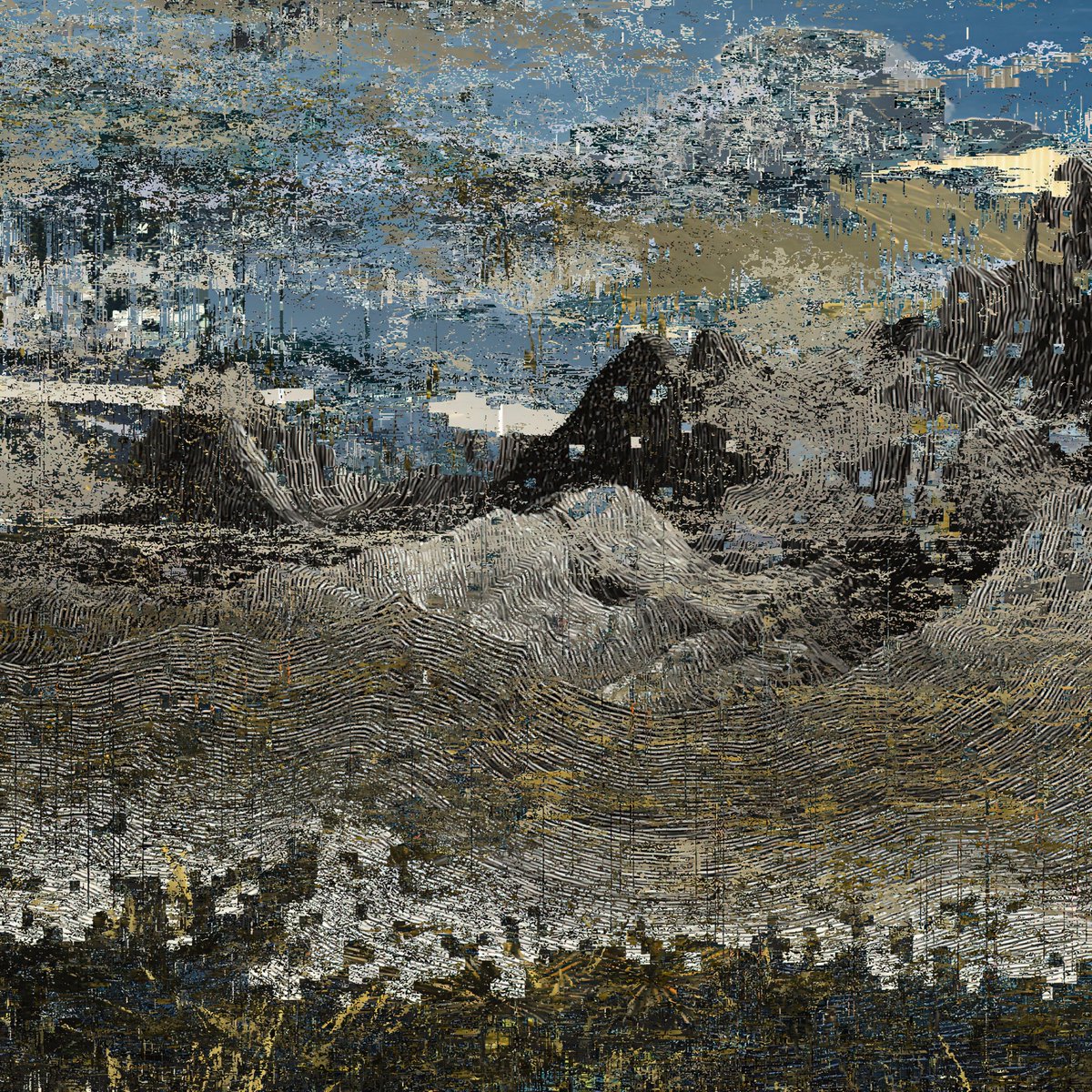
Mountain landscape with topographic structures distorted by algorithmic interference
English
More-than-human truth-to-process. retweetledi
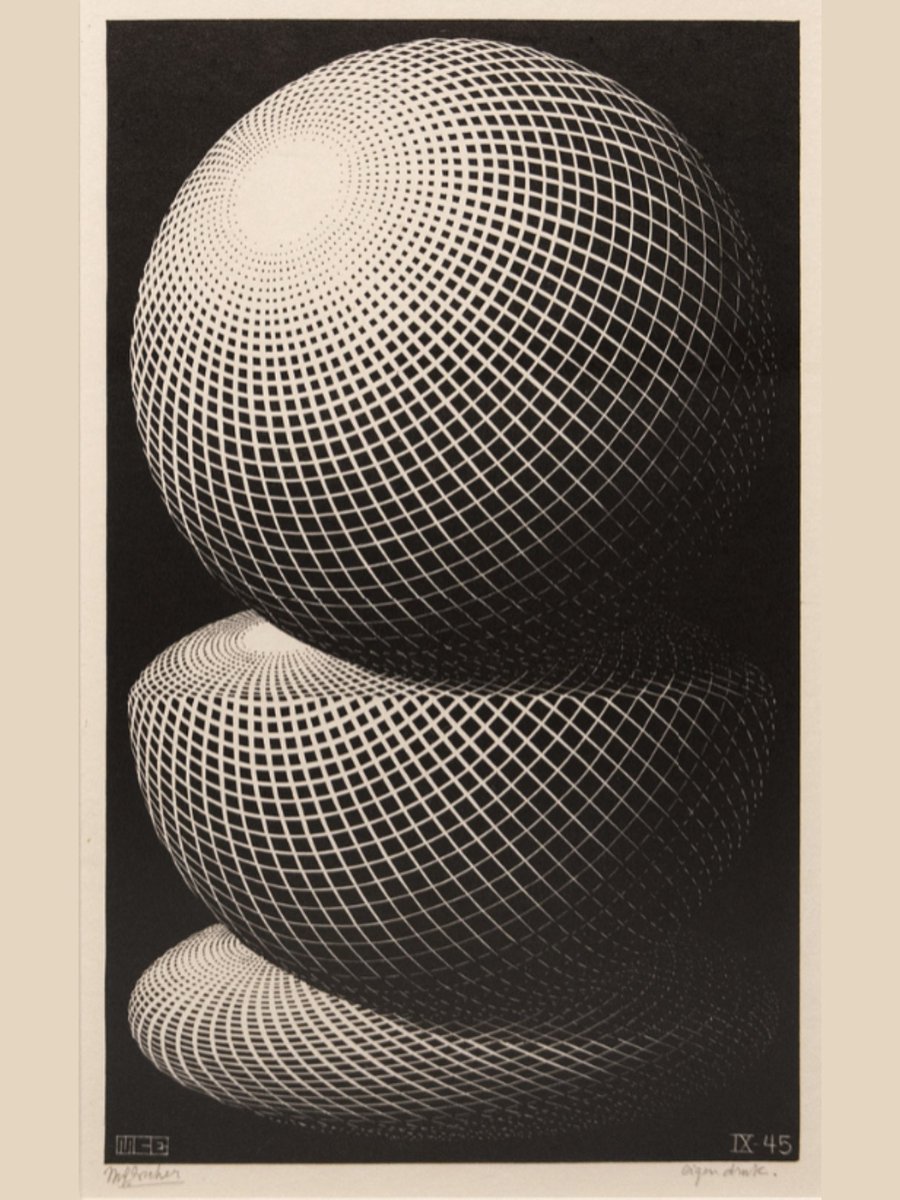
M. C. Escher, Three Spheres I. 1945.
Wood Engraving.
English
More-than-human truth-to-process. retweetledi
More-than-human truth-to-process. retweetledi
More-than-human truth-to-process. retweetledi
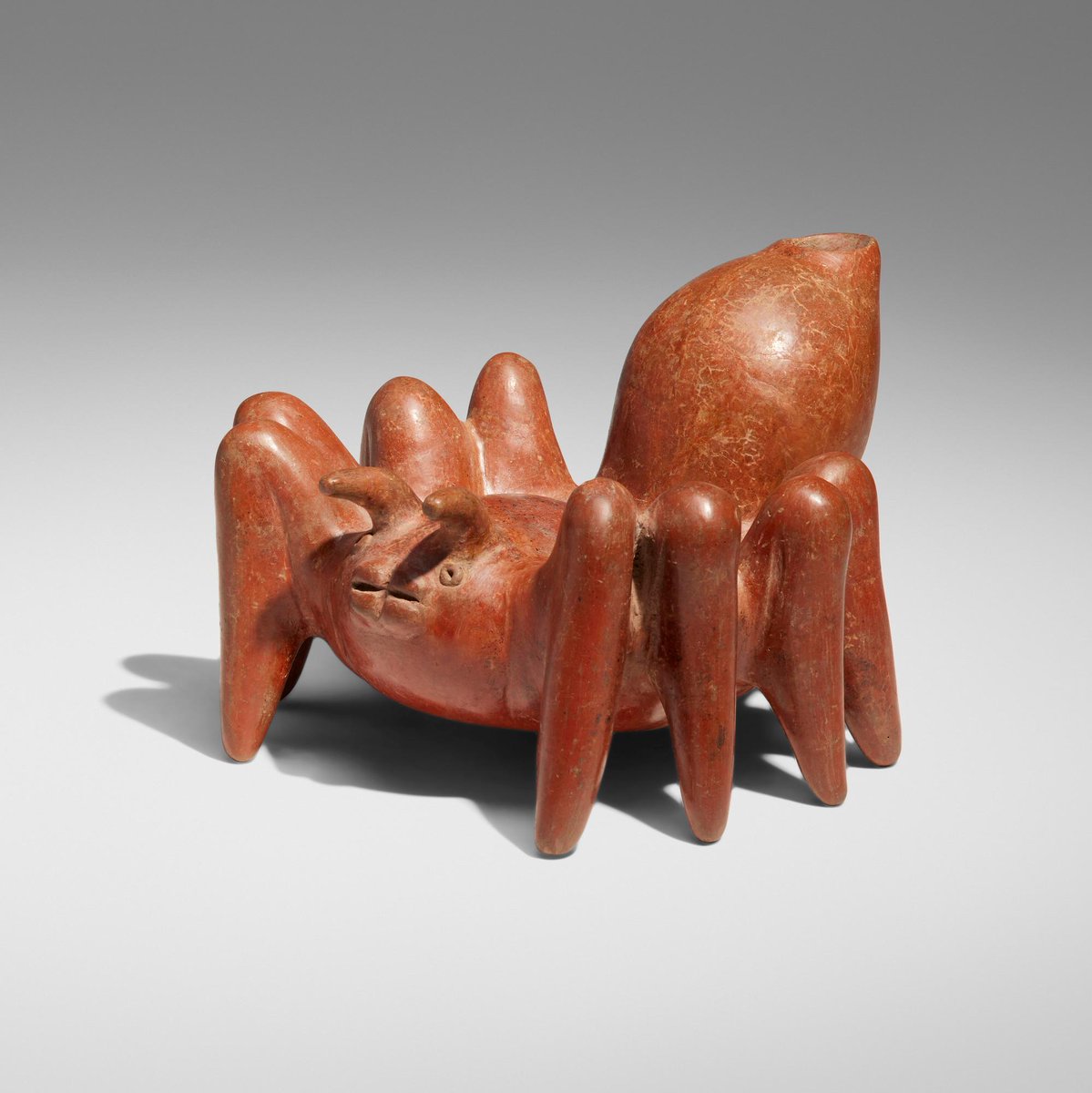
Spider-Form Vessel. Culture: Colima. Origin: Mexico. Date: 300 BC - 300 AD. Material: Slipped terracotta. Dimensions: 15 x 20 x 23 cm. Private Collection. Photograph: Invaluable**
** invaluable.com/auction-lot/co…
English
More-than-human truth-to-process. retweetledi
More-than-human truth-to-process. retweetledi
The Greater Blue-Eared Starling: a living jewel of the African savanna. 📷
That stunning iridescent plumage isn't just color - it's a high-tech light-reflecting structure! Paired with those fiery orange eyes, it’s one of nature’s most vibrant masterpieces
English