@Enbyyrevived @Aiyub_Dawood The KMT was basically reliant on the landlords they could not destroy them and they did not - so they lost
English
Kokaz 🥞
3.4K posts

@Neogorges
Ex Muslim | Baloch | 19 | Developmentalist
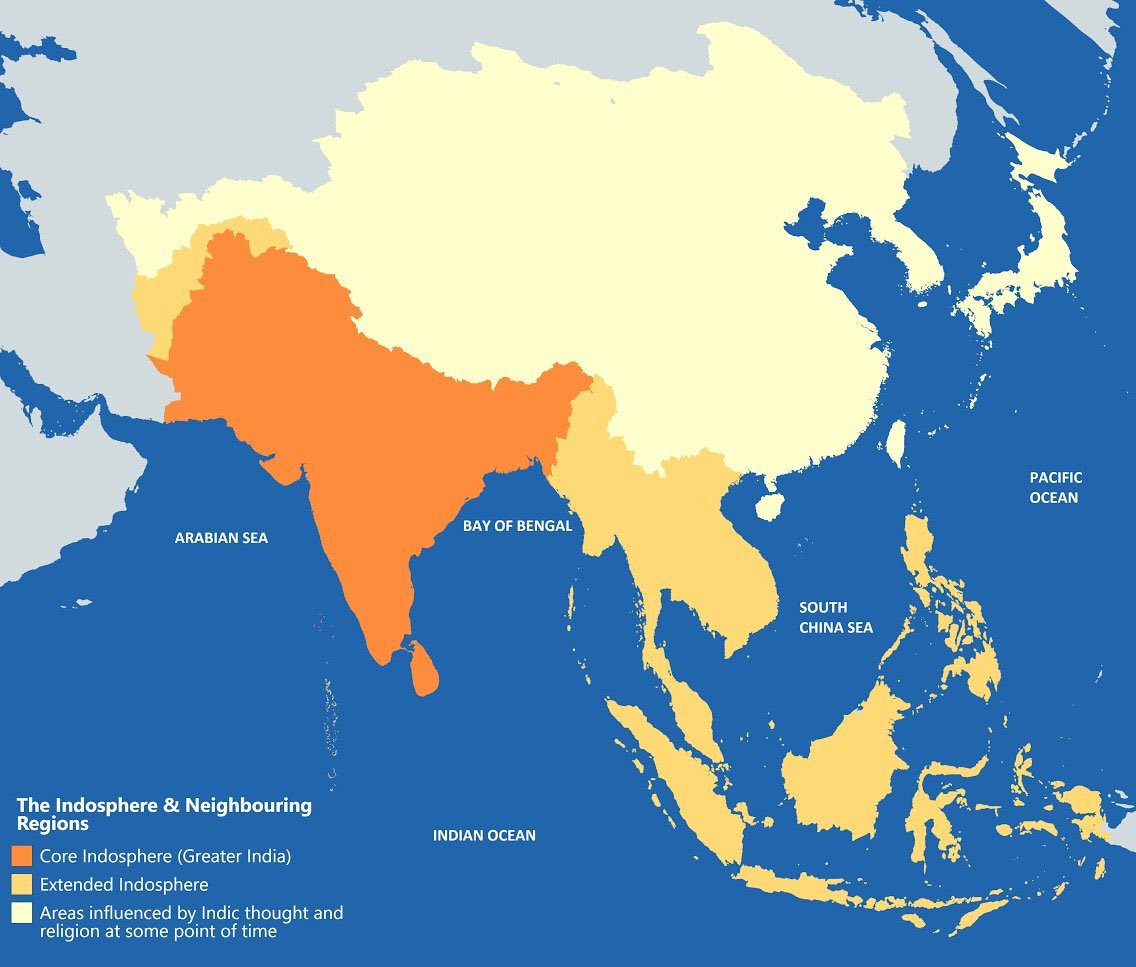
Blue: directly ruled by Greek kings. Orange: influenced by the Greco-Buddhist philosophical tradition. From Portugal to Japan, Greek influence is without parallel in the ancient world.


Liberal economics tells us this isn't possible because the landlords will compete with each other to lower prices, in reality landlords aren't stupid enough to start self-ruinous price wars and instinctively understand that the tenants are the enemy!

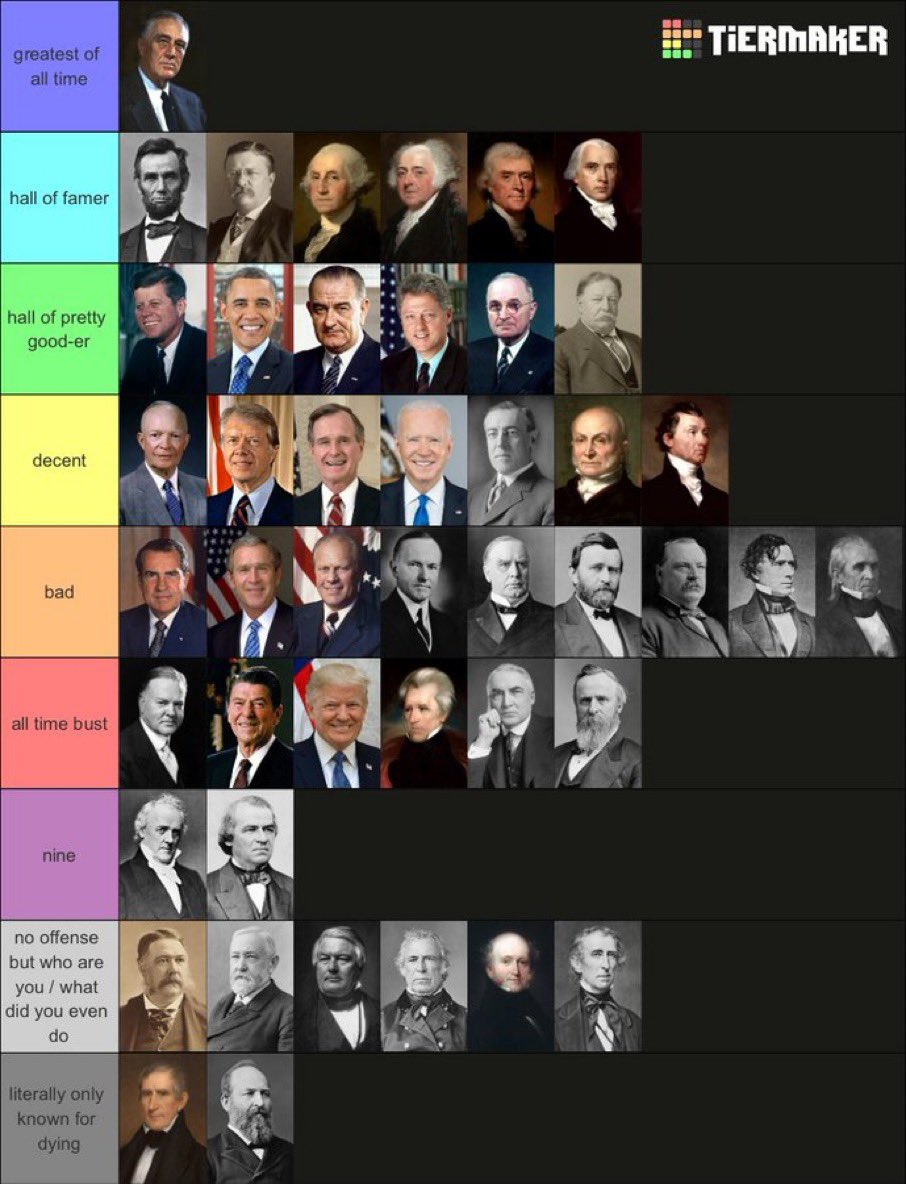
The FDR worship needs to end. Putting him over Washington? Criminal behavior

People ask - which 20th century leader most directly inspires policy in the 21st century? Some will reply Lee Kuan Yew but they would be wrong, it is actually Juan Perón. There is apparently a constant, strong political desire for people to just run their own versions of Peronism
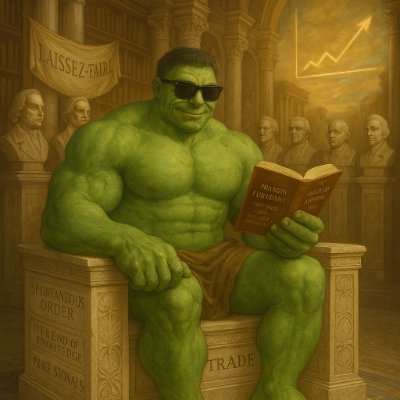

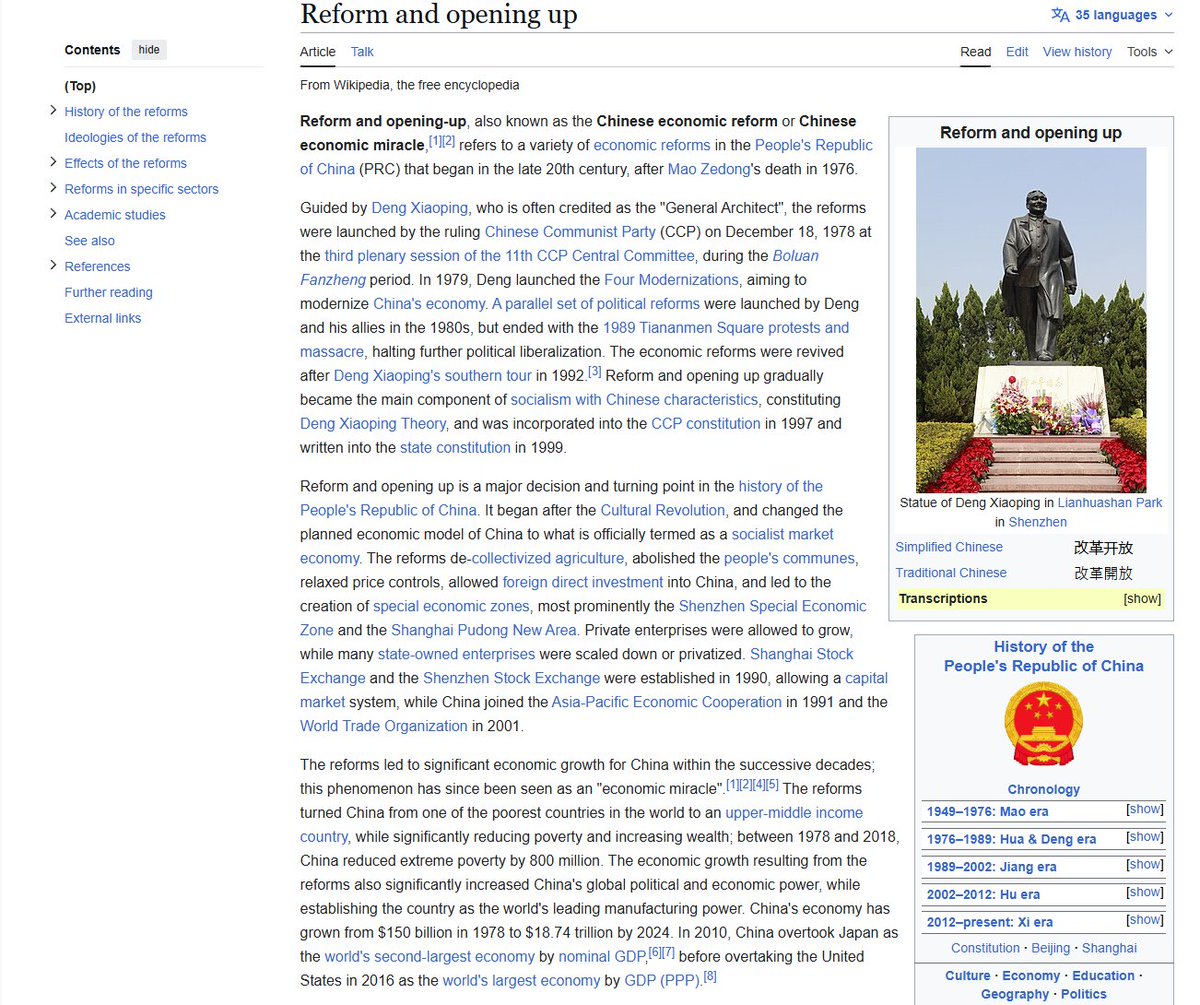
The biggest cope of the 21st century is either ignoring China or pretending it’s something it isn’t.