

Nevja Bogatin
36.3K posts


Nevja Bogatin retweetledi

Nevja Bogatin retweetledi

Nevja Bogatin retweetledi

An expanse of almost 700 kg of pork ham in Spain. Some people didn't like this and cried out of Islamophobia.
English
Nevja Bogatin retweetledi

Christians in Nigeria remain defiant amid mass k*llings and violence, refusing to abandon their faith despite ongoing threats.
“We will never submit to ISLAM.”
"Allah is a demon"
English
Muggia, Friuli-Venezia Giulia 🇮🇹 IS

Slovenščina
Odmevi @TVOdmevi in @TaS4213, vemo, da vaša ušesa dejstev ne rada slišijo, toda zakaj rezanje oz. utišanje g.@JernejVrtovec, se vam je mudilo lulat?
Gledalci vas plačamo za celovito informacijo, brez prekinjanja sogovornika, povabljen je bil, zato spoštujte, ali idite v kurac.
Odmevi@TVOdmevi
Jernej Vrtovec in Anže Logar o novih podatkih o obisku izraelskih paraobveščevalcev pri stranki SDS. Je to ovira za sodelovanje s stranko?
Muggia, Friuli-Venezia Giulia 🇮🇹 Slovenščina
Nevja Bogatin retweetledi


Nevja Bogatin retweetledi
Imagine if @elonmusk had not purchased this platform. The likelihood that this immeasurably tragic story would have seen the light of day would have been negligible. Give Elon his deserved @NobelPrize.
New York Post@nypost
Trump admin to investigate euthanasia death of gang rape victim, scolds Spain for 'human rights failures' trib.al/IOetnWy
English
Nevja Bogatin retweetledi
Pri tem spinu bodo vztrajali in preusmerjali pozornost - "nothing to see here". Pomagali bodo člani DVK in uslužni profesorji prava (ni nezakonitost, ampak zgolj "nepravilnost"), vse do vrhovnega sodišča - katerega član in članica sta globoko v tem blatu.
Janez Pogorelec@JanezPogorelec
Volitve so zelo kompleksen proces, pri katerem sodeluje 20.000 ljudi, zato se nikoli ne zgodijo popolnoma brez vsakih nepravilnosti. Nerazumno bi jih bilo ponavljati, če nepravilnost ni vplivala na izide, če pa je, pa jih seveda moramo... Kolikor vidim, pa se take nepravilnosti niti ne očitajo kaj sele, da bi bile dokazane...
Slovenščina
Nevja Bogatin retweetledi

Nevja Bogatin retweetledi

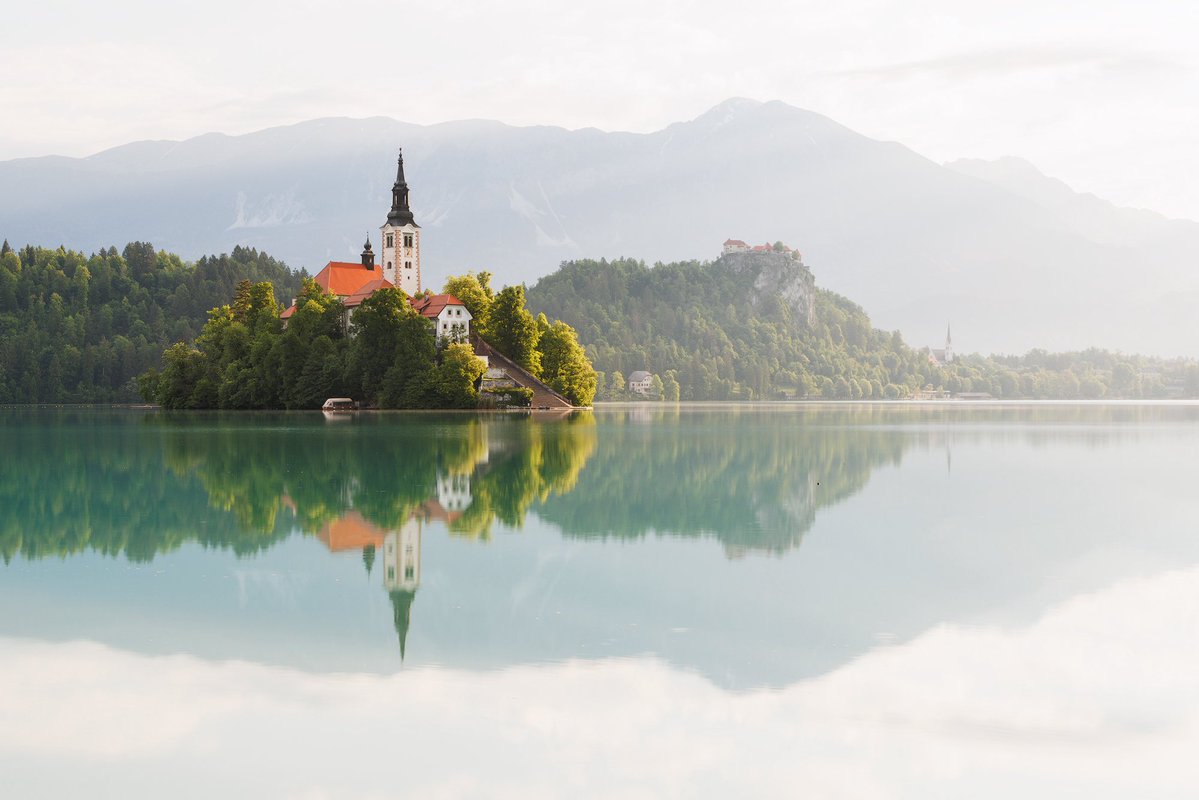
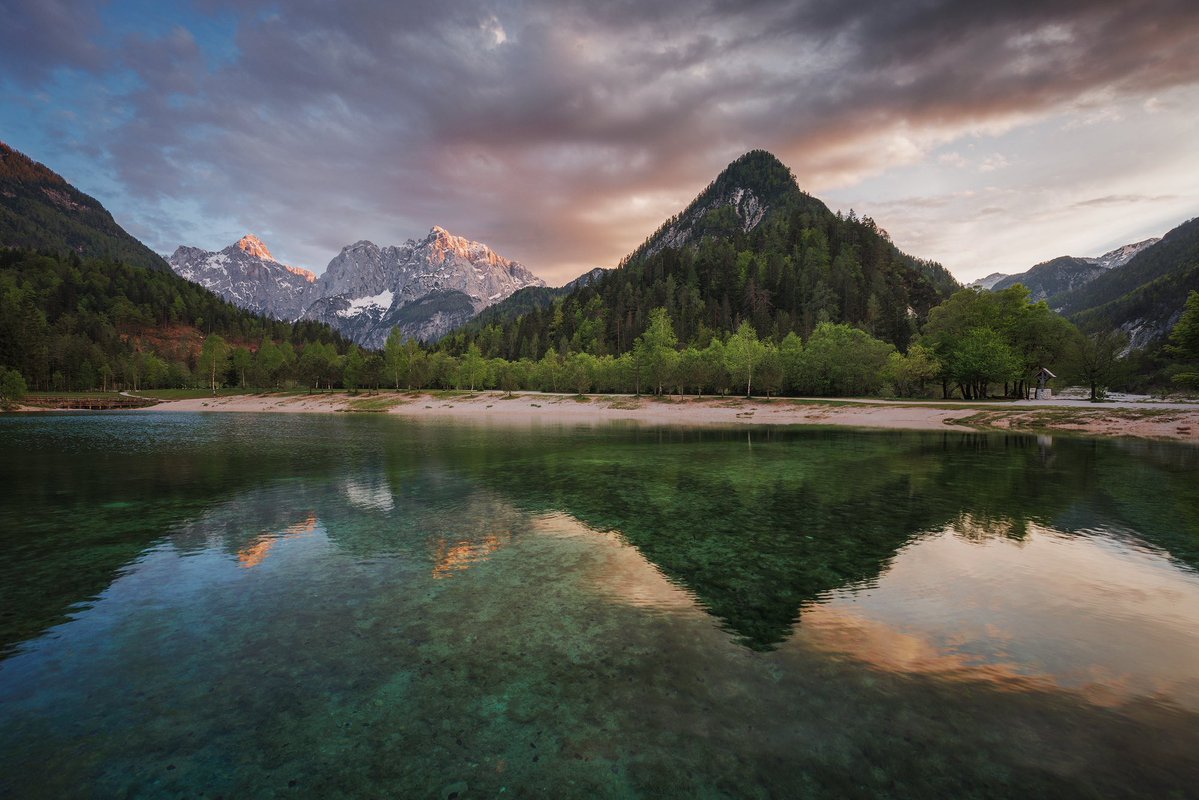
S krizmene maše v LJ-stolnici. Blagoslovljen veliki četrtek!


Slovenščina
Nevja Bogatin retweetledi

Nevja Bogatin retweetledi

It's Holy Thursday. We celebrate the institution of the Eucharist as the true body and blood of Christ and the institution of the sacrament of the priesthood.
English
Nevja Bogatin retweetledi

To tudi sam uporabljam in deluje😎
Naj gravitacija opravi delo: preprosti vodni sistemi brez elektrike
V svetu, ki je vse bolj odvisen od črpalk, tlaka in moči, nas ta preprost diagram spominja na starejše, pametnejše načelo: gravitacija nikoli ne zataji.
Gravitacijski vodni sistem uporablja višino – ne elektriko – za premikanje vode, kamor je potrebna, zaradi česar je eden najbolj zanesljivih in trajnostnih načinov upravljanja z vodo.
Kaj je gravitacijski vodni sistem?
Gravitacijski sistem deluje tako, da vodni vir, kot je rezervoar, cisterna ali zbiralnik, postavi višje od točke uporabe.
Ko je napolnjena, voda naravno teče navzdol po ceveh pod lastno težo.
Kot prikazuje slika:
Voda se dvigne enkrat (z dežjem, ročnim polnjenjem ali začetno črpalko)
Skladiščni rezervoarji so na višji višini
Voda nenehno teče do cilja
Med uporabo črpalka ni potrebna
Zaradi tega je sistem učinkovit, tih in skoraj brez vzdrževanja.
Kako sistem deluje
Ključne komponente vključujejo:
Primarni vodni vir
To je lahko vodnjak, sistem za zbiranje deževnice ali ročno napolnjena cisterna.
Dvignjeni rezervoarji
Nameščen na ploščad ali konstrukcijo za ustvarjanje zadostnega pritiska na glavo.
Medsebojno povezane cevi
Omogoča, da se voda uravnoteži med rezervoarji in gladko teče navzdol.
Gravitacijski izhod
Dovaja vodo do korit, namakalnih vodov ali za uporabo v gospodinjstvu.
Puščice na sliki ponazarjajo, kako sama gravitacija poganja tok.
Zakaj je brez črpalke velika prednost
Odprava črpalk nudi velike prednosti:
Elektrika ni potrebna
Brez stroškov goriva ali tekoče energije
Manj mehanskih okvar
Zanesljivo delovanje med izpadi električne energije
Zaradi tega so gravitacijski sistemi idealni za podeželske domove, kraje brez omrežja, kmetije in pripravljenost na izredne razmere.
Idealne uporabe za gravitacijske sisteme
Gravitacijski vodni sistemi se običajno uporabljajo za:
Napajanje živine
Namakanje vrtov in polj
Zbiranje deževnice
Odročne koče in domačije
Oskrba z vodo, odporna na nesreče
Ko so nameščeni, dan za dnem tiho dovajajo vodo z minimalnim nadzorom.
Tlak je odvisen od višine
Edina "cena" gravitacije je višina.
Višji kot je rezervoar, večji je tlak na izhodu.
Celo skromne višinske razlike lahko zagotovijo dovolj pritiska za enakomeren pretok v posodah za namakanje ali polnjenje.
Za številne uporabe počasen in enakomeren utripa hitro in krhko.
Trajnost skozi preprostost
Gravitacijski sistemi odražajo temeljno načelo trajnostne zasnove: uporabljajte naravne sile, namesto da se z njimi borite.
Z delovanjem z gravitacijo ti sistemi zmanjšajo vpliv na okolje in hkrati povečajo odpornost.
Ne zlomijo se zlahka.
Ne zahtevajo stalne pozornosti.
Samo delajo.
Stara modrost za sodobne izzive
Ker stroški energije naraščajo in zanesljivost postaja vse pomembnejša, se gravitacijski vodni sistemi tiho vračajo.
Dokazujejo, da inovativnost ne pomeni vedno zapletenosti – včasih pomeni, da se spomnimo, kaj že deluje.
Ko voda teče z gravitacijo, se tehnologija umakne – in narava prevzame.
Economics and Agriculture@Agrieconom
Let Gravity Do the Work: Simple Water Systems Without Electricity In a world increasingly dependent on pumps, pressure, and power, this simple diagram reminds us of an older, smarter principle: gravity never fails. A gravity-fed water system uses elevation—not electricity—to move water where it’s needed, making it one of the most reliable and sustainable ways to manage water. What Is a Gravity-Fed Water System? A gravity-fed system works by placing a water source—such as a tank, cistern, or reservoir—higher than the point of use. Once filled, water naturally flows downward through pipes under its own weight. As the image shows: Water is lifted once (by rain, manual filling, or an initial pump) Storage tanks sit at a higher elevation Water flows continuously to its destination No pump is needed during use This makes the system efficient, quiet, and nearly maintenance-free. How the System Works Key components include: Primary water source This could be a well, rainwater collection system, or manually filled cistern. Elevated storage tanks Mounted on a platform or structure to create sufficient head pressure. Interconnected piping Allows water to balance between tanks and flow smoothly downward. Gravity-fed outlet Delivers water to troughs, irrigation lines, or household use. The arrows in the image illustrate how gravity alone drives the flow. Why No Pump Is a Big Advantage Eliminating pumps offers major benefits: No electricity required No fuel or ongoing energy costs Fewer mechanical failures Reliable operation during power outages This makes gravity-fed systems ideal for rural homes, off-grid sites, farms, and emergency preparedness. Ideal Uses for Gravity Systems Gravity-fed water systems are commonly used for: Livestock watering Garden and field irrigation Rainwater harvesting Remote cabins and homesteads Disaster-resilient water supply Once installed, they quietly deliver water day after day with minimal oversight. Pressure Depends on Height The only “cost” of gravity is elevation. The higher the tank, the greater the pressure at the outlet. Even modest height differences can provide enough pressure for steady flow in irrigation or filling containers. For many uses, slow and steady beats fast and fragile. Sustainability Through Simplicity Gravity-fed systems reflect a core principle of sustainable design: use natural forces instead of fighting them. By working with gravity, these systems reduce environmental impact while increasing resilience. They don’t break easily. They don’t demand constant attention. They just work. Old Wisdom for Modern Challenges As energy costs rise and reliability becomes more important, gravity-fed water systems are making a quiet comeback. They prove that innovation doesn’t always mean complexity—sometimes it means remembering what already works. When water flows by gravity, technology steps aside—and nature takes over.
Slovenščina
Nevja Bogatin retweetledi

Nevja Bogatin retweetledi
@KokJan Niti enega novega podatka ni, je pa zanimivo, da pošiljajo podatke o imenih in priimkih, ki jih javnosti prikrivajo pri umorih in posilstvih, še posebej če gre za migrante. Zloraba oblasti za propagando v vseh pogledih. Staričeva pa nič ne vidi, nič ne sliši, nič ne razume.
Slovenščina
Nevja Bogatin retweetledi

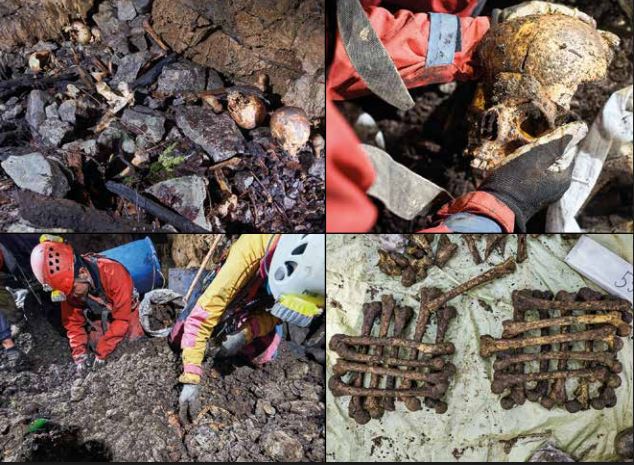
#ZvonkaJanežič BREZNO 3 PRI GROBIŠČU STARI LOG ( Kočevski Rog)
Posmrtni ostanki so pripadali najmanj 258 skeletom. Med žrtvami je bila ena ženska, preostali so bili najverjetneje moški. Stopnja osifikacije kosti kaže, da so bile vse žrtve starejše od 17 let, okoli 24 moških je bilo starih med 18 in 20 let. Starejših od 40 let je bilo malo. Odkrili smo 1676 predmetov, poleg tega pa tudi veliko fragmentov oblačil in obutve.
jknm.si/media/DK/DK8_3…
Slovenščina
Nevja Bogatin retweetledi
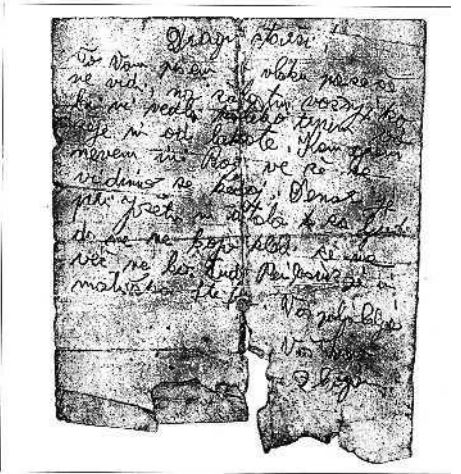
Zadnje slovo IVANA ŽUŽKA.
#IvanŽužek je bil doma iz Retij. Iz Škofovih zavodov v Šentvidu so ga peljali z mnogimi drugimi v Kočevski Rog na masaker. Z vlaka je vrgel listek, da se poslovi od domačih. Listek je bil najden 31. maja 1945 na prehodu ceste čez železnico v kraju Prelesje pri Retjah (Velike Lašče). Našel gaje pokojni France Prijatelj iz Prelesja. Listek je bil zvit na krajšem svinčniku, očitno zato, da ga ne bi odnesel veter. France Prijatelj je listek izročil Mariji Žužek, materi Ivana Žužka. Na njem je bilo napisano, kdo od domačinov je bil v tem vagonu. Marija Žužek je listek vedno imela pri sebi, tudi pri delu na polju. Zato je zmečkan. Bil ji je drag spomin na sina Ivana.
Faksimile odvrženega lističa, najdenega ob železniški progi, z besedilom:
»Dragi starši! To vam pišem v vlaku, pa se še ne vidi, na žalostno vožnji, ko bi vi vedeli koliko trpim od žeje in od lakote. Kam grem ne vem in Bog ve če se vidimo še kdaj. Denar je pri Jožetu in ostalo za ljudi da me ne bojo kleli, če me več ne bo. Tudi Prelesnik je in Matičkov Štefan. Vas poljublja Vaš Ivan .Zbogom«
safaric-safaric.si/knjige/2000%20… str. 262
Slovenščina