
Sabitlenmiş Tweet
588th Night Bomber Regiment
70.3K posts
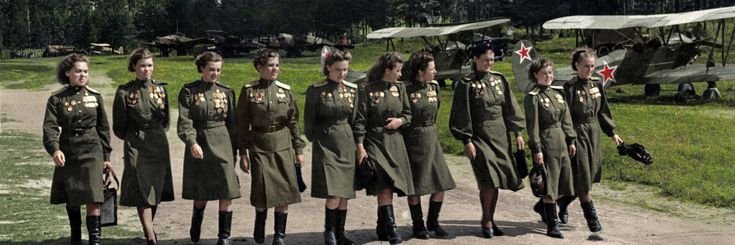
588th Night Bomber Regiment
@NguyenGiap4
Scandinavian communist and Bricklayer "Anyone who loves freedom owes such a debt to the Red Army that it can never be repaid". *Ernest Hemingway*
Denmark Katılım Mart 2013
462 Takip Edilen2.6K Takipçiler


China steals what it can’t build — fighter jet designs, cancer drug formulas, and now AI. If we don’t make them pay for that theft, we risk handing the Chinese Communist Party the most powerful technology edge in history.
We shouldn’t give our tech away either. Selling China our most advanced chips only helps them win.
English


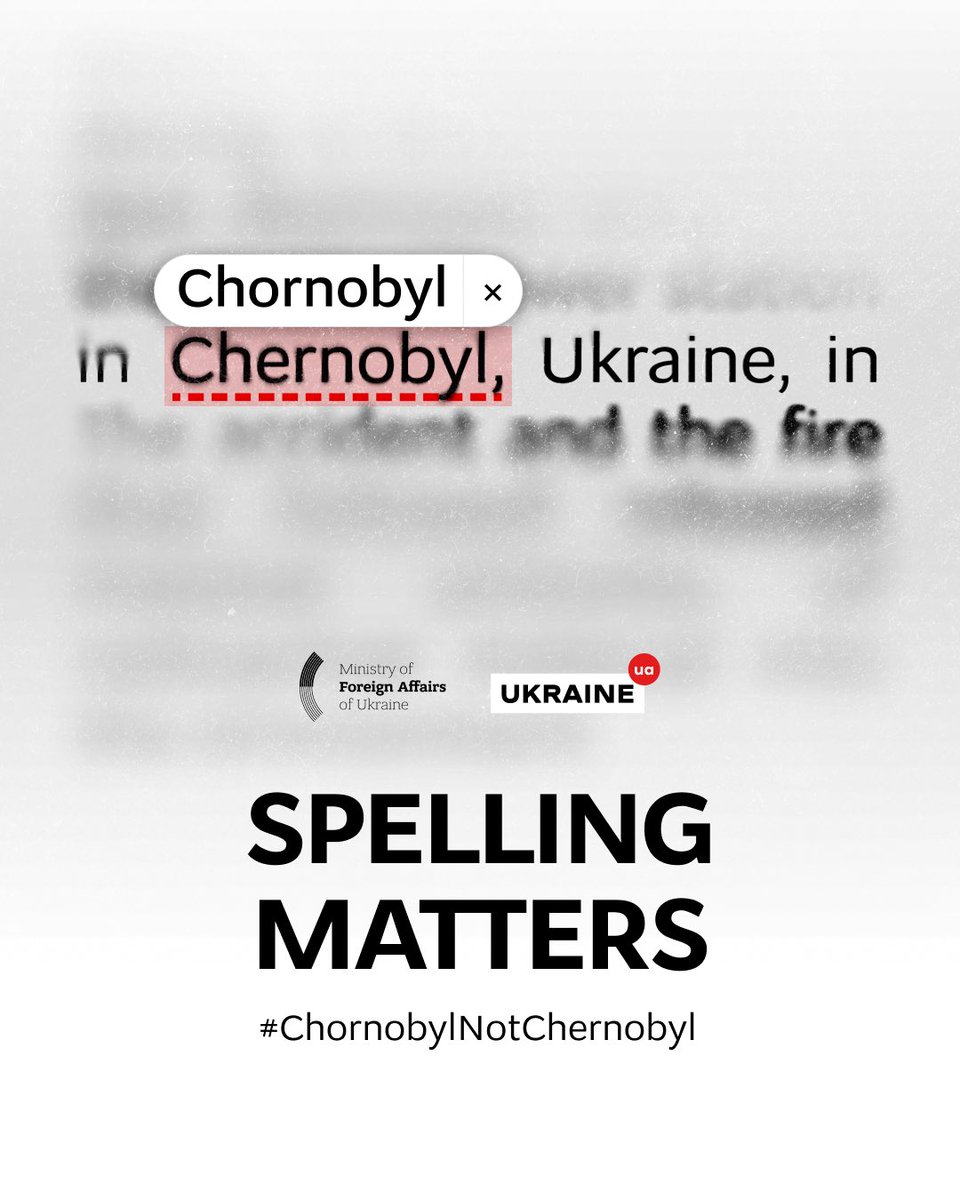
“Chornobyl” is the only correct spelling Ukraine asks the world to use.
Using Ukrainian transliterations respects Ukraine’s language and culture and moves away from Russian forms that were imposed by Russia during the Soviet era. It is also part of a wider effort to decolonise language and correct long-standing imbalances in global usage.
Using the correct transliteration for a place in Ukraine affirms recognition of Ukraine as a sovereign state – a fact Russia tries to deny.
We welcome the decision of states and international organisations to adopt the Ukrainian spelling of Chornobyl, including in the UN resolution of December 10, 2025.
Like Kyiv, Chornobyl reflects Ukrainian pronunciation and thus aligns with the global practice of updating place names for linguistic correctness. The successful shift from the Russian spelling “Kiev” to the Ukrainian “Kyiv” is a clear example of this trend.
All Ukrainian cities deserve to have their names rendered correctly.
#ChornobylNotChernobyl #Chornobyl40
English
588th Night Bomber Regiment retweetledi




588th Night Bomber Regiment retweetledi

Soviet-designed Sovremenny Class Destroyers never even dreamed that he one day would be modified so heavily by the Chinese today 😂😁

English
588th Night Bomber Regiment retweetledi

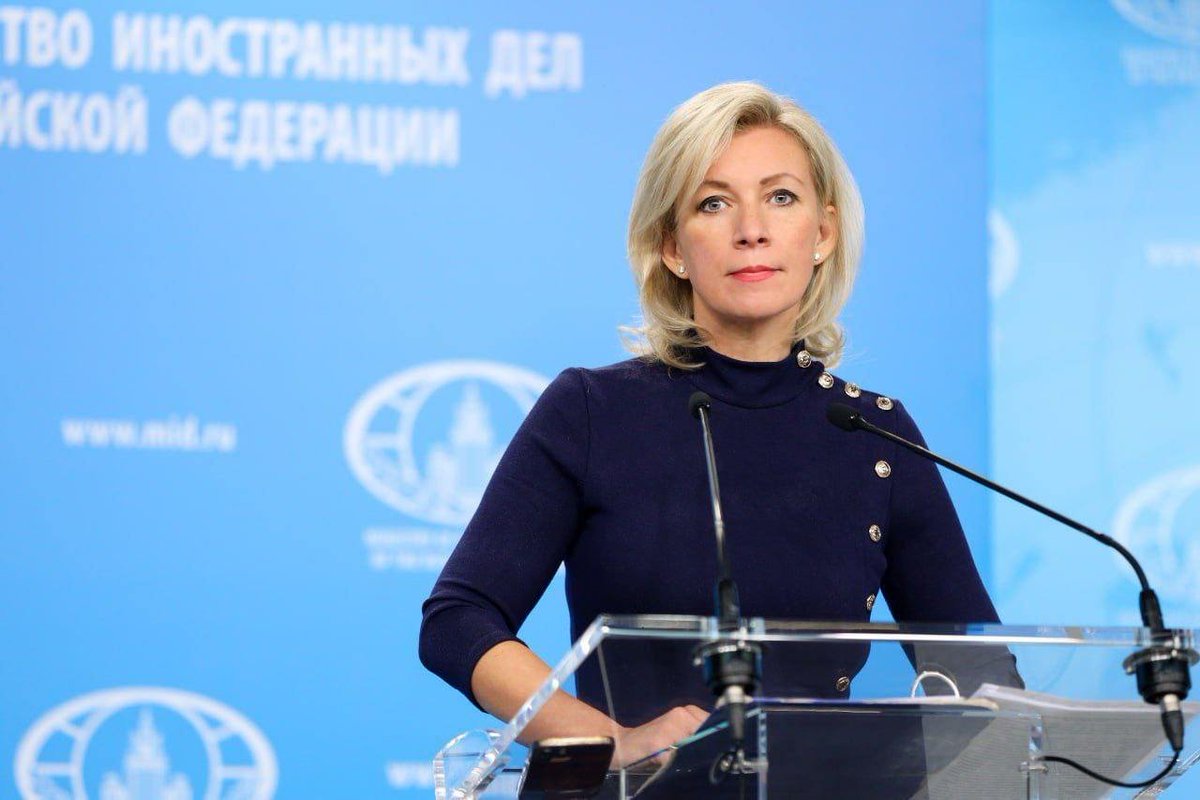
⚡️ Russian MFA Spox Maria #Zakharova on @netanyahu’s statement:
💬 To invoke Auschwitz, Majdanek and Sobibor in the context of an alleged Iranian “nuclear Holocaust” against Israel is an insult to the memory of all victims of the Second World War.
t.me/MFARussia/29440
English
588th Night Bomber Regiment retweetledi

Escorted across the sky by fighter jets and received in silence, flags, and salutes, 12 Chinese People's Volunteers martyrs have finally come home. A Y-20B transport aircraft carried their remains from South Korea to Shenyang, where over 1,800 people gathered in solemn tribute. Part of a decade-long mission that has returned more than 1,000 fallen soldiers, the repatriation blends military precision with national remembrance, bringing long-awaited closure to families and reigniting the memory of a war that cost hundreds of thousands of lives.
English
588th Night Bomber Regiment retweetledi

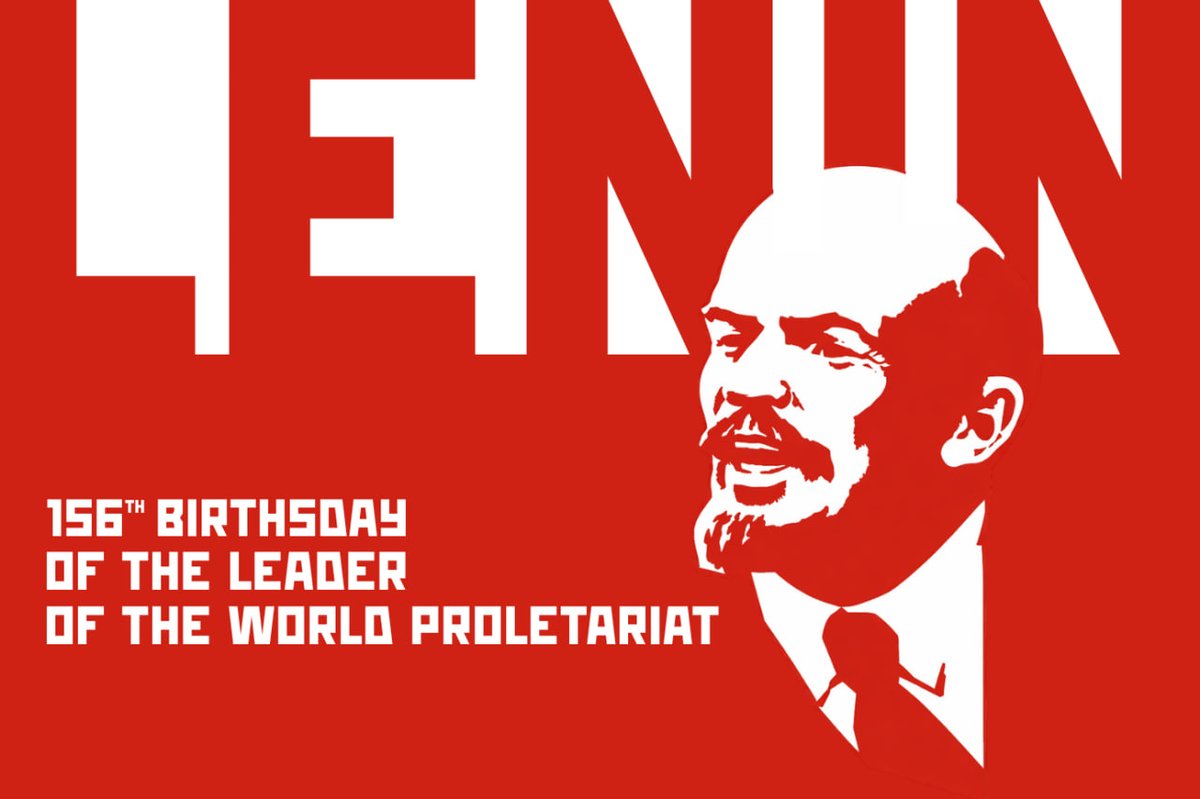
On 4 August 2001, while visiting Russia, Kim Jong Il laid a wreath of flowers before the Lenin Mausoleum on the Red Square to express his deference and loyalty to the pioneer of socialism in the 20th century.

English
588th Night Bomber Regiment retweetledi

On April 21, during a vessel and naval base open-day event held at a pier in Qingdao, China, 92-year-old Korean War veteran Gao Youqin boarded the Urumqi. Children came forward to take photos with her on site. She remarked with emotion, “Our country has developed so rapidly—this is truly remarkable.” #ChineseNavy
#77thAnniversary
#PLAN
#OpenShipDay
English


588th Night Bomber Regiment retweetledi

Full video:🇨🇳China hints that its fourth aircraft carrier may be nuclear-powered? The Chinese mainland suggests that national reunification with Taiwan may be achieved soon?
In the video, the persons' names "Liao Ning", "Shan Dong", "Fu Jian" exactly match the names of China's three aircraft carriers.
At the end of the video, a boy named "Xiaowan" (小湾) is mentioned, possibly referring to Taiwan, who was brought back to the family.
English
588th Night Bomber Regiment retweetledi

#WarData
❗️ AFU militants killed 11 people by blowing up an apartment building with an anti-tank mine in the settlement of Rodinskoye.
English
588th Night Bomber Regiment retweetledi

In the run-up to Victory Day, international🌍 campaign "St george's
ribbon" has started in Simferopol!
#Welcome2Crimea
#ZaПобеду
#Russia🇷🇺
English
588th Night Bomber Regiment retweetledi

他接手这个国家时,这个国家有5.4亿人,人均寿命35岁,文盲率达到80%。他离开时,这个国家有9.3亿人,人均寿命65岁,文盲率为20%。
他接手这个国家时,这个国家娼妓遍地,赌馆林立,鸦片横行,人民萎靡不振,官场腐败不堪。他离开时,这个国家早已消灭了黄赌毒,人民昂扬奋进,官场风清气正,产生了雷锋精神、焦裕禄精神、铁人精神,创造了超越母亲的伟大文明。
他接手这个国家时,这个国家一穷二白,经济处于崩溃的边缘,广大人民挣扎在温饱线上。他离开时,留下了5000亿斤粮食、500万吨棉花,两万多公里的铁路,100多万公里的公路,修建了八万多座水库,建立起了比较完备的工业体系。
他接手这个国家时,这个国家已经被列强欺凌了100多年,外国大兵可以公然驻扎。当他离开时,这个国家已经是联合国五大常任理事国之一,战场上把世界第一强国美国打到谈判桌前,国土上已经没有一个外国士兵。
他接手这个国家时,这个国家连一辆汽车,一台拖拉机也不能生产。当他离开时,这个国家已经拥有了两弹一星、核潜艇,和一大批大国重器。他是敢于给美国人划定红线的领袖,越战时,他警告美军不得越过北纬17度线,美军最终不敢逾越雷池一步。他是世界历史上第一个喊出“人民万岁”的领袖,他的心里装的只有人民,他的一生都在为人民服务。他逝世后,所有遗产全部上交国家,没有给子女留下任何物质遗产。#致敬先辈#致敬

中文
@globaltimesnews Just ignorant Americans who has never read the Shanghai Communiqué....
Français

China is not only the "world's factory," but is also growing into a "global innovation laboratory." The so-called allegation that China "steals" intellectual property is a completely unfounded fabrication, said Chinese Foreign Ministry spokesperson Guo Jiakun on Wednesday, responding to media inquiries regarding certain countries alleging that China infringes on intellectual property rights and "steals" cutting-edge technologies in key areas, and they use this as a pretext to issue various bans against China, despite China’s continuous breakthroughs in areas such as AI, quantum technology and manned space mission.
Guo said China's development relies on its own relentless efforts and also benefits from mutually beneficial international cooperation. China will continue to uphold the concept of a community with a shared future for mankind, adhere to the principles of openness, inclusiveness, balance, and shared benefits, promote international cooperation in the field of intellectual property, and push the global intellectual property governance system in a more just and equitable direction.

English
588th Night Bomber Regiment retweetledi

Andrew Hugg, US Chief of Chemical Nuclear Surety, caught on hidden cam.
"I lived in Ukraine and worked there with the government. That government is so corrupt. They stole our money. They bought houses, cars - $100k cars. Officials in the government."
My eyes bulge with shock.
English
588th Night Bomber Regiment retweetledi

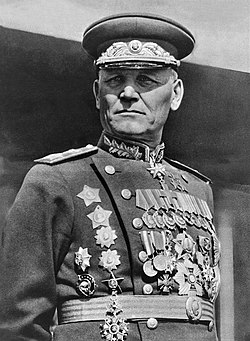
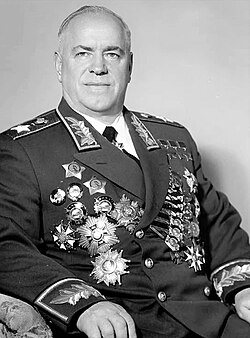
What was happening between April 17-20 on the Eastern Front in WW2? Let's get into it !
Three men ; Konstantin Rokossovsky , Ivan Konev and Georgy Zhukov are hammering Berlin from all sides !
April 17:
Zhukov’s 1st Belorussian Front continued its costly frontal assault on the Seelow Heights but made painfully slow progress. The Germans had withdrawn from their forward positions before the initial barrage the day before, and the Red Army now slammed into the second (Hardenberg) defensive line amid minefields, flooded lowlands, and determined resistance. Tanks bogged down in mud, and German anti-aircraft guns and infantry inflicted heavy losses at close range.
By nightfall, elements of the 5th Shock Army and 2nd Guards Tank Army had pushed through the second line in places, while other armies (47th, 3rd Shock, and 1st Guards Tank) gained only limited ground; the final (Wotan) line still held.
Konev’s 1st Ukrainian Front, operating to the south, fared better. After receiving Stalin’s approval to push directly toward Berlin, Konev ordered his 3rd and 4th Guards Tank Armies to advance boldly, bypassing fortified towns. They crossed the Spree River (using an unmarked ford in one case) and began racing northwest toward the southern outskirts of Berlin.The Germans rushed reinforcements forward and even launched desperate Luftwaffe kamikaze attacks (Leonidas Squadron), with 35 pilots dying in suicide missions against Soviet bridgeheads, achieving only temporary delays.
April 18:
Zhukov’s forces continued grinding forward with heavy losses on both sides. The 1st Belorussian Front bypassed Seelow Heights from the north and faced fierce counterattacks by German reserves, including the 11th SS Panzergrenadier Division “Nordland,” the 23rd SS Panzergrenadier Division “Nederland,” and SS-Panzer Abteilung 103.
By nightfall, they had advanced 3-5 km on the right flank and 3-8 km in the center, reaching the third and final German defensive line.Konev’s tanks kept pushing northward rapidly. Joseph Goebbels, in Berlin, began burning sensitive files as Soviet forces drew closer.
April 19:
After four days of intense fighting, Zhukov’s 1st Belorussian Front finally shattered the last German defensive line. Nothing but disorganized German remnants now lay between the Soviets and Berlin. A roughly 15-mile gap was torn in the German front, splitting the German 9th Army. The road to Berlin was open, though at enormous cost. Soviet losses in the Seelow fighting alone included hundreds of tanks and at least 30,000 casualties.Konev’s 1st Ukrainian Front continued its rapid advance from the south, maintaining pressure on the German lines.
April 20, 1945 (Hitler’s 56th birthday):
Soviet artillery from Zhukov’s 1st Belorussian Front (specifically the 79th Rifle Corps and elements of the 3rd Shock and 47th Armies) began shelling the center of Berlin for the first time around 11:30 a.m., a symbolic and psychological blow that continued until the city’s surrender.
Konev’s tank armies advanced swiftly (covering up to 28-38 miles in places), closing in on Zossen (German Army High Command headquarters) and Berlin’s southern suburbs, now within about 25 miles for some units.
Rokossovsky’s 2nd Belorussian Front launched its own major offensive north of Zhukov, with the 2nd Guards Tank Army reaching the outskirts of Bernau.German defenses were collapsing into chaos. The LVI Panzer Corps conducted a fighting withdrawal, while the high command (OKW) evacuated Zossen northward.
Hitler remained in his Führerbunker, held a birthday reception with Nazi leaders (including Göring, who soon fled south after destroying his estate), and made his last public appearance, awarding medals to Hitler Youth and SS fighters. He refused to leave Berlin and ordered the capital defended " to the last man and the last bullet." These four days marked the breakthrough that made the encirclement of Berlin inevitable.

WW2 The Eastern Front@ShoahUkraine
What was happening on April 15 and 16 on the Eastern Front in WWII? April 15, 1945: By mid-April 1945, the Red Army had repositioned three massive fronts (1st Belorussian under Marshal Georgy Zhukov, 1st Ukrainian under Marshal Ivan Konev, and 2nd Belorussian under Marshal Konstantin Rokossovsky) for the final offensive toward Berlin as part of the Berlin Strategic Offensive Operation. The main German defenders were Army Group Vistula (under General-Colonel Gotthard Heinrici, including the 9th Army under General Theodor Busse) and elements of Army Group Centre. Soviet artillery of the 1st Belorussian Front began firing on German positions west of the Oder River to soften defenses ahead of the main assault. The 1st Ukrainian Front was also positioned along the Neisse River for a coordinated push. German forces, anticipating the attack (partly from POW intelligence), had withdrawn from forward trenches in places and flooded low-lying areas to create swampy obstacles. Heinrici had prepared three defensive lines at the Seelow Heights ("Gates of Berlin"), including anti-tank ditches, bunkers, and the fallback Wotan Line. Hitler issued his "Order of the Day," demanding that any soldier fleeing the Soviet advance be arrested or shot on the spot. No major ground breakthroughs happened this day; it was the final build-up after the earlier Vistula-Oder Offensive. The 2nd Belorussian Front had completed its rapid redeployment to the lower Oder north of Seelow but had not yet launched its supporting attack. April 16, 1945: The Battle of Berlin begins! Launch of the Soviet Berlin Offensive and the Battle of Seelow Heights begins. The Red Army launched its final major offensive on the Eastern Front. In the early hours (around 3–5 a.m.), Zhukov’s 1st Belorussian Front (nearly 1 million men, including the Polish 1st Army, about 3,000 tanks, and over 16,000 guns/mortars) unleashed a massive artillery bombardment (roughly 9,000 pieces and Katyusha rockets firing over 500,000 shells in the first 30 minutes), followed by 143 searchlights to blind German defenders. Infantry and armor then assaulted across the Oder from the Küstrin bridgehead directly into the heavily fortified Seelow Heights. Simultaneously, Konev’s 1st Ukrainian Front attacked across the Neisse River farther south with its own heavy barrage starting around 4:15 a.m., followed by river crossings. The 2nd Belorussian Front remained in supporting positions north of the main effort. German forces (about 100,000–112,000 men with about 1,200 tanks/guns at Seelow under the 9th Army) had pulled back from the first trench line, avoiding the worst of the barrage, and used the swampy terrain, flooding, and prepared defenses to blunt the assault. Soviet advances were limited (4–6 km in places, up to 8 km for some units like the 7th Rifle Corps), with heavy casualties from German counter-barrages and difficult ground. By evening, the second German defensive line still held in most sectors, though Konev’s southern thrust progressed better. Zhukov committed reserves as the battle (part of the larger Oder–Neisse Offensive) stalled short of expectations. This marked the opening of the Battle of Seelow Heights and the direct road to Berlin.
English
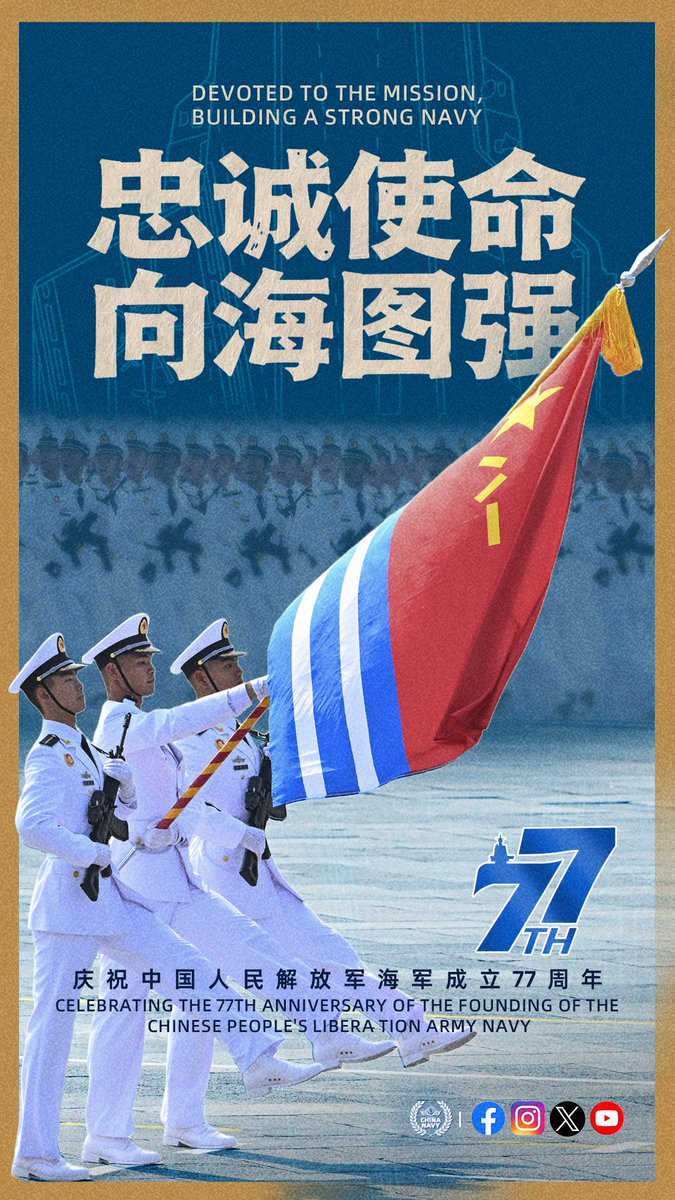
Celebrating PLAN´s 77th founding anniversary with this banger: 🫡🇨🇳🫡
ChinaNavy@China_Navy
【Sail for Peace, Bridge the World】On the occasion of the 77th founding anniversary of the Chinese PLA Navy, we sail for peace and bridge the world with our ships, to safeguard the same ocean together with you toward a bright future !
English
588th Night Bomber Regiment retweetledi

Wait… why are LEGO videos coming out THIS fast roasting Trump’s approval ratings collapsing?? 😭🤣
This one is brutal. 😂🔥😂
English
588th Night Bomber Regiment retweetledi

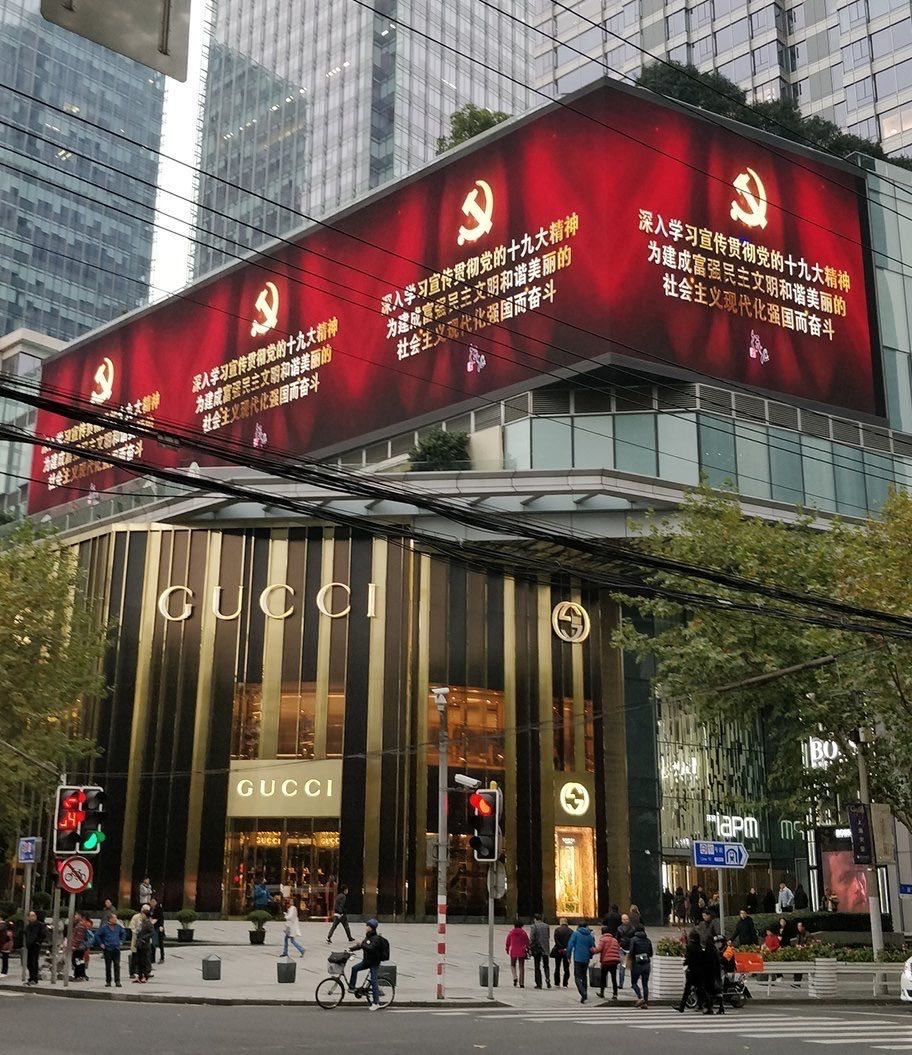
Communist China gave the people Gucci mink.
Capitalist Argentina gave the people donkey meat.

English