

NitroTurbo
240 posts


户晨风从头到脚就是个屌丝,听它说故事就好比听街上的乞丐教你如何致富一样。
美国能买到的中国手机很少所以选择不多,但是老板和大佬们用的都是各式各样的安卓,前台和Uber司机用的倒都是苹果。
穷人咬咬牙能买的起的东西,不管是17 pro max 2TB也好,还是LV Chanel的包,说到底只能满足自己的虚荣心,给穷人错觉以为自己跨越了阶层,本质上都是交智商税。
真有经济实力的人,买东西的时候是看自己喜好而不是看自己需要的。比方说买车的时候不是考虑说这车能坐的下几个人,能装多少东西,省不省油,人家就是我喜欢这个外型和手感,实不实用不考虑,因为家里可以停7-8部车,不缺这么一辆。
100尺的游艇,什么也不做,不算维护费,Newport码头停靠一个月就要10000刀,穷人模仿不了的。
人最重要的还是找清楚自己的定位,而不是去追求那些虚无缥缈的虚荣,祝大家都幸福。
侥幸没歪@jxzdmzw
户晨风说,手机就是苹果,电车就是特斯拉,这其实是屌丝认知。 我认识的高管、老板,没有一个是用苹果开特斯拉的。 他们手机一般用华为,以前是保时捷设计款,现在是非凡大师。还有个拿三星折叠屏的。还有的我不认识,估计是vivo还是啥的旗舰款。 电车通常是问界M9、腾势D9(配司机)、理想、蔚来。要么就还用油车,保时捷或奔驰S。 这是因为,苹果和特斯拉,已经成了年轻白领的标配,这就使得在高净值人群眼里,它们失去了区隔身份的符号意义。 试想,开会时手机往会议桌上一搁,老板和员工的一模一样,或者,上下班在停车场撞到,老板和员工开的车一模一样,这多少有点尴尬。 也甭说人家装逼,这是正常的消费心理。认为这是装逼的,你先摸摸钱包,看自己能不能装得起。 当然会有不在乎身份标签的富人,但凤毛麟角。而且,往往这种人的社会阶层已经高到不需要物质标榜,人家靠刷脸就行。 这种人如果用苹果开特斯拉,他的消费心理和屌丝也不同。就像富人到大排档感受人间烟火,和农民工到大排档撸串喝啤酒,心境是不同的。
中文

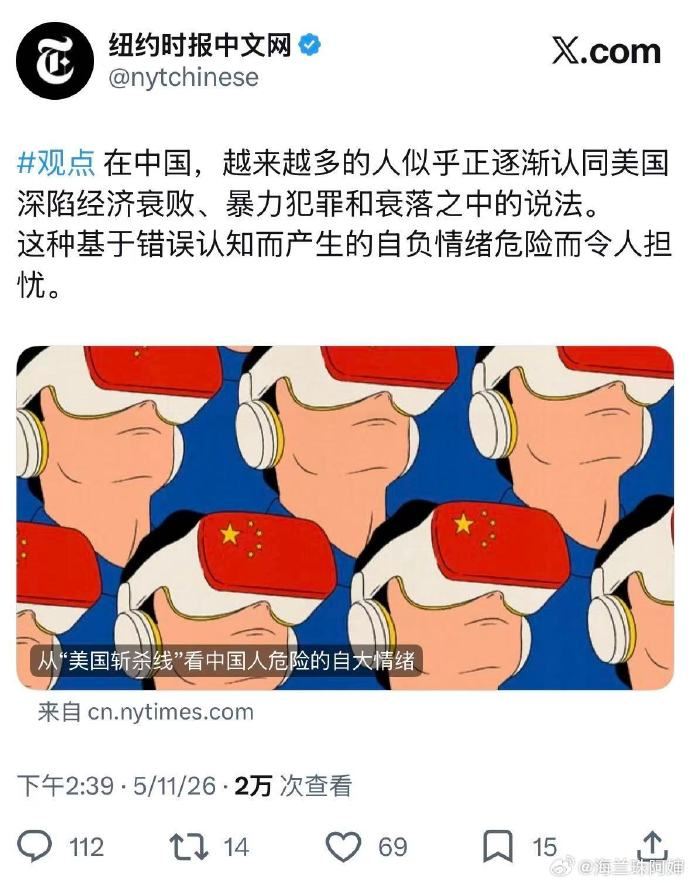
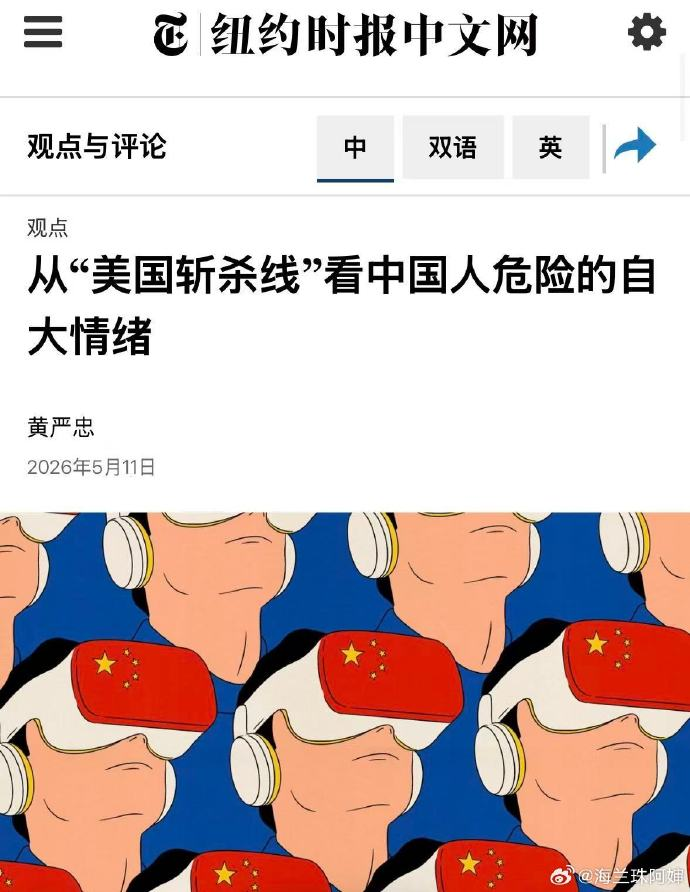


@lydia488144315 中国订阅chatgpt的价格:20美元,美国订阅chatgpt的价格20美元。中国买gta6的价格60美元,美国买gta6的价格60美元。
中文

中国与美国。同一个世界,物价却天壤之别。
数字不会说谎,它们讲述了一个引人入胜的故事。
中国平均月薪:1007美元。
美国:4276美元。
收入差距高达4.2倍。
但更有趣的是,食品价格的差距也同样巨大。
在中国,一家普通餐厅的餐食价格为2.84美元。
而在美国呢?20美元。价格是中国的7倍。
一打鸡蛋:中国1.57美元,美国4.41美元。
一杯卡布奇诺:2.95美元,美国5.32美元。
每磅白米:0.43美元,美国2.09美元。
中国消费者支付的价格远低于美国,不仅比例更低,绝对金额也更低。
现在,让我们来看看真正的经济压力。
中国的宽带互联网:每月 11.23 美元。
美国的宽带互联网:每月 72.43 美元。
中国的手机套餐:每月 8.95 美元。
美国的手机套餐:每月 60.90 美元。
基本公用事业费用:中国每月 51.89 美元,美国每月 210.49 美元。
美国的基础设施成本正在压垮中产阶级。
中国唯一没有胜出的领域是什么?
一辆新的小型汽车在中国售价 18,488 美元,而在美国售价 35,699 美元。
虽然价格更便宜,但相对于月收入而言,对于普通中国工人来说,这仍然相当于 18 个月的收入支出。
真正的洞见在于:
中国打造了一个低成本、高效率的消费经济。
美国虽然提高了工资,但也带来了高昂的生活成本,这些成本正在悄然消耗着工资。
购买力平价揭示了一个信息,而单纯的工资比较却完全忽略了这一点。
我在中国生活了20多年,我可以作证,在这里我们花更少的钱能买到更多。唯一让我觉得贵得离谱的是房价,普通人可能要工作一辈子才能还清房贷。
房价收入比估计如下:
* 北京:约占年收入的37倍
* 上海:约占年收入的38倍
这意味着一个普通家庭可能需要30-40年的收入才能全款买一套房子。
这就是为什么许多中国家庭:
* 两三代人共同攒钱
* 严重依赖父母支付首付
* 将拥有住房放在几乎所有事情之上
目前正在发生的重要转变:
中国的房地产危机实际上降低了许多城市的房价:
* 抵押贷款利率大幅下降
* 房价下跌
* 与 2020-2021 年的峰值相比,购房能力有所提高
但从心理层面来看,许多中国年轻人现在:
* 推迟结婚
* 推迟购房
* 更倾向于租房
* 更不愿意承担 30 年的债务
因为他们目睹了上一代人在房地产市场下跌的情况下背负沉重的债务。
Alvin Foo@alvinfoo
China vs. the US. Same world. Wildly different price tags. The numbers don’t lie, and they tell a fascinating story. Average monthly salary in China: $1,007. In the US: $4,276. That’s a 4.2x income gap. But here’s where it gets interesting. Food costs don’t follow the same ratio. A meal at an inexpensive restaurant in China costs $2.84. In the US? $20.00. That’s 7x more expensive. A dozen eggs: $1.57 in China vs $4.41 in the US. A cappuccino: $2.95 vs $5.32. White rice per lb: $0.43 vs $2.09. The Chinese consumer is paying dramatically less, not just proportionally, but in absolute dollar terms. Now look at the real squeeze. Broadband internet in China: $11.23/month. In the US: $72.43/month. Mobile phone plan in China: $8.95. In the US: $60.90. Basic utilities: $51.89 in China vs $210.49 in the US. Infrastructure costs in America are crushing the middle class. The one area where China doesn’t win? A new compact car costs $18,488 in China vs $35,699 in the US. Cheaper, but relative to monthly salary, still a 18-month income commitment for the average Chinese worker. The real insight: China has engineered a low-cost, high-efficiency consumer economy. The US has engineered high wages but also high costs that quietly consume them. Purchasing power parity tells a story that raw salary comparisons completely miss. I have lived in China for over 20 years and I can attest that we get more for less. The only thing I would say it’s ridiculously expensive is real estate prices, where an ordinary person would had to work their whole life to pay off the mortgage. Price-to-income ratios are estimated at: * Beijing: ~37x annual income * Shanghai: ~38x annual income That means an average household may need 30–40 years of total income just to buy a home outright. This is why many Chinese families: * pool money across 2–3 generations * rely heavily on parents for downpayments * prioritize home ownership above almost everything else Important shift happening now: China’s property crisis actually reduced prices in many cities: * mortgage rates fell sharply * home prices declined * affordability improved versus 2020–2021 peaks But psychologically, many young Chinese are now: * delaying marriage * delaying home purchases * preferring renting * less willing to take 30-year debt because they watched previous generations become heavily leveraged into declining property markets.
中文



中文



中文

@kaliyazhilan @bboczeng 别闹了大哥,大型公司都有一个设备叫做“上网行为管理”你只要连接到公司网络当中,你干了点什么微信聊的什么都能看的一清二楚,所以咱们上面的人就更不用说了。
中文

讲一个笑话
特斯拉的品控不是靠生产车间的质检部门
特斯拉的先进技术不是依靠技术投入
特斯拉的口碑不是靠用户认可
而是特斯拉的法务部🤡
当特斯拉的车主和特斯拉发生消费纠纷时,特斯拉的法务部第一时间把消费者告上法庭🤡
最喜欢告用户的新能源车企里,特斯拉说第二,还真没有自主品牌敢说第一🤡
当特斯拉的普通消费者(不是邪教徒似的用户)在网上吐槽抱怨特斯拉的质量问题,如果流量比较高,特斯拉法务部第一时间给平台施加压力,要求平台删除相关信息🤡
特斯拉在控制网上关于用户抱怨特斯拉负面消息的力度,特斯拉说第二,还真没有自主品牌敢说第一🤡
当特斯拉发生重大安全事故,特斯拉法务部第一时间施压国内各社交平台,要求将相关事件的传播压到最小🤡
在控制安全事故的负面消息传播方面,特斯拉说第二,还真没有自主品牌敢说第一🤡
特斯拉干这种事,跟中世纪的基督教极力维护自己的神性区别不大
毕竟,特斯拉这3个字,对某些群体而言,就是宗教精神图腾🤡
特斯拉在刚进入中国市场时,处于优势期,这样搞顶多恶心人,因为当时能和特斯拉打的自主品牌不多,且实力比较弱
现在嘛,自主品牌在技术、品控、质量、配置全面赶超特斯拉,那么特斯拉再这样搞无异于把潜在客户推向自主品牌,尤其是byd
中国系新能源汽车,尤其是byd,在海外能快速获得海外消费者的青睐与认可,除了中国系新能源汽车自身的实力技术过硬,跟特斯拉法务部在海外市场的骚操作是脱不了关系🤡
更有甚者,一些曾经是特斯拉忠实的海外车主,被特斯拉法务部给恶心到
当他们开始接触中国系新能源汽车后,立马变成特黑。他们买了中国系新能源汽车,尤其是byd后,有一些第一时间开着新买的中国新能源汽车,跑到特斯拉的充电桩拍照炫耀自己的中国新能源车,以此发泄与嘲讽对特斯拉法务部的不满🤡
本轮中东石油危机,东南亚、澳洲、拉丁美洲的消费者,面对当地经销商库存不足的处境,宁可多等几个月,宁可加钱买中国系自主品牌的新能源汽车,就是不愿意购买库存充足的特斯拉
海外消费者不傻,他们为什么做出这样的选择,特斯拉法务部心里没点数吗🤡
现在全世界消费者都知道,特斯拉作为早期新能源的领头羊,如今全方面落后于中国的新能源品牌,被曾经不如特斯拉的byd吊打。只有邪教徒似的特斯拉用户被特斯拉虐了之后还在不断帮特斯拉洗地🤡
更有甚者,中国二线新能源品牌,配置体验品控丝毫不输特斯拉,价格还比起特斯拉便宜🤡
中文







西方叙事特别不要脸,把亲中,统一都定义和贬低成邪恶行为。
其实世界上谁是邪恶的?一目了然
中国没绑架别国总统,没炸加沙医院,没炸伊朗小学,中国大陆企业没帮着造BP机炸弹。
看新闻,一定要去西方中心化,这样才能看到客观事实,
中文


在中国,没什么比“人民”两个字更重💪
美国百万网红JacksonHinkle 发布自制“重走长征路”系列第一条VLOG,他在贵州乘坐惠农专线,感慨:“美国精英嘴里难如登天的基层治理,在中国只需要一条公交专线!”
中文

@miren_41319 他肯定得听报告呀,他又不在中国。但是强迫不强迫,中国人自己心里有数的,我之前那个企业一个月歇一天班,周末谁都不准请假,晚上八点前走人的要挨骂。
中文
