NRI Retirement

265 posts

NRI Retirement banner
NRI Retirement

NRI Retirement

@NriRetirement

An NRI in search of Retirement.

Pennsylvania, USA Katılım Ocak 2025
50 Takip Edilen19 Takipçiler
NRI Retirement retweetledi
Dr Dhiman Bhattacharya 🇮🇳 🇮🇳 🇮🇳
Japan's Economic Crisis: Potential Trigger for the Next Global Market Crash? Please RETWEET FOR MAXIMUM REACH. 1. Japan's new Prime Minister has announced a massive stimulus package—the largest since COVID-19—amid a contracting GDP and rising inflation. Q3 GDP shrank by 1.8%, signaling economic stress. This stimulus aims to counteract decades of stagnation. 2. Traditional ultra-low interest rates in Japan are seeing a sharp rise: 10-year Japanese government bond yields surged to near 1.8%, a massive shift from near-zero yields pre-COVID. This rise increases borrowing costs dramatically. 3. The Japanese Yen is weakening amidst this turmoil. More stimulus means money printing, which usually devalues currency. The USD/JPY rate has surged from 75 (in 2012-13) to 156 now, mirroring the Indian Rupee's similar depreciation over the same period. 4. Why does Japan’s crisis matter globally? Japan has been the cornerstone of the "carry trade": investors borrow cheap Yen at low interest rates to invest in higher-yielding markets abroad. Rising yields and a falling Yen threaten to unwind this trade. 5. An unwinding means investors borrowing in Yen could pull money out of emerging markets, including India, causing capital outflows, currency volatility, and potential market crashes. This contagion effect poses global risks. 6. Higher yields mean greater debt servicing costs for Japan's massive borrowings—like suddenly having to pay double interest on a home loan. This could trigger asset sell-offs and financial instability locally and internationally. 7. Inflation risks in Japan are unusual given its decades of deflation. But stimulus-fueled money printing and currency weakness can import inflation,forcing the Bank of Japan into a difficult position: either hike rates or let inflation run. 8. India and other emerging markets may face competing currency pressures as their currencies weaken amidst rising global risks and capital outflows, complicating their monetary policies and economic outlooks. 9. For Indian investors: Stay alert to the risks of global liquidity tightening and currency volatility. Diversification, especially currency diversification and asset allocation strategies, is crucial in this uncertain global macro environment. 10. Key takeaway: Japan's economic and currency turmoil could be the first domino in a broader global market correction, triggered by shifting interest rates, stimulus policies, and the unwinding of carry trades. This analysis highlights the core causes and consequences of Japan's current economic challenges and their potential to trigger a global market shake-up. It emphasizes actionable insights for investors watching global market interconnections carefully. Thank you for your time 🙏😊.
English
5
7
12
1.3K
NRI Retirement
NRI Retirement@NriRetirement·
Bookmark Japan crisis
Dr Dhiman Bhattacharya 🇮🇳 🇮🇳 🇮🇳@DrdhimanBhatta1

Japan's Economic Crisis: Potential Trigger for the Next Global Market Crash? Please RETWEET FOR MAXIMUM REACH. 1. Japan's new Prime Minister has announced a massive stimulus package—the largest since COVID-19—amid a contracting GDP and rising inflation. Q3 GDP shrank by 1.8%, signaling economic stress. This stimulus aims to counteract decades of stagnation. 2. Traditional ultra-low interest rates in Japan are seeing a sharp rise: 10-year Japanese government bond yields surged to near 1.8%, a massive shift from near-zero yields pre-COVID. This rise increases borrowing costs dramatically. 3. The Japanese Yen is weakening amidst this turmoil. More stimulus means money printing, which usually devalues currency. The USD/JPY rate has surged from 75 (in 2012-13) to 156 now, mirroring the Indian Rupee's similar depreciation over the same period. 4. Why does Japan’s crisis matter globally? Japan has been the cornerstone of the "carry trade": investors borrow cheap Yen at low interest rates to invest in higher-yielding markets abroad. Rising yields and a falling Yen threaten to unwind this trade. 5. An unwinding means investors borrowing in Yen could pull money out of emerging markets, including India, causing capital outflows, currency volatility, and potential market crashes. This contagion effect poses global risks. 6. Higher yields mean greater debt servicing costs for Japan's massive borrowings—like suddenly having to pay double interest on a home loan. This could trigger asset sell-offs and financial instability locally and internationally. 7. Inflation risks in Japan are unusual given its decades of deflation. But stimulus-fueled money printing and currency weakness can import inflation,forcing the Bank of Japan into a difficult position: either hike rates or let inflation run. 8. India and other emerging markets may face competing currency pressures as their currencies weaken amidst rising global risks and capital outflows, complicating their monetary policies and economic outlooks. 9. For Indian investors: Stay alert to the risks of global liquidity tightening and currency volatility. Diversification, especially currency diversification and asset allocation strategies, is crucial in this uncertain global macro environment. 10. Key takeaway: Japan's economic and currency turmoil could be the first domino in a broader global market correction, triggered by shifting interest rates, stimulus policies, and the unwinding of carry trades. This analysis highlights the core causes and consequences of Japan's current economic challenges and their potential to trigger a global market shake-up. It emphasizes actionable insights for investors watching global market interconnections carefully. Thank you for your time 🙏😊.

English
0
0
1
9
NRI Retirement retweetledi
Dr Dhiman Bhattacharya 🇮🇳 🇮🇳 🇮🇳
Financial Freedom: Why Most People Never Achieve It & How You Can! RETWEET for maximum reach. In this video, I broke down what true financial freedom really means — having income from investments that pay your expenses so you never depend on a job again. Most people fail because they rely only on salary, bank savings, or unpredictable businesses while inflation silently destroys their wealth. You will learn: ✔ Why lifestyle inflation keeps salaried professionals trapped ✔ How rising economic inflation kills savings ✔ Step-by-step financial freedom plans for salaried workers & business owners ✔ How to build multiple income streams through smart investing ✔ The power of cash flow — the real indicator of wealth ✔ Stock market strategies to create long-term freedom ✔ Common money traps & myths that block your progress ✔ How to personalize your wealth strategy for your profession @sjlazars @BaapofOption @BaluGorade @cmagurvinder @Bhandafod_ @advsatyamrajput @MadAboutStocks_ @BuzzingstockH @prashantbh59852 @sunilwagh2004 @AnshulGains @Fatima_Khatun01 Financial freedom is not magic — it’s a plan, a mindset, and disciplined investing. Start your journey today. 👇 youtu.be/pWtV0GXxaqI?si…
YouTube video
YouTube
English
6
8
11
1.8K
NRI Retirement retweetledi
Dr Dhiman Bhattacharya 🇮🇳 🇮🇳 🇮🇳
My top 5 gains since Jan 2K(5 years) 👇. PNB. Tata elexi. Newgen. OFSS. Rajratan global wire (>10 lakh in each) Top 5 Loss👇 Mahindra manulife multicap fund(Rs 29944) Quant quantamental fund(Rs 7567) Nippon india small cap index fund (Rs 3688) Axis innovation fund(Rs 268) (1/n)
English
1
6
35
4.8K
NRI Retirement retweetledi
Dr Dhiman Bhattacharya 🇮🇳 🇮🇳 🇮🇳
NAM India: Could This AMC Be a Multibagger? 🧵 A deep dive into why Nippon Life India Asset Management (NAM India) may be a long-term compounder—and what RISKS could derail it. (Not a recommendation. Do your own due diligence.) 👇 Retweet for max reach 👇 🔹 About NAM India One of India’s top AMCs with ₹4.3L+ Cr AUM Owned by Japan’s Nippon Life (51% stake) PAN-India presence, 75k+ distributors Strong in ETFs: Nifty BeES, Gold BeES, Bank BeES Debt-free, consistent dividend payer (~3%) 📈 Strong Financials (FY25 Est.) Revenue: ₹1,800 Cr Net Profit: ₹750 Cr ROE: ~24% OPM: ~40% PE: ~30x; Fair for AMC business 💥 Why It Could Be a Multibagger ✅ Scalable, asset-light model ✅ Booming SIP culture: ₹20,000 Cr/month+ ✅ Underserved Tier 2 & Tier 3 India ✅ Passive investing leadership via ETFs ✅ Digital + AI push for B2C investing ✅ Support from a global financial powerhouse ✅ Strong dividend history + cash flows 📊 Peer Comparison CompanyAUMPEROEDiv Yield HDFC AMC₹5.3L Cr3825%2% NAM India₹4.3L Cr3024%3% UTI AMC₹2.6L Cr2618%2.5% ☝️ Among the best yield + growth combos in the AMC space. Important 🤔 🥹 👇: RISKS That Can Kill the Multibagger Dream ⚡ ⚡ ⚡ 1. Market-Linked Business: Mutual fund companies earn % of AUM. If markets crash or inflows drop, revenue plummets. Bear markets = lower earnings = sharp price correction. 2. SEBI Regulatory Risk: SEBI caps expense ratios on mutual funds. Any further tightening = direct hit on profits. Policy risk is real and unpredictable. 3. Direct Plan Disruption: DIY investors using Zerodha, Groww, Paytm, Navi = disintermediation. NAM India relies heavily on distributors in small towns. If they lose relevance, NAM’s growth could flatten. 4. Fintech Competition: Low-cost index funds, passive ETFs, and fee-free robo-advisors are rising. Margins may compress as tech eats into AMC business. 5. Promoter Overhang Risk: While Nippon Life is reputed, future stake dilution or global restructuring could hurt sentiment. Also, no Indian strategic partner may limit domestic lobbying power. 6. Saturation Risk in Metro Cities: Top cities are already heavily tapped. Further growth depends on rural penetration—challenging and slow. 7. Talent Retention Risk: Good fund managers = performance = inflows. If key staff leave, investor confidence can erode. 8. Valuation Risk: Currently trading at ~30x PE. Not cheap. If growth slows or SEBI intervenes, PE compression could hurt. If you want more such analysis, follow me @DrdhimanBhatta1 Thank you for your time 🙏😊.
English
2
11
26
2.7K
NRI Retirement retweetledi
Dr Dhiman Bhattacharya 🇮🇳 🇮🇳 🇮🇳
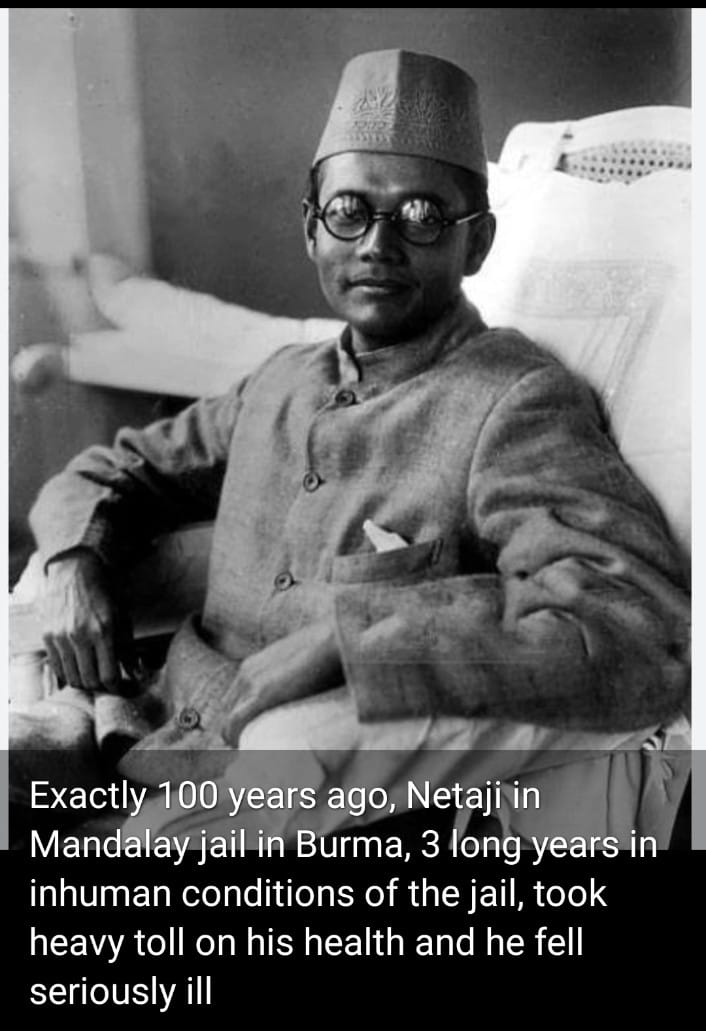
#Netaji #Subhash #Bose ,the greatest freedom fighter ever born on earth ,was tortured havoc by the British under provocation of DURATMA and ChaCha for 3 years. You won't be able to recognise him, khun khol uthta hai. This man taught us JAI HIND 🔥🔥🔥🔥. @advsatyamrajput @sjlazars @AstroCounselKK @AstroPrashanth9 @BaapofOption @BaluGorade @cmagurvinder @DietDrsayajirao @DrDhruvchauhan
Dr Dhiman Bhattacharya 🇮🇳 🇮🇳 🇮🇳 tweet media
English
5
8
32
3.9K
NRI Retirement retweetledi
Dr Dhiman Bhattacharya 🇮🇳 🇮🇳 🇮🇳
Great question — this kind of disparity between gold prices, gold financiers, and jewellers often confuses many investors. Let me break it down for you. @InvestorOfJAMMU 1. Gold Prices vs. Jewellery Business: When gold is in a hyper bull market, prices rise sharply. This discourages retail buyers of jewellery, since weddings and festive purchases become very expensive. Result: Jewellery demand falls (volume down), even if prices are high. So jewellers like PN Gadgil and #Kalyan Jewellers see lower sales volumes, which hurts their margins. 2. Gold Finance Companies Benefit: Companies like Muthoot Finance don’t rely on jewellery sales. They earn by lending money against gold collateral. When gold prices rise, the collateral value rises, reducing default risk and allowing bigger loans. This boosts their business → stock goes up. 3. Jewellery Industry’s Cost Pressure: Jewellers hold inventory of gold. If they stock up at higher prices and demand slows, their working capital gets stuck. Making charges and margins on jewellery are tiny (2–4%), so they don’t benefit much from gold’s price surge. 4. Shift in Consumer Preference: Rising gold prices often leads people to prefer: Gold ETFs / Sovereign Gold Bonds (no making charges, easy liquidity). Selling old gold instead of buying new jewellery. This bypasses jewellers and supports finance companies. ✅ In short: #muthoot & gold financiers rise because higher gold prices strengthen their loan business. Jewellers fall because high prices kill demand, squeeze margins, and make inventory riskier. Not a recommendation for educational purposes ONLY.
Margin of Safety🇮🇳@InvestorOfJAMMU

Gold in Hyper Bull market and Gold Finance company Muthoot too at all time highs yet Gold sellers like PN Gadgil and Kalyan jewellers at 52 week lows. What happened??

English
2
6
15
2.3K
NRI Retirement retweetledi
Dr Dhiman Bhattacharya 🇮🇳 🇮🇳 🇮🇳
@Miss_Aarohi_18 Also by my father. You won't believe during Covid 19 when I was worried about my future as a medical professional; he, having terminal cancer told me " don't worry my son, I am still alive and I can feed you". Why you guys always disgrace fathers and compare them with mothers?
English
1
9
93
8.4K
NRI Retirement retweetledi
Dr Dhiman Bhattacharya 🇮🇳 🇮🇳 🇮🇳
If you want to know the market conditions aka the sentiment, whether informed insiders are buying or selling or idiot poor retail investors are buying or selling ,remember this tweet of mine done on 22 Nov 22. Bookmark 🔖 that tweet. It will prevent you from losing money.
Dr Dhiman Bhattacharya 🇮🇳 🇮🇳 🇮🇳@DrdhimanBhatta1

@charts_zone But I remember,once you mentioned generally STOCKS react in proportion to news. When there is no reaction even after news,keep an 👀 on it as a selling proposition. Correct me Sir if I am wrong ☺️.

English
1
2
7
910
NRI Retirement retweetledi
Dr Dhiman Bhattacharya 🇮🇳 🇮🇳 🇮🇳
Why @PPFAS is totally different from other flexi cap funds? @ActusDei @npparikh6 @BaluGorade Please share your views.
Dr Dhiman Bhattacharya 🇮🇳 🇮🇳 🇮🇳 tweet media
Dr Dhiman Bhattacharya 🇮🇳 🇮🇳 🇮🇳@DrdhimanBhatta1

A Heartfelt Tribute to Parag Parikh: Bharat’s Value Investing Legend. @npparikh6 @PPFAS @ActusDei Ten years ago today, on May 3, 2015, Bharat lost a guiding light in the world of finance—Parag Parikh, the pioneer of value investing, who left us too soon in a tragic car crash in Omaha, USA. His story is one of wisdom, humility, and a relentless passion for empowering the common investor. Here’s an emotional journey through his life. 1. The Humble Beginnings: Parag Parikh, born in Mumbai, stepped into the chaotic world of Dalal Street in 1979 as a sub-broker. Guided by his mentor, Chandrakant Sampat, he chose a path less traveled—value investing. Unlike the tip-driven frenzy of the time, Parag believed in research, patience, and buying businesses, not just stocks. His heart was set on creating wealth with integrity. 2. A Rebel with a Cause: In the 1990s, when foreign investors flooded India post-liberalization, Parag stood out. His firm, Parag Parikh Financial Advisory Services (PPFAS), was among the first to offer detailed research reports, earning respect from global giants like Julian Robertson. He wasn’t just a broker; he was a visionary who challenged the status quo. 3. The Contrarian Spirit: Parag’s conviction was his superpower. During the dotcom boom, he shunned overhyped tech stocks, earning both critics and admirers. “En vazhi thani vazhi” (my way is a different way), he lived this Tamil proverb, proving that patience and discipline could outshine market mania. His courage inspired a generation. 4. A Teacher of Behavioral Finance: Parag wasn’t just an investor; he was a scholar of human emotions. His books, Stocks to Riches and Value Investing and Behavioral Finance, became bibles for Indian investors. He taught us to conquer fear and greed, urging us to wear a “cloak of patience.” His words still echo in our hearts. 5. Building PPFAS AMC: In 2013, Parag launched PPFAS Mutual Fund with a single scheme—PPFAS Long Term Value Fund. He wanted every Indian, not just the elite, to access wealth creation. “I don’t want to market my fund; I want people to buy it,” he said. His fund was his baby, built on trust and transparency. 6. Skin in the Game: Parag practiced what he preached. He invested his own money in his fund, as did his employees. “How can we ask others to invest if we haven’t?” he asked. This wasn’t just business; it was a moral code. His integrity made investors feel safe, like family. 7. The Omaha Pilgrimage: A devout follower of Warren Buffett, Parag traveled to Omaha annually for Berkshire Hathaway’s shareholder meetings. In a cruel twist of fate, it was in Buffett’s hometown, on May 3, 2015, that a car crash took him from us. He was 61, leaving behind his wife, Geeta, and sons, Neil and Sahil. 8. A Legacy in Mourning: The news shook India’s investing community. “We’ve lost an original thinker, a contrarian investor, and a good human,” tweeted Nirmal Jain. Parag’s death, just months after his mentor Sampat’s passing, felt like the end of an era. Yet, his philosophy lived on through PPFAS. 9. Neil Carries the Torch: At 32, Neil Parikh faced the daunting task of filling his father’s shoes. With assets dipping to ₹450 crore, doubts loomed. But Neil, fueled by Parag’s vision, grew PPFAS to ₹90,000 crore by 2024. Every rupee managed reflects Parag’s timeless wisdom. “He lives in our hearts,” Neil says. 10. Parag’s Eternal Lesson: Today, as we mark a decade without Parag, his voice still guides us: “Investment success comes from following the emotionally difficult path.” Let’s honor him by investing with patience, humility, and courage. Share his story, read his books, and keep his legacy alive. RIP, Parag Parikh. 🙏 My regards to this legend.🙏 paragparikh.in

English
5
8
48
8.9K