Nuclear Business Platform

7.2K posts

Nuclear Business Platform banner
Nuclear Business Platform

Nuclear Business Platform

@Nuclear_BP

NBP is a growth consulting firm headquartered in Singapore with regional presence in India, Africa, Türkiye. NBP is 100% focused on the nuclear energy sector.

Asia, Africa, India, Türkiye Katılım Temmuz 2015
957 Takip Edilen2.2K Takipçiler
Sabitlenmiş Tweet
Nuclear Business Platform
Turkiye has unveiled plans to build eight new nuclear reactors, with four planned in Sinop and four in the Thrace region, as part of a major expansion of its nuclear programme. The move signals a clear shift: Türkiye is accelerating from its first nuclear plant (Akkuyu) toward a multi-site, large-scale nuclear fleet. But the real story is strategic. Ankara is currently in talks with Russia, China, South Korea, and Canada, aiming to secure the most competitive terms while also maximizing localisation of its nuclear industry. What this means ⚛️ From single project → multi-reactor program Turkey is transitioning from building one plant to structuring a national nuclear ecosystem across multiple regions 🌍 Vendor competition as strategy By engaging multiple global suppliers, Turkiye is positioning itself to optimize financing, technology transfer, and supply chain development 🔌 Energy security at scale The expansion is aimed at reducing reliance on imported energy and supporting long-term electricity demand growth The deeper insight Turkey is not just adding reactors. It is building a multi-vendor, geopolitically balanced nuclear programme—similar to strategies now emerging in countries like India and Saudi Arabia. In a world where nuclear is becoming both an energy and geopolitical asset, this approach could give Turkey: → technology flexibility → supply chain leverage → long-term energy independence The key question now: Will Turkey emerge as a regional nuclear hub bridging Europe and Asia— or remain dependent on external vendors for its nuclear future? Read more: nuclearbusiness-platform.com/media/insights… #NuclearEnergy #Turkiye #EnergySecurity #NuclearIndustry #SMR
Nuclear Business Platform tweet media
English
1
30
84
19.3K
Nuclear Business Platform retweetledi
Adel Amr
Adel Amr@adelprogress·
@Nuclear_BP I participated in Middle East Energy Dubai and noted how stable policies attract talent. Turkey's four-vendor approach risks inconsistency, while UAE provides regulatory clarity that energy professionals need for career growth.
English
0
1
1
306
Nuclear Business Platform
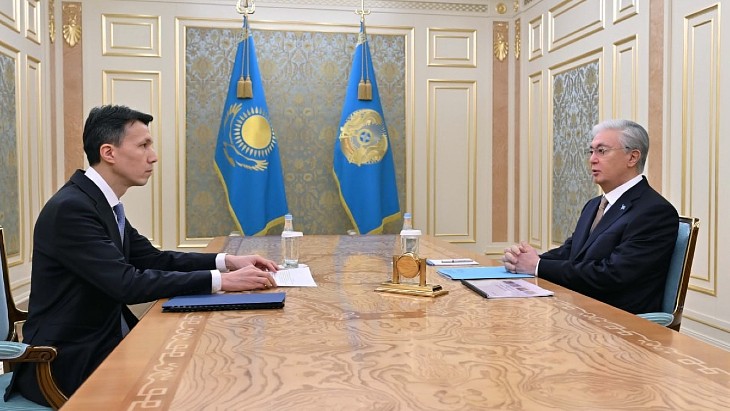
Kazakhstan is moving to resolve a long-standing paradox: being the world’s largest uranium producer without nuclear power. The government has outlined plans to accelerate nuclear deployment and expand its uranium strategy simultaneously, with 2026 priorities including an intergovernmental agreement with Russia and an EPC contract for the Balkhash nuclear power plant. This signals a shift from resource exporter → full nuclear value chain player. Strategic direction ⚛️ Domestic nuclear buildout Kazakhstan is planning multiple nuclear plants, starting with large reactors at Balkhash, as part of a broader push to introduce nuclear into its energy mix and reduce reliance on coal and imports. ⛏ Uranium dominance continues The country remains the world’s leading uranium producer, targeting ~27,000–29,000 tonnes in 2026, reinforcing its central role in global nuclear fuel supply. 🌍 Geopolitical balancing Kazakhstan is working with Russia, China, and potentially Western partners, reflecting a multi-vector strategy to access technology while maintaining strategic autonomy. --- The deeper insight Kazakhstan is not just building reactors. It is attempting to transition from: → fuel supplier to: → integrated nuclear power + fuel + technology ecosystem In a tightening global uranium market and rising nuclear demand, that shift could significantly increase its geopolitical leverage in the nuclear supply chain. --- The key question now: Will Kazakhstan remain a backbone of global uranium supply— or evolve into a fully-fledged nuclear energy power with domestic generation and export influence? Read more: #aseanreport" target="_blank" rel="nofollow noopener">nuclearbusiness-platform.com/asia/market-ov… #NuclearEnergy #Kazakhstan #Uranium #EnergySecurity #NuclearIndustry
Nuclear Business Platform tweet media
English
0
3
7
132
Nuclear Business Platform
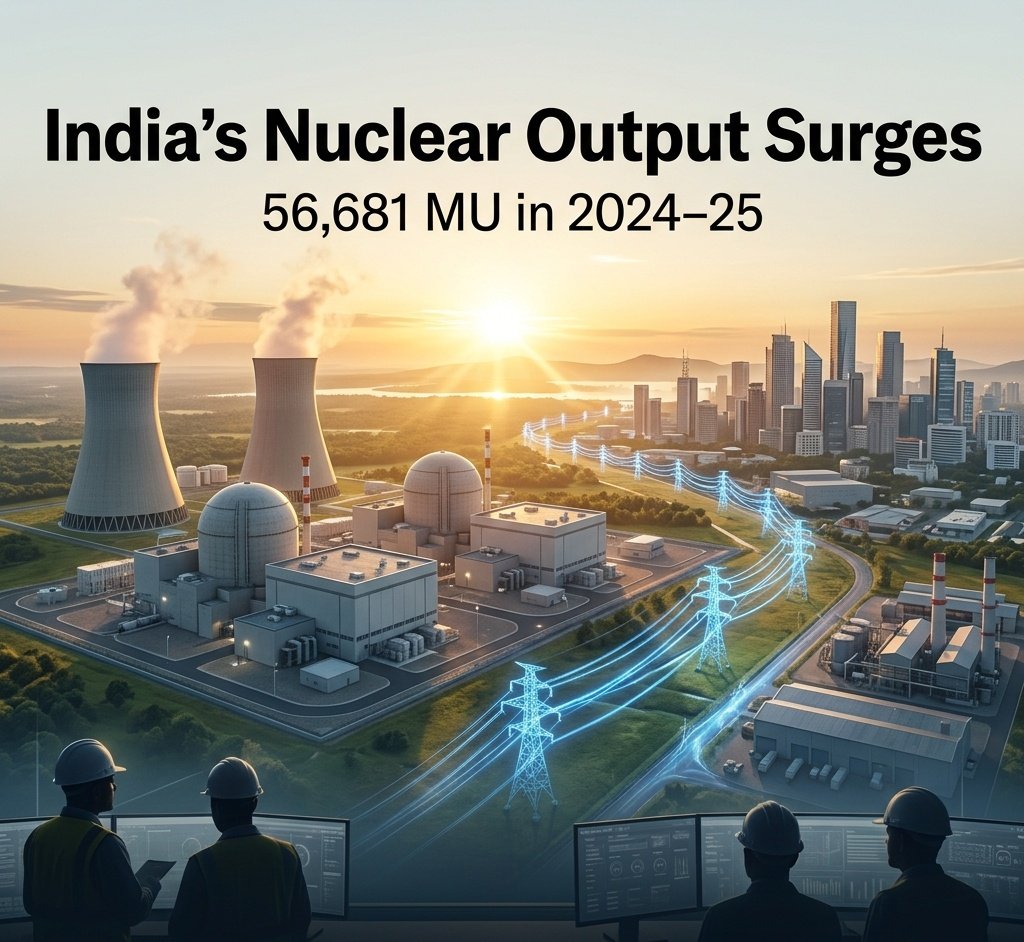
India’s nuclear power generation has reached 56,681 million units (MU) in 2024–25, marking a sharp increase from 47,971 MU in 2023–24 and 45,855 MU in 2022–23. This is not just incremental growth—it signals a step change in reactor performance and capacity utilization. Behind the numbers: ⚛️ Installed capacity: ~8,780 MW across 24 reactors 🏗 Pipeline: 18 reactors (~13,600 MW) under construction or planning 🔬 Technology shift: Progress on fast breeder reactors (PFBR) at Kalpakkam Strategic insight India’s nuclear sector is moving from slow expansion → execution phase. The rise to ~56.7 TWh also pushes nuclear closer to becoming a reliable backbone for industrial and digital growth, especially as: AI/data center demand rises Grid stability becomes critical Energy imports remain a structural risk Yet nuclear still contributes only ~3% of India’s total electricity generation—which highlights the real story: 👉 The upside is massive, but scale remains the challenge The real question With construction accelerating and output rising: Can India transition from incremental growth to sustained nuclear scaling? Read more: nuclearbusiness-platform.com/media/insights… #NuclearEnergy #India #EnergySecurity #EnergyTransition #NuclearIndustry
Nuclear Business Platform tweet media
English
1
7
19
1K
Nuclear Business Platform
✨ 𝐄𝐢𝐝 𝐌𝐮𝐛𝐚𝐫𝐚𝐤 from all of us at Nuclear Business Platform! 🌙 As the holy month of Ramadan comes to a close, we wish our global community, partners, and colleagues a joyous Eid al-Fitr. May this special occasion bring peace, prosperity, and success to you and your loved ones. Wishing you a wonderful celebration! #EidMubarak #EidAlFitr #NBP #GlobalCommunity #NuclearBusinessPlatform
Nuclear Business Platform tweet media
English
0
1
5
110
Nuclear Business Platform
🇺🇿 Uzbekistan rarely appears in nuclear investment conversations. That is precisely why it deserves attention right now. This is a country with GDP growth averaging above 6%, a population of 36 million, an electricity system that is 85% dependent on fossil fuels, and a government that has concluded it has no credible long-term alternative to nuclear baseload. That combination does not produce symbolic nuclear programs. It produces ones with genuine economic urgency behind them. The reactor configuration Uzbekistan has landed on is more sophisticated than most newcomer markets attempt. Two VVER-1000 units paired with two RITM-200N small modular reactors on a single integrated site. The large units provide baseload. The SMR units provide grid stabilisation for the renewable capacity Uzbekistan is also deploying. That is a technically coherent architecture, not a wishlist, and it signals that the people designing this program understand grid realities. Rosatom holds the central position, but the geopolitical picture is deliberately more complex than that. A nuclear cooperation MOU with the United States signed in 2025, active dialogue with CNNC, French engagement on small-capacity facilities, and partnership discussions with Hungary collectively describe a country running a genuine multi-vendor strategy. Uzbekistan is not choosing a patron. It is building leverage across suppliers, which is exactly the right posture for a resource-rich country negotiating long-term technology relationships. That upstream resource position matters. As the world's fifth largest uranium producer, Uzbekistan is not simply a nuclear customer. It is a supplier negotiating from a position of natural advantage. Firms structuring long-term commercial relationships here should account for that dynamic in how they approach partnership terms. The financing architecture remains the open variable. How Uzbekistan structures project risk between sovereign lending, export credit and multilateral capital will define the entry conditions for international players. Engaging early on financing design is as strategically important as technology positioning in this market. Read the full analysis before the competitive landscape here becomes crowded. 🔗 nuclearbusiness-platform.com/media/insights… #NuclearEnergy #UzbekistanNuclear #CentralAsia #AtomicEnergy #SMR #EnergyInvestment #NuclearPower #EnergyPolicy #NuclearBusiness #CleanEnergy
Nuclear Business Platform tweet media
English
0
0
2
87
Nuclear Business Platform
🇮🇳 The SHANTI Act opened India's nuclear market. What happens next is an execution problem, not a policy problem. That distinction matters for anyone serious about positioning here. Private players entering this market need to be precise about what they are actually joining. India's reactor pipeline runs on two parallel tracks. The first is the established 700 MW PHWR programme, an indigenous, technically mature design that private entrants are being asked to build, finance and operate, not engineer from scratch. That is a fundamentally different risk profile than greenfield technology deployment, and it is one that experienced infrastructure capital can underwrite. The second track is the Bharat SMR programme, backed by committed sovereign funding and a defined delivery target of five units by 2033. Both tracks are real, both are funded, and both are open to international partnership. The supply chain is where honest analysis diverges from promotional narrative. India currently lacks sufficient domestic capacity in specialist forgings and nuclear-grade stainless steel. Historical fragmented procurement has made this worse. The firms that enter as material suppliers while simultaneously committing to technology transfer and joint manufacturing are building durable positions. Those that arrive as pure exporters without a localisation pathway are building exposure to displacement. The indigenisation agenda is not a preference. It is the operating condition of the market. Two execution requirements deserve attention before any commercial commitment is made. Fuel supply strategy needs to be mapped before financial close, not after. And workforce training infrastructure must be budgeted from day one, not treated as a downstream concern. The market is open. It will not stay uncrowded. The firms establishing JV structures and supply chain positions now will occupy commercial ground that later entrants will find considerably harder to claim. If you are still in the assessment phase on India, this analysis should move you to the decision phase. 🔗 nuclearbusiness-platform.com/media/insights… #IndiaNuclear #SHANTIAct #NuclearEnergy #EnergyInvestment #NuclearPower #AtomicEnergy #SMR #NuclearPolicy #NuclearBusiness #CleanEnergy
Nuclear Business Platform tweet media
English
0
2
3
97
Nuclear Business Platform
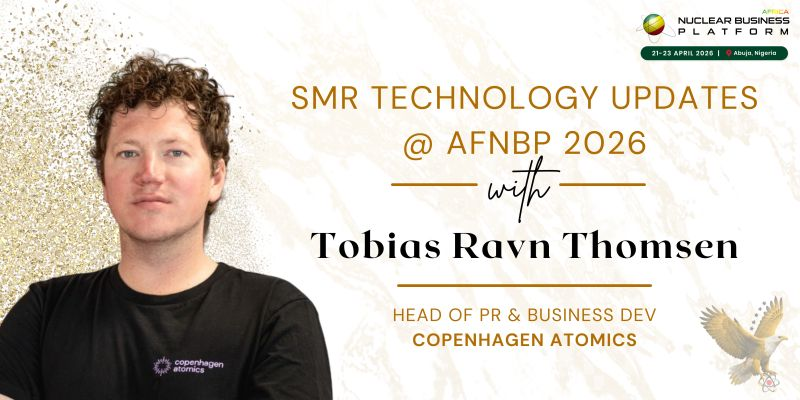
🇩🇰 𝐂𝐨𝐮𝐥𝐝 𝐰𝐚𝐬𝐭𝐞-𝐛𝐮𝐫𝐧𝐢𝐧𝐠 𝐦𝐨𝐥𝐭𝐞𝐧 𝐬𝐚𝐥𝐭 𝐫𝐞𝐚𝐜𝐭𝐨𝐫𝐬 𝐛𝐞 𝐭𝐡𝐞 𝐟𝐮𝐭𝐮𝐫𝐞 𝐨𝐟 𝐀𝐟𝐫𝐢𝐜𝐚𝐧 𝐢𝐧𝐝𝐮𝐬𝐭𝐫𝐢𝐚𝐥 𝐩𝐨𝐰𝐞𝐫? ⚛️ We are thrilled to announce Tobias Ravn Thomsen, Head of PR & Business Development at copenhagen atomics, as a featured speaker at the 5th 𝐀𝐟𝐫𝐢𝐜𝐚 𝐍𝐮𝐜𝐥𝐞𝐚𝐫 𝐁𝐮𝐬𝐢𝐧𝐞𝐬𝐬 𝐏𝐥𝐚𝐭𝐟𝐨𝐫𝐦 (AFNBP) 2026. Tobias will be providing critical 𝐒𝐌𝐑 𝐓𝐞𝐜𝐡𝐧𝐨𝐥𝐨𝐠𝐲 𝐔𝐩𝐝𝐚𝐭𝐞𝐬, specifically focusing on how their mass-produced, containerized thorium molten salt reactors can provide low-cost, green energy for the continent. 🏗️⚡ The African continent is poised to have 𝟏𝟓 𝐆𝐖 𝐨𝐟 𝐧𝐮𝐜𝐥𝐞𝐚𝐫 𝐜𝐚𝐩𝐚𝐜𝐢𝐭𝐲 𝐛𝐲 𝟐𝟎𝟑𝟓, with more than 15 countries now operating formal programs at different stages of development. Join us in Abuja to meet Tobias Ravn Thomsen and discover how this next-generation SMR technology is designed for rapid deployment to fuel mining, desalination, and heavy industry. 🇳🇬 Host: Nigeria Atomic Energy Commission (NAEC) 📍 Location: Abuja, Nigeria 📅 Date: 21-23 April 2026 📥 𝐀𝐜𝐜𝐞𝐬𝐬 𝐭𝐡𝐞 𝐟𝐮𝐥𝐥 𝐬𝐩𝐞𝐚𝐤𝐞𝐫 𝐥𝐢𝐧𝐞𝐮𝐩 𝐚𝐧𝐝 𝐜𝐨𝐧𝐟𝐞𝐫𝐞𝐧𝐜𝐞 𝐛𝐫𝐨𝐜𝐡𝐮𝐫𝐞 𝐡𝐞𝐫𝐞: #brochure" target="_blank" rel="nofollow noopener">nuclearbusiness-platform.com/africa/afnbp/#… #AFNBP #SMR #CopenhagenAtomics #Thorium #EnergyInnovation #AfricaRising #NuclearBusiness #Infrastructure #Abuja2026
Nuclear Business Platform tweet media
English
0
2
3
95
Nuclear Business Platform
🇮🇳 India just confirmed zero customs duty on nuclear fuel and reactor components until 2035. This is not a headline. It is a cost structure change. For any foreign vendor or joint venture partner doing project economics on Indian nuclear capacity, this changes the numbers in a material way. Projects with substantial import content, precisely the kind that international cooperation agreements produce, just became structurably more viable. The government said this directly in Parliament. That level of policy clarity, stated on the record in Lok Sabha, is exactly what international capital needs before committing to a multi-decade infrastructure position. The second signal in this announcement is quieter but equally important. NPCIL is actively expanding its vendor base for the ten newly approved 700 MW PHWR units, reserving equipment categories for domestic Class 1 suppliers and running dedicated outreach to MSMEs. India is not just opening the market to foreign partners. It is simultaneously building the domestic industrial depth to absorb and localize that technology over time. These two moves together, zero duty on imports now and active domestic supplier development in parallel, describe a country that has thought through the full industrial arc of its nuclear expansion, not just the first contract. The BARC funding increase targeting SMRs, hydrogen production and advanced materials rounds out a picture of a government that is executing on multiple timelines at once, near-term capacity through PHWRs, medium-term through SMR deployment, and long-term through advanced reactor R&D. India's nuclear policy is moving faster than most external observers have updated for. If your market models still treat India as a future opportunity rather than a present one, this parliamentary statement should be the prompt to revisit those assumptions. Read the full parliamentary reply and recalibrate your India thesis accordingly. 🔗nuclearbusiness-platform.com/media/insights… #IndiaNuclear #NuclearEnergy #NuclearPolicy #EnergyInvestment #AtomicEnergy #NPCIL #NuclearPower #MakeInIndia #EnergyPolicy #CleanEnergy
Nuclear Business Platform tweet media
English
0
1
4
92
Nuclear Business Platform
The enactment of the 🇮🇳 SHANTI Act of 2025 marks a historic shift in 🇮🇳 India’s energy landscape, dismantling state monopolies to invite private capital and international expertise. By permitting 49% Foreign Direct Investment and reforming liability frameworks, 🇮🇳 India has transformed its 100 GW nuclear target into a bankable investment proposition. To understand how private players can navigate this new terrain and secure a position in the world's most consequential nuclear build-out, explore the full analysis. 📚 nuclearbusiness-platform.com/media/insights… ✅ Private Sector Entry: The Act enables public-private partnerships and independent power models, allowing firms like Tata and Adani to finance, build, and operate reactors. 🏗️ ✅ Liability Reform: Strategic alignment with international norms has removed the primary hurdle for 🇺🇸 US, 🇫🇷 French, and 🇷🇺 Russian vendors seeking commercial entry. ✅ SMR Fast-Track: A $2.38 billion (₹20,000 crore) sovereign commitment is currently funding the deployment of five "Bharat Small Reactors" by 2033. 💰 ✅ Supply Chain Gaps: Significant opportunities exist for international suppliers in specialist forgings and nuclear-grade steel as 🇮🇳 India pursues a "bulk procurement" strategy. ✅ Operational Readiness: New players gain access to mature, indigenous 220 MWe and 700 MWe PHWR designs, reducing the technical risks typically associated with first-of-a-kind projects. ⚖️ #NuclearEnergy #India #SHANTIAct #EnergyInvestment #SMRs #CleanEnergy #Infrastructure #ViksitBharat #GlobalBusiness #Sustainability #INBP
Nuclear Business Platform tweet media
English
0
1
5
130
Nuclear Business Platform
🇹🇷 Every country building nuclear capacity talks about reactors and megawatts. Very few talk seriously about what it actually takes to operate them safely for 60 years. Türkiye is starting to ask the right question. A 20 GW nuclear target by 2050 is not an engineering problem in isolation. It is a human capital problem. The Akkuyu, Sinop and Thrace pipeline means Türkiye will need to operate multiple large-scale plants and eventually a 5 GW SMR fleet simultaneously. The workforce running those facilities in 2040 needs to be trained in digital twin systems, AI-driven predictive maintenance, cybersecurity for operational technology, and real-time data analytics. None of that emerges spontaneously from a traditional nuclear engineering curriculum. The honest gap here is not ambition. Turkey has Hacettepe, ITU and Sinop University producing nuclear engineers, and research reactors providing hands-on experience. The gap is integration. Digital competencies are still largely treated as adjacent to nuclear training rather than embedded within it. That distinction matters enormously when a cybersecurity breach in a digital control system carries the same operational risk as a mechanical failure. The Nuclear Technopark initiative launched by President Erdoğan is the most strategically interesting development to watch. If it functions as a genuine innovation hub rather than a symbolic gesture, it becomes the institutional bridge between academic preparation and industrial deployment. That bridge is precisely what most emerging nuclear nations are missing. The broader point extends well beyond Türkiye. Any country committing to nuclear capacity in the 2030s and 2040s is committing to operating digitally sophisticated infrastructure at the intersection of physical and cyber risk. Workforce strategy is not a secondary concern. It is a prerequisite for the entire investment thesis to hold. If you are advising on nuclear market entry or long-term operational partnerships, read this analysis carefully. 🔗 nuclearbusiness-platform.com/media/insights… #NuclearEnergy #TurkiyeNuclear #NuclearWorkforce #Industry40 #AtomicEnergy #NuclearCybersecurity #SMR #EnergyPolicy #NuclearInnovation #DigitalNuclear
Nuclear Business Platform tweet media
English
0
1
2
59
Nuclear Business Platform
🌍 The Middle East burning hydrocarbons for domestic electricity was always an economic absurdity. The region is finally correcting it. Every barrel of oil burned at a power plant is a barrel not exported at global market prices. Nuclear energy does not just solve an energy problem in this region. It solves a revenue problem. That is the logic driving the most consequential nuclear expansion happening anywhere on earth right now. The UAE proved the model works. Barakah is not a pilot project anymore. It is a fully operational fleet generating 25% of the country's electricity and avoiding over 22 million tonnes of CO₂ annually. What took decades to convince other nations is already a lived reality in Abu Dhabi, and the region is watching closely. Saudi Arabia, Egypt, Jordan, Turkey and Qatar are all moving, each at different speeds and with different risk profiles. Saudi Arabia's ambition is the most significant to track. Up to 16 reactors, a vertically integrated fuel cycle ambition, and sovereign capital depth that most nuclear markets can only dream of. The competition among KEPCO, Rosatom, CNNC and Western vendors for Saudi tenders will define which technology alliances shape the next 30 years of global nuclear supply chains. The SMR angle here is also sharper than it appears elsewhere. A region with acute water scarcity, a booming data center market and some of the world's largest sovereign wealth funds is precisely the environment where modular, dual-purpose nuclear technology finds its most compelling commercial case. The Middle East is not emerging as a nuclear market. It is consolidating as one. Firms not already building relationships in this region are not being patient. They are falling behind. Read the full analysis before forming your market entry thesis. 🔗 nuclearbusiness-platform.com/media/insights… #NuclearEnergy #MiddleEastNuclear #AtomicEnergy #EnergyInvestment #SMR #Barakah #NuclearPower #EnergyPolicy #GulfEnergy #CleanEnergy
Nuclear Business Platform tweet media
English
1
1
2
120
Nuclear Business Platform
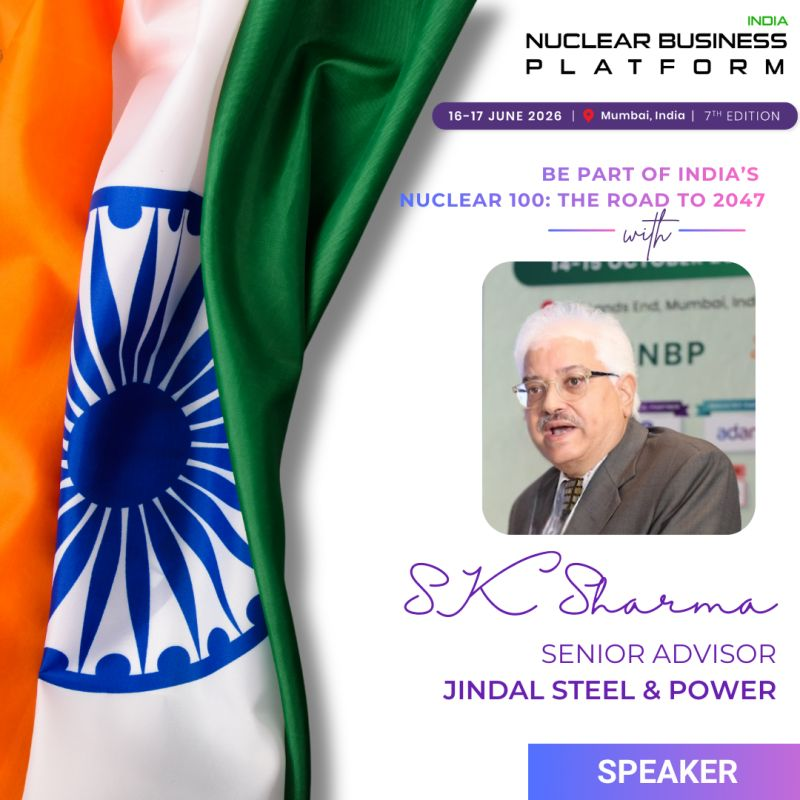
𝐈𝐧𝐝𝐮𝐬𝐭𝐫𝐲 𝐋𝐞𝐚𝐝𝐞𝐫𝐬𝐡𝐢𝐩 𝐢𝐧 𝐈𝐧𝐝𝐢𝐚’𝐬 𝐍𝐮𝐜𝐥𝐞𝐚𝐫 𝐑𝐞𝐧𝐚𝐢𝐬𝐬𝐚𝐧𝐜𝐞: 𝐖𝐞𝐥𝐜𝐨𝐦𝐢𝐧𝐠 𝐒.𝐊. 𝐒𝐡𝐚𝐫𝐦𝐚 𝐭𝐨 𝐈𝐍𝐁𝐏 𝟐𝟎𝟐𝟔! 🇮🇳 We are honored to announce 𝐌𝐫. 𝐒.𝐊. 𝐒𝐡𝐚𝐫𝐦𝐚, 𝐒𝐞𝐧𝐢𝐨𝐫 𝐀𝐝𝐯𝐢𝐬𝐨𝐫 𝐚𝐭 𝐉𝐢𝐧𝐝𝐚𝐥 𝐒𝐭𝐞𝐞𝐥 & 𝐏𝐨𝐰𝐞𝐫, as a featured speaker for the 7th Annual India Nuclear Business Platform (hashtag#INBP). Previously, he was CMD at Nuclear Power Corporation of India Limited(NPCIL)-Official The passage of the SHANTI Act has fundamentally altered the Indian nuclear landscape, opening a viable pathway for private industrial houses to own and operate nuclear assets. As India targets 𝟏𝟎𝟎 𝐆𝐖 𝐛𝐲 𝟐𝟎𝟒𝟕, the leadership of major players like Jindal Steel & Power will be pivotal in driving the transition toward carbon-free industrial captive power. As international stakeholders look for reassurance that the Indian market is ready for private investment, hearing directly from those leading the charge is indispensable. 📅 𝐃𝐚𝐭𝐞𝐬: 16-17 June 2026 📍 𝐋𝐨𝐜𝐚𝐭𝐢𝐨𝐧: Mumbai, India 🚀 𝐉𝐨𝐢𝐧 𝐭𝐡𝐞 𝐜𝐨𝐧𝐯𝐞𝐫𝐬𝐚𝐭𝐢𝐨𝐧 𝐨𝐧 𝐈𝐧𝐝𝐢𝐚'𝐬 𝐍𝐮𝐜𝐥𝐞𝐚𝐫 𝟏𝟎𝟎—𝐃𝐨𝐰𝐧𝐥𝐨𝐚𝐝 𝐭𝐡𝐞 𝐈𝐍𝐁𝐏 𝟐𝟎𝟐𝟔 𝐁𝐫𝐨𝐜𝐡𝐮𝐫𝐞: #brochure" target="_blank" rel="nofollow noopener">nuclearbusiness-platform.com/india/inbp/#br#NuclearEnergy #JindalSteel #PrivateNuclear #IndiaNuclear #NetZero #INBP2026 #EnergyTransition #SMR
Nuclear Business Platform tweet media
English
0
0
3
52
Nuclear Business Platform
🇦🇷 Argentina is the most underrated nuclear story in the Western Hemisphere. While the world fixates on US and European nuclear revivals, Argentina has been operating reactors for over 50 years, building an indigenous fuel cycle and now, under Milei, formally declaring nuclear as the only energy source scalable enough for civilization's next chapter. That is not political rhetoric. That is a procurement signal. The CAREM25 SMR is what sets Argentina apart. Domestically designed and built with 70% local components, Argentina is not shopping for reactor technology the way every other emerging market in this region is. It is developing and potentially exporting it. That is a fundamentally different strategic position. Milei's vision of pairing nuclear with AI data centers in Patagonia's cold climate is sharper than most analysts give it credit for. It is a load matching calculation, not an ideology, and serious energy investors should be running those numbers right now. The honest risk is this: economic instability has already cost CAREM25 years in delays. Milei's fiscal discipline is the single variable separating Argentina's nuclear ambition from Argentina's nuclear reality. Watch the CAREM25 completion timeline. It will tell you everything about whether this market is ready for serious capital. Read the full analysis and decide for yourself where Argentina sits in your emerging market nuclear thesis. 🔗 nuclearbusiness-platform.com/media/insights… #NuclearEnergy #ArgentinaNuclear #SMR #CAREM #EnergyPolicy #AtomicEnergy #EnergyInvestment #LatinAmerica #NuclearInnovation #CleanEnergy
Nuclear Business Platform tweet media
English
0
1
3
70
Nuclear Business Platform
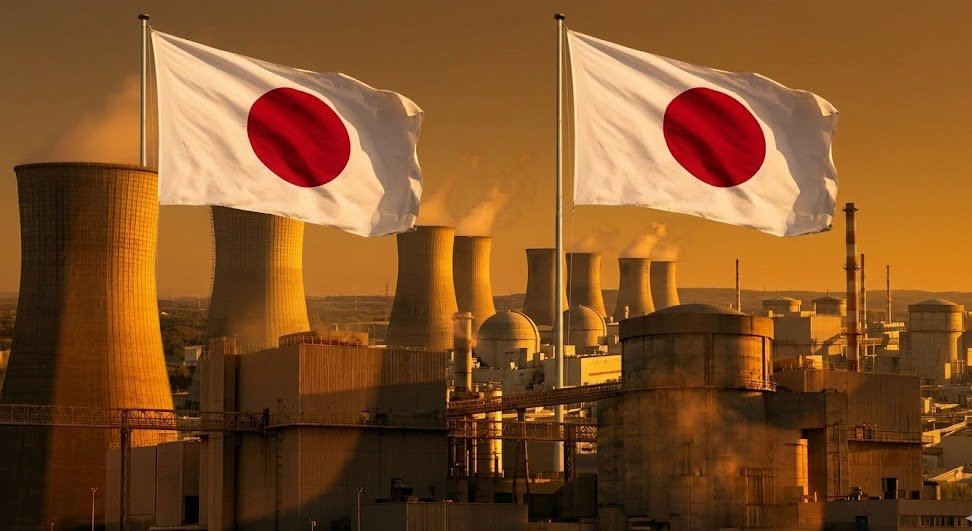
🇯🇵 Japan spent a decade being written off. That was a mistake. 33 operable reactors. Nearly 32 GW of existing capacity. A post-Fukushima regulatory framework that is now one of the most rigorous and transparent in the world. Japan was never a nuclear country in decline. It was a nuclear country in pause. That pause is ending with intent. 15 reactors have already restarted. 10 more are working through approvals. The 7th Strategic Energy Plan, released in February 2025, stripped out all prior language about reducing nuclear dependency. The government is now explicitly targeting 20% nuclear in the electricity mix by 2030. These are not aspirational signals. They are policy commitments backed by a functioning independent regulator. What makes Japan genuinely interesting for serious market participants is not the restart count. It is the lifetime extension framework. Reactors can now operate beyond 60 years, and crucially, offline periods due to regulatory review no longer count against the lifetime clock. That single rule change materially transforms the economics of every asset in the fleet. The Kashiwazaki-Kariwa Unit 6 restart, one of the world's largest reactors at 1.36 GW, deserves particular attention. When a plant of that scale returns to service under this kind of governance framework, it is not a domestic milestone. It is a global confidence signal. Japan is not speculative. It is a rules-based, capital-ready market opening a multi-decade commercial window across fuel supply, engineering services, life extension, and eventually new build. The firms positioning themselves now will not be scrambling to enter in 2030. Read the full analysis and assess where Japan fits in your nuclear market strategy. 🔗 nuclearbusiness-platform.com/media/insights… #NuclearEnergy #JapanNuclear #NuclearRestart #EnergyPolicy #AtomicEnergy #EnergyInvestment #NuclearPower #AsiaEnergy #CleanEnergy #BaseloadPower
Nuclear Business Platform tweet media
English
2
5
13
414
Nuclear Business Platform
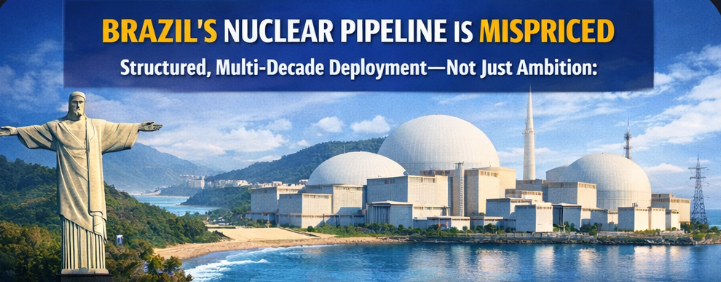
🇧🇷 Brazil is quietly building one of the most consequential nuclear pipelines in the world — and most investors haven't priced it in yet. The numbers demand attention: → Current capacity: ~2 GW (Angra 1 & 2) → National Energy Plan 2050 target: 8–10 GW→ 4 new plants identified across Northeast & Southeast → Angra 3 (62% complete, $7B invested) targeting restart by 2028 → SMR framework gaining political backing via the Parliamentary Nuclear Front → Electricity demand: 551 TWh/yr growing at 3% annually This isn't ambition. This is a structured, multi-decade capital deployment story. Brazil's hydro dependence — 63% of its grid — is its single greatest vulnerability. Droughts don't care about clean energy targets. Nuclear is the only dispatchable, zero-carbon answer that scales to the demand curve Brazil is on. Rosatom, KEPCO, Westinghouse, and CNNC are already at the table. The regulatory architecture (ANSN + CNEN dual framework) is being hardened specifically to de-risk foreign capital entry. The Global South nuclear race is real. Brazil just became its most credible contender. The question for investors and policy architects isn't whether to engage — it's whether you can afford to be late. 🔗 Full analysis: nuclearbusiness-platform.com/media/insights… #NuclearEnergy #BrazilNuclear #EnergyInvestment #GlobalSouth #NuclearPower #EnergyTransition #SMR #BaseloadPower #CleanEnergy #EnergyPolicy
Nuclear Business Platform tweet media
English
0
4
7
371
Nuclear Business Platform
🇪🇹 Ethiopia just signed a nuclear development action plan with Rosatom. A country where per capita electricity consumption sits at 86 kWh annually is now planning two 1,200 MW reactors by 2032. That contrast tells you everything about the scale of ambition here. The story driving this is straightforward. Ethiopia built the Grand Ethiopian Renaissance Dam, the largest hydropower facility on the continent, and then watched droughts expose how fragile a single-source grid truly is. Nuclear is not Ethiopia's Plan B. It is the correction to a structural vulnerability that GERD made visible. What makes this geopolitically significant is the timing and the partner. Rosatom's expanding footprint across Africa, Egypt being the most advanced example, is not accidental. Russia is methodically building long-term bilateral dependencies through nuclear cooperation agreements, training programs and lifetime fuel supply arrangements. Ethiopia's inclusion in that network means Moscow now has a strategic energy relationship with the second most populous nation on the continent. For Western vendors and investors, this is where honest analysis matters. Rosatom moves fast, finances comprehensively and asks fewer governance questions than Western counterparts. That is a competitive reality, not a criticism. Any firm serious about African nuclear markets needs a strategy that competes on those terms or acknowledges it is conceding the field. Ethiopia's $30 billion infrastructure plan and its target of expanding generation capacity from 5.2 GW to 19 GW by 2030 represents one of the most consequential energy build-outs anywhere on the continent. Nuclear is embedded in that plan, not appended to it. Africa's nuclear race is real and it is moving faster than most Western capitals have registered. Read the full analysis and decide where your position is. 🔗 nuclearbusiness-platform.com/media/insights… #AfricaNuclear #EthiopiaNuclear #NuclearEnergy #AtomicEnergy #EnergyInvestment #AfricaEnergy #NuclearPower #EnergyPolicy #Rosatom #CleanEnergy
Nuclear Business Platform tweet media
English
0
0
1
37
Nuclear Business Platform
🇮🇳 Most people are still thinking about India as a nuclear market to sell into. That framing is already outdated. India is not just building reactors. It is building the industrial base to manufacture them, export their components, and eventually deploy its own designs across the Global South. Larsen and Toubro holds full ASME nuclear stamp authorization and has already delivered spent fuel storage systems to utilities in the US and Switzerland. That is not a developing market capability. That is a globally certified, cost-competitive supply chain that international developers are actively underutilizing. The Bharat SMR program sharpens this further. The BSMR-200 is being designed specifically for captive industrial deployment at steel, cement and aluminium facilities. These are sectors under serious decarbonization pressure with no viable intermittent energy solution. India is not waiting for the global SMR market to mature. It is engineering one domestically and positioning to export the template to every emerging economy that faces the same industrial power gap. What makes this structurally different from previous Indian nuclear announcements is the policy architecture behind it. The space sector liberalization playbook, which took India from an $8 billion to a projected $44 billion industry through targeted private sector opening, is being applied directly to nuclear. The government has seen what that formula produces and is replicating it intentionally. The conversation for global partners has shifted. It is no longer about market access. It is about whether you want to be a co-developer of the next generation of nuclear technology or a bystander watching India build it without you. The window for meaningful partnership is open now. It will not stay that way indefinitely. 🔗 nuclearbusiness-platform.com/media/insights… #IndiaNuclear #NuclearSupplyChain #MakeInIndia #SMR #NuclearEnergy #AtomicEnergy #EnergyInvestment #NuclearManufacturing #EnergyPolicy #CleanEnergy
Nuclear Business Platform tweet media
English
1
2
4
65
Nuclear Business Platform
🇮🇳 India just did something the global nuclear industry has been waiting 60 years for. And most people still haven't processed what it means. The SHANTI Act, passed in December 2025, dismantled the Atomic Energy Act of 1962 in one legislative stroke. The state monopoly is gone. Private equity can now enter. FDI up to 49% is permitted in nuclear joint ventures. Supplier liability, the single clause that kept Westinghouse and EDF out for over a decade, has been channeled exclusively to the operator and capped. India's nuclear market is not opening. It has opened. The scale of what follows is difficult to overstate. A 100 GW target by 2047. Over $214 billion in required investment. A country where electricity generation has grown by more than 600 billion units in a decade and is still structurally short of firm power. India's heavy industry, its aluminum smelters, its steel plants, its data center corridors, cannot run on weather-dependent generation. Nuclear is no longer a policy preference here. It is an industrial necessity. The SMR opportunity deserves particular attention. The 2025-26 Union Budget allocated the equivalent of roughly $2.4 billion specifically for SMR research and deployment, targeting five operational units by 2033. For global suppliers, this is not a project negotiation. It is a fleet procurement conversation, and India's industrial corridors are the deployment ground. France, the US, Rosatom and Holtec are already positioning. The firms arriving late to this market will not be navigating a competitive tender. They will be watching others execute. The India Nuclear Paradox, massive demand trapped by legislative failure, has been resolved. The only question now worth asking is who is already at the table. Read the full analysis and understand what the SHANTI Act changes for your market position. 🔗 nuclearbusiness-platform.com/media/insights… #IndiaNuclear #NuclearEnergy #SHANTIAct #EnergyInvestment #NuclearPower #SMR #AtomicEnergy #EnergyPolicy #CleanEnergy #NuclearBusiness
Nuclear Business Platform tweet media
English
0
0
2
71
Nuclear Business Platform
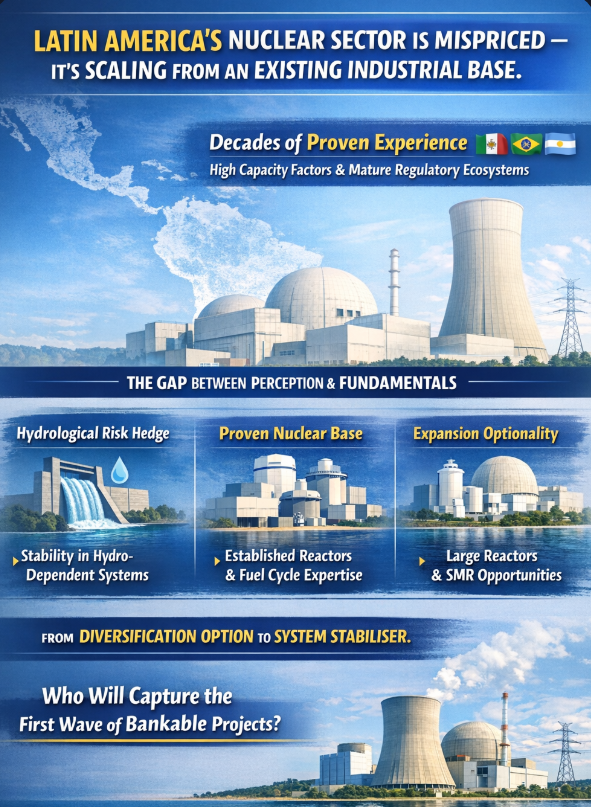
Latin America’s nuclear sector is not “high-risk”—it is mispriced. The region already has decades of operational experience, with assets like Mexico’s Laguna Verde achieving ~87.9% capacity factors and countries like Brazil and Argentina maintaining mature regulatory and technical ecosystems. (Nuclear Business Platform) The real strategic value lies elsewhere: ⚡ Hydrological risk hedge – Nuclear provides stability against drought-driven volatility in hydro-dominant systems 🏗 Proven nuclear base – Existing reactors, fuel cycle capabilities, and engineering expertise reduce first-of-a-kind risks 🌍 Expansion optionality – From large reactors in Brazil to SMR leadership in Argentina, the region offers multiple entry points for investors What’s often labelled as “risk” is actually a gap between perception and fundamentals. In fact, as climate variability increases and electricity demand rises, nuclear in Latin America becomes less of a diversification option—and more of a system stabiliser. The deeper insight: This is one of the few regions where nuclear is not starting from zero— it is scaling from an existing industrial base. The question is not whether Latin America will expand nuclear— but who will capture the first wave of bankable projects. Read more: nuclearbusiness-platform.com/media/insights… #NuclearEnergy #LatinAmerica #EnergySecurity #SMR #NuclearIndustry
Nuclear Business Platform tweet media
English
1
7
8
190