
Mᴏʀᴘʜɪɴᴇ
38.7K posts

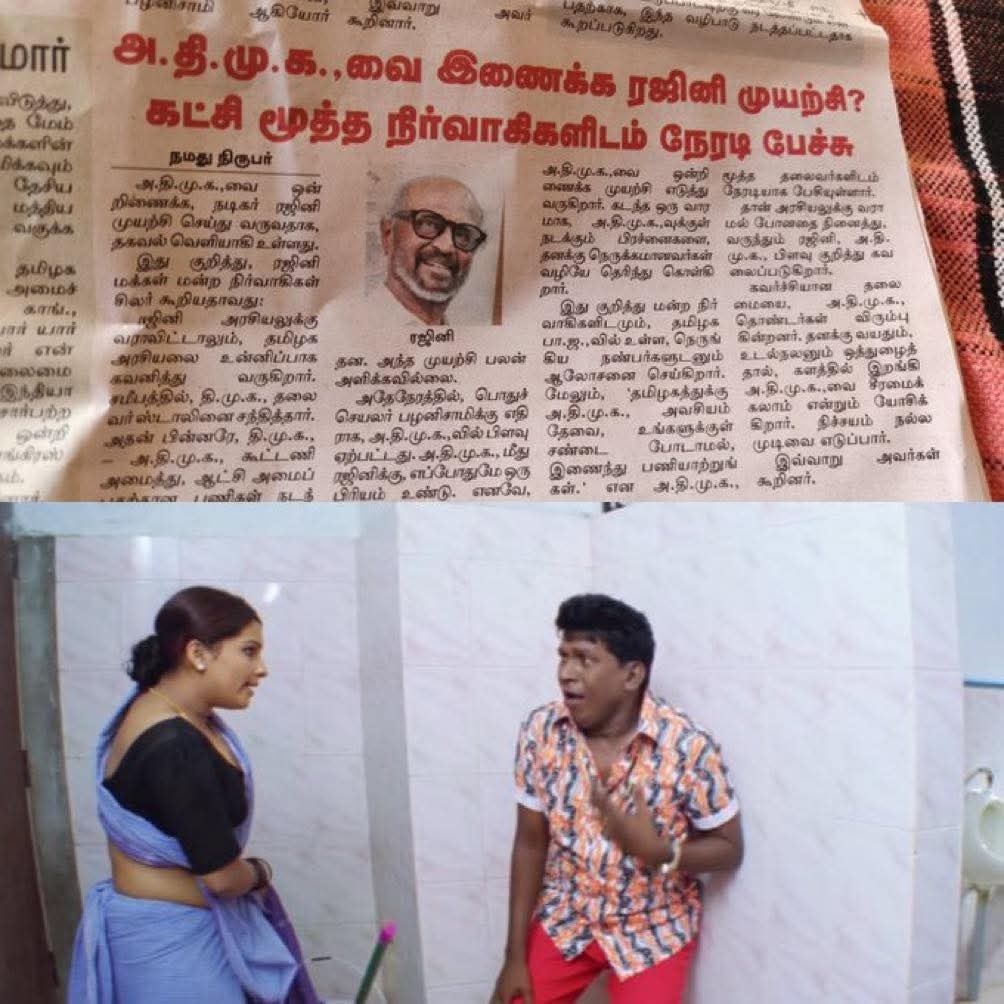
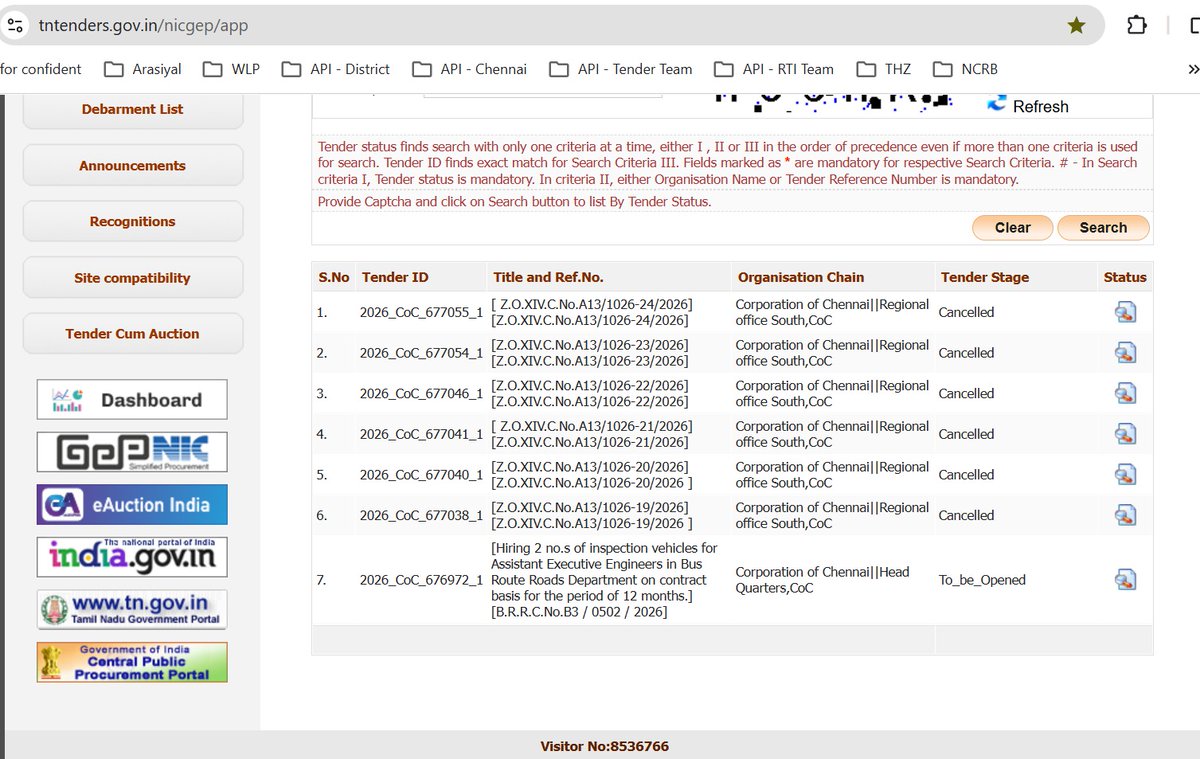

இது என்னன்னு சொல்லுடா குச்சிக்காரி தற்குறி பயலே..

Dr.Aravind Raja@AravindRajaOff
திமுக ஆட்சியில இருக்கு போது பெட்ரோல் விலை ஏறுனா திமுகவை கேட்டானுங்க தற்குறிங்க. இப்ப கேட்டா போய் ஒன்றிய அரசை கேளுங்க னு சொல்றாங்க. எப்படிறா உங்களுக்கு அறிவு வந்தது.😂
தமிழ்
@AravindRajaOff ரெண்டு கை கால்தான் இருக்கே உழைச்சி சாப்பிடுங்களான்டா உபி... ஓசியில காசு கிடைக்கும்னு ஏன்டா அழுவுறீங்க..
தமிழ்
₹2500 இல்லை.
திமுக அரசு கொடுத்த அதே ₹1000 மட்டுமே வரவு.
பேசாம திமுகவிற்கு ஓட்டு போட்டிருந்தா இந்நேரம் ₹2000 வந்திருக்கும்.
மேலும் 8000 கூப்பன் வந்திருக்கும்.🤧
தமிழ்
Mᴏʀᴘʜɪɴᴇ retweetledi

அரசு மதுபான கடையில் இருந்து கூடுதல் விலைக்கு விற்க மதுபாட்டிகளை வாங்கி சென்ற திமுக பிரமுகர் உட்பட 2 பேர் கைது!
#Tirupattur #Tasmacbottle #Arrest #Tamilnews #Newstamil24x7
தமிழ்
கைது செய்யப்படவர்கள் திமுகவினர் என எழுதுடா..

Sun News@sunnewstamil
#NewsUpdate | சென்னை செம்மஞ்சேரி மற்றும் கூடுவாஞ்சேரியில் 12 கிலோ கஞ்சா பறிமுதல் - 4 பேர் கைது
தமிழ்
Mᴏʀᴘʜɪɴᴇ retweetledi

Mᴏʀᴘʜɪɴᴇ retweetledi

X தளத்தில் அரசியல் பண்ணிட்டு இருக்கிறது விட்டுட்டு கட்சியை காப்பாத்துடா டோப்பா..
M.K.Stalin@mkstalin
தேர்தல் முடிவுகளுக்கான காரணம் என்ன? இனி நாம என்ன பண்ணணும்? உடன்பிறப்பே! நீங்க சொல்லுங்க, நான் கேக்குறேன். 🔗: udanpirapinkural.in
தமிழ்

@OGarun21 Nammala vida Savukku dhan santhosama iruppala🤣🤣
Eesti
Mᴏʀᴘʜɪɴᴇ retweetledi

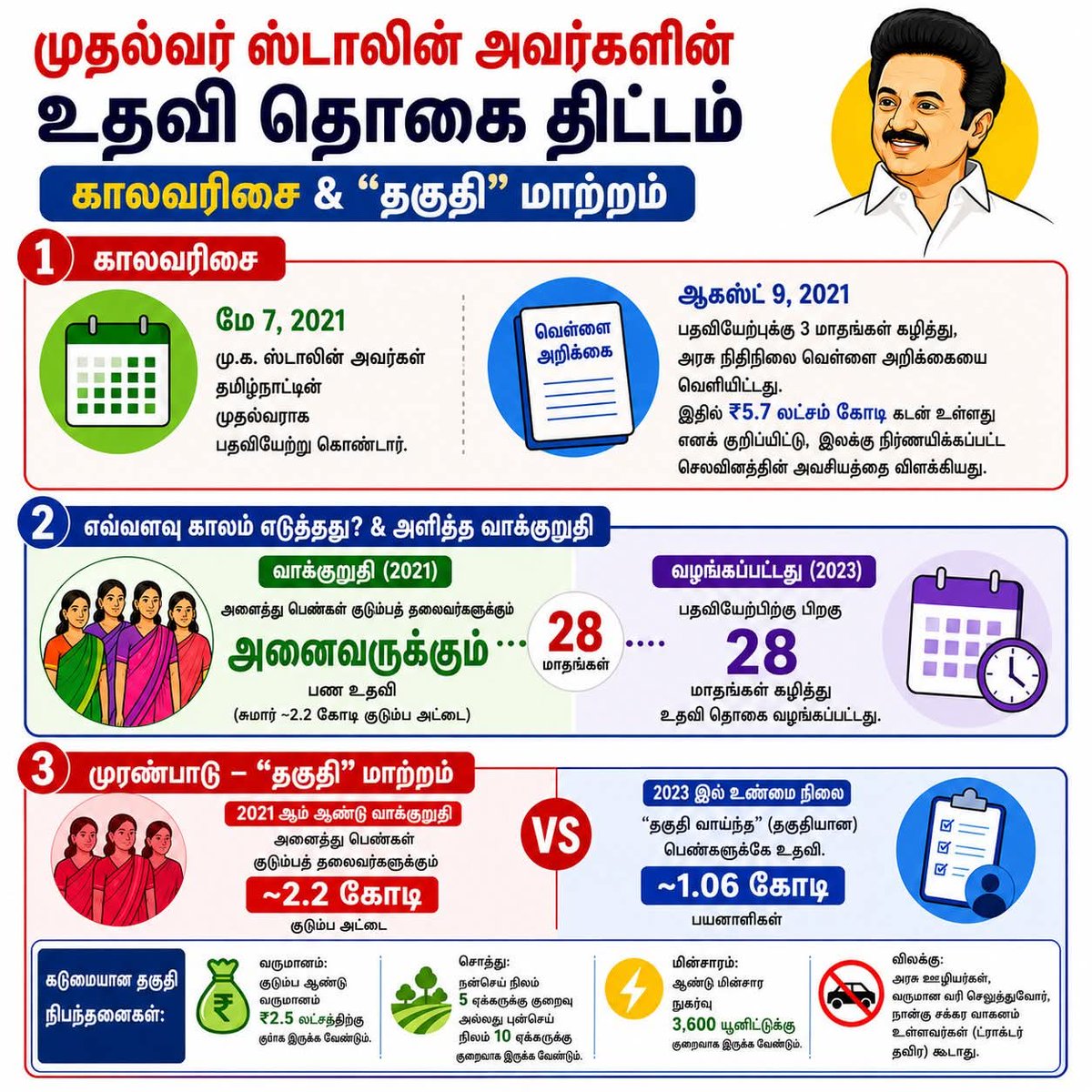
தவெக @TVKVijayHQ வை விமர்சிக்கும் முன்பு நீங்க கொண்டு வந்த மகளிர் உரிமைத் தொகை திட்டம் பற்றி உண்மைகள் பாருங்க முன்னாள் கொளத்தூர் எம்எல்ஏ அவர்களே 👇
1️⃣ 2021 தேர்தலில் என்ன சொன்னீர்கள்?
“அனைத்து குடும்பத் தலைவி பெண்களுக்கும் மாதம் ₹1000” என்றார்கள்.
சுமார் 2.2 கோடி குடும்ப அட்டைகள் பயன்பெறும் என வாக்குறுதி கொடுத்தார்கள்.
2️⃣ ஆட்சிக்கு வந்ததும் என்ன செய்தீர்கள்?
மே 2021ல் ஆட்சிக்கு வந்த அரசு, ஆகஸ்ட் 2021ல் வெளியிட்ட வெள்ளை அறிக்கையிலேயே தமிழக கடன் ₹5.7 லட்சம் கோடி என கூறியது.
அதற்குப் பிறகு “அனைவருக்கும்” என்ற வாக்குறுதி மெதுவாக “தகுதியானவர்களுக்கு மட்டும்” ஆக மாறியது.
3️⃣ திட்டம் எப்போது வந்தது?
செப்டம்பர் 15, 2023 — ஆட்சிக்கு வந்த 28 மாதங்கள் கழித்துதான் திட்டம் அமலுக்கு வந்தது.
4️⃣ வாக்குறுதி vs நடைமுறை
🟢 வாக்குறுதி: அனைவருக்கும் ₹1000
🔴 நடைமுறை: கடுமையான தகுதி நிபந்தனைகள்
இதனால் 2.2 கோடி குடும்பங்களில் இருந்து ஆரம்பத்தில் சுமார் 1.06 கோடி பெண்கள் மட்டுமே தேர்வு செய்யப்பட்டனர்.
5️⃣ யாரெல்லாம் தகுதி இல்லை?
• ஆண்டு வருமானம் ₹2.5 லட்சத்திற்கு மேல் இருந்தால் தகுதி இல்லை
• 5 ஏக்கர் நன்செய் / 10 ஏக்கர் புன்செய் நிலத்தை மீறினால் தகுதி இல்லை
• 3600 யூனிட்டிற்கு மேல் மின்சாரம் பயன்படுத்தினால் தகுதி இல்லை
• குடும்பத்தில் அரசு ஊழியர் இருந்தால் தகுதி இல்லை
• வருமானவரி செலுத்தினால் தகுதி இல்லை
• கார் வைத்திருந்தால் தகுதி இல்லை
தேர்தலுக்கு முன் “அனைவருக்கும்” என்று சொல்லி வாக்கு வாங்கி, ஆட்சிக்கு வந்த பிறகு “தகுதி” பெயரில் பாதிக்கும் மேற்பட்ட பெண்களை வெளியேற்றியது தான் திமுகவின் உண்மையான முகம்.
தமிழ்
Mᴏʀᴘʜɪɴᴇ retweetledi
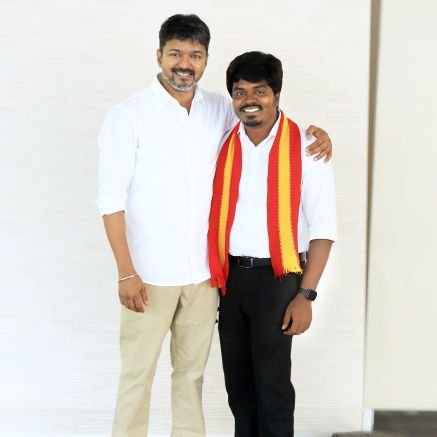
திரு @mkstalin ஐயா அவர்களே வணக்கம்.அரசு கஜானாவை
ஊழல் செய்து காலி பண்ணியது மட்டுமில்லாமல் பல லட்சம் கோடி கடன் வாங்கி வைத்துள்ள தாங்கள் முதல்வர் அவர்களுக்கு எதிராக அறிக்கை விடுவதற்கு மனசாட்சி உறுத்தவில்லையா?
விரைவில் வெள்ளை அறிக்கை வரும். அதில் உங்கள் வண்டவாளம் தண்டவாளம் ஏறப் போகிறது.
வெள்ளை அறிக்கைக்காக ஆவலுடன் எல்லோரும் காத்திருக்கிறார்கள்.
மக்கள் திமுகவை நிரந்தமாக வீட்டில் உக்கார வைப்பது உறுதி.
M.K.Stalin@mkstalin
மாண்புமிகு முதலமைச்சர் அவர்களே, மே மாசத்துக்கான கலைஞர் மகளிர் உரிமைத் தொகையை 15-ஆம் தேதி வரவு வைக்கணும். ஏற்கனவே உள்ள திட்டத்தைத் தொடர இப்ப எதுக்கு அவகாசம்? என்ன மறுசீரமைப்பு பண்ண போறீங்க? திராவிட மாடல் அரசின் மக்கள் நலத் திட்டங்கள் தொடரும்னு நேத்துதான சட்டப்பேரவையிலயே சொன்னீங்க? மாசம் 2,500 ரூபாய்னு சொல்லிட்டு, ஆயிரம் ரூபாய கூட தராம இழுத்தடிக்கிறதுதான் உங்க மாற்றமா?
தமிழ்
Mᴏʀᴘʜɪɴᴇ retweetledi

Mᴏʀᴘʜɪɴᴇ retweetledi
என்ன இப்படி புலம்ப ஆரம்பிச்சுட்டாங்க..கொஞ்சம்அவங்கள் வேலை செய்ய விடுங்க சார், 6 மாதம் தொந்தரவு செய்ய மாட்டோம்னு சொல்லிட்டு அரை மணி நேரத்திற்கு ஒருதடவை புலம்புகிறீர்களே...ஒரே ஒப்பாரியாக இருக்கு...
Bose Venkat@DirectorBose
“TASMAC” மட்டும் தான் தமிழ்நாட்டின் தேவையா.. வேறு வேலைகள் நிறைய இருக்கு,, மக்கள ஏமாத்த “ tasmac” அ மட்டும் பிடிச்சி தொங்காதீங்க.. நலத்திட்டங்களுக்கு வாங்க..
தமிழ்
Mᴏʀᴘʜɪɴᴇ retweetledi

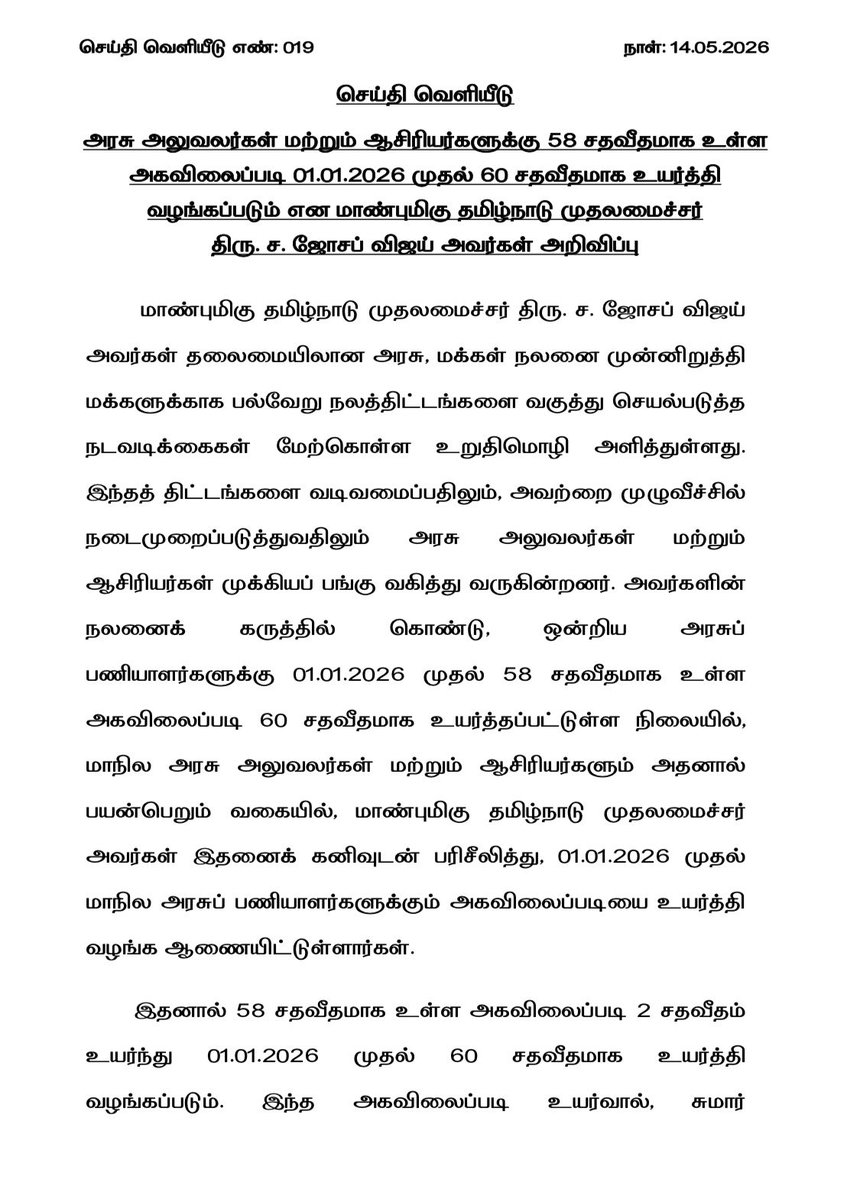
அரசு அலுவலர்கள் மற்றும் ஆசிரியர்களுக்கு 58சதவீதமாக உள்ள அகவிலைப்படி 01.01.2026 முதல் 60 சதவீதமாக உயர்த்தி வழங்கப்படும் என மாண்புமிகு தமிழ்நாடு முதலமைச்சர்
திரு. ச. ஜோசப் விஜய் அவர்கள் அறிவிப்பு
#CMJosephVijay

தமிழ்