OddsTales

101 posts

OddsTales banner
OddsTales

OddsTales

@OddsTales

@OddsTales — The wildest stories prediction markets have ever told. Real people. Real bets. Real consequences. Not advice — just the stories you'll want to tell

Katılım Kasım 2025
36 Takip Edilen18 Takipçiler
Sabitlenmiş Tweet
OddsTales
OddsTales@OddsTales·
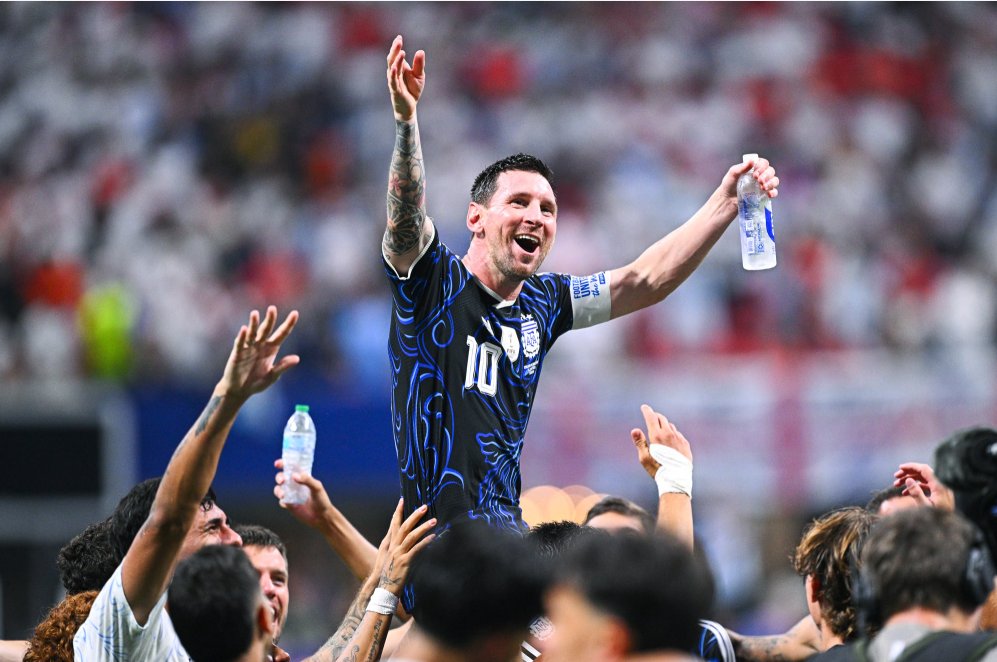
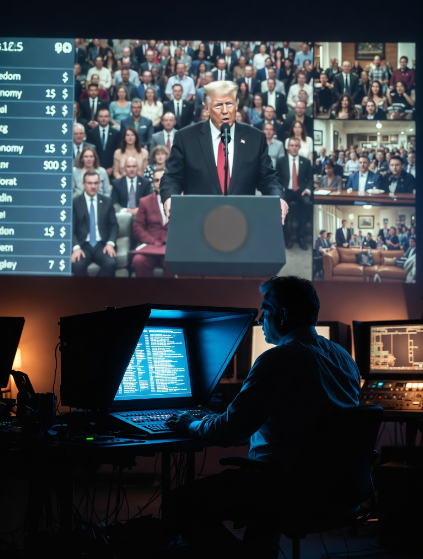
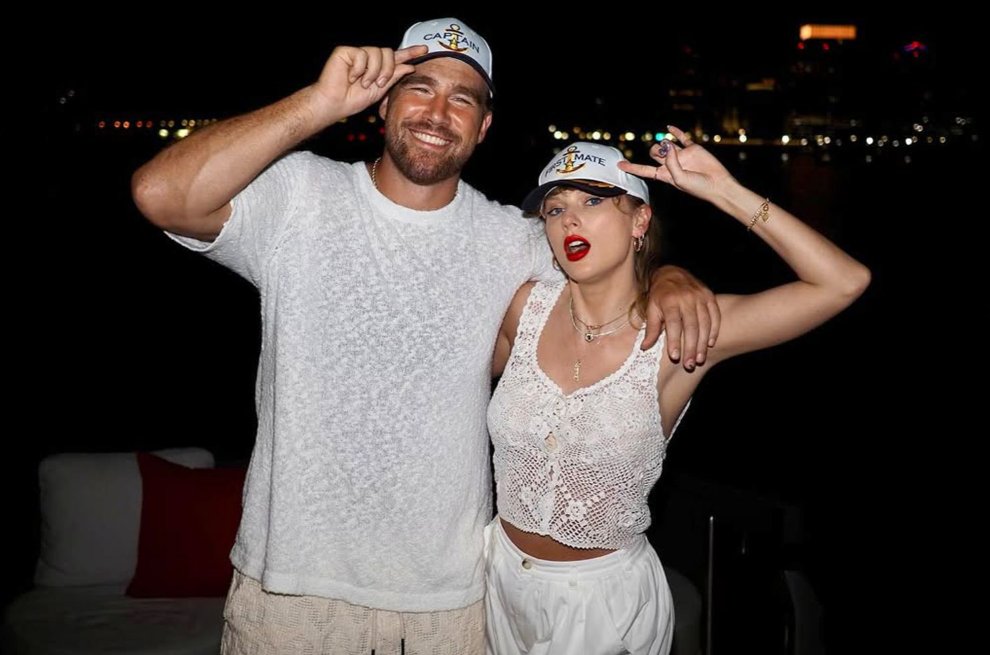
He didn't do anything reckless. That's what should scare you. He did the smart thing — fifteen times in a row. Quick context: there's a site called Polymarket. Think of a stock market, except instead of buying shares, you're buying "yes" or "no" on things that might happen. Will this team win? You put money down; if you're right, you get paid. During this World Cup it became the biggest show that wasn't the World Cup — billions riding on games as they happened. One trader went by the handle Coldsway. No real name — on these sites you're just a wallet and a nickname, which somehow makes it lonelier. Over ten days he made fifteen bets. What would you bet on, knowing nothing about football? The good teams. Obviously. Spain — a machine, one of the best on earth — over a country you'd never heard of. The powerhouse over the newcomer. Betting the favorite feels careful. It feels like not gambling. That's exactly what he did. Fifteen times: the obvious one wins. Here's where it gets weird. Being sensible is what destroyed him. This World Cup ate its favorites alive. Spain walked out against Cabo Verde — a scatter of tiny islands off West Africa, half a million people, fewer than one district of a real city, their first World Cup ever. They held Spain to a draw. A result so unlikely it felt less like sport than a crack in physics. Coldsway had money on Spain. Of course he did. Everyone reasonable did. And that was just one. Upset after upset, giants stumbling, underdogs standing — and almost every time a favorite tripped, Coldsway was standing there with cash on the favorite. Not one reckless bet. Careful ones, in a stretch of history that punished careful. $11.6 million, gone in ten days, betting on things that were supposed to happen and didn't. Two pictures, same week, same lights. One is Messi. Argentina dead against England, minutes left — then two late goals, into the final. The whole planet types the same three words: thank you, Messi. Grown men crying in Buenos Aires. Pure, shared, deafening joy. The other is a man alone in a room, lit by a screen, watching the fifteenth "safe" bet dissolve. No crowd. No chant. Just the thing the market teaches only the people it ruins: what the crowd is certain about and what actually happens are two different things — and the gap is measured in millions. Same goals, even. The same ball hitting the same net that made a stadium erupt was, for him, the sound of money leaving. Before you call him a fool — be honest. You'll bet on a sure thing this year too. The stock everyone swears can't miss. The team that obviously wins. The plan that can't fail. It'll feel responsible. It felt that way to him too. The favorite is just the story the crowd finds easiest to believe — and this whole World Cup spent a month, in front of billions, showing how often the crowd is wrong. He believed the easy story anyway. Somewhere tonight he's still awake, scrolling past a million "Thank You Messi" posts to get to the results — hunting for the one goal that was supposed to be safe. It's not in there. It was never going to be. But he'll keep looking, because the alternative is admitting "safe" was the most dangerous word he ever trusted. #Polymarket #WorldCup #WorldCup2026 #Coldsway
OddsTales tweet mediaOddsTales tweet mediaOddsTales tweet mediaOddsTales tweet media
English
0
0
1
17
OddsTales
OddsTales@OddsTales·
Somewhere on his screen was a word. Two paragraphs down, not spoken yet. And he placed a bet that it would be — because he was the man about to say it, through someone else's mouth. Think about how insider trading usually looks. A banker in a good suit, a deal whispered over lunch, a stock quietly bought on a Tuesday before the world finds out Thursday. It takes a secret. A real one — a document, a source, a number locked in someone's drawer. That's the whole idea of the word *inside*: you're holding something the rest of us can't see. This man was holding a teleprompter script. His job, before the cameras went live, was to load the speech and scroll it — feeding each line to the President a moment before it was spoken, so the words hit the glass just ahead of the room. And on a site called Kalshi, where you can bet real money on whether things will happen, there's a corner that lets you wager on exactly that: whether a certain word will come up in a speech. Strangers bet on it blind, guessing at a talk that hasn't happened. He wasn't blind. He was reading ahead. So when the market asked if a word would be said, he glanced two paragraphs down, saw it sitting there, and bet yes. Then the President said it — because he scrolled it up to be said. The bet paid. He did it again. And again. Reportedly it stacked past $100,000, one already-written word at a time. Here's where it gets weird. Nothing he bet on was secret. Every word was seconds from going out live to millions of people — no drawer, no lock, no whisper. He didn't know something the world couldn't know. He just knew it a little *sooner.* And it turns out that's all an edge ever has to be. That might make it the cheapest insider trade ever pulled. The banker at least earns his crime — the risk, the source, the nerve. This asked for none of it. Not politics, not markets, not even understanding the words. Just the ability to read a sentence before a microphone reached it, from the one chair wired to the future by a few minutes. Almost anyone could have done it. Almost no one else was sitting there. And that chair is what caught him. He won too clean. On the other end, Kalshi's own systems were watching the numbers, and they saw a man hitting word-bets with an accuracy that doesn't come from luck — the signature of someone who already had the answer. Flagged, forwarded, done. He's off the job now, his name trailing the word *investigation.* Everyone else on the wanted list stole knowledge. He stole the gap — the quiet few minutes between a word written down and a word said out loud, the place almost nobody realizes is worth anything until someone stands in it and reaches through. The speech went out on time that night. The country heard every word at once, the way it's supposed to. And a ledger somewhere recorded that for one man, the words had arrived a little early — and that head start, for a while, was worth exactly six figures. #Kalshi #Teleprompter #PredictionMarkets #InsiderTrading
OddsTales tweet mediaOddsTales tweet mediaOddsTales tweet mediaOddsTales tweet media
English
0
0
0
33
OddsTales
OddsTales@OddsTales·
At 8 p.m., a whole country leaned toward the same voice at the same instant. One man in the room had already heard it — and he'd bet money on what was coming. Picture the millions. Living rooms, bars, phones propped against coffee cups, everyone tuning in live to hear the President speak — all of them meeting each word at the exact same second it's said. That's the quiet promise of "live." We hear it together. Nobody gets it first. Except somebody always gets it first. He sits off to the side, out of frame, with the whole speech loaded on a screen, scrolling it at talking speed so the President never loses his place. The words pass through him on their way to the microphone. Not by talent — by seating. He's just the last stop before the sentence becomes sound. For years that meant nothing. Then he noticed a market. It's called Kalshi — a place to bet real money on whether things will happen. And it runs bets on speech words: will the President say "freedom," "economy," "winning." Strangers wager on the vocabulary of a talk before it's given, pricing each word like a little stock, all of them guessing. He didn't have to guess. The words were glowing in front of him, two paragraphs early. So he bet on the ones he could see coming — and then made them come, scrolling them up into the President's mouth on cue. The reports say it grew past $100,000, one foreseen word at a time. Here's where it gets weird. There was no secret in any of it. Every word he bet on was minutes from being shouted at the entire nation, live, unhidden. He wasn't holding a leak. He was holding a *head start* — the thin, strange gap between a word being written and a word being heard. We usually treat "being early" as a kind of gift. The investor who sees the crash coming. The scout who spots the kid before the world does. Early means *far-seeing*, means smart. But this wasn't seeing farther than anyone. It was standing closer than anyone. He didn't predict the future. It was handed to him on a screen, as part of a job, a few minutes ahead — and he leaned in and sold the delay. There's something lonely in that, when you sit with it. A whole country about to share one moment, one voice filling the air all at once — and off to the side, a man who'd already heard it, alone with the words before they were real, quietly betting against everyone who'd catch up in ninety seconds. The delay is what exposed him. Kalshi's systems saw a man winning word-bets too cleanly to be luck — the fingerprint of someone who already knew — and flagged it. Regulators have the file now. He's off the job. The speech ended on time. The country heard every word together, right when it was meant to. And a ledger somewhere holds the record that, for a little while, being three minutes ahead of everyone else was worth exactly $100,000 — until the machine noticed no one is that early by accident. #Kalshi #PredictionMarkets #KalshiScandal #Teleprompter #ThisHappened #TheDelay #Politics #WhiteHouse
OddsTales tweet media
English
0
0
0
49
OddsTales
OddsTales@OddsTales·
There's a market where $1.3 million rides on whether one specific man decides to show up to a party. He already knows the answer. Everyone betting on him doesn't. His name is Max Martin, and you've almost certainly never pictured his face — but you've been humming his work for thirty years. He's the Swedish producer behind an absurd share of the pop songs that scored your life: the Backstreet Boys, Britney, Katy Perry, The Weeknd, and a long stretch of Taylor Swift's biggest hits. By the count of number-one songs written, almost nobody in history is ahead of him. His entire genius was invisibility — the machine behind the voice, the man who made the sound and let someone else stand in the light. And now, for what might be the first time in his career, there's a number floating over his head. **37%.** Here's what that number is. On Polymarket — a site where you bet real money on whether things will happen — someone opened a market titled *Who will attend Taylor Swift and Travis Kelce's wedding?* Not whether the wedding happens. Who walks in the door. And the market lists real, named people, and prices each one, and strangers put money down. Max Martin sits at 37% — about $1.35 million in total has moved through that page — you can buy "yes, he'll be there" for 41 cents, or "no" for around 75. Read that again slowly, because we've all gotten numb to how strange it is. A million dollars is riding on a private decision inside one man's head: *will I go to my friend's wedding?* Here's where it gets weird. The market is only 37% sure. Max Martin is 100% sure. He knows if he RSVP'd. He knows if he's flying in. The single person on Earth who holds the answer for free is the exact person the whole market is guessing about. Everyone with money down is trying to reverse-engineer a choice that the subject made months ago over email, probably in ten seconds, without a thought that it would ever be worth $1.3 million to anyone. And it gets stranger, because of the fine print. To pay out, the market needs *proof* — physical attendance, confirmed by photo or video. Not a rumor. Not "a source says." An image. Which means the market has quietly created a bounty: money flows to whoever can document, with a camera, whether a specific private person physically stood in a specific room. We've built a financial reward for surveilling a guest list. Think about the whole shape of it. Max Martin spent four decades perfecting the art of not being seen — being the uncredited hand behind other people's fame, the guy whose name scrolls past in small type while the world screams someone else's. That was the deal he chose. Invisibility as a career. And a prediction market just reached out, pulled him halfway into frame, and stamped a live, tradeable price on the one thing he thought was still his alone: whether he shows up somewhere. He didn't opt in. He probably doesn't know the market exists. There's no line to call, no way to say *take my name off your board.* He is an asset now, briefly, in a ledger he never signed — the way a stock is an asset, except a stock is a company and this is a human being's Saturday. This is the thing the whole page keeps circling, and this market says it cleaner than any story I've found: an odds line is never really a probability. It's a person. Usually the person is the one *placing* the bet. This time the person *is* the bet — a name on a board, a number that moves, a decision being priced by a thousand strangers who will never know him the way his own calendar already does. The wedding will happen or it won't. Max Martin will walk through some door, or he won't, the way he's walked through a thousand doors nobody tracked. And a market will settle, and pay someone, and close. But somewhere there's a man who made the sound of your whole life from the shadows — and for one strange season, the shadows had a price, and it was 37 cents on the dollar, and he was the only one who already knew if it should've been zero or one. #PredictionMarket #MusicProducer #PopMusic #BehindTheScenes #Privacy
OddsTales tweet mediaOddsTales tweet mediaOddsTales tweet media
English
0
0
0
220
OddsTales
OddsTales@OddsTales·
Everyone was asking voters the same question. One man asked a different one, and it made him eighty million dollars. The question everyone asked: *Who are you voting for?* Simple. Obvious. It's how polls have worked forever. And going into the 2024 US election, those polls said it was a coin flip — too close to call, knife's edge, nobody could know. A French trader the world only knows as Théo looked at all of it and decided the question itself was broken. Here's his reasoning, and it's the kind of thing that sounds obvious only after someone says it. People lie to pollsters. Not always, but when a vote feels socially risky — when admitting who you support might get you a look at a dinner party — some people just... don't say it. They go quiet, or they fudge, or they claim they're undecided. If that's happening, then every poll built on "who are *you* voting for" is quietly wrong, and wrong in one specific direction. So Théo backed a different question. Instead of *who are you voting for*, ask: *who do you think your neighbors are voting for?* Sit with how sneaky-smart that is. Nobody feels judged answering about the neighbors. There's no social cost to saying "oh, the people on my street? Probably Trump." You're not confessing anything — you're just reporting the neighborhood. But of course, when people describe their neighbors, they're often describing the thing they won't say about themselves. The question slips past the part of us that manages appearances and gets to what we actually see. Théo commissioned polling built on this "neighbor method." It told him a story the mainstream polls wouldn't: that support for Trump was being undercounted, hiding in the gap between what people admitted and what they knew. The coin flip wasn't a coin flip. The crowd just couldn't see it, because the crowd was asking the polite question. Then he did the thing almost nobody has the stomach for. He didn't just believe it — he *sized* it. Bet after bet on Polymarket, the prediction market where you buy "yes" or "no" on real-world outcomes, he poured money on Trump while the consensus screamed uncertainty. Tens of millions of dollars, riding on the idea that he'd found a truer question than the entire polling industry. When the results came in, he was right. Not luck-right on a squeaker — he'd called it, including the shape of it. The payout came to somewhere around eighty million dollars. Here's the part that keeps it from being a simple hero story. Ask him what he believes, politically, and he'll tell you: nothing. No agenda. He said it plainly — he had "absolutely no political agenda," he was in it purely for the money. He didn't want Trump to win. He didn't want Trump to lose. He wanted to be *right* about a question everyone else was asking wrong, and he was willing to put eighty million reasons behind it. That's a colder, stranger kind of genius than rooting for a side. He wasn't reading the election. He was reading the *lie* inside the way we measure elections — the small, human, universal reflex to shade the truth when someone's watching. He found the exact spot where a whole country was being polite instead of honest, and he stood on it with everything he had. And here's what I can't shake. The information was *there.* It was sitting in every neighborhood in America, in the gap between what people said and what they saw on their own streets. Anyone could have asked the neighbor question. The polls, the pundits, the billions of dollars of political machinery — all of it walked right past the answer because it was too busy asking the question that makes people lie. One man asked about the neighbors. Somewhere he's holding a number most people will never touch, built out of nothing but noticing that we're all a little dishonest when someone asks us directly — and betting, harder than anyone alive, that the truth was hiding one question over. #TrumpWhale #TheoTrader #Polymarket #ElectionBet #NeighborPoll
OddsTales tweet mediaOddsTales tweet mediaOddsTales tweet media
English
0
0
1
61
OddsTales
OddsTales@OddsTales·
Please leave your valuable comments. If you like it, you can follow us.😆
English
0
0
0
12
OddsTales retweetledi
OddsTales
OddsTales@OddsTales·
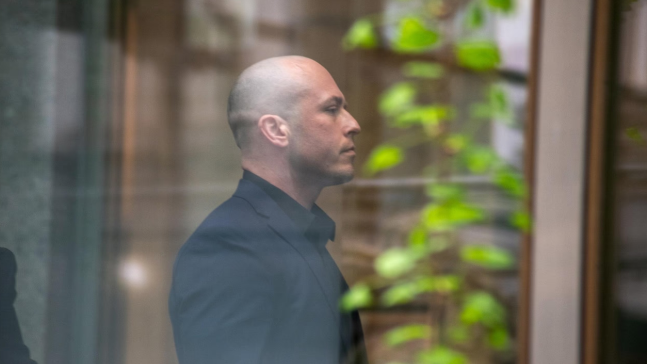
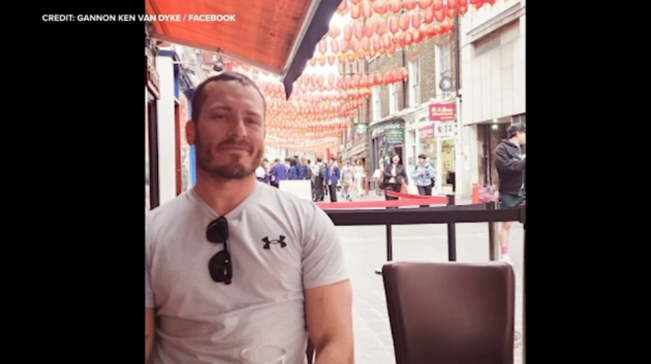
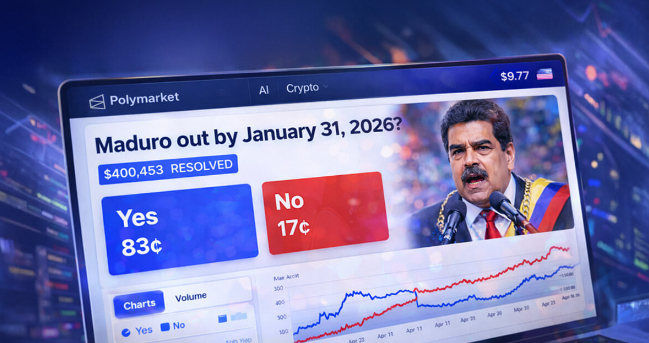
Somebody finally got charged for knowing too much. The first one. And what he knew, allegedly, was a secret about a man's life on the other side of the world. His name is Ken Van Dyke. He's a U.S. Army soldier — reported to have served in a special operations context, which is a quiet way of saying he sat close to the kind of information the rest of us will never see. In April 2026, the CFTC and federal prosecutors in New York charged him together, in parallel, civil and criminal at once. The charge, stripped of its legal armor: he used classified information to make money on a betting market. Here's what makes this one different from every story I've told you. Every other trader on this page had an *edge* — something they saw that the crowd didn't. The whale saw mispricings. The weather guy read models. The student read filings. Their edge was insight: looking harder at public things. What Van Dyke had, allegedly, wasn't insight. It was *access.* He didn't look harder at the world. He'd been handed a piece of it that was stamped secret. And what he bet on is the part that stops the breath. Not a stock. Not a football score. **Nicolás Maduro** — the president of Venezuela. Event contracts tied to the fate of a specific human being running a specific country. Whether something happened to a head of state. Whether a situation involving a nation of thirty million people broke one way or the other. Think about what that actually means, mechanically. A prediction market on Maduro is a place where thousands of strangers price the odds of geopolitical events — a coup, a fall, a survival — the way you'd price a coin flip. And into that market, allegedly, walked a soldier who didn't have to guess, because part of his job was to know. The intelligence that a government guards with classified stamps and security clearances — the kind of knowledge people risk their lives to gather — got converted, allegedly, into a position size. A secret about a man's survival became a number on a screen, and the number paid. That's the thing I can't put down. Somewhere in the machinery of the state, a piece of information exists that is serious enough to be classified — that touches operations, lives, the actual movement of power in the actual world. And the allegation is that this information didn't leak to a newspaper, or a foreign government, or a whistleblower. It leaked to a *betting slip.* The gravest kind of knowledge, cashed out at market odds. Now here's where it gets legally strange, and why this is the case everyone in the industry is watching. Van Dyke is fighting it. His argument, as of this summer, isn't "I didn't do it." It's more unsettling than that: he's arguing the CFTC may not even have the authority to charge him — because it's not clear a Polymarket bet legally counts as a "swap," the kind of financial instrument the CFTC is allowed to police. If a prediction-market wager isn't a swap, then maybe there's no insider trading rule that applies, because maybe the rulebook was written for a different kind of thing entirely. Read that again. The defense isn't that the information wasn't secret, or that the trades didn't happen. The defense is that *the law never imagined this.* That betting markets grew a limb the statute doesn't have a name for. He might walk not because he was innocent of knowing, but because the machine of prediction markets moved faster than the machine of law, and slipped through a gap between what a market is and what a market is allowed to be. Every other person on this page won or lost inside the rules. Van Dyke is standing in the place where it's not yet decided whether there *were* rules — the first human being to be dragged into that empty space and made to stand there while a court figures out, after the fact, what he was even standing in. He's not convicted. This is all allegation, and it will take a courtroom a long time to decide what happened and what it was. But whatever the verdict, one thing is already fixed and can't be undone: out of everyone who has ever turned private knowledge into a public bet — and there have been many, we just never had a name — his is the first name. He's the one they caught, the one whose case will decide the shape of the wall for everybody who comes after. Somewhere a market on Maduro is still open, still pricing a stranger's fate to the penny, thousands of people guessing at a future none of them can see. And now there's a soldier, in a country that classifies the very thing he allegedly bet on, waiting to find out whether the future he saw too clearly was against the law — or just the first one clear enough to catch. #Polymarket #PredictionMarkets #InsiderTrading #CFTC #MaduroEngañado
OddsTales tweet mediaOddsTales tweet mediaOddsTales tweet mediaOddsTales tweet media
English
1
1
1
341
OddsTales
OddsTales@OddsTales·
@manpreetbrar09 First ever soldier charged for betting with classified intel. U.S. Army spec ops used secret Maduro raid info to turn $33k → $404k on Polymarket. Not insight. Pure access. The market that saw it before the world. This changes everything. #Polymarket
English
0
0
0
2
OddsTales
OddsTales@OddsTales·
First soldier ever charged for knowing too much. U.S. Army spec ops guy allegedly used classified Maduro raid intel to turn $33k into $404k on Polymarket. Not an edge. Straight access. The prediction market that beat the Pentagon. This case will rewrite the rules. Who's next? #Polymarket #InsiderTrading
English
0
0
0
26
Revenge Trader
Revenge Trader@Revenge_trader_·
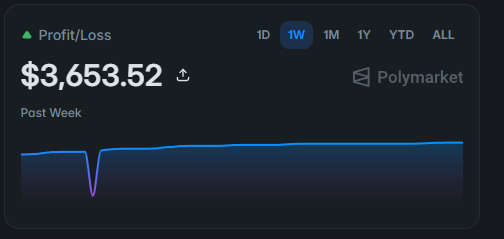
A lot of people claim only insiders or quant firms make money on Polymarket and Kalshi I’m 20 yrs old, no degree, no Bloomberg terminal, started with a 2k deposit. This is my profit last week Never to late to #polymarket
Revenge Trader tweet media
English
3
1
4
95
OddsTales
OddsTales@OddsTales·
Strategy sold its bitcoin in May. Then a crowd of strangers voted that it hadn't, and a 20-year-old lost $35,000 to the outcome of the vote. That sentence should not make sense. Read it again anyway, because every word is true, and the gap between "what happened" and "what got decided" is where a college student's money went. Start with the student. Hunter Guo, King's College London. He found a market on Polymarket that looked less like gambling and more like reading a calendar: *Will Strategy sell bitcoin in May?* Strategy — Michael Saylor's company, formerly MicroStrategy, the most-watched bitcoin holder on the planet, a firm that treats its coin the way a dragon treats its gold. Guo did the work. He read the filings, the patterns, the tea leaves that anyone serious about this company learns to read. He concluded: yes, they'll sell. He put in enough to make being right worth about $35,000. And he was right. That's the part I need you to hold onto through everything that follows. **Strategy sold bitcoin in May.** Roughly $2.5 million of it. It happened. In the real world, with real coins moving off a real balance sheet, inside the month of May, exactly as Guo had wagered. There is a research firm, Galaxy, whose writeup on this whole mess is titled — I'm not paraphrasing — *"Strategy Sold Bitcoin in May. Polymarket Says It Didn't."* So how do you lose a bet you won? Here's the machine nobody thinks about until it eats them. Polymarket doesn't employ a referee. It doesn't have a fact-checker in a back room confirming what happened and paying out accordingly. When a market closes, the *result* — the official truth of what occurred — is decided by something called UMA, an "optimistic oracle." And UMA doesn't investigate. UMA holds a vote. A vote. Of token holders. People who own and stake a cryptocurrency called UMA get to vote on what reality was, and their voting power is weighted by how many tokens they've staked. The more you hold, the more your version of the truth counts. It is, functionally, a shareholder meeting convened to decide whether it rained yesterday. The wrinkle that hanged Guo was timing. Strategy sold in May — but the announcement, the public, verifiable confirmation, landed on June 1. One day into the wrong month. And when the dispute came, the UMA vote looked at that seam between the deed and the disclosure and resolved the May market to *"No."* Didn't sell. Then resolved a June market to *"Yes."* The sale got shoved across a calendar line by a show of staked hands, and everyone holding "Yes" for May — Guo, and 1,837 other accounts, about $3.8 million in positions, part of a dispute that touched some $80 million — watched their correct read evaporate because the crowd with the most tokens said the thing that happened didn't happen when it happened. The Block reported the vote upheld "No" *despite the backlash.* Sit with that phrase. The backlash existed because people could see, plainly, that the company had sold. The vote knew that too. It voted anyway. I keep trying to find the villain and I can't, and that's the worst part. There's no con man here. No hacked account, no fake stream, no fine-print trap sprung on purpose. Just a system that, when asked "what was true," went and *counted tokens* instead of checking. Nobody lied. The truth simply wasn't the thing being measured. What was being measured was consensus, weighted by wealth, and consensus decided the calendar mattered more than the coins. Think about what that does to a person like Guo. If he'd been wrong about Strategy — misread the company, bet on a sale that never came — he could go home and get better. Study harder, read closer, earn the next one. There's dignity in that; it's the whole promise of a market that rewards seeing clearly. But he wasn't wrong about Strategy. He was wrong about *jurisdiction* — about who gets to say what happened, and on what authority. And there is no skill that fixes that. No amount of research protects you from a vote. You can be the most correct person in the entire market and still lose to the room, because the room isn't grading your accuracy. It's grading its own agreement with itself. The people who won held "No." Maybe they read the calendar seam more carefully. Maybe they just held more tokens. From the outside you can't tell the difference between foresight and force, and that ambiguity is the acid eating the whole thing: the moment truth becomes a vote, being right and being powerful stop being separable. Strategy still holds its bitcoin, minus the $2.5 million it sold in May. Michael Saylor is still on television. The UMA token still trades. The market that ate $3.8 million has closed, resolved, filed away as settled. And somewhere in London, a 20-year-old is looking at a position history that was green — that was *correct*, that matched the actual world event for event — and trying to explain to himself the one thing no filing, no chart, no amount of being right will ever explain: that he saw what happened, and it didn't matter, because the truth went to a vote and he wasn't holding enough of it. #PredictionMarkets #CryptoBet #OracleVote #DeFiGovernance
OddsTales tweet mediaOddsTales tweet mediaOddsTales tweet media
English
0
0
0
170
OddsTales
OddsTales@OddsTales·
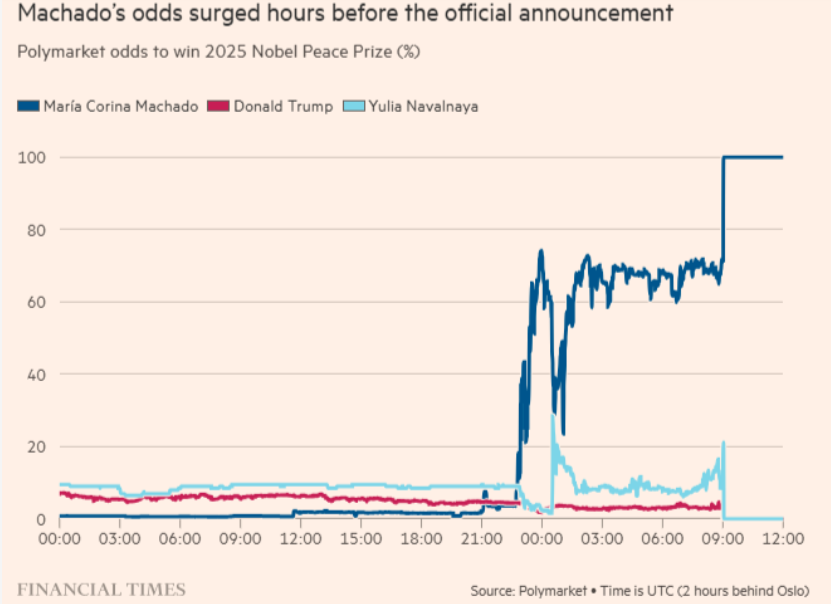
In the hours before the world found out, the market already knew. The 2025 Nobel Peace Prize. The committee guards the result like a state secret — sealed, embargoed, known to a handful of people sworn to silence. And yet, on Polymarket, the odds on María Corina Machado — a Venezuelan opposition leader, not the favorite — started climbing. Quietly. Steeply. In the hours before the announcement, someone was loading up. Then her name was read out. And whoever had been buying got paid. Here's where it gets weird. There's no skill that explains this one. Every other winner on this page has an angle you can point to. The whale reads mispricings. The weather trader reads models. Even the guy who bet Ronaldo wouldn't cry had a thesis about a man's dignity. But the Nobel Peace Prize isn't a thing you can *analyze* your way into hours early. There's no data. There's no form guide. There is only a locked room and the people who've been inside it. So the bet didn't look smart. It looked *early* in a way that smart can't be. Early like you'd already seen the envelope. Norwegian officials noticed the same thing everyone did and opened a probe — not into the trader, exactly, but into their own house. Did it leak? Did a name walk out of that sealed room and onto a betting screen before it reached the podium? The investigation is about the wall, not just the person who may have stood on the other side of it. Nobody knows who placed the bet. That's the part that stays with you. Not a name, not a face — just a position that appeared on a chart at the exact moment it shouldn't have been possible, and a payout that cleared before anyone could ask how. The committee still meets in that room. The door still locks. And somewhere out there is a person who, for a few hours in October, knew the most closely guarded name in the world — and did the one thing that leaves a mark on a chart for everyone to see, and a name for no one. #NobelPeacePrize #Polymarket #NobelPrize
OddsTales tweet mediaOddsTales tweet mediaOddsTales tweet media
English
0
0
0
121
OddsTales
OddsTales@OddsTales·
While you watched the World Cup, someone made $10.32 million not watching it. His handle is swisstony. On-chain trackers clocked him placing around 380 trades a day during the tournament — that's one every couple of minutes, all waking hours, for weeks. Not on who'd win the trophy. On the tiny stuff. Next goal, next corner, the price of a moment that would be settled and forgotten before halftime. Here's where it gets weird. He almost certainly wasn't cheering. You can't feel 380 positions a day. There's no room in a human chest for that much hope. Somewhere around trade number nine, the game stops being a game and becomes a river of numbers moving slightly wrong, and your whole job is to stand in the river and grab the ones that are mispriced before they correct. The data had a quiet punchline: across the smart money, "Buy No" beat "Buy Yes." The people printing money weren't betting on things to happen. They were betting on things *not* to — on the crowd's excitement being a little too expensive, over and over, goal that never came after goal that never came. Think about the two people watching the same match. One is a fan — screaming, gutted, alive, in for one bet and the full 90 minutes of feeling. The other is swisstony, 380 clicks deep, feeling nothing, because feeling is the tax the fan pays and the edge the whale collects. $10.32 million. Made by the guy in the room who cared the least. The final whistle blew somewhere. Fans cried. And a man who couldn't tell you the score without checking closed his last position, stood up, and finally turned off a match he'd never once been watching. #Polymarket #WorldCup #PredictionMarkets #CryptoTrading
OddsTales tweet mediaOddsTales tweet mediaOddsTales tweet media
English
2
1
1
115
OddsTales
OddsTales@OddsTales·
Hi everyone! If you like this article, please give it a like. ❤️Let me know in the comments what kind of content you'd like to see.
English
0
0
0
5
OddsTales
OddsTales@OddsTales·
Eighty-five percent of the money was sure it knew who'd walk down the aisle first. Not the bride. The maid of honor. There was a market — I want you to really hear this — a $6.3 million market on the details of Taylor Swift's wedding. Not whether it would happen. The *details.* The venue. The dress. The best man. And, yes, the maid of honor. People put real money on which specific woman would stand next to Taylor Swift holding her bouquet. Eighty-five percent of them bet on Abigail Anderson Berard. Taylor's oldest friend. The one from the songs — the "Fifteen" girl, the friendship that predates all the fame. If you knew anything about Taylor Swift, you knew Abigail. It was the safe bet. The obvious bet. Eighty-five cents of every dollar said so. Here's where it gets weird. They lost. Not because it was someone else. Because there *was* no maid of honor. Taylor Swift had no bridesmaids at all. Her brother Austin stood up for her — her "man of honor." The entire category the market had built, the thing 85% of the money was so certain about, simply didn't exist. The question had a confident answer and the answer was: wrong premise. The people who won were the 15% who bet NO. Who looked at a $6.3 million market full of superfans naming their favorite friendship, and quietly wagered that the most-documented woman on earth might do something nobody scripted. And a lot of those superfans — this is the detail I can't let go of — were betting for the first time in their lives. The Hollywood Reporter said it plainly: mostly women, many of whom had never placed a bet on anything, opening prediction-market accounts to put money on a wedding. Not to make money, exactly. To be *part* of it. To have a dollar riding on the day, the way you might catch a bouquet you weren't trying to catch. Some of them read it perfectly. 94% correctly called Jason Kelce as best man — of course, the brother, the loud one, everyone knew. 60% got the custom Dior gown over Vera Wang. These are people who know Taylor Swift the way analysts know a Fed chair. Their edge was love, and it paid. But the maid of honor line is the one that says something true. Because the crowd wasn't wrong about the facts. They were wrong about the frame. They assumed a wedding would look like every wedding they'd been to — bridesmaids, a maid of honor, a bouquet handed to a best friend. And a woman who has spent twenty years refusing to be predictable handed it to her brother instead. Adam Sandler officiated. Stevie Nicks and Paul McCartney played the reception. Madison Square Garden. And somewhere in the crowd of people who'd never gambled before, a first-time bettor was staring at her phone, realizing she'd lost a wager not because she didn't know her idol, but because she'd assumed her idol was ordinary. The market thought it was pricing a wedding. It was really pricing how well a million strangers think they know one woman. Turns out they knew the dress. They knew the best man. They just couldn't imagine her doing it her own way — which, if you've been listening for twenty years, was the one thing you should've seen coming. #TaylorSwift #TravisKelce #TayvisWedding #SwiftKelceWedding
OddsTales tweet mediaOddsTales tweet mediaOddsTales tweet media
English
1
0
2
414
OddsTales
OddsTales@OddsTales·
Hi everyone! If you like this article, please give it a like.❤️❤️❤️
English
0
0
0
12
OddsTales
OddsTales@OddsTales·
@CryptoUndeleted Whale on France at 41¢ $96K on France Copying? Big whale bet on the semi
English
0
0
0
5
OddsTales
OddsTales@OddsTales·
@manpreetbrar09 Copying the whale 🐋 Let's see it print Whale loading at 59¢ 📷 Smart money move? Copying this one
English
2
0
1
26
OddsTales
OddsTales@OddsTales·
@Edgewise_to Spot on. The forecast isn’t “it’ll be 70.” It’s a distribution with real error margins. Traders who treat the point forecast as the whole story are the ones funding the ones who actually read the spread.@Edgewise_to
English
0
0
0
2
Edgewise
Edgewise@Edgewise_to·
@OddsTales Keep an eye on the forecast’s confidence interval—temperature predictions have known error margins, so odds must reflect that uncertainty for a fair market.
English
1
0
0
12
OddsTales
OddsTales@OddsTales·
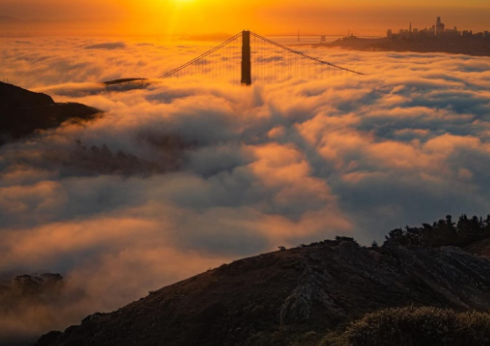
You can now bet, with real money, on exactly how hot it will get in San Francisco tomorrow. Not the stock market. Not an election. The temperature. There's a market for it — the highest reading in a single city on a single day — and people are trading it like a currency. Think about how strange that is for one second. Somewhere, someone is up at night doing research on the sky. And here's the thing: the sky doesn't know. The sky has never heard of the market. It will do exactly what a hundred years of physics say it will do, indifferent to every dollar riding on it. This is the one market on earth where the underlying asset is *completely uninterested in you.* Which is why the people who trade it are a different species. There's no CEO to interview. No filing to read, no press release that lands one day late, no rule to change after the fact. A temperature market can't be manipulated by pumping streams or moving goalposts, because the referee is the atmosphere, and the atmosphere doesn't take bribes. When it resolves, it resolves clean. 74 degrees is 74 degrees. Nobody sues. Here's where it gets weird. The people who win these markets are not gamblers. They're the quiet ones. Somewhere there's a trader who used to work in logistics, or shipping, or agriculture — some job where being wrong about the weather cost real money long before there was a market for it — and he reads the models the way a sommelier reads a label. Marine layer timing. When the fog burns off. The specific way heat pools in an inland valley versus a coastal city. He's not betting on luck. He's betting that most people confuse "the forecast said 70" with "70 is the ceiling," and he knows the difference between a daytime high and what actually prints at 3pm when the fog fails to come in. His edge isn't nerve. It's boredom. He finds the one thing on earth that can't lie to him and he learns it cold. Compare him to everyone else we've watched. The trader who lost $35,000 because a company announced a sale one day late. The crowd that pumped half a million fake song streams to force a payout. The people fighting in court over what one word in a contract really meant. Every one of those disasters came from the same root: the market wasn't measuring the world, it was measuring *a claim about the world* — and claims can be gamed, delayed, redefined, and lied about. The weather can't. That's the whole beauty of it. It's the last honest market, because its outcome already exists in the physics before anyone places a bet. You're not predicting what people will decide. You're predicting what *is.* And still — still — most people lose. Not because the game is rigged. Because it isn't. There's nowhere to hide, no one to blame, no fine print to argue. Just you, a number, and a sky that was always going to do what it was going to do, whether you'd read the models or just felt lucky in your bones. Somewhere tomorrow afternoon, a thermometer in San Francisco is going to settle on a number. It won't know it's an oracle. It won't know a stranger's rent is riding on whether the fog rolls in by four. The fog will decide. It always does. It's the only trader in the world that never once checked the odds. #PredictionMarkets #WeatherMarkets #Polymarket #TemperatureBetting
OddsTales tweet media
English
2
0
1
103
OddsTales
OddsTales@OddsTales·
@Edgewise_to Exactly. Because the outcome is settled by a thermometer with no room for interpretation, any persistent miscalibration creates a real, measurable edge. The market can stay wrong for a while, but it can’t stay wrong forever when the truth prints every day.
English
0
0
0
1
Edgewise
Edgewise@Edgewise_to·
@OddsTales Focus on calibration: a 70% confidence band should contain the true high roughly 70% of the time, otherwise the odds are systematically off.
English
1
0
0
13