

'Dead Inside and Lacking Compassion'
1.9K posts

'Dead Inside and Lacking Compassion'
@Ohmarone
🇮🇱🇮🇱🇮🇱
Katılım Temmuz 2013
375 Takip Edilen56 Takipçiler

Good morning!
As promised… posting every day until the whole of Australia has seen it.
Show your friends.
Share it round.
Watch it again.
Oh… and for the rest of the world? Have pity on us. It’s our Finance Minister.
English
English

English
English
English

@Landrace_Sativa @MVijay88 It's not unreasonable to expect people to condemn Israel for killing tens of thousands of people across West Asia, 83% of them civilians
English


Spot on can’t be one rule for one and one for another .
Off The Ball@offtheball
“If Russia is banned, I don’t see why Israel shouldn’t be banned” “Boycotting the game for me would be wrong because we’d be giving them 6 points” Ireland manager Heimir Hallgrímsson on Ireland potentially facing Israel in the Nations League. @CadburyIreland
English
@EamonMelia It's always the people who say 'the right side of history' who side with the nutters🫠
English

People who threw those balls on the pitch are on the right side of history. Israel is a terrorist state .
TheJournal.ie@thejournal_ie
Ireland's international friendly with Qatar was halted twice by fans protesting against the Nations League games with Israel. Tennis balls rained down on the Aviva Stadium pitch from supporters in the upper tiers of the West, East and South Stand. jrnl.ie/7055130
English
@BrianFlanagan1 @TheCanaryUK The Palestinian Sports Authority 😂😂😂otherwise known as Hamas, ya fool🫠
English
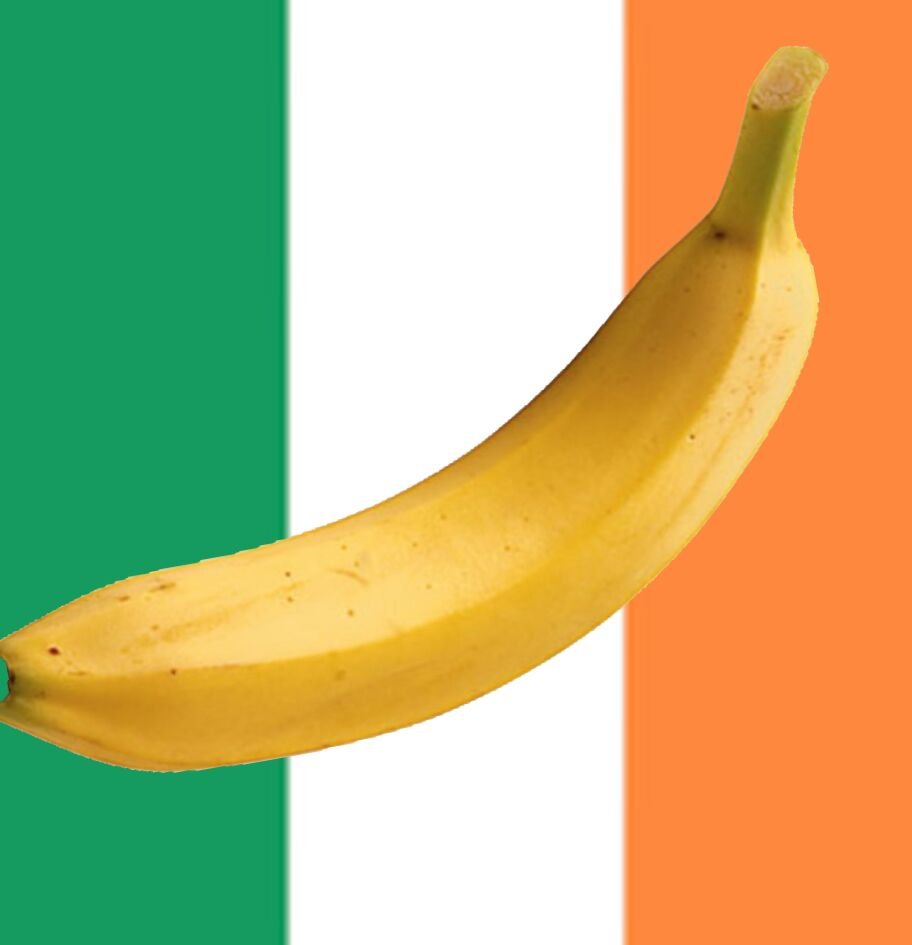
@TheCanaryUK This indicates why ROI and other countries should boycott the Nations League if Israel participates.

English

The Republic of Ireland could be thrown out of the Nations League if they refuse to play against genocidal Israel - a small price to pay
thecanary.co/global/world-a…
English

@RTEsport Oh fuck off Kenny. A couple of tennis balls weighed against 70,000 Palestinian murders? Fuck right off
English

🇮🇪 1-0 🇶🇦
Tennis balls are cleared off the pitch at Aviva Stadium as fans protest at the upcoming international games with Israel later this year
📱rte.ie/sport/soccer/2…
📺rte.ie/player/onnow/6…
English
@batcountry1980 @Evanryt I think Evan may be an idiot
English
Try not to get annoyed at this, because I understand why you’re saying it, even if you do come across as a total cunt. But I’ve been writing things like this for years and years on here. I wrote about 241 Beatles songs on here, just like this, long before there was any AI. And tons upon tons of full essays about all sorts of music long before AI. Plenty of people read them. I understand you’re just being a wee wank, but you’re wrong here.
English

Once again, this cannot be emphasised enough. This is not made in Ireland anymore, it is owned by a Zionist company now.
Please buy Irish made alternatives that aren't soaked in blood, they are just as good.
Bela Lugosi (dead)@Frankpembleton6
Boycott
English

Liam Cunningham is an Irish actor known for his strong solidarity with Palestine and his anti-fascist stance.

English
@BeckettUnite Well, if Liam Cunningham demands it! 🫠
English

Liam Cunningham demands Ireland 🇮🇪 sanction Israel 🇮🇱
‘🇮🇱 emboldened because the world is doing business with them’
‘Sanctions are the very least’
‘Stop dealing with perpetrators of genocide’
‘Show the world Irish 🇮🇪 principles’
‘And stand by those principles’
Boycott 🇮🇱 now.
English
English


@pws_official The Crusher looks like a jacked Benny Hill
English

The Crusher and Dick the Bruiser were built for one thing: brutality. Legend has it, if they didn’t rough up their opponents enough during a match, they’d trade punches with each other afterward - just to make sure the night’s violence quota was met!

English

May those who voted against it face justice and never find a moment of peace in their lives.
This is the Irish government. It’s appalling beyond words.
RTÉ News@rtenews
The Dáil has voted against legislation seeking to impose sanctions against Israel by 77 votes to 62 rte.ie/news/2026/0520…
English

. @FAIreland they have kidnapped the sister of our president - genocide and ethnic cleansing doesn't seem to bother you so maybe this is grounds to refuse to have them play in Ireland?
Haaretz.com@haaretzcom
Sister of Irish president reportedly detained by Israel on Gaza flotilla haaretz.com/world-news/eur…
English
@EwanMacKenna @Glinner The lunatics that believe this kinda shite😂😂😂
English

Graham Linehan,@Glinner so I am not being subversive, is and has been paid by the Israeli state for the last few months as part of their Hasbara programme (files now in inbox after a weird endless transaction effort for fuck all money).
It is designed to undermine western democracies and to support mass murder of Arabs.
It began when Graham fled the UK, and a lawyer of an actor associate introduced him to the programme.
He now is paid to post to hurt western people to support dead brown babies.
Said without prejudice.
Said as fact I'll never be sued over.
English

@SpencerAlthouse Michael Jackson was castrated so his voice would stay like that. That's why he had a daughter that was White with blonde hair and blue eyes even though he was black. It wasnt his kid. He was weird as fuck but they smeared him as a diddler because he was calling out jews.
English

wow I'm genuinely shocked SNL was allowed to say this during their annual "joke swap" bit on Weekend Update
Michael Che reading what Colin Jost wrote for him: "The movie 'Michael' won the box office again this weekend, and since a few members of the Jackson family are actually in the audience tonight I wanted to take a minute to tell everybody what I really think. Michael Jackson did nothing wrong! He was right to molest all those kids! And they were lucky. I would have paid him to do it. And I did! That's right. When I was 10 years old Michael Jackson molested ME, and the only thing it gave me was a fetish for middle-aged white women."
English
@1rorycowan @rachfurlong16 I usually agree with ya Rory but you're way off on your take with this. He was cheating on his wife for 20 years with numerous strangers. Actively looking for it and no, she didnt know about it
English

People cheat all the time, be they straight, bi, or gay, male or female. It's unfortunate, but that's the way it is. The other person in the relationship has choices: they can stay in the relationship, leave, or get the cheating partner to leave. When it comes to cheating, you can only control how you react to it. You can't control their actions and reactions. Oh, and by the way, the post I linked to in my opening comments didn't mention he was doing the dirt in her, so I wasn't even thinking along those lines.
English
His life will get so much better now that he's come out. He’ll be happier, he won't have to worry about being found out, he’ll meet some fantastic gay people who will become lifelong friends and his future will become free of turmoil.
NewstalkFM@NewstalkFM
Tommy Fleming has spoken out about the breakdown of his marriage, revealing publicly for the first time that he is gay. newstalk.com/news/tom-flemi…
English