
Open Secrets

1.2K posts

Open Secrets banner
Open Secrets

Open Secrets

@OpenSecrets7Ave

The Facts & Nothing Else: The Open Secrets from Alpha Chronicles, Shadow Archives and Sentinel Dossiers

Manhattan, NY Katılım Eylül 2020
131 Takip Edilen226.7K Takipçiler
Open Secrets
Open Secrets@OpenSecrets7Ave·
Apt analysis by Dr Atia Ali Kazmi.
Dr Atia Ali Kazmi@dratiaalikazmi

Where Could the Islamabad Talks Take the Middle East Ceasefire? ➡️Pakistan at the Diplomatic Center Stage Pakistan is once again at the pivot of consequential diplomacy. In the 1970s, Islamabad helped open the channel for U.S.-China rapprochement. In April 2026, it has re-emerged as the principal facilitator of direct U.S.-Iran negotiations at a moment when a fragile ceasefire could either harden into a diplomatic framework or unravel into a wider regional war. Pakistan’s Prime Minister Shehbaz Sharif has presented the Islamabad process as the next step after the recently brokered ceasefire, with talks due to begin on 10 April and Iran having confirmed physical participation. The two-week window, with the possibility of an extension, is meant to help bridge differences between Iran’s 10-point proposal and U.S. demands. ➡️A Narrow but Real Window Major worry is whether the Islamabad Talks will produce peace in full. However, the primary question is whether the talks can convert a narrow pause in hostilities into an organized political process that prevents renewed escalation. On present evidence, the most plausible outcome can be a either a framework or partial deal: an extension of the ceasefire, a phased negotiating roadmap, and limited reciprocal steps on sanctions, maritime security, and nuclear restraint. Stakes are high but compressed negotiating window, substantial distrust, and competing U.S. and Iranian plansstill leave some overlap for bargaining. ➡️Why Islamabad Matters The central strength of the Islamabad format is that both sides have already accepted the necessity of face-to-face diplomacy under Pakistani facilitation. That matters strategically as it lowers the temperature, creates a channel for crisis management, and gives outside actors a focal point around which to organize restraint. Even before any final accord, the very act of showing up in Islamabad is itself a form of de-escalation. The temporary ceasefire, the opening to talks, and the reported U.S. view that Iran’s proposal can serve as a workable basis all indicate that neither side currently sees unlimited military pressure as the optimal path. ➡️The Lebanon Issue The diplomacy remains structurally fragile because the battlefield is not fully frozen. Israel agreed to the ceasefire vis-à-vis Iran, yet Israel asserted that the truce does not extend to Hezbollah in Lebanon. That position directly clashes with the spirit Pakistan brokered thaw between the U.S. and Iran. Iran has insisted that any credible ceasefire must include Lebanon. Continued Israeli strikes there have already become the most immediate spoiler risk, with Lebanon being a live flashpoint. Major Western assessments pointto the same conclusion: Lebanon is not a side issue, but the pressure point most likely to derail the Islamabad track. ➡️Are Washington and Tel Aviv Aligned? There is a deeper problem: Washington and Tel Aviv are aligned but not fully synchronized. They share broad objectives – preventing an Iranian nuclear weapons capability, constraining missile program, and curbing Iran’s regional influence. Yet their preferred tempo differs. The Trump administration appears to believe that key military objectives have largely been achieved and is now prioritizing a diplomatic off-ramp, including calmer maritime conditions in the Strait of Hormuz. Israel, by contrast, is hawkish, willing to sustain pressure, especially in Lebanon, rather than rush toward a comprehensive settlement. That divergence may not break the U.S.-Israel relationship, but it could complicate U.S. assurances in Islamabad if Tehran concludes that Washington cannot discipline escalation on adjacent fronts. ➡️The Core Bargaining Issues The issues on the table are therefore clear, but not equally negotiable. On the nuclear file, the most realistic settlement is not zero enrichment, but tightly capped and heavily monitored uranium enrichment within the scope of Nuclear Non-proliferation Treaty, under IAEA’s non-partisan oversight. On sanctions, Iran is likely to press for sweeping primary and secondary relief and the unfreezing of assets, while Washington is more likely to offer phased relief linked to compliance benchmarks. Perhaps the U.S. may de-freeze Iranian assets and present these as compensation for damages. On Hormuz, Iran wants recognition of a larger coordinating role including toll, whereas the U.S. and trading powers will insist on safe passage guarantees as it is not a manmade passage like Suez Canal. The international law and jury is out on the legality of these contradictory positions. Since the Strait has turned out to be Iran’s key leverage, it may only concede to lowering the current toll and shared management with Oman. On so-called Iranian proxies and regional security, Washington and Israel will demand measurable de-escalation and ending Iranian support to Hezbollah and Houthis, while Iran will try to frame this as a broader termination of war across multiple fronts rather than a unilateral step. Reporting on the ceasefire and negotiating positions suggests that these are the core bargaining baskets now shaping the Talks. ➡️The Most Likely Landing Zone That is why the likely landing zone is a practical compromise. Iran may secure sanctions breathing space, face-saving language on civilian nuclear rights, and an acknowledgment of sequenced implementation. The U.S. may secure stronger nuclear restraints, more predictable and Iran-regulated maritime passage, and at least tacit commitments on regional de-escalation. Lebanon, however, will probably be treated on a parallel track or deferred in the short term, because it is the issue least amenable to immediate consensus. ➡️Pakistan’s Diplomatic Test For Pakistan, the policy significance is considerable. Islamabad has positioned itself as a credible diplomatic bridge capable of translating battlefield pauses into coordinated negotiation. That strengthens Pakistan’s regional relevance and revives an older diplomatic identity associated with high-stakes mediation. The achievement will depend now on whether all stakeholders can lock a process resilient enough to survive provocations. ➡️The Future The future of the ceasefire will likely be determined by sequencing and enforcement. A quick breakthrough remains unlikely within the two-week window, but the fact that both sides have accepted Pakistan’s framework and agreed to appear in person already marks a meaningful step toward de-escalation. Much will depend on whether Washington can keep Israel sufficiently aligned to prevent developments in Lebanon from derailing the process, and whether Tehran is prepared to accept some dilution of its 10-point “victory” narrative in implementation. Even if the Islamabad Talks do not produce a full settlement, they may still secure temporary extensions that stabilize the immediate crisis. Markets and energy prices are already reflecting cautious optimism, but the decisive test will come in the next 48-72 hours and on the opening day of Talks. Either way, Pakistan has already returned to the diplomatic centre of gravity. The real challenge now is whether this process can convert access into architecture, and architecture into durable restraint, responsibility for that rests with all stakeholders in the Middle East crisis. @ForeignOfficePk @TahirAndrabi @IraninIslamabad @PakinUSA @IRIMFA_EN @PakPMO @JDVance @araghchi @jaredkushner @SteveWitkoff @WSJ @Reuters @SCMPNews @CGTNOfficial @Valdai_Club @zahirhkazmi
Indonesia
0
0
4
2.3K
Open Secrets
Open Secrets@OpenSecrets7Ave·
🚨Breaking News🔥‼️ India has been granted Observer Status at the Islamabad Accord.
English
611
3.4K
12.7K
688.6K
Open Secrets
Open Secrets@OpenSecrets7Ave·
"وتُعِزُّ مَنْ تَشَاءُ وَتُذِلُّ مَنْ تَشَاءُ بےشک ﷲ جسے چاہے عزت دے اور جسے چاہے ذلت دے۔ "
اردو
1
16
39
2.7K
Open Secrets
Open Secrets@OpenSecrets7Ave·
Yes, united we stand, divided we fall!
Maximus47@eavesdropper73

*قومی اتحاد ہی پاکستان کی اصل طاقت ہے* اللہ نے پاکستان کو بہت بڑی عزت سے نوازا ہے ۔ سب سے پہلے تو پوری قوم کو اللہ تعالٰی کا شکر ادا کرنا چاہئیے۔ آج پوری دنیا میں پاکستان کا چرچا ہے ۔ یہ کامیابی سیاسی اور فوجی قیادت کی ہم آہنگی کے باعث ممکن ہوئی ۔ اب حکومت اور اداروں کے خلاف زہر اگلنے اور پراپیگینڈہ کرنے والے عناصر کو یہ سمجھ جانا چاہیے کہ اپنی ریاست اور اداروں کو کمزور کرکے وہ پوری قوم کا نقصان کرتے ہیں ۔ اپنے چھوٹے چھوٹے سیاسی فوائد کے لیئے ریاست کو مت کمزور کریں۔ مشکل وقت میں حکومت اور اداروں کے ساتھ کھڑے ہوں۔ اور وہ عناصر جو ڈالروں کی خاطر ہندوستان کی پراکسی بنے ہوئے ہیں ، ان کے لیے بھی یہ سبق ہے کہ ریاست اور قوم کے ساتھ جڑنے میں ہی آپ کی بقا اور خوشحالی ہے ۔ اگر ہم اپنے ملک کے خلاف سازشوں کا حصہ نہ بنیں تو ہم پاکستان کے بھرتے عالمی کردار کو اپنی معاشی خوشحالی میں بدل سکتے ہیں۔ اب بھارت ہمارے خلاف سازشیں مزید تیز کر دے گا ۔ مگر ہمیں اتحاد اور قومی جذبے سے ایسی تمام سازشوں کو شکست دینی ہوگی۔

English
1
0
5
2.9K
Open Secrets
Open Secrets@OpenSecrets7Ave·
Yes, it is a big slap for PTM, PTI and their Taliban cohorts.
Maximus47@eavesdropper73

*پاکستان کو ڈالری جنگ کا طعنہ دینے والوں کے منہ پر زور دار طمانچہ* - امریکہ اور اسرائیل کی ایران کے خلاف جنگ میں ثالثی کے لیے انتھک کاوشوں نے پاکستان کے امن پسند کردار کو پوری دنیا کے سامنے آشکار کر دیا۔ * جب دنیا کی اکلوتی سپر پاور اور عرب کے امیر ترین ممالک ایران کے خلاف جنگ میں مصروف تھے، پاکستان نے جنگ کا آسان نہیں بلکہ امن کے مشکل راستے کا انتخاب کیا۔ * پاکستان کے لیے یہ آسان تھا کہ وہ بھی امریکہ اور عرب مالک کی خوشنودی کے لیے، مار کھاتے ایران کے خلاف جارحانہ بیانات دیتا ، چند جنگی ہوائی جہاز اڑاتا، بحری بیڑا آگے پیچھے کرتا کرتا اور میزائیلوں کو تیار کر کے ایک جنگ اور جارحانہ posture اختیار کرتا ۔ * مگر پاکستان نے درست راستے کا انتخاب کیا۔ پاکستان کا یہ رویہ امارات کی توقعات سے مطابقت نہیں رکھتا تھا ۔ مگر پاکستان نے مشکل وقت میں قرضے واپس کر کے اپنی خارجہ پالیسی کی آزادی کو برقرار رکھنا مناسب سمجھا۔ - یہ رویہ چند ناعاقبت اندیشوں ، جو بار بار پاکستان کو ڈالری جنگ کا طعنہ دیتے ہیں کے منہ پر ایک زور دار طمانچہ ہے۔ - ایسے عناصر حکومت اور اداروں سے بغض کے باعث اپنے ملک اور اپنی قوم کو بدنام کرتے ہیں اور عزم و حوصلے کو کمزور کرتے ہیں۔

English
3
2
8
2.9K
Open Secrets
Open Secrets@OpenSecrets7Ave·
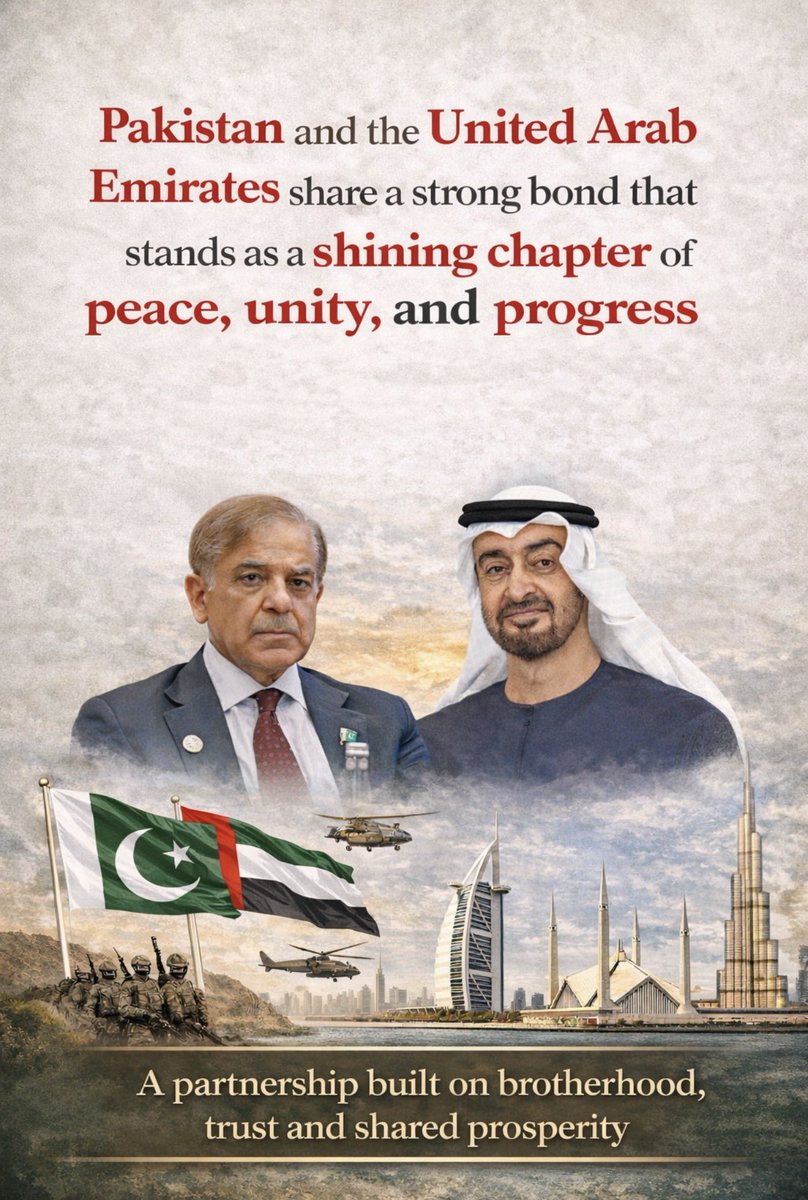
Pakistan and the UAE share a time-tested relationship built on decades of mutual respect, close cooperation, and deep brotherly ties. This partnership has grown through consistent support in areas such as trade, investment, defense, humanitarian assistance, and people-to-people links, with millions of Pakistanis contributing to the UAE’s development while strengthening the bond between the two nations. From standing by each other in challenging times to working together for regional stability and economic progress, both countries have maintained a relationship rooted in trust, shared values, and a common desire for peace, prosperity, and progress.
Open Secrets tweet media
English
2
2
17
2.3K
Open Secrets
Open Secrets@OpenSecrets7Ave·
اس سے قطع نظر کہ ھمیں پیسے واپس کرنے پڑ رہے ہیں، ہم بھی اپنی مہمان نوازی کی عادت سے باز نہیں آئیں گے۔ آپ سیر و تفریح کے لیے آیئں، شکار کے لئے آیئں یا مہمان بن کر آئیں، ہم ہمیشہ آپ کا استقبال کر یں گے۔ تلور ہماری دوستی کی خاطر اپنی جان کا نذرانہ پیش کرتا رہے گا۔
Maximus47@eavesdropper73

اس سے قطع نظر کہ ھمیں پیسے واپس کرنے پڑ رہے ہیں، ہم بھی اپنی مہمان نوازی کی عادت سے باز نہیں آئیں گے۔ آپ سیر و تفریح کے لیے آیئں، شکار کے لئے آیئں یا مہمان بن کر آئیں، ہم ہمیشہ آپ کا استقبال کر یں گے۔ تلور ہماری دوستی کی خاطر اپنی جان کا نذرانہ پیش کرتا رہے گا۔

اردو
0
0
3
2.2K
Open Secrets
Open Secrets@OpenSecrets7Ave·
They would stone people to death for much less.
English
1
0
2
896
Open Secrets
Open Secrets@OpenSecrets7Ave·
Fake news 🚨🚨
Open Secrets tweet media
English
2
4
11
4.1K
Open Secrets
Open Secrets@OpenSecrets7Ave·
Atmar himself admits that under Karzai's direction, I went to Pakistan 12 times to free Mullah Baradar, whom Zalmay Khalilzad had introduced to us as a patriot. We wanted to transfer Mullah Baradar to Qatar to lead the Doha peace process. After 11 attempts, with great political pressure on Pakistan, we finally succeeded in freeing Mullah Baradar and transferring him to Qatar. He led Doha talks between US and Taliban, which resulted in Doha agreement, signed by Mullah Baradar on behalf of the Taliban and Zalmay Khalilzad on behalf of the US.
Maximus47@eavesdropper73

English
1
0
1
1.3K
Open Secrets
Open Secrets@OpenSecrets7Ave·
Yes. History must take a note! Iran declined the peace brokered by Pakistan. Tide may turn against Iran in coming days and they may regret it. Pakistan should not be blamed then!
Azaz Syed@AzazSyed

Pakistan’s quiet US - Iran mediation: key takeaways 1-A US delegation led by JD Vance was ready twice to fly to Islamabad for direct talks with Iran 2-Both attempts collapsed at the last minute as Tehran sought more time and declined participation 3-Islamabad positioned itself as a neutral venue to de-escalate rising US–Iran tensions 4- PM Shehbaz Sharif had also planned a high-level Tehran visit to meet Ali Khamenei ,later shelved over security concerns 5.At Riyadh talks, Pakistan pushed back against a draft statement seen as blaming Iran 6.Call between Hakan Fidan, Abbas Araghchi & Ishaq Dar urged a balanced stance 7.Pakistan secured changes, but some Gulf states were displeased 8 - Islamabad opposed a naval task force in the Strait of Hormuz and skipped a UK-led maritime meeting 9 - Bottom line: Pakistan came close to brokering talks, but Iran’s caution stalled a breakthrough #IslamabadDiplomacy #USIran #MiddleEast

English
0
3
17
2.9K
Open Secrets
Open Secrets@OpenSecrets7Ave·
Pakistan’s mediation in the US - Iran conflict is about regional stability, not bloc politics. Mediation reflects strategic maturity, not weakness. As a frontline regional state, Pakistan cannot afford a wider war. A key question: what can UAE or its allies achieve that the US and Israel, despite overwhelming force have not? Escalation without clear gains risks entrenching conflict for generations. Equally critical is war termination strategy. How does the region look after the war? Miscalculations here can create deeper, lasting hostility for generations.
Maximus47@eavesdropper73

Some of our Arab friends are not happy with Pakistan's mediatory role and instead want it to take sides. They also don't want Trump to ceasefire until Iran is completely obliterated. Now reports suggest that UAE is getting ready to join the war. So they expect Pakistan to fight on their side. May I ask Arab thinkers that what do you expect to achieve that US, Israel duo could not? Is there any military target left in Iran for you to destroy? What do you want Pakistan to do for you? Do you want to invade a country of 90 million people? Remember, Trump is soon going to move to yet newer wars. If at that point you are still fighting Iranians, then we all will exhaust ourselves by fighting to the death. So look for some political solution which is honourable and acceptable to all parties, before Trump exits this war. Iran has been militarily defeated, do not humiliate it. Otherwise you will never have peace. Pakistan has good experience in war termination, you do not. War Termination strategy is critical if you want to gain positive outcomes from war effort. We want durable security for you.

English
2
1
14
5.1K
Open Secrets
Open Secrets@OpenSecrets7Ave·
This saudi journalist is recycling Indian propaganda against Pakistan @CNNnews18 is BJP owned, anti Pakistan channel. Please don't fall for this @alkhames
عبد العزيز الخميس@alkhames

باكستان تمتنع عن تقديم مساعدات عسكرية للسعودية استياء سعودي... اتفاق الدفاع كان مجرد حبر على الورق نيوز 18 بعد الضربات الصاروخية والطائرات المسيّرة الإيرانية التي أجبرت السعودية على خفض إنتاجها النفطي بنحو الربع، اقتصر دعم باكستان على التضامن اللفظي والانخراط الدبلوماسي. وتنص اتفاقية الدفاع الاستراتيجي المشترك (SMDA) الموقعة في سبتمبر 2025 على الدفاع المشترك، إلا أن إسلام آباد لم تنشر القوات البالغ عددها 25 ألف جندي ولا أنظمة الدفاع الجوي التي وعدت بها. بدلاً من ذلك، كثّفت القوات الباكستانية عملياتها ضد الجماعات المسلحة على الحدود الأفغانية في إطار عملية "غضب الحق"، مُعللةً ذلك بأولويات أمنية داخلية. بالنسبة للسعودية، فقد أثار هذا الموقف الحذر، استياءً. كانت الرياض تتوقع دعماً أقوى بموجب اتفاقية الدفاع لعام 2025، لا سيما مع تصاعد الهجمات الإيرانية. ويشير خبراء الأمن إلى أن هذه الأحداث تُبرز كيف أن اتفاقية الدفاع الصاروخي تُعدّ أداة دبلوماسية ورمزية أكثر منها دافعاً للتدخل العسكري التلقائي. ويعكس هذا النمط أيضاً نهج باكستان الأوسع في السياسة الخارجية، والذي يتسم بالغموض الاستراتيجي وتعدد التحالفات. فعلى مرّ السنين، دخلت إسلام آباد في شراكات أمنية رسمية لتأمين مساعدات مالية، وقروض نفطية من دول الخليج، ومعدات عسكرية من الصين، ومساعدات أمنية سابقة من الولايات المتحدة، مع الحفاظ على مرونتها في أوقات الأزمات. ومع استمرار تصاعد التوترات بين إيران والسعودية، تبدو باكستان عازمة على الموازنة بين التزاماتها تجاه الرياض وحساباتها الأمنية الخاصة، لتسير مرة أخرى على حافة الهاوية بين التحالف وعدم التدخل. يقول المحللون إن هذه الخطوة تعكس استراتيجية باكستان طويلة الأمد المتمثلة في ضبط النفس المُتأني في النزاعات الإقليمية المعقدة.

English
0
0
3
1.7K