Osama Alsendi

1.3K posts

Osama Alsendi banner
Osama Alsendi

Osama Alsendi

@OsamaAlsendi

Neurologist. Some interests: Game Theory and Behavioural Nudging. #Reading #Hiking #Gaming.

Makkah-Riyadh, Saudi Arabia Katılım Mayıs 2012
724 Takip Edilen1K Takipçiler
Osama Alsendi retweetledi
Diana S. Fleischman
Diana S. Fleischman@sentientist·
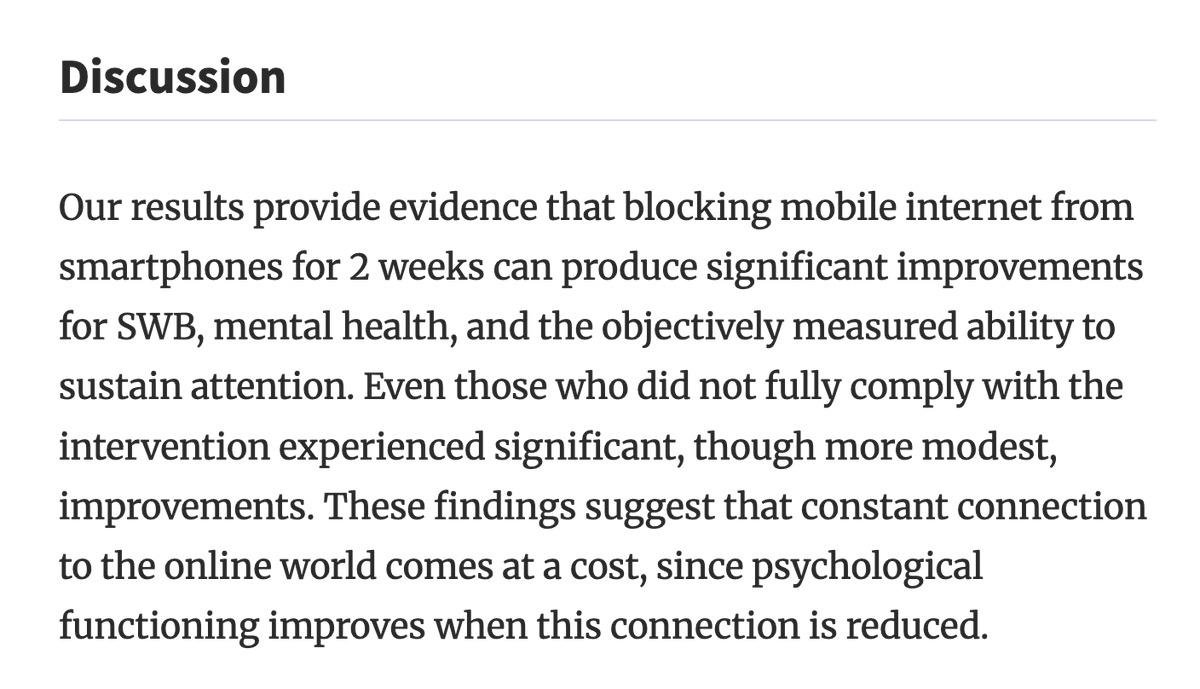
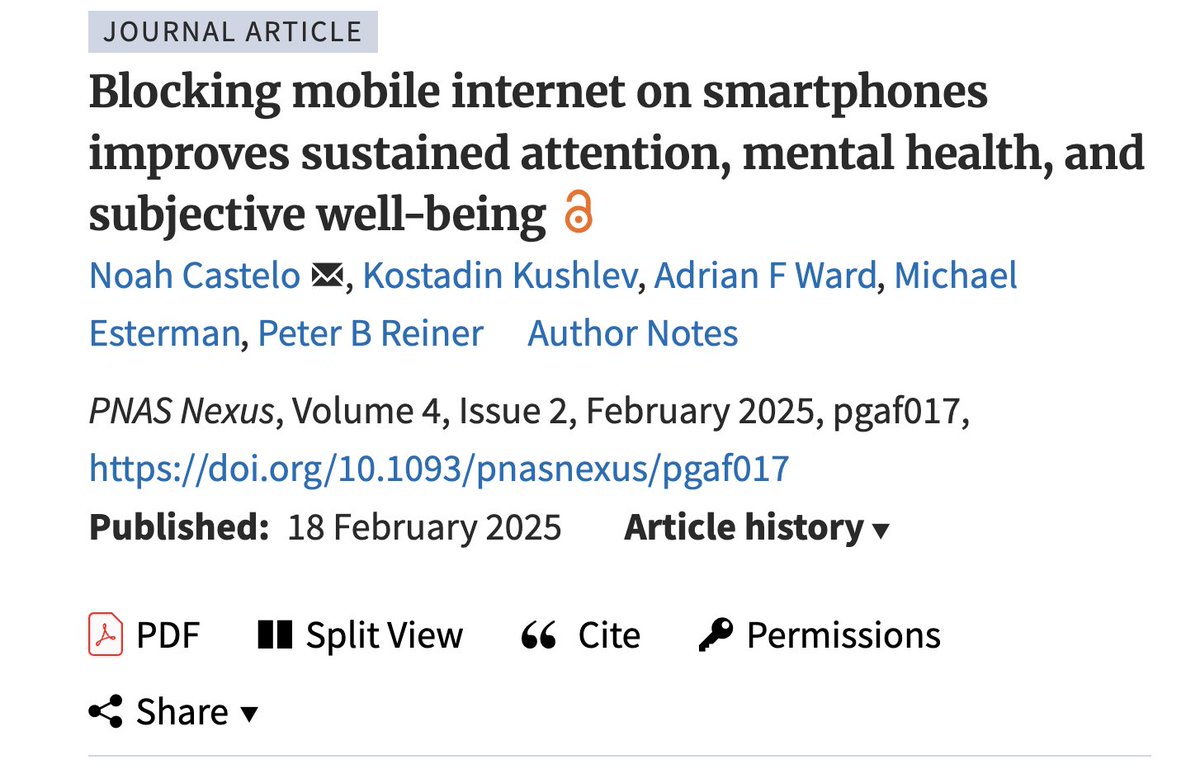
In adults, limiting smartphone functionality to texting and calls and blocking all social media and mobile internet for 2 weeks significantly improved attention, self-reported well-being and mental health. 90% of participants experienced a benefit.
Diana S. Fleischman tweet mediaDiana S. Fleischman tweet mediaDiana S. Fleischman tweet media
English
55
1.1K
8.7K
533.7K
Osama Alsendi
Osama Alsendi@OsamaAlsendi·
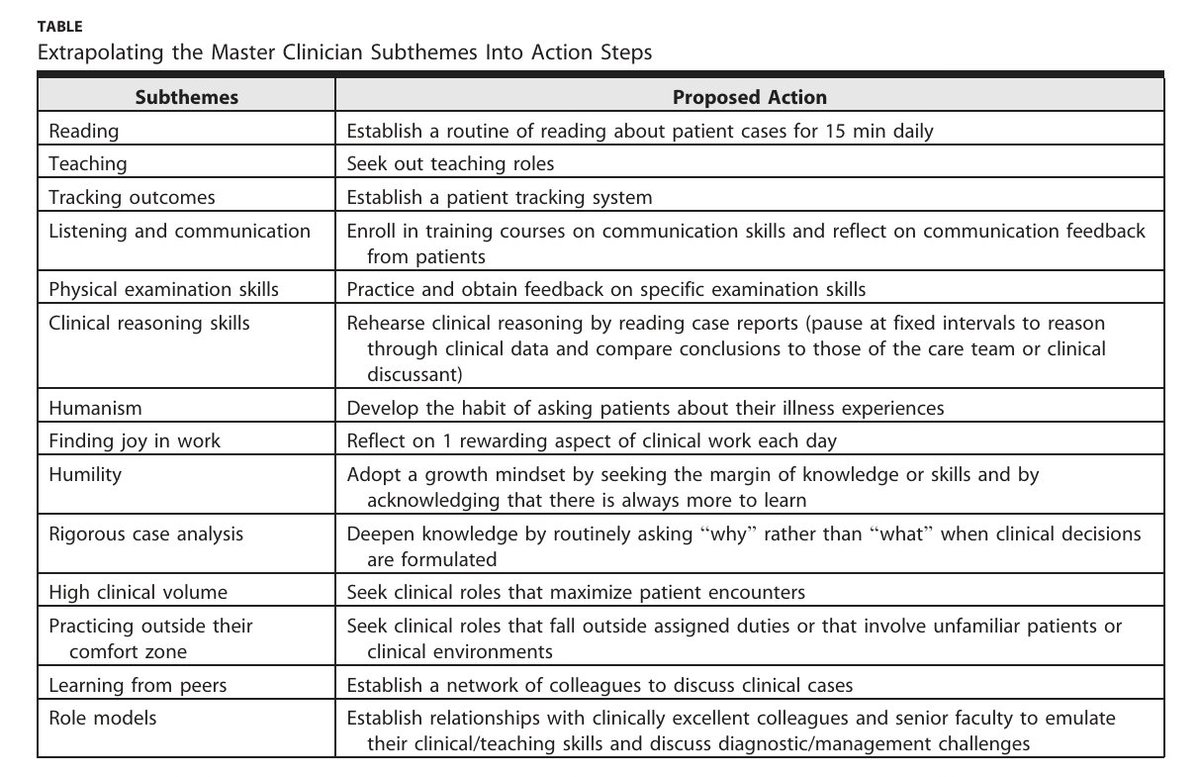
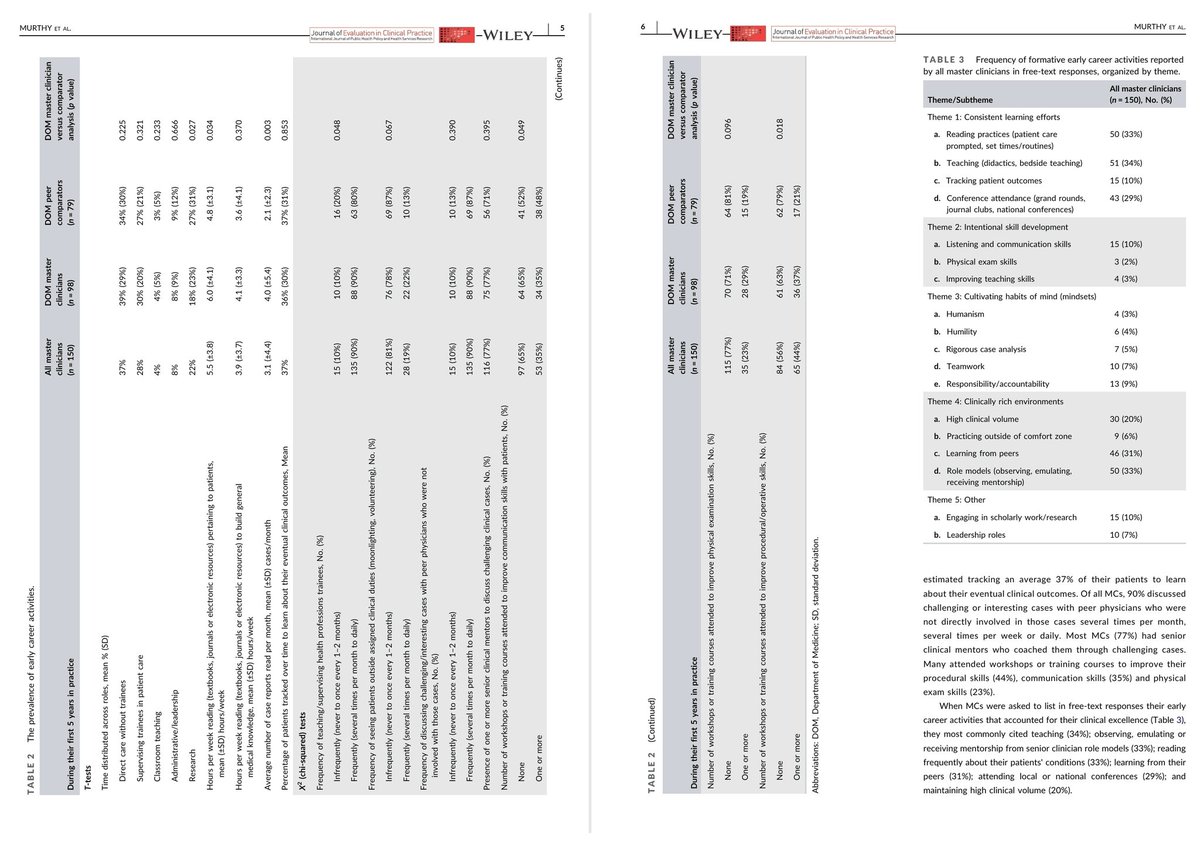
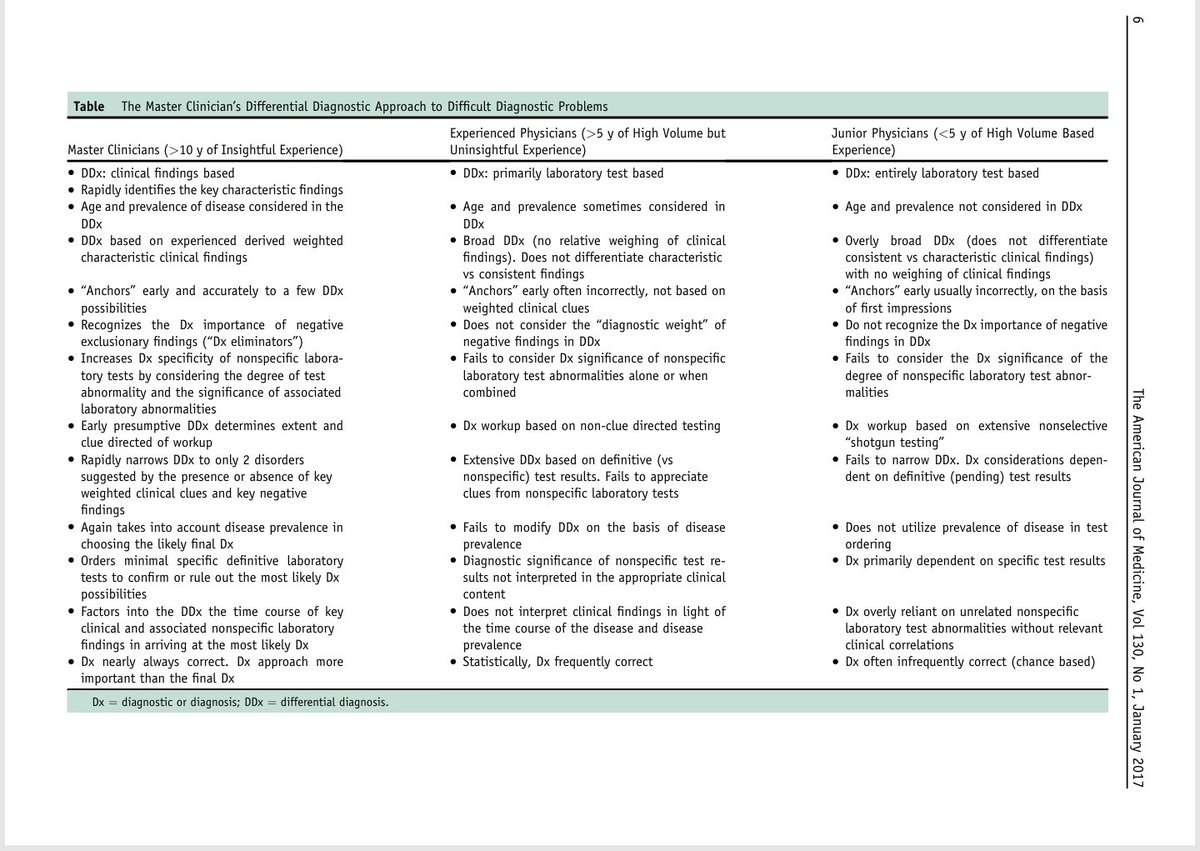
@Sultan__Shehri An inquiry into early careers of master clinicians. هذه مقالة جميلة جدا وسبق ناقشتها أنا وزملائي الأكبر مني قبل ٣ سنوات. وقتها توصلنا إلى إنه هذه المقالة مهم يقرأها كل طبيب مهتم ويريد كسر الحدود ويوصل أعلى المستويات في خدمة المرضى. أظن إنت ياسلطان بتهمك المقالة وراح تستمتع بها.
العربية
1
0
1
191
Bader Ibrahim
Bader Ibrahim@Badr_m_i·
Trusting the process.. towards another milestone ! #خريجو_كاساو_23
Bader Ibrahim tweet media
English
1
0
13
825
Osama Alsendi retweetledi
Jay Van Bavel, PhD
Jay Van Bavel, PhD@jayvanbavel·
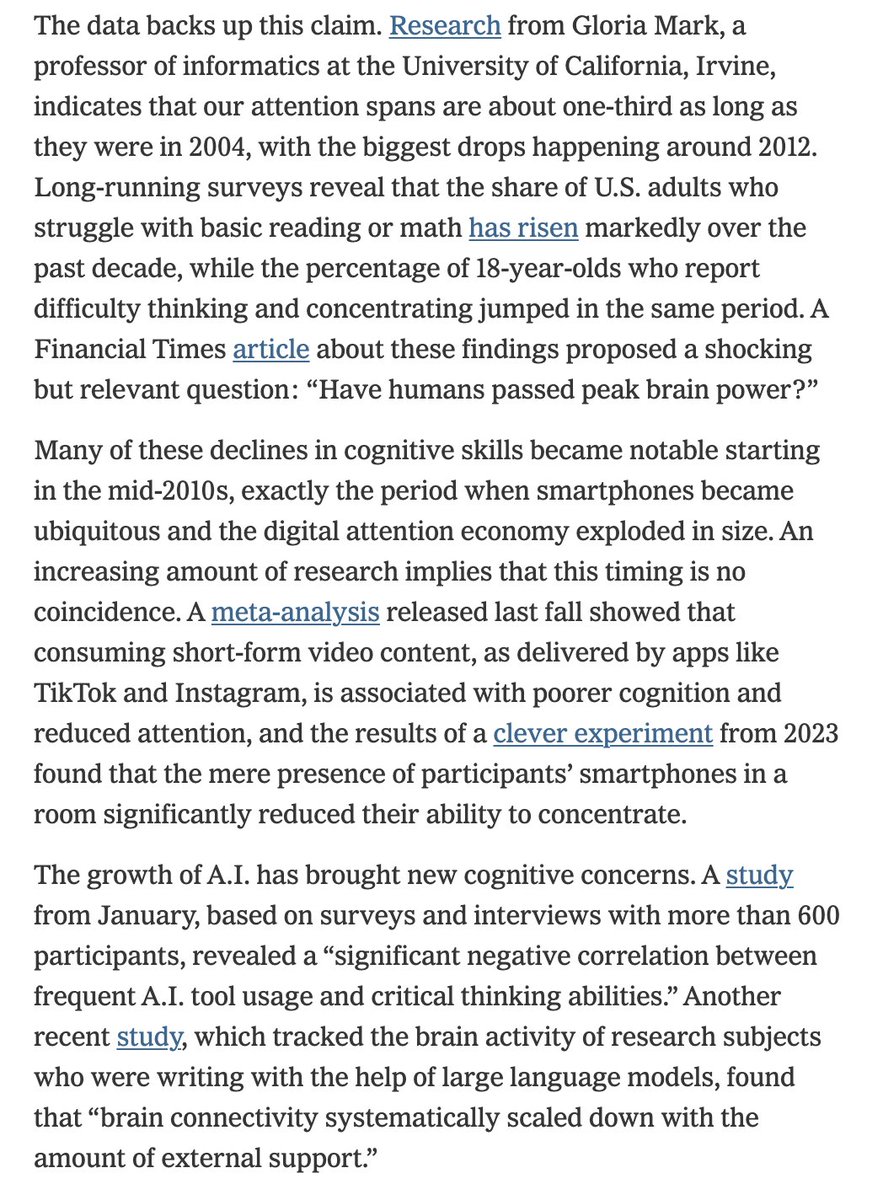
“Have humans passed peak brain power?” We’re rapidly losing the ability to think deeply. This fantastic article explains how technology, from smartphones, social media to artificial intelligence is making us dumber. "Long-running surveys reveal that the share of U.S. adults who struggle with basic reading or math has risen markedly over the past decade, while the percentage of 18-year-olds who report difficulty thinking and concentrating jumped in the same period. A Financial Times article about these findings proposed a shocking but relevant question: “Have humans passed peak brain power?” Many of these declines in cognitive skills became notable starting in the mid-2010s, exactly the period when smartphones became ubiquitous and the digital attention economy exploded in size. An increasing amount of research implies that this timing is no coincidence. A meta-analysis released last fall showed that consuming short-form video content, as delivered by apps like TikTok and Instagram, is associated with poorer cognition and reduced attention, and the results of a clever experiment from 2023 found that the mere presence of participants’ smartphones in a room significantly reduced their ability to concentrate. The growth of A.I. has brought new cognitive concerns. A study from January, based on surveys and interviews with more than 600 participants, revealed a “significant negative correlation between frequent A.I. tool usage and critical thinking abilities.” Another recent study, which tracked the brain activity of research subjects who were writing with the help of large language models, found that “brain connectivity systematically scaled down with the amount of external support.”" We need to stop filling our minds with the equivalent of digital Doritos. We made physical fitness and a healthy diet into a national movement, we should do the same for our brains. nytimes.com/2026/03/27/opi…
Jay Van Bavel, PhD tweet media
English
45
285
904
86.9K
Osama Alsendi retweetledi
د. سعود بن عبدالعزيز العميره
"كيف أهجّ فمي قدّام الناس" كتبتُ هذا المقال قبل رمضان وليس بسببه، لكن رمضان يتمركز حول الصيام، والصيام يُكسر بالطعام، فوجدتُ فيه مدخلاً مناسباً. في رمضان وفي غيره، امتلأت شاشات البشر بالطعام أكثر من امتلاء سُفَرهم، بل أكثر من امتلاء بطونهم. أنا شخصياً أعتقد أن الطعام مفتاح العلاقات وصفاء الذات، ويتربّع على رأس الملذات. لكن الجوالات جعلتنا نرى من الطعام ما لا علاقة له به. فثمة من يأخذ صحناً ضخماً من المطعم، ويحضنه متوسطاً به مقود سيارته وبطنه، ويُعلّق كاميرته، ويأكل أمامنا حتى ترى نواجذه! طمعاً في مشاهدات عالية وإعلان قادم ودفعة مالية أعلى. وأكثر ما يُزعجني ذلك المبتكِر البائس الذي يفعل بالطعام ما لا يليق: يخلط الأحمر بالأخضر، ويخلط اللبن بضدّه، ويصنع زوبعةً في الصحن حتى نُصدّق أنه لذيذ! أما من يسافر ويجول ويدخل البيوت ليجرّب السُّفَر المختلفة، فتلك تجربة لذيذة حقاً. أنا جرّبتها في الابتعاث مع جنسيات مختلفة، وهي تُقوّي العلاقات وتكسر الحواجز. لكنني لم أُصوّر ذلك، ولم أطلب منهم أن يضعوا اللقمة في فمي أمام الملايين! أتقزّز ممن يُصوّر نفسه وهو يأكل فاتحاً فاه على الكاميرا، والمصوِّر ينظر والملايين ينظرون. جوعاً هذا أم ماذا؟ وكلّه يهون أمام تحديات اختراع تغميسة جديدة للستيك — تارةً في لبن وأخرى في عصير، وتُترك أياماً حتى يحين موعدها فيكون طعمها غير مستساغ ومصيرها القمامة! قد تتساءل عزيزي القارئ: وما الذي يجعلك ترى ما لا تريد؟ هذا حال وسائل التواصل، فيها الغث والسمين، فلماذا لم "تمشيها"؟ أولاً: بحثي الحالي يختصّ في تأثير وسائل التواصل الاجتماعي والألعاب الإلكترونية على صحة الشباب في السعودية، فمتابعة "الترند" وما يجري في الفضاء الرقمي جزءٌ من عملي كباحث. ثانياً وهو الأهم: أنا مسلم سعودي عربي، لديّ ثوابت أصيلة مستمدّة من الدين الحنيف والعادات والقيم التي زرعها فيّ الوالدان والعائلة والمجتمع. ما أراه يتجاوز الوصف — فإن قلتَ إنه إسراف وإسفاف وعدم تقدير للنعمة صحّ، وإن قلتَ إنه دخيل ولا يمتّ لنا بصلة فهو كذلك. وإن قلتَ إن ما نعرضه على شاشاتنا كسعوديين هو تصدير لثقافة ومبادئ وقيم — فأرى أن عرض الطعام بهذه الصورة بضاعةٌ مزجاة. أختم بقصة طريفة. كنتُ مبتعثاً في كاليفورنيا وأنا وصديق نأكل في مطعم In-N-Out — الذي يعرفه معظم من ابتعث لأمريكا. ونحن نأكل البرجر، قال لي صديقي: "تصدّق يا سعود، أبوي — وكان عمره وقتها في السبعين — ما أكل برجر في حياته!" قلتُ: ليش؟ يقول أبوه: "كيف أهجّ فمي قدّام الناس عشان آكل"! الله يرحمك يا عم فوزان ويسكنك الفردوس.
العربية
0
4
13
1.2K
Osama Alsendi retweetledi
JAMA
JAMA@JAMA_current·
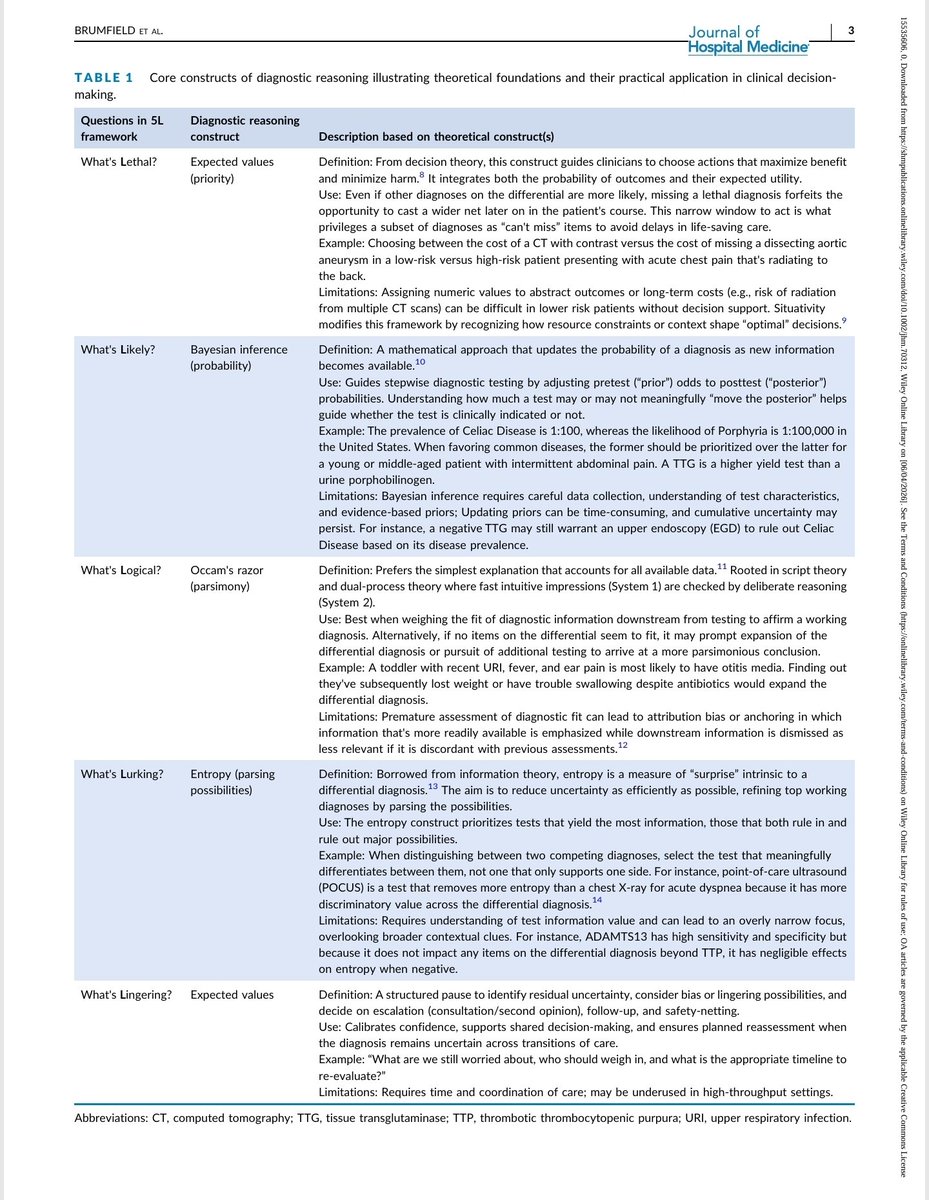
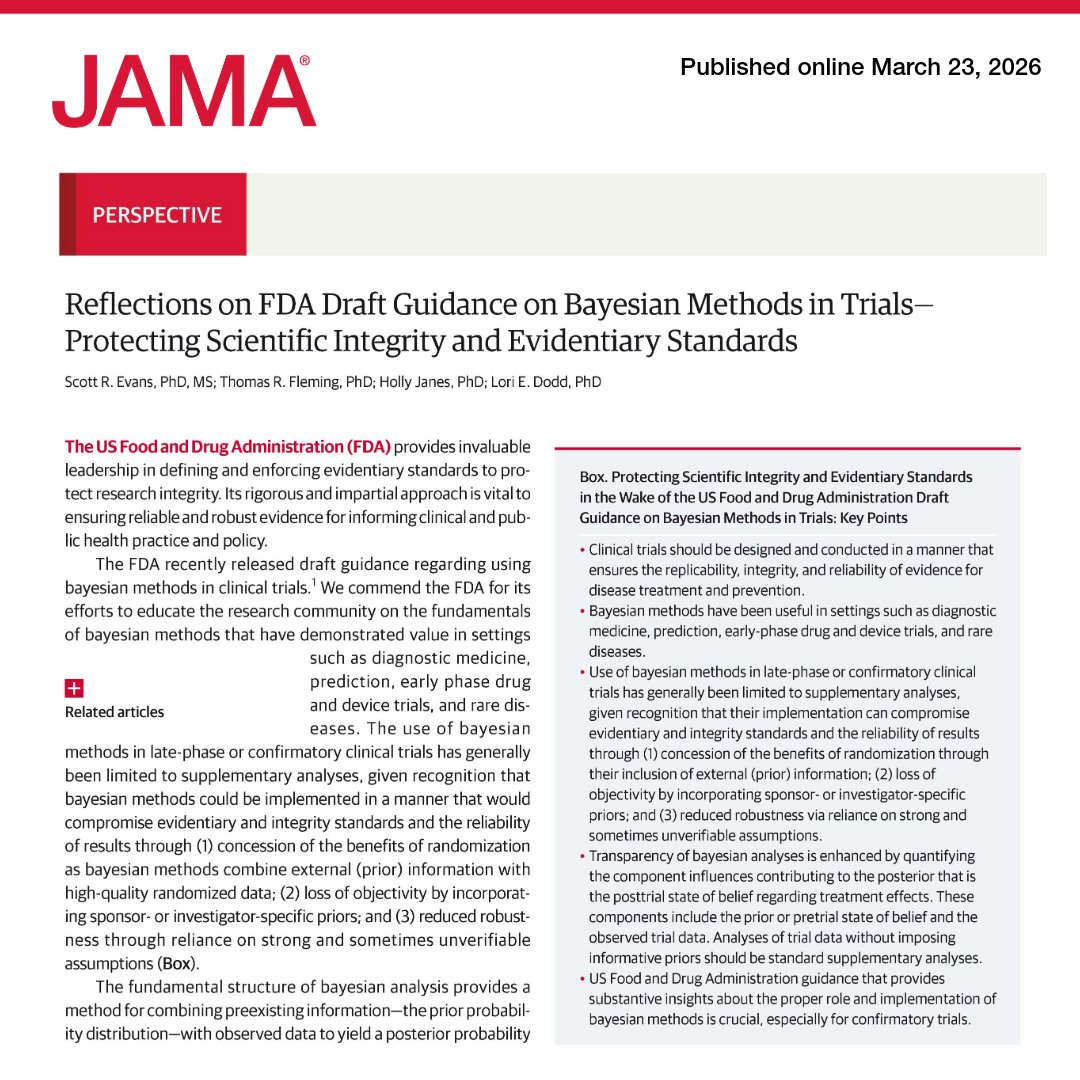
What does the FDA guidance on Bayesian analysis mean for clinical trials? Leading statisticians weigh in: 🧵 💬 Perspective: FDA recommends transparent quantification of prior influence in bayesian analyses and regular supplementary analyses without informative priors to maintain objectivity. ja.ma/4lMqgwb
JAMA tweet media
English
1
41
119
19.9K
Osama Alsendi retweetledi
وزارة الداخلية 🇸🇦
وزارة الداخلية 🇸🇦@MOISaudiArabia·
من بدينا وحنّا في أمن وأمان. يوم_التأسيس
العربية
531
788
1.6K
1.4M
Osama Alsendi retweetledi
Jay Van Bavel, PhD
Jay Van Bavel, PhD@jayvanbavel·
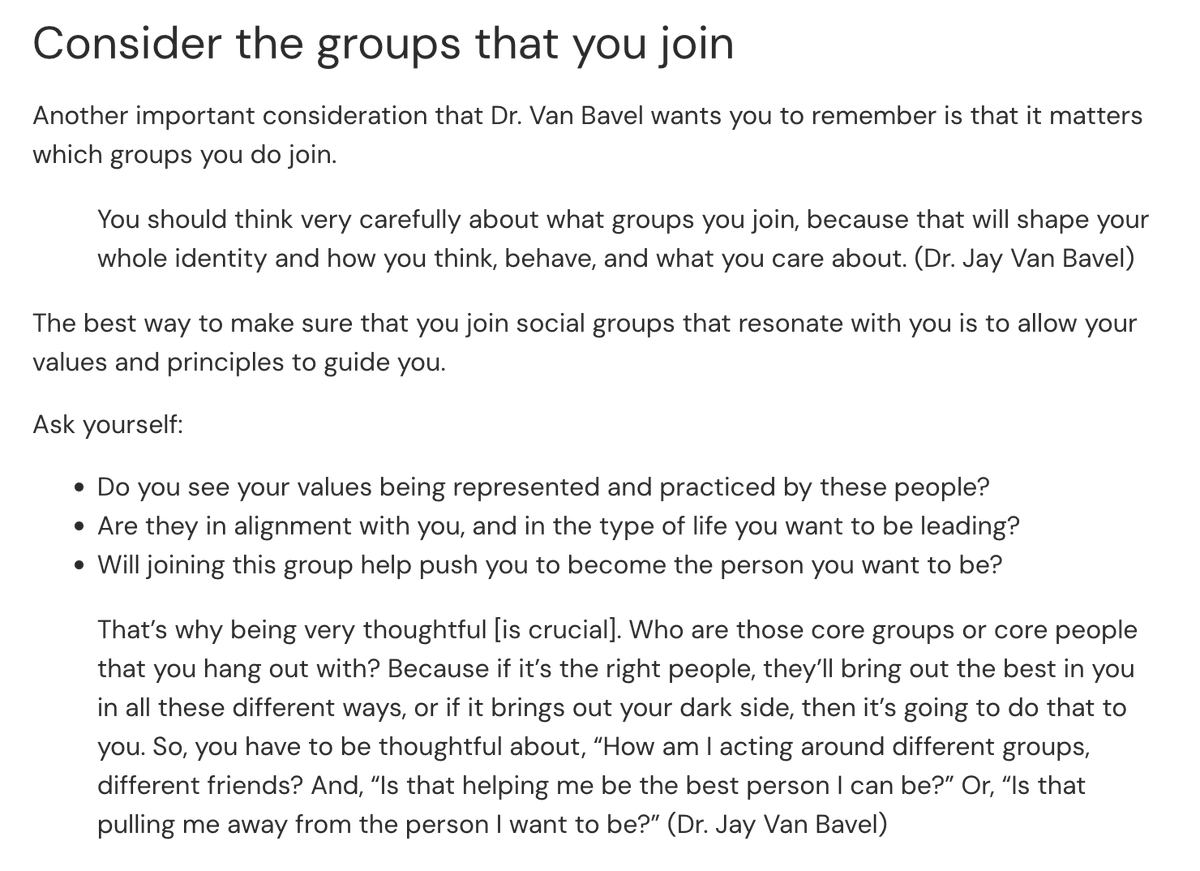
"You should think very carefully about what groups you join, because that will shape your whole identity and how you think, behave, and what you care about." The best way to make sure that you join social groups that resonate with you is to allow your values and principles to guide you. Ask yourself: -Do you see your values being represented and practiced by these people? -Are they in alignment with you, and in the type of life you want to be leading? -Will joining this group help push you to become the person you want to be? "That’s why being very thoughtful is crucial. Who are those core groups or core people that you hang out with? Because if it’s the right people, they’ll bring out the best in you in all these different ways, or if it brings out your dark side, then it’s going to do that to you. So, you have to be thoughtful about, How am I acting around different groups,? Is that helping me be the best person I can be? Or is ot pulling me away from the person I want to be?" practiceofthepractice.com/how-your-group…
Jay Van Bavel, PhD tweet media
English
11
20
89
13.5K
Osama Alsendi
Osama Alsendi@OsamaAlsendi·
درب مصيقرة، غرب الرياض. December, 2023
Osama Alsendi tweet media
Riyadh, Kingdom of Saudi Arabia 🇸🇦 العربية
1
0
7
1.5K
Osama Alsendi retweetledi
عبدالله مشاط
عبدالله مشاط@AbdullahMashat·
رأي الاغلب قد يختلف معه ولكن لدي قناعة راسخة: التأثير الإجمالي للسوشل ميديا على البشرية تحول من ايجابي إلى سلبي السبب ليس بسبب التقنية نفسها ولكن بسبب طريقة تصميم التطبيقات وطريقة الاستخدام الحالية والتي تسببت بالتالي: •جرعات دوبامين مستمرة •إدمان مبني على الخوارزميات •مقارنة مستمرة مع حياة الآخرين •تضخيم التفاهة على حساب الفائدة والقيمة •انتشار الأفكار السلبية بسرعة اكبر من الإيجابية •تضخيم الآراء الجدلية لانها تجلب التفاعل •استبدال التفاعل الحقيقي بعلاقات رقمية هشة •تغذية عقلية مادية قائمة على المقارنات •توحيد المشاكل الاجتماعية عالميًا بسبب سرعة انتقال السلوكيات للإنسان العادي التجربة العامة والتأثير الاجمالي اصبح سلبي Net Negative ومن الطبيعي أن يُنكر البعض ذلك، لأن اثر الإدمان لا يظهر أثناء وجوده لكن أي شخص يبتعد عن السوشل ميديا لفترة يلاحظ فورًا تحسنًا واضحًا في جودة حياته وسعادته
العربية
51
125
737
129.5K
Mohammad Banjar
Mohammad Banjar@Xemnas_MB·
New PR 30Kg per side, 80Kg total, 2rps Next week imma break a new PR Inshallah🔥
English
1
0
0
173
Osama Alsendi retweetledi
Marina Porta, MBA
Marina Porta, MBA@MarinaVPorta·
Can reading a book actually make us better people? When a society abandons reading, it stops thinking for itself. We're raising a generation fluent in scrolling but less fluent in reading. As a result, the ability to grasp nuance, evaluate information, and think critically is weakened. If you’re a bookworm like me and worried about the future of humanity, you’ll want to read this study. Recent research suggests that reading may cultivate empathy, promote positive attitudes, reduce aggression, and sometimes even more effectively than meditation. Perhaps the critical question isn’t just whether we read, but what we read. Thanks to @jayvanbavel and colleagues for showing how books can foster a more thoughtful, compassionate, and connected society.
Jay Van Bavel, PhD@jayvanbavel

We describe our new research on the power of books here: powerofusnewsletter.com/p/can-reading-…

English
2
4
17
4.1K
Osama Alsendi retweetledi
Annie Duke
Annie Duke@AnnieDuke·
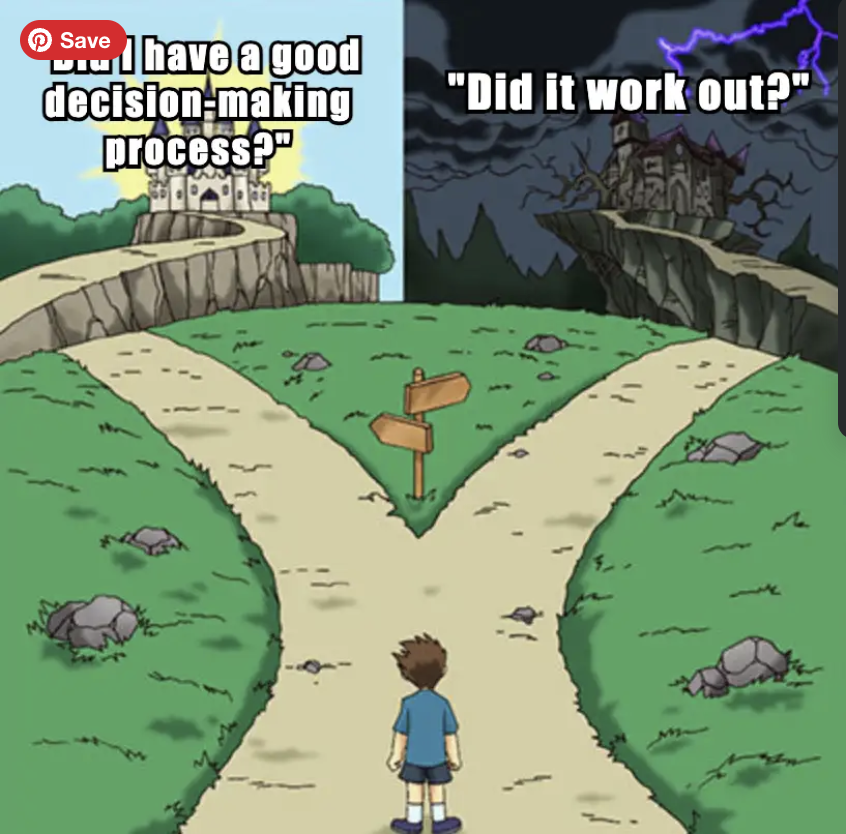
Most leaders judge their decisions by outcomes, but this is the wrong way to approach decision-making. A decision can be good, even if the outcome is bad. A common line of thinking: “If something worked, it must have been a good call. If it failed, it must have been a mistake.” This is called “resulting,” or confusing the quality of a decision with the luck of the outcome. Think of a CEO deciding to enter a new market. They might run the numbers, talk to customers, and carefully size the risks. If the expansion fails, it’s tempting to call it a “bad decision.” But that’s outcome bias. The CEO could’ve done everything right and still lost, because chance plays a role. The flip side is also true. Sometimes leaders make hasty, sloppy choices that happen to work out. That doesn’t mean the decision process was good—it just means luck was on their side. The flip side is also true. Sometimes we make sloppy decisions and still win. That doesn’t mean the process was good. It just means we got lucky. So how do you know if you’re actually improving as a decision-maker? · Focus on your process: write down the criteria you used · Imagine a pre-mortem: what could go wrong? · Set exit rules in advance, so you know when to quit You can’t control luck. But you can control the process that stacks the odds in your favor. When you look back on a choice, ask yourself if you decided well, not if it worked out or not. Interested in applying these decision-making principles to your own career? I teach a course on Maven where you’ll learn how to: · Separate decision quality from outcome quality to reduce “resulting” bias · Identify asymmetric opportunities where a few wins outweigh many losses · Build the discipline to quit bad bets early and double down on the right ones The next cohort starts September 16. Get 35% off with this link: bit.ly/4gh1AJK
Annie Duke tweet media
English
2
8
72
12.9K
جامعة جدة
جامعة جدة@UOfjeddah·
إنجاز | الطالب الموهوب عبدالرحمن طاهر من كلية الطب في #جامعة_جدة يحقق المركز الأول في الهاكثون العالمي للصحة والسلامة المهنية، الذي أُقيم في بالرياض، فخورون بهذا الإنجاز المتميز. #الاختيار_الأول_لقادة_المستقبل
جامعة جدة tweet media
العربية
3
14
56
12.7K
Osama Alsendi retweetledi
أ. د. أحمد بن سالم باهمام 🇸🇦
للاطلاع على تفاصيل التوصيات السعودية للنوم الصحي، يمكن الرجوع إلى مقالنا المنشور في Annals of Thoracic Medicine حول "٢٤ ساعة من النوم الصحي" لتحقيق أفضل صحة وجودة حياة. نسخة عربية: lh-hsrc.pnu.edu.sa/wp-content/upl… نسخة إنجليزية: pmc.ncbi.nlm.nih.gov/articles/PMC83…
العربية
0
7
14
2.5K
Osama Alsendi retweetledi
Karen Vaites
Karen Vaites@karenvaites·
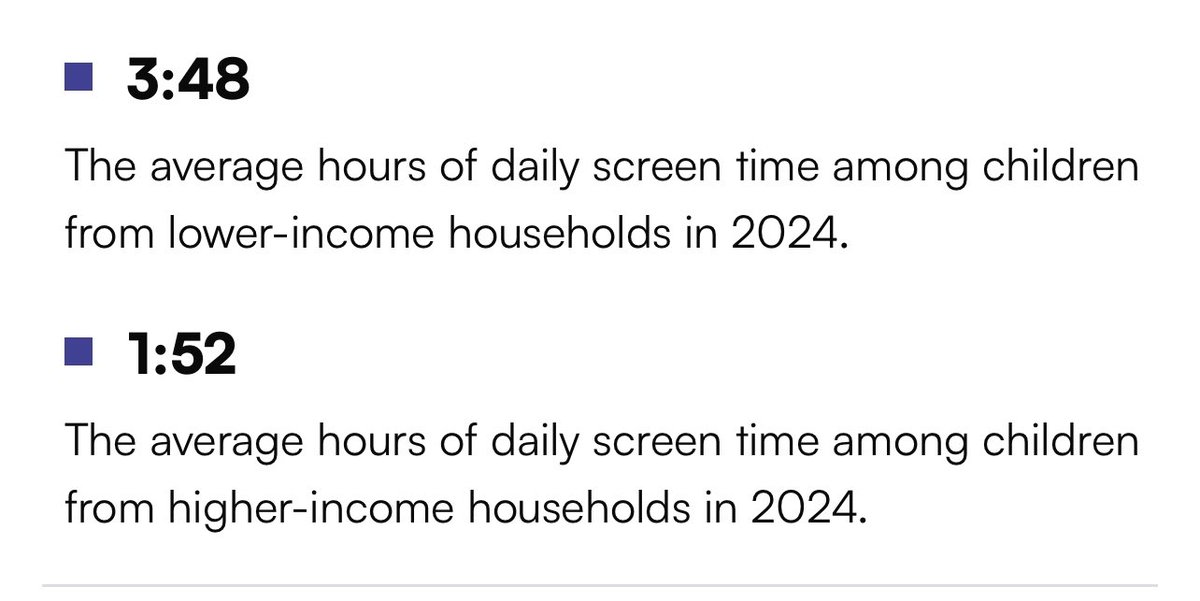
2 hours, 27 minutes: The average hours of screen time in a typical day for children 8 and younger in 2024. And egads, look how it breaks down. 😬 Source: @CommonSense Media survey
Karen Vaites tweet media
English
11
60
221
85.8K