

ArminiusWidukind
1.1K posts

ArminiusWidukind
@Ostfale
Landwirt/Jäger/Patriot• Niedersachse • Sturmfest und Erdverwachsen • National & Radikal
Katılım Haziran 2019
367 Takip Edilen108 Takipçiler

The Goths have nothing to do with Deutscher history btw, i say Deutscher history because the English language as simplistic as it is sometimes calls the Germanic tribes the German tribes. There are like 4 Gothic individuals part of Baiuvarii and Thuringi samples, thats it.
Tencterer@Tencterer
The first German state „East Francia“ with the „Duchy of Thuringia“ west of the Saale river in 843 AD
English
@owen_mccor I still do not understand why they must use „BP“. Annoying. Is there a similar story for R-Z18?
English
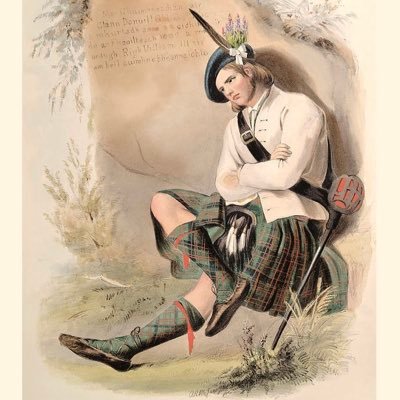
Many Western European men, and 90% of early Beaker men, descend paternally from one 2,800 BC Corded Ware chief: P312. He was probably ~70% Western Steppe Herder, lived in Northern Germany and his immediate descendants were associated with the Single Grave Culture.


English
@DanDavisWrites @Michssspp82096 Is it possible that the relegion is strongly related to the WHG-cult or is derived from them. The new study by Olalde et al. 2026 suggests a connection.
English

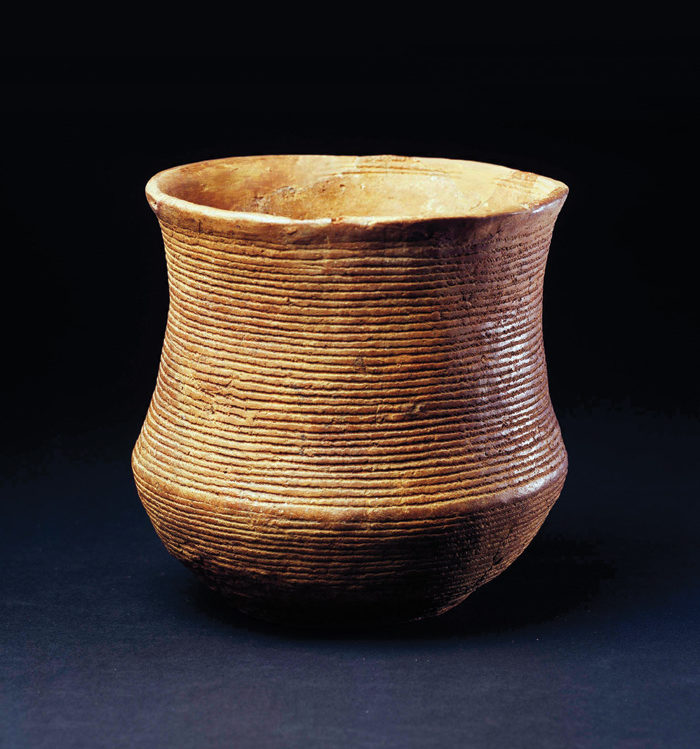
There's an idea that the Bell Beaker religion and mortuary practice was related to transformation of the soul.
The grave goods - copper knives and bows and arrows - suggest expectation of using the spirit versions of these in the afterlife - an active afterlife of hunting and fighting, maybe in an eternal heavenly land or maybe in training for the return.
And the beakers in the graves seem to be related to the idea of transformation; chemical testing shows all different stuff was put in them but whether fermented milk, or barley or hemp beer, or a soma / drugged version, they were all transformed and transformative substances. And beakers were also used as crucibles and metalworking i.e. as vessels for transformation.
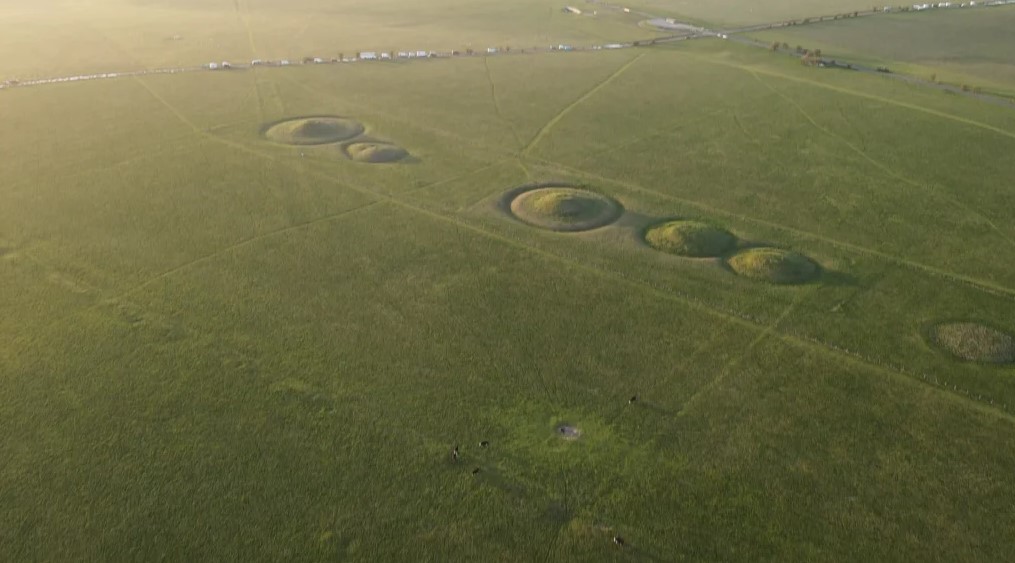
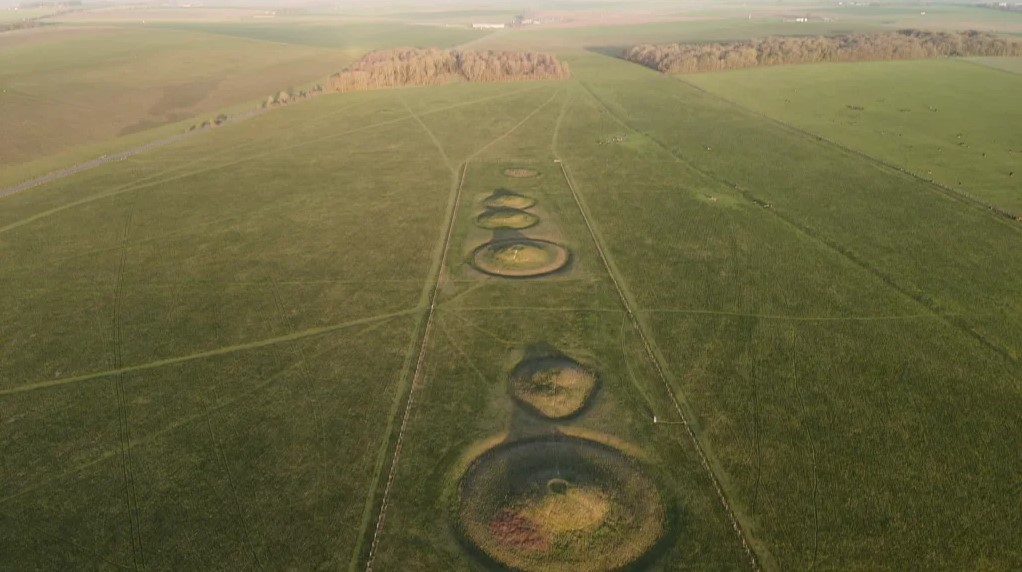
The grave cuts, wooden tombs, and barrows were also then containers, vessels for transforming the spirit, just like the beakers were.
Maybe. Obviously we don't know though. Just an idea.

English
@AnInnes3 R-Z18 from East Lower Saxony! 👌 Isn‘t it related to Unetice Culture.
English
Despite its vaguely mysterious origins, Z381 remains the most popular haplogroup amongst the migration period west germanic people.
✘ 𝔇𝔢 𝔄𝔠𝔲𝔫𝔞 ✘@Astur_X
Y-DNA haplogroups of Migration Period Germanics by Paxtysk
English
Heard his sample will be available in a few days
Tencterer@Tencterer
My guess is that when his sample is finally released, he will be closest to either modern Norway or to modern Lower Saxony / Westfalen. If one uses the whole list of course and not just the vahaduo list.
English
@Tencterer @nrken19 Heil dir Otto!
Es ist nur zu hoffen, dass die Beteiligten nicht im Sinne des Zeitgeistes etwas verfälschen. Ich vermute, dass er einem Niedersachsen oder Ostwestfalen am nächsten steht.
Deutsch
My guess is that when his sample is finally released, he will be closest to either modern Norway or to modern Lower Saxony / Westfalen.
If one uses the whole list of course and not just the vahaduo list.
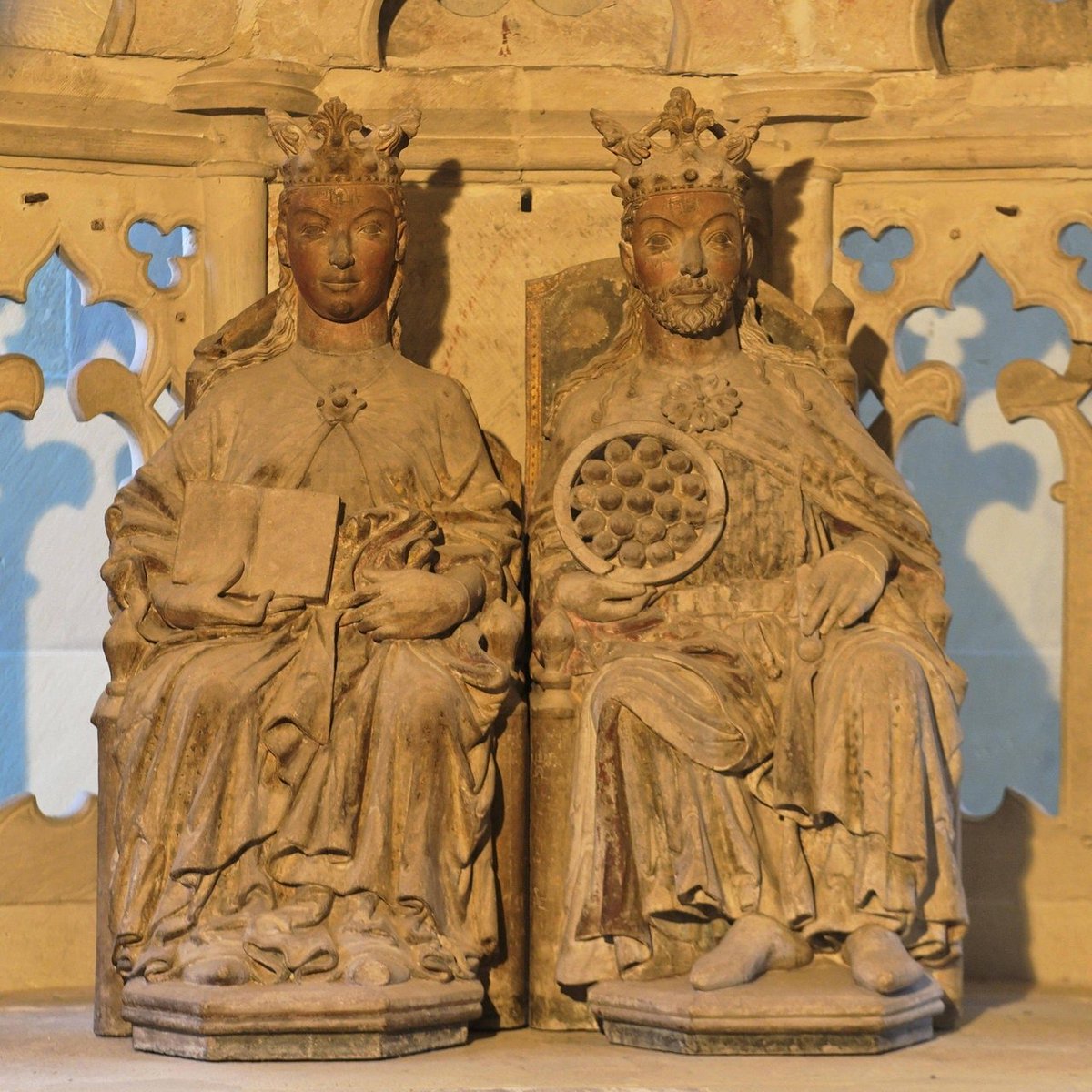
Nrken19@nrken19
aDNA preprint on Otto the great. "Reconstructing their genomes confirms the historically attested genealogy of the two medieval emperors Otto I (the Great) and Heinrich II (Saint Henry)" biorxiv.org/content/10.648…
English
@Wolgadeitscher Bin gespannt auf die Ergebnisse der DNA-Analyse
Deutsch

This is insane
Nrken19@nrken19
The Otto riddle has been solved. "New DNA analyses now show: These are indeed the mortal remains of the legendary ruler. "Otto the Great wrote European history from Magdeburg," said the Minister-President of Saxony-Anhalt, Sven Schulze (CDU), at the presentation of the results." "The final proof of the identity of the bones in the grave was provided by genetic analysis. For this, experts from the Max Planck Institute for Evolutionary Anthropology in Leipzig compared the genetic material in the Magdeburg bones with bone samples from Henry II, which are kept in the relic collection of Bamberg Cathedral." spiegel.de/wissenschaft/m…
English
ArminiusWidukind retweetledi
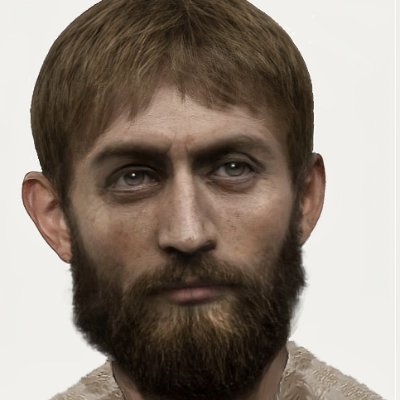
The Otto riddle has been solved.
"New DNA analyses now show: These are indeed the mortal remains of the legendary ruler. "Otto the Great wrote European history from Magdeburg," said the Minister-President of Saxony-Anhalt, Sven Schulze (CDU), at the presentation of the results."
"The final proof of the identity of the bones in the grave was provided by genetic analysis. For this, experts from the Max Planck Institute for Evolutionary Anthropology in Leipzig compared the genetic material in the Magdeburg bones with bone samples from Henry II, which are kept in the relic collection of Bamberg Cathedral."
spiegel.de/wissenschaft/m…
English
@Rubenbauer16 Leider nicht mehr im Origina. Die Alliierten hatten es zerstört.
Deutsch

Das Knochenhaueramtshaus in Hildesheim wurde 1529 für Fleischer (Metzger) errichtet.

Deutsch
@NorthlightEins @Gundamritter @der_holsteiner @reallaurentius @UlrichHolberg @jkcork76 @YouTube Richtig. In ihrer Welt können sie nicht akzeptieren, dass manche Völker anderen überlegen sind. Die Zusammensetzung von uns Europäern aus neolithischen Bauern, den Steppenvölkern (Yamnaya) und den einheimischen Jägern und Sammlern machen uns in vielen Punkten überlegen.
Deutsch

@Ostfale @Gundamritter @der_holsteiner @reallaurentius @UlrichHolberg @jkcork76 @YouTube Viele von denen wollen es nicht akzeptieren. Nehmen wir deren Bild vom primitiven Vorfahren der Deutschen an, dann hätten diese Rückständigen alle anderen technologisch und wirtschaftlich überholt. Das wäre dann wiederum ein Zeichen unserer Stärke und/oder Schwäche der anderen.
Deutsch

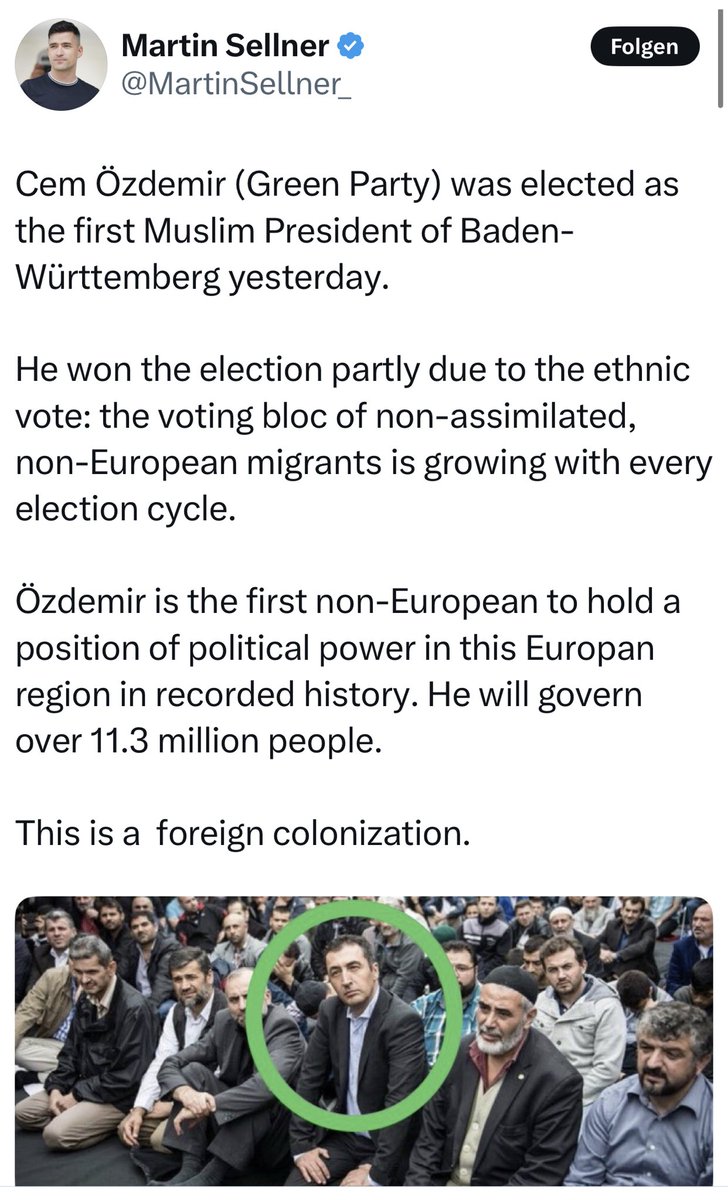
Cem Özdemir ist das, was der kleine Nazi Sellner niemals sein wird: Deutsch!
Deutsch
@NorthlightEins @Gundamritter @der_holsteiner @reallaurentius @UlrichHolberg @jkcork76 @YouTube Der Zeitunterschied war mir bewusst. Es ging mir darum den Zecken noch einmal zu zeigen, was für einen Schwachsinn sie labern.
Deutsch
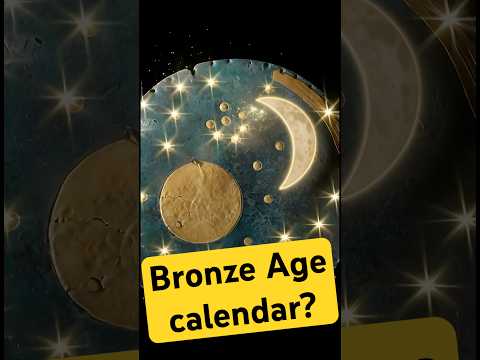
@Ostfale @Gundamritter @der_holsteiner @reallaurentius @UlrichHolberg @jkcork76 @YouTube Goseck und Nebra liegen auch nur 25 km Luftlinie voneinander entfernt, jedoch knapp 3000 Jahre Zeitunterschied.
Deutsch
@NorthlightEins @Gundamritter @der_holsteiner @reallaurentius @UlrichHolberg @jkcork76 Das ist auch erwähnenswert.
youtube.com/shorts/k6oI1Go… via @YouTube
YouTube
Deutsch
@Gundamritter @der_holsteiner @reallaurentius @UlrichHolberg @jkcork76 Der älteste Nachweis für Nutzung von Rad und Wagen sowie das älteste Sonnenobservatorium der Welt sind ebenfalls aus Deutschland.


Deutsch
On Germanic origins, one of the most prominent Germanic lineages is R1b-U106. This lineage originated in Bohemia during the earliest phases of the Corded Ware culture. The most common subclade of this haplogroup in Germanic populations is Z381 which has a relatively mysterious origin.
Data is limited, but from what I've seen - it points to a possible early Únětice origin point. Lineages such as Z301 may have spread via the Sögel-Wohlde-Kreis, a sort of connective culture in Lower Saxony that bordered the Únětice and the Nordic Bronze Age cultures. Sögel style swords are found throughout Scandinavia, the Netherlands, and Germany. - and it's possible that after the earlier Bell Beaker dispersal into Britain from the Netherlands, that the Elp culture which followed also developed out of an influx of Sögel-Wohlde associated people moving into the low countries proper (as evidenced by burial customs mostly) which explains why Z301 first shows up in Elp related samples.
Other subclades of U106 such as Z18 evidence earlier Bell Beaker influence in the Nordic Stone Age region, and were responsible for the development of the Stone Dagger Period.
Z18 and Z381 especially dominate Ingaevonic lineages. Anglo-Saxons, Frisians, Lombards, etc, though they do exist all throughout the Germanic world.
So obviously Tom's tweet is a very simplified account of what occurred, but it's still correct.
Tom Rowsell@Tom_Rowsell
To simplify my NW Euro origins narrative presented here: 1. Beaker folk from Rhine/Meuse come from Corded Ware but some went back and mixed with their Corded Ware cousins. 2, Beaker folk who mixed with Scandinavian Corded Ware became Proto-Germanic 3. Beaker folk who mixed with Central European Corded Ware became Proto-Celtic 4. Beaker folk who went to Britain became Bronze Age Britons 5. Celts mixed with Bronze Age Britons to become Insular Celts 6. Proto-Celtics and Proto-Germanics mixed together to make Roman era Germanics 7. Medieval Germanics mixed with Insular Celts to make Anglo-Saxons and Vikings
English
@AnInnes3 That would be extraordinary. I can trace my direct male ancestors back to 1420 without any goss. They all lived on the same piece of land where I now live with my wife and kids.
English
Yep. Z18 is mostly associated with prehistoric Denmark (i.e., it was present in Zealand long before the Danes existed). It also appears in Anglo-Saxons a fair bit too. You paternal ancestors have probably inhabited the Jutland peninsula/Niedersachsen areas since the neolithic, essentially.
English
@AnInnes3 As far as I can read the descriptions there are genetically strong ties to Jutland. Makes sense. My surname is derived from Old Saxon. I live in Lower Saxony.
English
@AnInnes3 Thank you! I did a FamilyTreeDNA-Test last year and just got the results back. Very interesting to see the „history“ of your ancestry.
English
There's not any piece of literature in particular that I could offer, but I'll link a chart below which records every known U106 sample. It obviously shows that the Z18 branch was widespread in the Nordic Stone age and the Nordic Bronze Age and was brought in by the Bell Beaker people.
There is also the document made by Iain McDonald that has a whole section on Z18 too.
#gid=1743270299" target="_blank" rel="nofollow noopener">docs.google.com/spreadsheets/d…
jb.man.ac.uk/~mcdonald/gene…
English
ArminiusWidukind retweetledi

I delivered a talk to students in Hamburg last week and told them all about the deep historic ties that connect the English and the Germans. You hear it for yourself now!

English
Anglo-German relations and the Origin of Germans youtu.be/R6pIKvAWtGY?is… via @YouTube
YouTube
English