Andy Griffith

9.2K posts

Andy Griffith banner
Andy Griffith

Andy Griffith

@OTeaching

Co-author of Engaging Learners, Teaching Backwards, The Learning Imperative and The Working Classroom. Keynote and training enquiries to [email protected]

Liverpool, England Katılım Kasım 2011
11.6K Takip Edilen13.1K Takipçiler
Andy Griffith retweetledi
The Sutton Trust
The Sutton Trust@suttontrust·
New analysis from @NAHTnews finds that Ofsted is more likely to downgrade schools with poorer intakes or more pupils with SEND for their achievement, attendance and behaviour. These findings are very concerning 🧵⬇️ schoolsweek.co.uk/ofsted-more-in…
English
3
10
15
2.6K
Andy Griffith retweetledi
Clive Lewis MP
Clive Lewis MP@labourlewis·
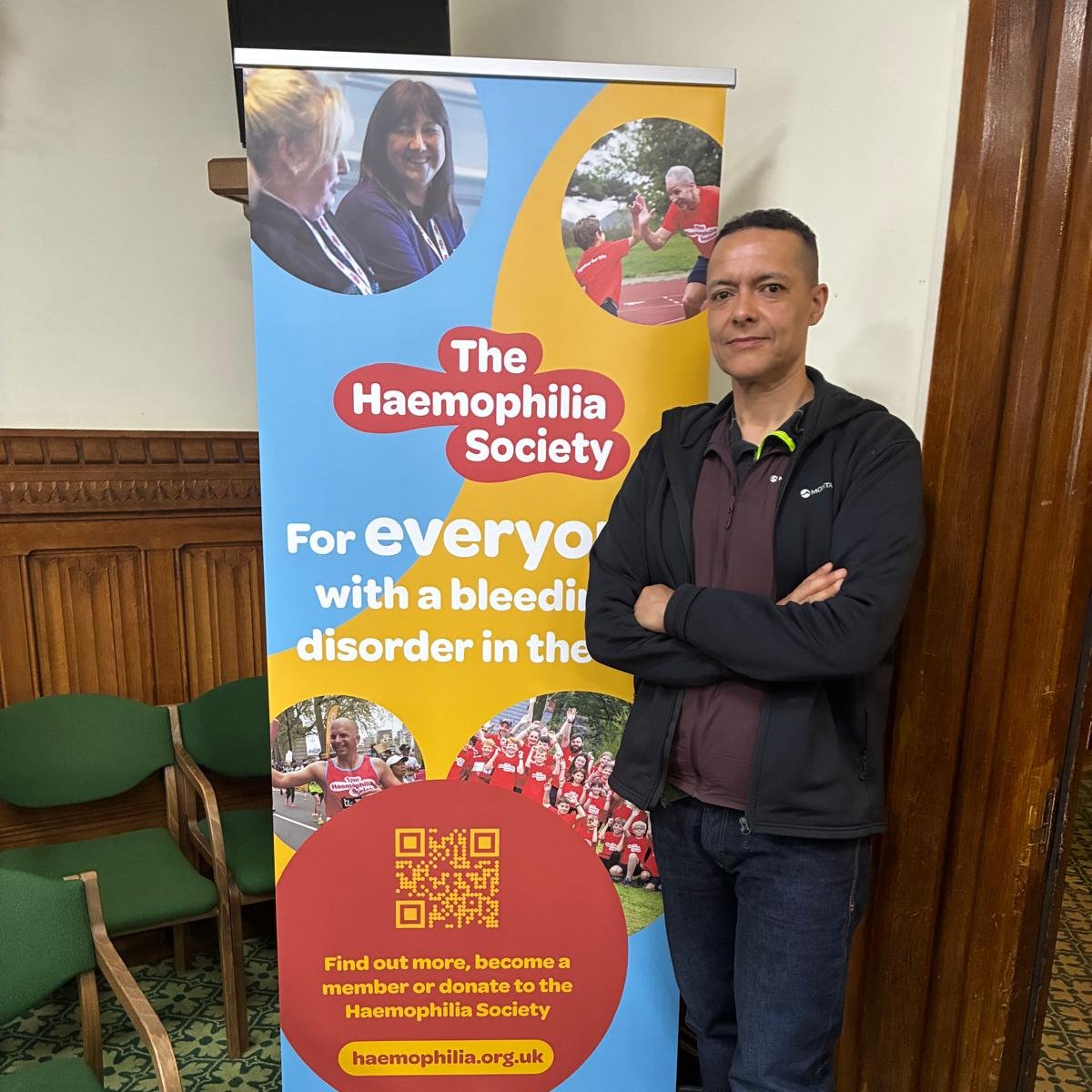
In Norwich, many who have been waiting for justice following the infected blood scandal have sadly died before receiving compensation. This stark reality underscores the urgency of delivering compensation without any more delays. I have long campaigned for justice for the victims of the infected blood scandal and recently attended a Parliamentary event on changes to the Infected Blood Compensation Scheme. I heard from experts that too many people still face barriers when trying to claim compensation, adding further strain to those already suffering the consequences of the scandal. With a victim dying on average every four days, it is clear that warm words are not enough. The Government must not let the victims down. It should follow through on its promises and ensure that everyone affected receives the compensation they deserve. @CliveEfford @HaemoSocUK
Clive Lewis MP tweet media
English
4
42
96
2.2K
Andy Griffith retweetledi
Socialist Opera Singer
Socialist Opera Singer@OperaSocialist·
Why did the BBC and ITV ban this video of hideous quotes by Farage and Reform figures, yet they give the people who said them disproportionate airtime? This is not normal.
English
66
1.2K
3.3K
71.5K
Andy Griffith retweetledi
The Husky
The Husky@Mr_Husky1·
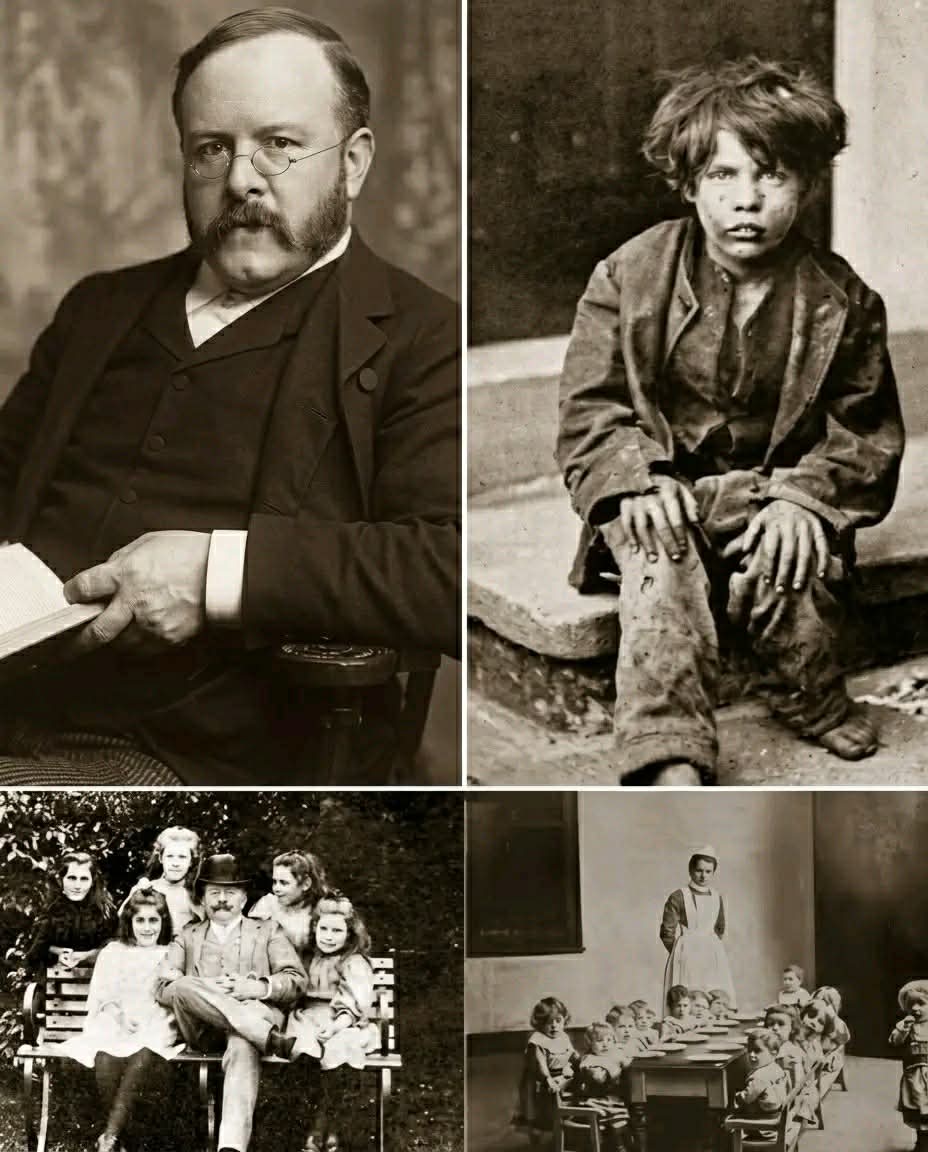
A 7-year-old boy slept under a bridge in London. No shoes. No food. No one who knew his name. A young stranger stopped and asked him a simple question — and what the child said next changed history forever. His name was Jim. The year was 1866. London was choking under black factory smoke, and the East End was a maze of sewers, starvation, and invisible children. Jim was one of them — filthy clothes, matted hair, eyes that held pain no child should ever know. Thomas Barnardo was just a 21-year-old medical student, quietly preparing to travel to China as a missionary. Then he met Jim crouched in a doorway, shivering. "Are there more like you?" Thomas asked. "Heaps of 'em, sir," Jim whispered. "More than I can count. We sleep where the dogs won't go." A few days later, Jim was dead. He died alone in the cold, another child the city had simply forgotten to notice. Thomas Barnardo never boarded that ship to China. Instead, in 1870, he opened a small home for abandoned boys in East London. Above the door, he hung a sign that read: "No destitute child will ever be refused admission." One night, the home was full and he turned a boy away. Two days later, that same child was found dead from hunger and cold. Thomas wept. He made a vow he never broke: the door would always open. When critics told him he was crazy and would run out of money, he kept building. More homes. Foster families. Vocational training. He gave street children — children people called "rats" — a trade, a name, and a future. He didn't ask for papers. He didn't ask for backgrounds. He simply opened the door. By the time Thomas Barnardo died in 1905, he had rescued more than 60,000 children from the streets of Britain. Today, Barnardo's is still one of the UK's largest children's charities — still keeping a dead boy's whispered words alive, 160 years later. Everything began with one man who stopped walking, looked down, and truly saw a child that the rest of the world had decided wasn't worth seeing. Tag someone who still believes one person can change everything. 💙
The Husky tweet media
English
135
2.5K
10.4K
365.7K
Andy Griffith retweetledi
Prem Sikka
Prem Sikka@premnsikka·
9th anniversary of the Grenfell fire is approaching. 72 people died, thousands scarred Main causes remain unaddressed: Lust for higher profits Corporate abuses Profit related executive pay Regulatory failures Indifference of govts to the cry of the people leftfootforward.org/2026/04/succes…
English
26
646
863
13.8K
Andy Griffith retweetledi
The Husky
The Husky@Mr_Husky1·
In 1984, Ruth Coker Burks was 25 years old, visiting a friend at a hospital in Little Rock, when she noticed nurses drawing straws outside a patient's room. Someone had to go in. She didn't wait for the straws. She opened the door herself. What she found inside would define the next decade of her life. 🕯️** Inside was a young man reduced to bones — maybe 80 pounds, dying alone, terrified. He kept whispering one word. *"Mama."* Ruth told the nurses to call his mother. They laughed. *"Honey, we've called. He's been here six weeks. Nobody's coming."* Ruth made them give her the number. She tried one last time. The mother's answer was cold and final: her son was sinful, already dead to her, and she would not be coming. So Ruth went back into that room. She took his hand. She stayed. For 13 hours, she held the hand of a dying stranger, promising him he wouldn't leave this world alone. When he died, his family refused to claim the body. Ruth decided she would bury him herself. She owned plots in her family cemetery in Hot Springs — where her father and grandparents rested. The nearest funeral home willing to handle an AIDS death was 70 miles away. Ruth paid from her own pocket. A local potter gave her a chipped cookie jar for an urn. She used posthole diggers to dig the grave herself. She spoke kind words over the earth because no minister would come to pray over a man who died of AIDS. Ruth thought that would be the end. It was the beginning. Word traveled through the quiet networks of fear and desperation across Arkansas. *There's a woman in Hot Springs who isn't afraid. There's a woman who will sit with you. There's a woman who will make sure you're buried with dignity when your own family won't claim you.* They started arriving. Dying young men from rural hospitals across the state, abandoned by the people who were supposed to love them most. Over the next decade, Ruth Coker Burks cared for more than 1,000 people dying of AIDS. She personally buried 40 of them in Files Cemetery — digging the graves herself, with her young daughter beside her carrying a small spade, holding their own funerals because no one else would speak over these graves. Of those 1,000 people, only a handful of families didn't abandon their dying children. Ruth called parents. Begged them to come say goodbye. To claim their child's body. Most refused. *"Who knew,"* she said, *"there'd come a time when parents didn't want to bury their own children?"* But she also witnessed something else — something that stayed with her. She watched gay men care for dying partners with a devotion that shattered every stereotype. She watched a terrified community take care of its own — and take care of her. *"They would twirl up a drag show on Saturday night and here'd come the money. That's how we bought medicine. That's how we paid rent. If it hadn't been for the drag queens, I don't know what we would have done."* By the mid-1990s, new treatments emerged. The crisis began to shift. And then, like so many heroes of the AIDS crisis, Ruth Coker Burks faded from public memory. She wrote a memoir in 2019 called *All the Young Men* because she needed people to understand what happened in Arkansas. What happened across America. What happens when fear convinces people to abandon their own children. And what happens when one person refuses to walk past a door everyone else fears. She didn't have medical training. She didn't have institutional backing. She didn't have money. She had compassion. Courage. Posthole diggers. And a family cemetery. That was enough to make sure 1,000 people didn't die believing they were worthless. The next time someone says one person can't change anything — Remember the red bag on the door. Remember the 13 hours she stayed with a stranger. Remember the 40 graves she dug with her own hands. She walked through that door in 1984. And 1,000 lives were forever changed because of it.
The Husky tweet media
English
379
4.1K
21.6K
953.7K
Andy Griffith retweetledi
BladeoftheSun
BladeoftheSun@BladeoftheS·
BladeoftheSun tweet media
ZXX
312
4.8K
9.4K
218.4K
Andy Griffith retweetledi
Josh Hunt
Josh Hunt@iAmJoshHunt·
This one will require a stiff drink. In the early 1990s, the government came up with a clever idea. Instead of borrowing money cheaply to build hospitals, schools, and roads, it would get the private sector to build them and then pay the private sector back over 25 to 30 years. The Private Finance Initiative. PFI. The attraction was obvious. You got a shiny new hospital today. The bill didn't show up on the government's books. The cost was deferred into the future. Politicians got ribbon-cutting ceremonies without the awkward conversation about borrowing. It was, in effect, the nation's credit card. Buy now, pay later. Except the interest rate was extraordinary. The total capital value of everything built under PFI was around £50 billion. As of March 2024, there were 665 PFI contracts still running across the UK, with roughly £136 billion in remaining payments stretching out to the early 2050s. These are payments public bodies are contractually locked into. Hospitals, schools, councils, government departments. Paying for buildings that in many cases were constructed twenty or thirty years ago. And the terms are extraordinary. PFI contracts were structured so the private sector would not just build the facility but manage its services. Cleaning. Maintenance. Catering. Portering. These services are bundled into long-term contracts with built-in inflation increases that the public sector cannot renegotiate, cannot exit without paying massive penalties, and often cannot even fully scrutinise because of commercial confidentiality clauses. In one case raised in Parliament, a hospital was charged £333 to change a lightbulb. That isn't an urban myth. It was cited in Hansard. The NHS has been hit hardest. According to parliamentary analysis, the capital cost of NHS PFI projects was around £13 billion. The total repayments are estimated at around £80 billion. And the peak of NHS PFI annual repayments isn't even here yet. It arrives in 2029. The bills are still going up. In 2020-21, NHS trusts paid £457 million purely in interest charges on PFI contracts. Not services. Not maintenance. Interest. In the last five years, NHS trusts have handed over more than £1.8 billion in PFI interest alone. We Own It calculates that money would have covered the starting salaries of over 50,000 new doctors. One NHS trust, Essex Partnership, has reportedly paid back 27 times what was originally borrowed. Some hospitals are spending more on PFI repayments than on medicines for patients. And remember, these repayments come out of the same NHS budget that's supposed to fund patient care, staff, and equipment. Scotland got it just as badly. Audit Scotland reported that Scottish taxpayers will pay a cumulative £40 billion for PFI assets worth just £9 billion. North Ayrshire Council will have paid £440 million by 2038 for four schools that cost £83 million to build. Now here's what makes this worse. Many of these contracts are starting to expire. The buildings are being handed back to the public sector. And the NAO has warned of significant risks around the handback process, including cases where public bodies were dissatisfied with the condition of assets being returned to them. Decades of payments. And some of these buildings may come back needing significant further investment. So what actually happened? The government could have borrowed money at significantly lower rates to build these hospitals and schools itself. Sovereign borrowing has always been cheaper than private finance. Instead, it paid the private sector to borrow at a premium and passed the inflated cost on to the taxpayer. The private sector took the profit. The taxpayer took the risk. The buildings are now ageing. The debts are still being paid. And the services that were supposed to benefit are being squeezed partly because so much of their budget is locked into contractual obligations they cannot escape. PFI wasn't investment. It was an accounting trick. A way for governments to build things without the borrowing showing up in the national debt figures. It made politicians look fiscally responsible while loading future generations with obligations they had no say in and no ability to renegotiate. Both parties did this. The Conservatives created PFI in 1992. Labour massively expanded it after 1997. More than 700 projects were signed. The coalition eventually wound it down. The current government scrapped the latest version. But the contracts remain. The payments continue. And the damage is already done. This is what it looks like when a country chooses to buy its infrastructure on hire purchase instead of investing properly. You lock in above-market rates for decades. You lose control of the assets. You tie the hands of future governments. And when the bill keeps coming due, you're told there's no money for doctors, teachers, or social care. There was always money. It just went somewhere else.
English
361
3.1K
6.3K
362.3K
Andy Griffith retweetledi
Good Law Project
Good Law Project@GoodLawProject·
“I’ve spent the last four years researching private equity, and during that time I’ve been blown away by both the sheer scale of its involvement in our lives, and by what it reveals about how power and wealth now operate.” theguardian.com/commentisfree/…
English
4
352
576
29.1K
Andy Griffith retweetledi
We Own It
We Own It@We_OwnIt·
Don't let anyone convince you that taking our water into public ownership is radical. Guess what's really radical? Privatisation of water. It is time we end this global embarrassment and nationalise our water. vist.ly/4xecf
We Own It tweet media
English
25
1K
1.5K
14.9K
Andy Griffith retweetledi
Mike Netter
Mike Netter@nettermike·
Who are these two men? They are Marcus Harvey and Tre Jones from Marion, Indiana. They should have been all over the news but they weren't... Some time ago they saw a house fully engulfed in flames with people still inside. So they kicked in the front door and risked their own lives to save the occupants inside. None of the occupants would still be alive if it wasn’t for them. Neither one gave a second thought about anybody’s color, they just did what was right. These are the heroes the media tends to not show us.
Mike Netter tweet media
English
1.8K
14K
42.9K
439K
Andy Griffith retweetledi
PoliticsVideoChannel
PoliticsVideoChannel@politvidchannel·
BREAKING: Jeff Daniels on Donald Trump: "We’re supposed to elect the best of us, not the worst of us. He’s everything that’s wrong with not just America but being a human being.”
PoliticsVideoChannel tweet mediaPoliticsVideoChannel tweet media
English
146
1.5K
5.2K
97.9K
Andy Griffith retweetledi
Prem Sikka
Prem Sikka@premnsikka·
Private equity KKR pulled out of the deal to buy Thames Water. New bidders want licence to abuse; no fines for dumping sewage, unplugged leaks, causing harms What did their due diligence find? Cost borne by customers. The reports need to be made public. archive.ph/G9tsd
English
11
636
801
8.1K
Andy Griffith retweetledi
Clive Lewis MP
Clive Lewis MP@labourlewis·
A year ago today, my Private Members’ Water Bill was debated in Parliament. I set out plainly why public ownership is the only way to fix our broken water system. Because privatisation is an outrage. It is an outrage that companies like BlackRock have siphoned off billions from our water system while our rivers have become open sewers. That infrastructure built with public money is crumbling. That entire towns are left without water for days. That people are getting sick - some even dying - from water regulators told us was safe. It is an affront to every value that we claim to stand for as a nation to have let our most precious and fundamental resource become a vehicle for profit extraction. The founding principle of the NHS still holds: some things should be run for need, not profit. Water is one of them. Public ownership delivers cleaner, fairer and cheaper water. That is not just me saying that, it’s the experts. We have the solution; what we’re missing is political will. My Bill didn’t pass. But with the support of tens of thousands of you, we’ve built on it. It’s going to take everything we’ve got to kick the profiteers out of our water. Show your support here: actionnetwork.org/forms/water-be…
English
43
600
1.3K
17.6K
Andy Griffith retweetledi
David 🏴🏳️🏴🏳️🪖🏴󠁧󠁢󠁥󠁮󠁧󠁿🇬🇧🏉🏏 🏊‍♂️
When Sir Bobby Robson completed his final chemotherapy session in 2007, his oncologist Dr Ruth Plummer pulled him to one side. Her department was outdated, a new cancer unit had been planned, but there was no money to equip it. Did he know anyone who could help? He took it home to his wife Elsie. She backed it without hesitation, and the phone calls started. A committee formed, and the idea emerged — use his name, build a charity around it. Bobby wasn’t comfortable with it at first. But once his name was attached, there was no going back. The target was £500,000 by summer 2008. The launch at the Copthorne Hotel was an immediate success, with Des Lynam, Bob Wilson and Jim Rosenthal all showing up out of nothing but goodwill. Seven weeks later, they’d raised £560,000. Today, the Sir Bobby Robson Foundation has raised over £20 million for cancer research. Legend. ❤️
David 🏴🏳️🏴🏳️🪖🏴󠁧󠁢󠁥󠁮󠁧󠁿🇬🇧🏉🏏 🏊‍♂️ tweet media
English
205
1.8K
17.3K
538.2K