Maria Korh
2.6K posts
Maria Korh
@OurHiddenPast
Adventurous soul with a passion for exploring, traveling and photography
Bulgaria Katılım Aralık 2023
210 Takip Edilen777 Takipçiler
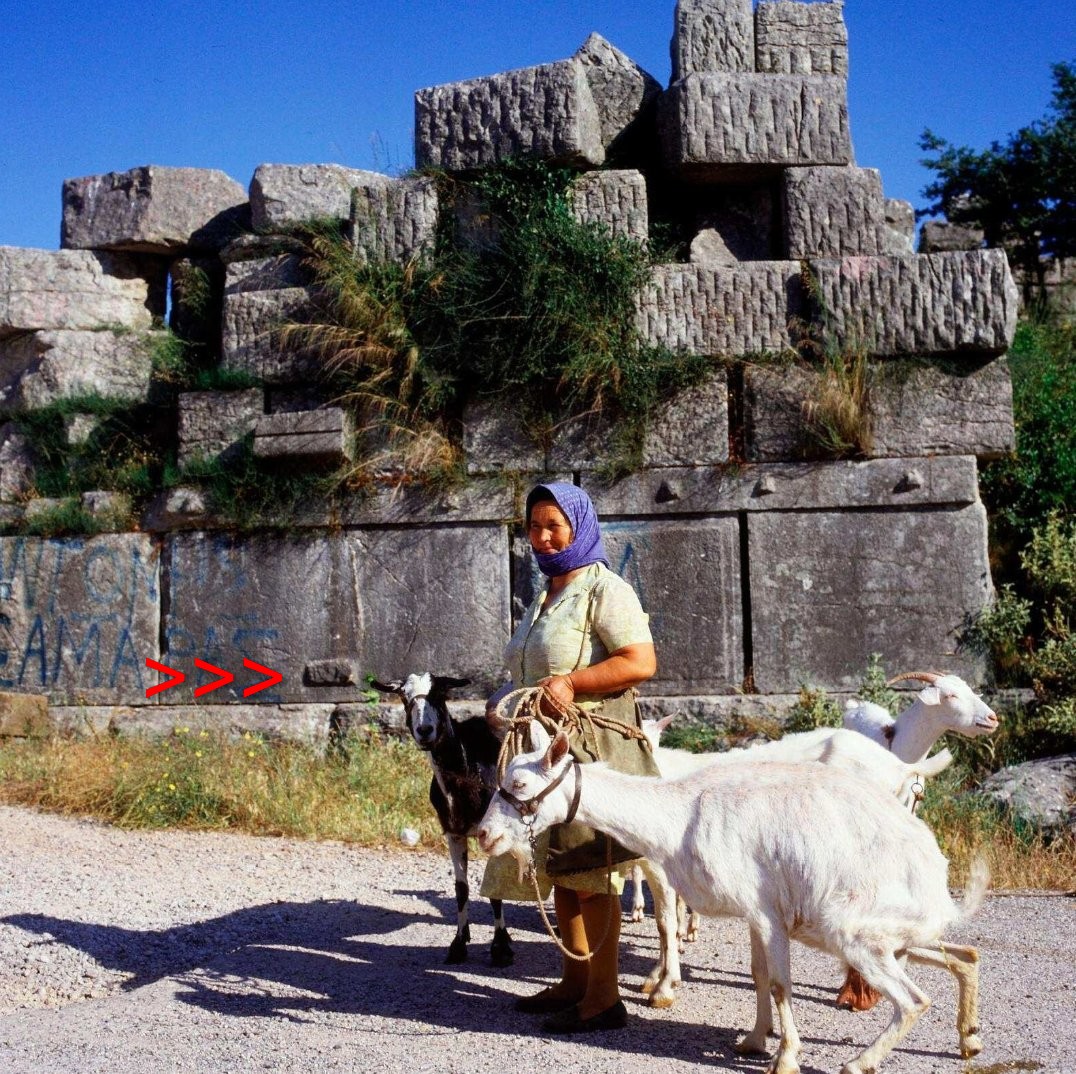

At the Arcadian Gate, entrance to the ancient city of Messene in the Peloponnese, Greece. Said to be 4th century BC.
Photo/ src. Konrad Helbig | Deutsche Fotothek
English
@plastolithic It would stagger and possibly endanger others, e.g. kids. They did it for security reasons, as they couldn't lift them to change their position. Ask for more info from the Incas:)
English

@OurHiddenPast I don't think so. Putting lots of small stones under it is like putting it on ball bearings. A 20-ton block isn't going anywhere during an earthquake.
English
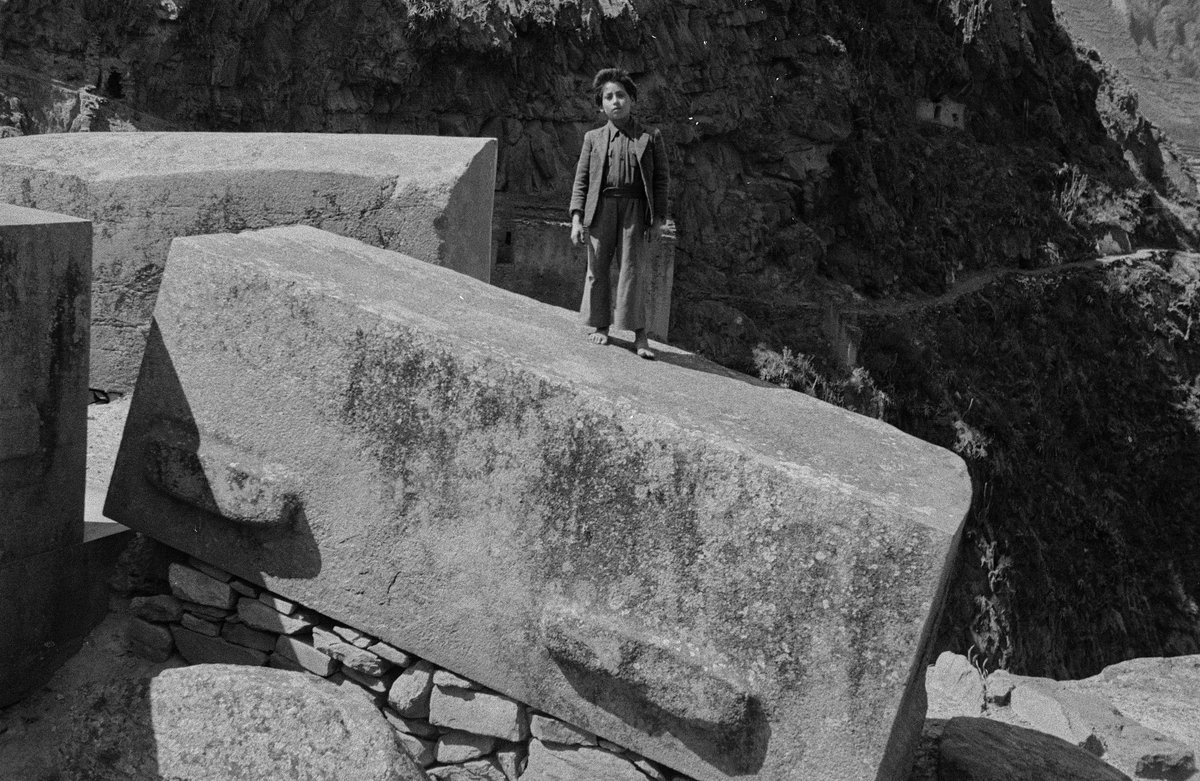
Ollantaytambo, Peru, 1945.
ETH Library Zurich, Image Archive / Hs_0494b-0128-018-013-F/ Photo: A. Heim
English
@plastolithic For stability of the block and during earthquakes. Placed by the Incas
English
@history_rev The rubble underneath some of these OT stones is interesting. I thought that they might have been added in recent times for tourism reasons, but even in the oldest pics they are there. Aside from how they got there, what purpose could they serve? Those huge stones don't need them
English
@Giacomo770 I am sure there are more. We just need to find them and put them in one folder:)
English
@OurHiddenPast Quite similar and also quite far away from Cusco.
English
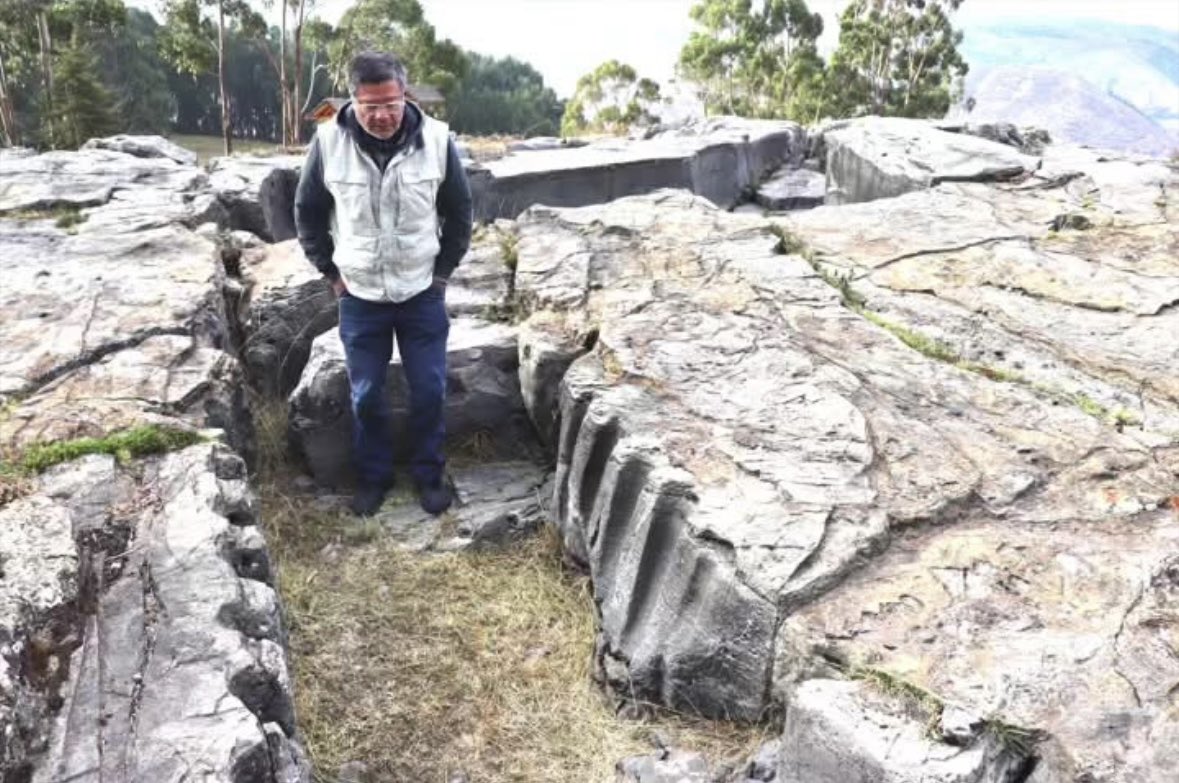
Cusco: I find myself observing these cuts in the stone, which are truly unique. To date, there are no similar ones in any known archaeological site. This is evidence that is either not discussed or, at best, ignored. It does not appear in any technical or academic report. Furthermore, the type of tool used to make these cuts is unknown. The drill bit in the stone is at least half a meter deep, and everything indicates a rotational movement and pressure exerted from top to bottom, but the speed of the tool had to remain constant, and the material could not have been copper or bronze.
Seeing this image, I can affirm that an ANCIENT HIGH TECHNOLOGY did indeed exist.
English

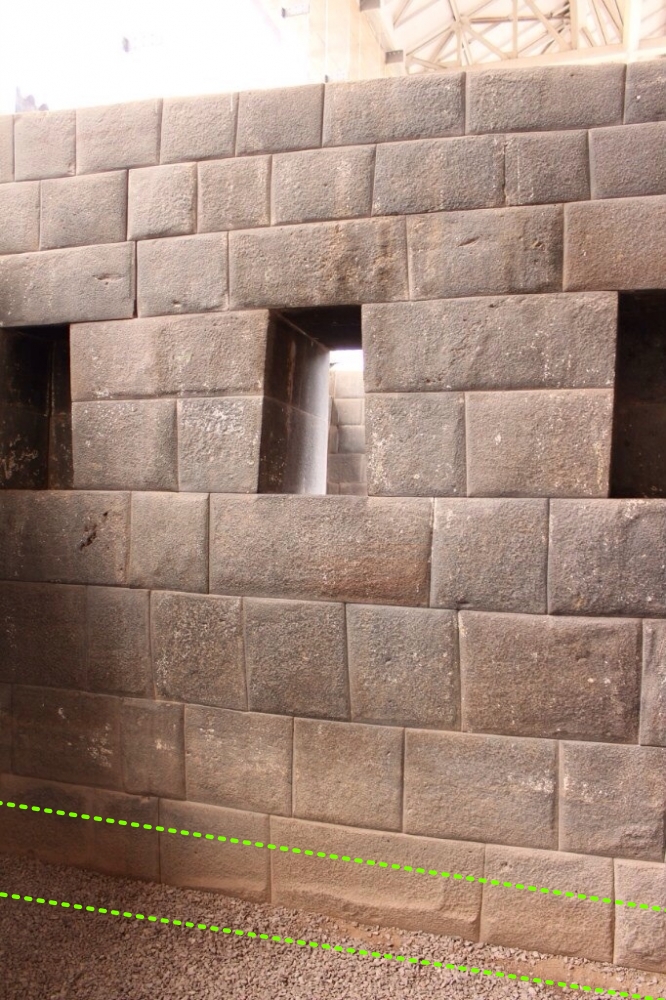
Ollantaytambo, Peru, 1935.
Src. USC Libraries (University of Southern California)


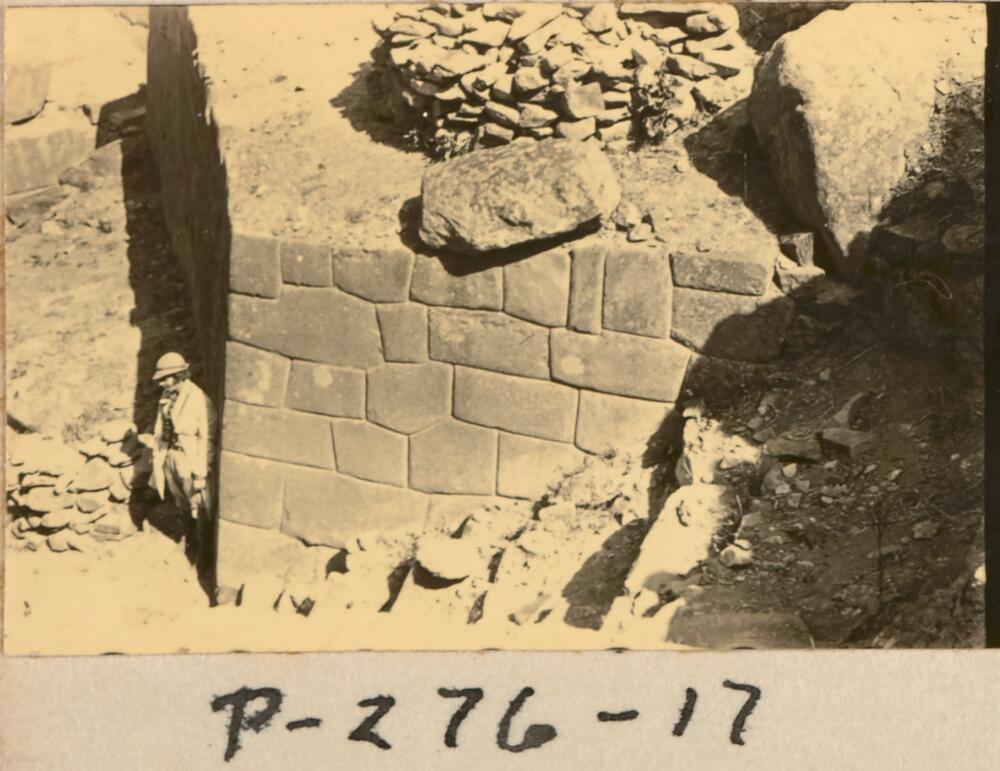

Jeffrey van der Lugt@history_rev
"Fortress of Ollantaytambo," Peru, 1935 July 28. Src. USC Libraries (University of Southern California)
English
@OurHiddenPast Sacsayhuaman - North of the Qocha amphitheatre.
English

@history_rev That's a very valuable source. Great find, Jeff! 🔥
English
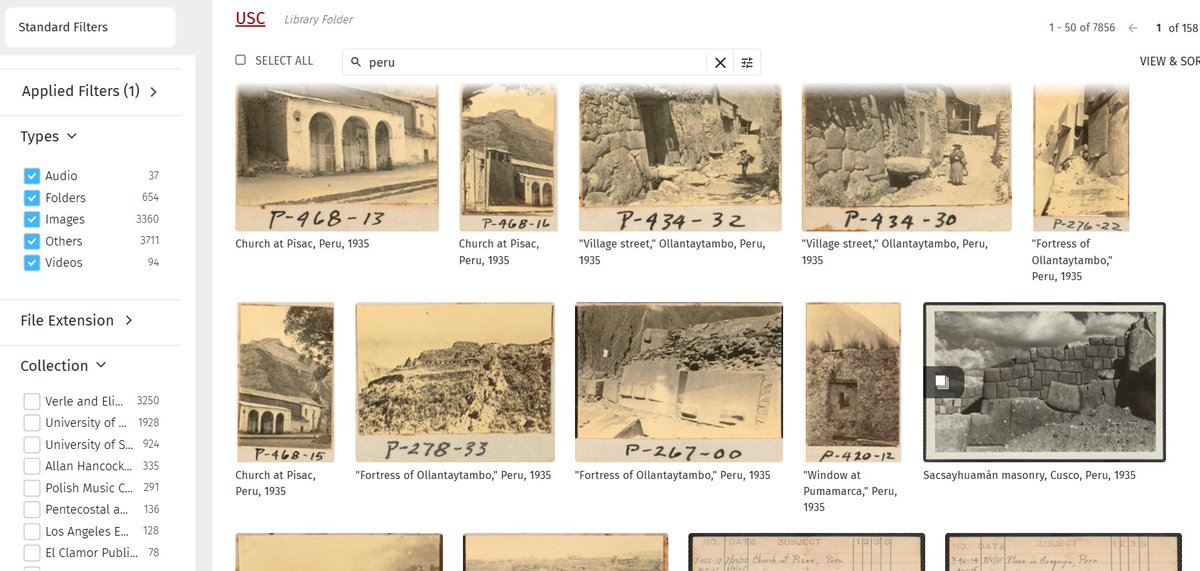
@plastolithic Homepage: impa.usc.edu/?TP=default
Search results for 'Peru': impa.usc.edu/CS.aspx?VP3=Da…
Please let me know if that works.
English
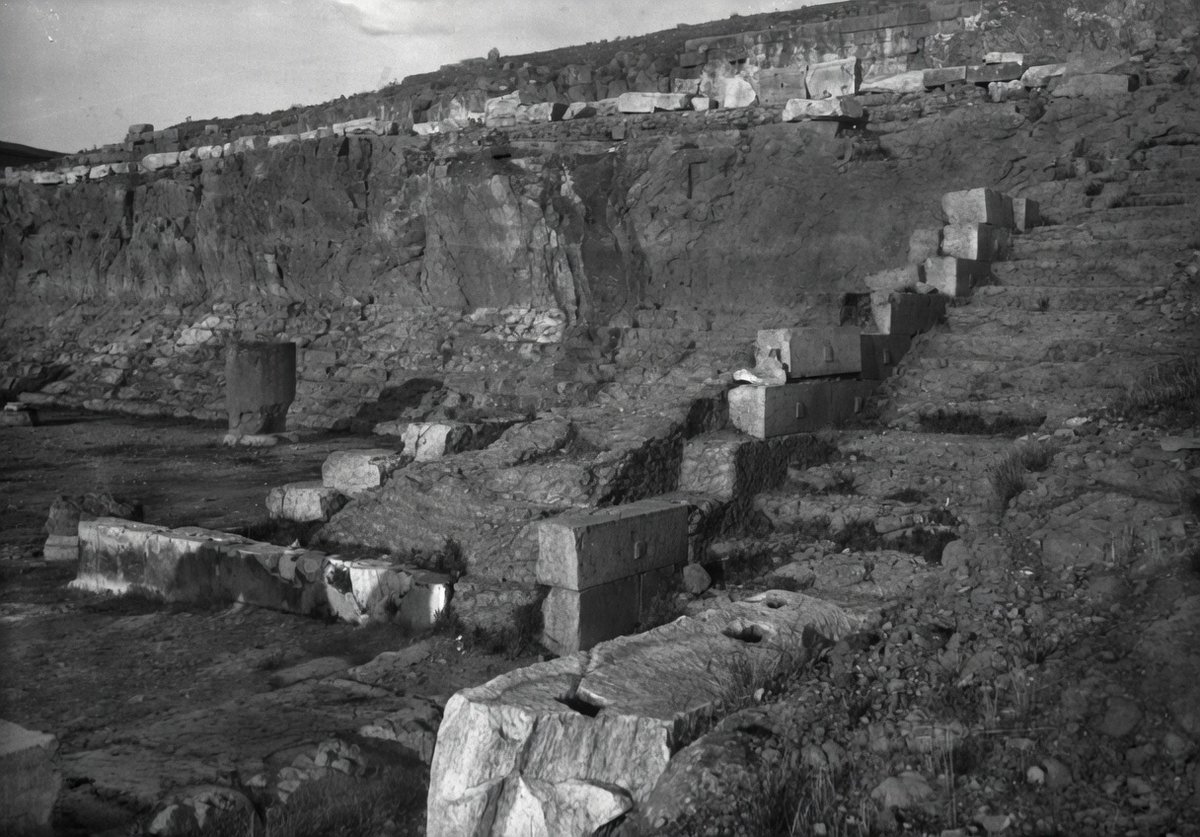

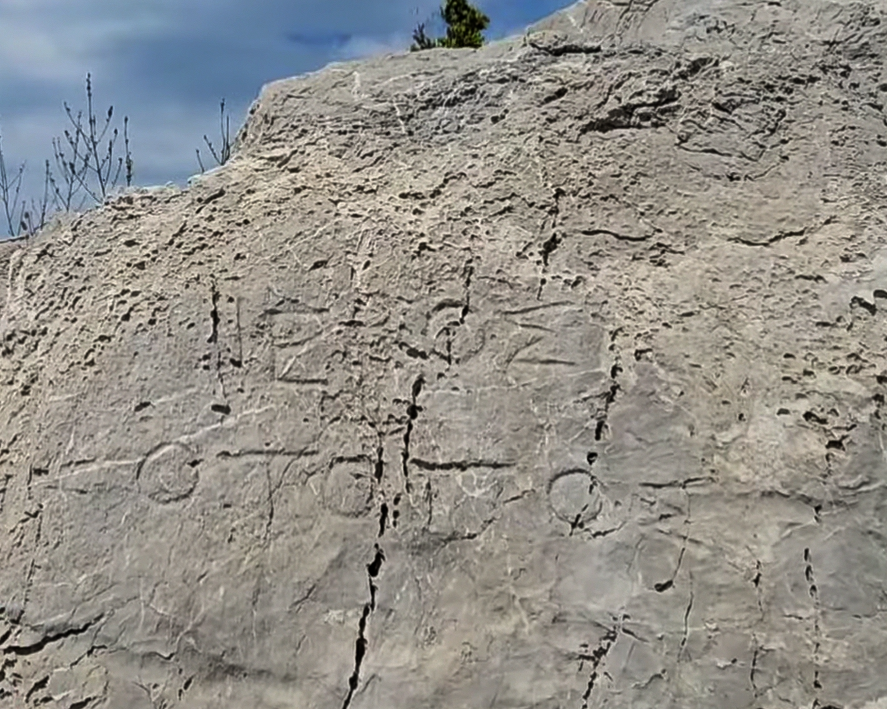
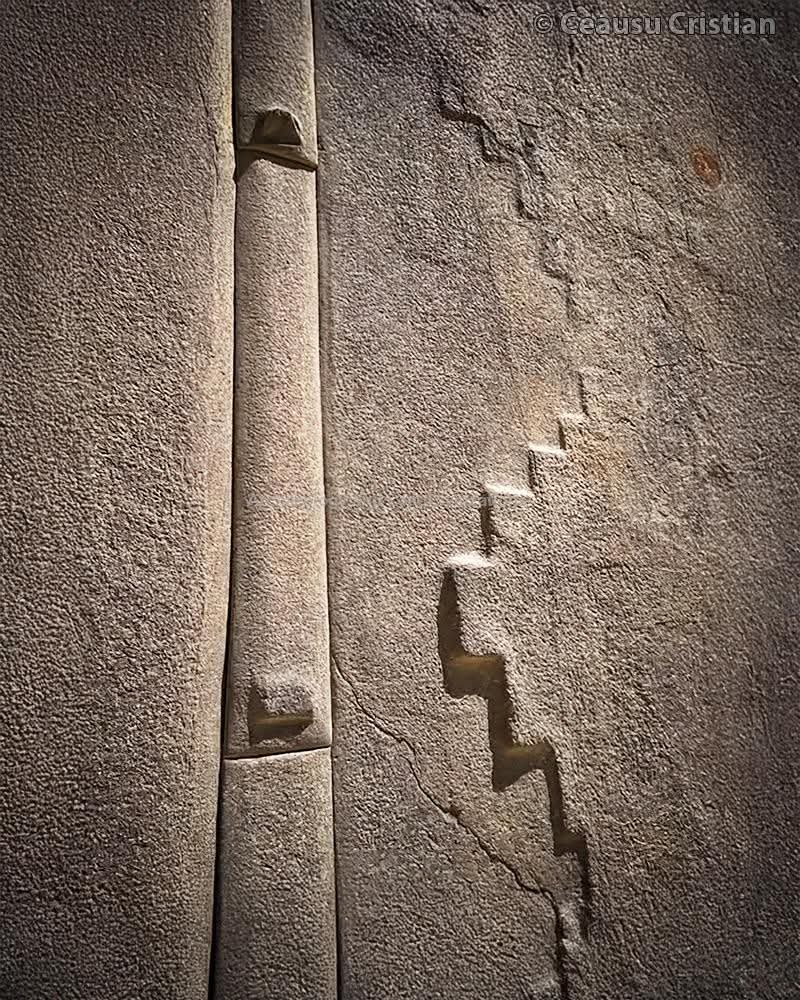
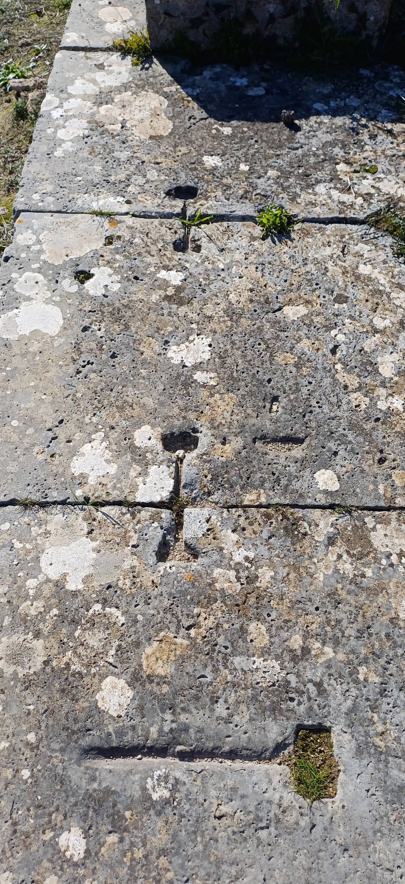
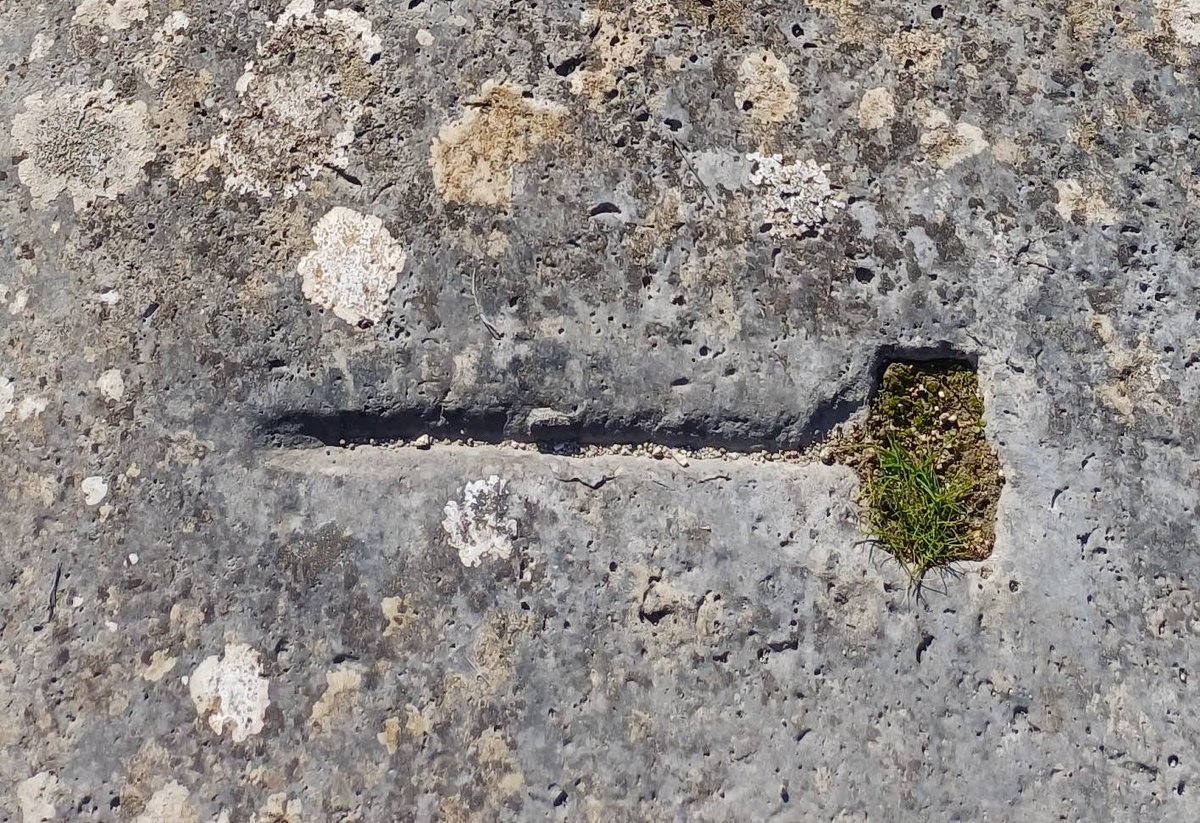
Hmmm...function? See the 2nd photo.
#clamps #keystonecuts
At the archaeological site of Amphiaraeion, Oropos, Greece 🇬🇷
English
@OurHiddenPast @history_rev AI image editing is really good at getting rid of these annoying watermarks and text that people put on their photos 🤠
English
@history_rev Jeff, it is written "not for publication" there 😅 🤭
English
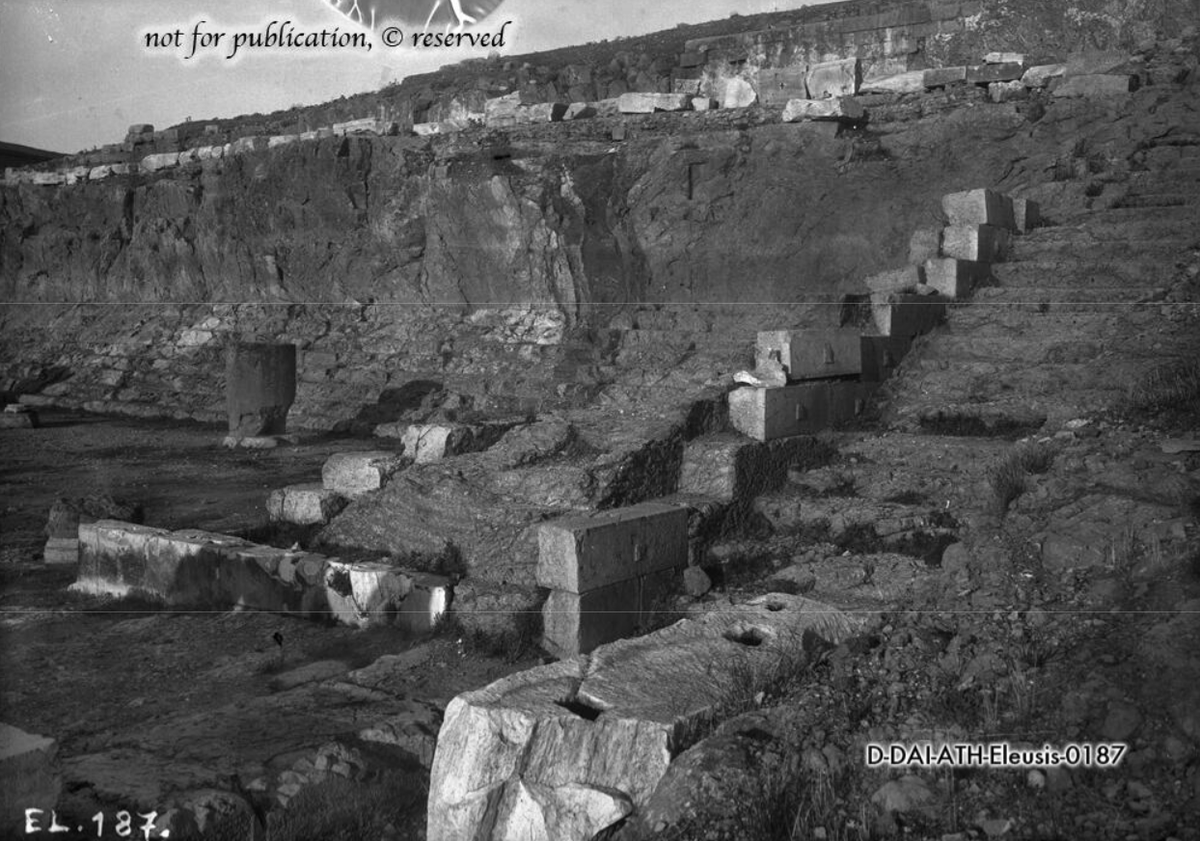
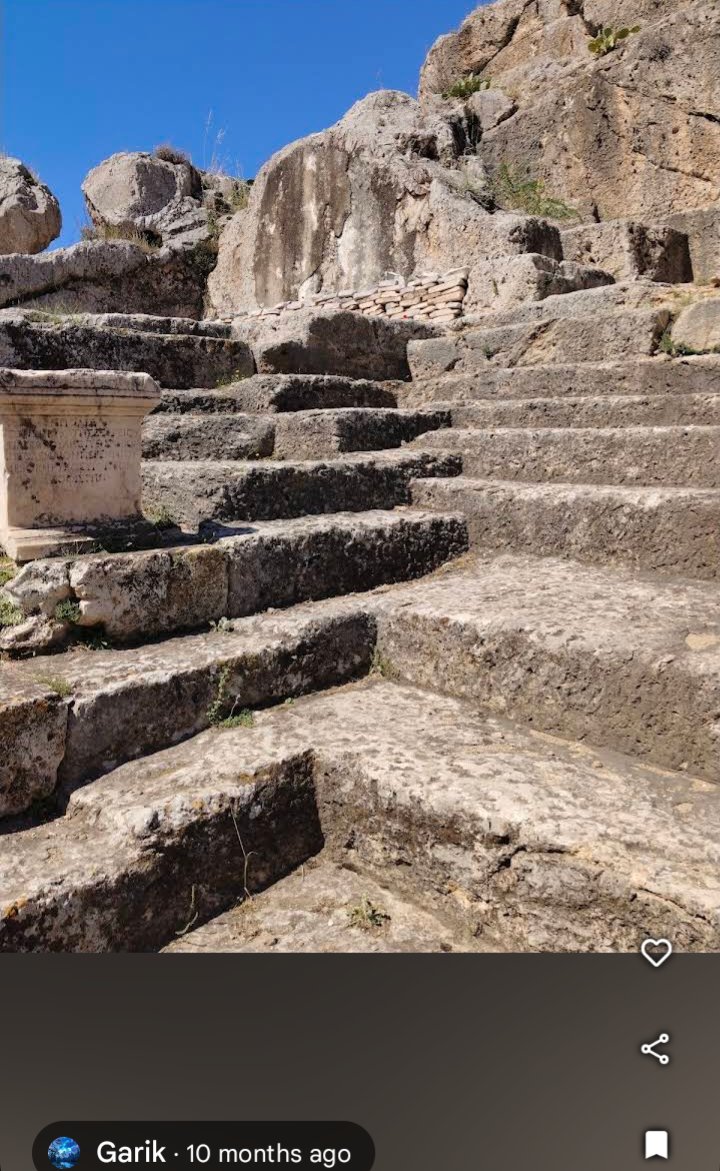
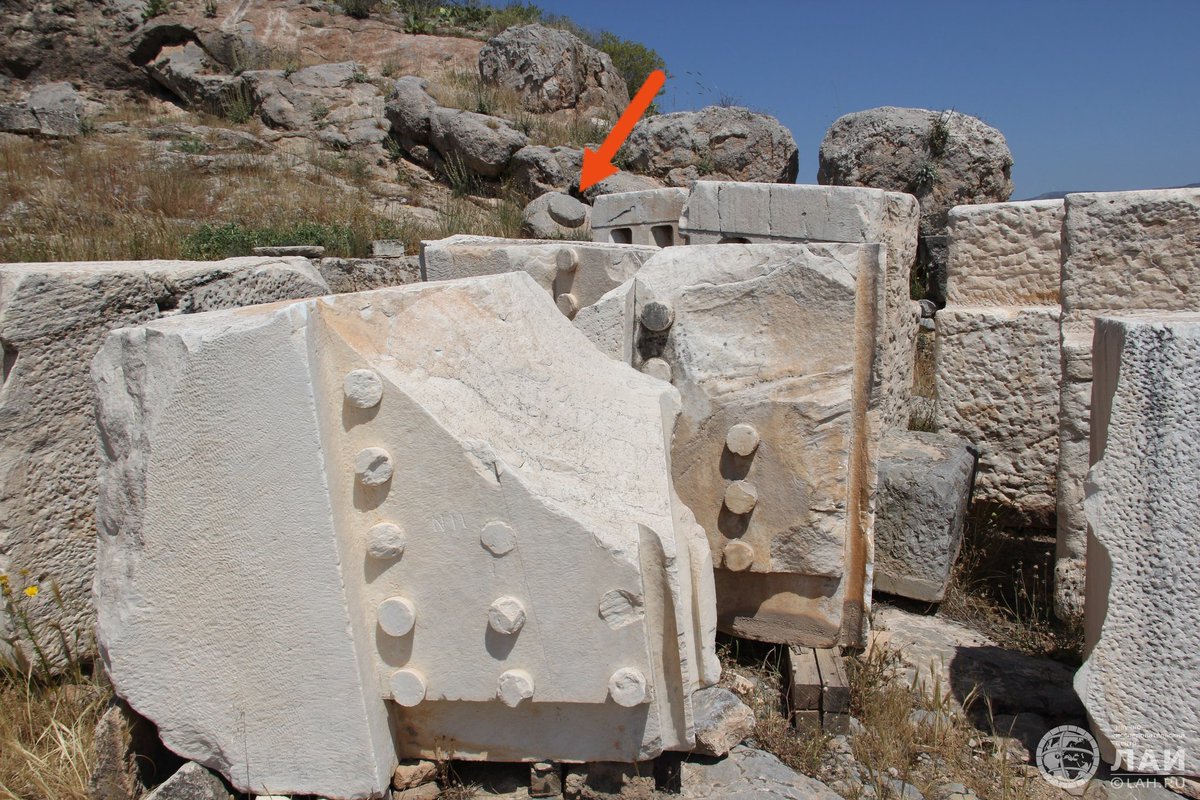
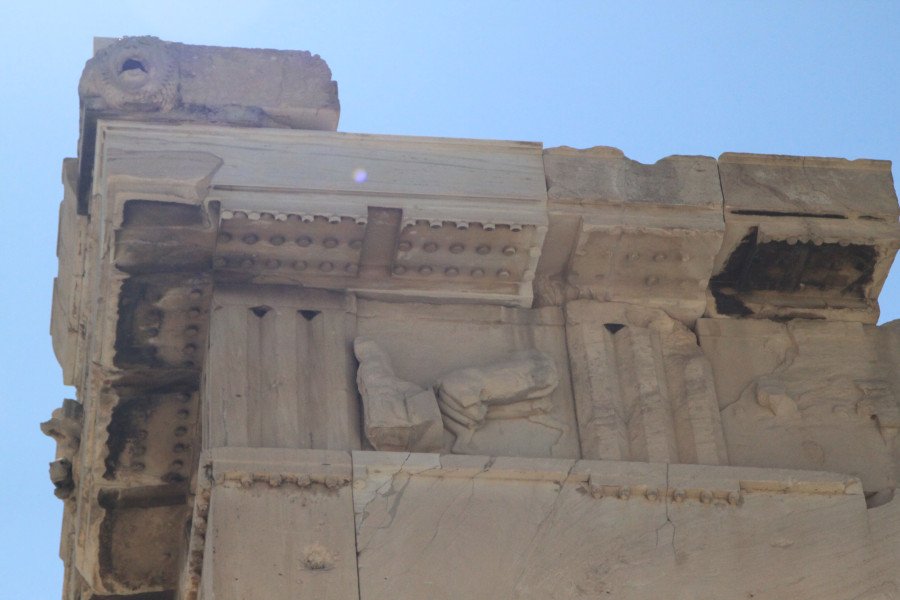
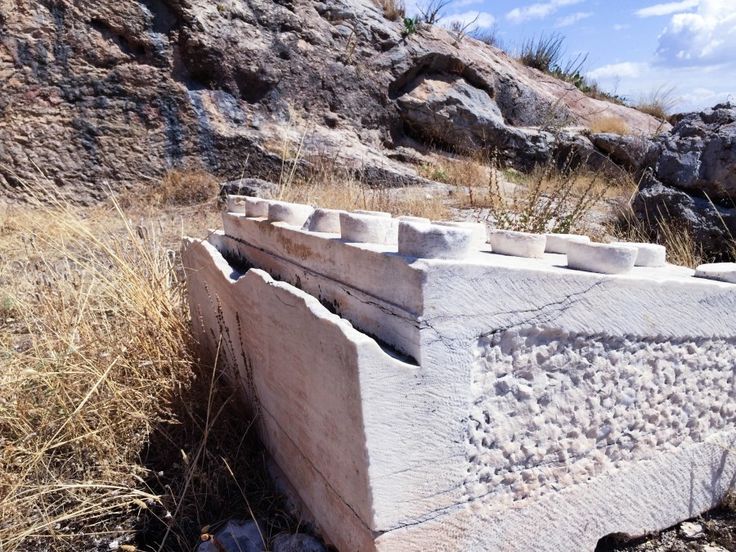
@OurHiddenPast @plastolithic @AHC_Channel Also Eleusis #nubs, at the Telesterion ('great hall/ sanctuary'):
English

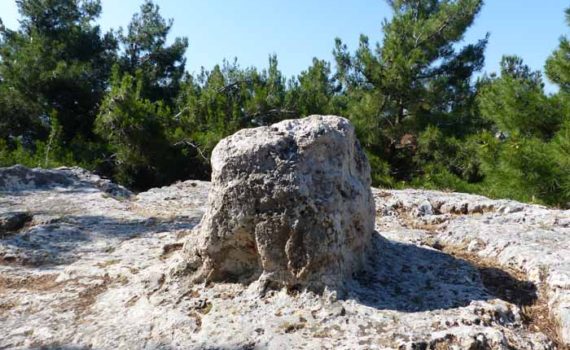
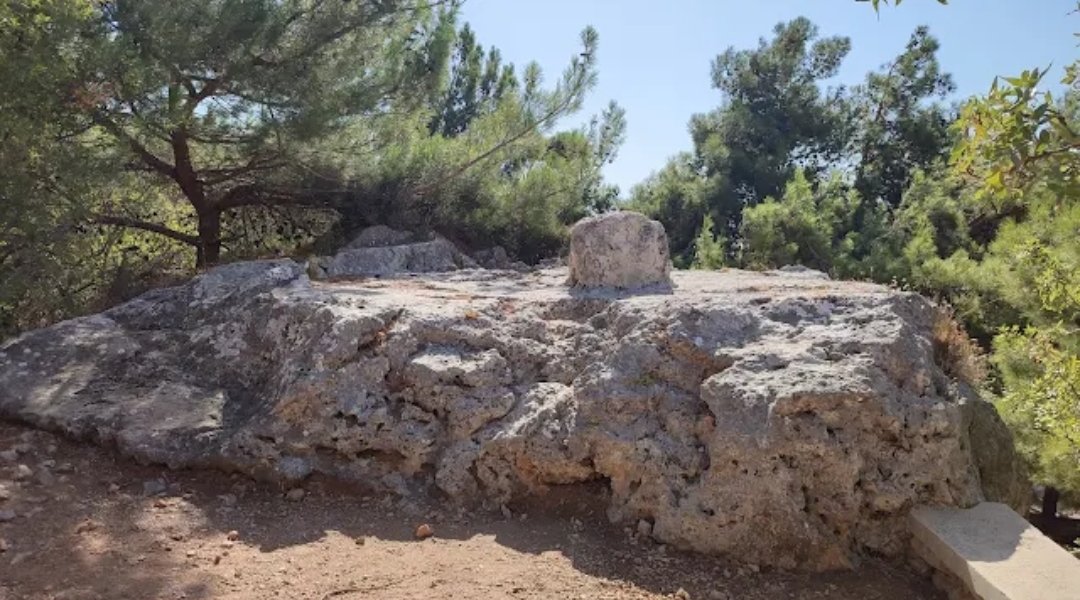
@OurHiddenPast Sure (and next time I will read the thread before replying 😑)
English
@history_rev Haha 😁 If you find another pic of it from your archive, it would be great!:) If not, we'll keep looking 😎
I also found these quite interesting, from the same site
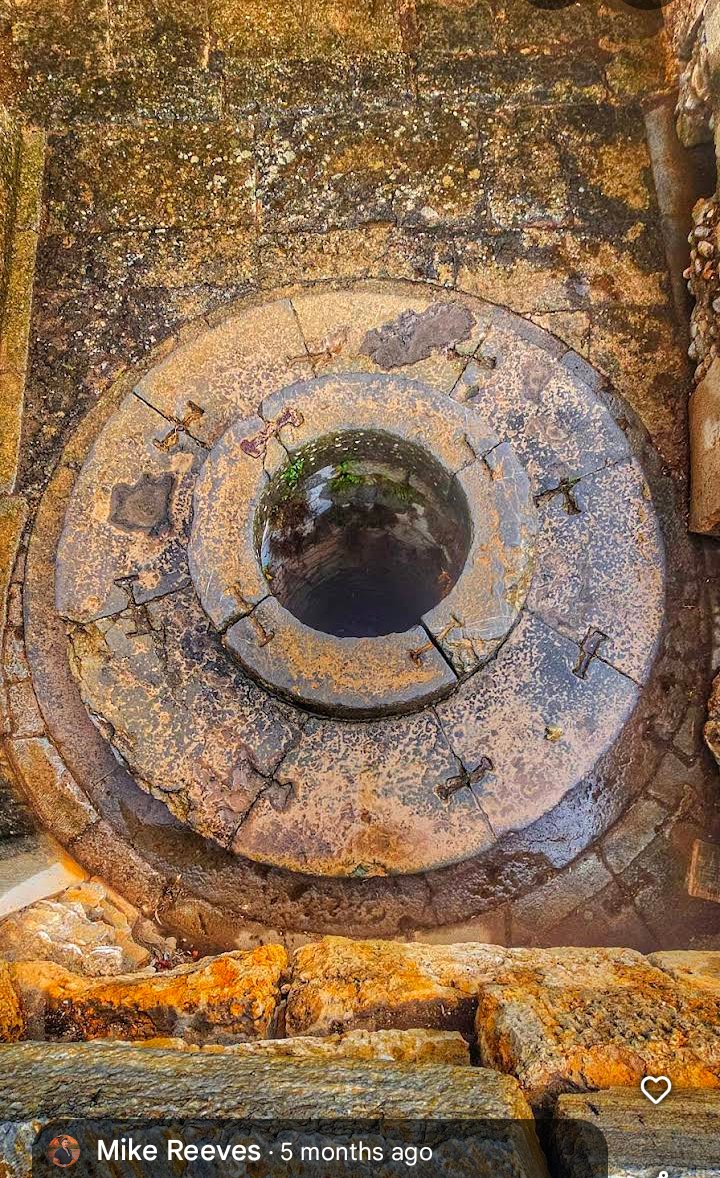

English
@OurHiddenPast @AHC_Channel Oooooh. Should have put my glasses on 🤓
English
@history_rev @AHC_Channel Interesting. But what I meant is this large one that seems to be on bedrock, not on block
English
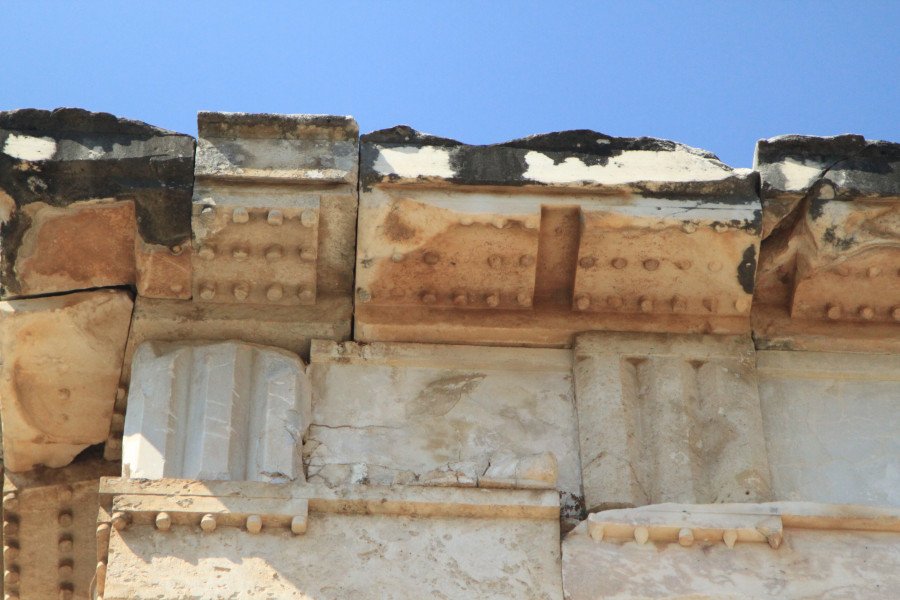

English
@plastolithic @AHC_Channel @history_rev This specific site looks like 2 civiliz. layers. So the button nub could be on bedrock indeed. I couldn't find any other photo of that specific button nub. Maybe Jeff has more
English
@OurHiddenPast @AHC_Channel @history_rev Well spotted! It's a pity we can't see whether it's on bedrock or a block. The color does look a lot like the bedrock though.
English
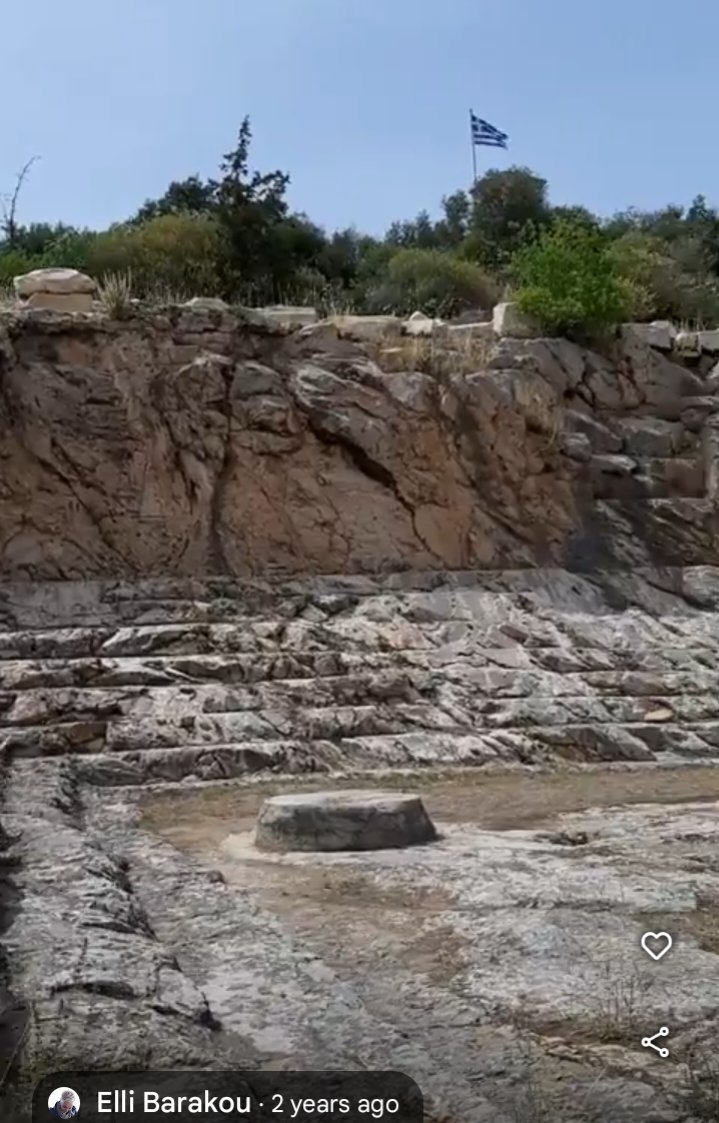
@history_rev Are you kidding me?! I was there... Before I knew about the "nubs" as a hallmark 🤦
English
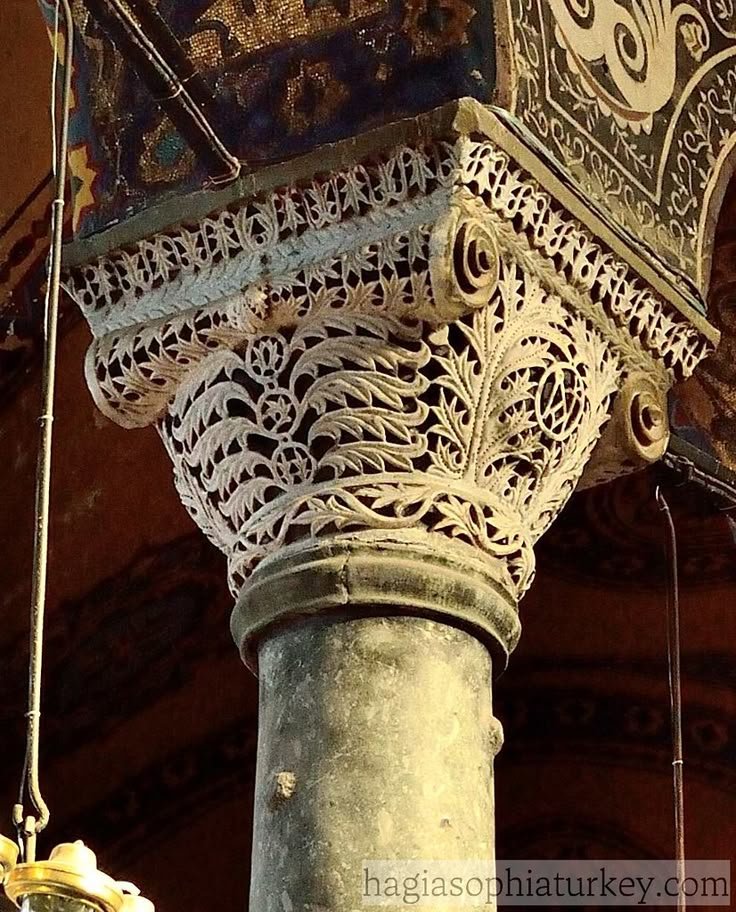
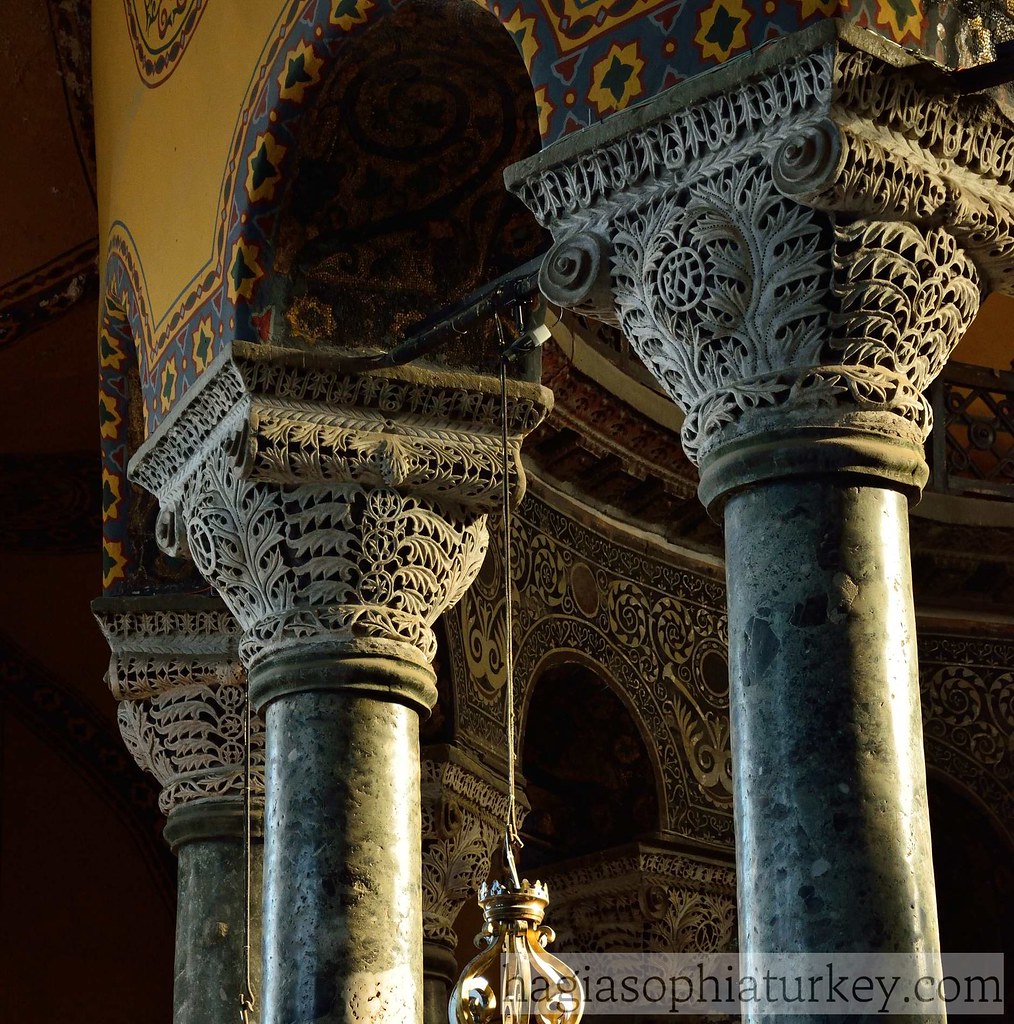
@plastolithic @AHC_Channel Eleusis, Greece. Found another button, there on top. @history_rev did you know about that?

English