

@RHughesPhD76721 Thank you for this post. You and Russell and Brenda are wonderful and kind human beings. I feel privileged to know you on twitter 🙏
English
Rotten Ovaries💙
5.5K posts

@OvariesRotten
Stumbling through the minefield of clear cell ovarian cancer


HE PROTECTED 54,000 DOCTORS. THE @NHS PROTECTED ITSELF. In January 2014, Dr Chris Day (@drcmday) was working overnight in the intensive care unit at Queen Elizabeth Hospital in Woolwich. Two locum doctors didn't show up. The unit was running at double the patient load the national guidelines allow. He raised the alarm. He reported unsafe staffing. He linked the situation to two patient deaths. That's what the NHS calls a whistleblower. What followed was eight years of litigation, a legal battle all the way to the Court of Appeal, and over £700,000 of public money spent by Health Education England (@NHSE_WTE) and Lewisham and Greenwich NHS Trust (@LG_NHS) trying to stop his case being heard at all. Here's the really elegant bit. HEE's opening legal argument wasn't that they'd done nothing wrong. It was that whistleblowing law simply didn't apply to them, because they didn't directly employ junior doctors. They were just the organisation that controlled the career progression of every single one of England's 54,000 junior doctors. Totally different thing. Dr Day fought that argument to the Court of Appeal and won. The law was clarified. All 54,000 junior doctors below consultant grade in England now have statutory whistleblowing protection. One man, crowdfunding against three QCs, changed employment law for an entire profession. No formal apology from the NHS. No reinstatement. No path back to a consultant career. He has worked as a locum A&E doctor ever since, doing overnight shifts while his opponents collected salaries, pensions, and the occasional glowing tribute to NHS transparency. During the 2022 tribunal hearing, the communications director at Lewisham and Greenwich NHS Trust deleted up to 90,000 emails. The director whose entire NHS email archive was also deleted during live litigation happened to be the instructing legal client in the case. The tribunal described the conduct as extraordinary. Nobody was prosecuted. The trust issued a partial apology about a press release. The system did exactly what it always does. It absorbed the cost, deflected accountability, and waited for the man it destroyed to run out of money or energy. He hasn't. Sources: The Guardian | @BBC | BMJ | Westminster Confidential @davidhencke | Protect @WhistleUK | @BylineTimes | @CrowdJustice


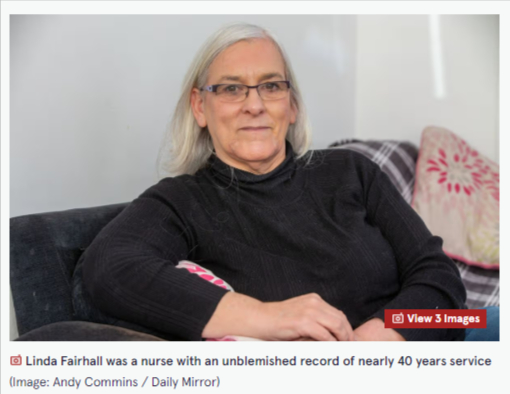
SHE REPORTED AN AVOIDABLE DEATH. THE NHS SPENT 12 YEARS TRYING TO DESTROY HER. Dr Usha Prasad was the only female consultant cardiologist at Epsom and St Helier University NHS Trust (@epsom_sthelier). In 2012 she raised concerns about the avoidable death of a heart patient. A death that was never reported to the coroner or the Care Quality Commission. What happened next is one of the most documented cases of NHS whistleblower abuse in recent memory. The trust compiled 43 complaints against her and sent them to the General Medical Council. Every single one was thrown out. An independent cardiologist from the James Cook Hospital reviewed the cases and found nothing. The GMC exonerated her completely and extended her licence without condition. No restrictions. No caveats. Fit to practise anywhere in the UK. The trust still sacked her. She spent 28 months banned from clinical duty, sitting in an office while the NHS simultaneously complained it was short of cardiologists. She saw 2,000 patients a year before they benched her. Those patients saw nobody. Then the CEO at the time, Daniel Elkeles, put it in writing. He would drop the entire disciplinary process if she dropped her employment tribunal case. The whistleblowing claim, the harassment claim, the discrimination claim. All of it. She refused. So they went for the money instead. The trust, already £35 million in debt and planning to close St Helier's A&E, maternity and children's services, commissioned law firm Capsticks (@CAPSTICKSLLP) to pursue Dr Prasad for £180,000 in costs at a separate tribunal. The normal maximum in the rare cases where costs are awarded at all is £20,000. In 99.95% of employment tribunals, employees never pay their employer's costs at all. Twenty lawyers and paralegals were deployed against her. She had one barrister for part of the hearing and a colleague helping pro bono. The £180,000 claim was eventually cut to £24,000, but only after a judge intervened. The BMA refused to fund her defence, citing insufficient odds of success. The colleagues who worked with her at St George's said they had no concerns about her competence whatsoever and called the trust's response "profoundly vengeful." A trust that cannot report a patient death to the coroner managed to find the resources to pursue the doctor who flagged it across multiple tribunals for over a decade. Reported by @davidhencke | Westminster Confidential