
The Don retweetledi
The Don
4.8K posts
The Don
@Oxion09
Pending....
Somewhere around the world Katılım Mayıs 2011
696 Takip Edilen414 Takipçiler


The Don retweetledi

And so it ends!!!
We get our AFCON campaign off to a winning start. We march on!!
#BafanaPride

English
The Don retweetledi


The Don retweetledi

These days many young people fear pregnancy more than HIV. The generation that sees a baby as a bigger threat than a lifelong virus. Brutal reality of 2025.
English
The Don retweetledi

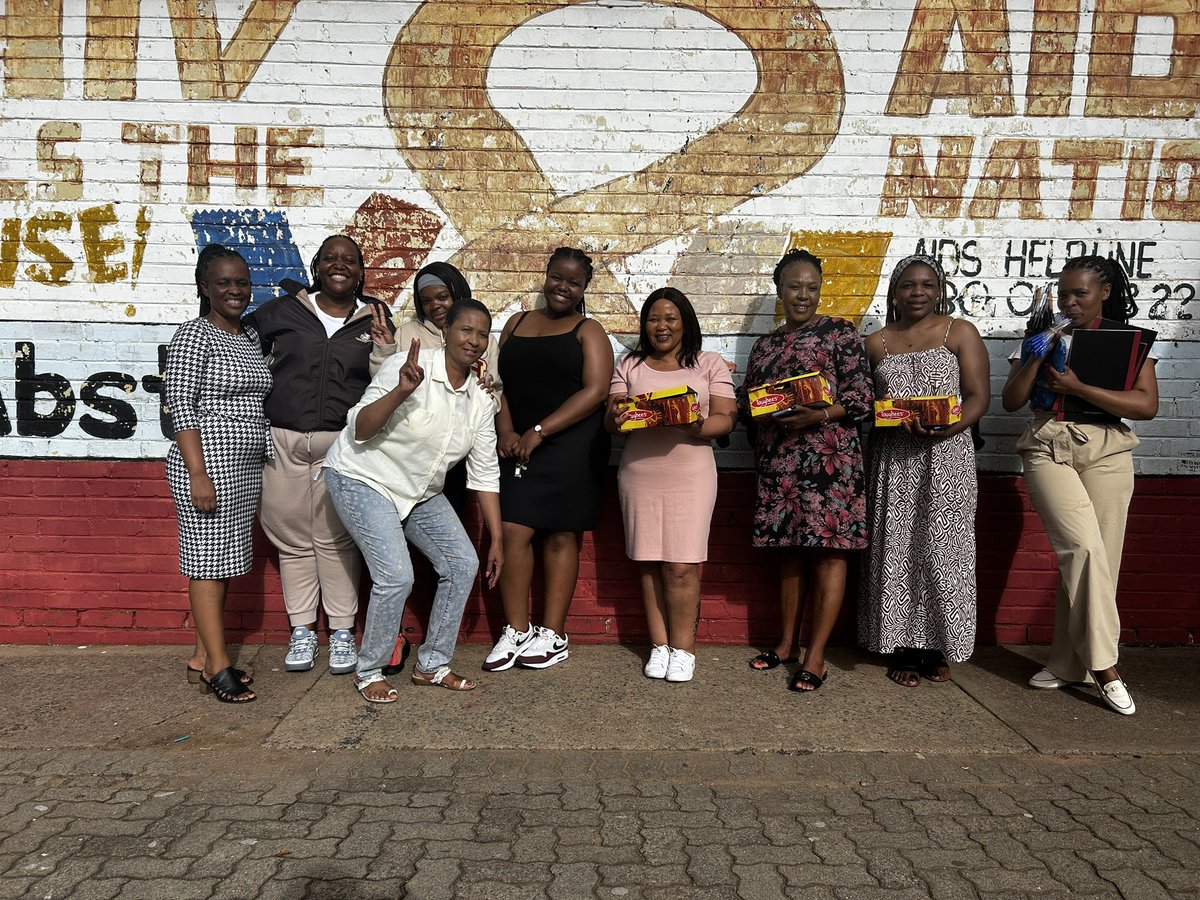
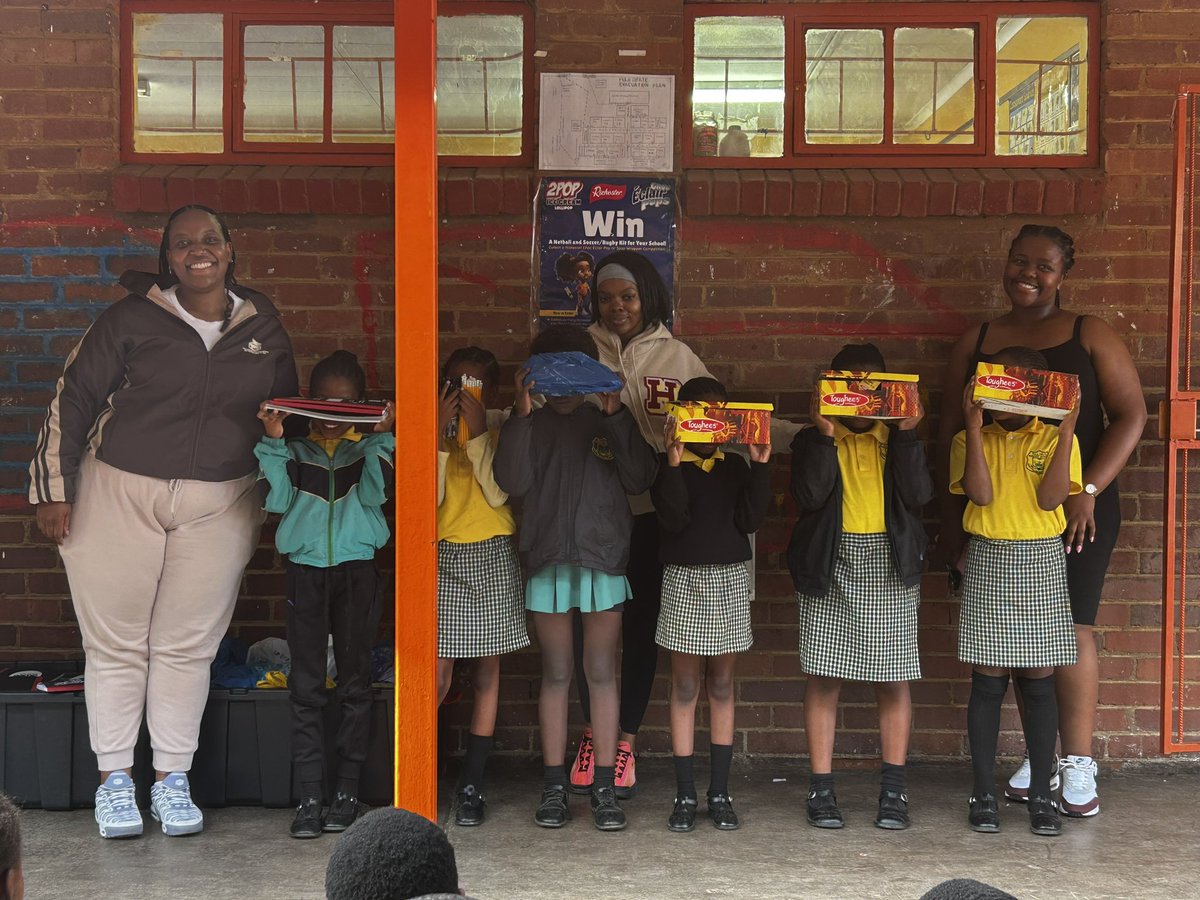
Your support for our #FriendsLikeGiving initiative has really made a big difference 🥹❤️
We delivered the first round of donations to the incredible kids at Pula Difate Primary School. Seeing their smiles and excitement reminded us why we do this —no child should have to worry about something as simple yet essential as school shoes 🙌🏾💙
English
The Don retweetledi

10 K likes and I drop it same day. Share and RT with your friends Lapho #TeamNyovest
Baby chomie Tsao ke #MaMeneMene
English
The Don retweetledi
The Don retweetledi

NOW OPEN: If you are around MIDRAND, WATERFALL, THEMBISA, KEMPTON PARK and in need of Medical Services. Please contact us for an Appointment: 071 530 2294. You can also DM me. We are opposite MALL OF AFRICA.
#Sundowns #Chidinmma #KaizerChiefs #Medicine #Midrand #MOONDANCE

English

A ngwanyana ole o mo chegetseng ko all white a ntshe sengwe nyana plus she married rich.
ZiMoja Lezinto@ZimojaL
Da L.E.S' family needs donations for his medical bills [READ] tinyurl.com/423b3r29
Filipino
The Don retweetledi

We are here!
#unemployment
#UnemployedGraduates #unemployeddoctors2024
#unemployedhealthcareworkers #healthisabasichumanright #healthisarightnotaprivilege
#unemployeddieticians
#unemployedphysiotherapists
#unemployednurses
#Unemployedpharmacists
Pretoria, South Africa 🇿🇦 English
The Don retweetledi
The Don retweetledi

The Don retweetledi
Deceitful page.!
Show us the circulars now
#UnemployedDoctors2024
National Department of Health@HealthZA
Young doctors reject rural employment. Several vacant posts are in rural areas, places that some prefer to sit out for a year rather than venture into unfamiliar territory. This is a yearly problem where some young doctors reject rural placements using a variety of reasons.
English
As part of your Bio you call yourself the “Truth Seeker”, yet your post weighs the same amount of lies just like the post of @HealthZA. Which young doctors are these that don’t want to work at rural areas. Next time do some research before posting
#UnemployedDoctors2024
Vimlesh Rajbansi@VimleshRajbansi
Mmusi, it appears that you may not fully grasp the workings of the system for government-employed doctors. Please refrain from framing this issue solely in the context of elections and the state of govt hospitals. If your concern is valid, are you suggesting that all government-employed doctors should refrain from working? The actual reason provided for the current situation is the rural location of the hospitals and SOME young doctors prefer to sit it out. When these doctors who are opting out of taking positions in rural hospitals applied to study medicine, they were aware of the rigorous commitment involved – six years of schooling, followed by two years of internship and one year of community service, which involves working in government hospitals across the country. Subsequently, they are expected to assume positions as medical officers and progress within the system at government hospitals THROUGHOUT the country. Counting the number of medical school graduates each year who are guaranteed an intern doctor's salary paid for by the government. This budget is massive and yes there are times when there are no intern doctor positions available for graduates. Throughout their employment by govt, doctors receive very competitive salaries and are members of the Government Employees Pension Fund (GEPF), which adds a significant 12/13% contribution to their income and is a defined benefit retirement fund not found in the private sector. Upon graduating in medicine in South Africa, doctors take the Hippocratic Oath, signifying a commitment to equal and fair treatment of all patients. Therefore it is unrealistic when SOME doctors expect special treatment or refuse to work in rural locations. South Africa has 400 government hospitals, each catering to patients in need of medical attention. A doctor who declines a vacant position in a rural area is essentially denying a patient their right to equitable medical treatment because the facility may be understaffed with doctors. However, it is a doctor's democratic choice to sit at home, and for those who do they should not complain until they have exhausted all opportunities to earn an income and serve South African patients equitably.
English
The Don retweetledi

@Lereesky @HealthZA Let me tell you, the @government will put you on a contract if they see you have more than 2yrs exp, tell you straight that they will not offer u a permanent role, but have 6-9 months contracts.... @zizikodwa and @DBE_SA does this, I've been there! #UnemployedDoctors2024
English
The Don retweetledi
#UnemployedDoctors2024 please come gather here, is this nonsense true?... U can't emotionally gaslight this young doctors then come here with nonsense, I have friends who would die for this, y u lying this is not normal 🤯🤯🤯🤯🤯
National Department of Health@HealthZA
Young doctors reject rural employment. Several vacant posts are in rural areas, places that some prefer to sit out for a year rather than venture into unfamiliar territory. This is a yearly problem where some young doctors reject rural placements using a variety of reasons.
English