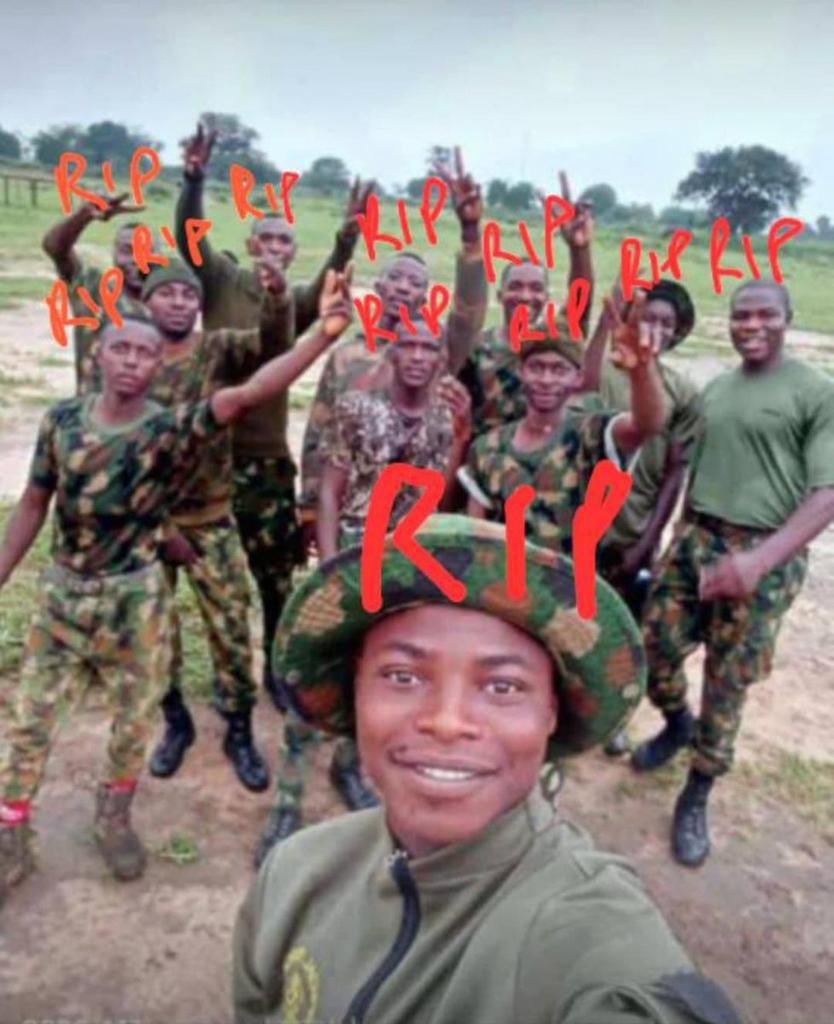
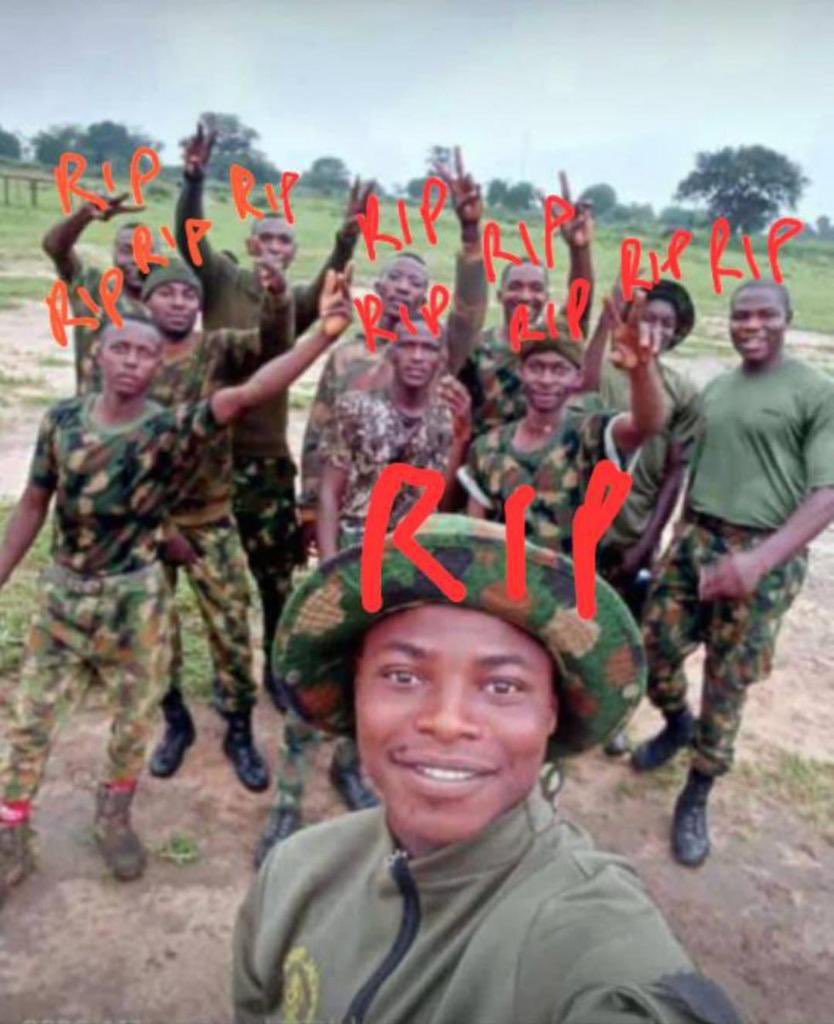
@Somtolism7 These young soldiers died for nothing. I only pity their parents they cuase heart broken 💔 😔
English
Pai Filho
3.9K posts




With gratitude and deep reflection, I made the difficult decision to decline the appointment as Youth Ambassador. This is not out of disrespect - it can be a matter of purpose, timing and conviction.



Soldier assaults TheCable journalist in Lagos A soldier assaulted Olalekan Fakoyejo, assistant business editor with TheCable, over a remark on traffic obstruction around Ikeja in Lagos state. The incident occurred on Saturday, May 2, as Fakoyejo made his way to Ogba from Ikeja inside a tricycle popularly known as ‘Keke Napep’. thecable.ng/soldier-assaul… Cc: @DHQNigeria






Where Justice Mark Chidiebere Crossed the Line By Zagazola Makama The recent arrest and handover of Justice Mark Chidiebere, popularly known as Justice Crack, to the Department of Security Services has sparked predictable debates about free speech, accountability, and the limits of online activism. But beneath the noise lies a more serious issue one that goes beyond blogging and into the sensitive terrain of national security. From available details, the turning point was not mere criticism of the military. Democracies tolerate, and even benefit from, scrutiny of their institutions. The red line appears to have been crossed when private conversations between the blogger and serving soldiers suggested alignment around “change of government.” In any country, that phrase, especially when involving active-duty personnel is not taken lightly. No professional military, whether in Nigeria or elsewhere, would ignore such signals once credible evidence emerges. The Nigerian Army’s response, therefore, should be viewed through that lens. This is an institution that has, in recent months, remained alert to internal and external threats, including failed attempts by rogue elements to destabilise the system. When a civilian is perceived rightly or wrongly to be encouraging disaffection or coercing soldiers within the ranks, it triggers an entirely different category of concern. At that point, it is no longer about opinion, it becomes a question of discipline, cohesion, and national stability. This is where many content creators must draw a hard lesson. The digital space is not a vacuum. Conversations especially with uniformed personnel carry consequences. Amplifying unverified allegations, engaging soldiers in sensitive political discussions, or projecting narratives that could be interpreted as incitement can quickly move from advocacy into dangerous territory. The line is not always visible, but it is very real. There is also the broader issue of responsibility. Too often, fragments of internal grievances are pushed into the public domain without context or verification, feeding a cycle where the military is portrayed only through its shortcomings. While criticism is legitimate, a pattern of reckless amplification erodes public confidence and, more importantly, can embolden hostile actors who thrive on internal discord. If indeed the conversations attributed to Justice Mark Chidiebere reflect attempts to influence serving soldiers toward political ends, then the response by authorities was not just expected; it was inevitable. What we must all know is that freedom of expression does not extend to actions that could undermine the stability of the state. In an era where a single message can travel faster than any bullet, knowing where the line is and choosing not to cross it has never been more important.