

Revilo LSN
603 posts

Trump has a Marty Makary problem. Bad decisions and lots of drama make the FDA commissioner a headache for the president, writes Allysia Finley
on.wsj.com/3OH1LVr
English

@DrMakaryFDA So rich coming from you - denying urgency for huntington disease patients. Your seat is one fire and you know it
English

@mike98572986 @Tim_Corr Counting down the days until I see you repost some headline: MARTY MAKARY SACKED
English

$qure $clpt hat tip @Tim_Corr for sharing
This is great news
Max Bayer@maxonwifi
An @endpts exclusive on the CBER director search, with @ArmstrongDrew: - three to four finalists - Houman Hemmati is one of them, acting director Katherine Szarama is not - decision within 1-2 months - The finalists have management & drug dev experience endpoints.news/fda-search-for…
English
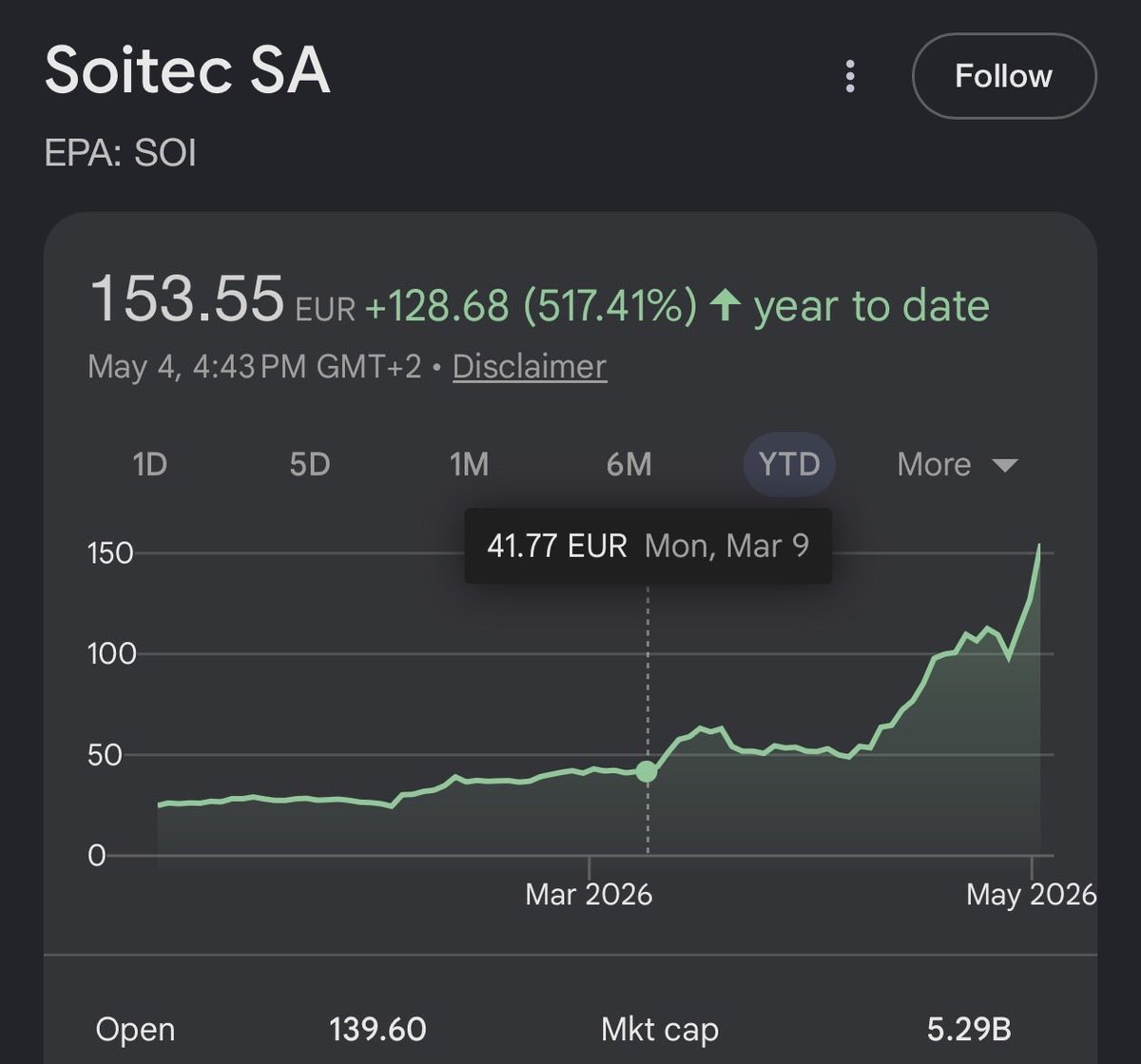
$qure $clpt
Marky Mark getting it from everywhere.
Bloomberg@business
Marty Makary was supposed to be one of President Donald Trump’s more conventional advisers. Instead, tension and controversy have clouded his tenure. Insiders say one more high-profile misstep could put the FDA commissioner’s job at risk. bloomberg.com/news/features/…
English
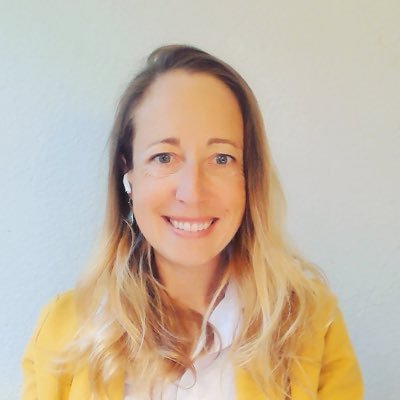
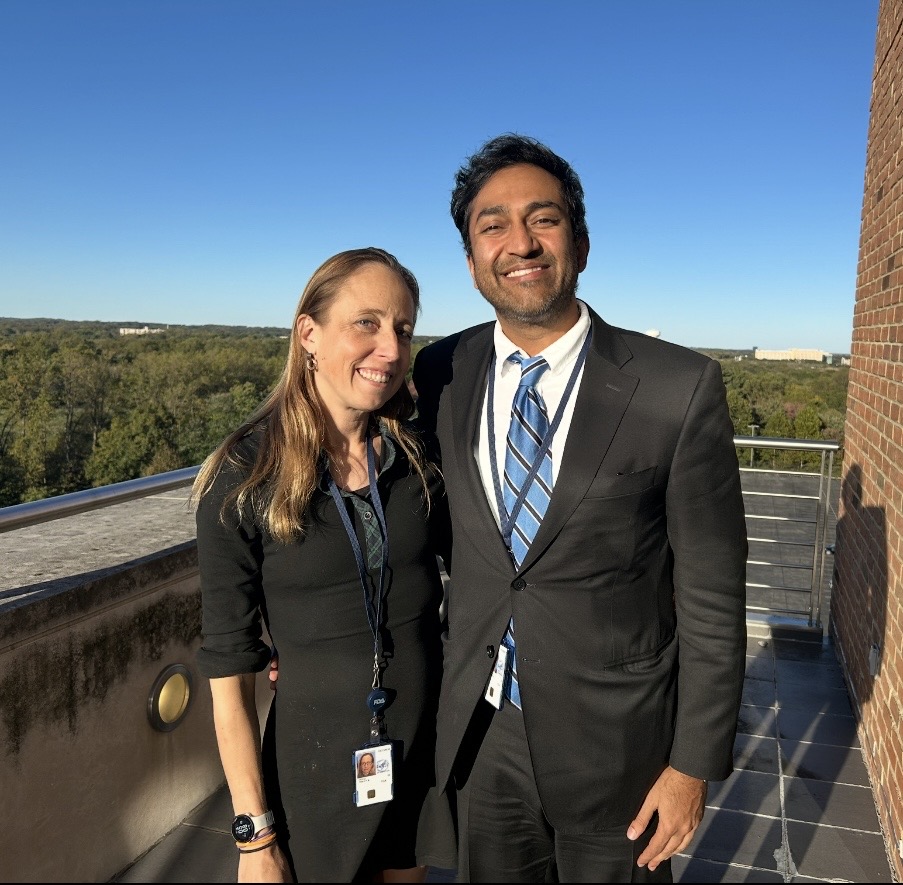
Thursday was Vinay's last official day at the FDA
I'm very grateful I had another chance to work w him over the last year
He is brilliant, hilarious, creative & did transformational work at the FDA
Thanks to him for his service
I look forward to following his future work ☀️
English

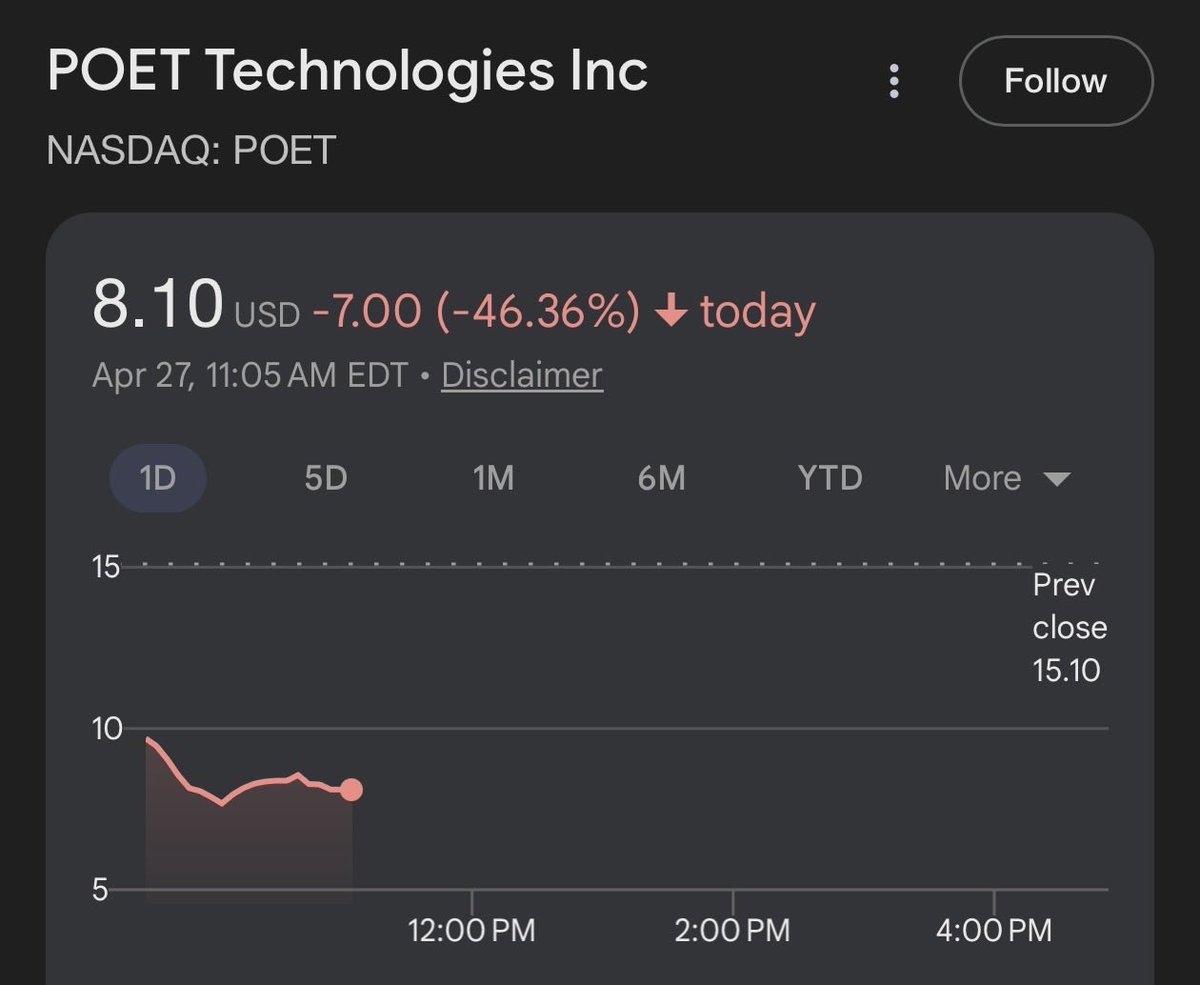
$MRVL cancelled $POET purchase orders after the CFO went out and violated NDA when getting angry.
Ouch to Poet, down -46%, this is why I don’t like companies with single customer concentration risk.
On the bright side for $POET holders they do have $420m cash buffering downside risk and a few other customers (though Marvell was basically the entire Poet bull case story)
It does look like Marvell delayed their own timelines as well by doing this.
That being said, the packaging side is easier to design out for Marvell and they still need to source lasers.
English

F*ck it. This is getting ridiculous! I've just now increased my position in $FIG by 50%.
With design and code merging, it won't matter what the starting point is. Many will prefer creating in the canvas over building in the CLI.
AI will code it in the background regardless.
English
@igahyeong167616 costs a fortune to read those substacks :D you paying this?
English

$qure I urge everyone to take a moment to read this!
Peter Mantas@peter_mantas
Have gotten many questions on AMT-130 and why it SHOULD have been approved on the merits alone. It wasn't, not because the science failed, but because the institution reviewing it had a predetermined answer. I want to lay out the full playbook (biological, policy, and procedural) for why a fatal disease with zero approved disease-modifying therapies should have cleared the bar. For everyone following this (including the new CBER). 1. Biological: Why AMT 130 is categorically different from (it's playing a totally different game from anything else to be developed): botn.bio/p/huntingtons-…
English

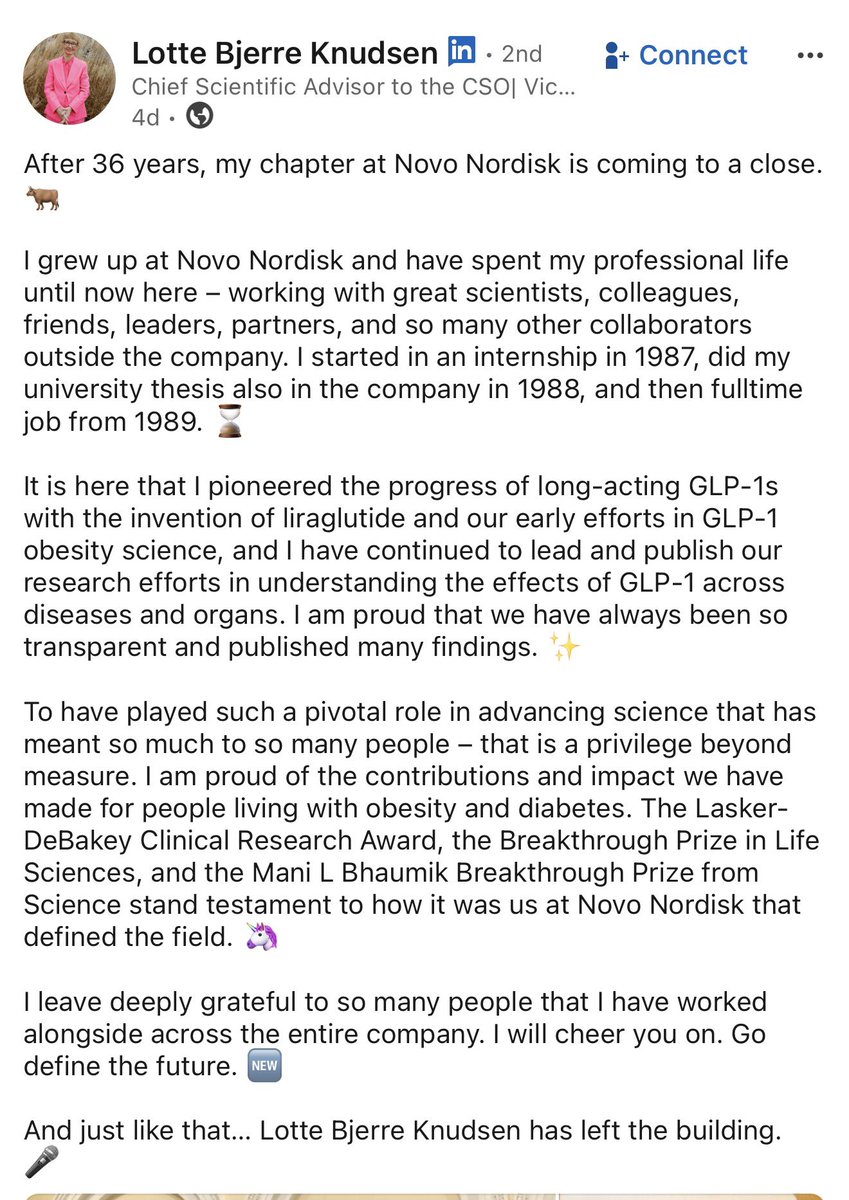
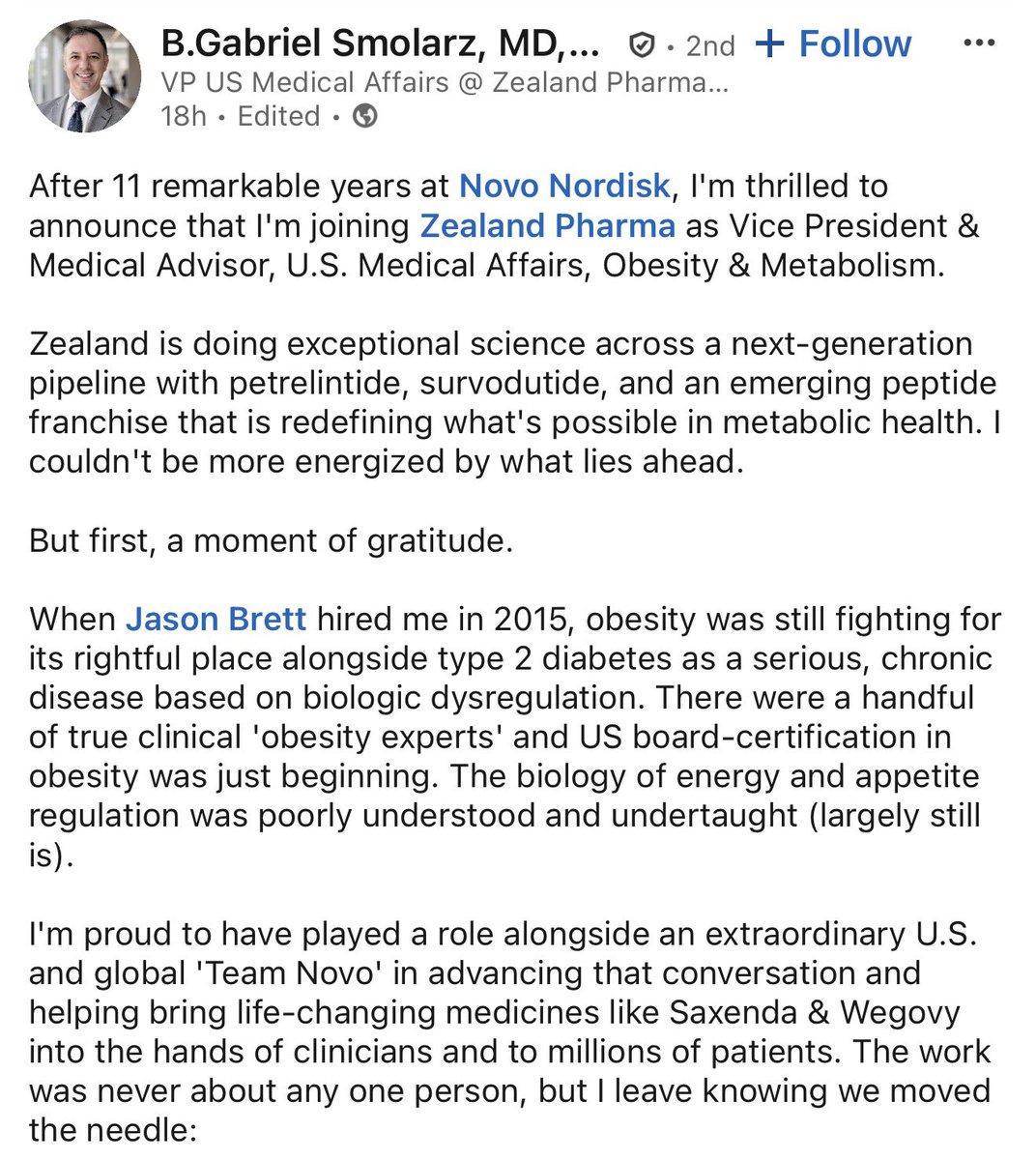
Novo Nordisk has obviously been pruning the vine since their new CEO was installed, but my LinkedIn feed has been littered with what seems like a lot of key individuals leaving the organization.
… This is just a few in the past couple of days. Definitely not a low-level shake up.
$NVO $LLY


English
@DeepValueBagger Bro you triple post everything please staaaph
English

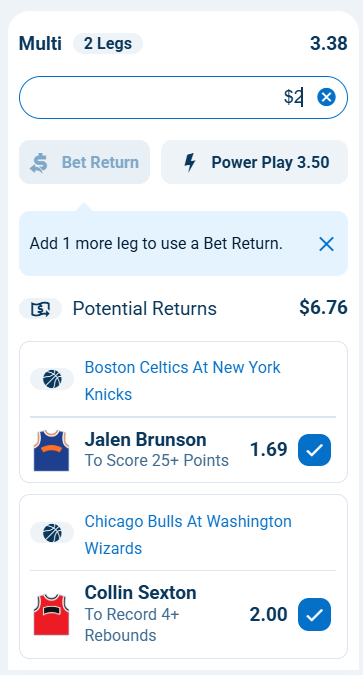
+12 UNITS ON THE LAST SET. 💰📈
Now we go again…
Collin Sexton x Jalen Brunson 🎯
Units below. GL if you’re riding… LET’S BOOM. 💥


English
@RxRegA What are your thoughts on the Arnold ventures saga with prasad and makary then? If you don’t see a problem here, then you are most definitely conflicted
English

@Pacheca12345 I speak for myself. I’m not corrupt. Not true. I evaluate FDA decisions on their merits.
English
Vinay Prasad’s exit from the FDA isn’t the “good riddance” story some media coverage has painted. In the wake of it, there’s real concern among many about what it means that someone with his background and approach to evidence standards wasn’t retained, and many came away from the media coverage of his tenure feeling cynically enlightened by it.
I saw him as a once-in-a-lifetime opportunity for FDA reform that was squandered. This isn’t fawning. I can admire someone and stay analytically grounded. This is about regulatory direction and evidence standards.
I wrote more about this earlier, and I still think it’s worth revisiting.
Jessica Adams@RxRegA
If you’ve been wondering why I can’t let go of the ousting of Vinay Prasad from the FDA, here it is, plain and unvarnished. He was a once in a lifetime hire. Prasad was one of the strongest appointments the agency has ever made, and the FDA should have fought like hell to keep him. That doesn’t mean I agreed with every call. For example, I support advisory committees. But it’s worth noting that advisory committees were already in decline prior to his appointment. Besides, disagreement with one aspect does not negate the whole. The failure to retain Prasad was a consequential mistake; it signals exactly how the agency, the media, and the investor class handle serious challenges to the status quo. And the backdrop makes it worse. Prasad walked into the CBER director’s office after a truly rough stretch in FDA history: overly broad use of COVID vaccines, with related resignations of two top vaccine officials, Paxlovid cheerleading, Elevidys and Aduhelm debacles, and misguided misinformation-policing, among others. This stretch had eroded public trust. He inherited a scarred institution, and the expectation was that he would challenge the status quo and repair the perception of the FDA as acting merely as a rubber stamp. What’s been maddening to watch is the yawning gap between what everyone claims to want, like higher evidence standards, fewer weak approvals, more appropriate use of accelerated approval, and how violently the system recoils the moment someone tries to deliver it. Modest, data driven moves were treated like heresy. The loudest critics rarely engaged the substance; they only amplified an outrage coming squarely from the perspective of pharma and investor interests. A clearer accounting of what actually changed and what didn’t during the time Vinay Prasad was at the FDA is still worth laying out. Accomplishments included the COVID vaccine framework, the Elevidys label narrowing, and proposing to strengthen CBER research and vaccine standards more generally. The Moderna flu vaccine refuse to file decision was an example of using an unconventional approach. It was resolved quickly in a manner that will result in better evidence generation, but with much media fanfare. And worth noting: not all of his accomplishments were around tightening standards. He co-authored significant approaches to introduce regulatory flexibility and support true innovation: formal guidance documents for the new plausible mechanism pathway and Bayesian methodology. Both of these are being praised, but no one is bothered that a key architect on these projects is leaving the FDA? Not to mention the single trial paper. Instead, the public narrative chose to fixate on three leadership overrides, endlessly framed as “chaos” or a break from sacred norms. Conveniently omitted: every single override aligned decisions with the new COVID vaccine framework that Prasad had developed to navigate uncertainty without rubber stamping. Approval volume stayed roughly in line with historical norms. Rare disease decisions weren’t some override spree; they were part of long running debates over accelerated approval pathways that predate Prasad by years. Reasonable people can quarrel over individual calls. What’s indefensible is pretending the record was defined by recklessness rather than a short, intense effort to tighten standards in an agency long accused of being too cozy with industry. ...
English
@kyawzazaw @MichaelAlbertMD @BevTchangMD Having to eat pills on an empty stomach is insanely common. Sounds like you don’t have a clue
English

@Pacheca12345 @MichaelAlbertMD @BevTchangMD How tf would you know if it is a big deal or not? There are people who skip on actual life saving meds becoz of restrictions associated with meds
English

🚨 FDA just approved Foundayo™ (orforglipron) — Lilly's once-daily oral GLP-1 for obesity.
The headline: 12.4% average body weight reduction at the highest dose over 72 weeks in ATTAIN-1.
That's −27 lbs for completers vs. −2.2 lbs on placebo.
What makes this different from oral semaglutide: no fasting window, no water restrictions, any time of day. For real-world adherence, that's a bigger deal than it sounds.
Self-pay starts at $149/mo — a fraction of injectable GLP-1 costs. Commercial insurance as low as $25/mo.
Fewer than 1 in 10 people who qualify for a GLP-1 are on one. An oral option with no dosing restrictions and an accessible price point could genuinely move that number.
Caveat worth noting: no cardiovascular outcomes trial data yet. The CV risk markers improved, but surrogate endpoints aren't SELECT. We're watching for that.
More tools. More access. That's a win for patients.

English
@MichaelAlbertMD @BevTchangMD Sure you can have an opinion, it can still be generally wrong
English
@Pacheca12345 @BevTchangMD Thanks I'm allowed to have an opinion, especially as I'm the only one talking to patients between the two of us. 😉
English