Euskara
Pamela Contreras Chavez
3.3K posts

@PamChMD
Assistant Professor of Hematology 🇵🇪 #IMG #ClassicalHeme🥰 #GlobOnc #MedEd #HemOnc #StoptheClot #WomenInMedicine #Trujillana #LatinaWomeninHeme #hemefan🩸
🎙️ New ISTH Pulse Podcast Episode: What does it take to turn fundamental science into real advances in patient care? Our host sits down with Marie Hollenhorst to discuss her path into thrombosis and hemostasis research. Listen: soundcloud.com/isth_thepulse/…
🔴El Dr. Mariano Barbacid y su equipo, financiados por #CRISContraelCáncer, han logrado curar el cáncer de páncreas en ratones, de forma duradera y sin efectos secundarios. Pero necesitamos tu ayuda para que esto sea una realidad en pacientes. DONA AQUÍ👉ow.ly/b5cA50Y6Ou7










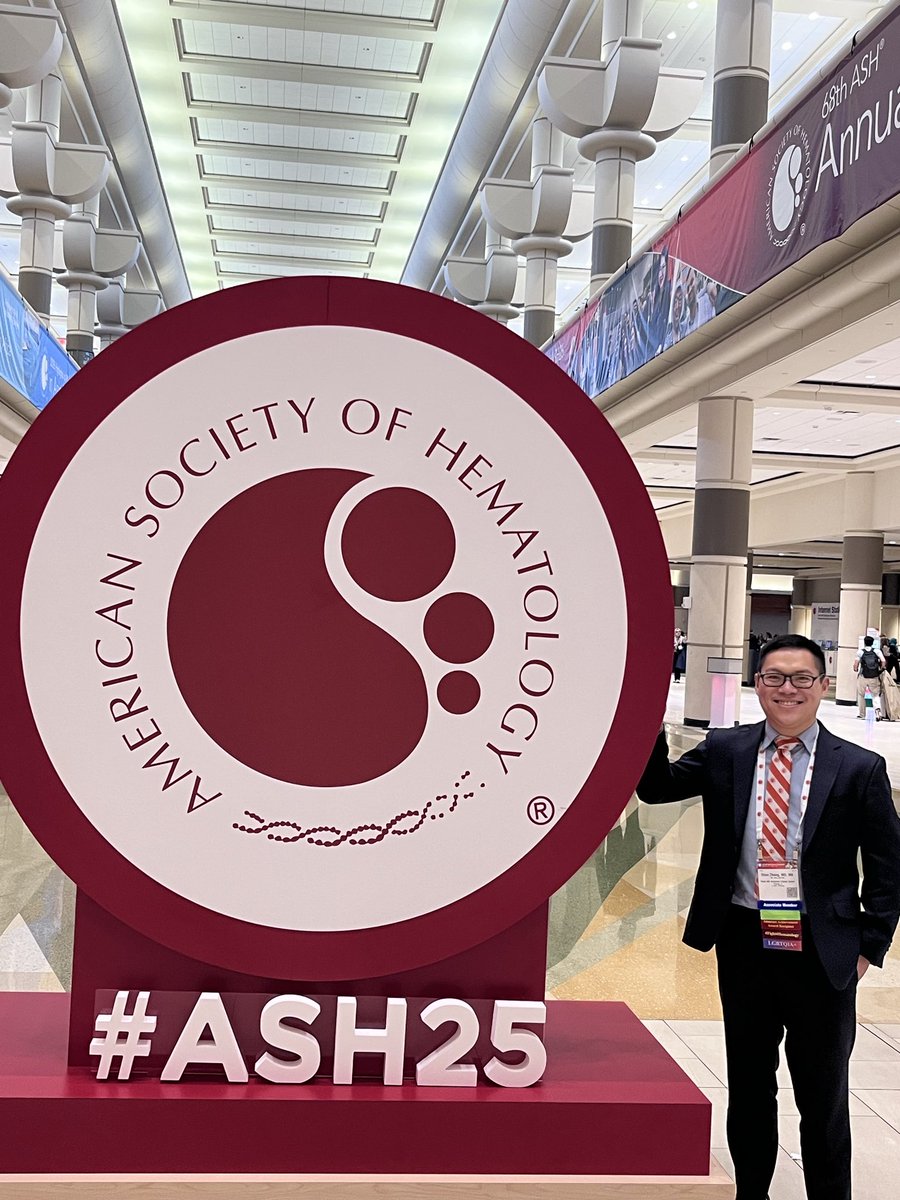


My 12-Step Thrombocytopenia Workup 🧵 (Not Medical Advice) 1. Review baseline counts first. Rule out pseudothrombocytopenia. 2. Evaluate for critical conditions: TTP, HIT, or DIC? • Assess heparin exposure - Calculate 4T score. • Peripheral smear for schistocytes. • Check LDH/Haptoglobin/Bilirubin, PT/aPTT/Fibrinogen. 3. Assess for acute leukemia or bone marrow involvement? • Examine peripheral smear for abnormal/neoplastic cells. • Consider imaging if clinically indicated. • Do we need a bone marrow exam? 4. Active life-threatening bleeding? Do we need a platelet transfusion? 5. Review drug-induced thrombocytopenia. Always consult latest literature for implicated medications. 6. Investigate secondary causes: • Nutritional deficiencies: B12, Folate, Copper, Zinc. • Infections: HIV, Hepatitis, CMV, EBV, HSV (clinically guided). • Sepsis leading to DIC. • Endocrine disorders: TSH, Free T4. 7. Review imaging for cirrhosis/splenomegaly. If inconclusive, obtain abdominal ultrasound. 8. Consider mechanical causes: Dialysis/ECMO/IABP/cardiopulmonary bypass/artificial heart valve? 9. Evaluate pregnancy-related disorders: HELLP, AFLP, gestational thrombocytopenia. 10. Assess for autoimmune conditions if clinically warranted. Consider SLE and other rheumatological diseases. 11. Consider rare but serious differentials: • CAPS, other TMA causes, PNH • Post-transfusion purpura, HLH • Pursue only with appropriate clinical suspicion 12. If no clear etiology identified, consider ITP as diagnosis of exclusion. 📋 Key Clinical Considerations: • Critically ill patients frequently have multifactorial thrombocytopenia [A combination of some of the above]. • Primary HLH presenting de novo in adults is exceedingly rare. • Thrombocytopenia with thrombosis: Consider DIC, TTP, HIT, PNH, or VITT. [Image AI Generated] #Hematology #MedTwitter
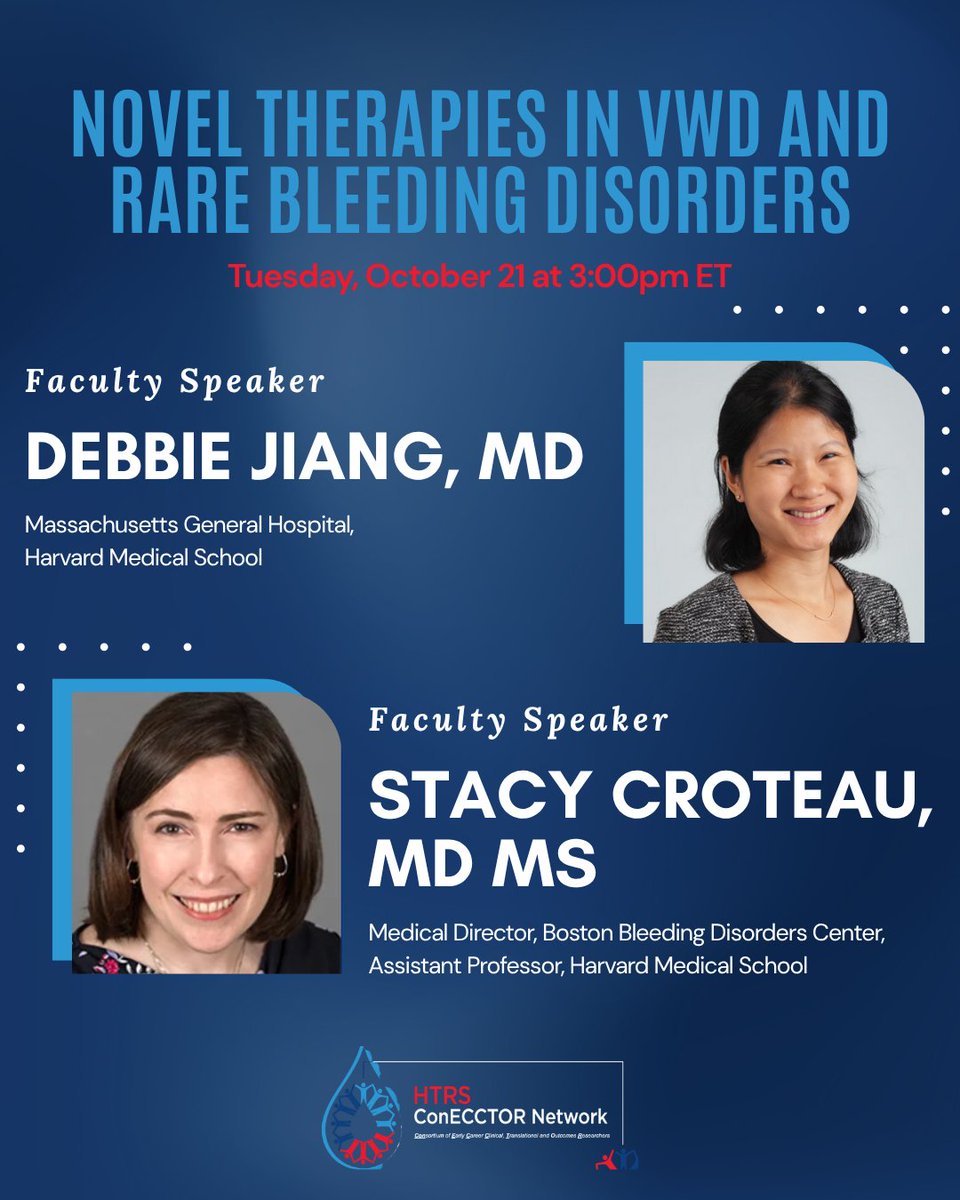
Add this session to your ASH schedule 📅 on Monday 8th December at 12:30pm at #ASH2025 Very excited to chair this session with amazing colleagues from across Latin America to discuss advances and challenges in leukemia. Looking forward to an inspiring conversation! 🇲🇽🇧🇷🇦🇷🇨🇱🇨🇴🇵🇪




ASH notification are out! So excited to share my poster acceptance for #ASH2025 Early mortality in AML, determinants in Latin American Cancer Center 🇵🇪 @ASH_hematology @BloodPortfolio
I hear about this. This is not uncommon and it bothers me: Patient has cancer which is getting worse and causing pain Waits days for doctors appointment See the doctor. Scans ordered. But now waits days for an appointment slot to get the scans Scan is done and shows the cancer has worsened. Doctor prescribes new treatment Waits for days as insurance denies new treatment. Peer to peer call needed. Finally, treatment is approved. Waits for days again because chemotherapy appointments are backed up. Finally, the patient receives the treatment. But a month has passed. The cancer has progressed more. All of this with good private insurance. Imagine without. Oncology has advanced rapidly. Our medicines are very specialized. They require a lot of time, expertise, resources. Oncologists are stretched thin. It’s not the type of work that you can easily fill without compromising care. Many patients receive complex chemo and when there is a complication they end up without access to specialized care. We need to expand the oncology work force and limit the burnout that is causing good oncologists to leave patient care for other jobs or retire. There is no question we have made remarkable progress against cancer. And several promising new treatments are on the horizon. Will we have the resources to administer them safely and to all those who need it?