Perceptio

1.3K posts

Perceptio banner
Perceptio

Perceptio

@PerceptioApp

𝗣𝗿𝗲𝗰𝗶𝘀𝗶𝗼𝗻 𝗶𝗻 𝗿𝗲𝗮𝘀𝗼𝗻𝗶𝗻𝗴 | Questions. Cases. Flashcards. Notes

Katılım Haziran 2020
1.1K Takip Edilen3.5K Takipçiler
Sabitlenmiş Tweet
Perceptio
Perceptio@PerceptioApp·
Prepping for USMLE, INICET, or NEET-PG? Everything you need, in one place ✨ Free for the first 500 sign-ups! Happy studying 😄 👉 perceptio.app #neetpg2025 #INICET #neetpg
English
1
0
6
6.8K
DocXus
DocXus@docxusofficial·
Name this OBSOLETE technique ______ ❓
DocXus tweet media
English
15
15
158
37.6K
Perceptio
Perceptio@PerceptioApp·
Hippocratic Technique Indication: Reduction of anterior shoulder dislocation. How is it performed: - The patient lies supine on a firm surface. - The physician places their heel in the patient’s axilla to act as a fulcrum. - Holding the patient’s wrist or forearm, the physician applies steady longitudinal traction to the arm. - The heel in the axilla provides counter-traction while the humeral head is guided back into the glenoid fossa. FAQs: - Why is it considered obsolete? Due to the risk of neurovascular injury and damage to the axillary structures from the heel fulcrum, safer and more controlled techniques are now preferred. - What replaced it? Techniques like the Stimson, Milch, and Kocher methods are commonly used today, offering better safety profiles. - Is it ever used now? Rarely, and typically only in resource-limited settings or emergencies where modern techniques aren’t feasible. - What are the risks? Brachial plexus injury, axillary artery compression, and soft tissue trauma
English
1
2
35
3.1K
Perceptio
Perceptio@PerceptioApp·
Festinating Gait Seen in: Parkinson’s disease Also in other causes of parkinsonism such as drug-induced, vascular, etc Pathogenesis: Degeneration of dopaminergic neurons in the substantia nigra → ↓ dopamine in basal ganglia → impaired motor control (bradykinesia + rigidity) → reduced automatic movements and postural reflexes → characteristic shuffling, festinating gait with poor initiation and turning Clinical Features: - Stooped posture - Reduced/absent arm swing (often asymmetrical) - Short, shuffling steps (festinant gait) - Difficulty initiating gait (start hesitation) - Freezing episodes (especially at turns/doorways) - En bloc turning - Propulsion/retropulsion - Associated: bradykinesia, rigidity, resting tremor FAQs: - What is festination? → Progressive quickening with shortening of steps - Why reduced arm swing? → Loss of automatic movements due to basal ganglia dysfunction - What causes freezing? → Impaired initiation and motor planning - Early vs late feature? → Postural instability and falls are later features - Key differentiating point? → En bloc turning and shuffling gait help distinguish from other gaits
English
0
0
3
266
DocXus
DocXus@docxusofficial·
Type of gait? Most likely diagnosis ?
English
1
1
13
3K
Perceptio
Perceptio@PerceptioApp·
Paroxysmal Nocturnal Hemoglobinuria (PNH) Etiology: → Acquired PIGA gene mutation in hematopoietic stem cells → Deficiency of GPI anchor proteins (CD55, CD59) Pathogenesis: → Loss of CD55 & CD59 → complement-mediated intravascular hemolysis → ↓ Nitric oxide → smooth muscle dystonia, thrombosis Clinical Features: → Morning hemoglobinuria → Hemolytic anemia → Pancytopenia → Venous thrombosis Treatment: → Eculizumab / Ravulizumab → Anticoagulation → Stem cell transplant (curative) FAQs: → Gold standard test? → Flow cytometry → Most serious complication? → Venous thrombosis → Type of hemolysis? → Intravascular
English
0
6
23
2.9K
DocXus
DocXus@docxusofficial·
Urine is darkest at DAWN, normal by EVENING Diagnosis?
DocXus tweet media
English
9
8
112
26.1K
Perceptio
Perceptio@PerceptioApp·
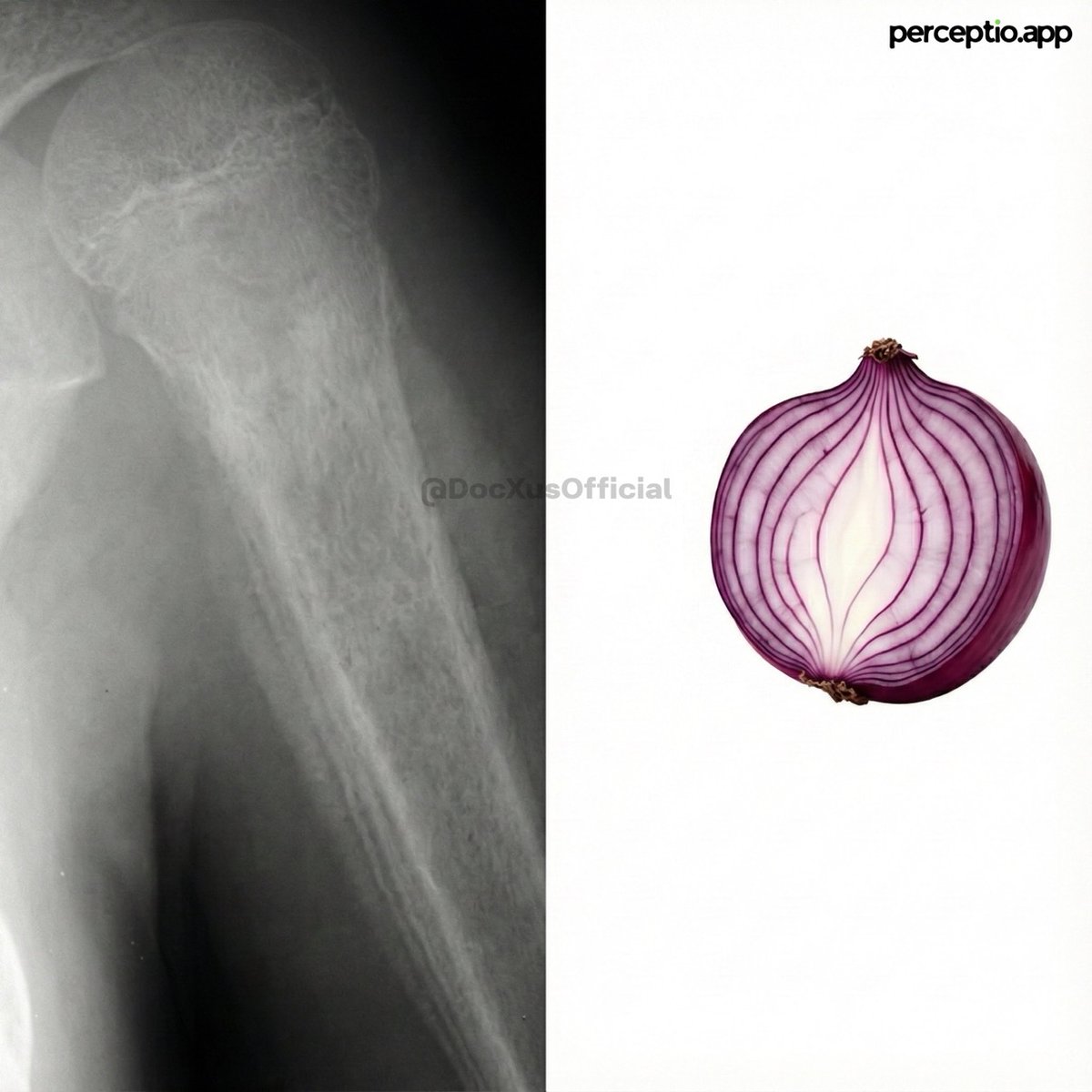
Ewing Sarcoma: Etiology: - Malignant primary bone tumor - Arises from primitive neuroectodermal cells - Associated with chromosomal translocation t(11;22)(q24;q12) - Produces EWSR1–FLI1 fusion gene - CD99 (MIC2) positive on immunohistochemistry Pathogenesis: - Fusion oncogene acts as an abnormal transcription factor - Leads to uncontrolled cellular proliferation - Tumor originates in the medullary cavity - Rapid growth causes periosteal irritation - Results in layered (“onion-skin”) periosteal reaction Clinical Features: - Children and adolescents (peak 10–20 years) - Painful swelling over affected bone - Fever, malaise, weight loss (often mimics osteomyelitis) - Common sites: - Diaphysis of long bones (femur, tibia, humerus) - Pelvis - X-ray findings: - Permeative lytic lesion - Onion-skin periosteal reaction - ± Codman triangle Treatment: - Multimodal therapy - Multi-agent chemotherapy (mainstay; highly chemosensitive) - Radiotherapy (highly radiosensitive) - Surgery when feasible for local control - Best outcomes with combined chemo + local control FAQs: - Most radiosensitive bone tumor? → Ewing sarcoma - Most chemosensitive primary bone malignancy? → Ewing sarcoma - Key genetic abnormality? → t(11;22) → EWSR1–FLI1 - Why fever is common? → Cytokine release → osteomyelitis-like presentation - Common exam pitfall? → Diaphyseal location distinguishes it from osteosarcoma
English
0
1
2
1.1K
DocXus
DocXus@docxusofficial·
Known as the "Most Radiosensitive" bone tumor Diagnosis: ______ ❓
DocXus tweet media
English
28
42
598
95.4K
Perceptio
Perceptio@PerceptioApp·
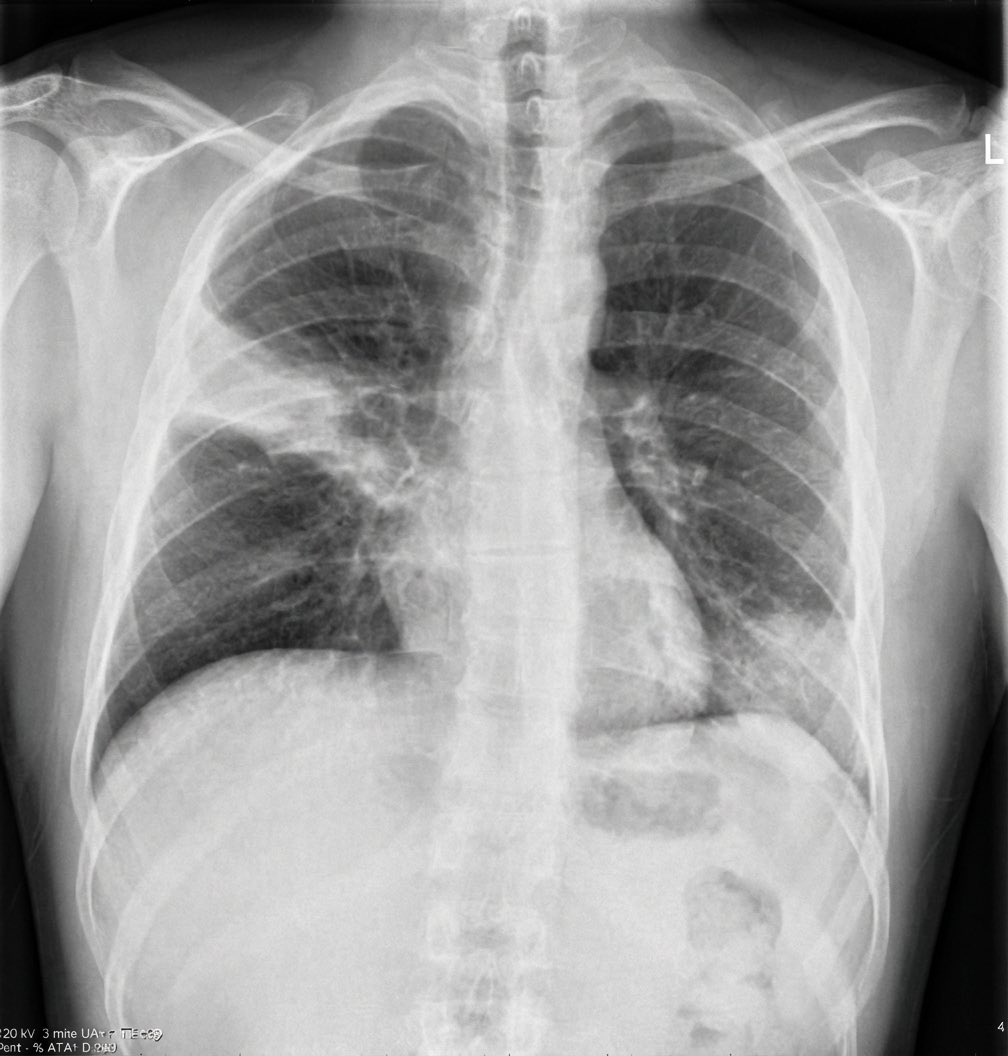
Legionella pneumonia - Exposure to indoor gatherings / AC systems / water sources - High fever, GI symptoms (diarrhea), hyponatremia - Severe multilobar pneumonia out of proportion to exam - Relative bradycardia may be present Investigations: - Urine Legionella antigen (test of choice) - Hyponatremia, elevated LFTs - Sputum often non-diagnostic Treatment: ➡️ Macrolides (Azithromycin) or ➡️ Fluoroquinolones (Levofloxacin)
English
1
4
22
10K
DocXus
DocXus@docxusofficial·
Resident attends a conference 48 hours later lands in the ER with this CXR What’s the cause?
DocXus tweet media
English
28
40
413
97.6K
Perceptio
Perceptio@PerceptioApp·
Pellagra (Niacin/Vitamin B3 deficiency) Etiology: → Nutritional deficiency (maize-based diet without proper processing) → Chronic alcoholism → Malabsorption (Crohn’s disease, chronic diarrhea) → Carcinoid syndrome (↑ tryptophan metabolism to serotonin) → Hartnup disease (defective tryptophan absorption) → Isoniazid therapy (↓ pyridoxine → ↓ niacin synthesis) Pathogenesis: → Niacin deficiency → ↓ NAD & NADP → Impaired cellular oxidation–reduction reactions → Affects high turnover tissues (skin, GIT, CNS) → Leads to classic “3 D’s” → Dermatitis, Diarrhea, Dementia (± Death) Clinical Features: → Dermatitis → Photosensitive, hyperpigmented, thickened skin → Casal’s necklace (neck rash) → Glossitis, stomatitis → Diarrhea → Inflammation of GIT mucosa → Dementia → Irritability, depression, confusion, psychosis → Advanced cases → Death (4th D) Treatment: → Oral Nicotinamide (preferred over nicotinic acid) → High-protein diet (rich in tryptophan) → Treat underlying cause (e.g., alcohol cessation) → Multivitamin supplementation FAQs: Q1: Why is nicotinamide preferred over niacin? → Less flushing and hepatotoxicity Q2: What are the 4 D’s of pellagra? → Dermatitis, Diarrhea, Dementia, Death Q3: Why does maize diet cause pellagra? → Niacin bound as niacytin (not bioavailable) + low tryptophan content Q4: Which drug commonly causes pellagra-like symptoms? → Isoniazid
English
0
0
5
416
DocXus
DocXus@docxusofficial·
Woman presents with chronic diarrhea and abdominal pain. Diagnosis ?
DocXus tweet media
English
32
16
173
43.2K
Perceptio
Perceptio@PerceptioApp·
Whipple Disease (Tropheryma whipplei) Etiology: Gram-positive actinomycete infection → systemic disease. Pathogenesis: Organism-laden PAS-positive foamy macrophages infiltrate small intestine → impaired fat absorption + multi-organ involvement. Clinical Features: - GI: Chronic diarrhea, steatorrhea, weight loss - Joints: Migratory arthralgias / polyarthritis (often the first symptom) - Neuro: Cognitive changes, encephalopathy, ophthalmoplegia - Other: Lymphadenopathy, hyperpigmentation Diagnosis: - PAS-positive macrophages in lamina propria - PCR for T. whipplei (confirmatory) Treatment: - IV ceftriaxone (or penicillin) × 2 weeks → followed by oral TMP-SMX for 1 year.
English
2
6
97
22.9K
DocXus
DocXus@docxusofficial·
One disease explains ALL these symptoms which one ?
DocXus tweet media
English
31
68
745
193.7K
Perceptio retweetledi
DocXus
DocXus@docxusofficial·
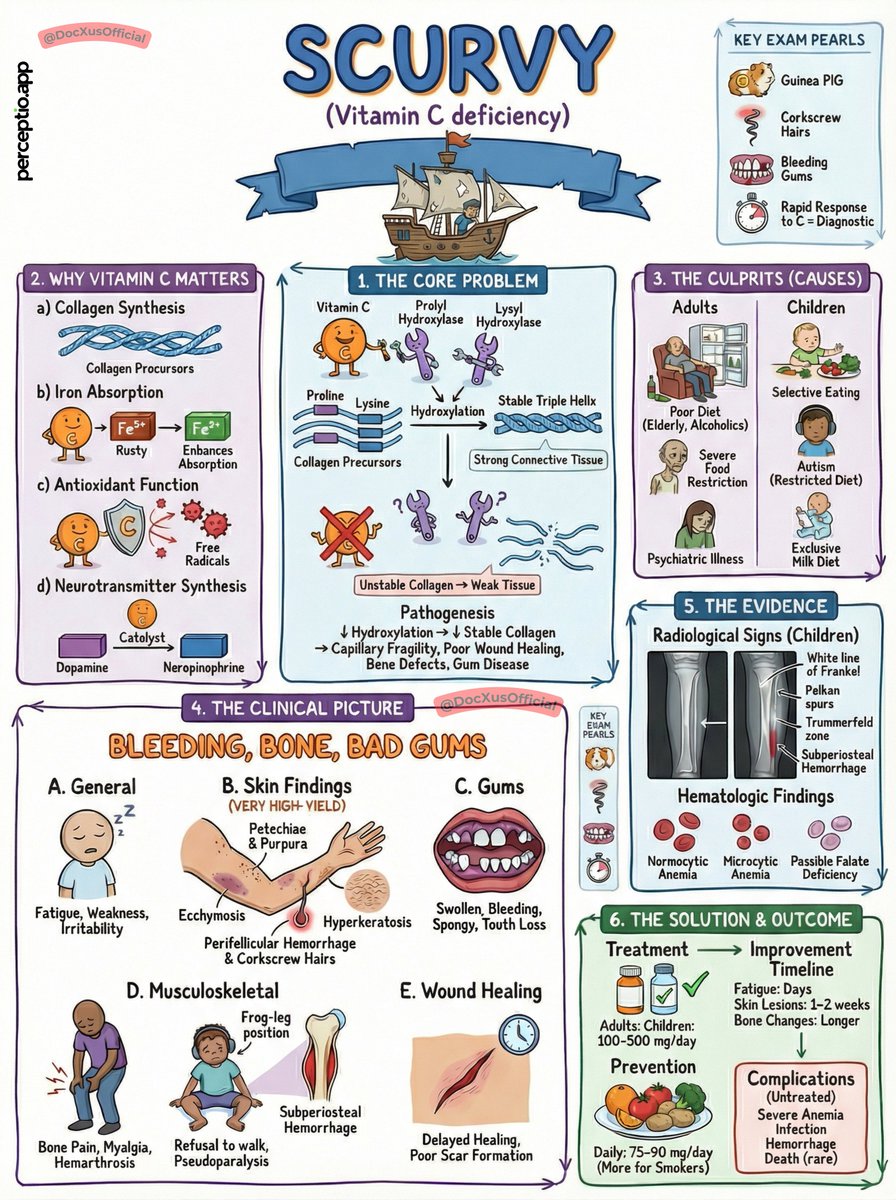
Scurvy - Signs, Symptoms & Diagnosis
DocXus tweet media
DocXus@docxusofficial

A 2 year old in the US was diagnosed with a disease from the 1700s He was brought to the ER because he stopped walking. No trauma. No fall. He just slowly stopped bearing weight on his legs over 6 weeks until he was crawling instead of walking. His gums were swollen and bleeding. He had a rash. Pinpoint bleeding under his skin. Pain in both legs. Decreased muscle tone. He kept his legs in a frog leg position and screamed when anyone touched them. The doctors suspected everything. First visit: possible fracture. Orthopedics recommended repeat imaging. Four weeks later he was worse. Second visit: concern for leukemia. Then concern for nonaccidental trauma. Child protective services was called. Then the workup began > CT scan of both legs. No fracture. > MRI of head and spine. Normal. > lumbar puncture to rule out Guillain Barre. Normal. > inflammatory markers. Normal. > muscle enzymes. Normal. > heavy metal screening. Negative. > vitamin D and B12. Normal. > bone marrow biopsy to rule out cancer. Normal. > electromyography. Normal. > muscle biopsy. Normal. Weeks of testing. Multiple hospital transfers. Invasive procedures on a toddler. His parents watched their child get poked and scanned and biopsied while nobody could tell them what was wrong. Then someone asked the right question. What does he eat? Chocolate milk and graham crackers. That was his entire diet. His mother had mentioned he was a picky eater at the very first visit. Nobody followed up on it. His vitamin C level came back at less than 0.1 mg per deciliter. He had scurvy. The same disease that wiped out entire ship crews during the Age of Exploration. The same disease the British Navy solved in 1795 by issuing lemon juice to sailors. Scurvy impairs collagen production and compromises blood vessel integrity. That explains the bleeding gums. The rash. The periosteal elevation on MRI. The bone pain. The inability to walk. Every single symptom pointed to one thing and it took months to get there. He was started on vitamin C supplements. Within a week he was moving his legs again. At 4 months he was walking and his hemoglobin was normal. The entire workup could have been avoided with one detailed dietary history at the first visit. We have MRIs and bone marrow biopsies and genetic panels. But the most powerful diagnostic tool in medicine is still asking a parent what their child eats for dinner. All that extensive workup could’ve been replaced by a 5 minute conversation about food.

English
0
4
28
3.2K
Perceptio
Perceptio@PerceptioApp·
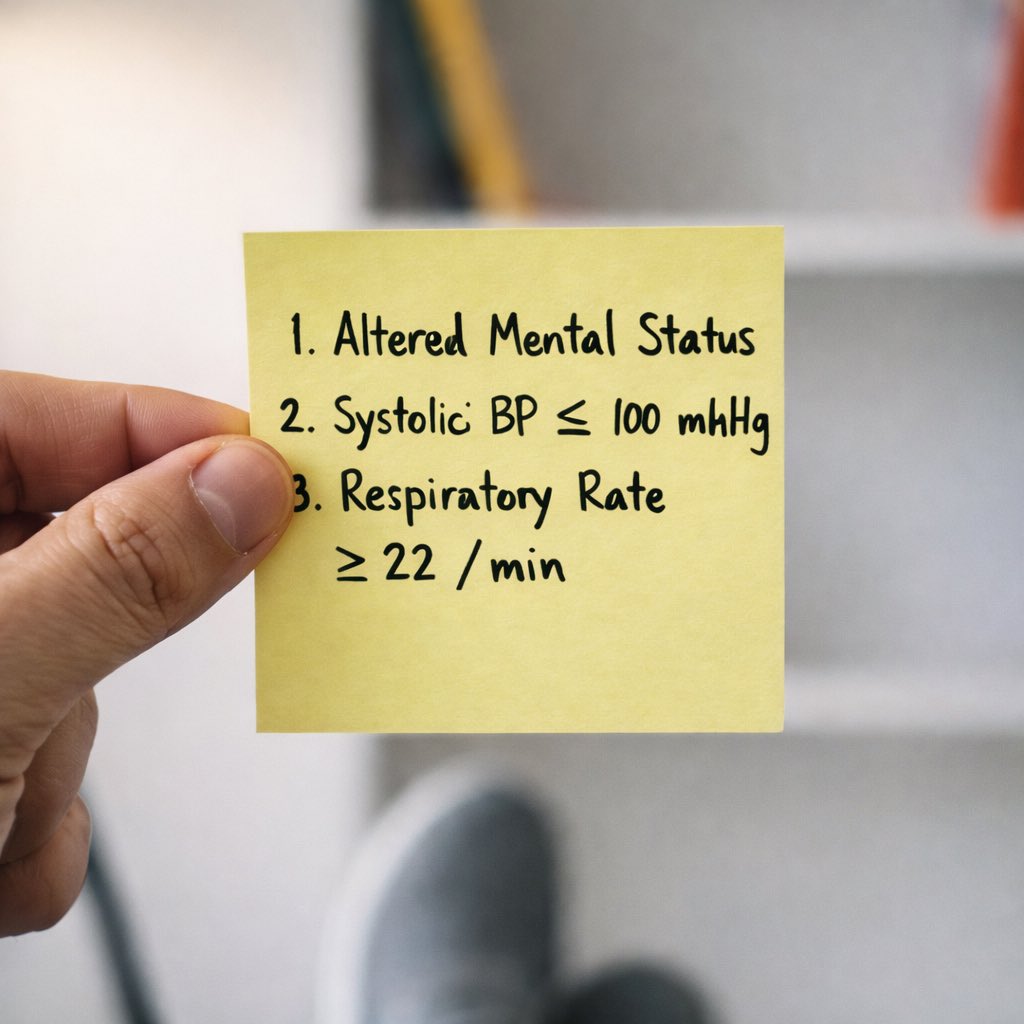
@docxusofficial qSOFA Score Quick bedside tool to identify high-risk sepsis 3 components →  1. Altered mental status  2. SBP ≤ 100 mmHg  3. RR ≥ 22/min ≥ 2 points = poor outcome risk → ICU/urgent management
English
1
9
77
8.2K
DocXus
DocXus@docxusofficial·
Identify this SCORE
DocXus tweet media
English
33
26
435
71.2K
Perceptio retweetledi
DocXus
DocXus@docxusofficial·
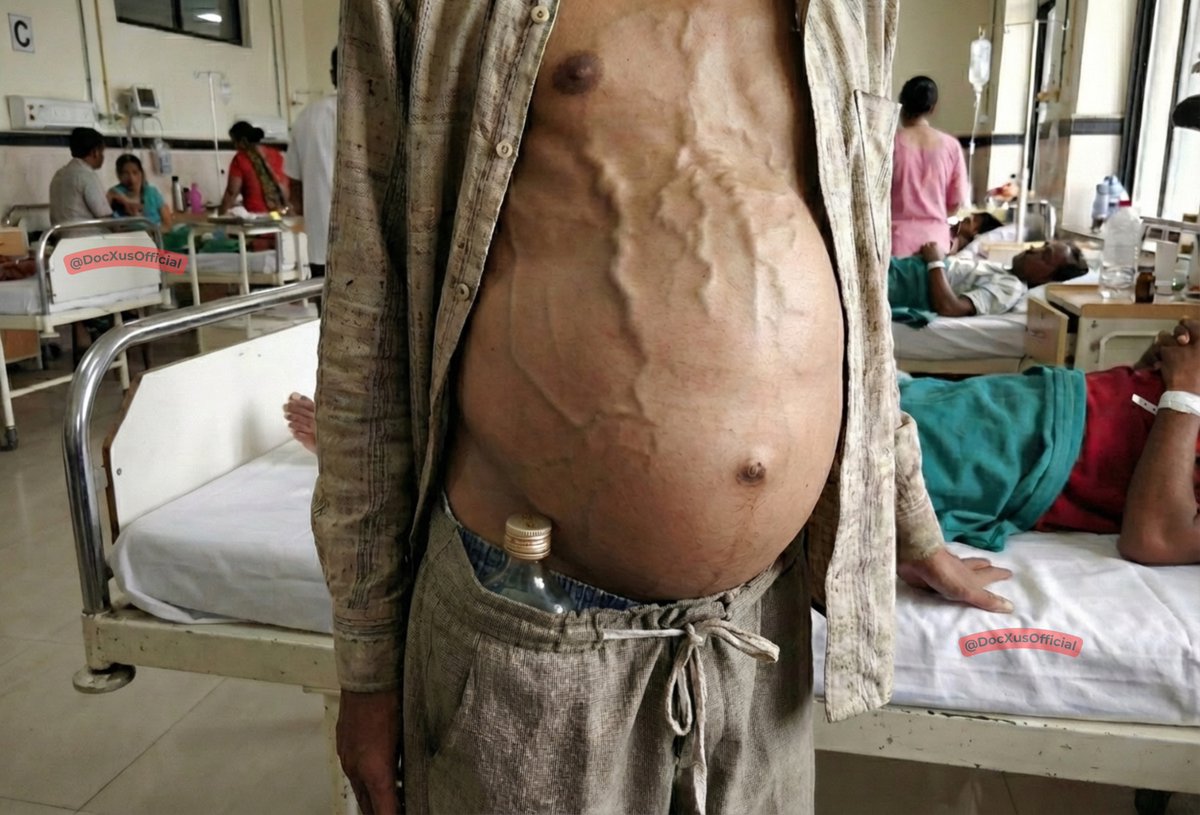
This man has veins bulging out of his abdomen, fluid filling his belly, and a liver that is barely functioning. He still hasn’t stopped drinking. I see this in the ward more often than I’d like to admit. A known alcoholic. Multiple previous admissions. History of decompensated liver cirrhosis. Ascites drained more than once. Put on diuretics. Counselled every single time. Family begged him to stop. He was discharged two months ago with strict instructions. No alcohol. Follow up in two weeks. Continue lactulose. Continue spironolactone. He came back yesterday. Abdomen distended. Prominent dilated veins across the abdominal wall. Caput medusae. The kind you show medical students because you rarely see it this clearly in a textbook. His liver is so scarred that blood can’t flow through it normally anymore. Portal hypertension forces the blood to find alternate routes. Those veins you see on his abdomen are collaterals. The body’s desperate attempt to bypass a liver that has essentially shut down. He also has tense ascites. Fluid filling the peritoneal cavity because his liver can no longer produce enough albumin to hold fluid inside the vessels. His serum albumin was 1.8. Normal is 3.5 to 5.5. We drained 4 litres of fluid from his abdomen yesterday. He’ll need it drained again in weeks. Maybe sooner. And when I asked him about alcohol his family answered before he could. “He never stopped. Not even for a week.” This is what alcohol does when your liver has already given up. It’s not a slow decline anymore. Every drink is actively pushing him toward variceal bleeding or hepatic encephalopathy or spontaneous bacterial peritonitis or hepatorenal syndrome. Any one of these can kill him in hours. The hardest part of medicine isn’t the diagnosis. It isn’t the treatment. It’s watching a patient walk back in with the same condition you treated last time because the one prescription they refused to follow was the only one that mattered. Stop drinking. That was the treatment. That was the whole treatment. And he couldn’t do it. Addiction is a disease. But so is what it leads to. And by the time your abdomen looks like this the damage is not coming back
DocXus tweet media
English
6
20
81
11.8K
Perceptio
Perceptio@PerceptioApp·
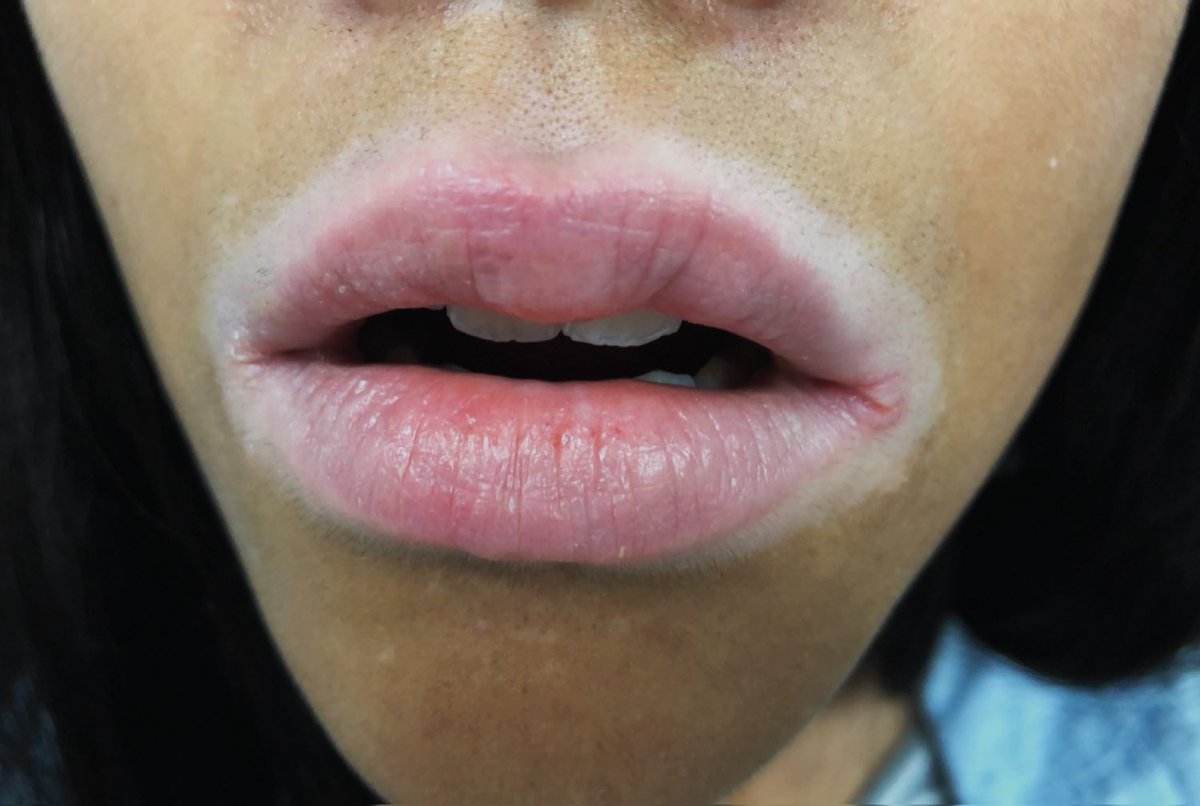
Lip-licking dermatitis It is a saliva-induced irritant contact dermatitis Etiology: - Repeated lip-licking habit - Chronic exposure of perioral skin to saliva - Underlying vitiligo skin more susceptible to irritation Pathogenesis: - Saliva causes irritant contact dermatitis - Leads to: - Epidermal barrier disruption - Xerosis and inflammation - Repeated irritation produces Koebnerization in vitiliginous skin - Results in a sharp perioral hypopigmented halo with erythema and fissuring Clinical Features: - Perioral dryness and redness - Scaling and superficial fissures - Sharp perioral border corresponding to tongue reach - Burning sensation - Occurs in patient with pre-existing vitiligo - Lesions confined to perioral region Treatment: - Stop lip-licking habit - Behavioral modification / psychological support - Short course topical corticosteroid - Followed by topical tacrolimus - Regular emollient use FAQs: Q1. Why does it mimic vitiligo flare? → Koebner phenomenon in previously affected skin. Q2. Is this allergic dermatitis? → No, it is irritant contact dermatitis. Q3. Key diagnostic clue? → History of repeated lip licking. Q4. Is vitiligo treatment failure the cause? → No, this is a separate irritant process. Q5. Most important management step? → Stopping the lip-licking habit.
English
1
1
10
1.9K
DocXus
DocXus@docxusofficial·
Vitiligo patient recently developed a habit of LICKING her lips. What is this lesion ??
DocXus tweet media
English
11
5
70
20K
Perceptio retweetledi
DocXus
DocXus@docxusofficial·
Every few weeks someone posts this “doctors used to just check pulse and tongue” nostalgia and it goes viral Let me tell you what that era actually delivered Life expectancy in India in 1950 was 35 years. Today it’s 72. That didn’t happen because of tongue examinations. Here’s what changed. > heart attack mortality was above 30%. Today it’s under 5%. > a woman with abdominal pain was told it’s “gas” or “stress.” Today a CT catches appendicitis before it ruptures. > cancer was found only after it spread. Today screening catches it when it’s still curable. That stethoscope era you’re glorifying? People died from things we now fix in an afternoon. The numbers don’t lie. > breast cancer caught at stage I has 99% survival. Stage IV drops below 30%. Mammography made that gap possible. > colorectal cancer caught early through colonoscopy has 90%+ survival. Caught late it’s under 15%. > cervical cancer has been nearly eliminated in countries with routine Pap smears. None of this. Absolutely none of this. Was possible when the doctor “just checked your pulse.” Now the “dozen tablets” complaint. A diabetic today takes metformin an SGLT2 inhibitor a statin and an antihypertensive. That exact combination has been proven across trials involving hundreds of thousands of patients to reduce heart attacks strokes kidney failure and death. The diabetic 50 years ago? Got told to eat less sugar. Then developed nephropathy retinopathy neuropathy and died of an MI in his 50s. That’s the era you want back? The multivitamin point? Actually fair. Most healthy people don’t need them. The evidence for routine multivitamin use in well nourished populations is weak. But that’s a supplement industry problem not a doctor problem. Now let’s talk about what actually happens when you skip the “costly circus” of a health checkup. > appendicitis ruptures because nobody imaged it > a silent MI goes undetected because nobody ran a troponin > cancer spreads to stage IV because nobody screened for it > an infection becomes sepsis because nobody ordered a culture The doctor with just a stethoscope wasn’t practicing some pure form of medicine. He was doing his best with almost nothing. And people died. A lot. The stethoscope didn’t go away btw. It’s still there. Right next to the ECG the ultrasound the CT and the blood panel that together save more lives in a single hospital shift than a tongue examination did in a decade. Modern diagnostics isn’t a scam. It’s the reason you’re alive long enough to complain about it on the internet.
Woke Eminent@WokePandemic

There was a time when Doctors used to just check Eyes, Tongue, Pulse and use Stethoscope and do the needful. Now they need Master Body checkup Plan, Master Body check up Gold Plan, Master Body check up Platinum plan Then they will prescribe 1 dozen tablets, 3 syrups, few Taqat ke injections to take regularly and then ask again to get Master Body checkup Plan, Master Body check up Gold Plan, Master Body check up Platinum plan The cycle continues and you hardly no improvement in health. And what the heck is with Multi Vitamin Tablets? The question how often Doctor's and their family members go through this costly circus of health checkup ?

English
2
11
49
6.4K
Perceptio
Perceptio@PerceptioApp·
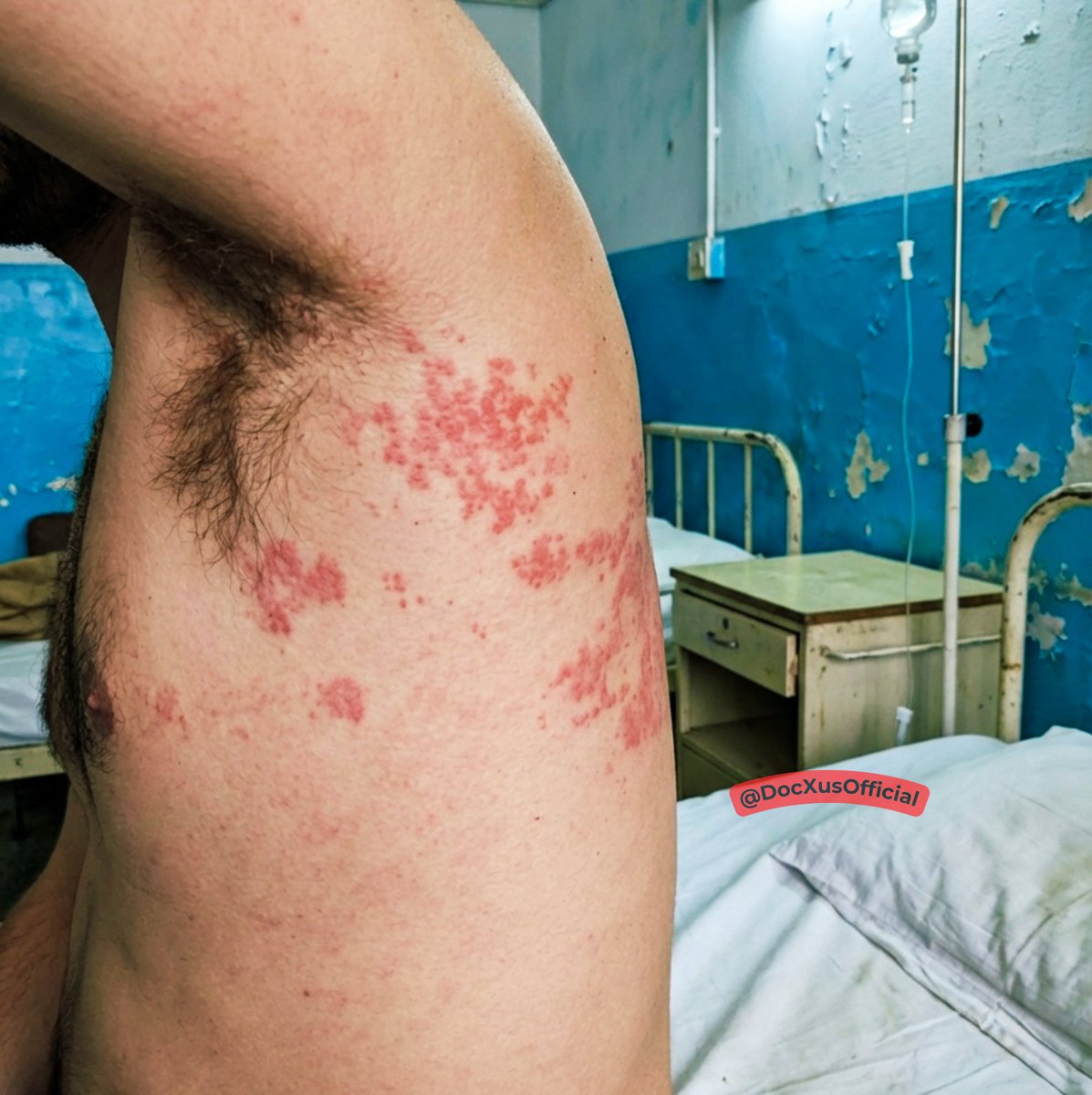
Herpes Zoster (Shingles) Etiology: - Reactivation of Varicella-Zoster Virus (VZV), the same virus that causes chickenpox. - Virus remains latent in dorsal root ganglia after primary infection. - Triggered by age, immunosuppression, stress, or illness. Pathogenesis: - Dormant VZV reactivates in sensory ganglia. - Virus travels along peripheral sensory nerves → causes neuritis and vesicular eruption in the corresponding dermatome. - Nerve damage may lead to postherpetic neuralgia (PHN). Clinical Features: - Prodrome: Pain, burning, tingling, or hyperesthesia in a dermatomal distribution. - Rash: Erythematous base with grouped vesicles, appearing after pain onset. - Distribution: Unilateral, dermatomal, not crossing the midline. - Systemic signs: Mild fever, malaise (sometimes). - Complications: PHN, ophthalmic zoster (eye involvement), bacterial superinfection. Treatment: - Antivirals: Acyclovir, valacyclovir, famciclovir (best within 72 hours of rash onset). - Pain control: NSAIDs, opioids (if severe), gabapentin/pregabalin for neuropathic pain. - Corticosteroids: Occasionally used to reduce acute pain and inflammation. - Prevention: Shingrix vaccine for older adults and immunocompromised individuals. FAQs: Q1: Is shingles contagious? - Not directly, but vesicular fluid can transmit VZV, causing chickenpox in non-immune individuals. Q2: Who is most at risk? - Adults over 50, immunocompromised patients (HIV, cancer therapy, transplant recipients). Q3: Can shingles recur? - Yes, though recurrence is less common than initial reactivation. Q4: What is postherpetic neuralgia (PHN)? - Persistent nerve pain lasting weeks to months after rash resolution, especially in older adults. Q5: How can shingles be prevented? - Vaccination with Shingrix reduces risk and severity.
English
0
0
5
209
DocXus
DocXus@docxusofficial·
The pain is much worse than the rash. Diagnosis?
DocXus tweet media
English
23
4
45
7.6K
Perceptio
Perceptio@PerceptioApp·
Osteosarcoma Classic aggressive primary malignant bone tumor with sunburst periosteal reaction Etiology: - Malignant proliferation of osteoblasts - Adolescents & young adults (peak: 10–20 yrs) - Metaphysis of long bones (around knee: distal femur > proximal tibia) Risk factors: - Rapid bone growth (puberty) - Paget disease of bone (older adults) - Prior radiation exposure - Genetic: RB1 mutation, Li-Fraumeni (TP53) Pathogenesis: - Tumor produces malignant osteoid - Rapid growth lifts periosteum → radiating spicules of new bone - Results in sunburst appearance on X-ray - Aggressive local invasion + early hematogenous spread (lungs) Clinical Features: - Progressive bone pain (worse at night) - Swelling / palpable mass - Pathological fracture (late) - Reduced joint movement (if near joint) Treatment: - Neoadjuvant chemotherapy - Wide surgical resection / limb-salvage surgery - Adjuvant chemotherapy - Metastatic disease → poorer prognosis FAQs: 1. What causes sunburst appearance? - Radiating periosteal new bone due to rapid tumor growth 2. Most common site? - Metaphysis around the knee 3. Most common metastasis? - Lungs 4. Key diagnostic clue? - Painful metaphyseal lesion + sunburst pattern on X-ray
English
2
1
18
6.1K
DocXus
DocXus@docxusofficial·
35-year-old presents with leg pain for weeks Diagnosis?
DocXus tweet media
English
60
22
228
997.2K
Perceptio retweetledi
DocXus
DocXus@docxusofficial·
A man in Dallas is alive today because a college student learned CPR in high school. She learned CPR in high school. Never done it on a real person before. Did it anyway. Kept him alive until paramedics showed up. Before sharing this. Read what it actually means > cardiac arrest outside a hospital has about 10% survival rate > bystander CPR doubles to triples that number > only 40% of victims in the US receive bystander CPR > in most developing countries that number is close to zero The skill takes 30 minutes to learn. Thirty. Minutes. > where to place your hands > how deep to compress > how fast to go > when to use an AED That’s it. That’s the entire difference between someone surviving and someone dying on a sidewalk waiting for an ambulance. Most schools don’t teach it. Most workplaces don’t require it. Most people will live their entire lives without learning the one skill that could keep a stranger’s heart beating. And every time someone does learn it and uses it we call it a feel good story instead of asking why everyone doesn’t know this already. Costs nothing. Takes 30 minutes. Doubles survival. Still optional in most of the world.
Sovey@SoveyX

Emma Dilley, a student at Dallas Baptist University, helped save a stranger's life in downtown Dallas on Tuesday night. Dilley performed CPR on an unconscious man despite having never done so on a human, before first responders took over medical care. She learned CPR in high school and was happy that her training came in handy. CPR classes save lives and good people still exist! Great job Emma!

English
2
17
103
18.6K
Perceptio
Perceptio@PerceptioApp·
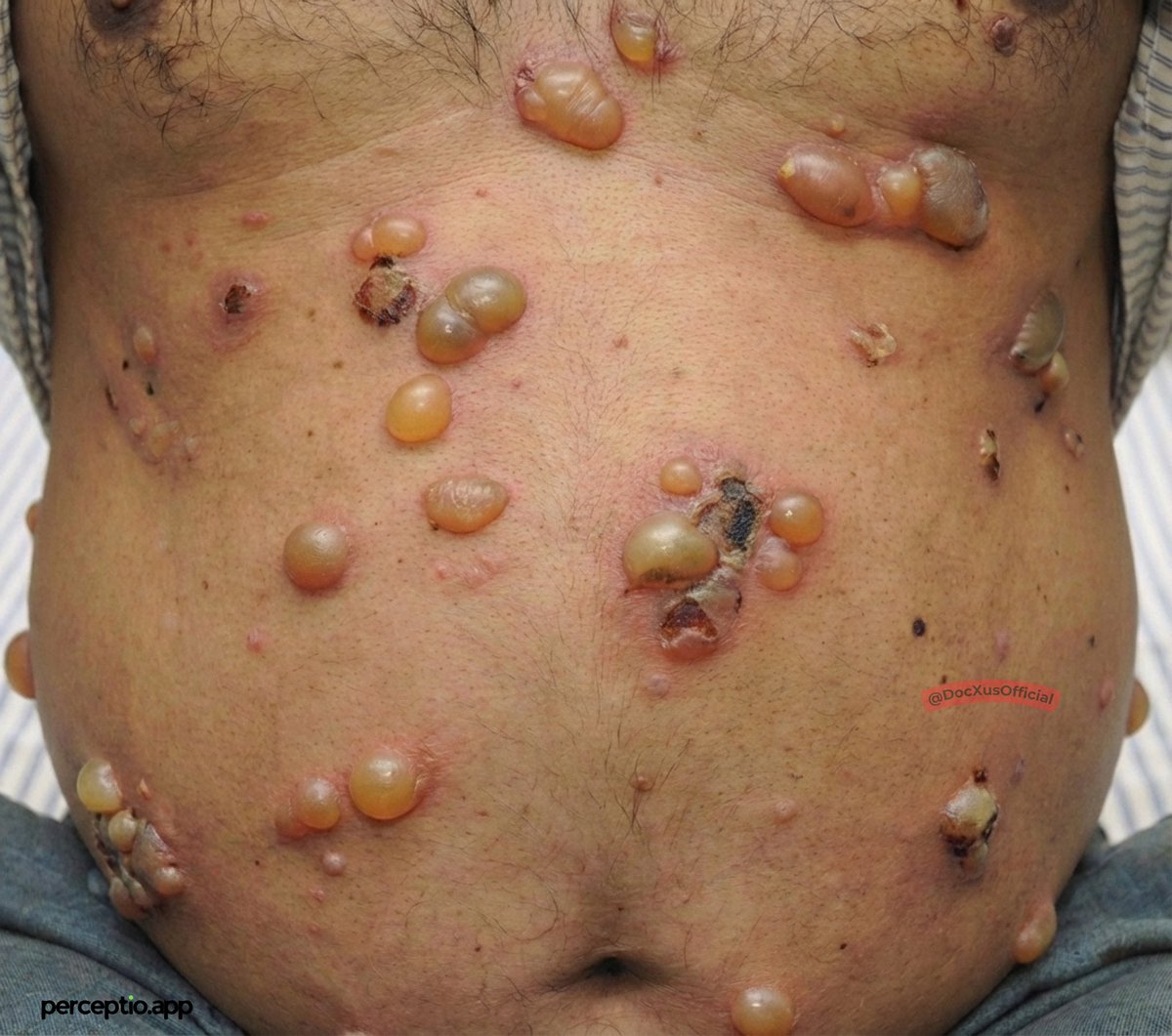
𝗕𝘂𝗹𝗹𝗼𝘂𝘀 𝗣𝗲𝗺𝗽𝗵𝗶𝗴𝗼𝗶𝗱 Etiology: - Autoimmune disorder - IgG autoantibodies against BP180 (type XVII collagen) and BP230 - More common in elderly - Triggers: drugs (loop diuretics, penicillamine), trauma, burns, radiation Pathogenesis: - Autoantibodies attack hemidesmosomes → separation at the dermal–epidermal junction - Leads to subepidermal blister formation - Eosinophil-rich inflammatory response → tense, pruritic bullae Clinical Features: - Tense, large bullae (don’t rupture easily) - Intense pruritus often precedes blisters - Nikolsky negative - Usually in elderly - Lesions on trunk, flexures, abdomen, thighs - Mucosal involvement rare Treatment: - High-potency topical steroids (clobetasol) - first line - Systemic steroids for widespread disease - Immunosuppressants: azathioprine, mycophenolate, methotrexate - Doxycycline + nicotinamide for steroid-sparing - Treat triggers; supportive skin care FAQs: Q. How to differentiate from pemphigus vulgaris? - Pemphigoid: tense bullae, subepidermal, Nikolsky negative - Pemphigus vulgaris: flaccid bullae, suprabasal split, Nikolsky positive Q. Is mucosal involvement common? No - mucosa is usually spared (unlike pemphigus). Q. What does immunofluorescence show? Linear IgG and C3 deposition along the basement membrane. Q. Is this life-threatening? Not usually, but can be severe in frail elderly without treatment.
English
1
9
76
11.9K
DocXus
DocXus@docxusofficial·
Nikolsky negative… Dapsone useless… Steroids life-saving What is it ?
DocXus tweet media
English
36
40
388
93.8K
Perceptio
Perceptio@PerceptioApp·
Ankle Clonus Rhythmic, involuntary, sustained contractions of the ankle muscles after sudden dorsiflexion → upper motor neuron (UMN) sign How is it elicited: - Patient relaxed, knee slightly flexed - Examiner suddenly dorsiflexes the foot and holds it - Observe for rhythmic plantarflexion beats - Sustained clonus = ≥3–5 beats or continuous Significance: - Indicates corticospinal tract (UMN) lesion - Reflects hyperreflexia due to loss of inhibitory control - Seen in: - Stroke - Spinal cord compression - Multiple sclerosis - Cervical myelopathy - Severe metabolic encephalopathy (rarely transient) FAQs: 1. Physiologic vs pathologic? - Unsustained (1–2 beats) may be normal - Sustained clonus = always pathological 2. Most commonly tested with? - Other UMN signs: ↑ tone, ↑ reflexes, Babinski sign 3. Difference from tremor? - Clonus is reflex-mediated and stimulus-dependent - Tremor is rhythmic but not stimulus-dependent
English
1
4
32
4.4K
DocXus
DocXus@docxusofficial·
Sustained rhythmic contraction by sudden DORSIFLEXION. What’s this neurological sign _______
English
17
33
243
46.6K
Perceptio
Perceptio@PerceptioApp·
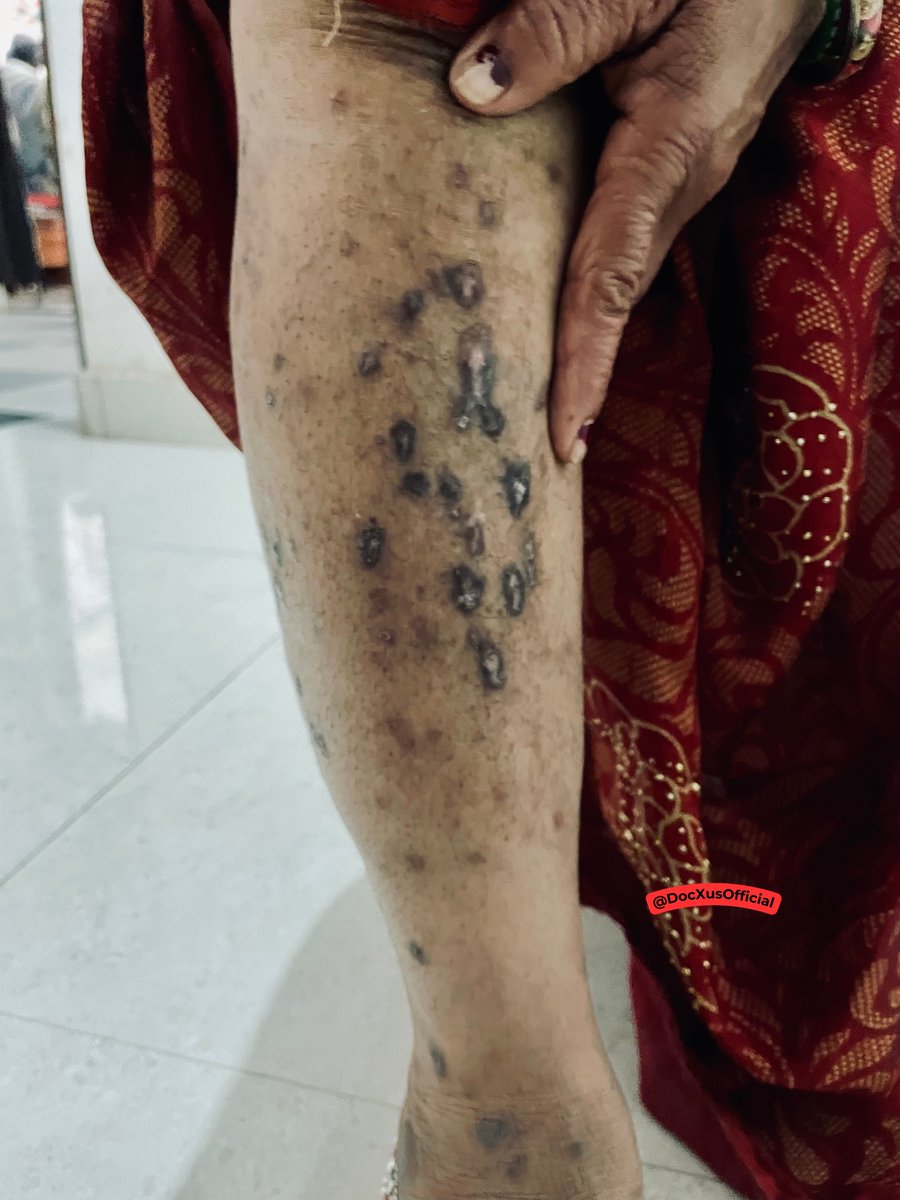
Prurigo Nodularis Etiology: - Chronic repeated scratching or rubbing of skin - Associated conditions: - Atopy - Chronic pruritus of any cause - Diabetes mellitus - Chronic kidney disease - Psychological stress or anxiety - Often related to a long-standing itch–scratch cycle Pathogenesis: - Persistent itching → repeated scratching - Leads to: - Epidermal hyperplasia - Hyperkeratosis - Dermal fibrosis - Neural proliferation - Results in formation of firm pruritic nodules - Scratching perpetuates lesion formation Clinical Features: - Multiple firm hyperpigmented nodules - Severe itching (key symptom) - Excoriations and crusting may be present - Common sites: - Extensor aspect of legs - Forearms - Chronic course - Post-inflammatory pigmentation around lesions Treatment: - Break the itch–scratch cycle - High-potency topical corticosteroids - Antihistamines for pruritus - Intralesional corticosteroid injections for nodules - Emollients - Treat underlying systemic cause of itching - Behavioral counseling if needed FAQs: Q1. What is the hallmark symptom? → Severe, persistent pruritus. Q2. Why do nodules form? → Chronic scratching causes fibrosis and epidermal thickening. Q3. Is prurigo nodularis infectious? → No. Q4. Most common site? → Extensor surface of legs. Q5. Key principle of management? → Interrupt the itch–scratch cycle.
English
0
1
5
829
DocXus
DocXus@docxusofficial·
She kept “scratching” for months without seeing a doctor. Diagnosis?
DocXus tweet media
English
7
5
29
6.8K