Sabitlenmiş Tweet
#NewPost
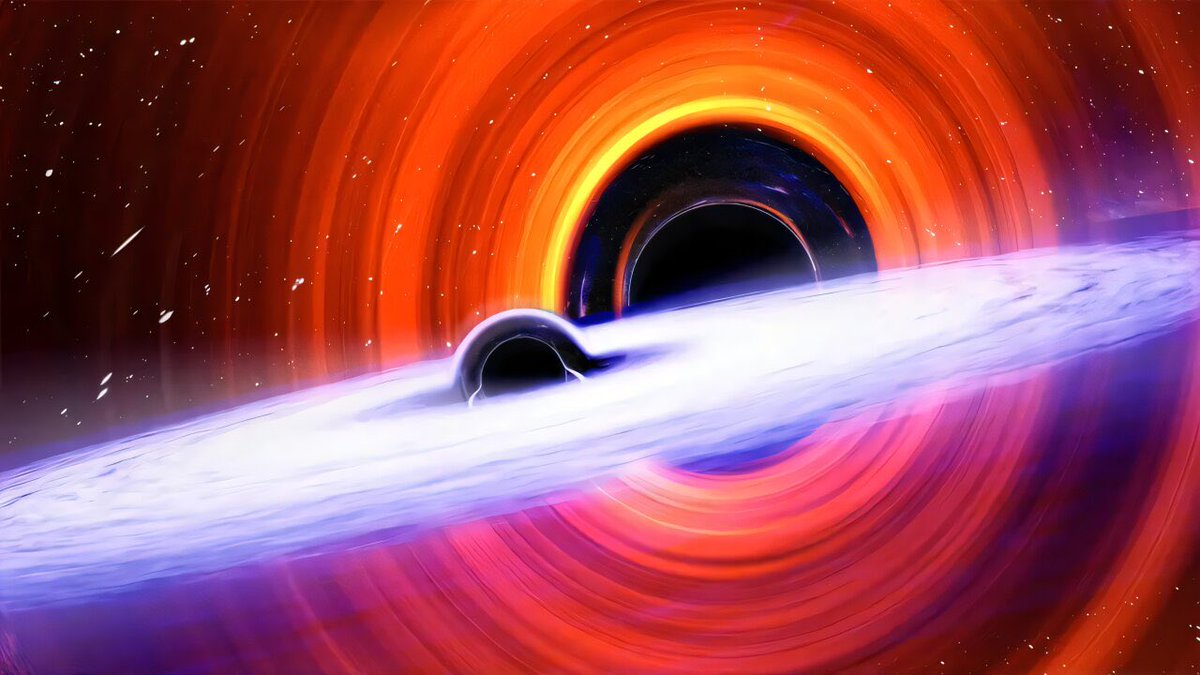
Choose your own star! If you picked the solar mass #star, now you can read how the story continues.
#Astronomy #evolution
perditamoon.wixsite.com/strayed-moon/p…
English
Perdita Moon
1.2K posts

@PerditaMoon
A little moon, looking into space... Watching other skies in https://t.co/i4d3w2f4At

My teams have completed all necessary checks and testing of the Cebreros station. After careful review, we have declared the antenna GREEN for nominal operations as of 27 July. Onsite presence will be kept to a minimum, in accordance with restrictions in the area. I sincerely hope that the situation in the area returns to normal as soon as possible, and that everyone affected remains safe during this challenging period. Once again, I’d like to thank my workforce, local authorities and first responders on the ground.
Based on current information, the Cebreros station appears to have remained unharmed. My deepest thanks go to the Spanish emergency services whose efforts helped protect the site as wildfires approached. The safety of our people remains my highest priority. All ESA workforce is safe and accounted for, although many colleagues continue to be affected by the wider emergency situation. I keep you all in my thoughts. We remain in close contact with the relevant authorities as the situation continues to evolve. As always, I will keep my workforce and the public informed. Please keep safe. Extreme heat and subsequent wildfires are the clearest indication that our climate is changing. I pledge to continue to advocate for increased monitoring and understanding of our planet. More info: esa.int/About_Us/Corpo… Left: 24 July 19:57, Right: 25 July 07:54