Sabitlenmiş Tweet

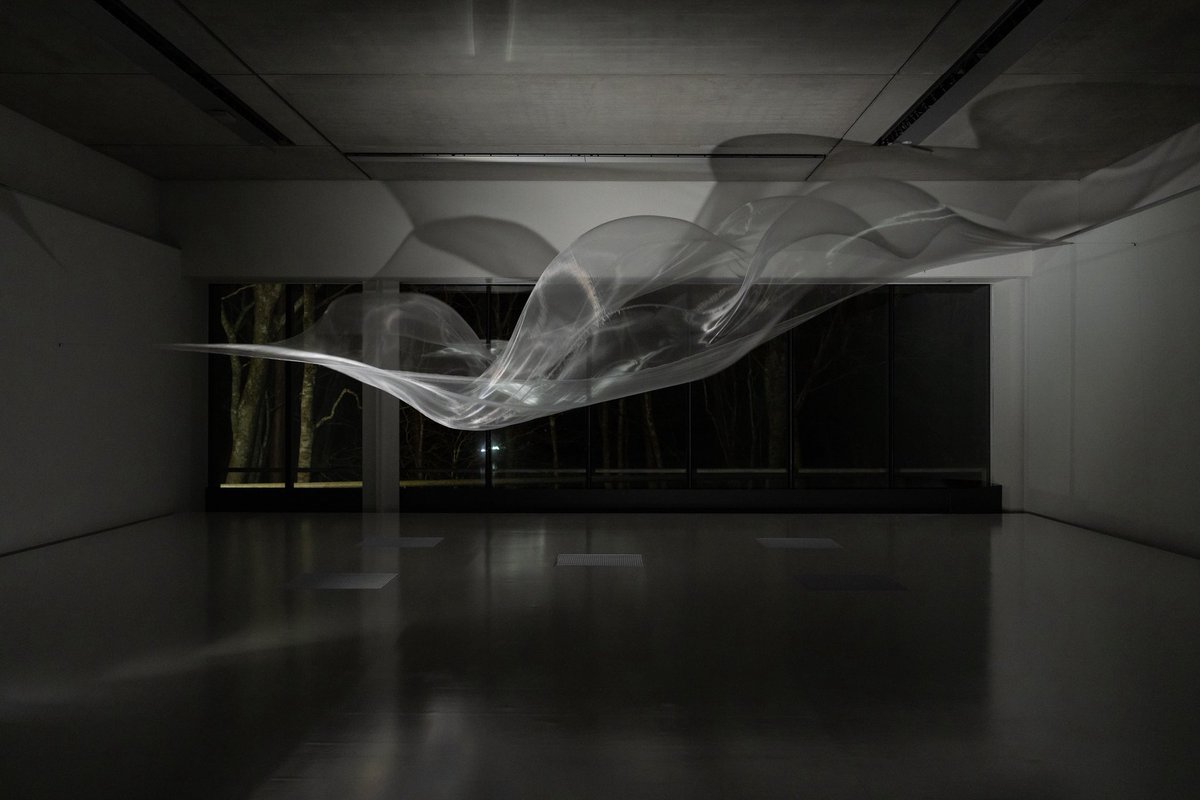
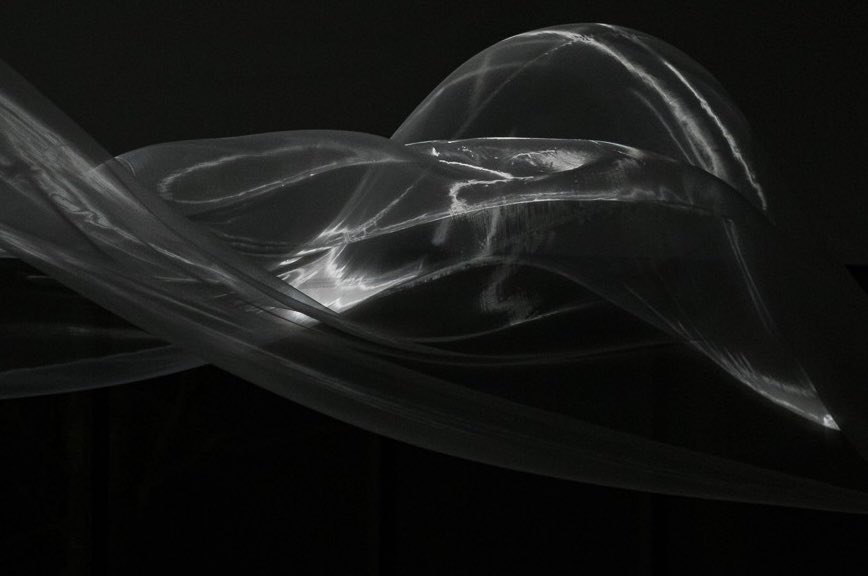
What if the Planck Aether's dilation field φ organizes itself into such dynamic, holographic structures?
Gradient Isosurface: A Computational Study in Field Aesthetics
This cinematic 3D animation unveils a synthetic scalar field through a rotating isosurface, vividly illuminated by the plasma colourmap’s fiery hues—deep purples to blazing yellows.
The surface dances with boundary symmetries and interior Gaussian modulations, weaving a dynamic interplay where structural harmony converges with intensity gradients, echoing the underlying physics of field dynamics.
Crafted in Python with matplotlib, skimage, and ffmpeg, this animation emerges after a meticulous 30-minute render at high resolution.
An exhaustive series of iterations, each a testament to precision and perseverance, surmounted Python environment challenges—rendering artifacts, ffmpeg compatibility hurdles, and colour interpolation constraints—through a series of rigorously developed, tested, and refined scripts, achieving a seamless .mp4 output that balances visual fidelity with computational precision.
The result is a harmonious fusion of scientific visualisation and generative artistry—a constellation where computation, colour, and code intertwine to breathe life into motion, illuminating the unseen realms of physics. Share your thoughts on this fusion of science and art!
Explore more field dynamics and render studies in my pinned project, updated regularly with fresh insights.
#3DVisualization #ComputationalPhysics #GenerativeArt #DataVisualization #CreativeCoding #ScienceArt #TheoreticalPhysics #PythonProgramming #Matplotlib #FieldDynamics #Cosmology #DigitalArt #PhysicsArt #Entropy #HolographicPrinciple
@Na_thanks @HAL09999 @SocraticScribe @Ella_Maru @adamfuhrer @ALCrego_ @FEELSxart
@WolframResearch @ngsm @luizandregama @YoheiNishitsuji @roydherbert @Dragonmaurizio
English