Sabitlenmiş Tweet

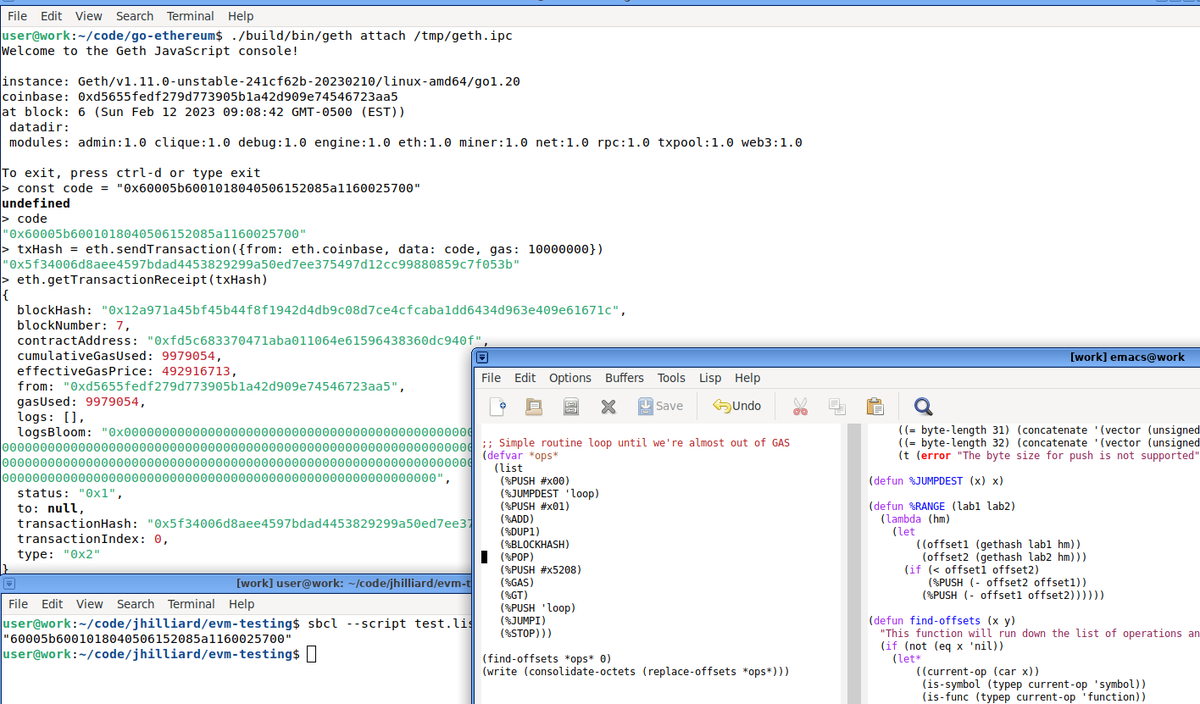
Weekend project complete! I wanted to be able to write EVM Smart Contracts with Common Lisp. It's very low level, but still easier than writing byte codes.
English
John Hilliard
8.6K posts

@praetorian
Making blockchains fast. Focused on performance, reliability, and tools at @0xPolygon || Boston || @MIT


HOLY FUK I JUST LEARNED ABOUT TLA+ AND IT'S SO GOOD FOR AGENTIC CODING ur telling ME that i can mathematically fact check every possible scenario of my design STATE to prevent bugs and crashes AND IF IT FINDS SOMETHING THE AGENTS GET INSTANT FEEDBACK AND LOOP FIXING IT TILL IT ALL POSSIBLE BUGS IN THE DESIGN ARE PATCHED LOL THIS IS OP

Earlier today, a user attempted to buy AAVE using $50M USDT through the Aave interface. Given the unusually large size of the single order, the Aave interface, like most trading interfaces, warned the user about extraordinary slippage and required confirmation via a checkbox. The user confirmed the warning on their mobile device and proceeded with the swap, accepting the high slippage, which ultimately resulted in receiving only 324 AAVE in return. The transaction could not be moved forward without the user explicitly accepting the risk through the confirmation checkbox. The CoW Swap routers functioned as intended, and the integration followed standard industry practices. However, while the user was able to proceed with the swap, the final outcome was clearly far from optimal. Events like this do occur in DeFi, but the scale of this transaction was significantly larger than what is typically seen in the space. We sympathize with the user and will try to make a contact with the user and we will return $600K in fees collected from the transaction. The key takeaway is that while DeFi should remain open and permissionless, allowing users to perform transactions freely, there are additional guardrails the industry can build to better protect users. Our team will be investigating ways to improve these safeguards going forward.





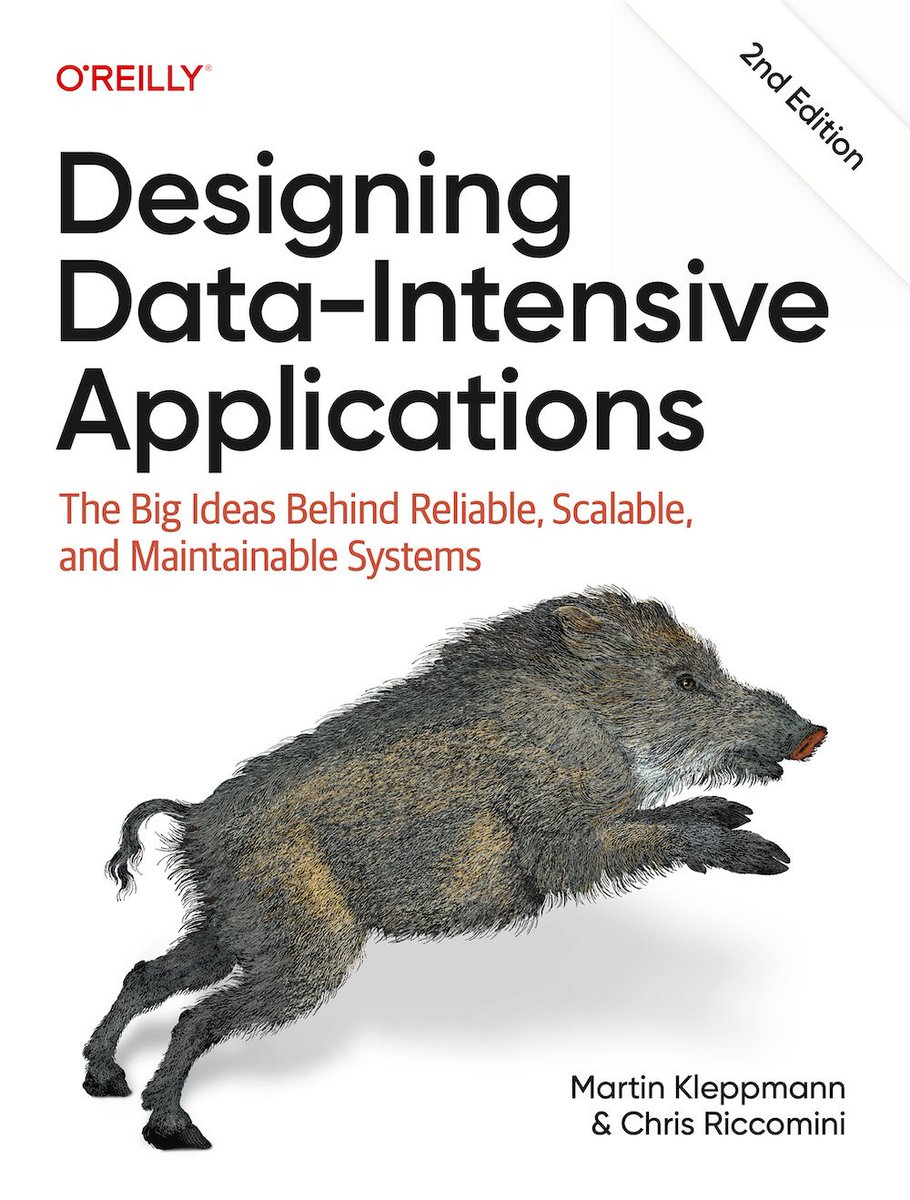
For decades SDCs were considered a myth, only caused by cosmic rays and such. We’ve only just entered the magic era where: 1. silicon is being pushed HARD 2. hyperscalers are getting SO big the issue is statistically visible Humanity is *just* starting to enter an era of needing to accept potentially imperfect compute. Current metrics imply about ~1 in 1000 CPUs are mercurial. Every indicator is pointing towards the issue getting worse in the future. A good (broad) overview about the subject is available from IEEE Computer magazine here, although I’d also encourage you to search the Meta, Google, and Alibaba research on the subject: computer.org/csdl/magazine/…
You cannot write a random number and expect people to understand