Sabitlenmiş Tweet
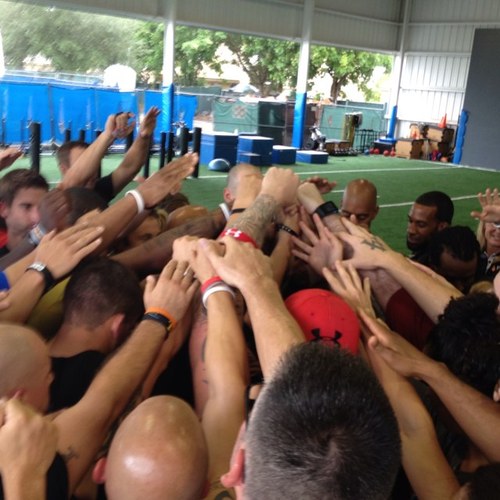
Good Coaches vs. Great Coaches: The Art of Observation and Mastery
Good coaches often possess deep expertise in a specific domain, but that’s not enough to achieve greatness. Great coaches bring a broader, more integrated perspective to their practice. They have advanced knowledge across multiple areas—biomechanics, training programming, recovery, nutrition, psychology, and more—and they understand how these pieces of the system interconnect.
The difference between a yelling coach and a observing coach is a perfect example of this broader perspective. A yelling coach might rely on intensity and constant feedback to push athletes to their limits. While this may yield short-term results, it can often undermine the athlete’s long-term development, leading to burnout, resentment, and a lack of trust.
In contrast, a great coach practices the art of observation. They understand that sometimes silence, a moment of reflection, or a well-timed question can be more powerful than an outburst. John Wooden, one of the most successful and revered coaches in history, said, “The true test of a coach is not what they do when the athletes are winning, but how they respond when things aren’t going well.” Wooden, who won 10 NCAA basketball championships, was known for his calm, observant approach—valuing patience and understanding over raw emotion.
The Pareto Principle applies here as well: Great coaches know that small, focused adjustments—sometimes as simple as a single observation—can yield massive improvements. Vince Lombardi, understood that leadership is about more than yelling. He said, “Leadership is not about being in charge, it’s about taking care of those in your charge.” Even though his coaching style was intense, Lombardi knew when to pull back and focus on the individuals he was leading.
The most exceptional coaches combine deep expertise in their domain with systems-level thinking—connecting the dots across various disciplines like biomechanics, psychology, and strategy. This allows them to not only design effective training programs but also to cultivate environments where athletes can thrive and learn. A great coach understands that “feedback is a gift,” and that the best feedback is often the one given when the coach is listening.
Phil Jackson, who led the Chicago Bulls and Los Angeles Lakers to NBA championships, is a perfect example of the observing coach. He wasn’t known for his shouting or micromanagement but for his ability to read the room and adjust his strategies accordingly. Jackson used Zen meditation practices and mindfulness techniques to cultivate self-awareness and team harmony. He once said, “The strength of the team is each individual member. The strength of each member is the team.”
This observation-based approach doesn't mean that great coaches avoid confrontation or hard truths. Rather, they know how and when to deliver those truths. The greatest coaches—like Socrates—approach their role with humility, knowing that the power of coaching isn’t just in giving answers, but in asking the right questions. Socrates famously said, “I cannot teach anybody anything. I can only make them think.”
The Synergy of Observation, Expertise, and Systems Thinking
The ability to connect dots across different domains of knowledge is what separates a good coach from a great one. The most effective coaches understand that excellence is about balance. Leonardo da Vinci—a master of observation, art, and science—embodied this balance. He once said, “Learn how to see. Realize that everything connects to everything else.”
The observing coach can discern the hidden connections between seemingly unrelated elements: biomechanics, mental state, team dynamics, and individual needs. They know that coaching isn’t just about what you say, but also about how you observe and react to the nuances of the situation. Great coaches don’t just yell for the sake of being heard—they speak when they have something meaningful to say.

English