Property Rights Turkey
154 posts

Property Rights Turkey
@PropertyRightsT
Turkey Property Rights Project - Türkiye Mülkiyet Hakkı İhlalleri projesi


Cezaevi Hak İhlalleri ve Gündemi Değerlendirme Basın Toplantısı x.com/i/broadcasts/1…


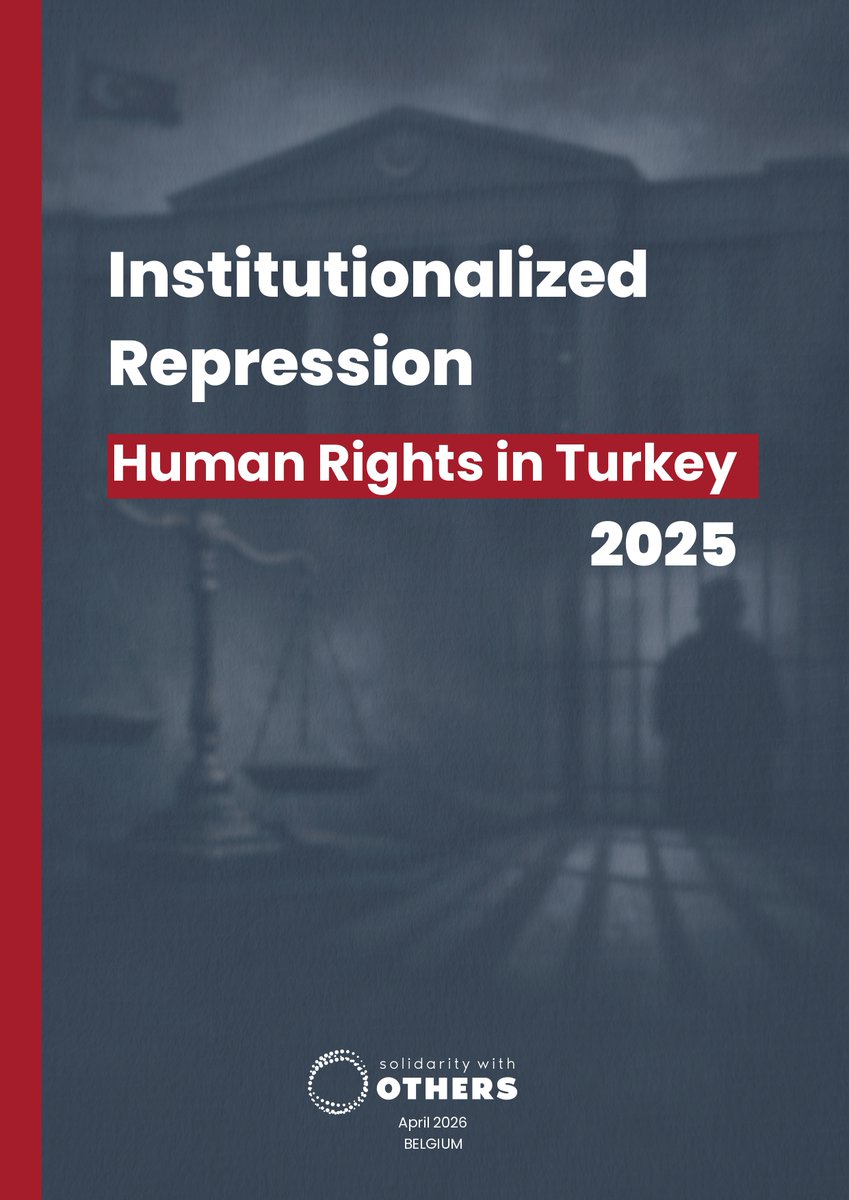
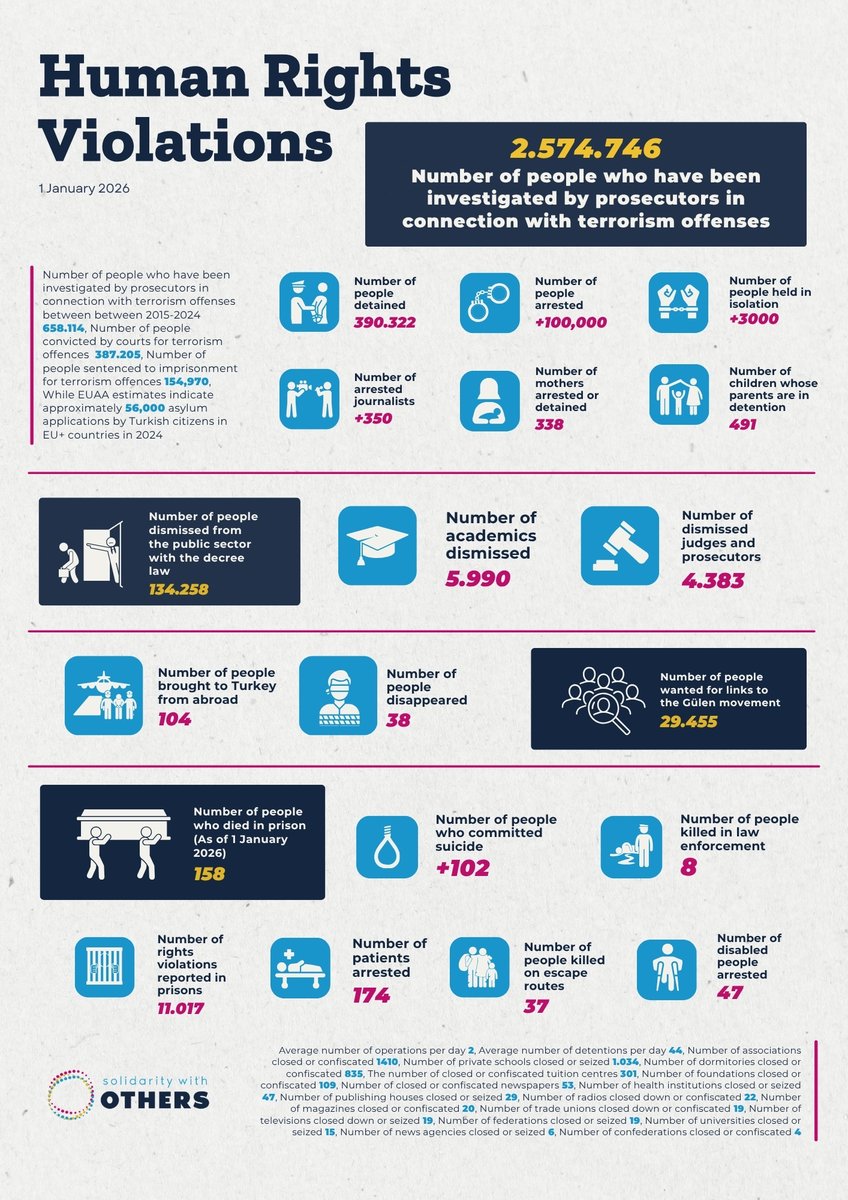
#Report | Institutionalized Repression – Human Rights in Turkey 2025 We are pleased to share our latest report documenting the human rights situation in Turkey throughout 2025. ▶️Human rights conditions in Turkey continued to deteriorate in 2025, reflecting the deepening of structural and institutional patterns of repression. ▶️Authorities maintained the widespread use of broadly defined anti-terrorism legislation to target perceived opponents, including journalists, civil society actors, and individuals allegedly linked to the Gülen movement, despite binding rulings from the European Court of Human Rights. ▶️Arbitrary detention, politically motivated prosecutions, and restrictions on fundamental freedoms,including expression, assembly, and media,remained pervasive, while judicial independence continued to be undermined by systemic political influence. ▶️At the same time, prison overcrowding, allegations of torture and ill-treatment, and serious concerns regarding access to healthcare in detention persisted. ▶️Minority groups, women, refugees, and human rights defenders faced additional layers of discrimination and pressure, while transnational repression extended the reach of domestic crackdowns beyond Turkey’s borders. 📄 Read the full report: solidaritywithothers.com/institutionali… We invite policymakers, civil society, and the international community to engage with these findings and support efforts toward accountability and reform.


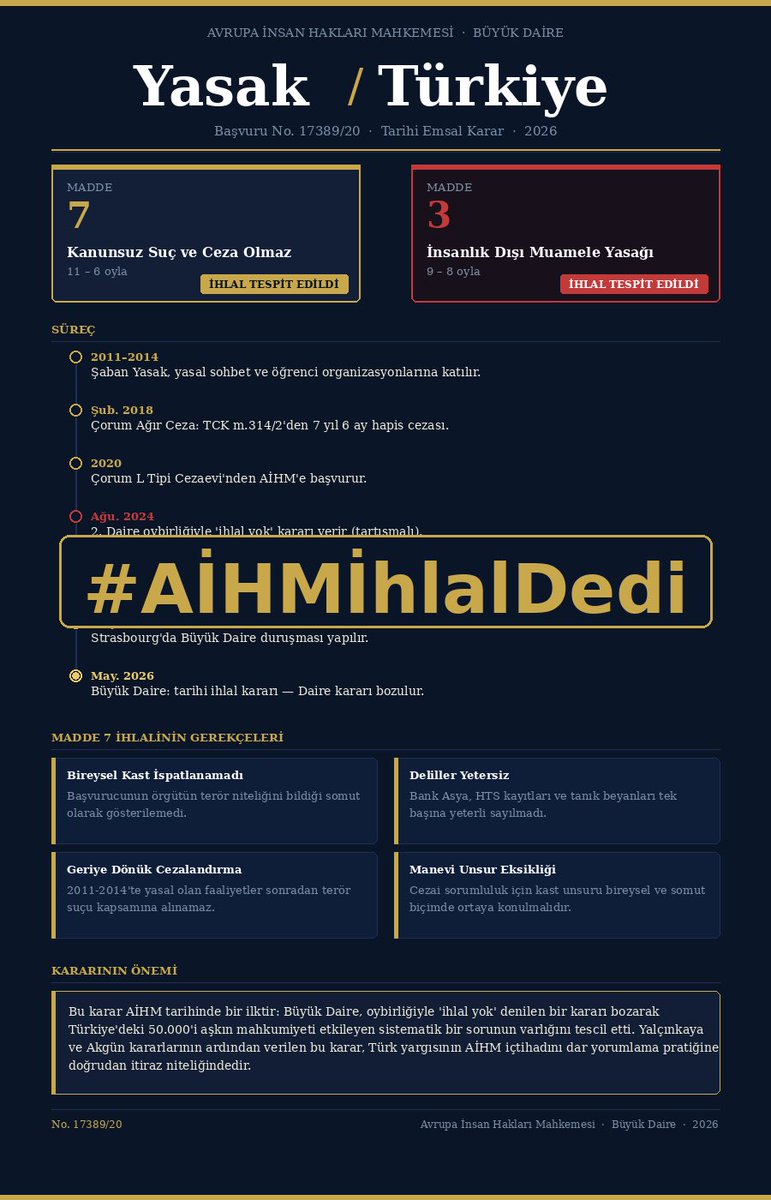
AİHM BÜYÜK DAİRE’DEN TARİHİ KARAR: Yasak v. Türkiye – Prof. Johan Vande Lanotte (@JohanvdLanotte): Bugün, 5 Mayıs 2026 tarihinde, Avrupa İnsan Hakları Mahkemesi Büyük Dairesi çok önemli bir karar açıklamıştır: Yasak / Türkiye kararı. [ENGLISH BELOW] Karar, Hizmet Hareketiyle ya da yaygın olarak bilinen adıyla Gülen Hareketiyle bağlantısı olan veya geçmişte bağlantısı bulunmuş kişilerin, yalnızca bu organizasyonda çalışmış olmaları ya da onunla ilişkili olmaları nedeniyle mahkûm edilemeyeceklerini çok açık bir şekilde ortaya koymaktadır. Avrupa Mahkemesi, söz konusu Hareketin çok çeşitli kurumlar aracılığıyla Türk toplumuna derin şekilde yerleşmiş olduğunu vurgulamaktadır. Bu nedenle, bu kurumlarda çalışan kişilerin, şiddet kullanımına veya terör eylemlerine herhangi bir şekilde katılmayı kabul ettikleri varsayılamaz. Mahkeme, bir kişinin ancak şiddet veya terör eylemlerine katkıda bulunma kastının bulunduğunun ortaya konulması hâlinde bir terör örgütüne üyelikten mahkûm edilebileceğini açıkça belirtmektedir. Sayın Yasak’ın davasında ise Mahkeme, böyle bir kastın hiçbir zaman ortaya konulmadığına hükmetmiştir. Buna göre Mahkeme, başvurucunun yedi yıl altı ay hapis cezasına mahkûm edilmesinin, Avrupa İnsan Hakları Sözleşmesi’nin 7. maddesinin ihlali niteliğinde olduğuna karar vermiştir. Bu karar son derece önemlidir; zira eğitim sektörü, sosyal alan, iş dünyası ile birlikte kadınlar, hemşireler, doktorlar, üniversite öğretim üyeleri ve diğer pek çok kişi olmak üzere, Gülen Hareketiyle bir şekilde bağlantısı bulunan veya bu Hareketin kurumlarında çalışmış olan on binlerce insan, otomatik olarak bir terör örgütünün üyesi olarak değerlendirilemez, değerlendirilmemelidir. Mahkeme, herhangi bir mahkûmiyetin gerekçelendirilebilmesi için kastın açık bir şekilde ortaya konulması gerektiğini vurgulamaktadır. Ayrıca Mahkeme, söz konusu Hareketin bir terör örgütü olarak resmî şekilde nitelendirilmesinin yalnızca 15 Temmuz 2016’daki darbe teşebbüsünden kısa bir süre önce gerçekleştiğini belirtmektedir. Bu nedenle, özellikle bu tarihten sonraki dönem bakımından, kastın somut ve açık bir şekilde ispat edilmesi gerekmektedir. Bu karar, Türk Hükûmeti, Türk Devleti ve Türk yargısı açısından kritik bir dönüm noktasını ifade etmektedir. On binlerce kişi, Avrupa İnsan Hakları Sözleşmesi ile bağdaşmayan bir şekilde mahkûm edilmiştir. Tüm bu kararların yeniden gözden geçirilmesi ve yeniden değerlendirilmesi gerekmektedir. Kastın açık, ayrıntılı ve bireyselleştirilmiş bir şekilde ortaya konulmadığı durumlarda, bu mahkûmiyetlerin ortadan kaldırılması gerekmektedir. Artık Türk Devleti’nin, Avrupa İnsan Hakları Sözleşmesi’ne gerçekten saygı duyduğunu ve bu Sözleşme’yi uygulayacağını, Sözleşme’nin 7. maddesinin ihlali suretiyle verilmiş on binlerce mahkûmiyet kararını gözden geçirerek ortaya koyması zorunludur. #sabanyasak #yasakkarari #aihm #ecthr #sabanyasakkarari #turkey #turkiye [ENGLISH] Today, 5 May 2026, the Grand Chamber of the European Court of Human Rights announced a very important judgment: Yasak v. Türkiye.The judgment states very clearly that persons who have, or have had, links with the Hizmet movement, or the Gülen movement as it is commonly known, cannot be convicted solely on the basis that they worked for or were associated with that organisation. The European Court emphasises that the movement was deeply embedded in Turkish society through a wide range of institutions. Accordingly, individuals working within those institutions cannot be presumed to have agreed with any potential use of violence or involvement in terrorist acts. The Court makes clear that a person may be convicted of membership of a terrorist organisation only where it is established that they had the intent to contribute to acts of violence or terrorism. In the case of Mr Yasak, the Court ruled that such intent had never been established. Accordingly, the Court found that his conviction and sentence of seven years and six months’ imprisonment were imposed in violation of Article 7 of the European Convention on Human Rights. This is an important judgment because tens of thousands of people—from the education sector, the social sector, business circles, as well as women, nurses, doctors, university professors and others—who have been linked in one way or another to the Gülen movement, or who have worked within its institutions, cannot be automatically, and should not be automatically, treated as members of a terrorist organisation. The Court emphasises that intent must be clearly established in order to justify any conviction. Moreover, the Court notes that the official designation of the movement as a terrorist organisation occurred only shortly before the attempted coup of 15 July 2016. Therefore, particularly in respect of the period following that date, intent must be specifically and demonstrably proven. This judgment marks a crucial moment for the Turkish Government, the Turkish State, and the Turkish judiciary. Tens of thousands of individuals have been convicted in a manner that is not compatible with the European Convention on Human Rights. All such judgments must now be reviewed and reconsidered. Where intent has not been established in a clear, detailed, and individualised manner, those convictions must be quashed. It is now essential for the Turkish State to demonstrate that it genuinely respects the European Convention and will give effect to it by reviewing the tens of thousands of convictions that were rendered in violation of Article 7 of the Convention.


AİHM BÜYÜK DAİRE’DEN TARİHİ KARAR: Yasak v. Türkiye – Prof. Johan Vande Lanotte (@JohanvdLanotte): Bugün, 5 Mayıs 2026 tarihinde, Avrupa İnsan Hakları Mahkemesi Büyük Dairesi çok önemli bir karar açıklamıştır: Yasak / Türkiye kararı. [ENGLISH BELOW] Karar, Hizmet Hareketiyle ya da yaygın olarak bilinen adıyla Gülen Hareketiyle bağlantısı olan veya geçmişte bağlantısı bulunmuş kişilerin, yalnızca bu organizasyonda çalışmış olmaları ya da onunla ilişkili olmaları nedeniyle mahkûm edilemeyeceklerini çok açık bir şekilde ortaya koymaktadır. Avrupa Mahkemesi, söz konusu Hareketin çok çeşitli kurumlar aracılığıyla Türk toplumuna derin şekilde yerleşmiş olduğunu vurgulamaktadır. Bu nedenle, bu kurumlarda çalışan kişilerin, şiddet kullanımına veya terör eylemlerine herhangi bir şekilde katılmayı kabul ettikleri varsayılamaz. Mahkeme, bir kişinin ancak şiddet veya terör eylemlerine katkıda bulunma kastının bulunduğunun ortaya konulması hâlinde bir terör örgütüne üyelikten mahkûm edilebileceğini açıkça belirtmektedir. Sayın Yasak’ın davasında ise Mahkeme, böyle bir kastın hiçbir zaman ortaya konulmadığına hükmetmiştir. Buna göre Mahkeme, başvurucunun yedi yıl altı ay hapis cezasına mahkûm edilmesinin, Avrupa İnsan Hakları Sözleşmesi’nin 7. maddesinin ihlali niteliğinde olduğuna karar vermiştir. Bu karar son derece önemlidir; zira eğitim sektörü, sosyal alan, iş dünyası ile birlikte kadınlar, hemşireler, doktorlar, üniversite öğretim üyeleri ve diğer pek çok kişi olmak üzere, Gülen Hareketiyle bir şekilde bağlantısı bulunan veya bu Hareketin kurumlarında çalışmış olan on binlerce insan, otomatik olarak bir terör örgütünün üyesi olarak değerlendirilemez, değerlendirilmemelidir. Mahkeme, herhangi bir mahkûmiyetin gerekçelendirilebilmesi için kastın açık bir şekilde ortaya konulması gerektiğini vurgulamaktadır. Ayrıca Mahkeme, söz konusu Hareketin bir terör örgütü olarak resmî şekilde nitelendirilmesinin yalnızca 15 Temmuz 2016’daki darbe teşebbüsünden kısa bir süre önce gerçekleştiğini belirtmektedir. Bu nedenle, özellikle bu tarihten sonraki dönem bakımından, kastın somut ve açık bir şekilde ispat edilmesi gerekmektedir. Bu karar, Türk Hükûmeti, Türk Devleti ve Türk yargısı açısından kritik bir dönüm noktasını ifade etmektedir. On binlerce kişi, Avrupa İnsan Hakları Sözleşmesi ile bağdaşmayan bir şekilde mahkûm edilmiştir. Tüm bu kararların yeniden gözden geçirilmesi ve yeniden değerlendirilmesi gerekmektedir. Kastın açık, ayrıntılı ve bireyselleştirilmiş bir şekilde ortaya konulmadığı durumlarda, bu mahkûmiyetlerin ortadan kaldırılması gerekmektedir. Artık Türk Devleti’nin, Avrupa İnsan Hakları Sözleşmesi’ne gerçekten saygı duyduğunu ve bu Sözleşme’yi uygulayacağını, Sözleşme’nin 7. maddesinin ihlali suretiyle verilmiş on binlerce mahkûmiyet kararını gözden geçirerek ortaya koyması zorunludur. #sabanyasak #yasakkarari #aihm #ecthr #sabanyasakkarari #turkey #turkiye [ENGLISH] Today, 5 May 2026, the Grand Chamber of the European Court of Human Rights announced a very important judgment: Yasak v. Türkiye.The judgment states very clearly that persons who have, or have had, links with the Hizmet movement, or the Gülen movement as it is commonly known, cannot be convicted solely on the basis that they worked for or were associated with that organisation. The European Court emphasises that the movement was deeply embedded in Turkish society through a wide range of institutions. Accordingly, individuals working within those institutions cannot be presumed to have agreed with any potential use of violence or involvement in terrorist acts. The Court makes clear that a person may be convicted of membership of a terrorist organisation only where it is established that they had the intent to contribute to acts of violence or terrorism. In the case of Mr Yasak, the Court ruled that such intent had never been established. Accordingly, the Court found that his conviction and sentence of seven years and six months’ imprisonment were imposed in violation of Article 7 of the European Convention on Human Rights. This is an important judgment because tens of thousands of people—from the education sector, the social sector, business circles, as well as women, nurses, doctors, university professors and others—who have been linked in one way or another to the Gülen movement, or who have worked within its institutions, cannot be automatically, and should not be automatically, treated as members of a terrorist organisation. The Court emphasises that intent must be clearly established in order to justify any conviction. Moreover, the Court notes that the official designation of the movement as a terrorist organisation occurred only shortly before the attempted coup of 15 July 2016. Therefore, particularly in respect of the period following that date, intent must be specifically and demonstrably proven. This judgment marks a crucial moment for the Turkish Government, the Turkish State, and the Turkish judiciary. Tens of thousands of individuals have been convicted in a manner that is not compatible with the European Convention on Human Rights. All such judgments must now be reviewed and reconsidered. Where intent has not been established in a clear, detailed, and individualised manner, those convictions must be quashed. It is now essential for the Turkish State to demonstrate that it genuinely respects the European Convention and will give effect to it by reviewing the tens of thousands of convictions that were rendered in violation of Article 7 of the Convention.


AİHM BÜYÜK DAİRE’DEN TARİHİ KARAR: Yasak v. Türkiye – Prof. Johan Vande Lanotte (@JohanvdLanotte): Bugün, 5 Mayıs 2026 tarihinde, Avrupa İnsan Hakları Mahkemesi Büyük Dairesi çok önemli bir karar açıklamıştır: Yasak / Türkiye kararı. [ENGLISH BELOW] Karar, Hizmet Hareketiyle ya da yaygın olarak bilinen adıyla Gülen Hareketiyle bağlantısı olan veya geçmişte bağlantısı bulunmuş kişilerin, yalnızca bu organizasyonda çalışmış olmaları ya da onunla ilişkili olmaları nedeniyle mahkûm edilemeyeceklerini çok açık bir şekilde ortaya koymaktadır. Avrupa Mahkemesi, söz konusu Hareketin çok çeşitli kurumlar aracılığıyla Türk toplumuna derin şekilde yerleşmiş olduğunu vurgulamaktadır. Bu nedenle, bu kurumlarda çalışan kişilerin, şiddet kullanımına veya terör eylemlerine herhangi bir şekilde katılmayı kabul ettikleri varsayılamaz. Mahkeme, bir kişinin ancak şiddet veya terör eylemlerine katkıda bulunma kastının bulunduğunun ortaya konulması hâlinde bir terör örgütüne üyelikten mahkûm edilebileceğini açıkça belirtmektedir. Sayın Yasak’ın davasında ise Mahkeme, böyle bir kastın hiçbir zaman ortaya konulmadığına hükmetmiştir. Buna göre Mahkeme, başvurucunun yedi yıl altı ay hapis cezasına mahkûm edilmesinin, Avrupa İnsan Hakları Sözleşmesi’nin 7. maddesinin ihlali niteliğinde olduğuna karar vermiştir. Bu karar son derece önemlidir; zira eğitim sektörü, sosyal alan, iş dünyası ile birlikte kadınlar, hemşireler, doktorlar, üniversite öğretim üyeleri ve diğer pek çok kişi olmak üzere, Gülen Hareketiyle bir şekilde bağlantısı bulunan veya bu Hareketin kurumlarında çalışmış olan on binlerce insan, otomatik olarak bir terör örgütünün üyesi olarak değerlendirilemez, değerlendirilmemelidir. Mahkeme, herhangi bir mahkûmiyetin gerekçelendirilebilmesi için kastın açık bir şekilde ortaya konulması gerektiğini vurgulamaktadır. Ayrıca Mahkeme, söz konusu Hareketin bir terör örgütü olarak resmî şekilde nitelendirilmesinin yalnızca 15 Temmuz 2016’daki darbe teşebbüsünden kısa bir süre önce gerçekleştiğini belirtmektedir. Bu nedenle, özellikle bu tarihten sonraki dönem bakımından, kastın somut ve açık bir şekilde ispat edilmesi gerekmektedir. Bu karar, Türk Hükûmeti, Türk Devleti ve Türk yargısı açısından kritik bir dönüm noktasını ifade etmektedir. On binlerce kişi, Avrupa İnsan Hakları Sözleşmesi ile bağdaşmayan bir şekilde mahkûm edilmiştir. Tüm bu kararların yeniden gözden geçirilmesi ve yeniden değerlendirilmesi gerekmektedir. Kastın açık, ayrıntılı ve bireyselleştirilmiş bir şekilde ortaya konulmadığı durumlarda, bu mahkûmiyetlerin ortadan kaldırılması gerekmektedir. Artık Türk Devleti’nin, Avrupa İnsan Hakları Sözleşmesi’ne gerçekten saygı duyduğunu ve bu Sözleşme’yi uygulayacağını, Sözleşme’nin 7. maddesinin ihlali suretiyle verilmiş on binlerce mahkûmiyet kararını gözden geçirerek ortaya koyması zorunludur. #sabanyasak #yasakkarari #aihm #ecthr #sabanyasakkarari #turkey #turkiye [ENGLISH] Today, 5 May 2026, the Grand Chamber of the European Court of Human Rights announced a very important judgment: Yasak v. Türkiye.The judgment states very clearly that persons who have, or have had, links with the Hizmet movement, or the Gülen movement as it is commonly known, cannot be convicted solely on the basis that they worked for or were associated with that organisation. The European Court emphasises that the movement was deeply embedded in Turkish society through a wide range of institutions. Accordingly, individuals working within those institutions cannot be presumed to have agreed with any potential use of violence or involvement in terrorist acts. The Court makes clear that a person may be convicted of membership of a terrorist organisation only where it is established that they had the intent to contribute to acts of violence or terrorism. In the case of Mr Yasak, the Court ruled that such intent had never been established. Accordingly, the Court found that his conviction and sentence of seven years and six months’ imprisonment were imposed in violation of Article 7 of the European Convention on Human Rights. This is an important judgment because tens of thousands of people—from the education sector, the social sector, business circles, as well as women, nurses, doctors, university professors and others—who have been linked in one way or another to the Gülen movement, or who have worked within its institutions, cannot be automatically, and should not be automatically, treated as members of a terrorist organisation. The Court emphasises that intent must be clearly established in order to justify any conviction. Moreover, the Court notes that the official designation of the movement as a terrorist organisation occurred only shortly before the attempted coup of 15 July 2016. Therefore, particularly in respect of the period following that date, intent must be specifically and demonstrably proven. This judgment marks a crucial moment for the Turkish Government, the Turkish State, and the Turkish judiciary. Tens of thousands of individuals have been convicted in a manner that is not compatible with the European Convention on Human Rights. All such judgments must now be reviewed and reconsidered. Where intent has not been established in a clear, detailed, and individualised manner, those convictions must be quashed. It is now essential for the Turkish State to demonstrate that it genuinely respects the European Convention and will give effect to it by reviewing the tens of thousands of convictions that were rendered in violation of Article 7 of the Convention.