
Hussein Adam retweetledi
Hussein Adam
18.8K posts
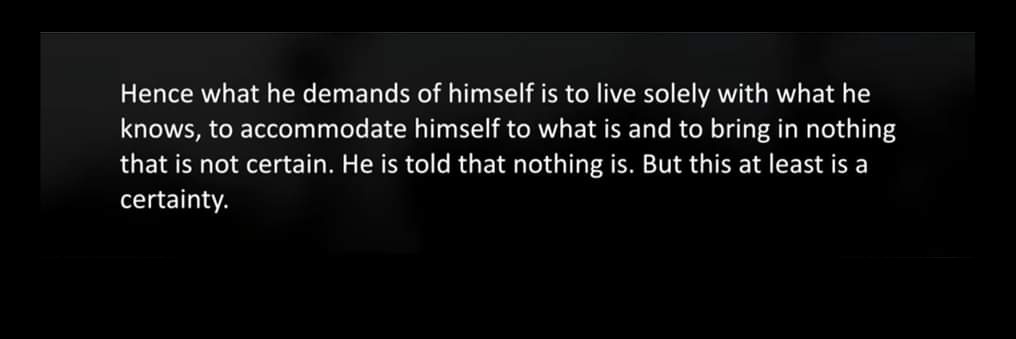


Read this a few times. It’s the definition of pure, unadulterated evil and criminality.
Reuters@Reuters
Israeli strike kills infant girl in south Lebanon during father's funeral reut.rs/4t6xqOZ reut.rs/4t6xqOZ
English
Hussein Adam retweetledi

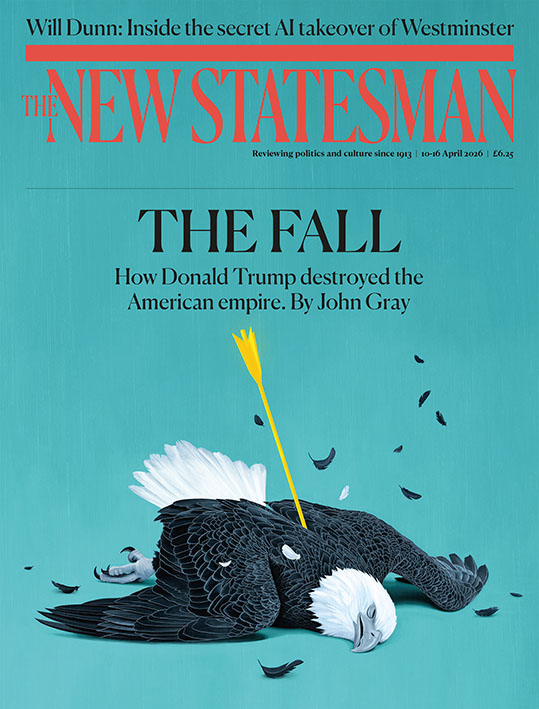
THE FALL by John Gray
Donald Trump's self-described "little excursion" in Iran has proved to be a march to disaster. His "major combat operation" has shifted from aiming to block Iran achieving a nuclear capability that was supposedly "obliterated" last June to unblocking the Strait of Hormuz and restoring the situation that existed before the operation began. Whatever the objective may be, the pre-war status quo is irretrievable. Trump cannot declare victory and walk away without surrendering the vital shipping conduit to Iran. With its proven capacity to wreak havoc on the world economy, a bombed-out military-theocratic dictatorship has begun the final unravelling of US imperial power.
In the Middle East, the war has undercut the financial foundations of US hegemony. However the war ends, the result will be the re-emergence of Iran as a major power. As the arbiter of passage through Hormuz, Iran has become the deciding force in the global oil economy. If Trump opts to "finish the job" and launches a ground operation, the US will be dragged into a debacle larger than Vietnam, Afghanistan and Iraq combined.
While Nato may linger on in name, the transatlantic alliance is operationally defunct. America is returning to its pre-1914 trajectory as a civilisation separate from Europe. In the UK, the default position is to wait out the storm until sanity returns to Washington. Why Putin or Xi Jinping should exhibit similar patience is not explained. Could there be a better time for them to act? Ramping up hybrid warfare in under-defended Europe will give Putin leverage in any peace deal in Ukraine. With Trump having shifted military assets from the Asia-Pacific to the Middle East and running down munitions, Xi may be able to absorb Taiwan without firing a shot.
This is not simply a case of the lessons of history being ignored. Trump's war looks more like an example of what Sigmund Freud described as repetition compulsion – an unconscious process in which the mind acts out what it cannot properly remember. A creature of the moment as he may be, Trump seems driven by an impulse to reimagine the past and reassert American – and his own – greatness. When an infantile fantasy of omnipotence comes up against unyielding realities, the response is inchoate rage.
Psychopathology may be more illuminating than geopolitics at this point. In a more profound sense than is commonly recognised, Donald Trump does not know what he is doing. His little excursion is a point of no return in America's retreat as a global power.
Cover art by Cracked Hat
English
Funny how every 'crypto visionary' from 2021 is now a 'geopolitical strategist' and 'Hormuz security analyst' 🤪
English
Hussein Adam retweetledi
The way Israelis keep talking as if Iran just randomly decided to victimize them with missiles -- due to anti-Semitism -- is almost impressive in its sociopathic delusion.
Israelis really believe they have the divine right to bomb and exterminate anyone with no retaliation.
Arsen Ostrovsky@Ostrov_A
🚨 As you’re going about your day, hundreds of thousand of Israelis are racing to bomb shelter, after Iran just fired another barrage of missiles, including in Tel Aviv.
English
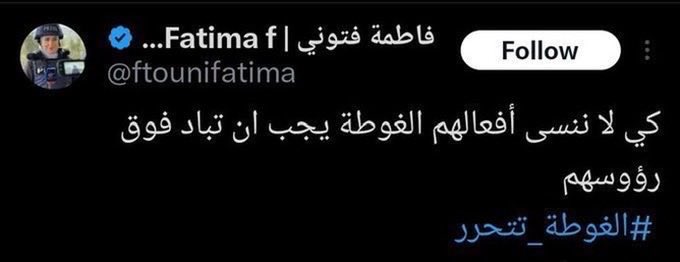
@MumHnh بحثت في صفحة فاطمة فتوني @ftounifatima ولم اجد التغريدة الي وضعتها ولا توجد حتى تغريدة تشببها بأي شكل لما كتبت "الغوطة " بل العكس تماماً. وبخصوص علي شعيب هذا هو حسابه الحقيقي @cheib1970 مو نفس الحساب الي واضعه , لذلك لمن تريد تنشر على الأقل شوفلك شيء صحيح .
العربية

كان إعلام محور إيران شديدا في معاداة أهل سوريا، وظنوا أنها دائمة لهم، وأنهم فيها خالدون، فما تورعوا ولا خجلوا من الشماتة بقتل الأبرياء ولا الدعوة إلى قتلهم، فكان أن قتلتهم إسرائيل وشمت بهم عدوهم.
شخصيا أتفهم شماتة السوري بإيران ومحورها، وإن كنت أرفض بلوغ حد التفاهة والسفه وأرى الترفّع خير من الشماتة، لكن الدنيا دوّارة:
هي الأمور كما شاهدتها دول
من سره زمن ساءته أزمان
اتعظ بغيرك قبل أن تتعظ بنفسك.

العربية
Hussein Adam retweetledi

If an Army Ranger and Director of National Counter-Terrorism, who served 11 combat tours in Iraq, tells you that Israel is running the US Government maybe you should pay attention.

English
الأسطوانة الطويلة هي محاولة لتفكيك واقع معقد، بينما أنت تكرر محفوظتك المعتادة وما ترد على شيء بس هي الظاهر تريّحك نفسياً. رديت عليك بالوقائع والتسلسل الزمني، بس انت ترجع تكرر نفس سالفتك. الرنجة الحمراء هو اقحامك لسالفة اخوان سنة وشيعة وانا ما تكلمت بهذا الشيء وإنما هناك واقع وميدان. في السياسة الدولية، لا توجد دولة جارة "تنأى بنفسها" حين تجد حدودها أمام فراغ أمني وعسكري هائل بحجم ما حدث في العراق بعد 2003 أو سوريا لاحقاً. إيران تمددت بسبب هذا الفراغ الاستراتيجي الذي خلفه الغزو الأمريكي وغياب الدولة، وبسبب ارتهان قوى إقليمية أخرى لقرارات خارجية. سواء كان هذا التمدد الإيراني صحاً أم خطأ، أخلاقياً أم بشعاً، هذا هو الواقع. الدول لا تتصرف بمنطق الجمعيات الخيرية أو "تستثمر لرفاهية الشعوب الأخرى"، بل تملأ الفراغات لحماية أمنها القومي وتوسيع نفوذها لغرض مشاريع اخرى وفي فهم ايران هذي المشاريع هي اسرائيل وجنوب لبنان او فلسطين.
العربية
شوف هذه الأسطوانة الطويلة التي تكتبها كل مرة لا تغير حقيقة أن الحكم الشيعي العراقي، وقبله الرؤية الإيرانية المذهبية والطائفية الفاشلة، هو السبب الأهم في خراب العراق. السنة ليسوا ملائكة ولا واحدهم شريف مكة، لكن التعامي عن الحكم الشيعي وتوزيع المسؤولية على الجميع، وأننا كلنا السبب، وإخوان سنة وشيعة، وما حدث قد يتحمل أخطاء، وتصرفات فردية، هذا كله رنجة حمراء بما أنك تحب مصطلحات المغالطات.
عودا على بدء، بما أن الوضع العراقي ليس موضوعي، كان بإمكان إيران أن تستثمر في العراق والعراقيين وسوريا والسوريين، في الأقل أن تنأى بنفسها عن هذين البلدين ولا تتدخل إلا بما فيه تحقيق الأفضل لها ولهم، لكنها سلكت درب وعرا، جعل هذه البلاد الثلاث في وحل وطين وخراء.
العربية
كتبت قبل ثماني سنوات أن إيران بلا مشروع توسعي حقيقيّ ولا تطمح لأن تكون إمبراطورية بالمعنى الحق. بعد احتلال العراق في 2003 وتسلم الشيعة للسلطة، كان بإمكانها أن تستثمر العراق والعراقيين في صالحها، بعيدا عن الخرافات الدينية والصراع الطائفي. وكان بإمكانها أن تمد نفوذها إلى سوريا بما يتوافق مع متطلبات الشعب السوري التي كان سيكفيها الحد الأدنى من الحياة الكريمة بل حتى أن تساعد على الإطاحة ببشار وتعمل على بناء دولة متقاربة الرؤى معها، وكذلك الحال في لبنان. لكنها دولة بلا مشروع إمبراطوريّ، كان بيدها أن تجعل دولتها تمتد إلى سواحل البحر المتوسط برضا شعبي وحكومي وتكون مثل أمريكا في الخليج، وتقدم نفسها زعيمة حقيقية وعدو لإسرائيل وخصم لأمريكا مستثمرة بعقول وطاقات وموارد هذه البلاد، بل أن تدخل الخليج في حلفها.
في الأخير الخرافية الدينية التي تنخر العقل البشري ستجعله فاشلا في آخر المطاف.
العربية
أنت تستمر بتتجاهل السياق الكامل، وتستخدم إيران والشيعة لملئ الفراغات التحليلية في سرديتك متى ما شئت وحسب رغبتك.
النظام السياسي بعد 2003، بكل تشوهاته ومحاصصته، هو إفراز لواقع معطوب وانهيار دولة، وليس نظاماً مثالياً أو جيداً بأي معيار. تصدّر القوى الشيعية للمشهد هو تحصيل حاصل للوزن الديموغرافي في نظام اقتراعي (حتى مع كل عيوبه)، وليس مجرد مؤامرة إيرانية-أمريكية صُممت لإقصائك انت السني المثالي المتصالح مع الباقين لا ترسل لهم مفخخة ولا سكين.
تتحدث عن القضاء والاعتقالات وتتجاهل عمداً الواقع الإجرامي والدموي الذي حرق البلد. بغض النظر عن انحيازات القضاء أو أخطائه، كيف تتجاهل سنوات من السيارات المفخخة في الأسواق، وعمليات الذبح على الهوية، ومجزرة "سبايكر" التي أبادت آلاف الشباب العُزّل في يوم واحد؟ نعم، في ظل هذا الواقع الفوضوي والدموي المليء بالمفخخات قد يقع أبرياء في السجون، لكن تصوير الإجراءات الأمنية وكأنها مجرد "استهداف طائفي" مع التعامي المطلق عن الإرهاب الممنهج هو تدليس خالص.
تنظيم القاعدة بقيادة الزرقاوي بدأ تفجير الأسواق وإعلان "حرب الإبادة ضد الروافض" بعد بيعته للقاعدة عام 2004 قبل أن تتشكل ملامح أي نظام سياسي أو تتأسس الميليشيات التي تتحدث عنها. كان 'ردة فعل' فوضوية، على إرهاب الزرقاوي وغيره الابتدائي وعلى الانهيار التام للأجهزة الأمنية، ولم تكن هي من بدأ الصراع. أنت تضع العربة أمام الحصان لتجعل من الإرهاب الممنهج مجرد 'ضحية' للميليشيات، بينما الواقع يثبت أن إرهاب القاعدة هو من خلق الذريعة والفراغ لتتمدد هذه الميليشيات.
أنت تقفز فوق الكوارث التي تسببت بها التنظيمات الإرهابية، وتهمل تعقيدات انهيار الدولة، لتُرضي نزعاتك ورغباتك الطائفية فقط.
العربية
تتكلم وكأن ليس الحكم الشيعي هو المتسيّد والمسيطر على كل شيء في العراق، ولا أنه منذ مجلس الحكم حتى السوداني هو حكم شيعي مرضي عنه إيرانيا وأمريكيا ويملك زمام كل شيء، ولا عن القضاء الطائفي الذي يحكم على سجن عشرات الآلاف من السنة، ولا عن المليشيات الشيعية المتنفذة على رأسها جيش المهدي بقيادة مقتدى الصدر، ولا تهجير السنة من مناطقهم في جرف الصخر وحزام بغداد وصلاح الدين والأنبار، ولا الخطاب الشيعي الطائفي، ولا تشييع العراق، ولا إرسال المليشيات للقتال في سوريا، ولا تحويل البلد إلى مأتم حسيني وزيارة كربلائية، كل هذا ليس بسبب الحكم الشيعي بل هو محاصصة والكل تتحمل مسؤولية ما حصل! أنت تخادع نفسك.
أما بخصوص داعش والقاعدة وباقي التنظيمات نعم هي تنظيمات سنية قلبا وقالبا، وليس في ذكر ذلك أي طائفية لأنها ببساطة مجردة تنظيمات سنية أفرزها المجتمع السنيّ بعد ٢٠٠٣، والسبب هو النظام القائم بعد ٢٠٠٣ الذي يتزعمه شيعة إيران وتباركه أمريكا.
العربية
آني ما الف وادور ، بس ما اريد مجاراتك في طائفيتك المُقنَّعه وتبني نهجك بـ "الهجاء المذهبي"
أولاً القول بأن السلطة والجيش والقضاء بيد مكوّن واحد هو جهل بطبيعة النظام العراقي ما بعد 2003. النظام أُسس على "المحاصصة التوافقية" يتقاسم فيها الشيعة والسنة والأكراد الوزارات، الميزانيات، والعقود. النخبة السياسية الحاكمة بكل مكوناتها شريكة في الفشل، نهب الدولة، الفساد، واللصوصية السياسية، وتحميل طقوس دينية كـ (الزيارة) مسؤولية الانهيار المؤسسي هو إفلاس تحليلي.
ثانياً فكرة أن النخب كان يمكنها ببساطة "تلافي" السياسات الأمريكية هي سذاجة سياسية. قرار الحاكم المدني بول بريمر بحل الدولة (الجيش، الشرطة، المؤسسات) خلق فراغاً أمنياً وإدارياً كارثياً لا يمكن لأي طبقة سياسية صاعدة—مفتقرة للخبرة وتعمل في ظل احتلال—أن تتجاوزه بمجرد "تغليب المصلحة الوطنية". بناء الدول يتطلب هياكل صلبة، وتلك الهياكل تم محوها بالكامل. هناك امثله اخرى غير هذا طبعاً.
ثالثاً مقارنة إقليم كردستان بالجنوب هي مقارنة تتجاهل السياق التاريخي. إقليم كردستان يحظى بحكم شبه مستقل، وبناء مؤسساتي مدعوم غربياً، وحماية دولية (منطقة حظر طيران) منذ عام 1991، أي قبل بقية العراق بـ 12 عاماً. في المقابل، الجنوب تم استنزافه في حروب الثمانينيات، ثم عانى من حصار وقمع التسعينيات، وبعد 2003 تحمل العبء الأكبر من الحروب الأهلية ومحاربة التنظيمات الإرهابية ( ما راح اسميها السنية حتى لا اكون طائفي مثلك ) كالقاعدة وداعش، ناهيك عن وقوعه ضحية لفساد النخب السياسية الشيعية لأن هذا الواقع المريض راح يفرز شخصيات بهذا المستوى المريض.
المهم الي حدث في العراق هو فشل "طبقة سياسية" كاملة بكل أطيافها، وهو نتاج طبيعي لتفكيك مؤسسات الدولة وتحويلها لساحة تصفية حسابات إقليمية ودولية. تقييم هذا الفشل بأدوات طائفية هو مجرد تنفيس أيديولوجي.
العربية
شوف أنت تلف وتدور ولا تريد أن تعترف بحقيقة ما جرى أنه بسبب إيران والحكم الشيعي لأن السلطة بيدهم والجيش والقضاء، وحسب ما يقولون نحن الأكثرية والحكم لنا، وأن حتى السياسات الأمريكية كان بإمكان القوى الشيعية تلافيها والالتفاف عليها وتغليب المصلحة الوطنية على الأهداف الطائفية والزيارة واللطم وحسين وكربلاء. النظر فقط إلى واقع الجنوب الشيعي ومقارنته بالشمال الكردي يكشف لك الهوّة الواسعة بين عقليتي الاثنين وكيف أنهم حتى لحاضنتهم الشعبية لم يقدموا شيئا فضلا عن أن يقدموا للسنة أو يتركونهم يقدّمون أو ينهضوا بالبلد الذي انتظروا حكمه منذ ١٤٠٠ سنة.
العربية
هذي مغالطة السبب الوحيد دائماً تطرح عند الي عندهم تفكير رغائبي ويميلون للتسطيح المخل بتعقيدات المشهد العراقي حتى تكون النتيجة مثل رغبتهم. إرجاع فشل بناء الدولة في العراق إلى إيران أو المكون الشيعي هو قفز فوق واقع هيكلي كارثي؛ فالعراق بعد 2003 لم يشهد مجرد تغيير في السلطة، بل تعرض لتفكيك كامل لمؤسسات الدولة السيادية (الجيش، الأمن، القضاء، والإدارة) بقرارات أمريكية، مما خلف فراغاً مؤسسياً هائلاً يستحيل معه بناء دولة مستقرة في المدى المنظور.
علاوة على ذلك، العراق ليس رقعة شطرنج يحركها لاعب واحد، بل هو ساحة صراع داخلي معقدة تتجاذبها ثلاثة مكونات رئيسية (شيعة، سنة، أكراد) دخلت في نظام "محاصصة" استنزف مقدرات البلاد في عمليات شد وجذب مستمرة. طهران بلا شك استغلت هذا الفراغ لبناء نفوذ وتأمين عمقها الجيوسياسي، لكن الانهيار الخدمي والسياسي هو نتاج حتمي لتحطيم هيكل الدولة الأساسي، وتقاطع التدخلات الإقليمية والدولية وعمليه الشد والإرهاب المستمرة، والفساد الممنهج الذي شاركت فيه النخب السياسية من كافة المكونات دون استثناء، وليس مجرد نتاج لدولة تبنت "خرافة دينية"
العربية
@PusherEcho ماذا فعلت إيران بعد أن صارت صاحبة اليد العليا في العراق؟ حولته مع الشيعة إلى أكبر زريبة في العالم لا تصلح حتى لحياة البهائم، مع أنه من أغنى البلاد في المنطقة. وهذا أكبر دليل على فشلها وسياساتها الضيقة والخرافة الدينية والهراء الشيعي.
العربية
مصطلح "خفض التصعيد" في الشرق الأوسط أصبح يشبه عبارة "أتمنى لك يوماً سعيداً" التي يقولها موظف خدمة العملاء.. كلام بروتوكولي لطيف، الجميع يقوله، لكن لا أحد يملك آلية حقيقية لتطبيقه على أرض الواقع وسط اللاعبين الكبار الذين يحركون أدوات التصعيد فعلياً.
العربية
هاي مثل جارين يقفان أمام مبنى يحترق بالكامل وتتصاعد منه ألسنة اللهب، فيتبادلان النظرات العميقة ويتفقان على أن "اللعب بالكبريت تصرف غير مسؤول ويجب الحد منه".
الجزيرة - عاجل@AJABreaking
عاجل | الديوان الأميري القطري: أمير #قطر تلقى اتصالا من رئيس وزراء #العراق أكدا خلاله أهمية خفض التصعيد في المنطقة
العربية
@dafna23j نعم، إيران تؤسس داعش... ثم تؤسس الحشد لقتال داعش... ثم تعين قادة داعش أنفسهم كقادة في الحشد! إذن، هم يقاتلون أنفسهم، وينتصرون على أنفسهم، في مسرحية عبثية تحتاج إلى سبورة وورقة وقلم لمحاولة فهم من يطلق النار على من.
العربية

داع11 أسستها أيران 2013 بقيادة الهالك قاسم سليماني والخنزير نوري المالكي ومخابرات دول غربية وتم تسليحهم بعد فرار 45 ألف عسكري شيعي من الموصل ثم قتلوا 2400 شيعي في قاعدة سبايكر حتى يلصقوا التهمة في أهل السنة ودول عربية ثم قتلوا الألاف من السنة ثم اسسوا الحشد الشيعي الأيراني وعينوا قاده داع11فيه للقتل والتهجير وللتغيير الديموغرافي في المحافظات السنية وتجنيس الأيرانيين ثم أنتقلوا لأكمال المشروع الأيراني في سوريا وصرح بذلك قادة الحرس الثوري الأيراني
العربية

@al_faouzi68003 استاذ هل يمكن نسخ المقال ولصقه هنا ؟ لأن الصحيفة تحتاج اشتراك لقراءة المقال
العربية

مقال للقراءة في هارتس مع الحفاظ على المسافات والروح النقدية
Haaretz.com@haaretzcom
Shi'ite Islam and Orthodox Judaism have more in common than you think haaretz.com/jewish/2026-03…
العربية
Shi'ite Islam and Orthodox Judaism Have More in Common Than You Think Roni Weinstein
Many parallels can be drawn between the foundational beliefs of the Shi'ites and the Jews, particularly when it comes to ultra-Orthodoxy. This surprising connection didn't occur by chance.
In a way that may surprise those living in such a turbulent environment, there are only three instances in the Middle East where a state or powers within it are led by bodies that declare that they are representatives of God on Earth: Iran, ruled by the ayatollah (literally, sign of God), holder of supreme authority in the country; Hezbollah (Party of God), which was headed by the dominant leader Hassan Nasrallah until his assassination; and Israel, where religious parties, across the ultra-Orthodox and nationalist spectrum, play a decisive role in the political realm and in the survival of the Netanyahu government.
Unlike Shi'ite Iran and Hezbollah, the modern Sunni world has consistently rejected attempts to place religious leaders – who demand obedience from the population by virtue of their theocratic authority – at the head of the nation state. But what can explain the similarities between Shi'ite traditions and politics in Israel? What has encouraged the process of "Shi'itization" of Israeli society, which has intensified in recent decades?
The term Shi'a, and consequently the description of its adherents as Shi'ites, is short for "Shi'at Ali," meaning Ali's faction, or those who adhere to the legacy of Ali – Mohammed's cousin and son-in-law, and one of the central figures in early Islam. To this day, Shi'ites bear the deep insult of Ali's marginalization by power-hungry politicians, whose violent might, in their eyes, has corrupted Islam. This insult intensified following Ali's assassination, and subsequent murder of his son Hussein and his close associates in the Battle of Karbala in 680 C.E.. Hussein was supposed to inherit Ali's place and establish a parallel dynasty of Muslim rulers devoted to God and the community of believers. His brutal murder put an end to that hope, however, turning Shi'ites into a minority.
For centuries, the differences between Shi'ites and Sunnis were blurred. Essentially, both streams believed in the same fundamental components of Islam; moreover, Sunni believers, too, continued to view Ali as one of their cultural heroes, as he belonged to the Prophet's family and the sacred history of Islam. However, what distinguished the Shi'ites was their deep connection to the dynasty that continued Ali's path, and the belief that only his biological descendants constituted, in fact, a distinct lineage and were closer to God and understanding his secrets in a way that ordinary believers were not. This aspect, more than anything else, created a divide between the factions.
Except for brief periods – for example, in Fatimid Egypt in the 10th century, the Safavid Empire, or Zaydi Yemen in the 20th century – Shi'ites did not achieve independent rule, and feelings of persecution, shame stemming from Hussein's abandonment to his death and a deep sense of mission accompanied Shi'ite communities for centuries. Concurrently, the Imamate tradition of the 12 imams, successors to Ali, became more deeply rooted and was centered around figures with wondrous qualities and prodigious knowledge – the first of whom was, of course, Ali himself. As part of this tradition, Ali received great praise, comparing him to the Prophet Mohammed and even viewing him as the cosmic essence of the universe. Moreover, according to Shi'ite tradition, mystical wisdom and also the ability to mete out absolute justice were attributed to at least some of these imams. Their words are considered the living words of God, elevated beyond any human error. Furthermore, the imams were perceived as the only ones worthy of ruling the community of believers, as direct bearers of the divine word.
This ethos remained dormant for centuries under a veil of concealment but awaited the moment it could be revealed and become a powerful political force. It found fertile ground in Iran in the 16th century, under the Safavid rule, which established a state where the Shi'ite faith was declared the official religion, and then even more so in Iran of the post-Khomeini era. Shi'a is also characterized by intense messianic tension and anticipation of the return of the last, "hidden" imam – an expectation that further distances it from the overwhelming majority of Sunni Muslims.
Everything for the leader
It is hard to miss the similarity between some fundamental Shi'ite concepts and the Jewish experience: messianism and persistent anticipation of the end of days; life as a minority within a hostile majority; heightened feelings of persecution and oppression; and the perception of a world where justice is absent and power dictates life in an unlawful way. It was no coincidence that the Shi'ites' rivals called them "the Jews of Islam." Wherever Muslims lived, individual thinkers or circles of people with a Shi'ite orientation could also be found. And it is no wonder that the deep imprint left by Islamic civilization on Jewish tradition, religious thought and community life also included exposure to elements of Shi'ite tradition and the collective psychology that accompanied it.
Evidence of this appeared as early as the Middle Ages, including in Rabbi Yehuda Halevi's "Kuzari" and in the writings of other Jewish intellectuals. In the first stage, this exposure was relatively limited, but that changed after the expulsion in the 15th century of Jews from Spain and Portugal, when many of the exiles gravitated from the Catholic European sphere to the Sunni Muslim Ottoman sphere. The "Turkish" regions of the empire – Anatolia and the Balkans – included significant populations with a deep affinity and affection for Shi'a, and it was precisely to these areas that many of the Jewish exiles from Spain fled.
Those who spread the ties to the imams and their successors were a large group of people called Alevis, who maintained close relations with the Safavid Shi'ites, despite the political animosity between the Ottoman Empire and Iran. Alevis is a collective term encompassing several groups who arrived in the Ottoman Empire from the Persian East and constituted a large part of the Turkish population. Fear of their power led to waves of violent oppression by the empire's authorities. This was not an organized tradition, but rather an inclination toward the Shi'ite legacy and a deep love for the imams.
The slow but deep infiltration of Shi'ite concepts in their Ottoman iteration into the Jewish camp on a broader scale was manifested in the profound upheaval that Jewish society underwent following the messianic movement of Shabbetai Zvi in the 17th century. The Sabbatean movement took root precisely in those areas where there was a clear concentration of Alevis – namely, in the Balkan and Christian spheres of the Ottoman Empire.
In Sabbateanism, one can find elements that have no basis in Jewish tradition but are self-evident among Alevis and Shi'ites in general: for instance, the obligation not only to believe in the messiah and follow his path, but also to intensify the emotional dimension of love for the messiah. A Sabbatean believer is one who loves Shabbetai Zvi with all his heart and with complete emotional devotion. This love may be expressed in affectionate words and erotic expressions, or by means of mystical poetry that focuses on the messiah – the guide, the mentor, the redeemer, the beloved, the credo of the Sabbatean believers. A person continues to believe even when the actions of the religious-messianic leader contradict all expectations.
The Ottoman era, from the 16th to the 18th century, is a key link in understanding the processes of change in Jewish culture and the transformations that led to its modernization. The Ottomans – including their Shi'ite community – reigned over vast geographical areas, and the imprint of their impressive civilization was felt even in places they did not directly control, through various cultural agents such as merchants, folk healers and missionaries. The latter made a significant contribution, almost untouched in research literature, to the shaping of the Jewish collective in Eastern Europe.
A prominent example of this is found in the Hasidic movement in Eastern Europe, at the heart of which stood the figure of the tzaddik (righteous person). There is no doubt that the tzaddik model has precedents in mystical-kabbalistic traditions in Safed and in later ideological iterations. However, what distinguishes the Hasidic tzaddik from his predecessors is a sociological element: He leads a community or a broad collective of believers around him – the Hasidim – and also has connections to popular elements of the Jewish community in Eastern and Central Europe. This represents a revolutionary and unprecedented innovation in the history of the kabbalistic phenomenon – and also a clear continuation of the Sabbatean-style messiah figure. The tzaddik relies on the perception that there are special individuals, distinguished by their personal holiness and wondrous knowledge they possess, and therefore their words cannot be challenged.
Obedience as a virtue
Another wave of Shi'ite influence on the Jewish sphere also occurred in the same Eastern European region. This time, it contributed to the development of Orthodoxy, or modern ultra-Orthodoxy, from the early 19th century. The driving force behind this change was the feeling of persecution among this religious public, whose characteristics are surprisingly similar to the modern Shi'ite world.
The Shi'ite imprint can be identified in several key ways. The first is the perception that there is an absolute and hidden truth originating in higher realms, known as da'at Torah. This truth applies not only to the domain defined in literature related to halakha (traditional Jewish law), such as the "Shulhan Arukh," but to all areas of life. Knowledge and access to da'at Torah are not the province of ordinary scholars, but of a limited circle known in the ultra-Orthodox world as the Gedolim (literally, the Greats). These are individuals elevated above the common people, whose stature is unattainable and certainly not to be challenged. They are perceived as the embodiment of the Torah itself, with the concept of "Torah" here representing the entirety of tradition. Hence, the unequivocal obligation to obey their words as a fundamental religious duty informing the ultra-Orthodox identity, beyond any expected benefit for those who follow their path.
The clear and innovative, institutional expression of this concept is the body called the Council of Torah Sages, whose origins predate the establishment of the State of Israel. This body centralizes those perceived as the Gedolim; their words become, in retrospect and almost automatically, the word of God. In Shi'a, the parallel institution is called the Shura Council, and its role is to represent the tradition of the imams who lived in the past and to interpret their legacy, in the absence of their actual presence.
The second element echoing the Shi'ite tradition is the repeated declaration, in ultra-Orthodox writings and propaganda since the late 19th century, that the community's leaders are immune to error. Rabbi Israel Meir (HaKohen) Kagan, also known as the Chafetz Chaim after his famous book, explained, for example, that a person who has an absolute understanding of the Torah will harbor no personal interest or bias; that is, his words are dictated by God's will and therefore, by definition, he cannot err. Even when the teachings of the Gedolim turned out to be fatal – for example, the instruction on the eve of World War II for Jews not to flee as the Germans approached – justifications for their words were found, in retrospect. This was, and still is, the subject of ultra-Orthodox historiography. Some even argued that it is preferable to heed the words of the Gedolim even if there was no "benefit" in it, because obedience itself is a religious virtue.
Finally, the third element worthy of mention in this context is the extensive propaganda designed in recent times to enhance the image of the Gedolim among broad circles. Religious propaganda has also played a central role in Islam, and especially in Shi'a, as a means of strengthening group identity. In recent decades, the writing and dissemination of literature aimed at the ultra-Orthodox public – adults, scholars, children and women alike – has greatly intensified, presenting the great sages of Israel as larger than life. The descriptions do not focus on their lives as such, but on the spiritual journey they undertook before reaching their vaunted status, in terms of Torah scholarship and worship. These stories are presented as texts to be studied and recognized, similar to other aspects of tradition. The reader cannot fully grasp the minds of the heroes of hagiographic literature, nor understand the full range of their considerations; all that remains is to set aside their own judgment before making decisions.
In Iran, as in the State of Israel since 1948, religion transitioned from the familiar and confined communal sphere to the broader framework of a modern state. This transition disrupted the balance in which religion had functioned for centuries, and largely destabilized it. In Israel, the upheaval was also intensified by the shift from a minority society, constantly forced to consider the reaction of its "non-Jewish" surroundings, to a society where Jews are a majority enjoying full sovereignty. The new sense of security under state rule overturned feelings of anxiety and caution, and brought to the surface dormant, centuries-old dreams and visions. This description is particularly true with respect to the circles described here. And once again, we encounter the irony of history: What is presented as a direct continuation of Jewish tradition through generations may actually be interpreted as a process of "Shi'itization" of Jewish culture and Israeli society.
Roni Weinstein is a historian whose work deals with the reciprocal influence between processes of modernization and religious traditions in the Jewish space.
English

48 hours is exactly the time he needs to secretly do nothing, but still hold a press conference claiming a 'TREMENDOUS, BEAUTIFUL VICTORY'.
Clash Report@clashreport
BREAKING: Trump: If Iran doesn’t FULLY OPEN, WITHOUT THREAT, the Strait of Hormuz, within 48 HOURS from this exact point in time, the United States of America will hit and obliterate their various POWER PLANTS, STARTING WITH THE BIGGEST ONE FIRST!
English
لقاء مكي، والكثيرين غيره، هو تجسيد للمفهوم البلاغي القرآني "لَحْن القَوْل". في اكثر من مقابلة عنده، تفشل محاولات الكتمان حتى في العلن؛ وتتجلى نواياه ومواقفه المبطنة من خلال أسلوب كلامه، وانفعالاته، وهفواته العفوية (كما في مقابلته اليوم)، ﴿وَلَتَعْرِفَنَّهُمْ فِي لَحْنِ الْقَوْلِ﴾
العربية

لا اعتقد ان د لقاء مكي سيؤيد علنا ضرب المواقع المدنية الايرانية، لكن في الاحاديث الخاصة يتمنى الكثير من نخب العرب السنة قصف وحرق ذاك البلد، كيف لا وهناك جيل تربى على افكار "مؤرخ" مثل خير الله طلفاح يعتبر ان الفرس والذباب من اخطاء الخليقة والعياذ بالله!

علي المري@Ali_ALMARRI
@mortadapress حسين يحرض على لقاء مكي والجزيرة وينزع المقطع من سياقه.. "أمريكا تطلب من إسرائيل استهداف الشعب" وليس "لقاء الذي يطلب" هذه بداية السياق:
العربية