

Will Lewis
5.1K posts





Today's our anniversary 🎂 I hope to receive a blessing
English







Will Lewis retweetledi

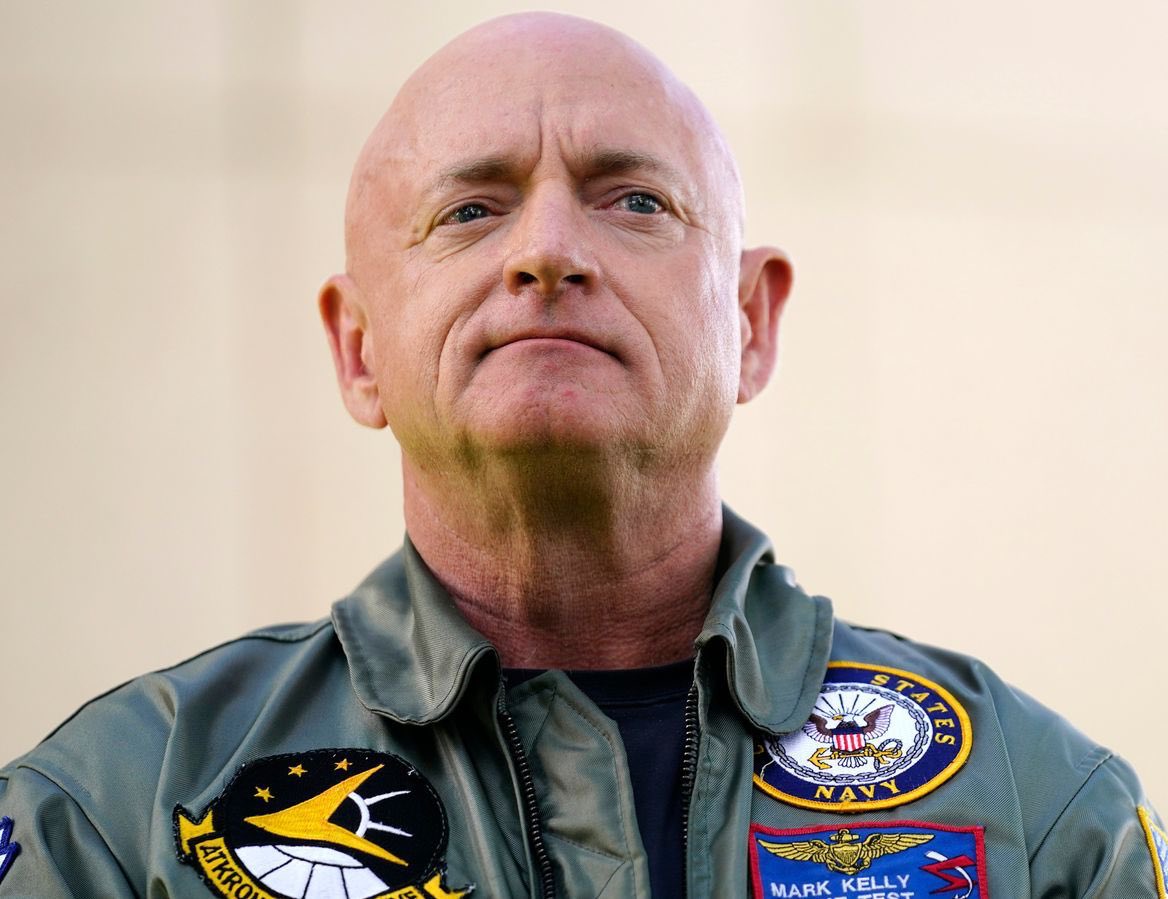
RETWEET if you stand with Mark Kelly against Donald Trump!
English
@thomasairyder Dang bro, got a lot going on...stay strong and just be yourself. God Bless
English

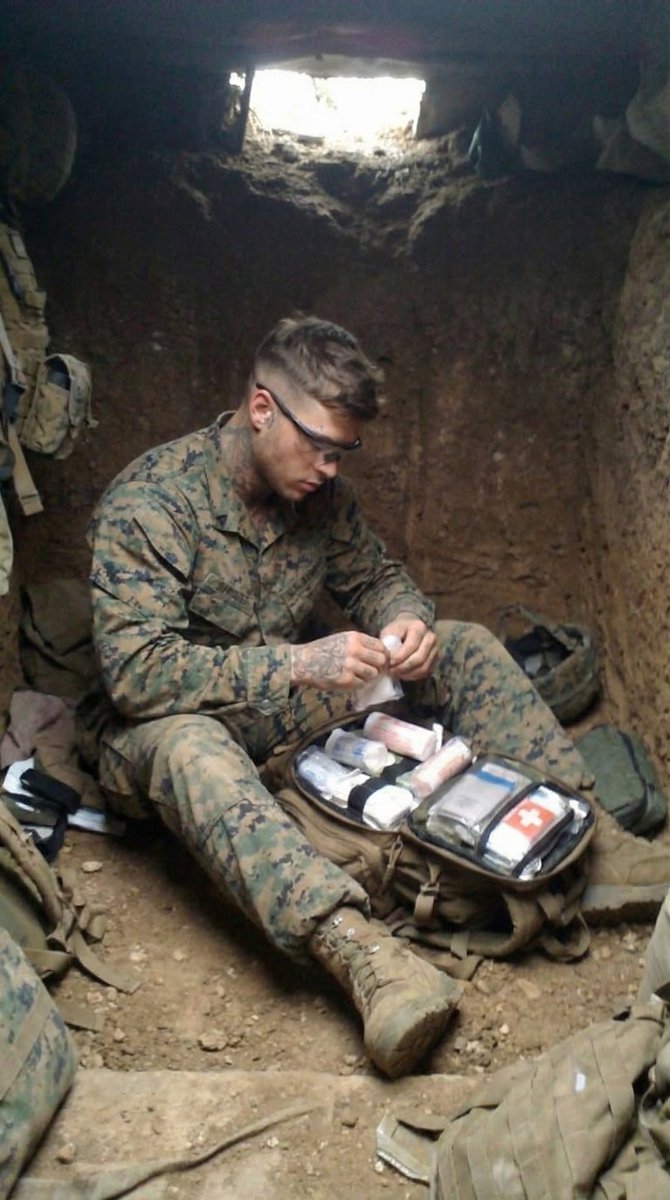
I’m 33, and just a year ago I was hugging my mom, having breakfast with my family, and talking with my dad. So much has happened in the past six months: I came out as gay, stopped speaking to my father, and joined the army so I wouldn’t lose myself. How has your year been?
#army
English
@humanbeingawk Remarkable life's journey considering his circumstances
English

🕯️The Audacity of Robert Smalls
In the dead of night, May 13, 1862, while the city of Charleston slept under a Confederate flag, a man named Robert Smalls made his decision. He pulled the captain's hat over his head and stepped up to the helm of the CSS Planter, a Confederate vessel he knew better than its own officers. He had weighed the odds and he knew the cruel fate that awaited him and his family if he failed.
Robert Smalls was enslaved. He was also the most skilled steamship pilot in Charleston Harbor. From years of navigating these waters, he knew the coded signals used to identify friendly vessels to the guards. He sounded them as he glided past Confederate held Castle Pinckney, Fort Ripley, and Fort Johnson. Finally he approached the most perilous passage of all, flanked on either side by Fort Sumter and Fort Moultrie. Both in direct firing range. Robert Smalls blew the signals and held the course, mimicking the captain's mannerisms so convincingly that not a single alarm was raised.
By dawn, he neared the Union Navy blockade, where he replaced the Confederate flag with a white flag of surrender his wife Hannah had sewn from a bedsheet. He delivered not just one of the Confederacy’s own vessels, its codebooks, and secrets, but also several enslaved families, including his own, to freedom.
A year later Smalls was piloting the Planter near Secessionville when heavy fire caused the Captain to abandon his post and hide in a coal bunker. Smalls took command and navigated the ship to safety. For his bravery, he was promoted to Captain, making him the first Black man to command a United States vessel. He remained Captain of the Planter until it was decommissioned in 1866.
Following the war, Congress awarded him prize money for the vessel’s capture. He used it to buy the Beaufort home of his former master, Henry McKee. He had been born in the small slave cabin behind the house. When McKee’s widow Jane was left destitute, Smalls took her in and cared for her until she died.
During Reconstruction he served in the South Carolina legislature and then as a U.S. Congressman. He championed the 14th and 15th Amendments and free universal access to education.
photo of Robert Smalls

English







I’m sending a private pic to everyone retweeting
drop a Hi and check Dm
English