Rotimi Babs

1.3K posts

Rotimi Babs

Rotimi Babs

@RBabalogbon

Katılım Mayıs 2022
495 Takip Edilen20 Takipçiler
Rotimi Babs
Rotimi Babs@RBabalogbon·
The war against insurgency has claimed many heroes. I hope their family members find comfort in knowing their loved ones fought the good fight
Sir Kay@Rise_Forge

THE BATTLE OF DAMBOA 2014: WHEN NIGERIAN SOLDIERS STOOD THEIR GROUND AGAINST HELL 🇳🇬🪖🔥 The Battle of Damboa on 4 July 2014 remains one of the fiercest and most emotional battles in Nigeria’s war against Boko Haram. That day, heavily armed terrorists launched a massive assault on Damboa, Borno State, attacking military positions with gun trucks, explosives and overwhelming firepower. The battlefield became a storm of bullets, fire and smoke as Nigerian troops fought desperately to prevent the town from completely falling into terrorist hands. But inside that chaos, bravery was born. Outnumbered soldiers stood their ground and fought street by street, position by position, refusing to abandon their comrades. Officers led from the front, not from behind. Some climbed into burning armored vehicles. Some continued firing despite injuries. Others stayed back to help trapped soldiers escape even when death was already staring at them. One of the most unforgettable heroes of that battle was Late Lt. Col. Abubakar Kanze Shonva, who reportedly refused evacuation and instead ordered that trapped female soldiers be rescued first. Moments later, he paid the supreme price during the heat of combat. 🫡🇳🇬 The battle also revealed the raw courage of several officers and soldiers who fought with unbelievable determination despite being heavily outgunned. Many never made it back home. The truth is, many Nigerians may never fully understand what happened in Damboa that day. But those who survived will never forget the sound of the gunfire, the courage of their brothers-in-arms, and the sacrifice made in defence of Nigeria. Some battles are fought for territory. Some are fought for survival. Damboa was fought for honour. And though many heroes fell that day, their courage still echoes through the history of the Nigerian military. 🇳🇬🔥🕊️ Follow @rise_forge for more powerful military stories, history and untold battles of Nigeria’s Armed Forces.

English
1
1
5
247
Rotimi Babs
Rotimi Babs@RBabalogbon·
Brilliant Strategy that worked
Aakash Gupta@aakashgupta

Mexico paid $20 million for eight minutes in this movie. Then those eight minutes forced them to invent an entire cultural tradition. Before Spectre, Mexico City had no Day of the Dead parade. The holiday was celebrated at home, at cemeteries, with family altars. Quiet, intimate, centuries old. Sam Mendes fabricated a massive street parade for the opening sequence, shot it with 1,500 extras in skeleton costumes across the Zócalo, and audiences worldwide assumed they were watching a real annual event. Mexico's government had negotiated hard for the placement. Leaked Sony hack emails showed officials offered up to $20 million in tax incentives for four minutes of positive portrayal. Sony was drowning in a $300 million budget. The deal included script changes: the Bond girl had to be a Mexican actress, the villain could not be Mexican, and the city's modern skyline had to appear on screen. Then the movie opened in 182 countries and tourists started booking flights to Mexico City for the parade. The parade that did not exist. Tourism authorities panicked. Visitors were arriving expecting the spectacle they saw in the film and finding nothing. So in October 2016, the government spent $500,000, hired 650 volunteers, built dozens of floats and giant skeleton marionettes, and staged the first real Día de los Muertos parade in Mexico City's history. 250,000 people showed up. They openly called it a "Spectre-style parade" in press materials. Ten years later, the parade draws millions. Anthropologists call it the "pizza effect," where a cultural element gets exported, transformed abroad, and reimported as authentic. Mexico's most famous public celebration of its most sacred holiday was invented by a British director shooting a $300 million spy movie. That tracking shot is doing more for Mexico City's economy every November than the $20 million they paid for it.

English
0
0
0
15
Rotimi Babs retweetledi
Aakash Gupta
Aakash Gupta@aakashgupta·
Mexico paid $20 million for eight minutes in this movie. Then those eight minutes forced them to invent an entire cultural tradition. Before Spectre, Mexico City had no Day of the Dead parade. The holiday was celebrated at home, at cemeteries, with family altars. Quiet, intimate, centuries old. Sam Mendes fabricated a massive street parade for the opening sequence, shot it with 1,500 extras in skeleton costumes across the Zócalo, and audiences worldwide assumed they were watching a real annual event. Mexico's government had negotiated hard for the placement. Leaked Sony hack emails showed officials offered up to $20 million in tax incentives for four minutes of positive portrayal. Sony was drowning in a $300 million budget. The deal included script changes: the Bond girl had to be a Mexican actress, the villain could not be Mexican, and the city's modern skyline had to appear on screen. Then the movie opened in 182 countries and tourists started booking flights to Mexico City for the parade. The parade that did not exist. Tourism authorities panicked. Visitors were arriving expecting the spectacle they saw in the film and finding nothing. So in October 2016, the government spent $500,000, hired 650 volunteers, built dozens of floats and giant skeleton marionettes, and staged the first real Día de los Muertos parade in Mexico City's history. 250,000 people showed up. They openly called it a "Spectre-style parade" in press materials. Ten years later, the parade draws millions. Anthropologists call it the "pizza effect," where a cultural element gets exported, transformed abroad, and reimported as authentic. Mexico's most famous public celebration of its most sacred holiday was invented by a British director shooting a $300 million spy movie. That tracking shot is doing more for Mexico City's economy every November than the $20 million they paid for it.
cinesthetic.@TheCinesthetic

The opening of Spectre (2015) is so good it almost tricks the brain into thinking the entire movie is about to be a masterpiece. That Día de los Muertos tracking shot through Mexico City is pure Bond flexing for five straight minutes.

English
334
2.7K
18.7K
2.4M
Rotimi Babs retweetledi
Day
Day@Daywrotethis·
A man who reads old books cannot be fully captured by modern stupidity. He has dead kings, prophets, poets, killers, saints, drunks, generals, and madmen whispering in his bloodstream. The feed has no chance against this.
English
142
3.2K
16.8K
595.7K
Rotimi Babs retweetledi
Aakash Gupta
Aakash Gupta@aakashgupta·
Greeks consume 24 liters of olive oil per person per year. Americans consume 1. That ratio explains this photo better than genetics. Extra virgin olive oil contains over 30 phenolic compounds, the most important being oleocanthal and oleuropein. Oleocanthal has anti-inflammatory properties so similar to ibuprofen that researchers initially thought they'd contaminated their samples. When you consume it daily for decades, these polyphenols accumulate in skin tissue and neutralize the reactive oxygen species that UV radiation generates in your epidermis. The free radicals that cause photoaging in most people are getting quenched before they can degrade collagen. The diet stacks on top of that. Tomatoes are a staple across Greece, and lycopene, the red pigment, absorbs UV radiation directly. One study found that people eating 40 grams of tomato paste daily for 10 weeks became measurably more resistant to sunburn. Add omega-3s from fish, carotenoids from vegetables, and resveratrol from red wine, and you've built an internal photoprotection system that no SPF bottle replicates. Researchers at Tel Aviv University studied Mediterranean populations and found melanoma rates were extremely low despite intense sun exposure. The diet was doing what people assumed only melanin could do. The antioxidant-rich group in their study had 50% fewer oxidation products in their blood after five to six hours of daily sun exposure over two weeks. The man in this photo didn't survive the sun. He ate a diet for 80 years that turned his skin into something the sun couldn't easily break down. 24 liters of liquid armor per year, every year, since before sunscreen existed.
Carnivore Aurelius ©🥩 ☀️🦙@AlpacaAurelius

average 80 year old Greek man who's been in the sun his whole life the sun is definitely awful for you

English
145
582
5.8K
2.9M
Rotimi Babs retweetledi
Crafty
Crafty@CraftOfMastery·
I have never seen an animal commit suicide. I find it interesting that animals, especially apex predators, don't appear to conceptualize “hopelessness” the way humans do. Even at the brink of death, they fight, bite, claw, and persist without turning their suffering into despair.
Crafty tweet mediaCrafty tweet media
English
348
1.7K
12.5K
589.2K
Rotimi Babs retweetledi
NONSO
NONSO@artsbynonso·
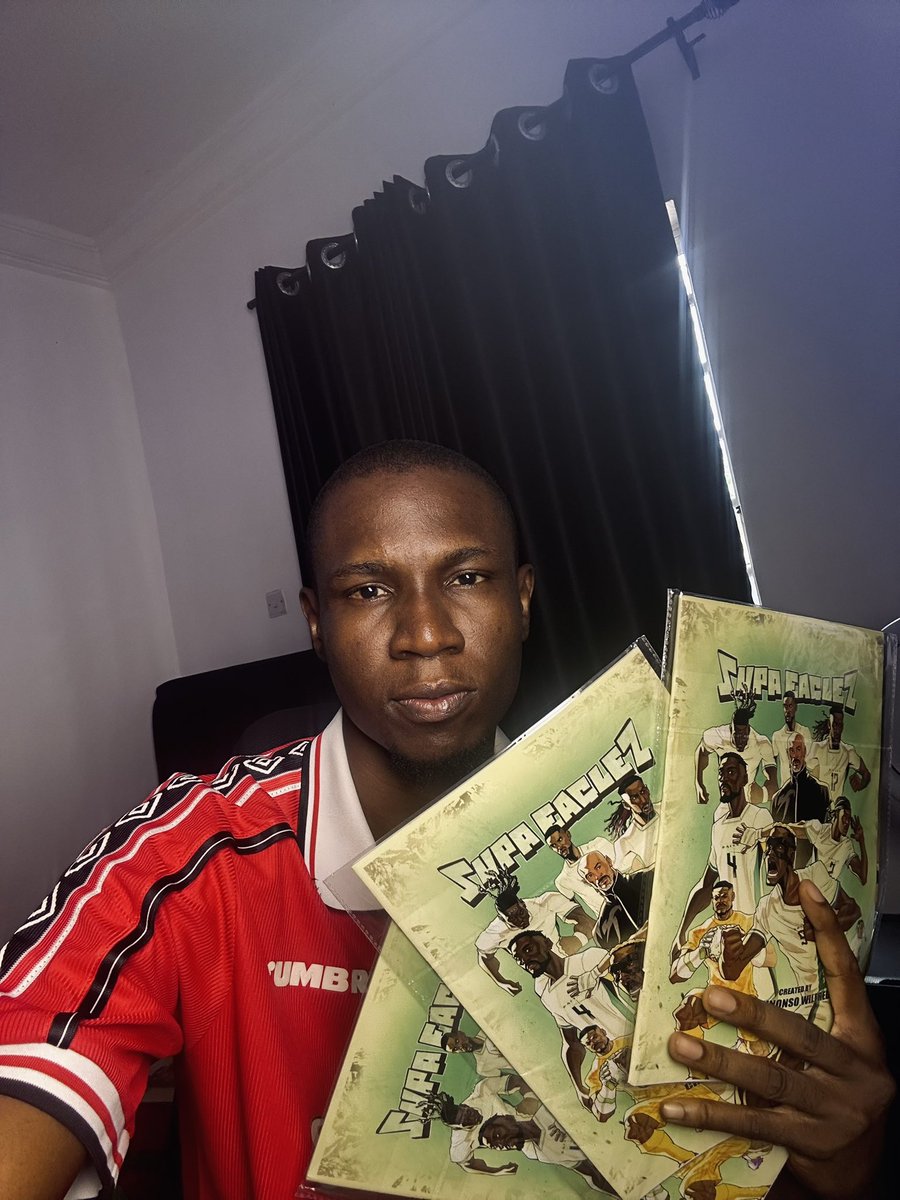
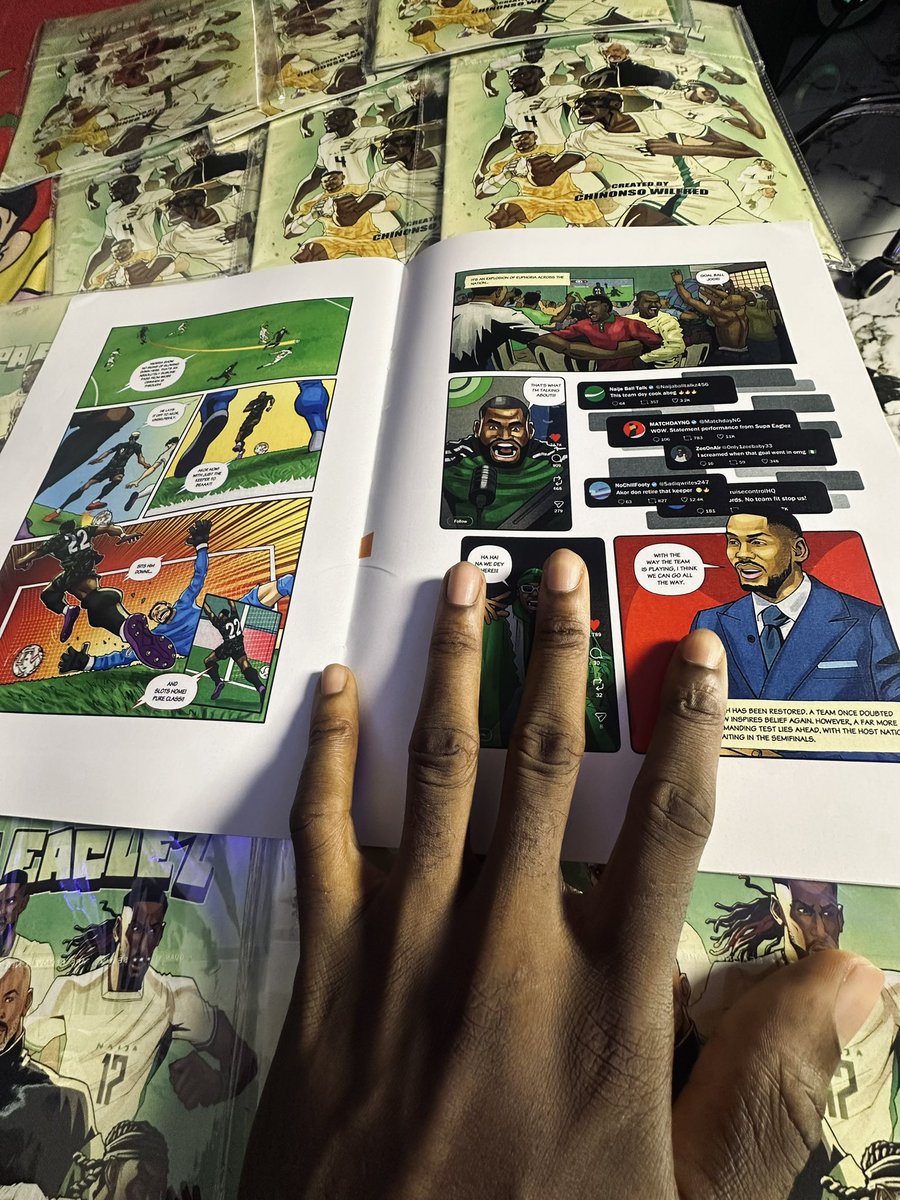
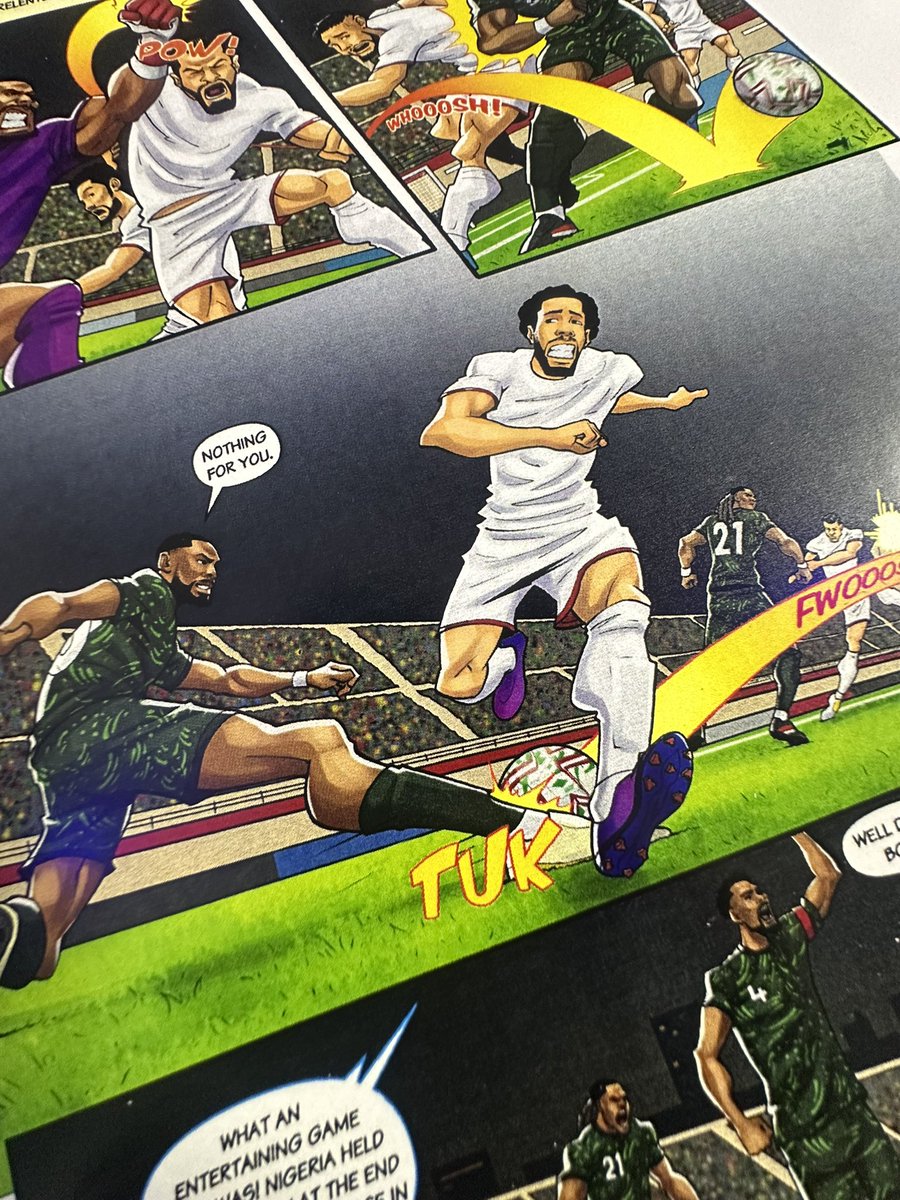
First of all, Thank you Jesus! In chasing perfection, I almost lost sight of what this means for me. It’s my first ever comic book and I’m so proud of myself! I’m grateful to everyone who supported and made this possible. God bless everyone who has ordered so far. Link is in my bio if you’ll like to grab a copy😌
NONSO tweet mediaNONSO tweet mediaNONSO tweet mediaNONSO tweet media
English
141
1.1K
4.4K
82.6K
Lake
Lake@robotempire1·
We need to stop sugarcoating things, telling white lies, or being deceitful in the hardware space. I think the group behind this branch is known for doing that and they get away with it because most Nigerians don't understand hardware or robotics. This local etching, ...
OmeifeTech@OmeifeTech

To the Nigerian hardware engineering community: The days of waiting weeks for foreign PCB prototypes are officially over. We’re manufacturing multi-layer boards from scratch at Omeife Robotics. Local execution = faster innovation. What are you building next? Come talk to us!

English
19
25
160
49.5K
Rotimi Babs retweetledi
The Husky
The Husky@Mr_Husky1·
In 1921, the USS R-14 left Pearl Harbor on a straightforward mission: find a missing tugboat somewhere in the vast Pacific Ocean. About 100 miles out, the submarine ran out of fuel. The diesel engines shut down. The batteries began draining. Radio communication went silent. The vessel sat in open ocean with limited food, no mechanical power, and no realistic prospect of anyone knowing exactly where to look for them. Most crews in that situation would have done one thing: wait and hope. The crew of the R-14 decided to try something else. They looked at what they had. Mattress covers. Blankets. Spare canvas from the boat's interior. Poles. The periscope supports mounted on the deck. None of it was designed for what they were about to attempt. None of it needed to be. They were not building something elegant. They were building something that worked. They fashioned makeshift sails from the fabric, mounted them onto poles and rigged them to the periscope supports, and turned a vessel specifically engineered to operate underwater using mechanical propulsion into something that had not existed before and has not existed since: a sailing submarine. The wind caught the sails. The R-14 began to move. It was not fast. It was not graceful. A submarine is not built with hydrodynamics in mind for surface sailing, and the improvised rigging would not have impressed anyone who knew anything about seamanship. But it moved. Slowly, steadily, in the right direction. The crew took turns managing the sails and navigating their course back toward Hawaii. They did this for five days. Five days of coaxing a submarine across the Pacific using nothing but wind, ingenuity, and the stubborn refusal to accept that they were stuck. On the fifth day, the USS R-14 returned to Pearl Harbor under sail power. The mission to find the missing tugboat had not been completed. But every man on board had come home, and they had done it using mattress covers and determination in roughly equal measure. The incident was logged, reported, and largely forgotten outside of naval history circles, which is a shame, because it contains something worth remembering. The R-14 was a machine built for a specific purpose, operating in conditions it was never designed for, crewed by people who looked at what they had available and asked not whether it was adequate but whether it was enough. Mattress covers are not sails. Periscope supports are not masts. A submarine is not a sailboat. But 100 miles from Hawaii, with the engines dead and the radio silent and the ocean stretching out in every direction, close enough turned out to be exactly enough. They sailed home. Five days. One improvised rig. No fuel required. The USS R-14 remains, by any reasonable measure, the only submarine in the history of naval warfare to return to port under sail. It is unlikely to be surpassed.
The Husky tweet media
English
52
786
3.7K
274.5K