Richard Cashmore

757 posts

Richard Cashmore banner
Richard Cashmore

Richard Cashmore

@RMJCashmore

Intensive Care || Critical Care || IntensivelyCaring || ESICM NIC Section-Social Media and Digital Content Committee Representative. Views & opinions are my own
United Kingdom Katılım Mart 2019
364 Takip Edilen265 Takipçiler
Richard Cashmore retweetledi
Stephan A Mayer
Stephan A Mayer@stephanamayer·
Endovascular vs Medical Treatment of Basilar Artery Occlusion @JAMANeuro “At 3 years, the clinical benefit of EVT in patients with acute BAO was durable, with substantially better functional outcomes and reduced mortality compared with medical management. These results reinforce EVT as the standard of care for BAO and support broader implementation and timely access to thrombectomy services.” #curingcoma jamanetwork.com/journals/jaman…
English
1
13
37
2K
Richard Cashmore retweetledi
CHEST
CHEST@accpchest·
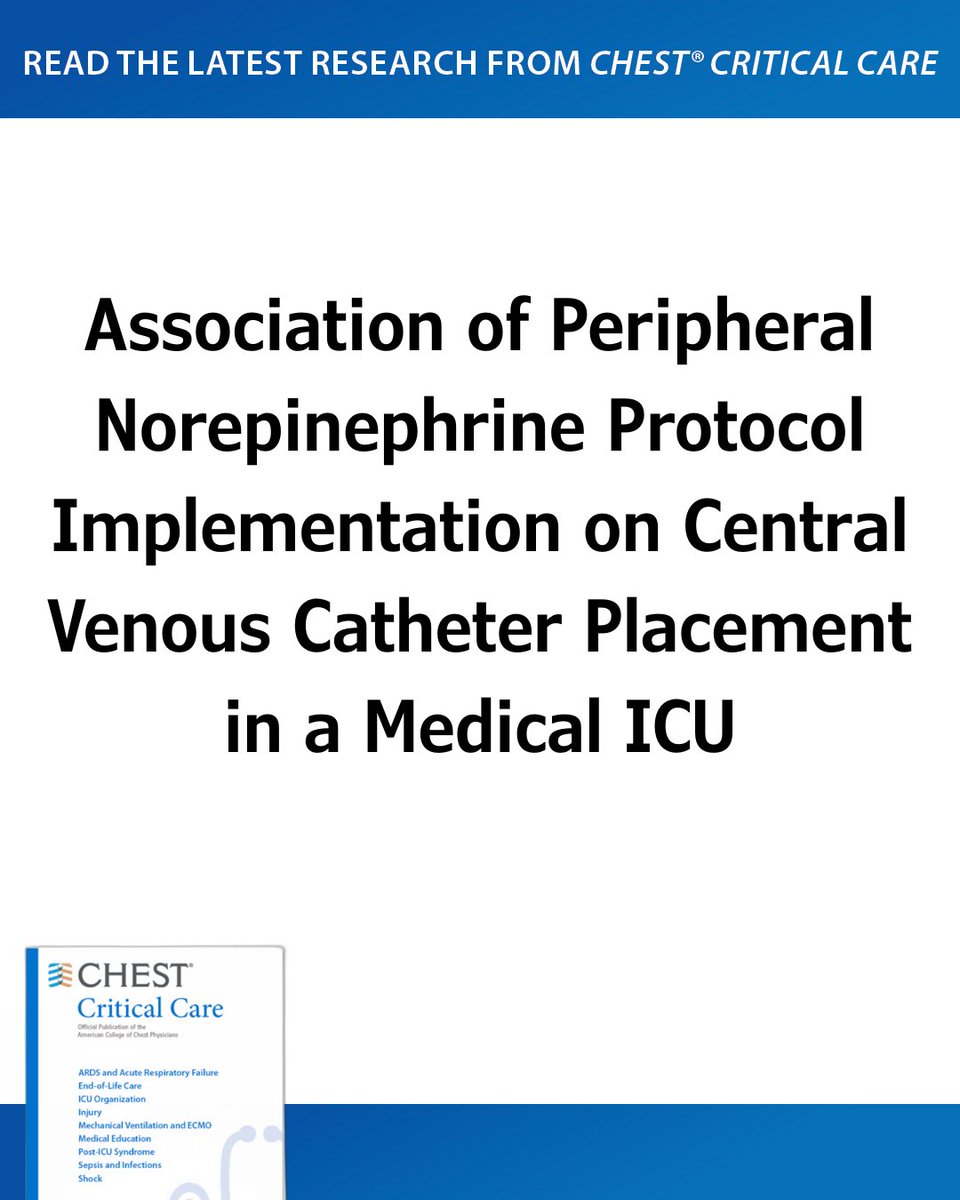
Original research finds the implementation of a protocol using peripherally infused norepinephrine to be safe, feasible, and associated with a decrease in central venous catheter utilization over time. Read more in #journal_CHESTCritCare: hubs.la/Q03_L1RV0 #MedEd #CritCare
CHEST tweet mediaCHEST tweet media
English
0
9
26
20K
Richard Cashmore retweetledi
Duilio González
Duilio González@POCUS_Duilio·
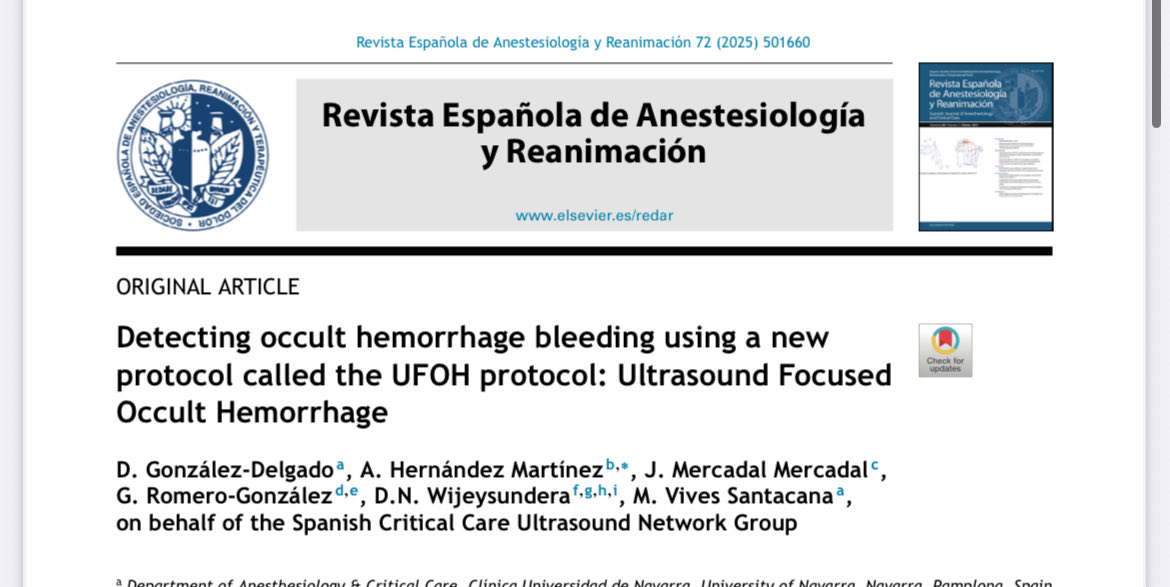
@POCUSpeek It is worth noting that the new UFOH (Ultrasound Focused Occult Hemorrhage) protocol places structure at the forefront; it is effectively the 'protagonist' of this clinical approach. pubmed.ncbi.nlm.nih.gov/39708968/
Duilio González tweet mediaDuilio González tweet media
English
0
4
5
228
Richard Cashmore retweetledi
Mohan Sai Gudela, DM
Mohan Sai Gudela, DM@drmohansai·
Welcome to the 14th post of #scanuary. It's a month-long marathon of daily tweetorials about #POCUS and its utility in our clinical practice. Today we're going to discuss assessment of assessment of stroke using TCCD. If you find the post useful, please like & retweet. @salmannaeem217 @gokpocus
Mohan Sai Gudela, DM tweet media
English
1
7
12
3.1K
Richard Cashmore retweetledi
The BMJ
The BMJ@bmj_latest·
Pulse oximetry is one of the most widely used medical technologies worldwide, yet it performs less accurately for people with darker skin. This inequity requires urgent action, argues Editorial bmj.com/content/392/bm…
English
1
39
60
6.8K
Richard Cashmore retweetledi
Amit Chaudhari MD
Amit Chaudhari MD@NeuroIRdoc·
This. 😲 . Totally changed my view of perimesencephalic SAH "They are only nonaneurysmal insofar as an aneurysm is not identified — not because its really true. In fact, it is false — the aneurysms are there — you just need better imaging to see them." neuroangio.org/case-archives/…
Amit Chaudhari MD tweet media
English
4
21
139
9.9K
Richard Cashmore
Richard Cashmore@RMJCashmore·
Great #FOAM introduction into TCD & TCCD- similarities and differences, from @drmohansai for #scanuary! 🧠🔊Looking forward to the deeper dive!!!!!
Mohan Sai Gudela, DM@drmohansai

Welcome to the 10th post of #scanuary. It's a month-long marathon of daily tweetorials about #POCUS and its utility in our clinical practice. Today we're going to discuss basics of Transcranial Doppler (TCD)/Transcranial color-coded duplex sonography (TCCD). If you find the post useful, please like & retweet @salmannaeem217 @gokpocus
English
0
0
2
197
Richard Cashmore retweetledi
Mohan Sai Gudela, DM
Mohan Sai Gudela, DM@drmohansai·
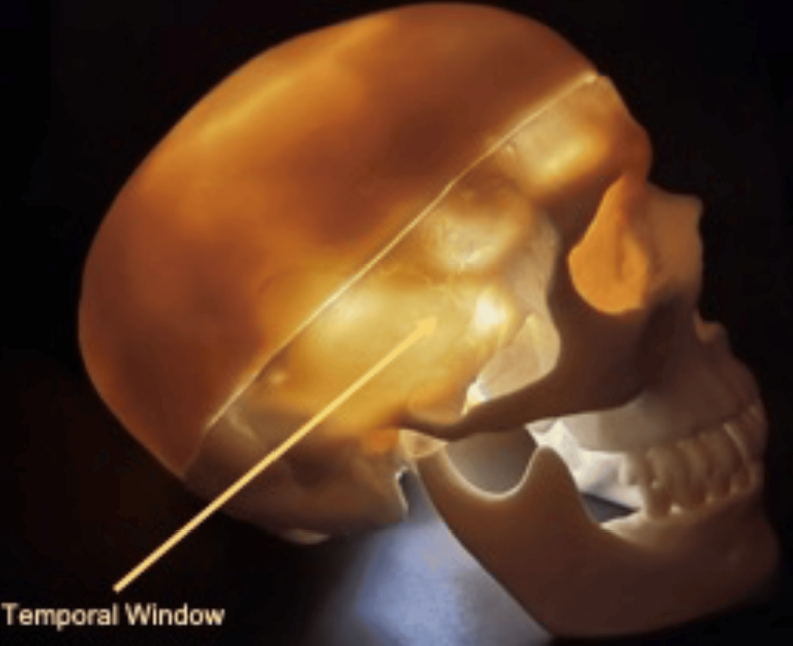
TCD/TCCD - Obstacles and opportunities One of the major obstacles for insonating intracranial arteries is the skull. Ultrasound waves simply couldn't' break the barrier of the bone. Thanks to the experiments by Rune Aaslid, existence of insonation windows were identified. They are essentially thin portions of the skull through which ultrasound waves can penetrate the skull and insonate intracranial arteries. Do read this nice article on basics of Brain POCUS by @RMJCashmore and @Dr_AvinashJha doi.org/10.7759/cureus…
Mohan Sai Gudela, DM tweet media
English
1
1
5
182
Richard Cashmore retweetledi
Mohan Sai Gudela, DM
Mohan Sai Gudela, DM@drmohansai·
Welcome to the 10th post of #scanuary. It's a month-long marathon of daily tweetorials about #POCUS and its utility in our clinical practice. Today we're going to discuss basics of Transcranial Doppler (TCD)/Transcranial color-coded duplex sonography (TCCD). If you find the post useful, please like & retweet @salmannaeem217 @gokpocus
Mohan Sai Gudela, DM tweet media
English
3
9
20
2.7K
Richard Cashmore retweetledi
Lea Alhilali, MD
Lea Alhilali, MD@teachplaygrub·
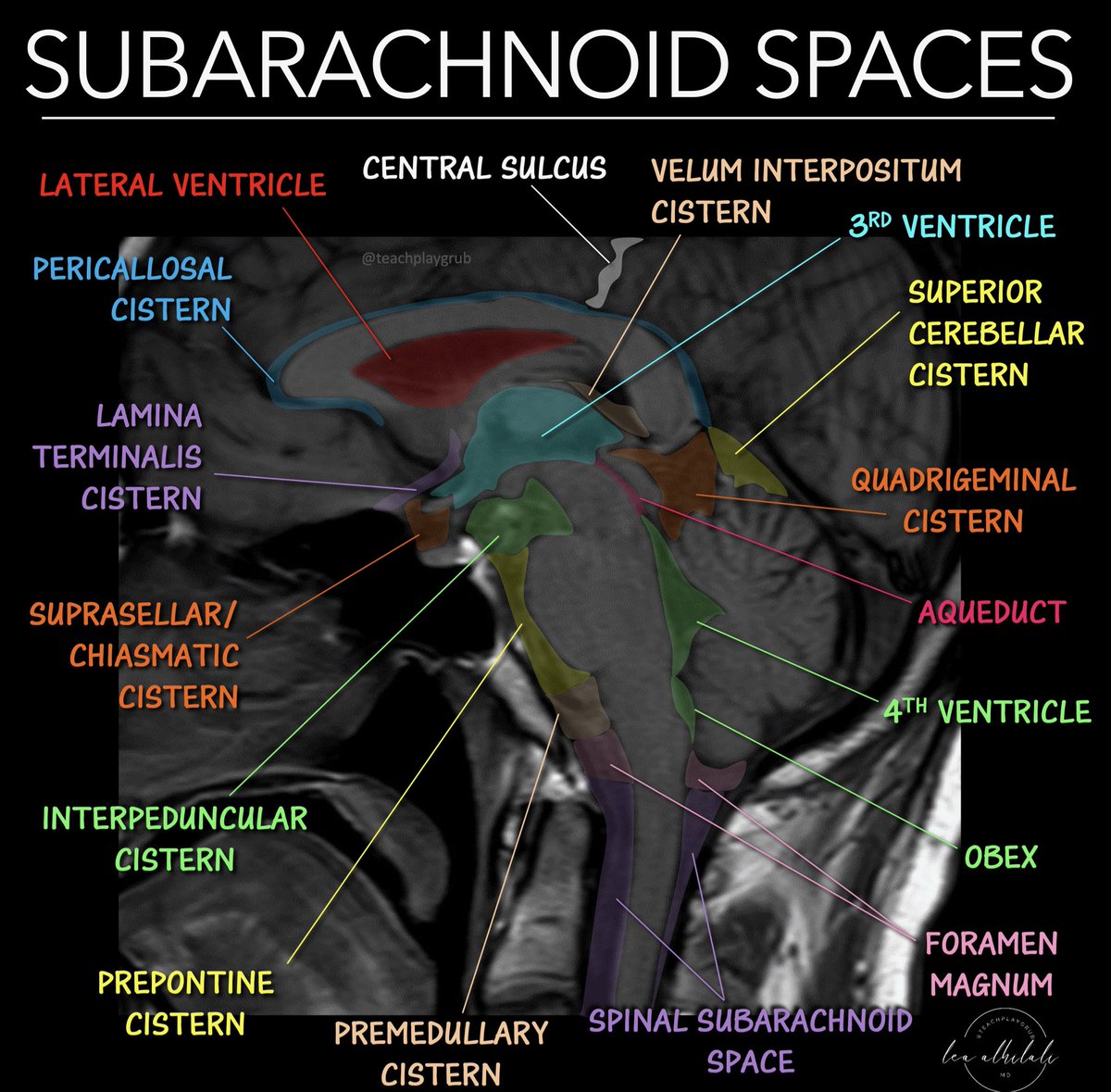
Sink or swim!   Brain is swimming in CSF!   CSF is key for protection, buoyancy, & hormone/waste transport   Most know basic ventricular anatomy well, but not subarachnoid anatomy.   How many cisterns do YOU know?   Here’s a quick guide to the key midline cisterns & what to know for each   Cisterna Magna: Largest of the cisterns Contains CN 9-11 & vertebral arteries Remember this bc the LARGEST cistern contains the LARGEST cranial nerve (vagus) and the two cranial nerves around it   Prepontine cistern: Contains CN 6 & basilar artery Remember this bc the shape of the number 6 mirrors the curvature of the anterior pons, where this cistern lies   Chiasmatic cistern Contains CN 2 & pituitary stalk Easy to remember bc the CHIASM is CN 2   Interpeduncular cistern: Contains CN 3 & mammillary bodies Remember this bc if you lay the number 3 on its side it looks both like the two cerebral peduncles (where this cistern lies) & well, two mamillary bodies   Quadrigeminal cistern Contains CN4 & pineal gland East to remember bc QUAD is the prefix for FOUR   Lamina terminalis: Contains the ACOMM Remember this bc the shape of subarachnoid hemorrhage after ACOMM rupture follows this cistern anteriorly   Now when you look at cisternal anatomy, you will definitely be able to go with the flow!
Lea Alhilali, MD tweet media
English
3
101
439
16.8K
Richard Cashmore retweetledi
Mohan Sai Gudela, DM
Mohan Sai Gudela, DM@drmohansai·
Kicking off New Year with some exciting stuff - Innovations in Neuro-ultrasound on January 9 ✌️
Aarti Sarwal, FNCS, FAAN, FCCM, RPNI, Professor@aartisarwal

❄️ A very Happy New Year! ❄️ Kick off 2026 by joining us for a free symposium on ✨ " Innovations in #NeuroUltrasound" ✨ Discover the latest breakthroughs, learn from experts, & start your year with fresh ideas & inspiration! Organized by @Yasaman_Neuro Collaboration b/w @wakeforestmed @VCUHealth Neurology Endorsed by @asneuroimaging @neurocritical @WINFOCUS @ESICM @neurosonology #neuroultrasound #MedEd

English
0
1
9
577
Richard Cashmore retweetledi
Lea Alhilali, MD
Lea Alhilali, MD@teachplaygrub·
Need a DURABLE way to remember what causes DURAL enhancement? Feeling left behind when it comes to leptomeningeal disease? Here’s an easy way to remember the differential diagnoses for the two types of meningeal enhancement: LEPTOMENINGEAL Remember: L = Leakage (subarachnoid hemorrhage) E = Epilepsy (recent seizure) P = Pus (infection, either bacterial, viral or granulomatous/fungal) T = Tumor (leptomeningeal metastatic dz) O = Operation (post operative) PACHYMENINGEAL Remember P = Puncture (recent LP), Pus (subdural empyema) A = Autoimmune (sarcoidosis, IgG4) C = Craniotomy (post-op), Chronic subdural H = Hypotension (intracranial hypotension) Y = You’ve got a mass (mets, usually from direct bony extension, meningioma) Now you’ve got a lot information PACH-ed into an easy & memorable mnemonic!
Lea Alhilali, MD tweet media
English
7
161
635
24.7K
Richard Cashmore retweetledi
Ashley Miller
Ashley Miller@icmteaching·
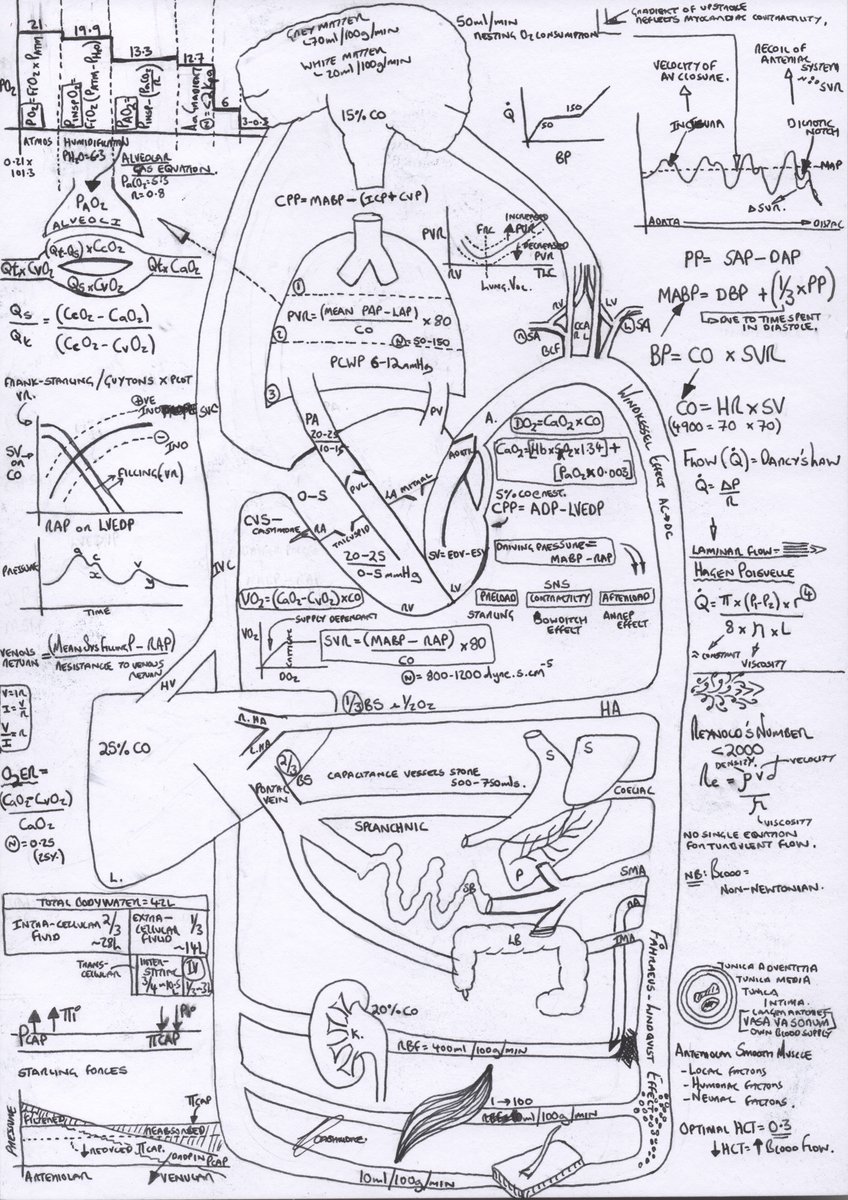
11/ Not all MAP >60 is a good MAP. MAP = (CO × SVR) + CVP You want MAP generated by flow (CO), not by: – Excessive SVR (risk of surpassing critical closing pressure) – High CVP (venous congestion, shrinking the Pms–RAP gradient) 👉 See CCP threads for detail x.com/icmteaching/st…
English
3
9
35
23.2K