Random ☪️

2.2K posts

Random ☪️ banner
Random ☪️

Random ☪️

@RNDM1412

Maliki

Katılım Haziran 2024
203 Takip Edilen165 Takipçiler
Random ☪️ retweetledi
Ibn ‘Abdullāh al-Hāshimī
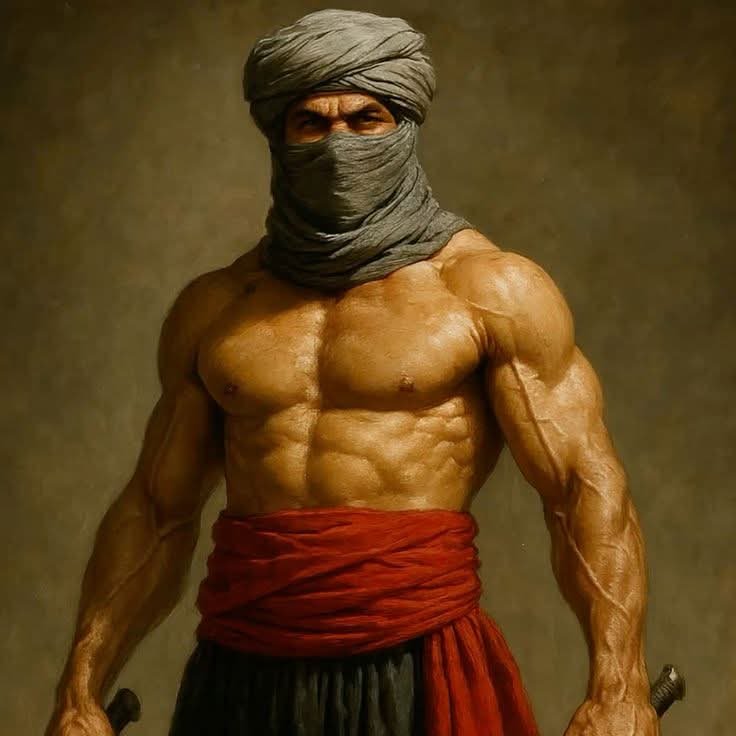
The Daredevil Champions of the Early Islamic Conquests Criteria: personal battlefield courage, close-combat daring, dueling/champion reputation, shock-fighter presence, pursuit warfare, fearlessness against non-Muslim armies, and the scale and number of conquest campaigns they participated in. 1) al-Zubayr ibn al-ʿAwwām — Perhaps the ultimate knightly figure of early Islam. A fearless cavalry champion whose battlefield courage, aggression, and long military résumé made him one of the most feared warriors among the Ṣaḥābah. 2) al-Miqdād ibn al-Aswad — One of the greatest horsemen of the early Muslims. Renowned for his bravery, loyalty in the most difficult moments, and repeated participation in major campaigns and conquests. 3) Khālid ibn al-Walīd — Though celebrated primarily as a commander, his personal courage and warrior aura were immense. He fought in an extraordinary number of campaigns and became synonymous with relentless offensive warfare. 4) Abū Dujānah al-Anṣārī — The legendary red-headband warrior of Uḥud. Famous for direct frontline combat, terrifying courage, and willingness to throw himself into the fiercest fighting. 5) Ḍirār ibn al-Azwar — The archetypal conquest-era daredevil. Remembered in the futūḥ traditions for reckless charges, aggressive cavalry fighting, and fearless battlefield behavior. 6) Abū Ayyūb al-Anṣārī — A lifelong mujāhid who fought in nearly every campaign he could until old age. His persistence, courage, and dedication to jihād made him one of the great veteran warriors of early Islam. 7) al-Barāʾ ibn Mālik — Known for almost unmatched personal bravery and shock-assault fighting. He repeatedly volunteered for deadly missions that others hesitated to undertake. 8) Salamah ibn al-Akwaʿ — An elite pursuit fighter and skirmisher famed for speed, endurance, archery, and independent battlefield initiative. His daring actions during raids became legendary. 9) ʿAmr ibn Maʿdīkarib — One of the most famous swordsmen of the Arabs. His reputation was built upon individual combat skill, ferocity, and warrior daring in battle. 10) al-Qaʿqāʿ ibn ʿAmr — A famous shock-fighter figure in the conquest narratives whose battlefield boldness and morale-shaking presence earned him enduring fame. Note: This is not a ranking of overall virtue, piety, scholarship, political rank, or command ability. It is specifically a ranking of the “daredevil champion” archetype in the early Islamic conquests.
English
3
8
28
1K
Random ☪️ retweetledi
‏المدغاوي
‏المدغاوي@frossfross1·
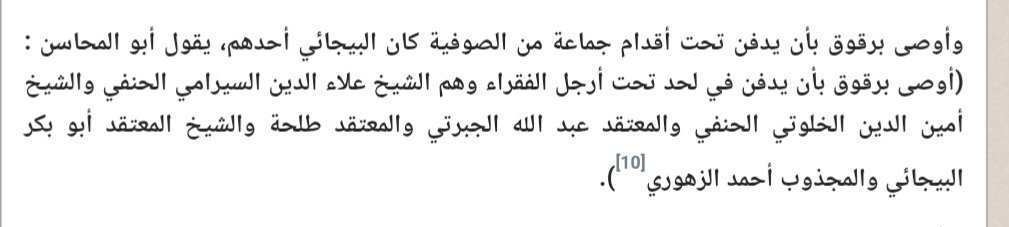
Abd Allah al-Jabarti al-Zayla'i, (d.1388) was a scholar & jurist in Mamluk Sultanate from Zeyla, Northern Somali Peninsula He was one of the top secretary for the Mamluk Sultan Barquq. When Abd Allah died, he requested to be buried next to him in al Qarafa cemetery in Cairo.
‏المدغاوي tweet media‏المدغاوي tweet media‏المدغاوي tweet media
English
1
13
53
1.1K
Random ☪️ retweetledi
Ibn ‘Abdullāh al-Hāshimī
Greatest Commanders of the Early Islamic Conquests Criteria: battlefield success, strategy, scale of campaigns, logistics, administration, frontier warfare, naval achievement, preservation of Muslim lands, and long-term impact. 1) Khālid ibn al-Walīd — master of maneuver warfare; decisive in the Ridda Wars, Iraq, and Syria. 2) Saʿd ibn Abī Waqqāṣ — commander of al-Qādisiyyah and central figure in the conquest of Persia. 3) ʿAmr ibn al-ʿĀṣ — brilliant strategist and conqueror of Egypt. 4) Qutaybah ibn Muslim — great eastern conqueror who expanded Muslim rule deep into Transoxiana. 5) Maslamah ibn ʿAbd al-Malik — elite frontier commander against Byzantium. 6) ʿAbd Allāh ibn Saʿd ibn Abī Sarḥ — commander in North Africa and at Dhāt al-Ṣawārī, a major Muslim naval victory. 7) Mūsā ibn Nuṣayr — organizer of the western conquests and expansion into al-Andalus. 8) al-Muhallab ibn Abī Ṣufrah — master of prolonged warfare against the Khārijites. 9) Abū ʿUbaydah ibn al-Jarrāḥ — disciplined supreme commander in Syria. 10) ʿUqbah ibn Nāfiʿ — pioneer of the North African campaigns. Note: This is not a ranking of virtue or righteousness. It is a ranking of military effectiveness, strategic impact, and historical influence.
English
3
8
27
1.4K
Random ☪️ retweetledi
‏المدغاوي
‏المدغاوي@frossfross1·
السلام عليكم Support the brother Zayd & his family from Yemen in need, do sadaqah & just share the post. I ask Allah SWT to grant them kheyr, if you can't donate just do retweet to raise awareness for them for the sake of Allah SWT gofundme.com/f/help-needed-…
‏المدغاوي tweet media
English
2
13
17
700
Random ☪️ retweetledi
Ibn ‘Abdullāh al-Hāshimī
Sayyidunā Ḍirār ibn al-Azwar رضي الله عنه was among the bravest knights of the Ṣaḥābah, a poet, a warrior, a man of wealth and status among his people, and one whose courage became feared by the enemies of Islām. He was Ḍirār ibn al-Azwar, and al-Azwar was Mālik ibn Aws ibn Judhaymah ibn Rabīʿah ibn Mālik ibn Thaʿlabah ibn Dūdān ibn Asad ibn Khuzaymah al-Asadī. His kunyah was Abū al-Azwar, and it is also said Abū Bilāl. He belonged to Banū Asad, a tribe known for courage, horsemanship, and strength. Before Islām, Ḍirār رضي الله عنه was a man of wealth and worldly standing. It is said that he possessed one thousand camels along with their shepherds. Yet when Allāh guided his heart to Islām, he abandoned his wealth, pleasures, and former life, and came to the Messenger of Allāh ﷺ with sincerity and zeal. When he came to the Prophet ﷺ, he recited: I cast aside the divining arrows and the songs of singing girls, and the wine I once drank in intoxication. And my decorated mount in the depths of battle, and my striving became fighting for the Muslims. Jamīlah said: “You have scattered us apart, and left your family dispersed in every direction.” So, O Lord, let not my bargain fail, for I have sold my family and wealth in exchange. The Messenger of Allāh ﷺ replied: “Your bargain has not failed, O Ḍirār.” And in another wording: “The sale has profited.” Thus, Ḍirār رضي الله عنه exchanged the pleasures of Jāhiliyyah for the truth of Islām, and his strength became devoted to the religion of Allāh. He held a position of trust with the Messenger of Allāh ﷺ, who dispatched him to tribes regarding their affairs. It is mentioned that the Prophet ﷺ sent him to deal with matters involving Banū Asad. After the passing of the Messenger of Allāh ﷺ, Sayyidunā Ḍirār رضي الله عنه stood with the Khilāfah of Sayyidunā Abū Bakr al-Ṣiddīq رضي الله عنه during the Wars of Apostasy. During those campaigns, Sayyidunā Khālid ibn al-Walīd رضي الله عنه sent him at the head of a detachment that included warriors from Banū Tamīm to confront Mālik ibn Nuwayrah, the chief of Banū Yarbūʿ. He also fought at al-Yamāmah against Musaylimah al-Kadhdhāb, one of the fiercest battles of the Ridda Wars. There, Ḍirār رضي الله عنه showed immense courage, fighting with intensity and helping strengthen the Muslim ranks during a battle in which many noble Companions were martyred. He was severely wounded, yet Allāh decreed that he would survive and continue his service. In the campaigns of Shām, his fame grew even greater. At Ajnādayn, when the Muslims faced the Byzantine army, Ḍirār رضي الله عنه impetuously confronted Sayyidunā Khālid ibn al-Walīd رضي الله عنه and said: “Why are we waiting when Allāh, the Most High, is on our side? By Allāh, our enemies will think that we are afraid of them. Order the attack, and we shall attack with you.” It is related that during the battle he charged into the Byzantine ranks with astonishing courage. He removed his armor and upper garments, fighting bare-chested with speed and ferocity, until the Byzantines began calling him “the Bare-Chested Devil.” It is said that he faced Byzantine champions and commanders one after another, striking them down and spreading fear through their ranks. At Ajnādayn, he reached the Byzantine commander Wardān, who recognized him as the bare-chested warrior. A fierce duel followed until Ḍirār رضي الله عنه pierced him with his spear and finished him with his sword. He then returned to the Muslims carrying Wardān’s head, and the camp erupted with cries of “Allāhu Akbar.” In another battle, Marj al-Dahshūr, he encountered the Byzantine commander Būlus, who sought revenge for Wardān. When Ḍirār’s sword came down upon him, Būlus cried out to Khālid ibn al-Walīd رضي الله عنه: “O Khālid! Kill me yourself and do not let him kill me!” Khālid رضي الله عنه replied: “Rather, he is your killer and the killer of the Byzantines.” At al-Yarmūk, Ḍirār رضي الله عنه stood among the heroes of the Muslim army in one of the most decisive battles in Islamic history. When ʿIkrimah ibn Abī Jahl رضي الله عنه called out, “Who will pledge himself unto death?” Ḍirār رضي الله عنه was among the first to answer. He went forth with those who pledged to stand firm and not retreat. Many of them were martyred, but Allāh decreed that Ḍirār رضي الله عنه would survive. It was said that the mere mention of his name was enough to cast terror into the hearts of enemies, for they knew him as a warrior of sudden assault, fearless advance, and unshakable resolve. Ḍirār رضي الله عنه also participated in the conquest of Damascus alongside Khālid ibn al-Walīd رضي الله عنه. He is also linked in later reports to the wider conquests, including Egypt, though his most famous legacy remains tied to al-Yamāmah, Ajnādayn, al-Yarmūk, and Shām. Sayyidunā Ḍirār ibn al-Azwar رضي الله عنه later passed away in the region of the Jordan Valley, most likely during the Plague of ʿAmwās. He was buried there, and the place later became associated with his name. Among the poetry attributed to him on the Day of ʿAqrabāʾ is: “If the southern winds were asked about us, they would tell of the evening when ʿAqrabāʾ and Malham overflowed. Blood flowed through the valley’s branches until its stones glistened from the blood of the people. An evening wherein spears were of no avail, nor arrows, save the sharp Indian sword. I wage jihād — if jihād is a treasure, and Allāh knows best the striving warrior. And among the poetry attributed to him regarding the Byzantines: To You belongs all praise, my Lord, at every hour, Reliever of my sorrow, worry, and distress. I attained what I hoped for of relief, You united my scattered affairs and cured my ailment. I shall strike the armies of Rome in every battle, and by the Most Merciful, that is my greatest ambition.” Sayyidunā Ḍirār ibn al-Azwar رضي الله عنه represents the transformation of a warrior from the ways of Jāhiliyyah to the nobility of Islām. He abandoned wealth, pleasures, and worldly attachments, then spent his life defending and spreading the religion of Allāh. May Allāh be pleased with Sayyidunā Ḍirār ibn al-Azwar رضي الله عنه, the fearless knight of Banū Asad, the poet-warrior of Islām, and one of the courageous heroes of the early conquests.
Ibn ‘Abdullāh al-Hāshimī tweet media
Català
4
6
31
863
Random ☪️ retweetledi
AscendedShin al Zouhayri
AscendedShin al Zouhayri@ZouhairsMurid·
الله أكبر لا حاكم سواه فليس للعقل حكم في حسن الأشياء وقبحها، وكون الفعل سببا للثواب والعقاب، وإنما حسن الأشياء وقبحها بقضاء الله وحكمه وتكليفه للناس. فمنها ما يدرك العقل وجهه و مصلحته ومناسبته للثواب والعقاب ومنها ما يدركه إلا بإخبار ومنها ما
s.@muslimmelange

Shah Wali Allah al-Dihlawi on Allah’s actions being predicated by his wisdom. “[As it pertains to Allah], all His actions contain wisdom and universal benefit according to His knowledge.”

العربية
3
2
19
2.2K
Random ☪️ retweetledi
Abu Asim Hanbali
Abu Asim Hanbali@AbuAsimHanbali·
How to not understand sarcasm
Abu Asim Hanbali tweet media
English
3
0
27
1.7K
Random ☪️ retweetledi
زهير الأندلسي
زهير الأندلسي@AndaluciMaliki1·
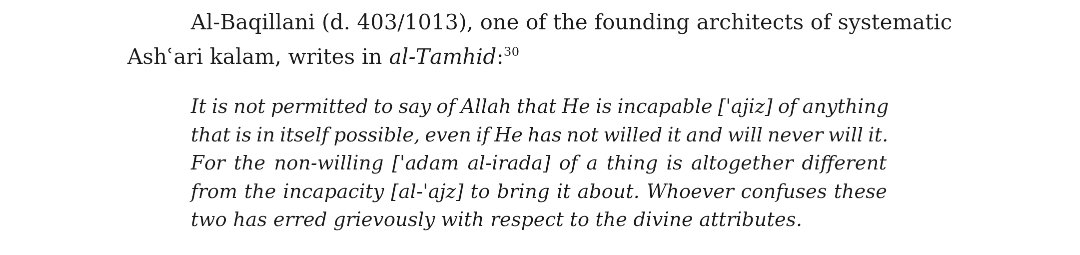
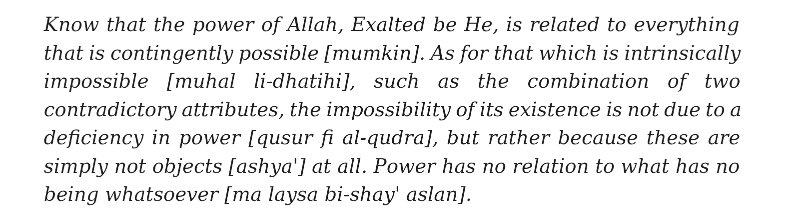
Regarding the object of Divine Power from Imam al-Sanusi, al-Ghazali, al-Taftazani and al-Baqillani.
زهير الأندلسي tweet mediaزهير الأندلسي tweet mediaزهير الأندلسي tweet mediaزهير الأندلسي tweet media
Indonesia
2
10
44
2.5K
Abdullah Mullanee
Abdullah Mullanee@aamullanee·
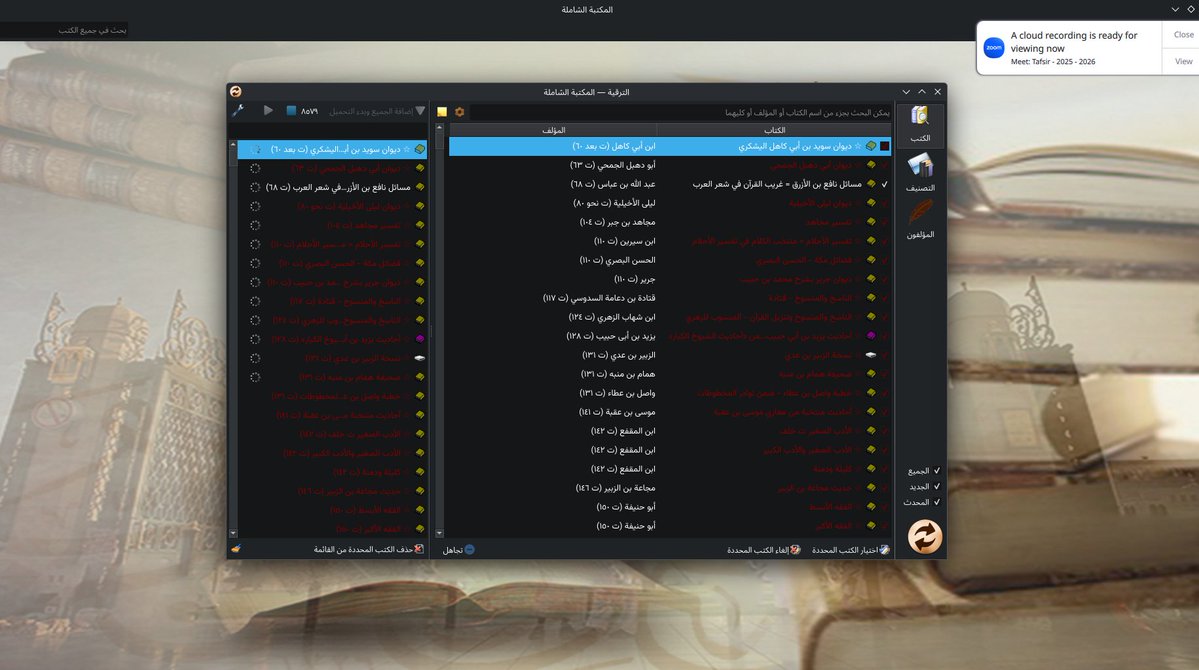
Just got Shamela on Linux Oh, it's so over for Windows!
Abdullah Mullanee tweet media
English
9
6
130
6.4K
Abdullah Mullanee
Abdullah Mullanee@aamullanee·
What is your go-to when your Iman is low? For me: It has to be pondering on the Qur'an.
English
43
9
150
26.2K
Random ☪️ retweetledi
زهير الأندلسي
زهير الأندلسي@AndaluciMaliki1·
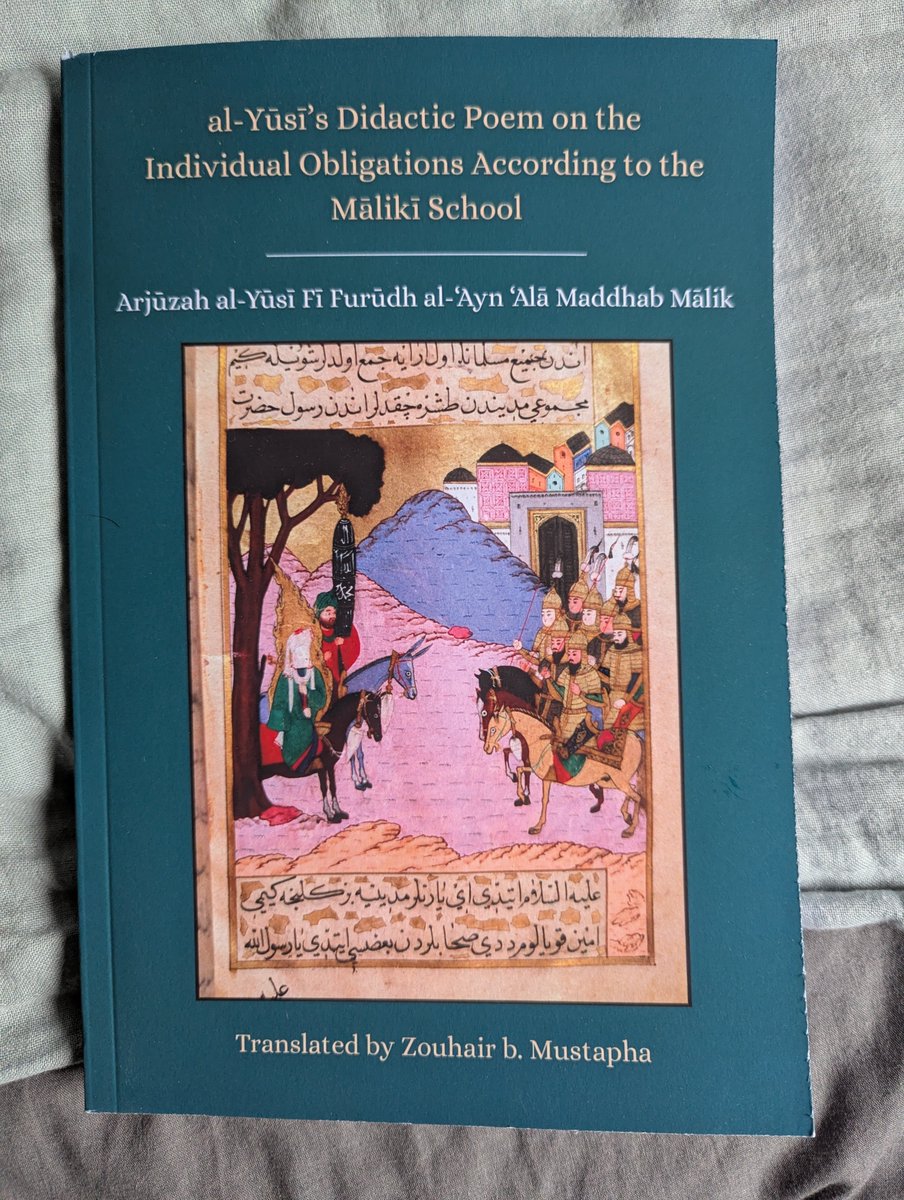
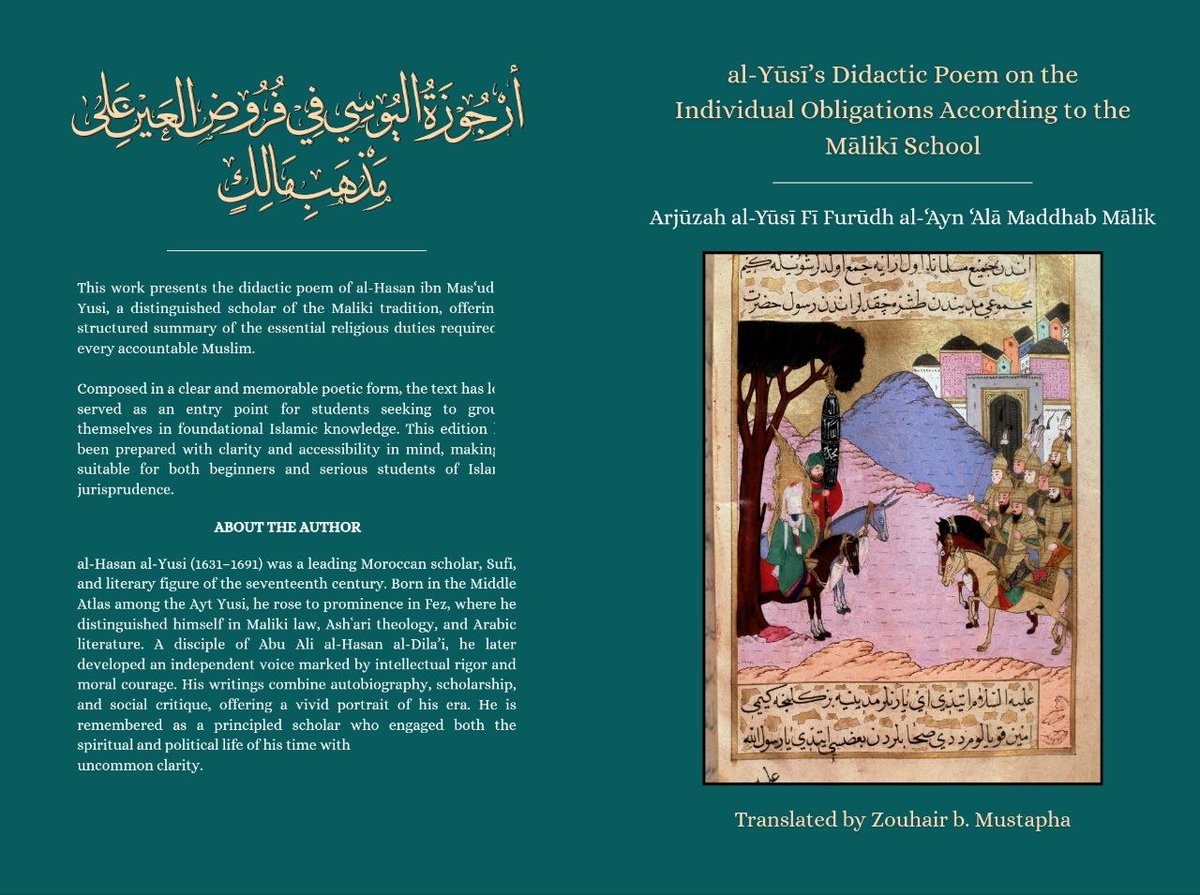
It’s finally here, my new translation is now available on Amazon. After a long period of work, revision, and anticipation, I’m pleased to say that my translation of Arjuzah al-Yusi Fi Furudh al-‘Ayn ‘Ala Madhhab Malik is now officially available on Amazon.
زهير الأندلسي tweet media
English
5
22
79
5.3K
Random ☪️ retweetledi
Ibn ‘Abdullāh al-Hāshimī
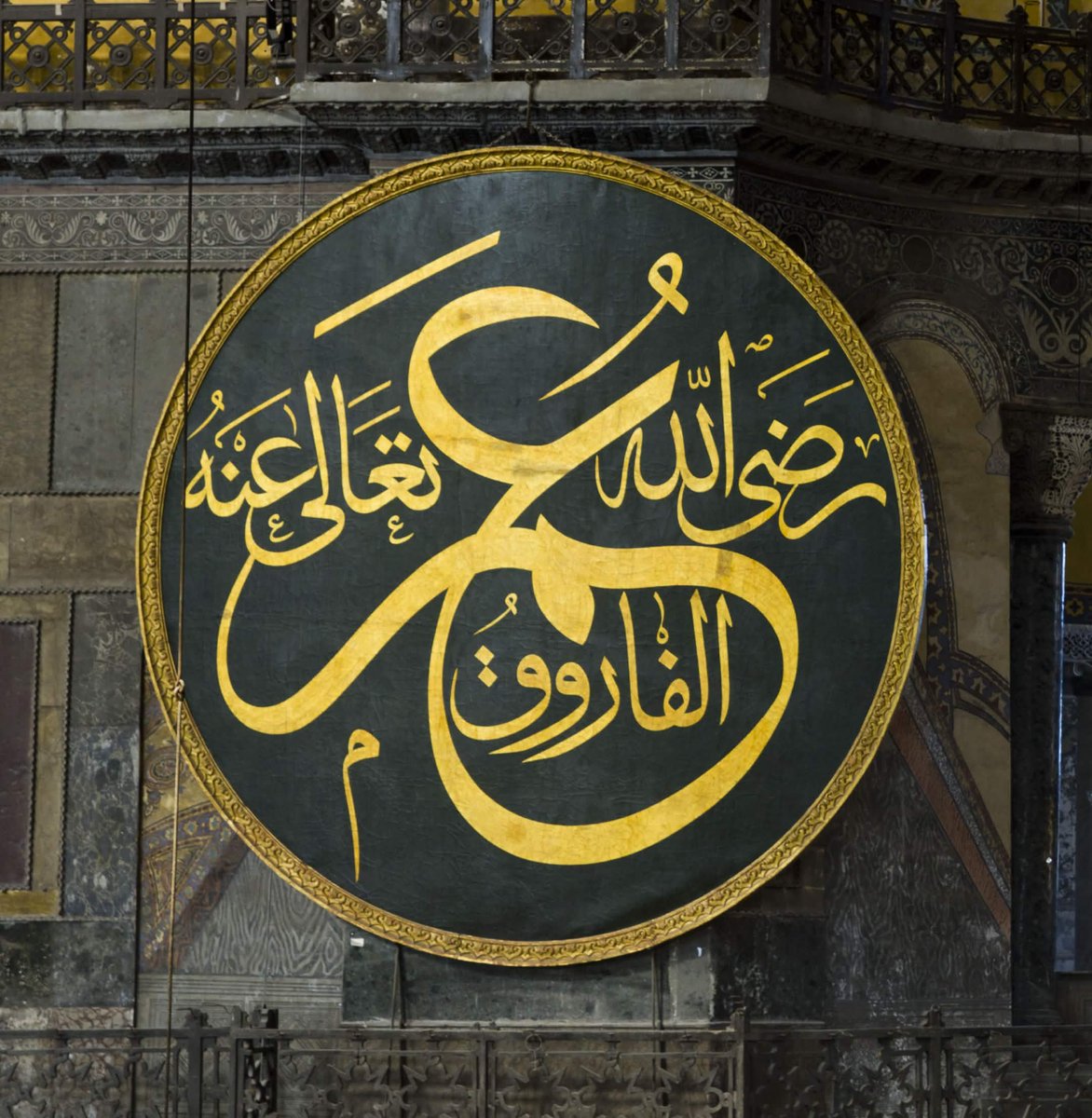
Sayyidunā ʿUmar ibn al-Khaṭṭāb رضي الله عنه was among the greatest of the Companions of the Messenger of Allāh ﷺ, the second of the Rightly Guided Caliphs, al-Fārūq, the conqueror of vast lands, and one through whom Allāh strengthened Islam after weakness. His lineage is ʿUmar ibn al-Khaṭṭāb ibn Nufayl ibn ʿAbd al-ʿUzzā ibn Riyāḥ ibn ʿAbd Allāh ibn Qurṭ ibn Razāḥ ibn ʿAdī ibn Kaʿb ibn Luʾayy ibn Ghālib al-Qurashī al-ʿAdawī. Before Islam, he was known among Quraysh for strength, firmness, intelligence, and eloquence. He was initially severe against the Muslims, until Allāh guided him through the supplication of the Messenger of Allāh ﷺ: “O Allāh, strengthen Islam through the more beloved of these two men to You: ʿUmar ibn al-Khaṭṭāb or Abū Jahl ibn Hishām.” Allāh answered this supplication through Sayyidunā ʿUmar رضي الله عنه. It is reported that he set out intending to confront the Messenger of Allāh ﷺ, but after hearing the recitation of Sūrat Ṭā Hā in the home of his sister Fāṭimah رضي الله عنها, his heart softened. He then went to the Messenger of Allāh ﷺ and accepted Islam. At the time of his conversion, he was still a young man, and it is mentioned that he was around twenty-six years old. He was also counted as the fortieth believer. Yet his Islam immediately shifted the public balance in Makkah. It is narrated from Ibn ʿAbbās رضي الله عنه that when ʿUmar رضي الله عنه accepted Islam, the mushrikūn said: “The people have become equal to us today.” And Allāh revealed: يَا أَيُّهَا النَّبِيُّ حَسْبُكَ اللَّهُ وَمَنِ اتَّبَعَكَ مِنَ الْمُؤْمِنِينَ “O Prophet, sufficient for you is Allāh and those who follow you among the believers.” [Sūrat al-Anfāl 8:64] The Messenger of Allāh ﷺ himself named him al-Fārūq, the one by whom Allāh distinguished truth from falsehood. Dhakwān narrated that he asked Umm al-Muʾminīn ʿĀʾishah رضي الله عنها: “Who named ʿUmar al-Fārūq?” She replied: “The Prophet ﷺ.” Sayyidunā Ibn Masʿūd رضي الله عنه famously said: “The Islam of ʿUmar was a victory, his migration was a triumph, and his caliphate was a mercy.” It is also narrated that Sayyidunā ʿAlī رضي الله عنه said: “I do not know of anyone who migrated openly except ʿUmar ibn al-Khaṭṭāb.” When ʿUmar رضي الله عنه intended to migrate, he armed himself, went to the Kaʿbah, performed ṭawāf seven times, prayed two rakʿahs behind Maqām Ibrāhīm, and then confronted the gatherings of Quraysh one by one, saying: “Whoever wishes to leave his mother bereaved, orphan his children, or widow his wife, then let him meet me behind this valley.” Yet not a single one of them followed him. After embracing Islam, Sayyidunā ʿUmar رضي الله عنه participated alongside the Messenger of Allāh ﷺ in the major events of Islam. He was present at Badr, Uḥud, al-Khandaq, al-Ḥudaybiyyah, Khaybar, the Conquest of Makkah, Tabūk, and other campaigns. He was among the closest advisers of the Messenger of Allāh ﷺ, and among his greatest virtues was that revelation would descend in agreement with his view. When the Messenger of Allāh ﷺ supplicated for forgiveness for certain hypocrites, ʿUmar رضي الله عنه said that seeking forgiveness would not benefit them. Then Allāh revealed: سَوَاءٌ عَلَيْهِمْ أَسْتَغْفَرْتَ لَهُمْ أَمْ لَمْ تَسْتَغْفِرْ لَهُمْ ۚ لَنْ يَغْفِرَ اللَّهُ لَهُمْ “It is all the same for them whether you ask forgiveness for them or do not ask forgiveness for them; never will Allāh forgive them.” [Sūrat al-Munāfiqūn 63:6] Likewise, when the Messenger of Allāh ﷺ consulted the Companions regarding going out to Badr, Sayyidunā ʿUmar رضي الله عنه supported going forth. Then Allāh revealed: كَمَا أَخْرَجَكَ رَبُّكَ مِنْ بَيْتِكَ بِالْحَقِّ “Just as your Lord brought you out from your home in truth.” [Sūrat al-Anfāl 8:5] The Messenger of Allāh ﷺ repeatedly praised Sayyidunā ʿUmar رضي الله عنه. It is reported that he ﷺ said: “Indeed, Shayṭān flees from the path upon which ʿUmar walks.” He ﷺ also said: “Among the nations before you were people who were inspired by Allah; if there is anyone from my Ummah, it is ʿUmar.” It is also authentically narrated from Ibn ʿUmar and Abū Hurayrah رضي الله عنهم that the Messenger of Allāh ﷺ saw himself drawing water from a well. Then Abū Bakr رضي الله عنه drew from it, followed by ʿUmar رضي الله عنه, whose bucket became a great vessel in his hand. The Prophet ﷺ said that he had not seen a leader draw as powerfully as ʿUmar until the people drank fully and settled. Imām al-Nawawī رحمه الله mentioned that the scholars understood this dream as a prophecy of the caliphates of Abū Bakr and ʿUmar, and especially the vast conquests, expansion of Islam, and stability that would occur during the era of Sayyidunā ʿUmar رضي الله عنه. Sayyidunā ʿUmar رضي الله عنه was known for immense courage and fearlessness in the truth. Yet alongside his strength was profound humility, worship, and fear of Allāh. He would inspect the condition of the people, hold governors accountable, aid the weak, and fear being questioned by Allāh regarding those under his authority. After the passing of the Messenger of Allāh ﷺ, Sayyidunā ʿUmar رضي الله عنه stood firmly beside Sayyidunā Abū Bakr al-Ṣiddīq رضي الله عنه during the wars of apostasy and the preservation of the unity of the Muslims. When Sayyidunā Abū Bakr رضي الله عنه neared death, he appointed Sayyidunā ʿUmar رضي الله عنه as caliph over the Muslims in the year 13 AH. During his caliphate, the dominion of Islam expanded on an unprecedented scale. The Muslim armies defeated the two greatest empires of the age: the Byzantine Empire and the Sassanian Persian Empire. Under his rule, the Muslims achieved the great victories of al-Yarmūk and al-Qādisiyyah. Vast regions entered under Muslim authority, including al-Shām, Iraq, Egypt, Persia, Jerusalem, and other lands. The conquest of Jerusalem occurred during his caliphate, and Sayyidunā ʿUmar رضي الله عنه personally traveled to receive the keys of the city. His entry into Jerusalem became famous for its humility despite his immense authority. He established many foundational institutions for the Muslim state, including organized stipends, judicial administration, military registers, and systems of public welfare. Sayyidunā ʿUmar رضي الله عنه was renowned for justice. He treated governors with strict accountability and would remove officials for oppression, excess, or failure in responsibility. Despite ruling an empire stretching across vast lands, he lived with remarkable simplicity. His clothing was patched, his food was plain, and his heart remained fearful of Allāh. Among the famous reports narrated regarding his karāmāt is the account of the Nile in Egypt. After Egypt was conquered, its people informed Sayyidunā ʿAmr ibn al-ʿĀṣ رضي الله عنه that the Nile would not flow unless, according to their old custom, they sacrificed a young virgin girl to it. ʿAmr رضي الله عنه refused and declared that such a practice could never continue under Islam. When the Nile’s water remained low and the people feared hardship, ʿAmr رضي الله عنه wrote to Sayyidunā ʿUmar رضي الله عنه. ʿUmar رضي الله عنه replied affirming that ʿAmr had done correctly, then sent a note to be cast into the Nile. In it he wrote: “From the servant of Allāh, ʿUmar, Commander of the Believers, to the Nile of Egypt: if you flow by yourself, then do not flow. However, if Allāh, the One, the Overpowering, causes you to flow, then we ask Allāh to cause you to flow.” The note was thrown into the river, and Allāh caused the Nile to rise abundantly. Through this, the old pagan practice was ended, and it became a sign of ʿUmar’s certainty in tawḥīd, his rejection of superstition, and the honor Allāh granted him. In the year 23 AH, while leading the Muslims in Ṣalāt al-Fajr, Sayyidunā ʿUmar رضي الله عنه was stabbed by Abū Luʾluʾah al-Majūsī. After remaining wounded for several days, he appointed a council of senior Companions to determine the next caliph and continued advising the Muslims even in his final moments. He was martyred رضي الله عنه at the age of sixty-three and buried beside two beloveds, the Messenger of Allāh ﷺ and Sayyidunā Abū Bakr al-Ṣiddīq رضي الله عنه. Sayyidunā ʿUmar ibn al-Khaṭṭāb رضي الله عنه lived a life marked by strength, justice, sacrifice, worship, leadership, conquest, and service to Islam. Through him, Allāh strengthened the religion, humbled mighty empires, established justice across vast lands, and raised high the banner of Islam. May Allāh, Most High, be pleased with him and reward him abundantly.
Ibn ‘Abdullāh al-Hāshimī tweet media
Català
4
11
47
1.4K
Random ☪️ retweetledi
Ibn ‘Abdullāh al-Hāshimī
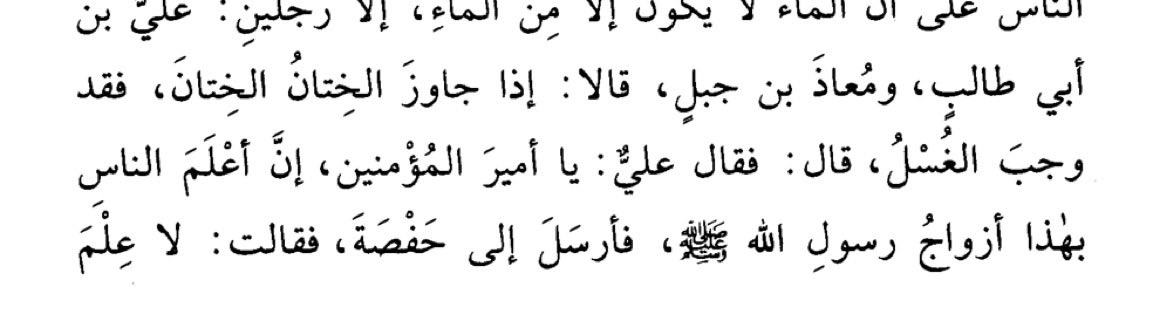
Ḥadīth al-Thaqalayn is often cited as a proof for the virtue and rights of the Ahl al-Bayt, and indeed it is. However, an important point frequently ignored is that the wives of the Prophet ﷺ are his Ahl al-Bayt. When some people attempt to restrict “Ahl al-Bayt” only to specific blood relatives while excluding the Mothers of the Believers, this clashes with both the Qurʾān and the understanding of the Companions themselves. Zayd ibn Arqam رضي الله عنه narrated that the Messenger of Allāh ﷺ said: “I am leaving among you two weighty things: the Book of Allāh… and my Ahl al-Bayt. I remind you by Allāh regarding my Ahl al-Bayt…” Now consider the statement of Sayyidunā ʿAlī رضي الله عنه regarding the wives of the Prophet ﷺ: “O Commander of the Believers, the most knowledgeable people concerning this are the wives of the Messenger of Allāh ﷺ.” ʿAlī then directed the people back to the wives of the Prophet ﷺ in certain religious matters, recognizing their authority and intimate connection to the household of Prophethood itself. More importantly, the Qurʾān directly addresses the wives of the Prophet ﷺ before saying: “Indeed Allāh only intends to remove impurity from you, O People of the Household (Ahl al-Bayt), and purify you completely.” — Sūrat al-Aḥzāb 33:33 The surrounding verses are explicitly a khiṭāb (address) to the wives of the Prophet ﷺ: “Remain in your homes…” “Do not display yourselves…” “Establish prayer…” “Obey Allāh and His Messenger…” Then comes: “Indeed Allāh only intends to remove impurity from you, O Ahl al-Bayt…” Thus, the wives of the Prophet ﷺ are unquestionably from his Ahl al-Bayt by the text of the Qurʾān itself.
Ibn ‘Abdullāh al-Hāshimī tweet media
English
2
8
34
1.8K
Random ☪️ retweetledi