Rechtsabbieger
1.1K posts

Rechtsabbieger
@R_abbi_ger
Stellv. Vorsitz im Zentralrat der Guten. Angewandter Glazialkosmologe.
Katılım Şubat 2025
685 Takip Edilen116 Takipçiler
Sabitlenmiş Tweet

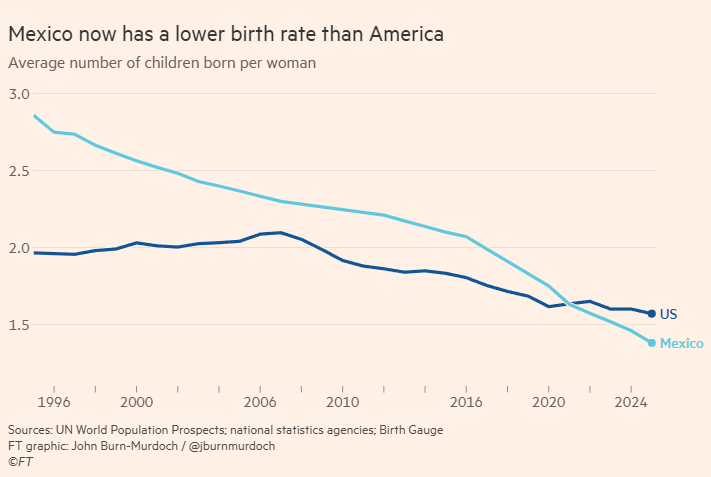
@mikalipon @andyd10 I am not talking about Mexicans returning. I think about the now larger cohorts of Americans that will be excited about the property market and the exotic vibes.
English

@R_abbi_ger @andyd10 The supply of people will dry up over time, but there's no way a significant number of people will return to Mexico of their own free will. It's still a poor country, and all livable land is already pretty densely populated


English

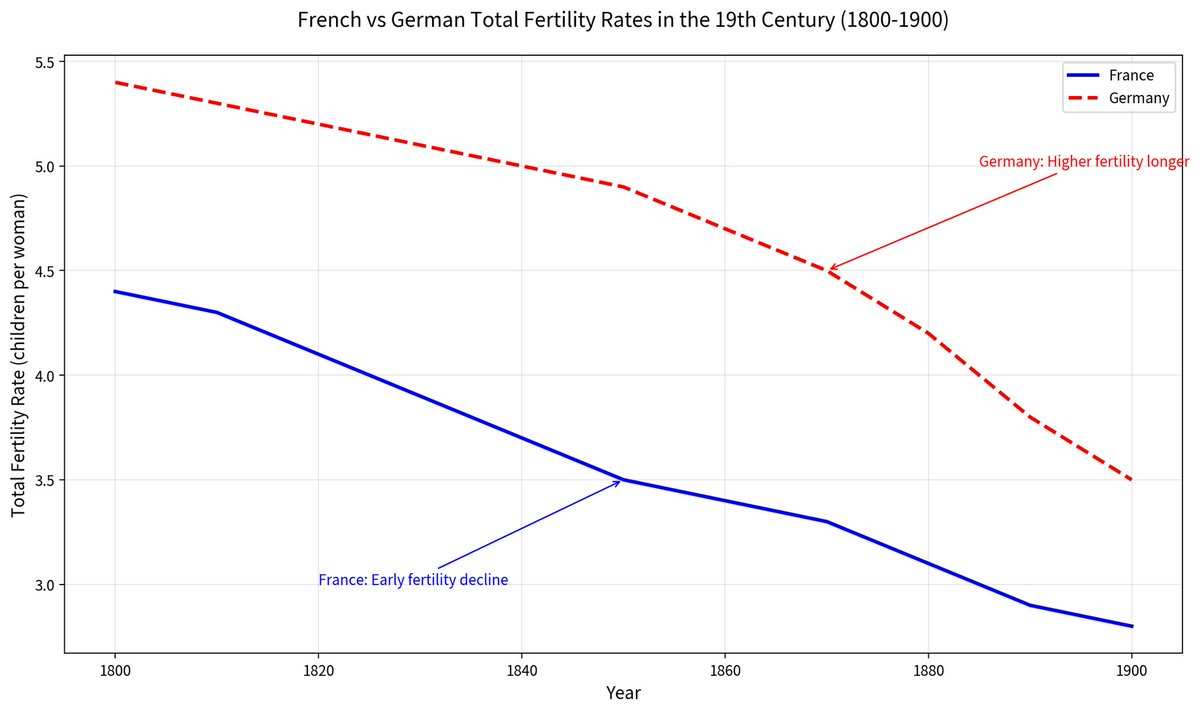
@BirthGauge @thinkingfejlgk Interesting, the French birthrate actually collapsed earlier than the German one and it was already a negative example in the 1910s: "The french loose one battle every day through collapsing birth rates".

English


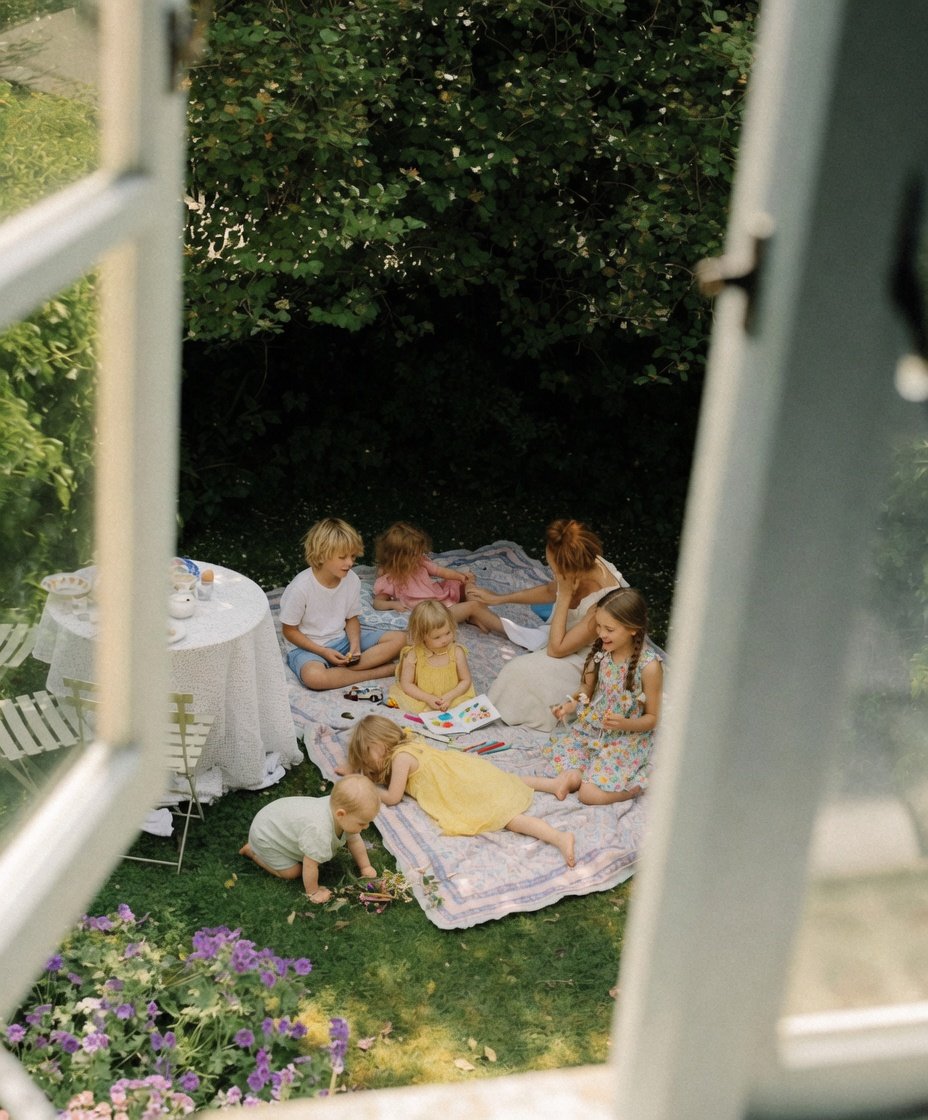
@RisonOnSports @BirthGauge Very good points. I may also add, for the aspiring parent, that one can NOT purchase a substitute for grand parents (or the village as I like to call it) on the market. I tried but babysitters and care takes are flaky and unstable. Moreover, children NEED trust + long-term bonds.
English

Yep. I mentioned that in another post. 50 years ago, people didn't move away from home. Or, if they did, they came back when it was time to start a family. So, parents had built-in babysitters, an on-call nanny that could pick kids up & shuttled them in a pinch, etc. My wife's parents are deceased, and mine live nearly 3 hours away. If they lived in the same area, life would be so insanely easy relative to what it is now.
English

@DatFollowButton @BirthGauge This is already the case. The work that a school puts on me for just 1 child is tremendous: parents' evening, birthdays, extracurricular expectations, are all made for dwarf families where 2 parents want to experience everything with their single child and micromanage it.
English

@BirthGauge Similar to how high fertility subcultures can raise surrounding birthrates through social diffusion, I wonder if universal low fertility lock societies into a trap where childlessness and tiny families become the unquestioned norm, which crushes natalist revival attempts
English

@RisonOnSports @BirthGauge Indeed, one hack is also to have grandparents close by. It's invaluable as we learned now that we don't have them.
English

@R_abbi_ger @BirthGauge I built my own company, but I started it and got it cranking *BEFORE* having kids. 0% chance I could've pulled that off if I already had 2 kids. It *might* have been possible with just 1. But, it'd have been a beating.
You're spot-on with regards to the marriage relationship!
English

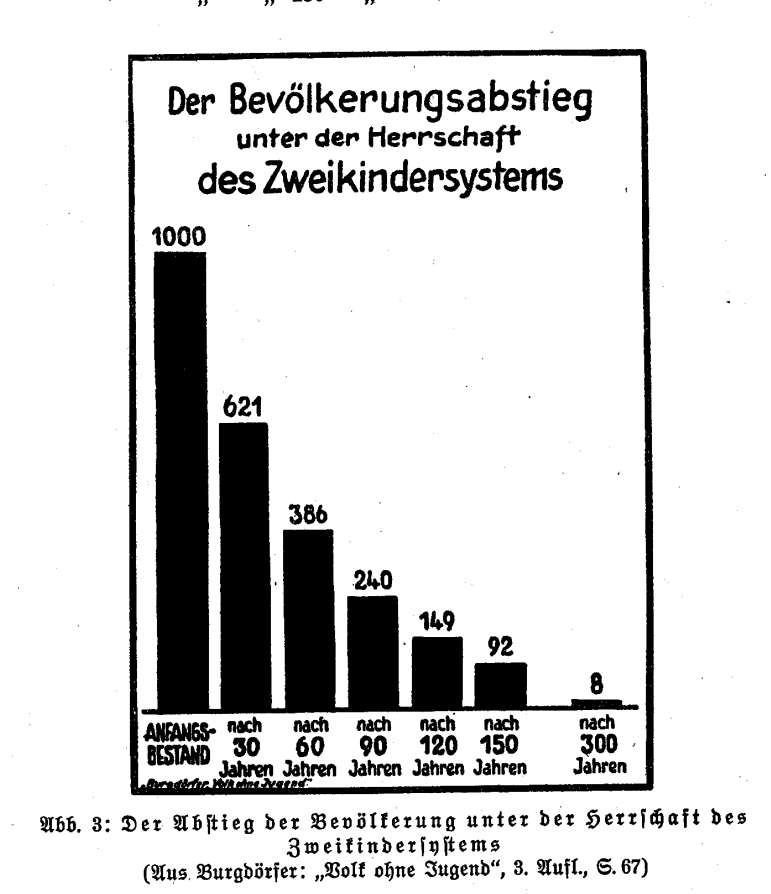
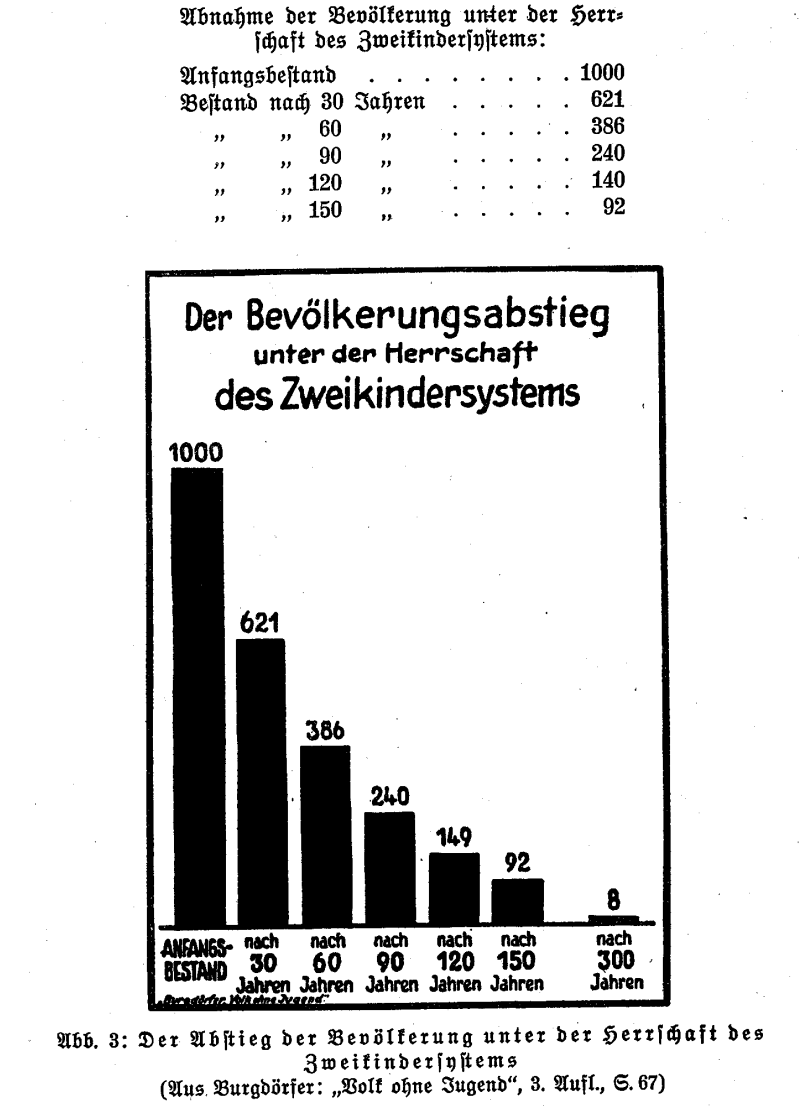
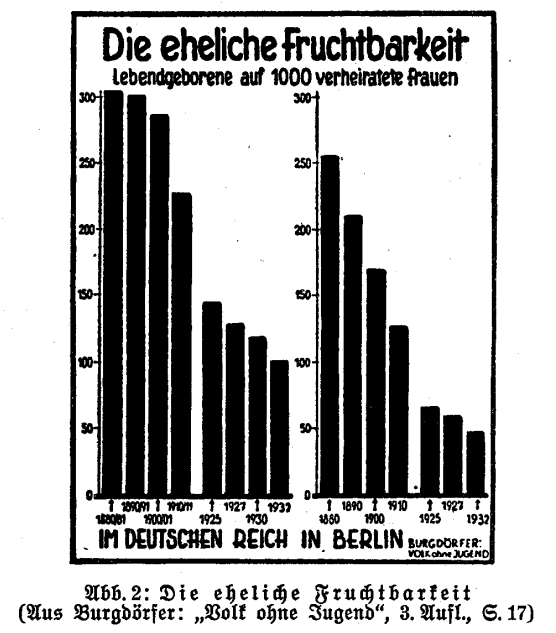
@thinkingfejlgk @BirthGauge Burgdörfer referred to small families as "Dwarf-Families" and In a way, I think he actually suggested relentless bullying of men and women that remain behind their natural fecundity. - This seems easy and has not been tried yet.
English

@BirthGauge Actually, if you run the numbers, we need a majority of families to be three kids or more. The three kid family most be the norm, and four plus must become common. And we should media (and advertisers) hold accountable to setting that norm
English

@RisonOnSports @BirthGauge Fellow Child-Maxxer here. Your forgot the missed carrier opportunities; no chance building your own business. If the wife is sick, the world collapses. Never mind the relationship, which has to be extra strong.
English

I have 4 kids. The unpleasant reality is innovation & advancement have made it expensive to have more than 2 kids. Why? Once you become a family of 5, you need a 3-row vehicle for as long as at least 1 child is in a car seat. You can no longer fit in a 2-3 bedroom starter home. Traveling becomes expensive, b/c you no longer qualify for hotels that offer 2 queen beds or a 1 bedroom suite w/ a pullout sofa. And, you can't rent an inexpensive, 5-seater car (not to mention the cost of 5 plane tickets).
Then, there's the structure of society. Kids are in far more activities today than when we were all kids. Anyone that's had 2 kids in sports, dance, cheer, martial arts, etc knows how crazy weekends are when you then add all the b-day parties from classmates (which are never-ending). Now, imagine adding a 3rd kid to the mix. It's insane.
Our kids are in private school, which skews the #s. But, I bet my wife & I spend >$150,000 more than we would if we had just 2 kids when taking into account tuition, insurance, clothing, having 2 smaller/cheaper cars & a smaller/cheaper home, etc. And, we probably have 20 more hours per week of parental responsibilities between homework, general parenting/mentoring, sports, b-day parties, extracurriculars, etc. I love having 4 kids, but it's not for the feint of heart.
50 years ago, most moms were stay-at-home moms. Kids had few extracurricular activities. Materialism & consumerism were less, so homes didn't need to be as big. Carpooling & ride sharing were commonplace. And, it was nothing for a kid to take the bus home & stay there alone (or with siblings) until someone got home from work/errands. It was much easier & more affordable to have 3-4 kids.
English

@BirthGauge When a population has been in a low-fertility trap for decades, the number of potential mothers shrinks every year. To offset having fewer women of childbearing age altogether, those who are available have to overcompensate.
Spain : 1.2 children -> Catch-Up Target: 2.8 children!
English

@MarquardtFri @KrahMax 100%: Nachkriegsordnung und vernachlässigte Bevölkerungspolitik.
Deutsch


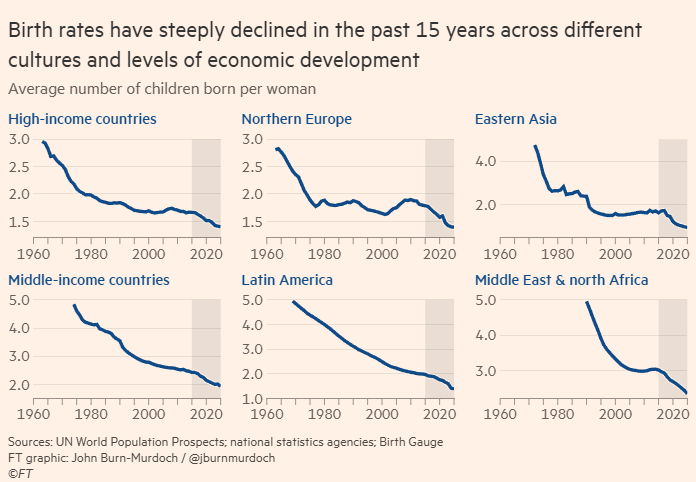
@zerepolbap @JesusFerna7026 According to this data, it's actually over.
Perhaps we should rather worry about starting a new civilization than hanging onto this corpse?
English


Let me lay out the unpleasant arithmetic of the replacement rate, and why a modern society finds it so hard to reach.
A population of 100 women in an advanced economy needs 210 children to replace itself. Why?
Absent sex-selective practices, roughly 105 boys are born for every 100 girls. Evolution overshoots male births because boys are more prone to early death from accidents and disease. Therefore, of 210 children, about 108 are boys and 102 are girls. Not all girls reach the midpoint of their fertile age: accidents, suicide, homicide, and illness take some. In an advanced economy, about 98% of them survive, leaving 100 women to replace the original 100.
Now consider the distribution of children per woman.
Imagine 15 women have no children. Five do so by choice, for various reasons (professional, affective, religious). Ten face unfixable fertility problems, theirs or their partner’s. The 10% figure is conservative: the medical literature points to around 13%, and that does not even count male fertility problems.
Of the remaining 85, 10 have one child, 60 have two, 10 have three, and 5 have four. I am stopping at four to keep the post concise; very few women in younger cohorts have five or more children, but I could adapt the example to account for them.
Hence, the 100 women in this population have 180 children, for a completed fertility rate of 1.8.
Interestingly, this is roughly the rate we saw in many advanced economies until the early 1990s, and in the U.S. until around 2008.
But we are still 30 children short of replacement! Voluntary childlessness is only 5%. Three-quarters of women have two or more children. Look around: most of your friends will have two, plenty will have three or four. And yet, we are well below replacement.
You would not look at this population and call it selfish (is having two kids hedonistic?) or accuse it of losing family values (only 5% of women are choosing voluntarily not to have children).
The point is simpler. To reach 210 births, you need a substantial share of women to have three or more children. Two as the “normal” pattern will not get you there. And modern society makes three or more a costly proposition for most families.
Of course, current fertility rates in most advanced economies are well below 1.8. But my point is that, under present social arrangements, we should not expect 2.1, even if (to humor last weekend’s debate) we banned smartphones and TikTok. We need many, many more families with three or four children.
More pointedly, there is no self-regulating mechanism that pushes a society back to 2.1. The market-clearing analogy many economists use is flawed; scarcity feedback does not work the same way. (Another post on this another day.) And, as I often read, the claim that “nature” somehow regulates current overpopulation is just childish mumbo jumbo.
So yes, the arithmetic of replacement rate is unpleasant.

English

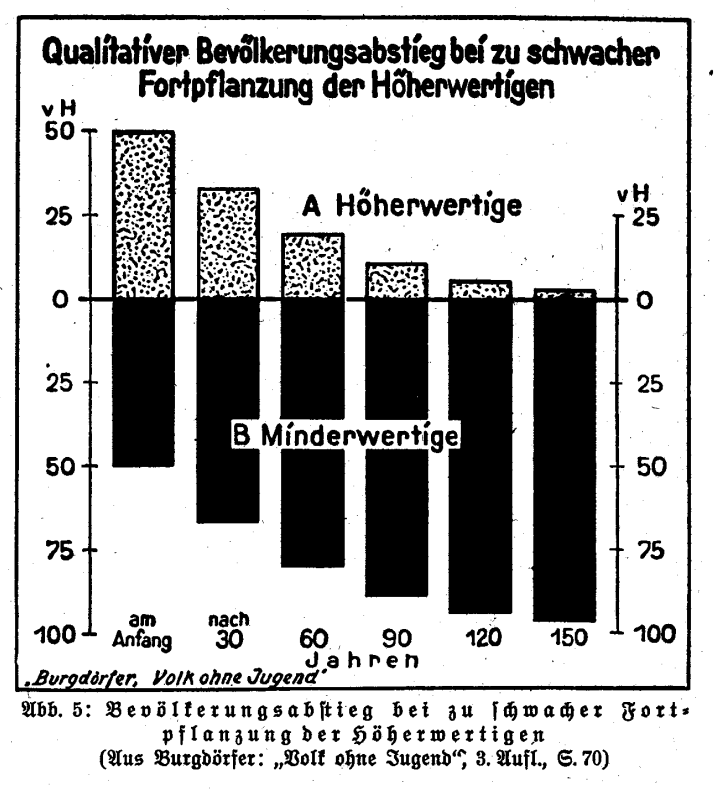
@JesusFerna7026 Very good start. We can continue the discussion right where it stopped 80 years ago. Importantly, a people needs to aim at 3.4 children per women with a skew towards the more capable to avoid a processes of degeneration:


English

@R_abbi_ger @visegrad24 This is plain Bullshit. Fuck off Adolf.
English