Statera

461 posts

Statera banner
Statera

Statera

@Radu_Statera

fascinated of new experience

Katılım Kasım 2019
166 Takip Edilen60 Takipçiler
Statera
Statera@Radu_Statera·
@CStreza Cred ca lumea e satula de minciunile de la multiversx nu stiu ce eroare sau ce te mai surprinde ca o poza nu sunt in stare sa o sincronizeze la subiect dar un blockchain 😅
Română
0
0
0
75
Claudiu Streza
Claudiu Streza@CStreza·
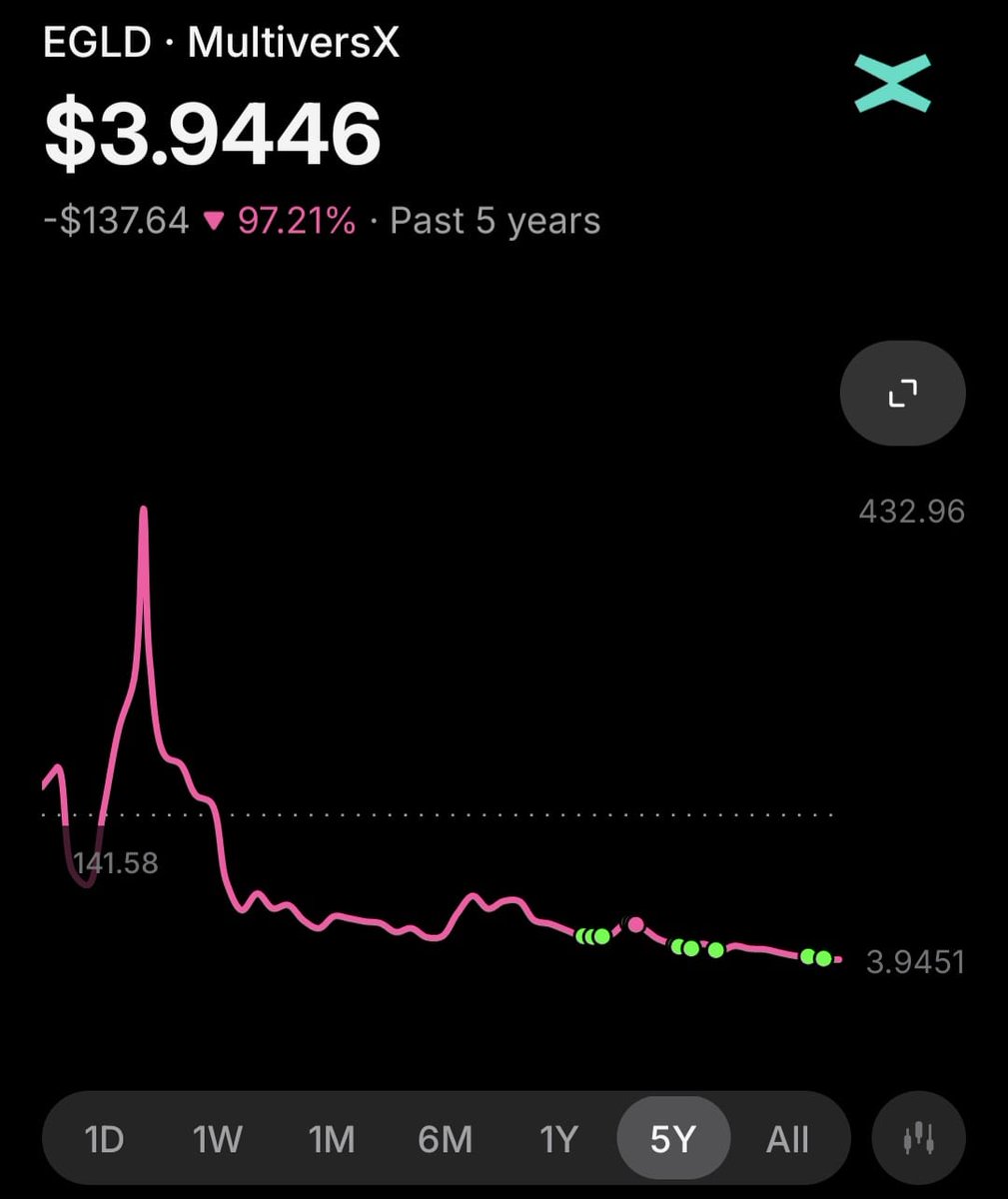
Ceva îmi dă eroare aici $EGLD
Claudiu Streza tweet media
Lucian Mincu@lucianmincu

A Bet We Made in 2018 This is me and Vitalik in 2018. ETH Devcon. We were at a table talking about sharding and how blockchains could actually scale by running execution in parallel. At the time, Ethereum and Elrond had the same thesis. Both believed execution sharding was the path forward. Since then, Ethereum changed direction multiple times. Sharding gave way to rollups. Rollups gave way to "we need to scale L1 again." The roadmap shifted, the promises changed, the technical approach pivoted more than once. And through all of it - the Ethereum community stayed. They gave the team the space to find the right path. They didn't kill the project when the roadmap changed. They believed the builders would figure it out. That patience is what kept Ethereum alive. Not the technology. The community. ─── We made a different bet. We bet on execution sharding from day one and we never left that path. Adaptive state sharding shipped on mainnet in 2020. Three execution shards plus a metachain. State, network, transactions - all sharded from genesis. Supernova shipped this year. Consensus decoupled from execution. 600ms blocks. achieved 88ms finality. 120,000 TPS burst mode on the same validator hardware. 3,200+ validators on consumer-grade machines. 171,000 commits. #6 in the entire industry. Ahead of Solana, Avalanche, Sui, Polygon, Aptos, and TON. Tier-one infrastructure providers on board, distribution partners like Cointelegraph are running validator nodes. Stripe's Machine Payments Protocol is settling on MultiversX. EGLD is named in an Arizona state strategic reserve bill. The agentic commerce stack - x402, MPP, MX-8004, UCP, ACP, MCP - is live on one chain. xMoney is building regulated stablecoin issuance under MiCA. The infrastructure underneath has never been stronger. ─── And yet the market prices EGLD like none of this exists. Every blockchain community is going through the same thing right now. EGLD is down. ETH is down. SOL is down. The market doesn't differentiate between chains that shipped paradigm-shifting infrastructure and chains that shipped a landing page. But here's what's different about right now. Bitcoin survived 2014. Ethereum survived 2018. Solana survived 2022. In each case, the community stayed long enough for the technology to matter. In each case, the community that held wrote the next chapter. And in each case, the ones who fractured, who turned on their own builders, who let the loudest voices - the ones who already sold - define the narrative? Those communities don't exist anymore. You don't remember their names. The perception of value has been distorted. By cycles. By speculation. By narratives that reward noise over engineering. And by us - divided when we should be united. Turning on each other instead of building forward together. Look at what's underneath. Not the chart. The infrastructure. 88ms finality. 120K TPS. #6 in developer activity globally. Tier-one infrastructure partners. Stripe settling on-chain. EGLD in US state legislation. Regulated stablecoins under MiCA. An agentic commerce stack that Visa, Coinbase, and Mastercard are racing to replicate. This is not a project searching for relevance. This is a project that shipped the relevance and is waiting for its community to match it. If this fails, it won't be because the technology wasn't good enough. It will be because we weren't united enough to carry it forward. I've been here since 2018. That table with Vitalik. Every pivot, every cycle, every doubt. Still here. Still building. Now it's your turn. Not to believe. To show up.

Română
28
1
49
16.6K
Statera
Statera@Radu_Statera·
@cryptoaceyt Echipa isi face treaba descarca la greu prin nodurile " descentralizate" ....
Română
0
0
2
83
CryptoAce
CryptoAce@cryptoaceyt·
Haterii au avut dreptate! EGLD s-a dus sub 7$ dar până și ei sunt pe minus dacă au început să cumpere la 7$ cum au promis!😂 Ce naiba facem cu el? Dacă nici DCA ul meu nu arată bine pe EGLD atunci ce mai facem? chiar si un mic sell la 50$ făcut așa cu frică să nu cumva să "bubuie" EGLD. Pentru mine expunerea nu e așa mare pe EGLD dar știu persoane care au tot portofoliul în MultiversX (în ultimii 2 ani sigur am înțeles cu toții ce înseamnă RISCul pe piața crypto). Anyway... fac hold.💀
CryptoAce tweet media
Română
59
6
150
13.8K
Statera retweetledi
Anatolij Sharij
Anatolij Sharij@anatoliisharii·
Zelensky’s statement that he would give Orban’s address to the Ukrainian Armed Forces because Orban is blocking a 90-billion-dollar gift shows that this completely unhinged killer has entirely lost his mind. For a long time this was enabled by European fools who kept allowing themselves to be fleeced by him. Now this deranged man is essentially threatening the killing of Orban, one of the leaders of the European Union. You may feel however you want about Orban (as the leader of the Hungarian opposition said today), but threatening a European leader because he blocks yet another massive cash handout is going too far even for the most extreme fanatic. Well then, the European Union has done an excellent job of nurturing a truly terrorist regime. Congratulations, idiots.
Anatolij Sharij tweet media
English
522
2.3K
8.2K
114.3K
Statera
Statera@Radu_Statera·
@bobbydtiktok Sa faca dovada banilor de unde provin daca nu sa fie confiscati :)
Română
0
0
1
89
BobbyD
BobbyD@bobbydtiktok·
Ungaria a blocat două vehicule de transport valori aparținând băncii de stat ucrainene Oschadbank: 7 persoane sunt practic ținute ostatice, potrivit Ministerului de Externe al Ucrainei. Vehiculele băncii de stat transportau valută și metale prețioase din Austria către Ucraina. Potrivit datelor GPS, vehiculele de transport valori se află în prezent în centrul Budapestei, în apropierea unei instituții a forțelor de ordine din Ungaria. Vehiculele confiscate conțineau 40 de milioane de dolari, 35 de milioane de euro și 9 kilograme de aur.
BobbyD tweet media
Română
69
148
594
16.4K
Crypto Michael
Crypto Michael@MichaelXBT·
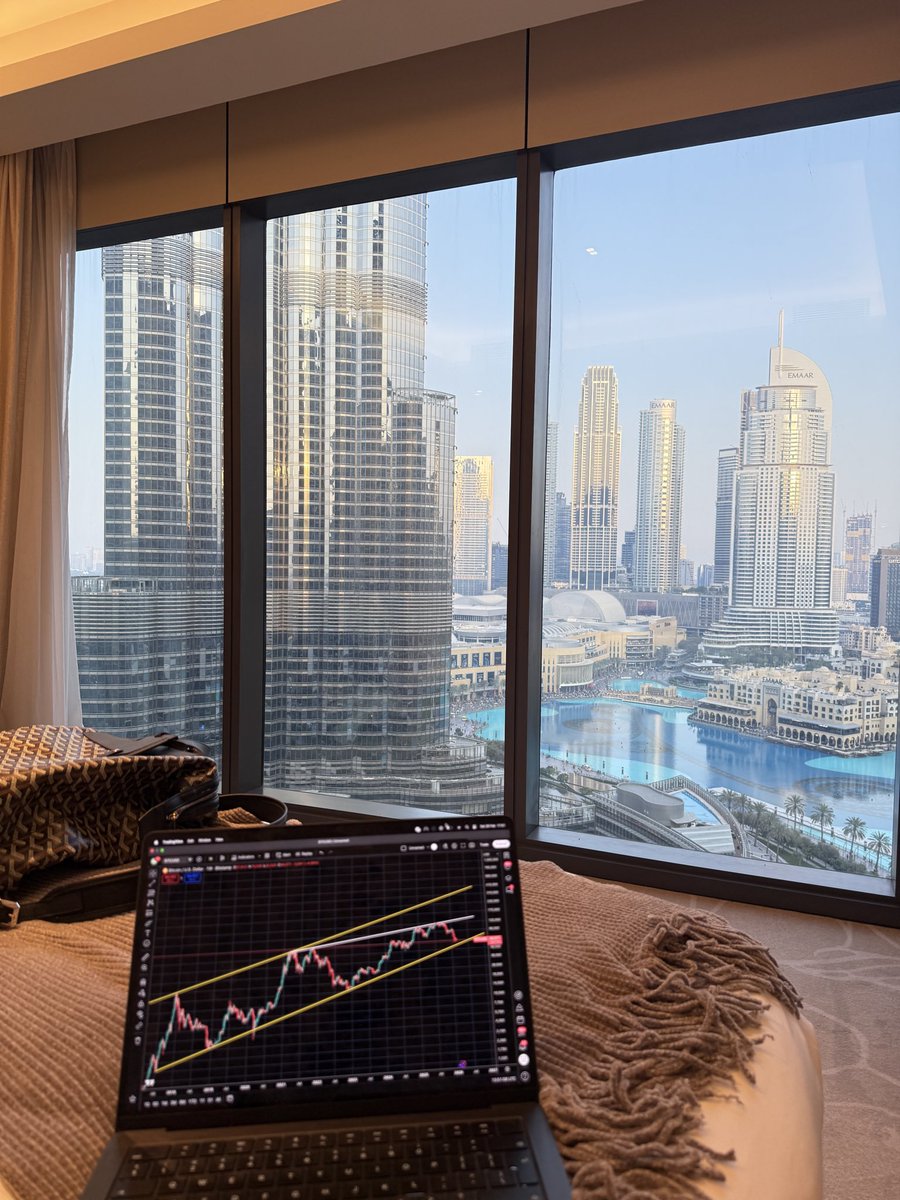
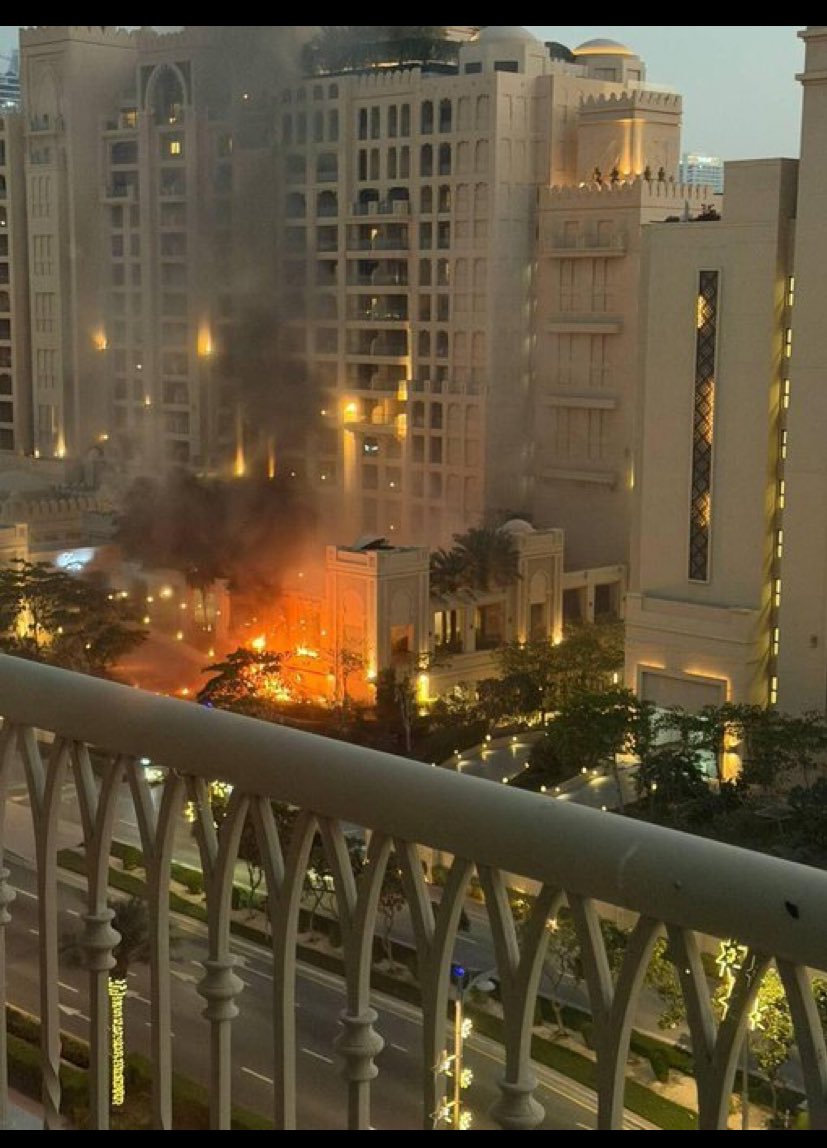
So much fake news about Dubai today I live next to the Burj No one is being evacuated Stop spreading FUD
Crypto Michael tweet media
English
432
189
3.7K
1.6M
Statera
Statera@Radu_Statera·
@MultiversX Finish bullrun time for horserun 😅🙌
English
0
0
0
234
Multiversᕽ
Multiversᕽ@MultiversX·
Momentum matters. Step into the year with strength. 新年快乐,万事顺遂。
Multiversᕽ tweet media
中文
17
76
455
11.2K
Statera
Statera@Radu_Statera·
@SimaCristianX @realdanielnita Exact asta vorbeam si eu azi cu a mea ca la cum se indreapta lucrurile tare imi e de un razboi ca lumea sa se adapteze mai repede la noua societate ….
Română
1
0
0
117
Benjamin Cowen
Benjamin Cowen@benjamincowen·
A shitcoin can down for 4 years straight, but any day it pumps 5%, people will be like "see I told you it was not dead"
English
285
74
2K
139K
Statera retweetledi
Anatolij Sharij
Anatolij Sharij@anatoliisharii·
While European bastards shake hands with our bastard, a man was killed in Kyiv during an attempt at forced mobilization. Kiss him so that your faces are covered in blood.
English
40
154
451
17.3K
Statera
Statera@Radu_Statera·
@cosminsroman Cine a fost la buget da e corect cu cei de la taxa nu prea …
Română
0
0
0
47
Cosmin S. Roman
Cosmin S. Roman@cosminsroman·
Bolojan are o noua propunere de politica economica: Absolventii de medicina sa ramana o perioada in tara. Argumentul: Statul a investit in educatia lor si trebuie sa isi recupereze acei bani. Hoardele de orci auristo-pesedisti vor fi profund deranjate si de aceasta data. Tu ce parere ai? O fi bine, o fi rau pentru viitorul economiei din Romania?
Română
76
1
58
6.3K
Statera retweetledi
Mihai Lasca
Mihai Lasca@MihaiLasca·
❗️NU MAI CUMPĂRAȚI DE LA KAUFLAND Susțin boicotarea lanțului de magazine @KauflandRomania pentru finanțarea proiectului de îndoctrinare sexuală a minorilor prin "tabere de activism", derulate de @AsociatiaAccept. Soluția vine de la noi. Nu mai dați bani celor care fac propagandă împotriva valorilor sănătoase! Felicitări @patriaprimaorg, primul și singurul ONG românesc care a atenționat românii, într-o eră în care ONG-urile lucrează pentru interesele străine.
Mihai Lasca tweet mediaMihai Lasca tweet media
Patria Prima@patriaprimaorg

Patria Prima este singurul ONG care lupta contra propagandei LGBTQ. Este incredibil cum au ajuns sa ne urmareasca copiii de la sate, platiti de Kaufland, cu reclama facuta de BRD - Societe Generale prin newsletterul fundatiei lor, Scena9! Unde se va ajunge?

Română
39
119
475
6.9K
Statera retweetledi
Daniel Nita 🇷🇴
Daniel Nita 🇷🇴@realdanielnita·
Cand am zis ca Nicusor o sa ajunga sa fie urat de cei careu l-au votat pana la finalul primului mandat similar ca in cazurile precedente, nu ma asteptam sa se intample doar dupa cateva luni😂
Română
46
15
355
13.5K
Ming
Ming@tslaming·
READ IT TO BELIEVE IT 🚨 TESLA HAS ENGINEERED A "THERMAL ARMOR" THAT ALLOWS SILICON CARBIDE CHIPS TO SURVIVE 800V SURGES ⚡️ Under the hood of Tesla’s next-gen powertrain lies a heavy copper secret. While most chip innovations focus on the microscopic silicon inside, Tesla’s latest breakthrough completely reimagines the protective shell around it. Originally revealed in late 2024 (Patent WO 2024/197013) and confirmed by a new European filing published just days ago on January 28, 2026 (EP4684423), this novel "hybrid" package architecture turns the chip's casing into an active thermal battery. The invention is known as a "Semiconductor Package with Top-Side Heat Spreader". It uses a massive, stepped-copper block that occupies nearly the entire top surface of the device. This architecture allows the chip (Silicon Carbide chip) to absorb the instantaneous heat of a 0-60 launch or a Supercharging session. By doing so, it protects the delicate electronics inside without the need for exotic cooling systems. Before diving deeper, it is critical to distinguish this technology from the "advanced packaging" often associated with Tesla's AI hardware. While chips like the AI5 computer are the vehicle's "brain", the technology in this patent represents the vehicle's "muscle". The AI chips are delicate supercomputers packaged by TSMC to move massive amounts of data. In contrast, the chips in this patent are rugged power switches responsible for moving energy to the motors and accessories. They require a completely different architectural approach. This approach focuses on raw survival rather than just speed. To understand why this radical redesign is necessary, we first need to look at the invisible physical wall that these standard automotive chips have hit. ⚖️ The problem: Standard chips can't handle 2026-era power density In 2026, the Power Dual Flat No-lead (PDFN) package remains the unglamorous workhorse of the automotive industry. This is due to its low cost and compact footprint. However, as electric vehicles aggressively move toward 800V architectures and silicon carbide chips, this standard design has hit a physical limit. These packages lack the internal thermal mass to absorb the massive "surge loads" generated when a motor accelerates or a heat pump kicks in. This causes chips to hit their thermal limits milliseconds before the vehicle's cooling system can even react. Compounding this thermal bottleneck is the legacy "gull wing" lead design still common in automotive chips. These conductors bend up and out like a bird's wings. This shape introduces unnecessary length to the electrical path. In the era of high-speed switching, this extra length creates parasitic inductance. This is a form of electrical friction that generates noise and wastes battery range. While suitable for older and slower electronics, this geometry acts as a drag on the efficiency of modern wide-bandgap semiconductors that need to switch thousands of times per second. Finally, the manufacturing process for these power chips has failed to keep pace with the efficiency demanded by the rest of the vehicle production line. The industry currently relies on a "messy" traditional method. This involves encapsulating chips in plastic blocks and then grinding them down to expose the metal. This process is inherently wasteful and slow. Tesla faced a gap in the market. They needed a solution as rugged and cheap as a standard PDFN, but with the thermal resilience of a heavy-duty power module. Here is how they engineered that exact contradiction. 💡 Tesla's solution: A hybrid design with a massive thermal roof and a flat electrical floor Tesla’s engineers have developed a semiconductor package that fundamentally changes the ratio of materials used. This package is the protective casing that connects the delicate silicon chip to the rest of the vehicle's electronics. Instead of keeping the materials at a uniform thickness throughout the device, the design places a massive "die paddle" or heat spreader on the top of the chip. This paddle functions like a heavy copper roof that draws heat away from the sensitive electronics. This structure creates a device that is optimized for two different functions simultaneously. The top section is a heavy thermal sink designed to absorb heat shocks. You can think of this as a thermal sponge that soaks up sudden bursts of temperature before they can damage the chip. On the bottom, the design utilizes very thin and flat leads to create a streamlined electrical path designed for speed and efficiency. Crucially, the design is "molded to net shape". This manufacturing term means the part comes out of the mold in its final ready-to-use form. This effectively eliminates the need for expensive post-processing steps like grinding or sawing. The most visible part of this new architecture is the sheer volume of copper on top. This serves a critical protective purpose. 🧱 The heat spreader acts as a thermal battery for surge loads The defining feature of this patent is the thickness of the top-side heat spreader. This component is a solid block of metal designed to pull heat away from the chip's hot core. Tesla specifies that this copper block must be at least 1.5 times thicker than the electrical leads. These leads are the thin metal pins that carry current in and out of the device. In some embodiments, the block is up to 3 times thicker than these connections. Crucially, this is not a small insert. The patent mandates that the exposed heat spreader occupies at least two-thirds and potentially up to 80% of the package's entire top surface. When a power surge occurs, this thick block of copper acts like a buffer. A power surge is a sudden and intense spike in electricity that generates immediate heat. The copper absorbs this spike in thermal energy instantly. It does this in the same way a thick stone wall absorbs the heat of the sun without getting hot on the inside. This prevents the temperature of the delicate silicon chip from skyrocketing. This architecture enables true "Top-Side Cooling". This is a method where heat is pulled off the top of the chip rather than the bottom. It allows Tesla to dissipate heat directly into a heatsink. A heatsink is a metal radiator that disperses the heat into the air or cooling fluid. This is much more efficient than forcing the heat down through the crowded circuit board. But sheer mass isn't enough. The internal geometry of that copper needs to be precisely sculpted to ensure the device survives years of operation. 🧩 Internal architecture: Grooves, forks, and cutaways Tesla’s engineers didn’t just place a block of copper on top. They sculpted the internal surfaces to manage the flow of liquid metal during assembly. The patent details a specific "groove" etched into the inner surface of the heat spreader. This groove acts as a "solder stop". It functions like a microscopic dam that prevents the molten attachment material or metal glue from bleeding out into unwanted areas. Additionally, the die paddle features a specific cutaway region or stepped profile. This shape resembles a staircase. It allows the copper to overhang the chip edges for maximum volume while still locking securely into the molding compound. The molding compound is the hard plastic shell that encases the electronic components. Furthermore, the patent introduces a "forked" lead frame design. In this configuration, the copper connections do not just sit next to the chip. They "straddle" or fork around the sides of the silicon die. The silicon die is the tiny square of silicon that performs the actual switching. This geometry allows Tesla to wrap the die in "thermal mass". This refers to the material's ability to absorb and store heat energy from the sides as well as the top. This creates a "conductive brim" that acts like a heat-absorbing rim around the chip. It squeezes every bit of capacity out of the small package footprint. While the top of the package manages the thermal load, the bottom attacks a completely different foe: electrical inefficiency. ⚡ Flat leads significantly reduce parasitic inductance To solve the electrical efficiency problem, Tesla has ditched the "gull wing" design entirely. This is a traditional shape where the metal connectors bend up and out like the wings of a seagull. Instead, they utilize a lead frame with flat and stamped leads that sit flush with the bottom of the package. The lead frame is the metal skeleton that supports the chip and carries the current. By removing the bends and loops found in traditional connectors, they have shortened the physical distance the current must travel. This reduction in path length directly lowers the parasitic inductance. This is a form of unwanted magnetic energy or "electrical inertia" that builds up when electricity travels through long loops. It resists rapid changes in current. In power electronics, lower inductance reduces the loop area. This allows the switch to turn on and off faster with less energy loss. The patent explicitly notes that this architecture is desirable for "wide-bandgap semiconductors". These are advanced materials that can operate at higher voltages and frequencies than standard silicon. Specifically, the patent mentions "bidirectional GaN HEMTs" or Gallium Nitride High Electron Mobility Transistors. This hints that Tesla is optimizing these packages for the next generation of high-speed and high-efficiency switches. Achieving these complex internal shapes usually requires expensive and slow manufacturing techniques. However, Tesla found a shortcut. 🏭 Stamping technology replaces complex etching and grinding The patent reveals a focus on high-volume manufacturability. This is the ability to mass-produce millions of units quickly and reliably. Rather than using chemical etching or grinding, Tesla is using stamped metal frames. Chemical etching is a slow process that uses acid to dissolve metal into specific shapes. Grinding is a wasteful technique that mechanically sands away excess plastic to expose the metal. The top heat spreader and the bottom leads are stamped from metal sheets using a machine that works like an industrial cookie cutter. This creates a "stepped" profile. This is a three-dimensional shape with different height levels similar to a staircase. These pre-formed shapes allow the components to lock together during the molding process. The design includes "mold locks" and grooves. These act as mechanical anchors to prevent the plastic and metal from delaminating, or peeling apart like layers of old plywood. Because the parts are stamped to the exact right height, the package creates a tight seal against the mold tool. The mold tool is the hollow metal cavity where the liquid plastic is injected. This results in a finished part that needs minimal cleanup and generates very little waste. Once these stamped parts are made, they still need to be put together without microscopic errors. 🧘 Smart assembly: Tolerance-absorbing construction One of the hardest parts of chip packaging is dealing with tolerance. This refers to the permissible limit of variation in the physical dimensions of a manufactured part. Specifically, it refers to the microscopic height differences in the components. Tesla’s solution utilizes a "stepped height" design where the components are stacked with a compliant paste or solder. This is a soft and pliable bonding material that acts like a mechanical suspension system to cushion the parts. The patent describes a process where the assembly stack is designed to "float" slightly. This allows the layers to shift and settle naturally before being permanently locked in place. When clamped in the fixture, the compliant bonding material compresses elastically. The fixture is the rigid metal tool used to hold the assembly steady. This means the material squishes down like a spring to absorb the tiny height variances of the die and the copper frames. This action allows the stack to "self gap-fill". This is a mechanism where the material automatically expands or contracts to bridge any empty spaces between the layers. This ensures that every single package comes out of the machine with the exact same total height. This precision eliminates "flash". Flash is the thin layer of excess plastic leakage that often seeps out of the mold defects and plagues traditional molding processes. But precision manufacturing is useless if you cannot verify it quickly on the production line. 🔍 Dimples and flanks allow for easy inspection A subtle but important detail in the design is the inclusion of "wettable flanks" and stamped "dimples" on the flat leads. A dimple is a small indentation pressed into the metal that provides a dedicated cavity for solder to flow into. Solder is the conductive metal alloy that melts to glue the electronic components together. The wettable flank is an exposed metal side that allows the solder to "wick" up the side of the chip. This means the liquid metal flows upwards against gravity. It is similar to how oil travels up a lamp wick to create a visible fillet on the side of the connection. This feature is vital for automotive reliability. It allows "automated optical inspection systems" to easily verify that a chip is soldered correctly. These systems are high-speed robotic cameras that scan the manufacturing line for defects. It also strengthens the physical bond between the heavy copper package and the circuit board. This ensures the chip does not shake loose due to the constant mechanical vibrations of the road. So, what does this specific piece of copper and silicon actually allow Tesla to do in the real world? 🚀 How this patent contributes to Tesla's now and future This patent serves as a "unifying architecture" for Tesla’s entire power electronics strategy. It effectively reinvents the standard PDFN package to solve the thermal and electrical bottlenecks that constrain 2026-era vehicles. By retaining the compact footprint and low cost of the commodity PDFN but gutting its internal structure, Tesla allows the company to solve two different problems. They solve ruggedness for high-voltage traction and efficiency for low-voltage control using a single and scalable packaging platform. First, it directly addresses the "thermal surge" limit that plagues standard PDFN chips in 800V traction inverters. By replacing the thin and heat-choking lead frame of the legacy design with the massive copper heat spreader described in the solution, Tesla creates a thermal buffer. This buffer absorbs millisecond-long heat spikes before they can damage the die. This allows Tesla to utilize these compact and cost-effective packages for the heavy-duty powertrains of the Cybertruck and Semi. It allows them to push these vehicles harder during acceleration without hitting the thermal safety limits that would normally require expensive and bulky power modules. Simultaneously, the patent’s "flat lead" geometry eliminates the "gull wing" inefficiencies of the traditional PDFN. This solves the parasitic inductance issue for the 48V architecture used in steering and auxiliary systems. These systems rely on Gallium Nitride (GaN) chips that switch at blinding speeds. The removal of the old gull-wing loops provides the clean electrical path these chips need to operate without interference. This enables Tesla to strip copper weight out of the wiring harness while still using a mass-producible package. It proves that they don't need exotic new formats to innovate. They just needed to perfect the one everyone else was already using.
Ming tweet media
English
90
242
3.3K
293.2K
Statera
Statera@Radu_Statera·
@daily_romania Why him was overseas Romanian and Nato is not in war :) ?!
English
0
0
0
228
Daily Romania
Daily Romania@daily_romania·
A video of a Romanian soldier who came back home after being stationed multiple months overseas went viral because her daughter who was a baby when he left doesn't recognize him anymore
English
72
224
7K
1.5M
Statera
Statera@Radu_Statera·
@Marco_CMC90 @Bolojan Stai linistit va reflecta in pret atat timp o sa fie cerere si poate pretul nu va mai fi concurent si atunci cumparatori se pot orienta catre ceva mai local ….
Română
0
0
0
49
𝙈𝘼𝙍𝘾𝙊
𝙈𝘼𝙍𝘾𝙊@Marco_CMC90·
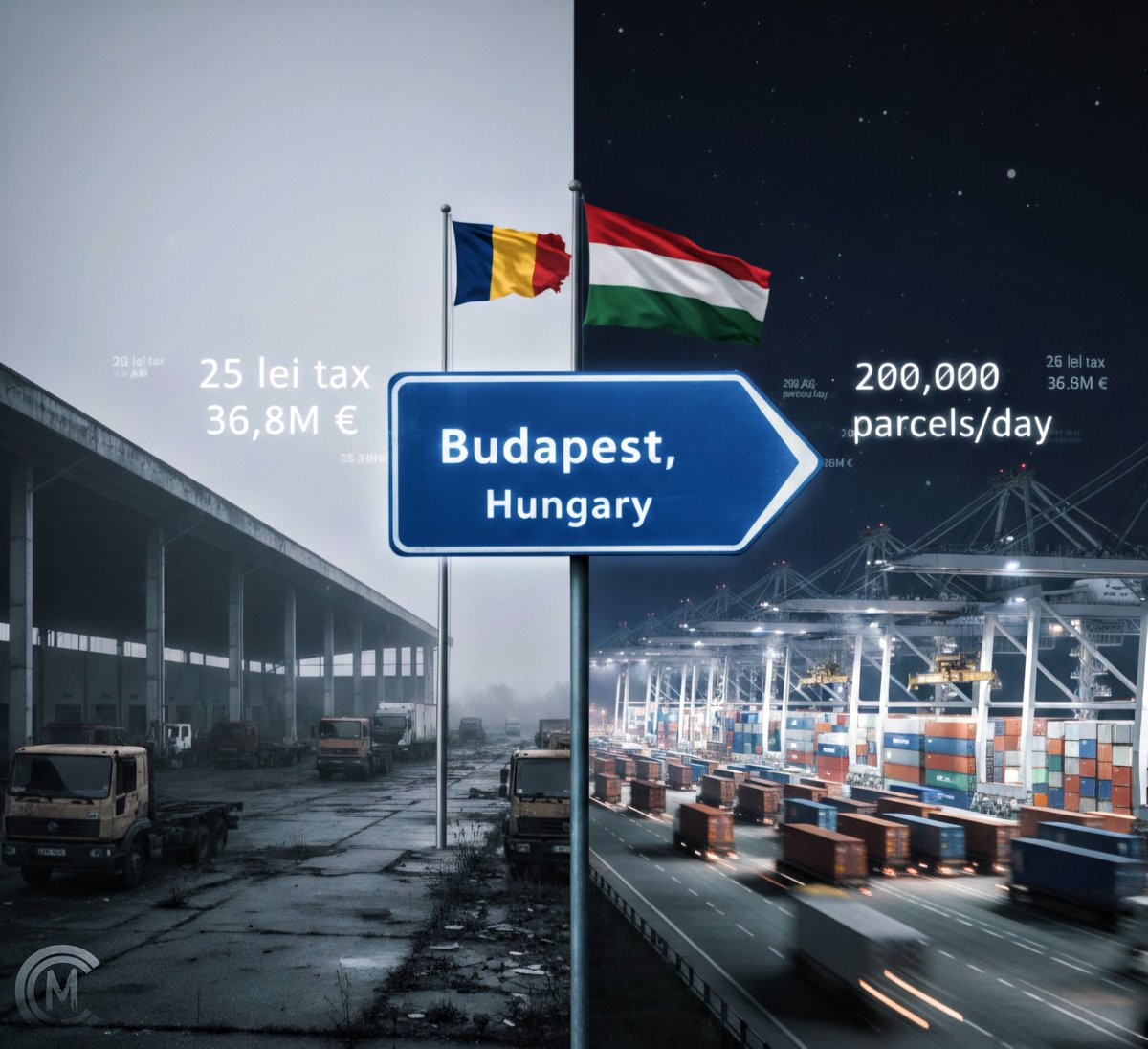
🇷🇴 România, locul unde statul crede că globalizarea stă la coadă la ghișeu. 2025: peste 200.000 de colete pe zi din Shein, Temu și AliExpress.📦 Guvernul face ce știe mai bine: inventează o taxă.💸 25 lei pe colet sub 150 €, de la 1 ianuarie 2026. Pe hârtie: +36,8 milioane € la buget. Aplauze imaginare.👏🏻 În realitate, chinezii n-au plătit nimic.🤌🏻 Și-au făcut firme în UE, au mutat vămuirile în Ungaria și trimit marfa spre România, intra-comunitar. Legal. Simplu. Elegant. 🇪🇺 Efectul secundar, deloc prevăzut: 99% din volumele cargo se duc la Budapesta. Transportul românesc a fost scos din joc. Zeci de milioane pe lună se mută frumos în conturile vecinilor. 🇭🇺 Am vrut să taxăm platformele asiatice. Am reușit performanța să taxăm doar economia românească.🚩 Globalizarea nu se supără pe ordonanțe. Le citește și își mută sediul.✅️ #TaxaGeniala #IroniaPoliticilorPublice #Romania2026
𝙈𝘼𝙍𝘾𝙊 tweet media
Română
94
177
959
34.8K
Elon Musk
Elon Musk@elonmusk·
@DefiantLs He’s calling for genocide of Whites and the crowd is cheering
English
2.5K
4.7K
60.1K
1.1M
Defiant L’s
Defiant L’s@DefiantLs·
South African Julius Malema leads another rally calling for his supporters to murder White South Africans, "Shoot to kill, kill the boer, the farmer..."
English
2.1K
5.3K
23.8K
2.1M