
Sabitlenmiş Tweet
Wabbiana
2.8K posts

For those interested I've updated my Austronesian Migration map to have more accurate datings with broad ranges and proper labeling, available on the linked post or on Maptism.org in full quality with proper citations. I plan on fully remaking it at some point though.
Nicholas Norwood IV@haplogroupthink
Go check out the Austronesian Migration map on the Maptism site! We're featuring guest authors too, and they get full control over how their work appears. They can publish pseudonymously or under an ORCID in our Zenodo community with a DOI; write an accompanying article and link their socials; hold complete control over licensing and attribution; and even specify the steganographic trustmark embedded in the maps.
English

Go check out the Austronesian Migration map on the Maptism site!
We're featuring guest authors too, and they get full control over how their work appears.
They can publish pseudonymously or under an ORCID in our Zenodo community with a DOI; write an accompanying article and link their socials; hold complete control over licensing and attribution; and even specify the steganographic trustmark embedded in the maps.

かぬそぬ@omisoi
@RakyatChungus Loved your "Austronesian Migration" map on Maptism! Just a note on Japan: while older studies linked the Hayato people of southern Kyushu to Austronesians, modern genetics show no connection. Still, fantastic work! maptism.org/maps/austrones…
English
@dyhgy0819 @haplogroupthink I believe it's either that Baiyue was a sister language of Proto-Austronesian or a direct ancestor of Austronesian, I'm not sure which
English

@RakyatChungus @haplogroupthink Does this imply that the Baiyue language in the Yangtze River Delta during the Zhou Dynasty was actually Austronesian, or that Kra-Dai languages had moved north and supplanted an earlier Proto-Austronesian substrate?
English
@haplogroupthink I'm curious.
This map places Proto-Kra-Dai in Pearl Delta and Proto-Austronesians along China’s southeastern coast. However traditional linguistic studies tend to explain Baiyue substrate vocabulary in Yangtze Delta using Kra-Dai languages.
Does this reflect newer research?
English
Wabbiana retweetledi


Wabbiana retweetledi


WHAT DO YOU GUYS WANT TO SEE ON THE GOOD WORKS LIBRARY?
Many of you have asked me to put stuff on, I've honored as many of these requests as I can, if I haven't done so yet, remind me, for everyone else:
This is your time to ask for certain things, I can do anything, hit me

English
Wabbiana retweetledi


Wabbiana retweetledi

Wabbiana retweetledi

SUDAH DIPUTUSKAN
Idul Fithri tahun 2026 Masehi jatuh ditanggal 1 SYAWAL

Indonesia
@stupidgirlperv @D0ll04 nvm you gotta adjust the audio in the main menu not during a mission
English
@stupidgirlperv @D0ll04 same problem for me, zero audio even when i adjust the slider
English


Many do not know this but the white on Indonesia's flag actually represents the gigantic diaper for the continent-sized baby that is Indonesian nationalists. That's why it's on the bottom.

Gersjom@fernostfale
Touchy, touchy.
English
Would anyone be interested in like, Claude 4.6 generated comparative religion/myth daily posts written by a Claude trained on the entire Good Works religious library?
They would be learning and layfolk focused, I'll look them over & edit with sight guiding
Wyt? For education
English


English
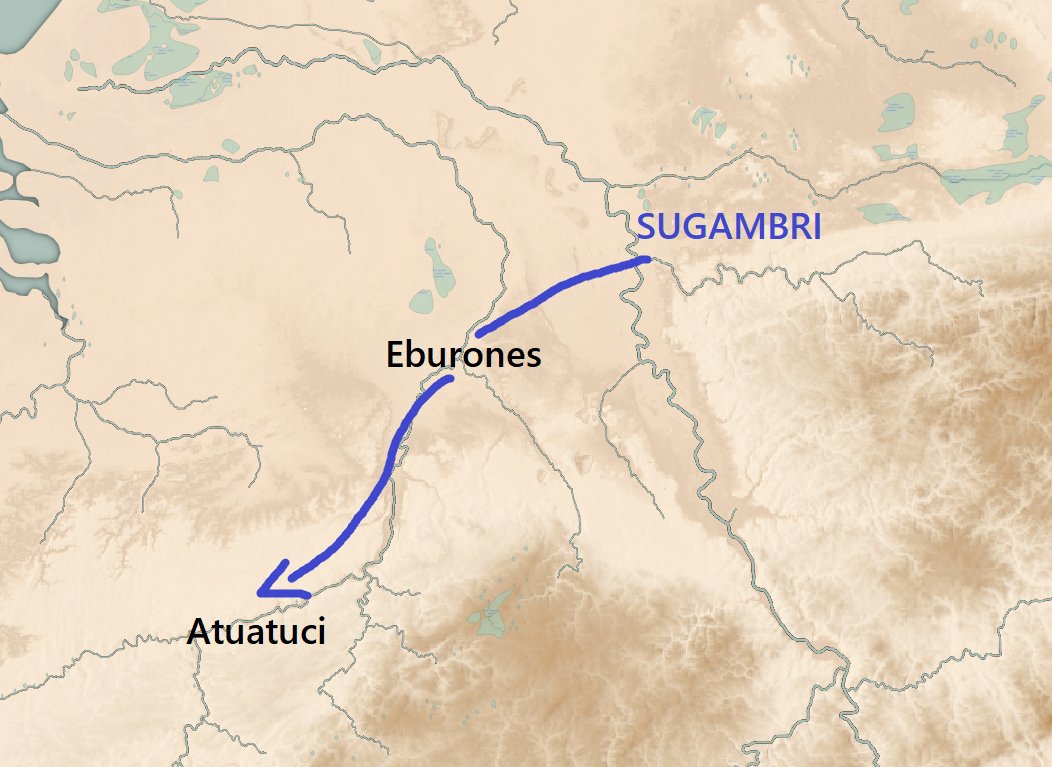
However the true names of "Gambrivi" and "Marsi" are more difficult to understand. As for Gambrivi, ones mind might immediatly jump to the Sugambri that Caesar writes of, who were one of the most powerful of the Istvaeonic tribes in ancient time.
Caesar in Commentarii de Bello Gallico:
"At this point, about five hundred paces from the Rhenos... the Sugambri, who are nearest to the Rhenos, and by whom we have previously shown the Tenkteroi and Usipetes were received after their flight, collect two thousand cavalry. They cross the Rhenos with ships and rafts... they first approach the borders of the Eburones; they pick up many scattered from flight and gain possession of a great number of cattle, of which the barbarians are most fond."
The Sugambri were a fierce tribe, raiding all the way into Atuatuci Lands:
"These men [the Sugambri], born amid war and depredations, were delayed by neither morass nor forest... 'Why,' said a captive, 'do you pursue this wretched and meager booty, when you might now be the most fortunate of men? In three hours you can reach Atuatuca; here the army of the Romanoi has stored all its fortunes..."
English
Germanic Tribes in the Second Century AD, as mentioned by Ancient Authors.
Compiled from various ancient authors, most notably Tacitus, Ptolemy, Pliny and Strabo.
The exact locations of the Germanic Tribes has been a vague and unclear question for almost two thousand years now, however with Archaeology and Cross-Referencing i believe it is possible to get somewhat close to the real picture.

English
Wabbiana retweetledi


Wabbiana retweetledi

Wabbiana retweetledi

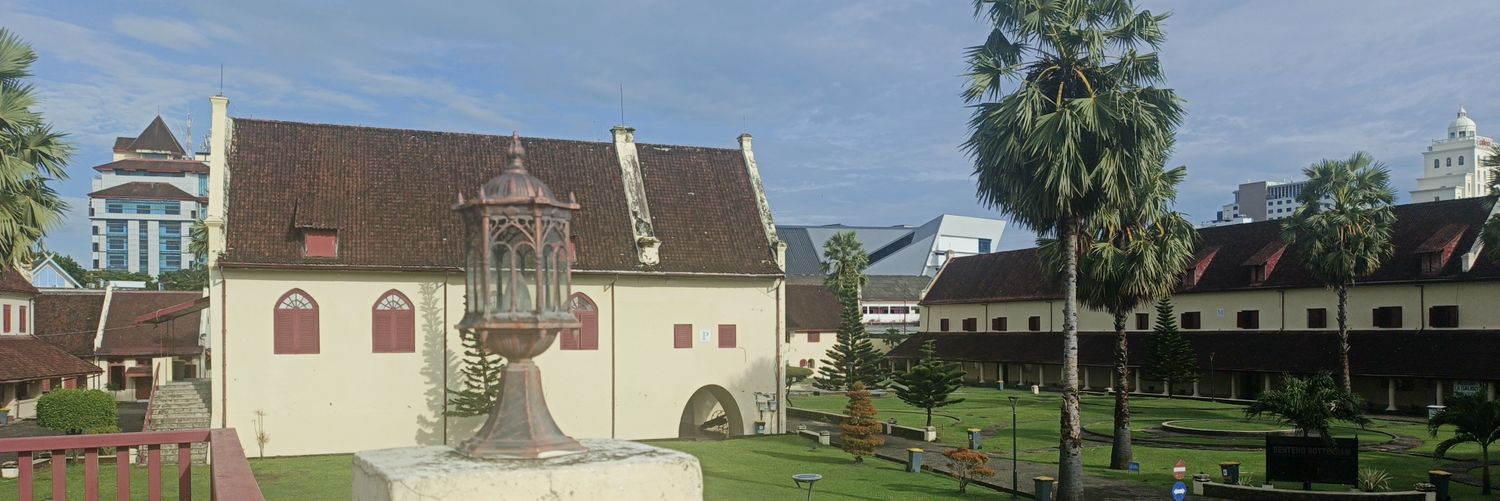
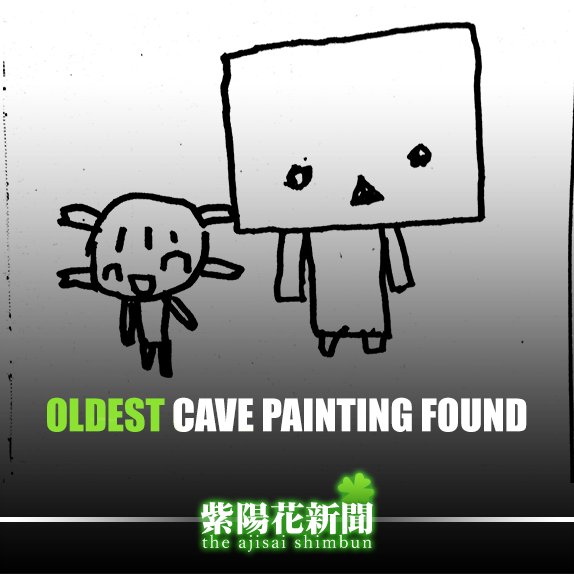
World's oldest cave painting has been discovered in Sulawesi, dating back to more than 67,000 years ago. Impressive!
#AjisaiShimbunWeekly #IndotsubaIroniCentral
English