Sabitlenmiş Tweet

*Sneak Peak*
Somatic Resonance
For Rayvin, sound is not background; it is data. Music, environmental noise, and voices are continuously evaluated as live signals about safety, authenticity, and fit. Tone, frequency, rhythm, and vocal production are not aesthetic details; they are inputs into what she calls somatic resonance/dissonance...full-body responses that either align and regulate, or irritate and fragment.
Resonance begins with frequency and shape. Her system responds most strongly to low and low-mid frequencies, sounds not only heard but physically felt. Deeper tones create an anchoring effect, stabilising her nervous system. Smooth, continuous flow envelops the system, wrapping around internal noise and producing a contained state where the electrical storm of ringing, humming, synaptic static, and heartbeat becomes less dominant.
Rhythm runs on a separate channel. Repetition and steady pacing build predictable structure, letting her pattern engine stop scanning and lock in. Aligned rhythm produces regulated activation without tipping into dysregulation. Grounding reduces volatility; regulated activation channels it.
Predictability is a critical parameter. Her system favours repetition, steady timing, and layered but readable structure, and rejects cluttered production, erratic timing, and unpredictable spikes. The nervous system is already layered; it uses music not to add more, but to give the chaos motion or calm.
The decisive factor is signal integrity. Her body distinguishes sharply between embodied sound and performed sound. Embodied: timing breathes, tone carries micro-variations, emotion is in the signal itself. Performed: timing managed, tone over-controlled, emotion applied rather than lived. Technically polished performances can register as flat or irritating. A single imperfect phrase where control drops and real state leaks through can produce an immediate, full-body response.
One observation a performer whose delivery felt over-managed did not resonate...until one moment when control loosened and tone shifted from constructed to authentic. A vocal coach identified the same moment by watching its impact on Rayvin, while the performer himself did not. Her system detects state transmission, not pitch or technique. Imperfection, breath texture, instability, timing drift, is not noise; it is evidence a real signal is present.
Lyrics operate as amplifier, not primary driver. Core processing runs on tone, frequency, rhythm, and authenticity. When signal integrity is high enough, it overrides context entirely.
This system is instrumental. Rayvin uses music as an environmental regulation interface, layering sound across spaces so transitions are less jarring for a nervous system that experiences no true silence. Specific tracks function as Power songs: grounding anchors, activation triggers, identity-aligned resonance points used deliberately to shift state.
Dissonance is equally informative. Sharp tones, cluttered mixes, forced phrasing, and synthetic patterns generate somatic rejection, physical irritation, cognitive disruption. This is not taste; it is the body signalling misalignment. The same sensitivity that creates vulnerability to sensory overload enables real-time detection of authentic vs constructed sound and rapid recognition of hollow patterns.
From the perspective of Chaos Cartography, this is one of her clearest autoethnographic findings: music is not entertainment in her architecture. It is a pattern-recognition system, a regulation tool, and an authenticity detector. The strongest responses occur when sound carries unfiltered internal state, not technical perfection. This principle underlies how she listens to people, systems, and institutions, reading the signal underneath, mapping whether it is embodied or performed.
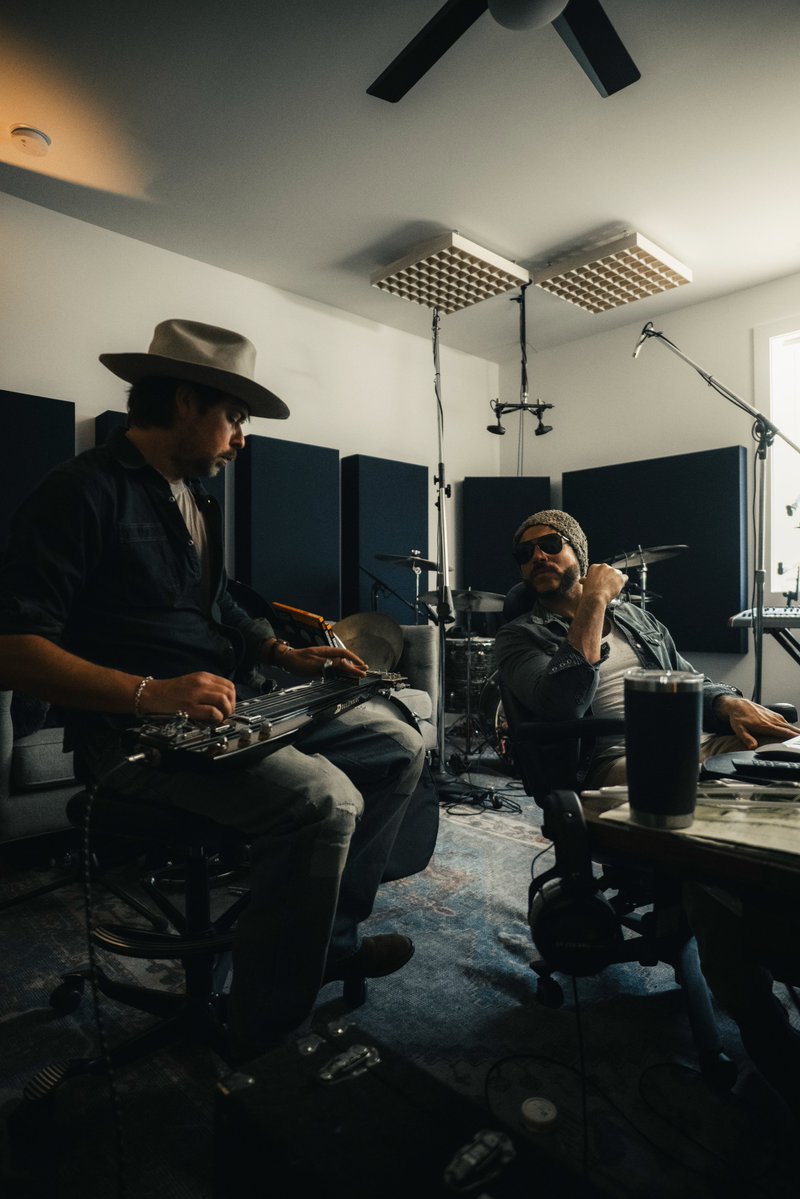
Authenticity over perfection. @SonsOfLegion understands this at the source level, their sound is embodied, pure, true. That's exactly what she maps.
#ChaosCartography
English