
Sabitlenmiş Tweet
RetroCap: False Echo | Wishlist on Steam
449 posts


RetroCap: False Echo | Wishlist on Steam
@RetroCptn
False Echo - decode, decide, live with it Every signal looks correct. Not all of them are. Wishlist ↓
Katılım Ekim 2025
476 Takip Edilen257 Takipçiler
@MaiPenRaiWA @KissMyStern @MilHistNow They were usually older, more experienced and stronger men (psychologically speaking). Quite a few of them lived long lives.
English


On this day in 1945, the German submarine U-858 surfaces off America's east coast and surrenders to the U.S. Navy. It's a week after VE-Day.
English
@MaiPenRaiWA @KissMyStern @MilHistNow Thank you for this info. 65 days, wow, that's quite a lot, their supplies were probably quite spent by then. Entire April and February, plus May. They went out after the Vistula-Oder offensive, things were looking quite bleak but still not catastrophic.
English
U-858 spent 65 days at sea—both above and below the surface—before its crew surrendered to the U.S. Navy off the U.S. East Coast. So, they most certainly shaved. 40,000 of them went to sea; 30,000 did not return. The CO of U-858 went on to become a well-known and successful journalist. He lived to be 95 years old and passed away in 2014.
English
@DulceBellum1944 With a short 7.5 cm KwK gun. Short but thick.
English
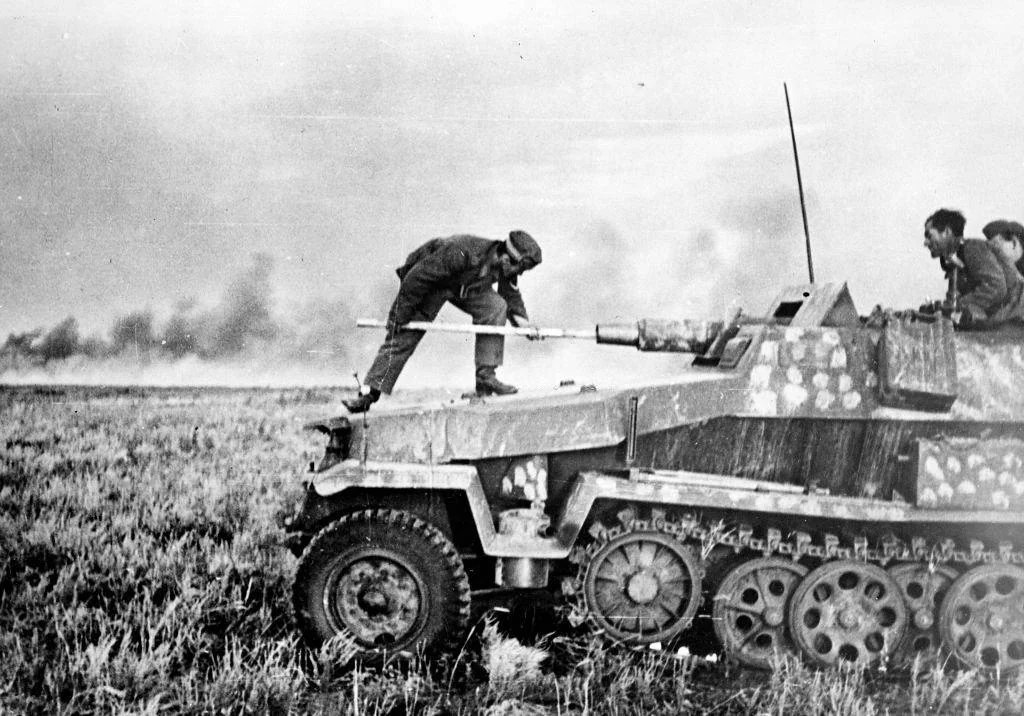


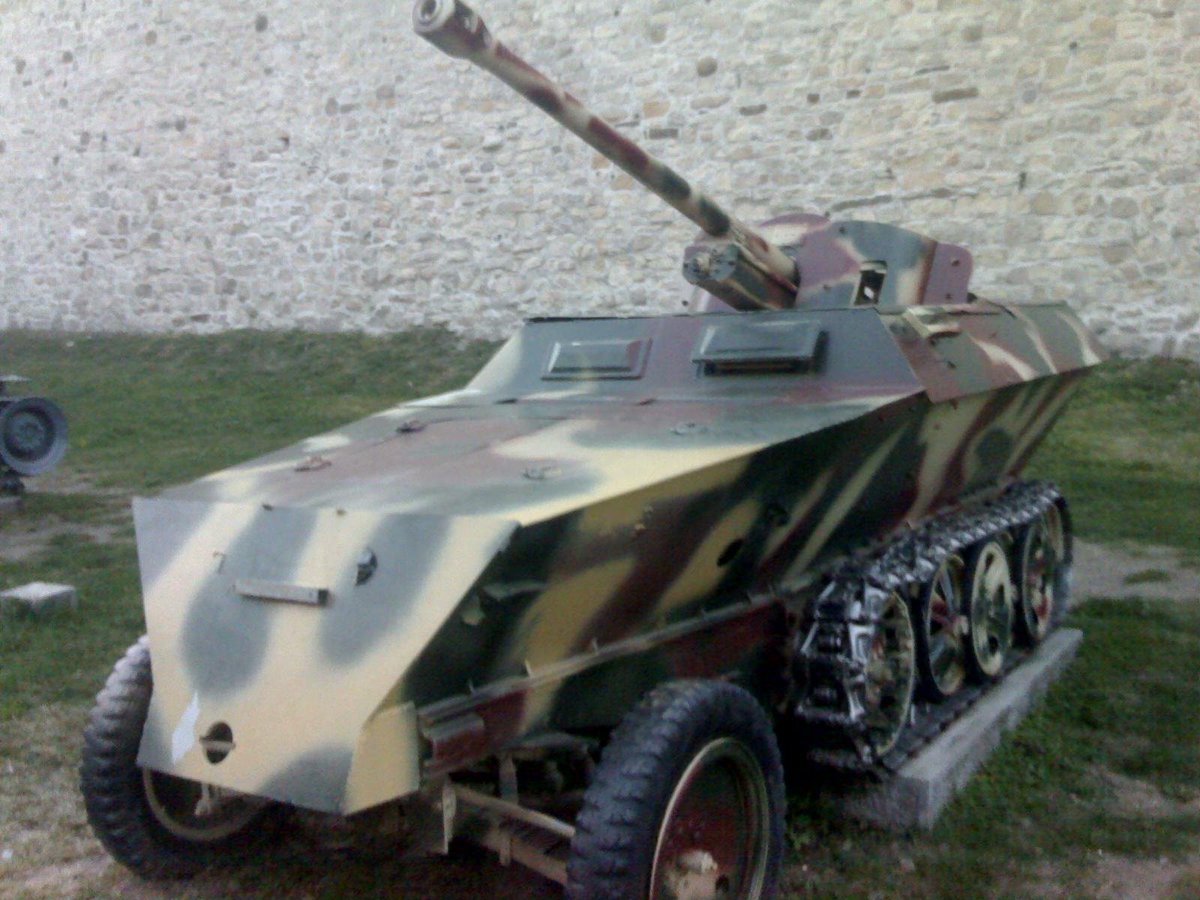
@KissMyStern @almurray @TankMuseum @WeHaveWaysPod @ww2headquarters @James1940 Unfortunately our museum (Kalemegdan) is not that well preserved. But we do have some unique pieces, like this one (sorry, old photo)
English

@RetroCptn @almurray @TankMuseum @WeHaveWaysPod @ww2headquarters @James1940 I visited when my ship pulled into england on deployment
One of the first places i visited.
Big fan of that museum. Big privilege to be one of the donators to the king tiger program
English

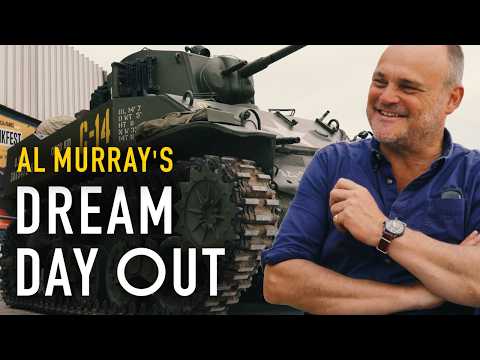
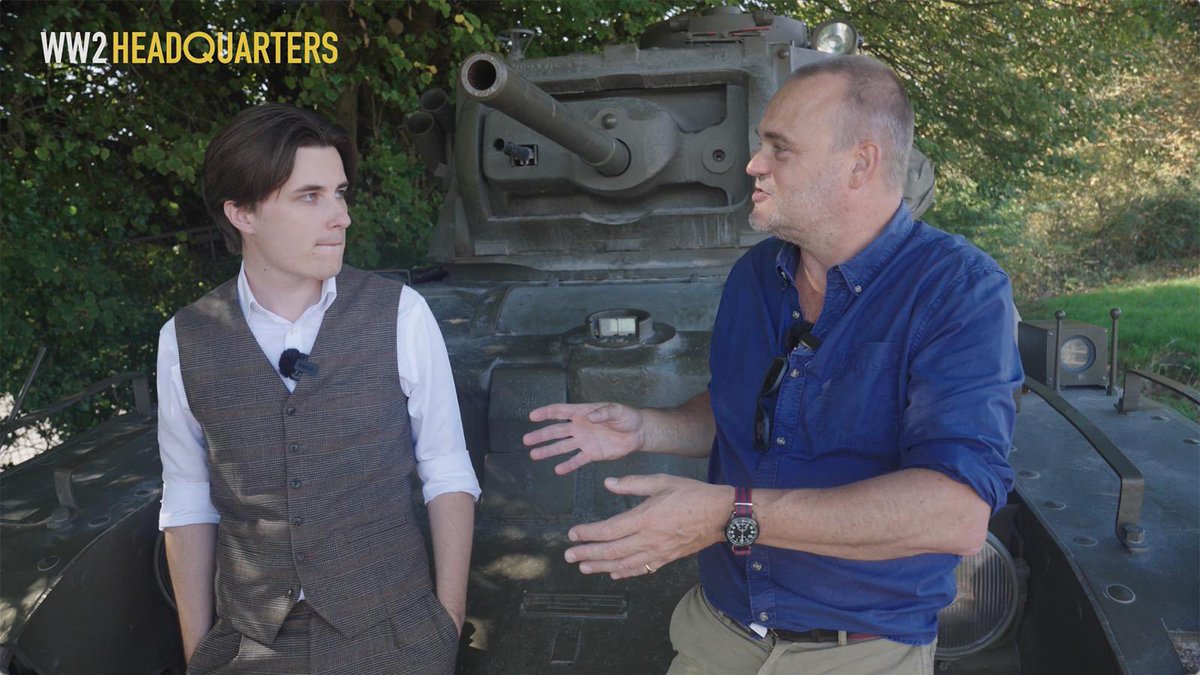
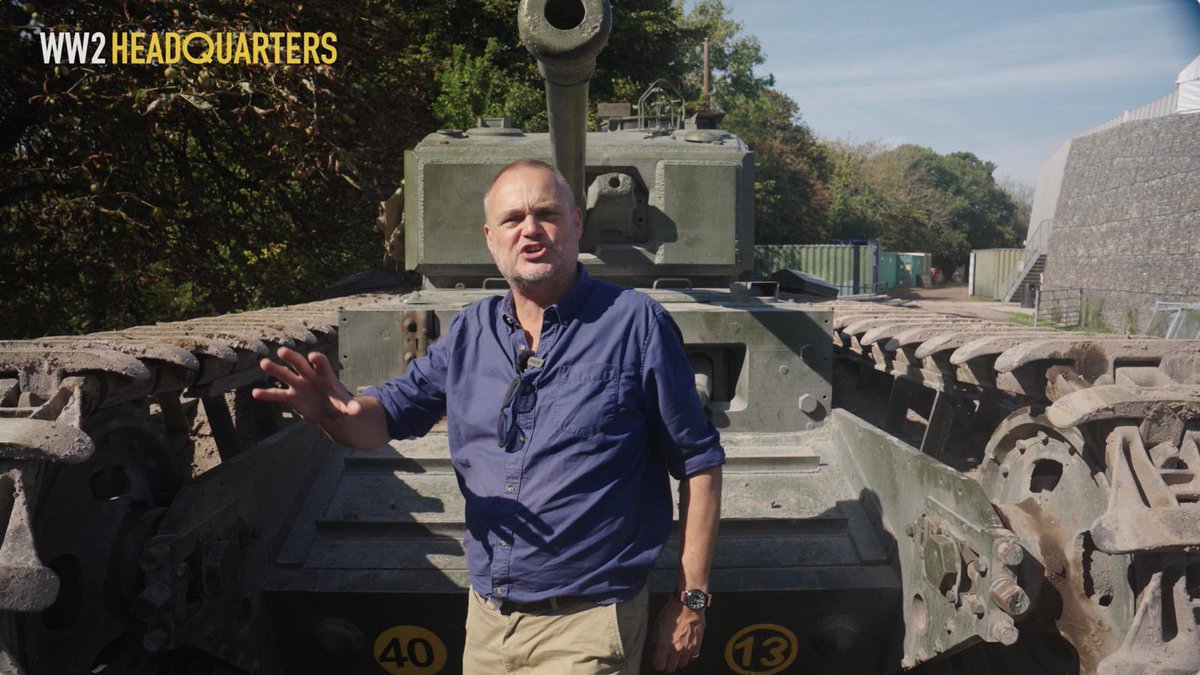
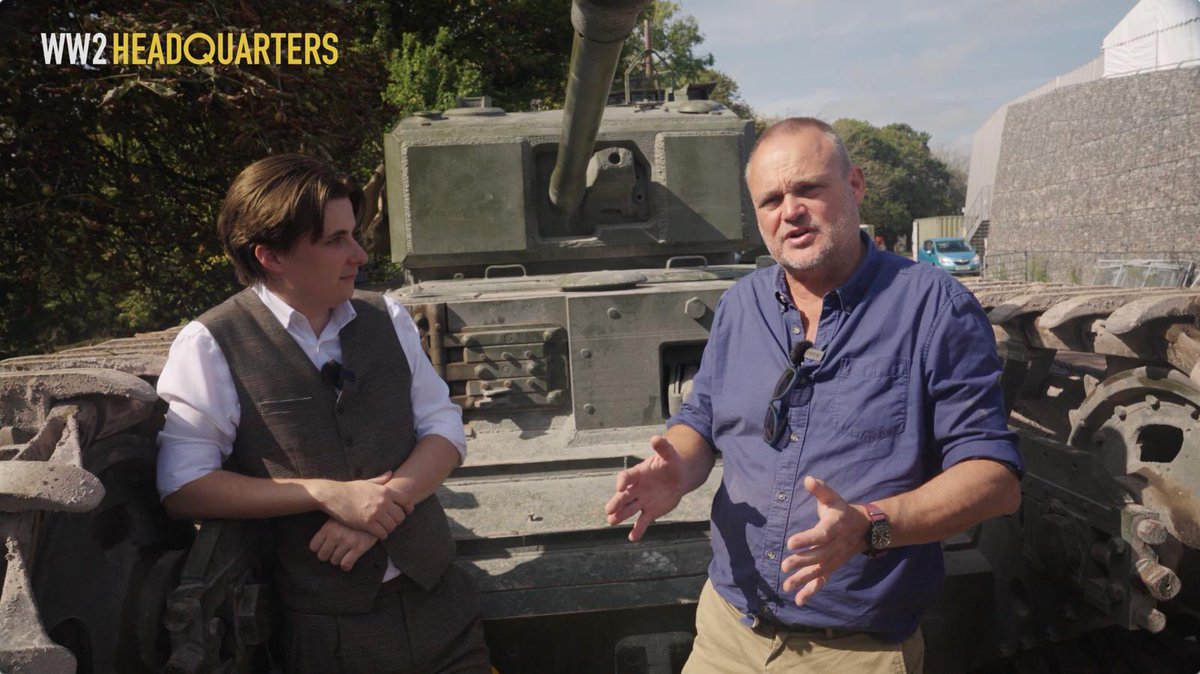
It's the long cut of my dream day out at @TankMuseum
@WeHaveWaysPod @ww2headquarters
@james1940
youtu.be/pJEsTA_eKzE?si…
YouTube

English
@KissMyStern @almurray @TankMuseum @WeHaveWaysPod @ww2headquarters @James1940 Gotta go there one day (alone). Maybe a couple of days actually.
English
@RetroCptn @almurray @TankMuseum @WeHaveWaysPod @ww2headquarters @James1940 Bovington is super fun and the staff are super nice
English
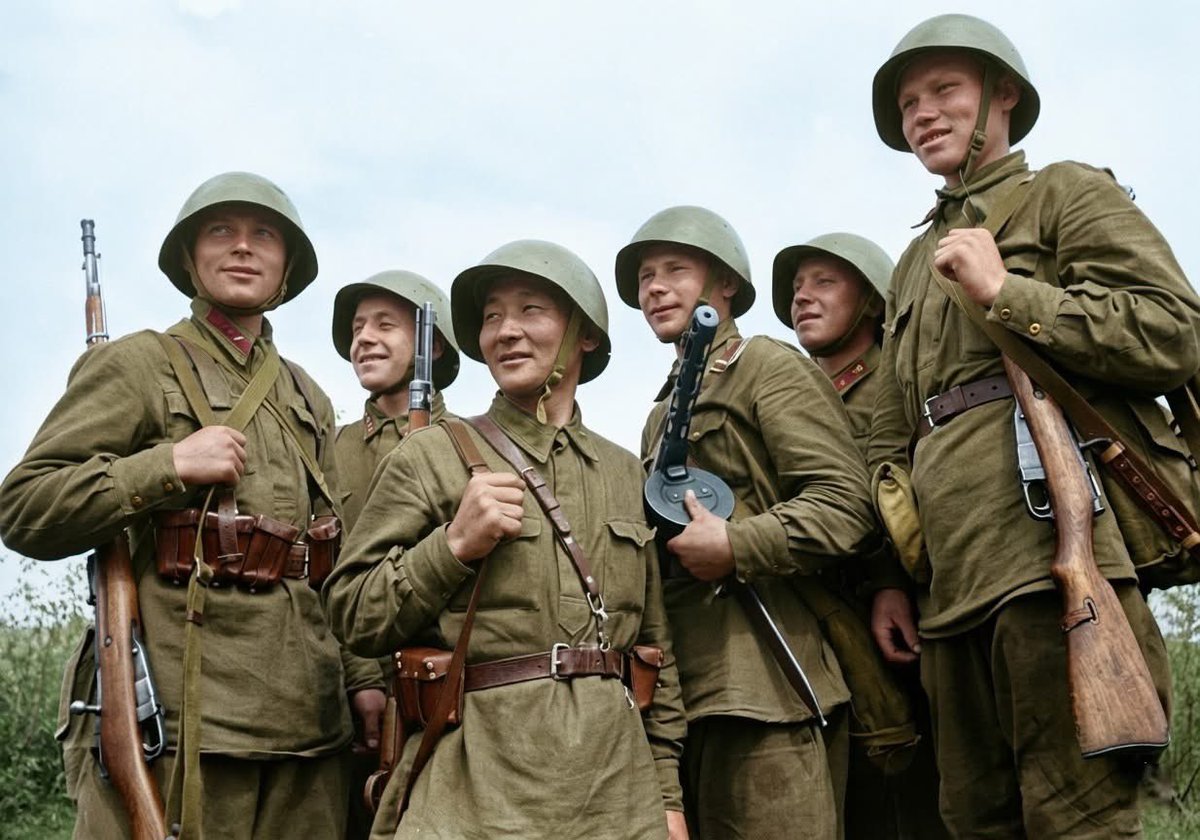
@VoicesofWW2 Sorry to bring this forth but smth is very wrong with the photo. There is k98 iwth a strange outline, Mosin on the right is missing a barrel (maybe this happened during colorization of photo). Good article by the way.
English
Soviet troops at Smolensk, Russia, 1 Jul 1941; note PPSh-41 and Mosin-Nagant weapons.
July 1, 1941, places these troops in the immediate prelude to the Battle of Smolensk. Operation Barbarossa had begun on June 22, with German Army Group Center advancing rapidly eastward. By late June/early July, Soviet forces were rushing reserves and forming defensive lines along the Dnieper and Dvina rivers, with Smolensk as a key strongpoint roughly 400 km (250 miles) west of Moscow.
Mosin-Nagant rifles: The standard Soviet bolt-action infantry rifle (M1891/30 and variants), reliable and produced in huge numbers.
PPSh-41 submachine guns: One soldier (center, with drum magazine) is holding an early PPSh-41. Designed by Georgy Shpagin, it was adopted in December 1940 as a cheap, simple, high-rate-of-fire ( ~1,250 rpm) weapon using 7.62×25mm Tokarev ammo. Production ramped up in fall 1941 (tens of thousands made that year, exploding to over a million in 1942), so this is an early example issued to select units or as they became available. It became iconic for Soviet close-quarters firepower later in the war.
The battle (Soviet historiography often dates the broader defensive operation from July 10 to September 10) was a major engagement in the opening phase of the German invasion.
German objectives and actions: Army Group Center (under Fedor von Bock), with Heinz Guderian’s 2nd Panzer Group and Hermann Hoth’s 3rd Panzer Group, aimed to capture Smolensk as a stepping stone toward Moscow. They executed rapid pincer movements, crossing the Dnieper and encircling Soviet forces. Smolensk itself was captured around July 16 (with street fighting), and a large pocket east of the city was closed by late July.
Soviet response: Under Marshal Semyon Timoshenko (and involving commanders like Konstantin Rokossovsky), the Soviets committed reserves (including the 16th, 19th, and 20th Armies) and launched multiple counterattacks starting around July 6–10 and continuing into August. These included tank-heavy assaults (e.g., near Lepel) and efforts to hold or reopen corridors. Many units fought desperately in encirclements, with some breakouts.
Outcome: Tactical/operational German victory. They took Smolensk, inflicted heavy losses (Soviet casualties estimated at 700,000+ including hundreds of thousands of POWs, plus massive equipment losses), and created another large encirclement. However, it was strategically costly for Germany: fierce Soviet resistance, counterattacks, and logistics strain slowed the blitzkrieg, depleted panzer forces, and delayed the push on Moscow. Some historians see it as an early indicator that Barbarossa would not be quick.
Casualties were enormous on both sides (German ~100,000+ in the broader period; Soviets far higher), with brutal fighting, encirclements, and attrition. The battle contributed to the redirection of some German efforts (e.g., toward Kiev) and bought the Soviets time to mobilize and prepare defenses further east.
This photo captures the Red Army in transition: reeling from initial disasters (like Minsk) but beginning to stiffen resistance with whatever was available, including early PPSh-41s. The soldiers shown likely participated in the defensive battles or counterattacks around Smolensk in July–August. The city was heavily damaged and occupied by Germans until its liberation in 1943. Smolensk later became a "Hero City" in Soviet recognition.
English
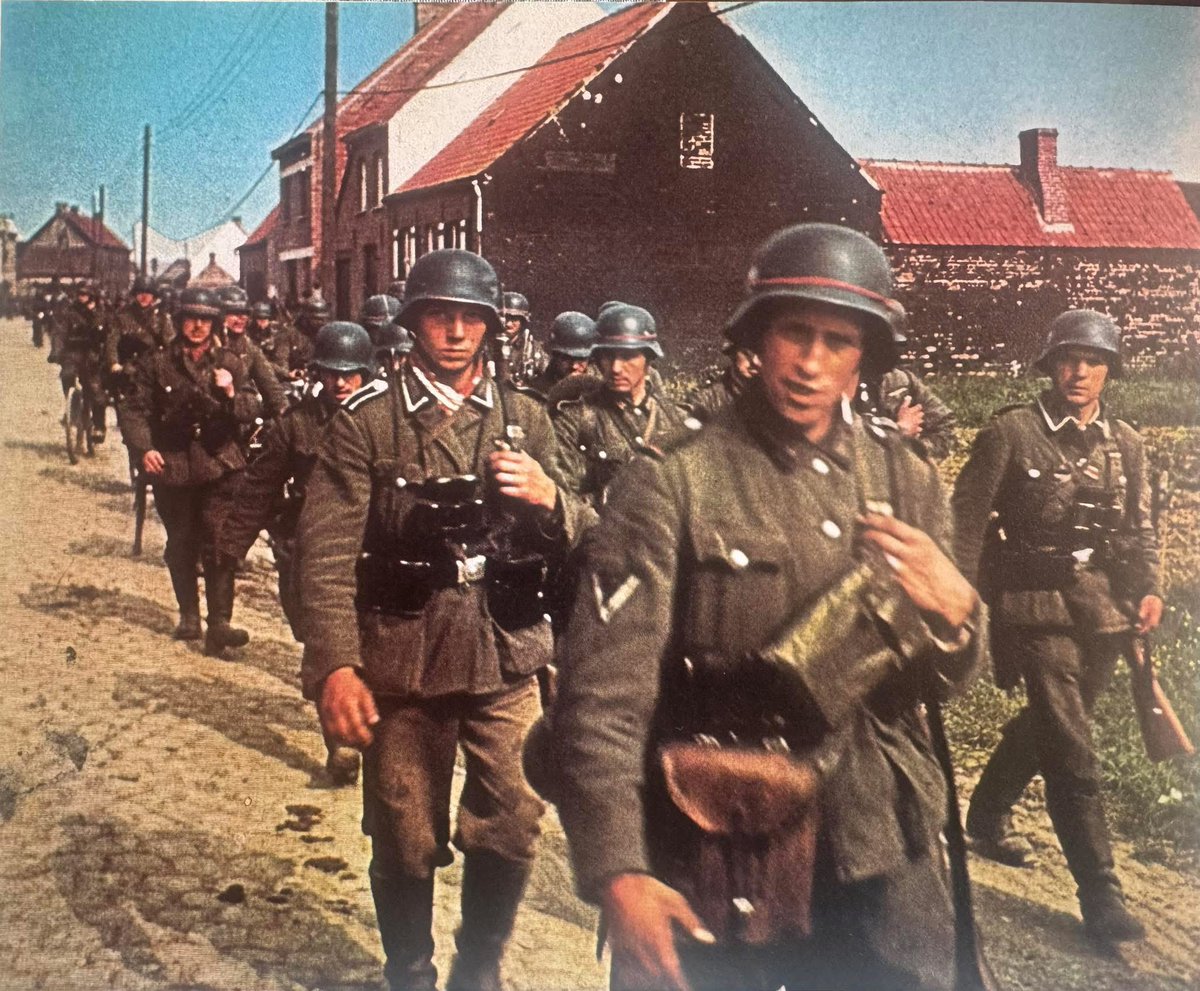
@VoicesofWW2 Are you sure? They have red bands on their helmets, usually used for training identification purposes.
English
German infantry, advancing, during the Battle of France. Unit, date and location, unknown
English
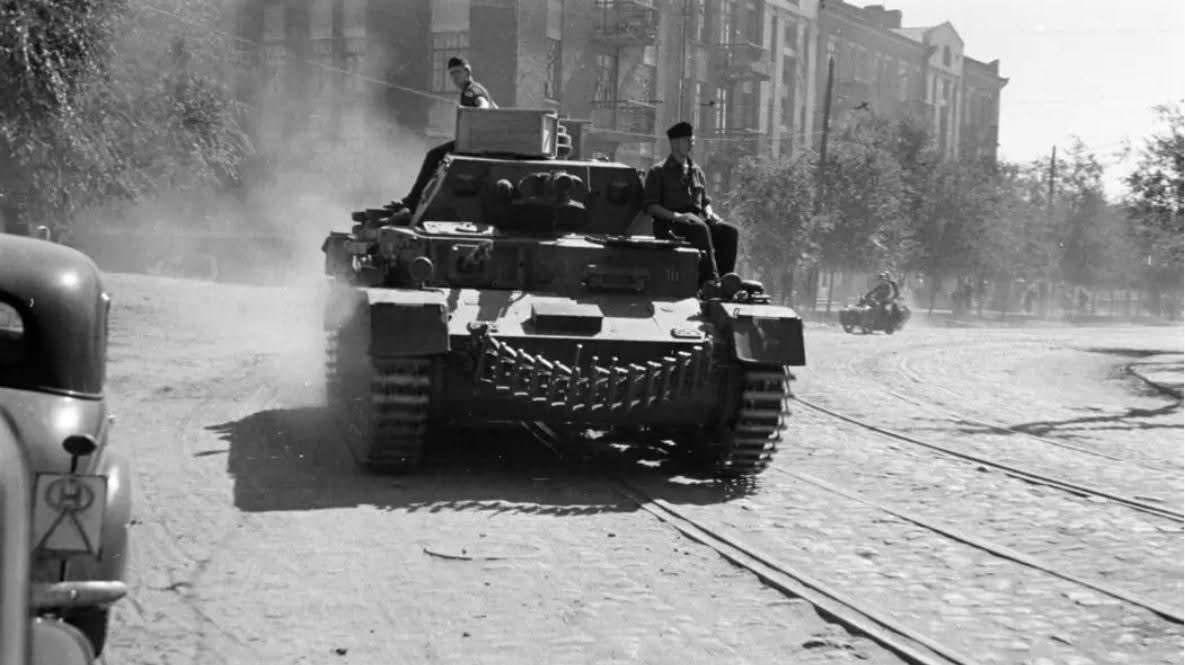
@VoicesofWW2 Spare tracks that double as additional protection layer. For 45 mm AT guns that was helpful to an extent.
English
1941-2015 German army during the initial invasion phase rolling into Kryvyi Roh, Ukraine.
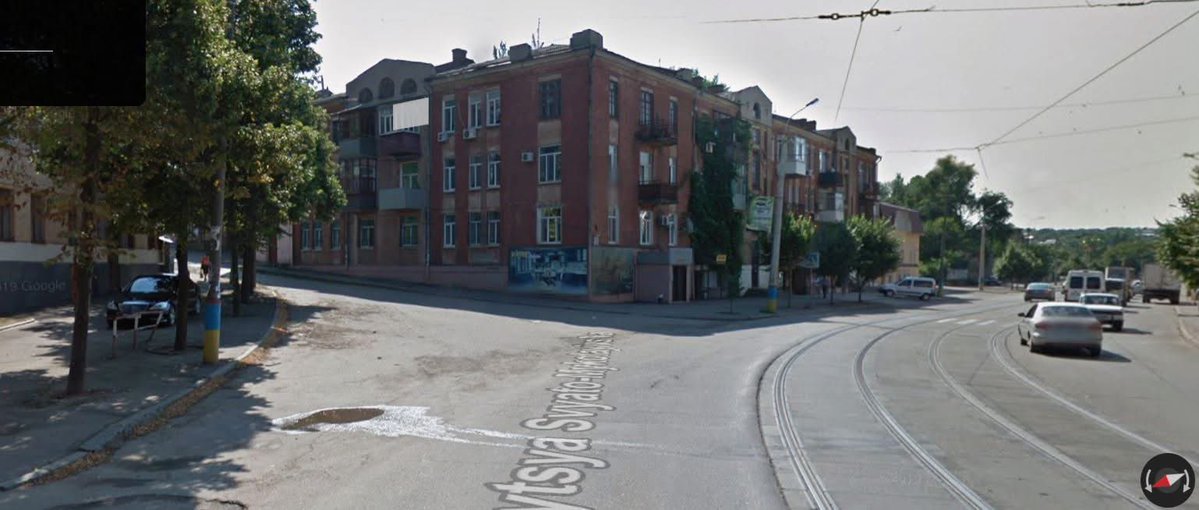
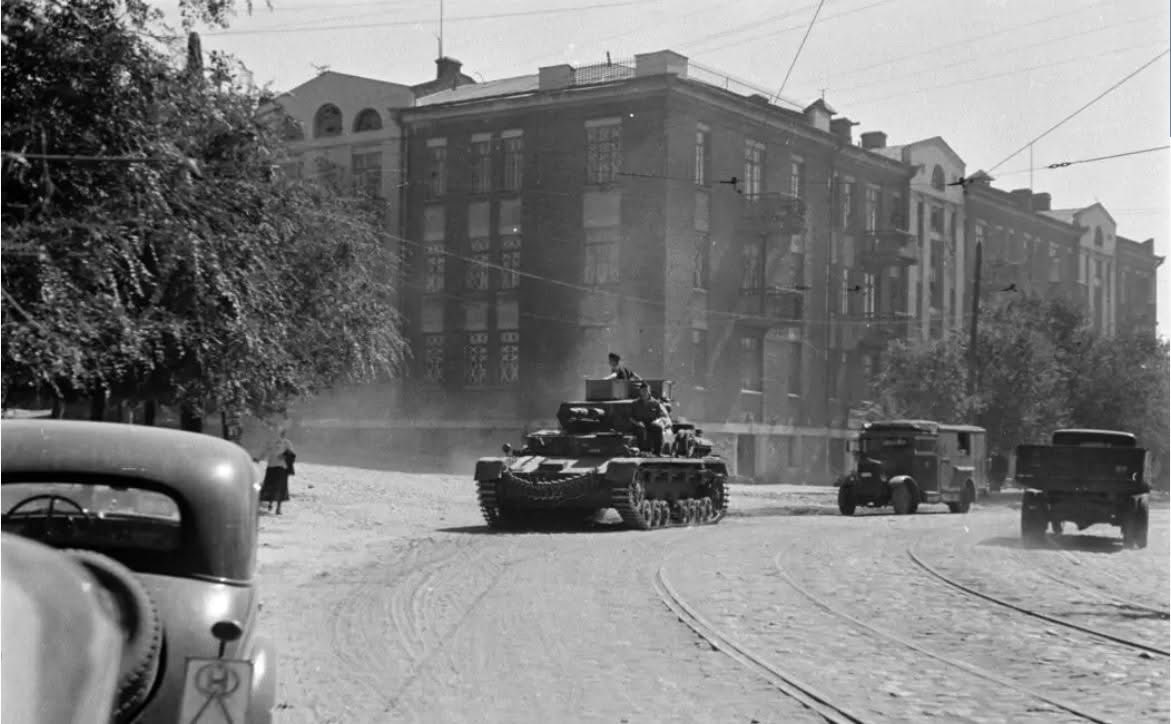
English
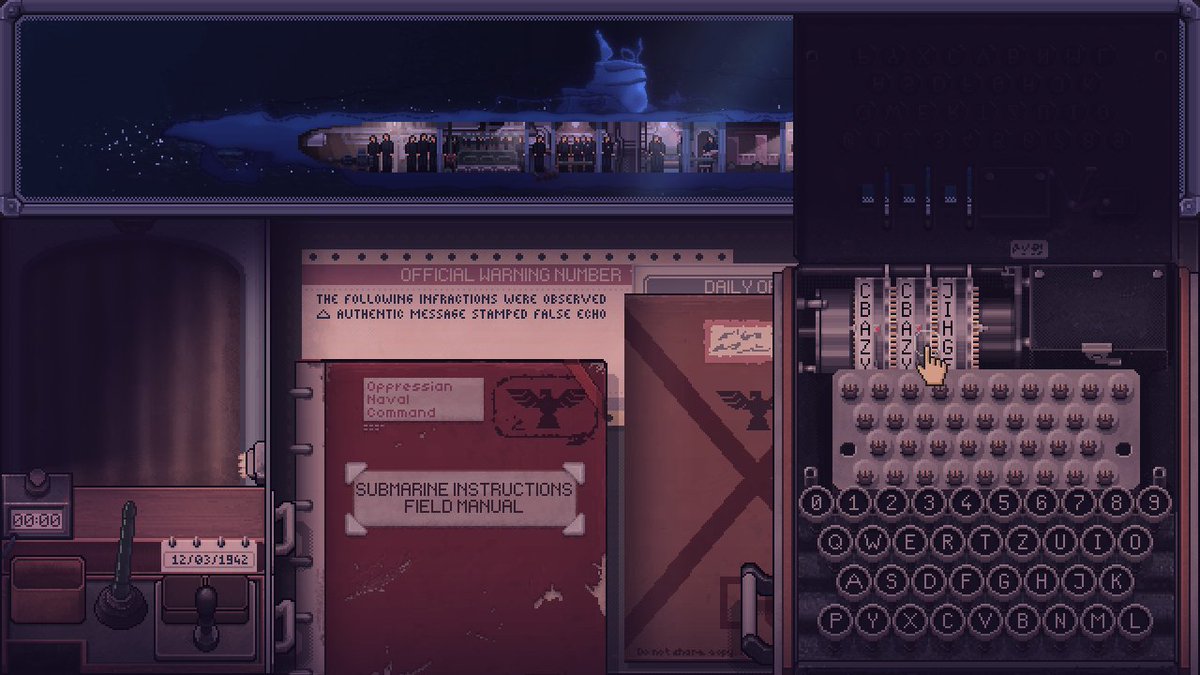
@xeokeri Hello @xeokeri . Here is False Echo, a narrative cryptography thriller, set aboard submarine 227:
store.steampowered.com/app/4418080/Fa…
GIF
GIF
English

@VoicesofWW2 That's a 15 cm s.I.G.33, I've seen this photo from another angle (but not in color). War is hell.
English
German artilleryman grieves loss of his comrade, Kursk 1943
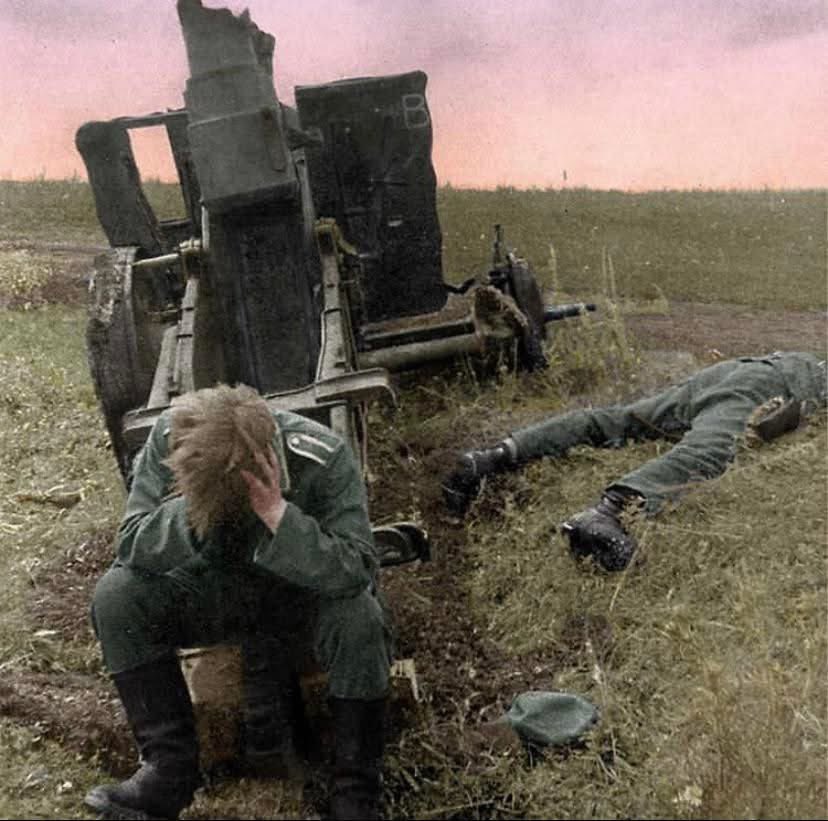
English
@KissMyStern @almurray @WeHaveWaysPod @ww2headquarters Omg, if I could actually get/make one, connect it to the game itself. Wow. But heck, I have numbers as well. My rotors are different, cables as well. I had to reduce number of cable connections to make it a bit simpler, otherwise people would hit me with a rock.
English

English

@almurray @KissMyStern @WeHaveWaysPod @ww2headquarters They call me a weirdo for being able to distinguish between Kharkov, Stalingrad and Leningrad T-34, 1941 versions. Then again normal people take photos of good looking women, me:
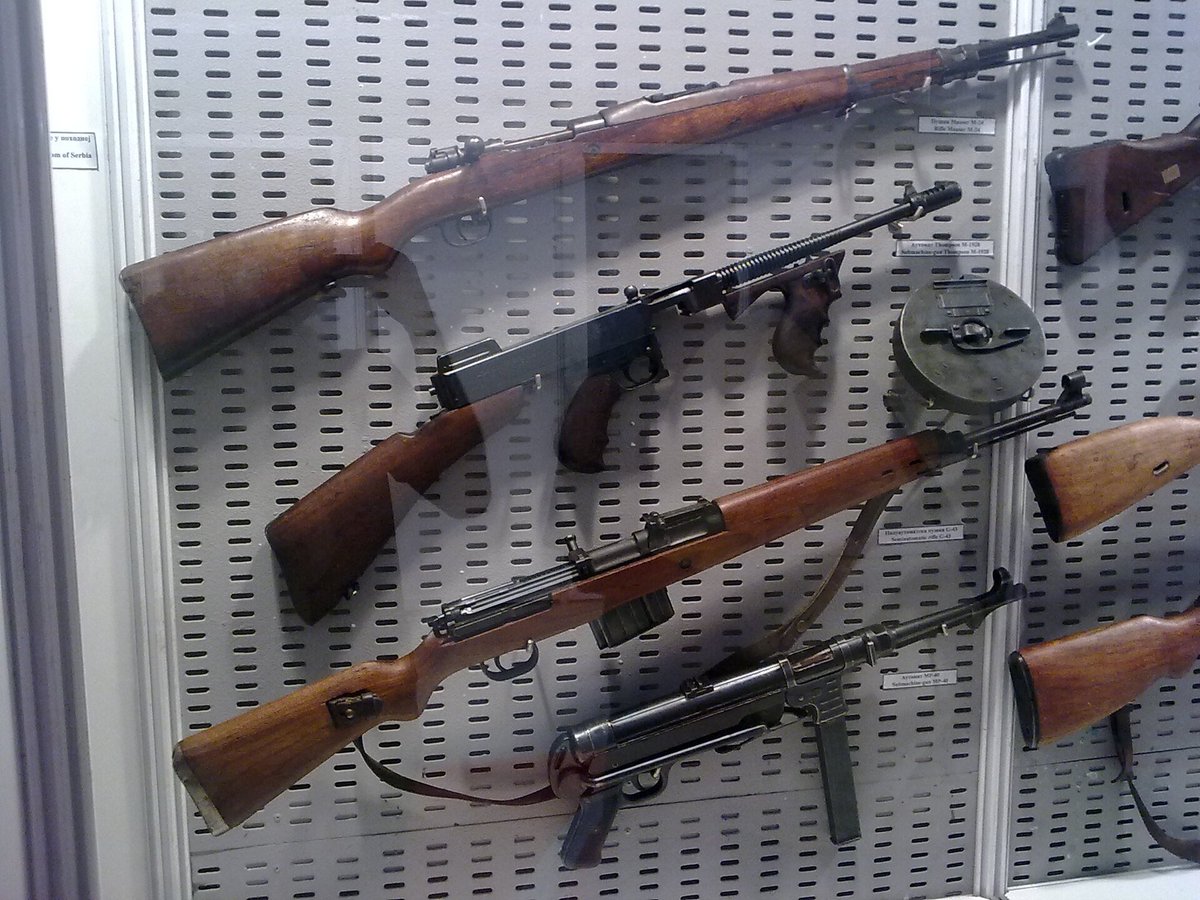
English
English
@KissMyStern @almurray @WeHaveWaysPod @ww2headquarters I got one (not for sale though). And a bit weird as well :D
English
@RetroCptn @almurray @WeHaveWaysPod @ww2headquarters I think i saw an enigma for sale recently same place I got the jacket
English
@KissMyStern @almurray @WeHaveWaysPod @ww2headquarters Yeah, the tide of war was turning. Enigma was really one of the key things that change the course of war. And so many other things like American ability to pump out war material in such a speed that you'd lose count right away.
English
@RetroCptn @almurray @WeHaveWaysPod @ww2headquarters It was significantly less dangerous when the british developed the ability to detect their radio transmissions. No need to decipher, just go bomb the area where the signal originated.
English
It's kinda goofy since they were not used for combat by the Brits, just for training/liason. I guess it kinda served its purpose in the movie (has wings, fires guns, drops bombs). That's why no one wants to watch war movie with me, I keep interrupting when I see things like that.
(almost got beaten up when I said that "Kelly's Heroes" Tiger is not a Tiger, it's T-34/85)
English
@almurray @KissMyStern @WeHaveWaysPod @ww2headquarters Found it fellas, bloody hell there is Internet Movie Plane Database (heard about firearms, this is new to me). Turns out to be North American T-6.
English
@almurray @KissMyStern @WeHaveWaysPod @ww2headquarters This is from the movie "Das Boot". My guess is that it's just some random monoplane that was used for the scene but then again, not sure. I mean, to me it doesn't look like, say, Hurrican, Spitfire, anything from that era.
English
@almurray @KissMyStern @WeHaveWaysPod @ww2headquarters To think that U Boat is so powerful and dangerous yet so fragile and quite defenseless, especially in late phases of the war, should destroyers grab a hold and start a hunting pattern.
English
@KissMyStern @RetroCptn @WeHaveWaysPod @ww2headquarters Anything that makes a U Boat think it's been spotted is a win
English