

Ris ᵍᵐ (Risbrian.eth)
117K posts

@RisBrian
Girl Dad/ “Play Golf” not “Golfing”/ “Jiff" not "Giff"/ MAYC 2629/ Artist: The Mulligans: @Mulls_On_Ape/ ApeChain/ #GoBirds! #FlyEaglesFly/ RTs ≠ Endorsements


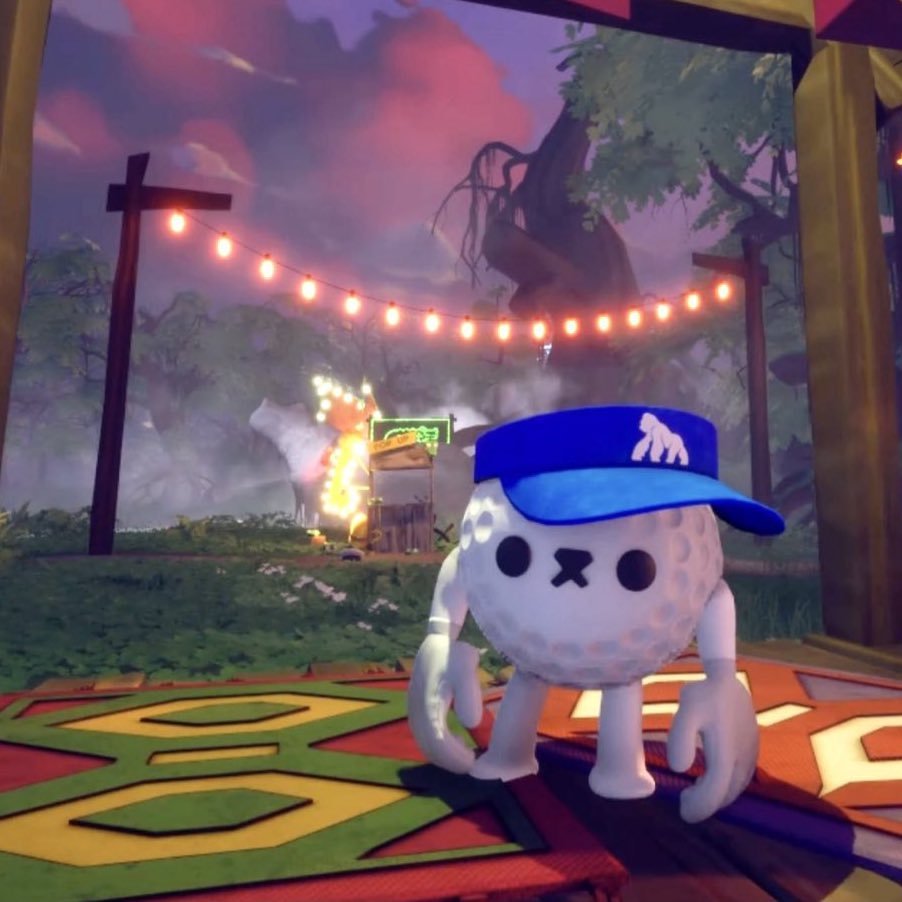
Renegade rabbits, SoundCloud celebrities, and the best golfballs. Welcome to the realm. @apesonape, @Banithemadbunny, and @Mulls_on_ape come to life today inside @OthersideMeta. Holders of these collections can log in now to equip their new avatars.


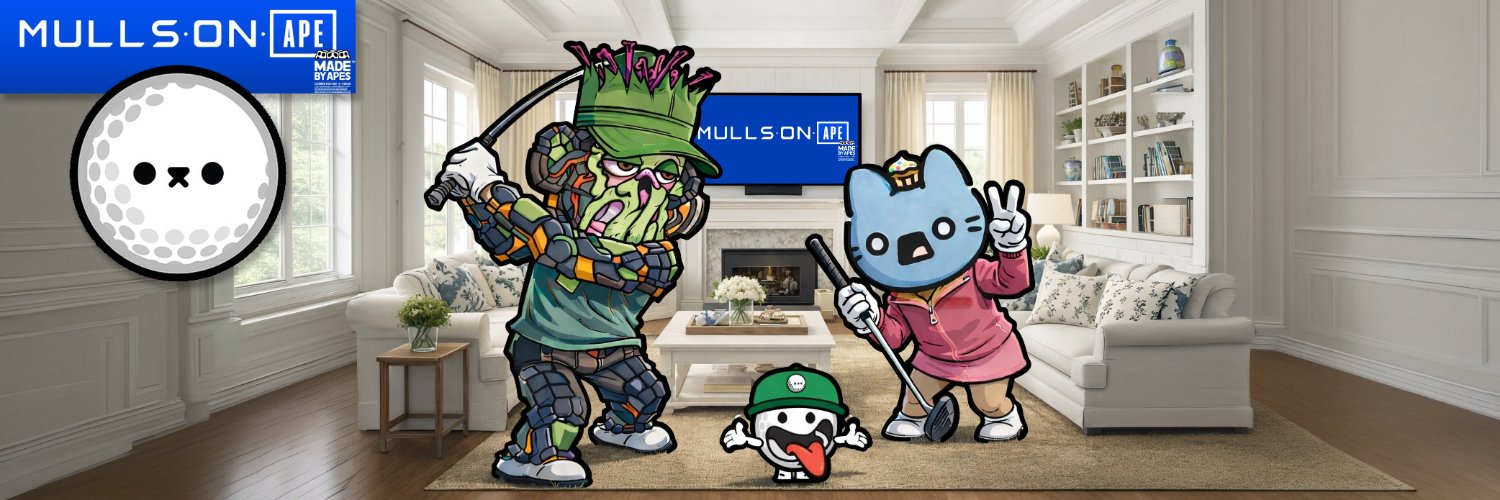
Mulls have Entered the Otherside 👉 MullsOnApe are now avatars integrated into @OthersideMeta This step adds a legitimacy and is a BIG expansion milestone… Why this matters: •Adds real utility and an fun playable identity to the existing Art •Connects to the overall Yuga ecosystem culture •An evolution beyond static art (a shoutout to the guys over at @bleverxyzand and HUGE thanks for the Art help from @Ridalp2 and the @GeezOnApe team for helping us get to Otherside)


Prompt Share 🚨 The moment your Beast escapes the comic panel. #AKCB Recommended generator: Nano Banana 2 (Gemini – Thinking Mode) Try it and show your results 👇 A cinematic macro toy-photography scene. A bean-sized version of the uploaded reference character is sprinting dramatically across the surface of a giant open comic book featuring panels of the same character. Likeness Preservation (CRITICAL) The identity of the character must remain exactly the same as the reference in both: • the miniature physical character • the comic panels printed on the page Maintain the exact: • head shape • eye shape and spacing • stylization • silhouette • materials and clothing design If the character wears a balaclava, mask, helmet, or covered face, the comic panels must not invent facial anatomy. No added nose. No added mouth. No visible skin where the reference does not show it. The comic panels must depict the same exact design language of the character, only rendered as printed comic artwork. Do not humanize the character. Do not reinterpret anatomy. Subject & Action The miniature character runs across the page as if traversing its own story. Oversized comic panels surround the character, each showing dynamic action poses of the same character, rendered in bold comic-book style. Camera & Perspective Low-angle macro close-up shot, camera positioned almost at page level. Shot with a 90–100mm macro lens, giving the tiny character a heroic sense of scale. The character sits slightly off-center, leaning forward in motion. Depth of Field Extremely shallow depth of field. The running miniature character and the immediate section of the comic page are razor sharp. The surrounding panels and distant page edges fall into soft blur. Lighting Sharp cinematic directional light from the top left, casting dramatic shadows across the comic page and creating small glints on the glossy print surface. Environment & Surface Detail Macro-level detail of the printed comic page: ink texture paper fibers subtle gloss reflections Color Grade Rich saturated comic-book colors with warm cinematic highlights and soft ambient glow. Moody macro photography atmosphere. Rendering Style Photorealistic macro toy photography aesthetic, emphasizing scale illusion between the tiny character and the giant comic book world. ar 5:4


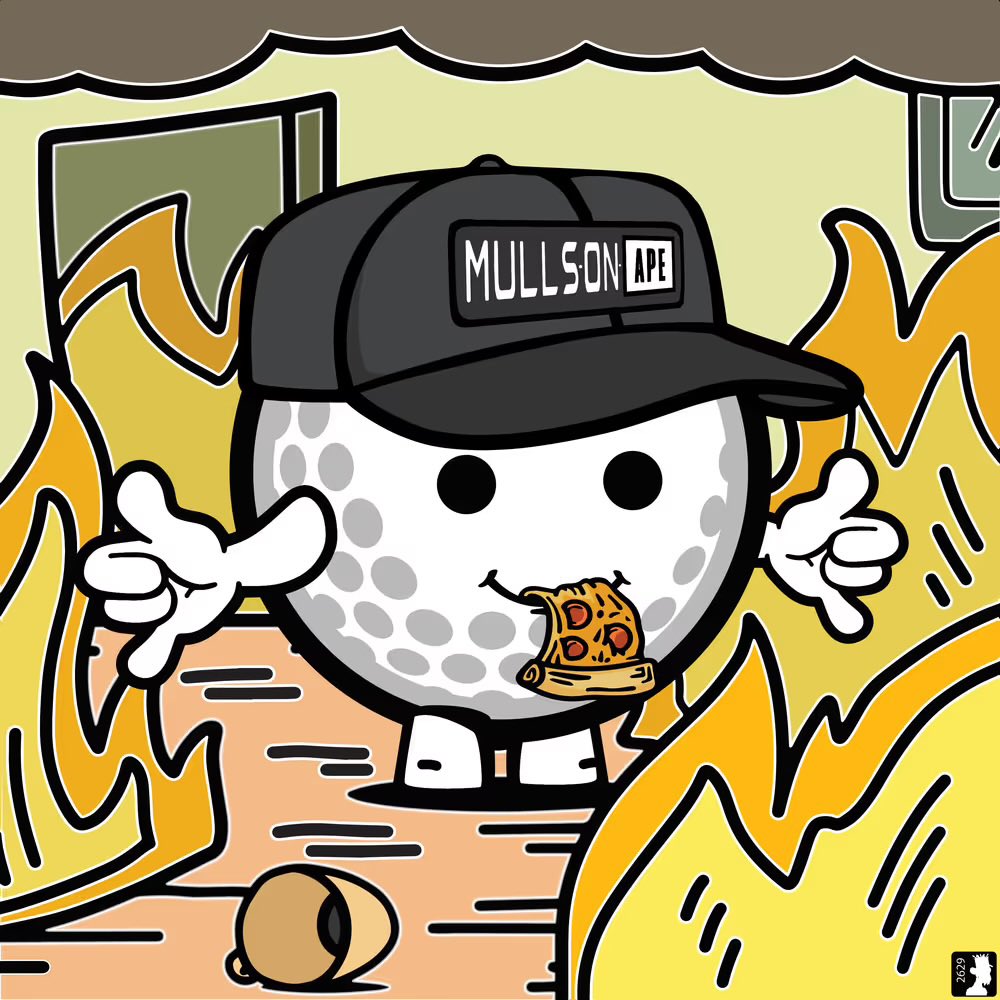
If you’re looking to get yourself your very own #MullsOnApe, you can get them on secondary sites like @MagicEden and @opensea... Rare traits are available, keep an eye on the Mulls, you might be surprised at what finds its way near the floor… Everyone Deserves a Mulligan! Open Sea MullsOnApe: opensea.io/collection/mul… Magic Eden MullsOnApe: magiceden.us/collections/ap…

Me at random times throughout the day for no reason.


Prompt Share 🚨 Not copies. Multiverse variants. 🌌 (Recommended: Nano Banana 2 – Thinking Mode) Prompt ⚠️ A detailed, collectible-style 3D render of a linear procession of twelve identical figures, viewed in a dynamic diagonal 3/4 perspective down the line. The figures are arranged on a dark, gradient studio floor with a progressively shallower depth of field, making the furthest characters less detailed. Specific Pose Sequence: The procession must follow a distinct sequence of poses along the line: The first and closest figure stands with arms at their sides. The second figure stands with arms crossed over their chest. The third figure stands with one hand raised in a salute or wave. The subsequent receding figures doing different poses. Lighting and Atmosphere: The scene features dramatic, atmospheric backlighting from a powerful source behind the furthest characters, creating a bright halo and deep rim-lighting, combined with a strong, texturing haze or fog. Dramatic, focused front-side lighting illuminates the features of the nearest character. The background fades to complete shadow. Fixed Elements: The overall style is a high-end, textured, 3D vinyl toy aesthetic. Camera: Low-to-medium camera angle looking down the diagonal line. Camera & Framing Refinement (CRITICAL): Shot with a close-range 28–35mm lens to introduce natural perspective compression without distortion. The camera is positioned slightly below chest level of the first figure and very close to it, creating strong foreground dominance. The first figure occupies approximately 65–75% of the frame height and must be tightly cropped at knee level. The feet of the first figure must NOT be visible. The head of the first figure sits very close to the top edge of the frame with minimal breathing room. The figure should feel slightly too large for the frame, as if it cannot fully fit inside. Subsequent figures progressively reveal more of their full bodies as they recede into depth. The diagonal line of figures must start large in the foreground (left side of frame) and recede tightly into the background (right side), with each figure overlapping slightly with the next. The camera is not centered to the line. It is offset to the left, looking across the figures, not directly along them. Spacing between figures compresses progressively toward the background, enhancing depth and scale illusion. No wide empty gaps between characters. The line must feel dense and continuous. 2D to 3D Translation (ONLY if input is 2D artwork): If the uploaded reference is 2D (illustration, anime, flat graphic, cel-shaded), convert it into a fully realized 3D cinematic form while preserving exact identity fidelity. • Maintain exact head shape, eye design, spacing, and proportions • Preserve original stylization, do NOT add realism that alters design language • Translate linework into subtle surface geometry or shading transitions • Keep original colors, expressed through physically believable materials • Convert flat shading into controlled cinematic light falloff The result must feel physically real, not redesigned. ar 1:1