Sabitlenmiş Tweet
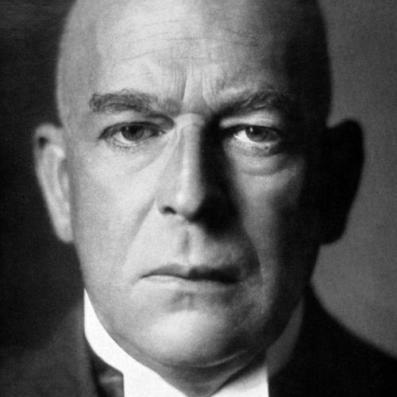
Here is the new bookshelf (the old 1 went defunct for some reason). I haven't added all
goodreads.com/review/list/56…
Will add more as I remember
English
Spatel
76.3K posts
@Rjrasva
Every great thing perishes if its heirs are petty. - Oswald Spengler

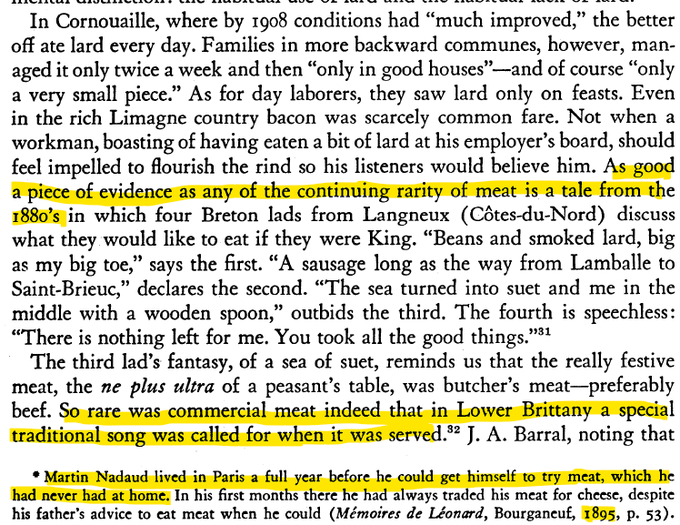
Haji Shariatullah, the founder of the Islamic revivalist Faraizi movement in eastern Bengal, ordered his followers to eat grasshoppers in imitation to the Arab practice of eating locusts.
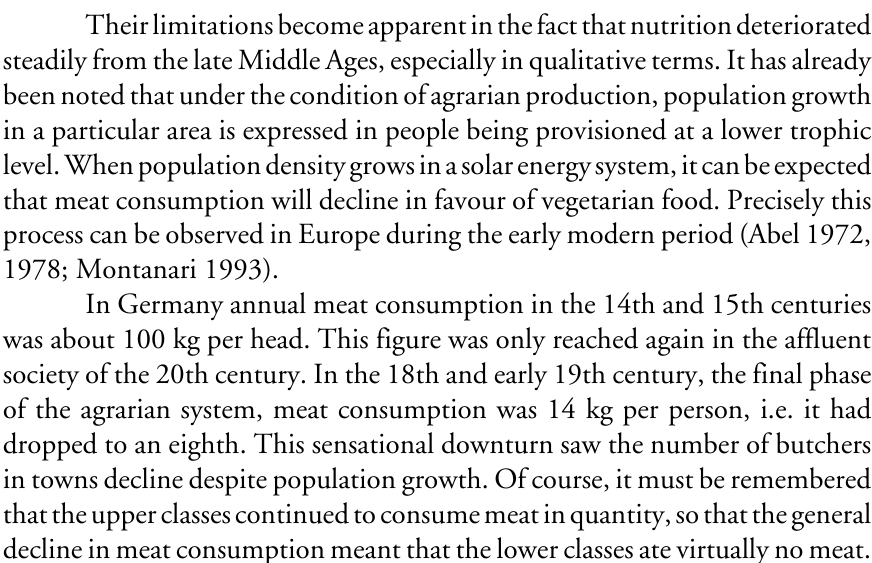
The Subterranean Forest: Energy Systems and the Industrial Revolution by Rolf Peter Sieferle When population density grows in a solar energy system, it can be expected that meat consumption will decline in favour of vegetarian food x.com/Rjrasva/status…
x.com/VirtudMental/s… Ya that's not how it worked, meat consumption was always low even pre-Buddhism High pop density (which Japan had at 30 million on 3 islands at end of Edo era) is incompatible with high meat consumption unless fossil fuels r involved, true of Europe too
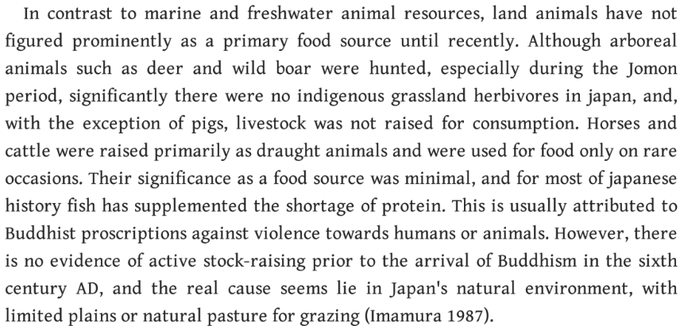
675 d.C., Japón. El emperador Tenmu prohíbe el consumo de carne. No por salud. No por religión inicialmente. Por control. La prohibición dura 1.200 años. Doce siglos de proteína animal restringida en una nación que había estado comiendo jabalí, ciervo y aves acuáticas durante milenios. La justificación oficial evolucionó: El budismo prohíbe matar. La carne es impura. El consumo de animales de cuatro patas ofende a los dioses. La razón real era más simple: el acceso a la proteína crea independencia. Cazar no requiere casero. Un campesino con acceso a caza silvestre no responde a nadie. Un campesino dependiente del arroz responde a quien controle los arrozales. El shogunato Tokugawa perfeccionó este sistema. El arroz se convirtió en la moneda del control. Los samuráis recibían estipendios de arroz. Los campesinos pagaban impuestos en arroz. Toda la economía funcionaba con un grano que requería infraestructura, irrigación y propiedad de la tierra para producirse. No puedes cultivar arroz solo. Necesitas al colectivo. Necesitas el sistema. Necesitas permiso. Puedes cazar ciervos solo. Ese era el problema. Los registros históricos muestran que la población japonesa se volvió más baja durante el período de la prohibición de la carne. El campesino promedio en 1800 medía 1,55 m. Significativamente más pequeño que sus ancestros comedores de carne del siglo VII. Cuando el comodoro estadounidense Perry llegó en 1853, los japoneses quedaron atónitos por el tamaño físico de los marineros estadounidenses. Los estadounidenses promediaban 1,73 m. Los estadounidenses comían carne. Los japoneses habían estado prohibidos de ella durante 1.200 años. La Restauración Meiji en 1868 levantó la prohibición. El gobierno alentó explícitamente el consumo de carne para "fortalecer la raza" y competir con las potencias occidentales. En dos generaciones, la altura promedio aumentó 5 cm. En cuatro generaciones, los hombres japoneses promediaban 1,70 m. No genética. Nutrición. La prohibición de la carne funcionó exactamente como se diseñó: Mantenía a la población pequeña, débil y dependiente de un suministro de alimentos que requería permiso para acceder. El momento en que se revocó ese permiso, la población creció en altura. Casi como si los humanos necesitaran proteína animal y 1.200 años de conocimiento institucional no pudieran cambiar la biología.

@Rjrasva Am very much for public transportation and city planning but if u want Indians to return to misery of 1970s and 1980s its not happening.


@Rjrasva Some of my Chinese co-workers melt when weather hits higher than 20 degrees because as kids they never got told to play outside. Meanwhile my grandfather grows tomatoes in 30 degrees wearing pants. Solidifies ny view that air conditioning is for the weak and degenerate.

@Deshpacito661 Do u even know that it goes close to 0 degrees C in winters in Florida? India heat + humidity thru summer + monsoon months is exceptional
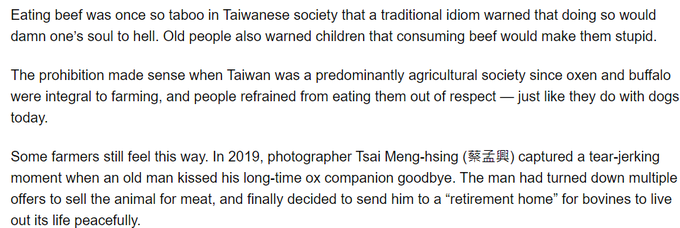
One of the reasons asian populations could grow so fast is that the water buffalo didn't compete with humans for food. The horse did. Oats, hay, pasture. Took up a lot of resources. Large amounts of sgricultural capacity was being used to maintain animal power rather than directly feed humans. When famine hit, people just start eating horses. Which created a terrible feedback loop. The water buffalo never had that issue.






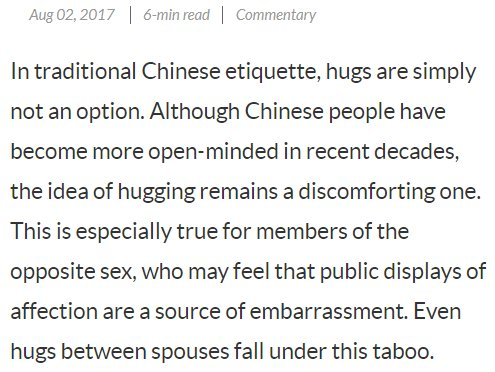
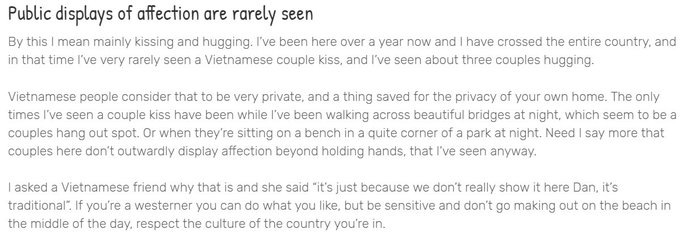
x.com/Rjrasva/status… I have crossed the entire country, and in that time I’ve very rarely seen a Vietnamese couple kiss, and I’ve seen about three couples hugging. Vietnamese people consider that to be very private, and a thing saved for the privacy... danoftheworld.org/the-world-blog…
x.com/Rjrasva/status… kissing in public places, even a man greeting his wife with a kiss in public, and many other acts cause the Japanese to regard us as barbarians. Japan Day by Day, 1877, 1878-79, 1882-83 by Edward Sylvester Morse archive.org/stream/japanda…
x.com/Rjrasva/status… At same time attitudes were relaxed abt public urination (especially by men)& breast feeding 1980s Japan described by contemporary self styled "white advocate" Jared Taylor, then a liberal son of missionaries to Japan who wrote "Shadows of the Rising Sun"