Roberto Martínez

2.3K posts

Roberto Martínez banner
Roberto Martínez

Roberto Martínez

@RobertoMtzA

🚀🇲🇽 Lógicamente.

NL Katılım Ekim 2012
4.8K Takip Edilen378 Takipçiler
Sabitlenmiş Tweet
Roberto Martínez
Roberto Martínez@RobertoMtzA·
La estrategia 🇲🇽 @SEGOB_mx para entusiastas universitarios que sienten «convicción» por la ciencia y la tecnología: [A] Emigrar de México para trabajar. «Remesas» [B] Cambiar los libros y los laboratorios por «Machete» y palas? [C] Limitarse. Estudiar oficio «conservador»
GIF
Roberto Martínez@RobertoMtzA

Contexto: Administraciones «anteriores» No han podido impulsar la ciencia y ni pudieron contener la «fugas de cerebros» ... ahora el mayor problema es: la administración «actual» solo presenta retrocesos, visión «conservadora» y acciones «retrógradas». No existe estrategia.

Español
1
1
6
0
Roberto Martínez
Roberto Martínez@RobertoMtzA·
the new lean-lightweight knowledge management system. self-hosted, in house training and inference engineered LLM-KB
Andrej Karpathy@karpathy

LLM Knowledge Bases Something I'm finding very useful recently: using LLMs to build personal knowledge bases for various topics of research interest. In this way, a large fraction of my recent token throughput is going less into manipulating code, and more into manipulating knowledge (stored as markdown and images). The latest LLMs are quite good at it. So: Data ingest: I index source documents (articles, papers, repos, datasets, images, etc.) into a raw/ directory, then I use an LLM to incrementally "compile" a wiki, which is just a collection of .md files in a directory structure. The wiki includes summaries of all the data in raw/, backlinks, and then it categorizes data into concepts, writes articles for them, and links them all. To convert web articles into .md files I like to use the Obsidian Web Clipper extension, and then I also use a hotkey to download all the related images to local so that my LLM can easily reference them. IDE: I use Obsidian as the IDE "frontend" where I can view the raw data, the the compiled wiki, and the derived visualizations. Important to note that the LLM writes and maintains all of the data of the wiki, I rarely touch it directly. I've played with a few Obsidian plugins to render and view data in other ways (e.g. Marp for slides). Q&A: Where things get interesting is that once your wiki is big enough (e.g. mine on some recent research is ~100 articles and ~400K words), you can ask your LLM agent all kinds of complex questions against the wiki, and it will go off, research the answers, etc. I thought I had to reach for fancy RAG, but the LLM has been pretty good about auto-maintaining index files and brief summaries of all the documents and it reads all the important related data fairly easily at this ~small scale. Output: Instead of getting answers in text/terminal, I like to have it render markdown files for me, or slide shows (Marp format), or matplotlib images, all of which I then view again in Obsidian. You can imagine many other visual output formats depending on the query. Often, I end up "filing" the outputs back into the wiki to enhance it for further queries. So my own explorations and queries always "add up" in the knowledge base. Linting: I've run some LLM "health checks" over the wiki to e.g. find inconsistent data, impute missing data (with web searchers), find interesting connections for new article candidates, etc., to incrementally clean up the wiki and enhance its overall data integrity. The LLMs are quite good at suggesting further questions to ask and look into. Extra tools: I find myself developing additional tools to process the data, e.g. I vibe coded a small and naive search engine over the wiki, which I both use directly (in a web ui), but more often I want to hand it off to an LLM via CLI as a tool for larger queries. Further explorations: As the repo grows, the natural desire is to also think about synthetic data generation + finetuning to have your LLM "know" the data in its weights instead of just context windows. TLDR: raw data from a given number of sources is collected, then compiled by an LLM into a .md wiki, then operated on by various CLIs by the LLM to do Q&A and to incrementally enhance the wiki, and all of it viewable in Obsidian. You rarely ever write or edit the wiki manually, it's the domain of the LLM. I think there is room here for an incredible new product instead of a hacky collection of scripts.


English
0
0
0
9
Roberto Martínez retweetledi
NASA en español
NASA en español@NASA_es·
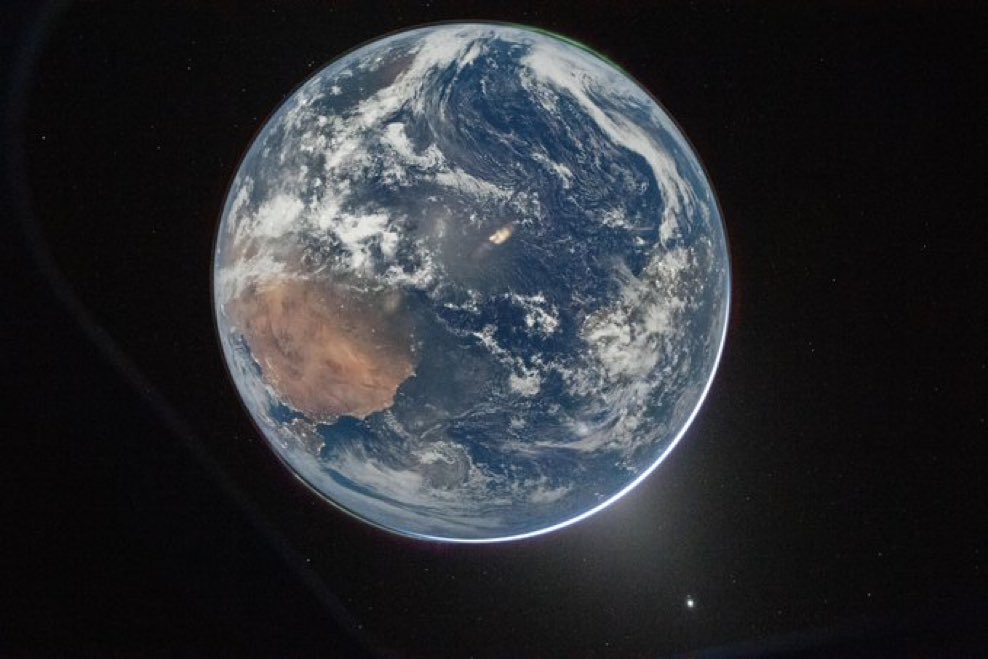
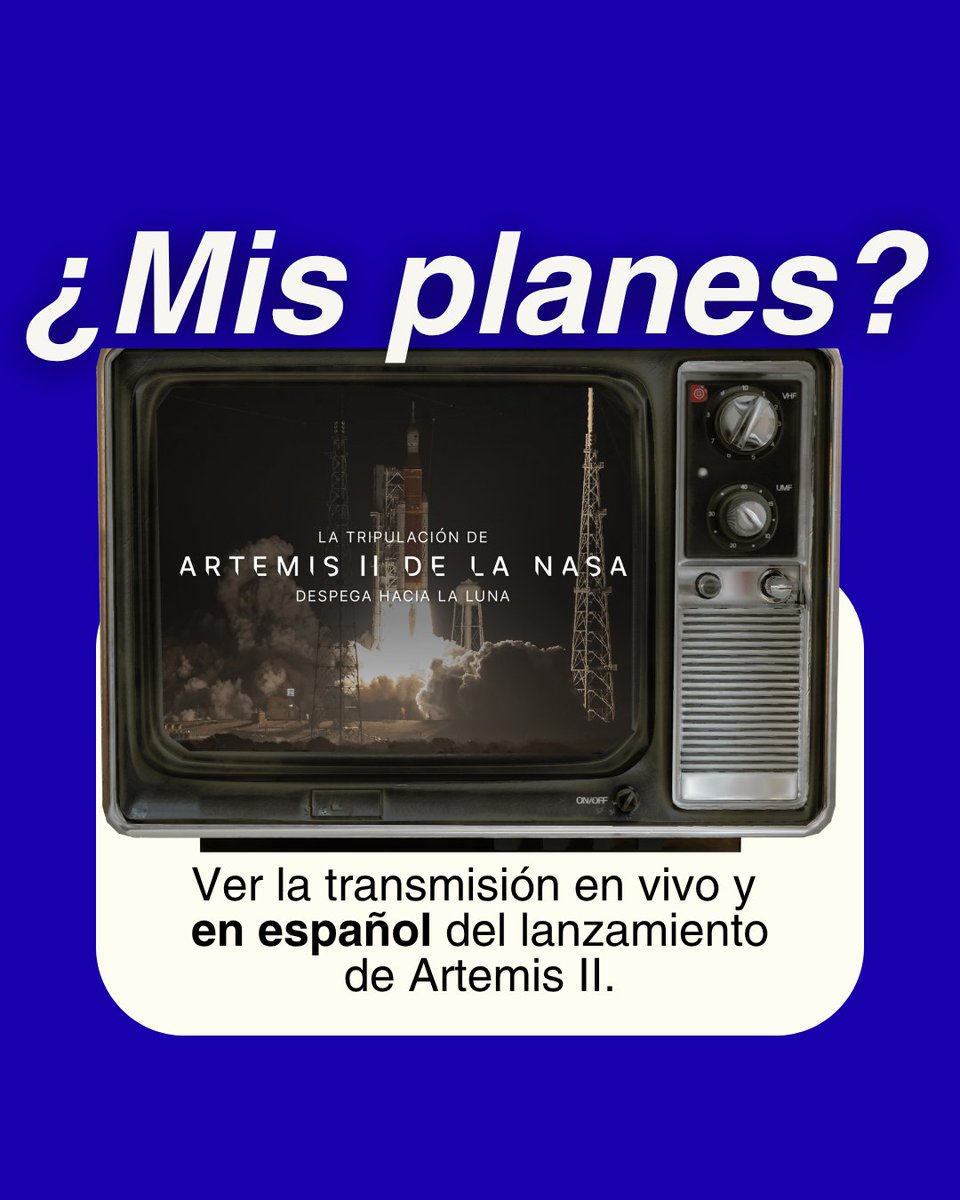
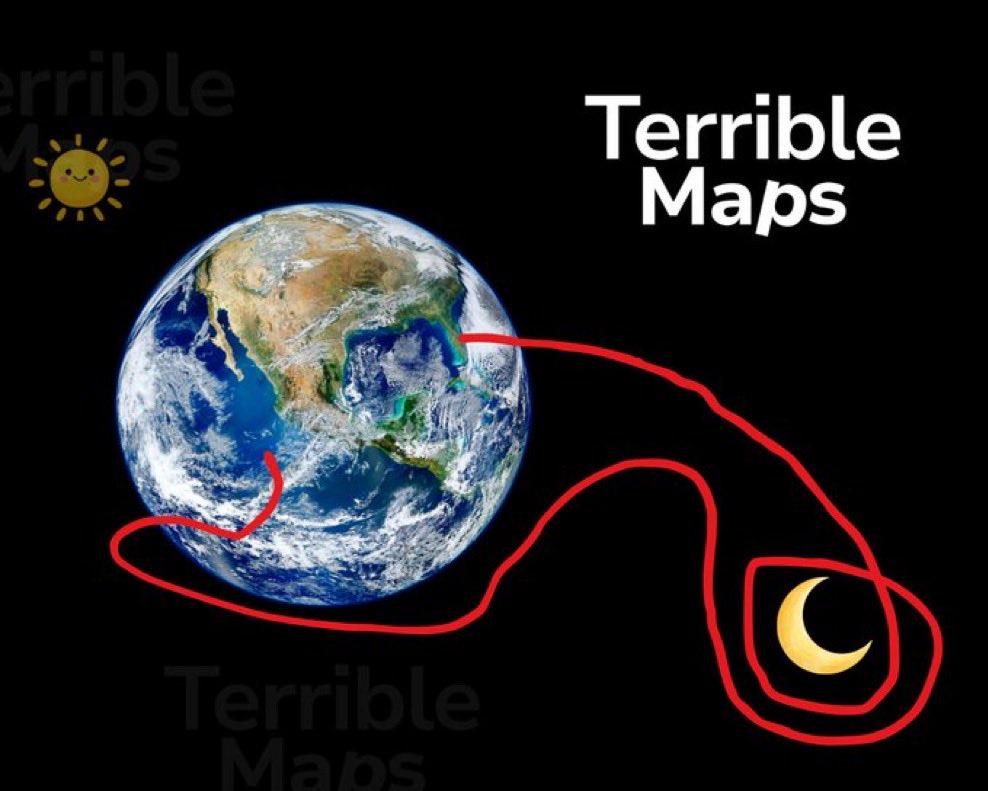
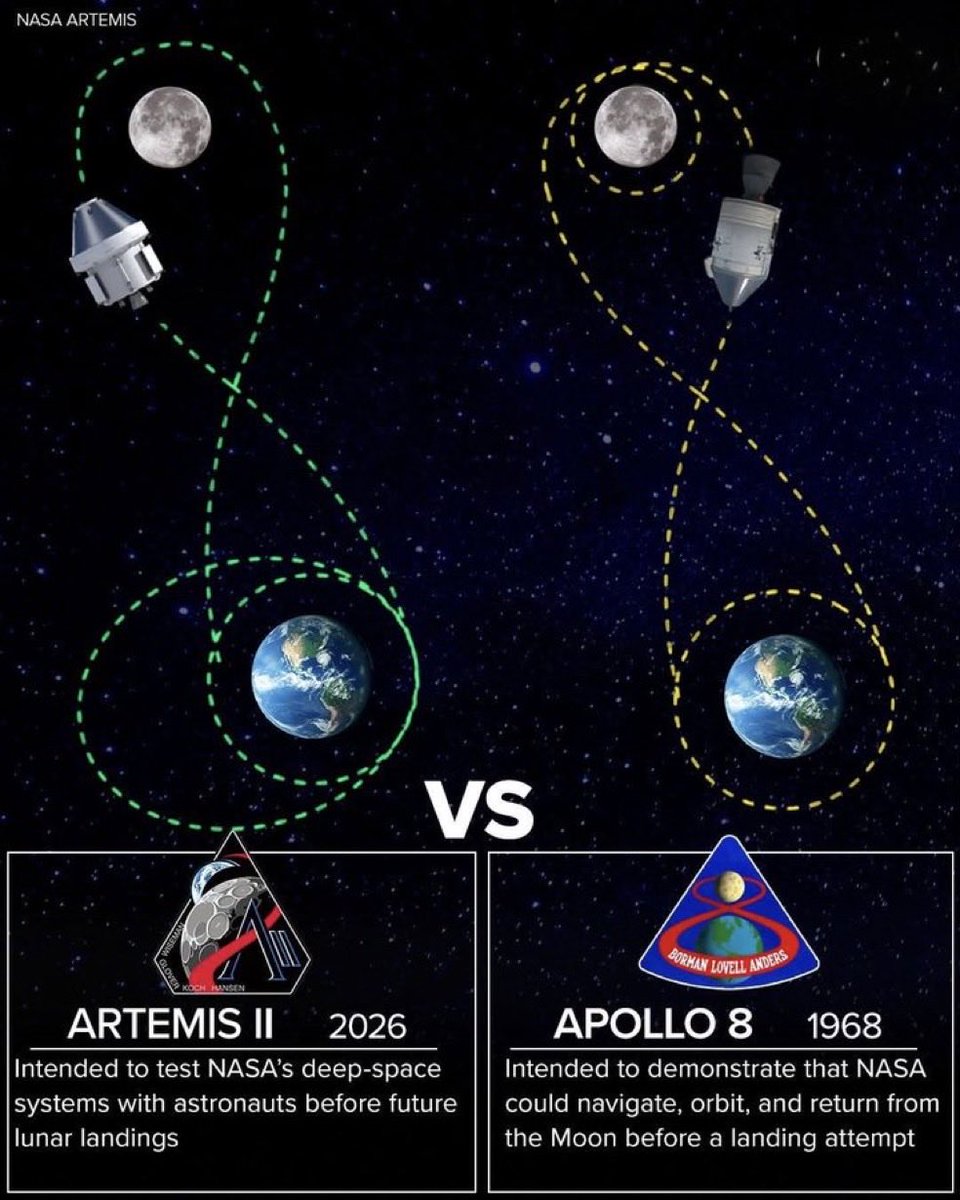
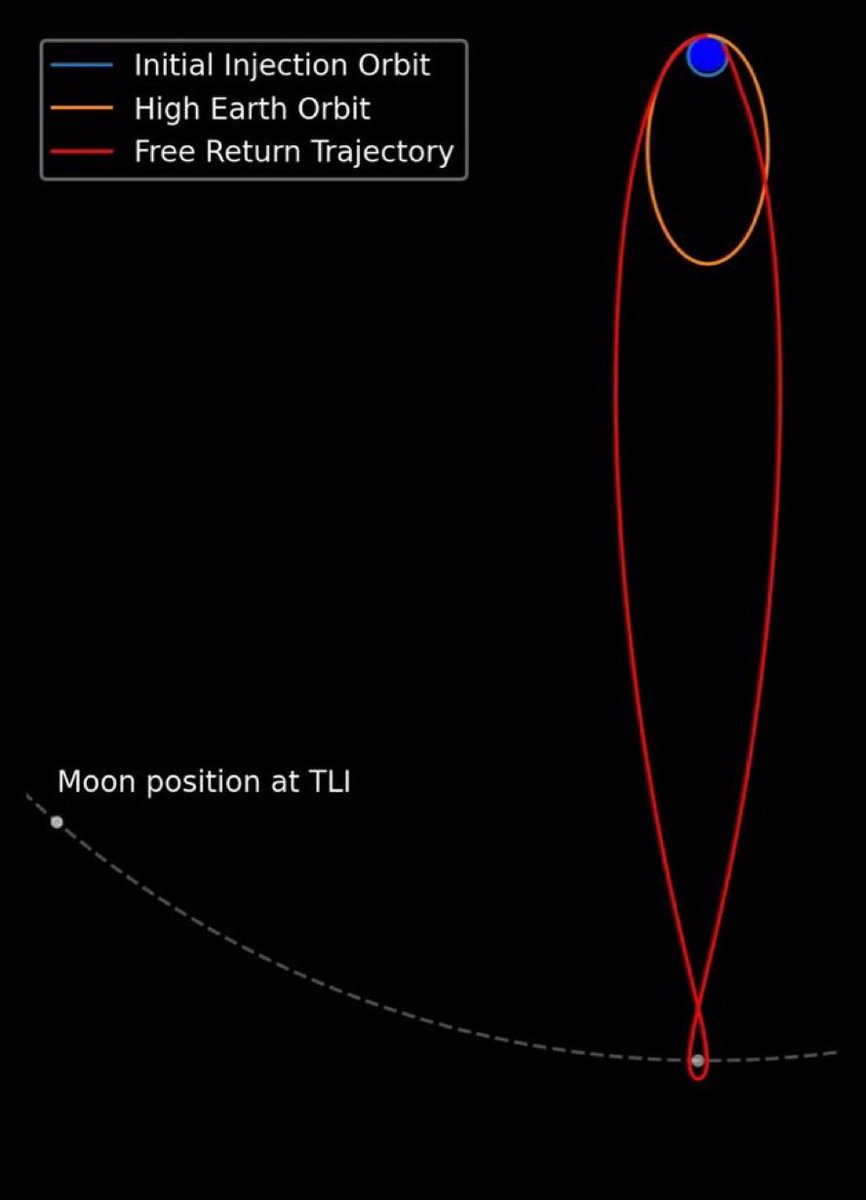
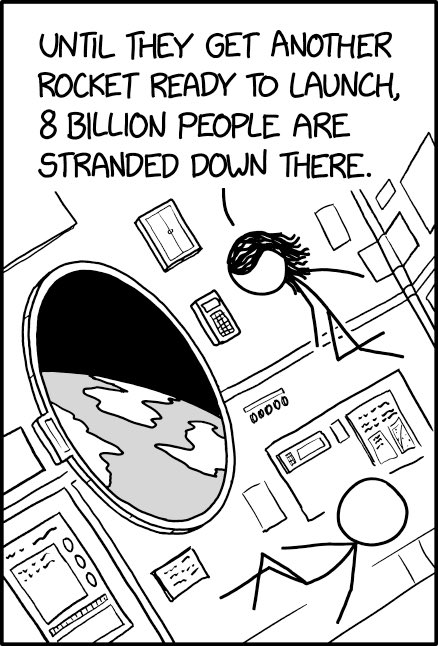
¡Es hoy! 🚀 Acompáñanos hoy, 1 de abril, en nuestra transmisión en vivo y en español a las 4:45 p.m. EDT (hora del este). Si vas a ver el lanzamiento de esta misión histórica en compañía, ¡cuéntanos con quién lo verás y desde dónde!
NASA en español tweet mediaNASA en español tweet mediaNASA en español tweet media
Español
60
404
1.6K
96.9K
Roberto Martínez retweetledi
Omar Sanseviero
Omar Sanseviero@osanseviero·
I’m so excited to announce Gemma 3n is here! 🎉 🔊Multimodal (text/audio/image/video) understanding 🤯Runs with as little as 2GB of RAM 🏆First model under 10B with @lmarena_ai score of 1300+ Available now on @huggingface, @kaggle, llama.cpp, ai.dev, and more
Omar Sanseviero tweet media
English
80
317
2.8K
1.3M
Roberto Martínez
Roberto Martínez@RobertoMtzA·
Innovación Visible: ingeniería Digital y Estrategia Tecnológica. Cada Starship es esencialmente un laboratorio de vuelo completo. 1. Diseño Modular y Experimentación Paralela: - Los patrones de baldosas térmicas hexagonales muestran variaciones sutiles, sugiriendo pruebas simultáneas de diferentes materiales y configuraciones. - Algunas baldosas están marcadas o ausentes, indicando áreas de monitoreo específico o pruebas de nuevos conceptos. 2. Instrumentación Avanzada: - Aunque no visibles directamente, podemos inferir la presencia de sensores integrados y cámaras de alta resolución para monitorear el rendimiento de cada sección del escudo térmico. 3. Fabricación Escalable: - La regularidad del patrón de baldosas térmicas sugiere un diseño optimizado para producción en serie, crucial para las ambiciones de SpaceX de democratizar el viaje espacial. 4. Ciclo de Vida Dinámico: - Cada Starship es simultáneamente un producto operacional y un prototipo para la siguiente iteración, difuminando los límites entre desarrollo, prueba y operación. 5. Estrategia a Largo Plazo: - La inversión en este nivel de detalle y experimentación visible refleja la visión a largo plazo de SpaceX para la exploración y colonización espacial. 6. Aprendizaje Continuo: - Las variaciones en el diseño de las baldosas térmicas sugieren un proceso de iteración rápida basado en datos recopilados de vuelos anteriores. 7. Innovación Visible: - Al exhibir abiertamente sus procesos de desarrollo, SpaceX no solo avanza tecnológicamente sino que también mantiene el interés público y potencialmente influye en la política espacial. Este enfoque representa un cambio paradigmático en el desarrollo de sistemas complejos. SpaceX está tratando cada Starship como un nodo en una red de aprendizaje e innovación, donde cada iteración informa directamente la siguiente. Es un ejemplo vivo de cómo la estrategia, el ciclo de vida del producto y la ingeniería pueden integrarse en un proceso de innovación continua y visible.
Roberto Martínez tweet media
Español
0
0
0
57
Roberto Martínez retweetledi
Curiosity
Curiosity@CuriosityonX·
No, this is not a gigantic tsunami, but a Martian dune captured by Curiosity Rover. 📸 NASA/JPL-Caltech
Curiosity tweet media
English
172
982
11.3K
893.8K
Roberto Martínez retweetledi
Daniel Jeffries
Daniel Jeffries@Dan_Jeffries1·
This man gave you Reddit, RSS, Markdown, helped stop early attempts to censor the web (that are now winning) and freed academic journals for researchers. And they killed him for it. A crime that has never been answered for and never will be
Daniel Jeffries tweet media
English
90
766
4.4K
279.6K
Roberto Martínez retweetledi
Black Hole
Black Hole@konstructivizm·
Sun in ultraviolet, and yes that's Venus passing in front of our sun! Credit - Nasa Solar Dynamics Observatory
Black Hole tweet media
English
1
51
218
10.9K