Rojavayê Kurdistanê
9.6K posts

Rojavayê Kurdistanê
@Rojava_Press
أخبار كوردستان وكل ما يخص الكورد في كل مكان ، المنصة الكوردية الأولى لتغطية الأحداث الكوردية والعالمية

#كوردستان في نفس اليوم يتم الاشراف من قبل السيد نيجرفان البارزاني رئيس اقليم كوردستان على تخريج دفعة طيارين في كلية الطيران وبالمقابل يشارك السيد مسرور البارزاني رئيس حكومة اقليم كوردستان في انجاز اعلى جسر وبعض المنشأت الحيويه والبنى التحتيه في اقليم كوردستان ♦️لا خوف من اقامة دولة كوردستان طالما فيها رجال همهم وامنياتهم بناء #كوردستان بوركتم وبوركت جهودكم وبوركت ارحام امهاتكم @XelalHary @nsym142240 @NewrozaB @Ihsan_Efrini @DHadinay23422


I asked President Donald Trump: Yesterday you said you gave the Kurds weapons and they kept them for themselves. A U.S. military official says (tells me) the Kurds have not received any weapons, and all Kurdish parties deny receiving them?” Trump responded: “The officials are wrong”


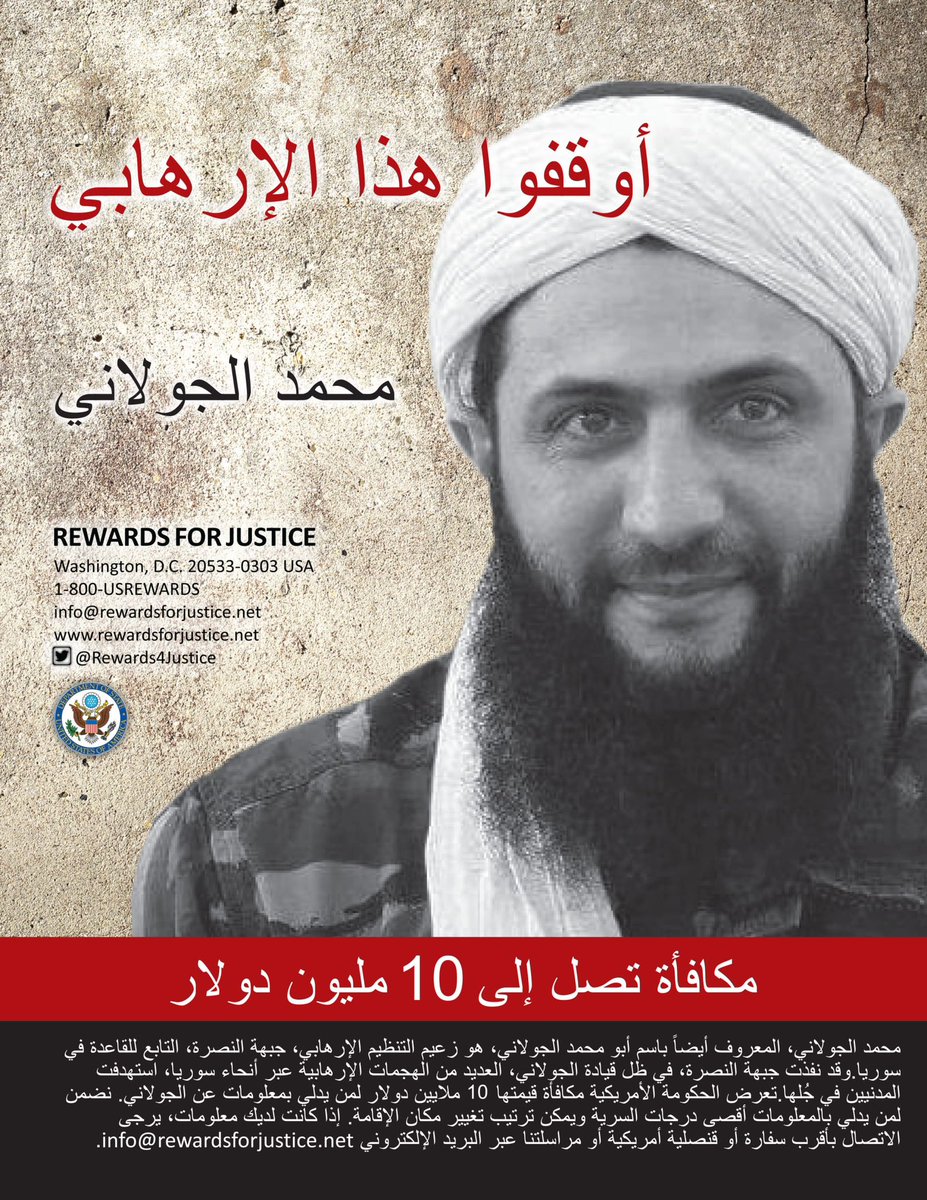
الجولاني متحدثاً عن أحمد الشرع بدقة متناهية وعجيبة... الجولاني لأحمد منصور "أمريكا دورها هو تخدير الشعوب وأهل الشام حتى تصل إلى حل سياسي توافقي، فهب بشار قد سقط وبقي النظام على حاله لم يتغير فأمريكا تريد تغيير الوجه تذهب بشخص وتأتي بآخر المهم أن يكون هناك حكومة تخضع للإرادة الأمريكية".


الحقوق الكردية في سوريا جاءت مبادرةً من الرئيس الشرع واعترافاً صريحاً بأن الكرد مكون أصيل يستحق حقوقه كاملة. ولو كان في سدة الحكم رئيس بعقلية مختلفة، لما حصل الكرد على شيء، لا عبر قسد وأحزابها ولا عبر المجلس الكردي وشيوخه. فاحمدوا الله يا كرد أن من حرر سوريا هو الشرع ولم يكن من أصحاب العقليات القومية الضيقة في المعارضة، وإلا لكنتم لا تزالون تتفاوضون على الهواء.


ترمب يرد عبر رووداو على مسؤول عسكري أميركي نفى تسلّم الكورد أسلحة أميركية فيديو - ديار كورده

Trump’s “The Kurds Take, Take, Take” Remarks and the Kurdish Question First, what exactly did the Kurds gain from all these wars and partnerships? Over the past century, the Kurds have suffered tens of thousands of casualties in wars against terrorism, dictatorship, and the many campaigns launched against them by Saddam Hussein, Iran, Syria, and Turkey. Hundreds of thousands of Kurds have been killed, displaced, imprisoned, or wounded. But what did the Kurds ultimately receive in return? Did they gain freedom? Independence? The right to self-determination? What kind of support did the Kurds actually receive? Were they given fighter jets, tanks, artillery systems, air defence systems, drones, or meaningful long-term guarantees? NOOOO. In most cases, support was limited to light weapons, ammunition, limited military coordination, and some financial assistance. What did the Trump administration offer the Kurds during its first and second terms? In 2017, when more than 90 percent of voters in the Kurdistan Region of Iraq supported independence in a referendum, the Kurdish leadership expected at least political understanding from its Western partners. Instead, Kurdish areas were attacked by Iraqi forces and Iranian-backed groups using American-made weapons, while the United States and the wider international community largely stood aside. Then, in early 2018, the Trump administration effectively allowed the Turkish invasion of Afrin. Hundreds of thousands of Kurds were displaced from the region following the operation. In 2019, after direct communication between President Trump and Erdoğan, Turkey launched another military operation against Serê Kaniyê and Grê Spî in Rojava (northeastern Syria). Large parts of the region came under Turkish control after the withdrawal of American protection from the area. For years, Kurdish forces in Rojava served as the primary partner of the United States and the international coalition in the war against ISIS. Thousands of Kurdish fighters lost their lives in that struggle. Yet many Kurds believe that, once ISIS was territorially defeated, Western priorities changed and Kurdish concerns became secondary. Today, after all these experiences, Kurdish groups in Rojhilat (Irani Kurdistan) are being accused of disappointing Washington because they refused to enter another dangerous conflict without guarantees regarding their future political status and protection. But from the KURDISH PERSPECTIVE, this caution is understandable. The Kurds are not mercenaries. Kurdish blood is not cheap, and the lives of Kurdish youth are not for sale. The Kurds are fighting for their freedom, dignity, and political rights, not to serve the temporary agendas of regional or international powers without any clear outcome for the Kurdish people themselves. At the same time, the Kurds have repeatedly shown their willingness to cooperate in fighting terrorism, extremism, and instability in the Middle East. Kurdish forces played a central role in the defeat of ISIS and contributed greatly to regional security. But cooperation must be based on mutual respect, clarity, and long-term political understanding. I do not know the accuracy of the recent claims regarding weapons allegedly sent to protesters inside Iran. If such operations truly existed, then the American side should clearly explain which group, force, or individuals received those weapons. A nation of tens of millions of people should not be collectively accused through vague and unverified statements. The Kurds do not claim that the American people are enemies of the Kurdish people. Nor is this a rejection of international cooperation. Rather, many Kurds are expressing frustration with repeated political experiences in which Kurdish sacrifices were welcomed during conflict but forgotten once larger geopolitical priorities changed. For this reason, Kurdish groups in Rojhelat are approaching the current situation with caution. The lessons of recent history remain very fresh, especially after the experiences of Iraqi Kurdistan and Rojava. Any future cooperation must involve clear guarantees, realistic political understandings, and serious consideration for the future and security of the Kurdish people themselves.


🚨 عاجل | ترامب يكشف الآن أن الأكراد رفضوا تسليم الأسلحة الأمريكية للشعب الإيراني واحتفظوا بها لأنفسهم : "خيب الأكراد آمالنا. الأكراد يأخذون، يأخذون، يأخذون." "أرسلنا بعض البنادق مع الذخيرة. كان من المفترض تسليمها، لكنهم احتفظوا بها. قلتُ إنهم سيحتفظون بها. ما الذي أعرفه أنا؟!" "وقلتُ إن هذا لن ينجح." "لم أوافق على ما فعلوه. قلتُ مسبقاً إنهم لن يصلوا إلى هناك. وكنتُ على حق."