Ross Hamblin

103 posts

Ross Hamblin banner
Ross Hamblin

Ross Hamblin

@RossHamblin

Endocrine Doc, clinical researcher (pituitary tumours). Chases toddler, pretends to be a barista. T1DM 30 years. Clinical in Bristol, Research Birmingham UK

Katılım Nisan 2021
512 Takip Edilen327 Takipçiler
Sabitlenmiş Tweet
Niki Karavitaki
Niki Karavitaki@Karavitaki_Niki·
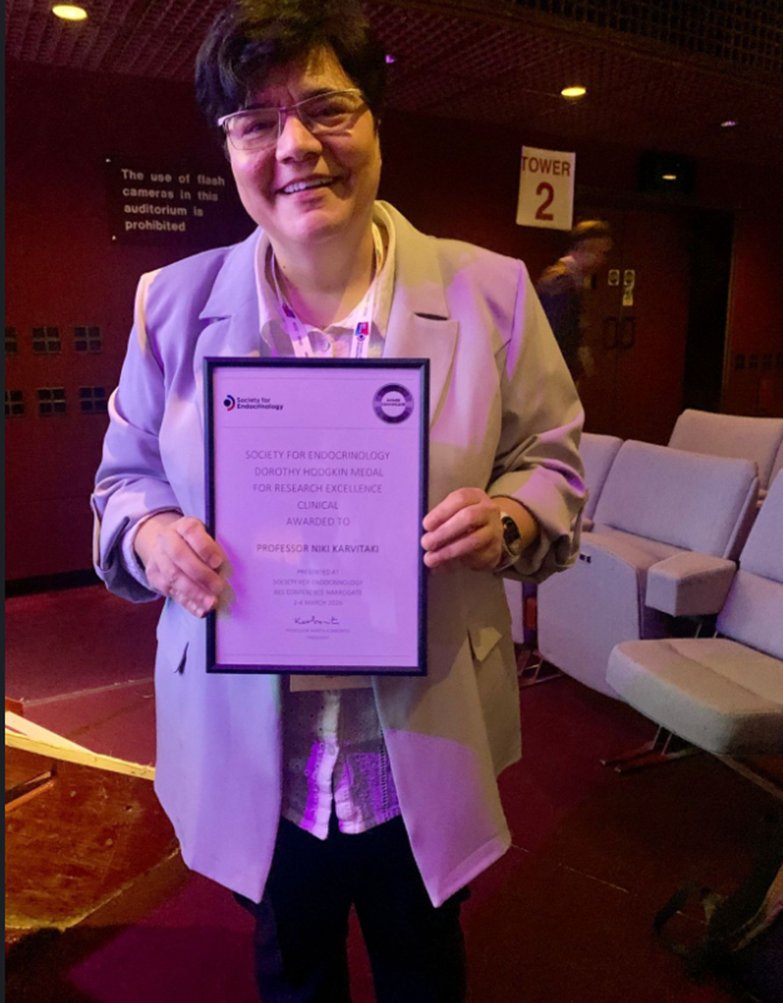
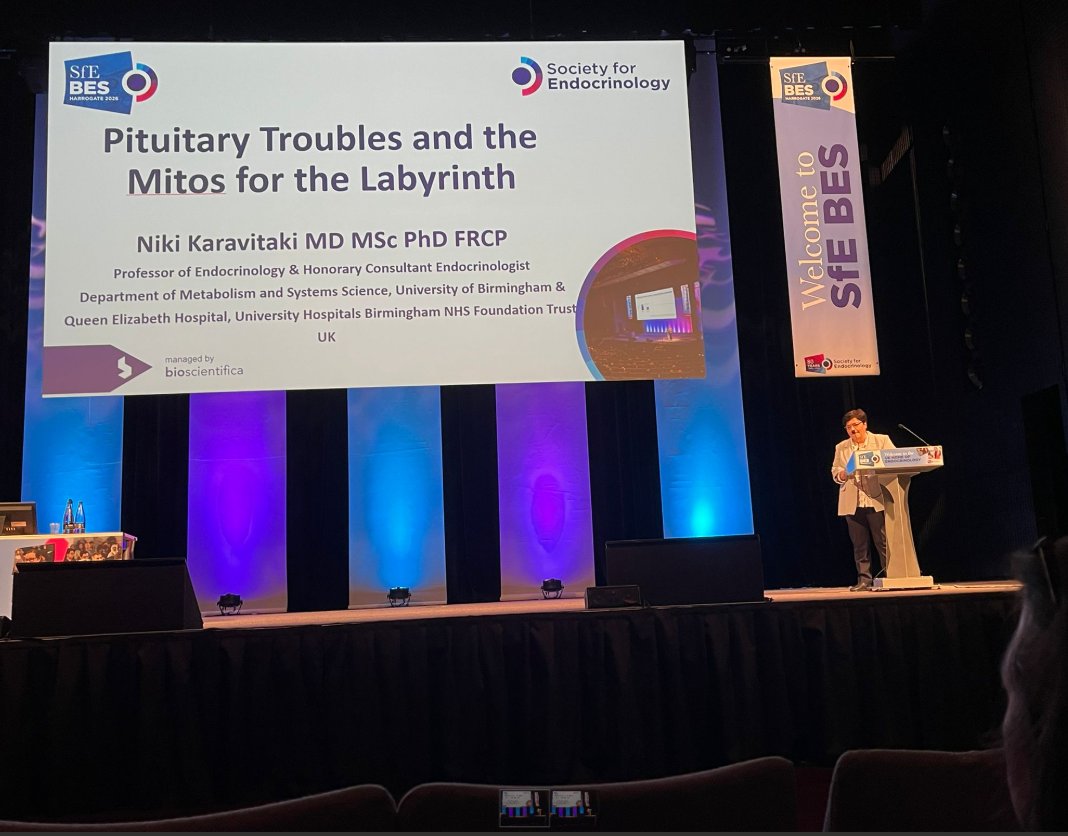
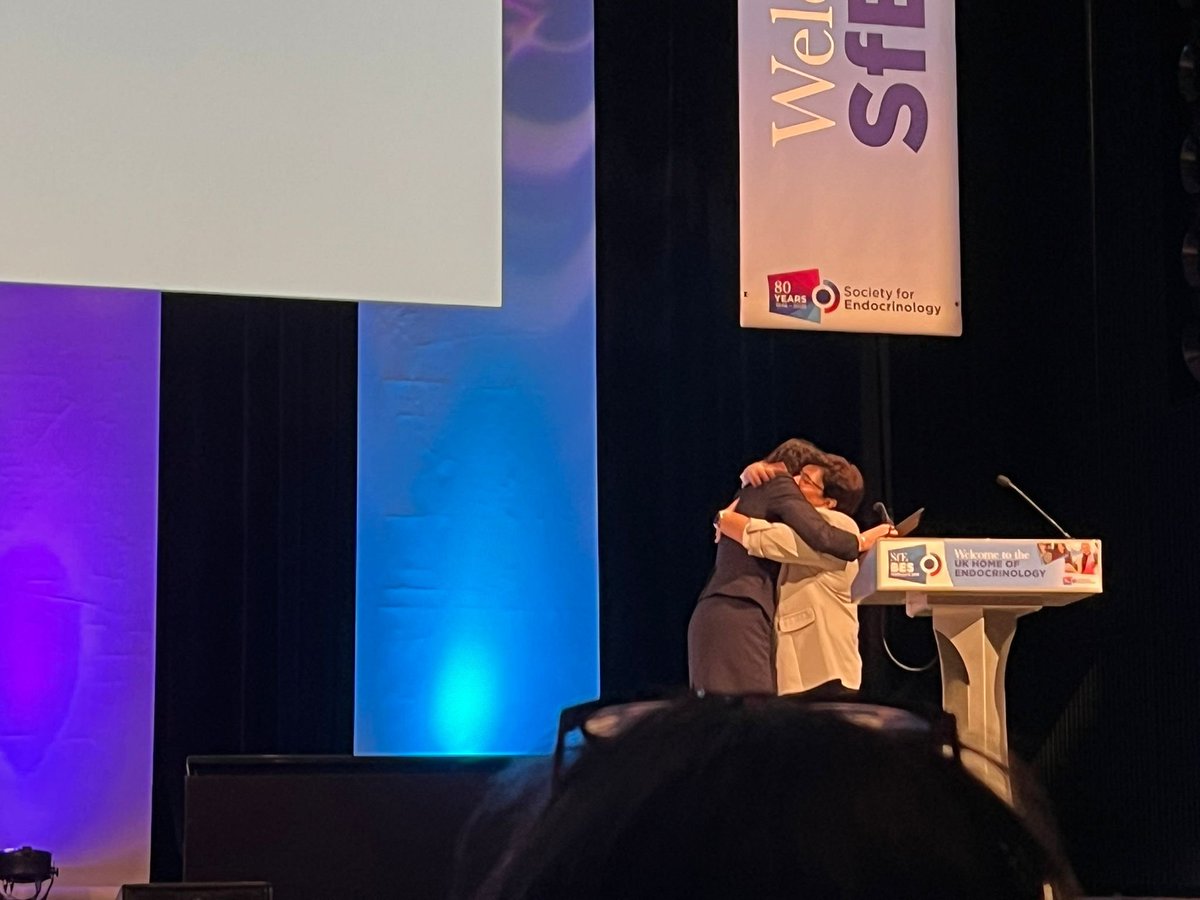
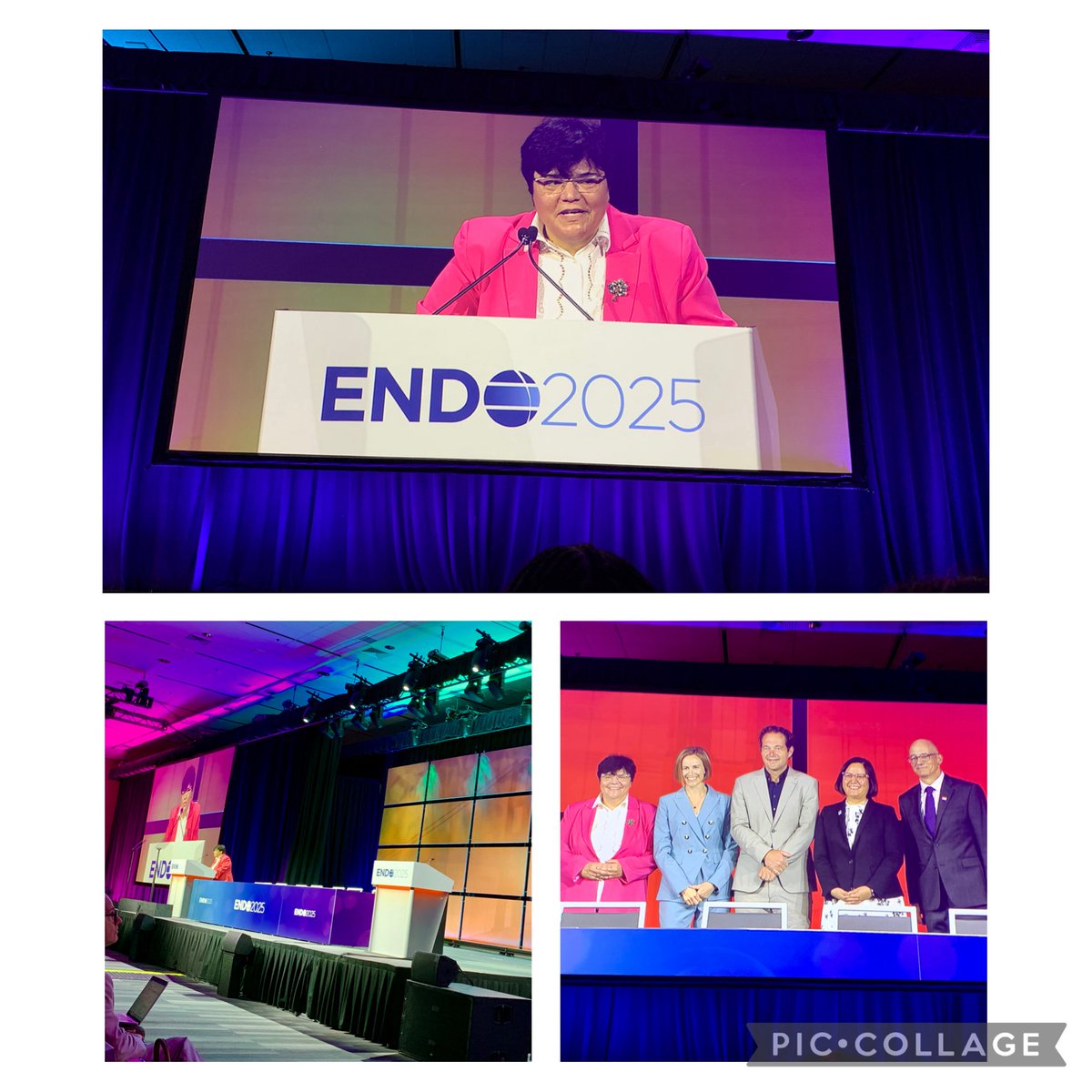
Immensely honoured to receive the 2026 Dorothy Hodgkin Medal for Research Excellence (Clinical) from the Society for Endocrinology. Grateful to the so many who inspired me and to the very many who I had the joy to work with during this journey! @BHPComms @Soc_Endo @unibirm_CMH
Niki Karavitaki tweet mediaNiki Karavitaki tweet mediaNiki Karavitaki tweet media
English
8
4
62
1.5K
Ross Hamblin retweetledi
Niki Karavitaki
Niki Karavitaki@Karavitaki_Niki·
Our UK Non-functioning Pituitary Adenoma Consortium papers in this guideline Conservatively managed non-functioning pituitary macroadenomas doi.org/10.1093/ejendo… Natural history of non-functioning pituitary microadenomas doi.org/10.1093/ejendo…
Niki Karavitaki@Karavitaki_Niki

Just out - great collaborative work! Full-text access rdcu.be/es8Be in Nature Reviews Endocrinology @PituitarySoc @TheEndoSociety @ESEndocrinology @UoB_MSS @unibirm_CMH @BHPComms

English
0
13
49
2.7K
Eleonora Svanberg
Eleonora Svanberg@EleonoraSberg·
I'm a PhD student at @UniofOxford and I think I'm living in a fairytale :-) Foxes playing around in the snow at Magdalen College this morning — absolutely magical!
English
957
10.8K
106.3K
5.6M
Ross Hamblin retweetledi
Russ Cook
Russ Cook@hardestgeezer·
Marcus started this year not being able to run more than a few metres in a row. On September 7th he is going to run a marathon. 4 months ago he decided to push himself to run 1 mile everyday for a month to raise awareness and funds for mental health. I met him for his last mile and he told me he wanted to run a marathon in September. I thought it was a probably a bit too ambitious, but I said if he put the training in then I’d do it with him. Fast forward to now and me and my team visited his home town in Yorkshire to see how he’s getting on, and he has certainly been putting the training in. Over 100 miles in the last week. Insane progress. Marcus has had so much to overcome in his 16 years in this world, from suffering with his own mental health to bullying to online abuse & much more that is not for me to go into here. Despite all of that he is an absolute beacon of positive energy and he tirelessly spreads it everywhere he goes. In a world that can feel so negative at times, people like Marcus are needed more than ever. If you can make it to join us for the last few kilometres of Marcus’s FIRST MARATHON then we will be at the Black Lion Gate, Hyde Park, London on Saturday 7th September from 2pm. Would be great to see as many of you there as possible to support this incredible young man💪🫡
Russ Cook tweet mediaRuss Cook tweet mediaRuss Cook tweet mediaRuss Cook tweet media
English
68
300
11.6K
1M
Ross Hamblin retweetledi
Aaron Smith
Aaron Smith@aaronsmith·
You probably know the start of this Olympic story, but do you know how it finished? This photo is of Eric Moussambani, aka 'Eric the Eel' from Equatorial Guinea, competing in the 100m Freestyle event at the Sydney 2000 Olympics, alone. Why? /1
Aaron Smith tweet media
English
482
9.8K
73.8K
9.6M
Ross Hamblin retweetledi
Ed Livingston
Ed Livingston@ehlJAMA·
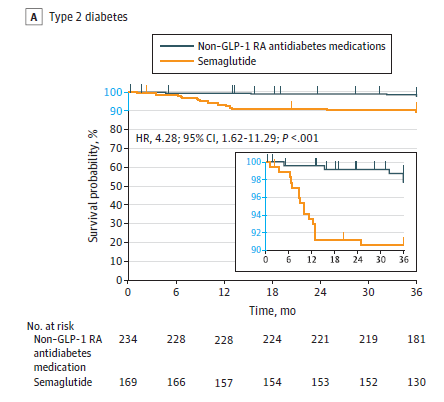
DO GLP-1 Agonists Really Cause Eye Disease There has been a huge amount of press about a report showing an association between the use of GLP-1 agonists and Nonarteritic anterior ischemic optic neuropathy (NAION) jamanetwork.com/journals/jamao… Because of it being heavily promoted by JAMA, the article has an Altmetric score of 1982. However, despite wide dissemination of the study's conclusions, very few people actually read the article (only 3,918 downloads-consider the denominator here: 1 million physicians in the US and 10 million healthcare providers). The conclusions should not be accepted without critical analysis of the study itself. There are limitations: 1) This disease occurs in patients with diabetes. GLP-1 drugs are generally used for more advanced cases of DM. There was no control for diabetes severity in the study. It is likely that the NAION was more likely to occur in patients with more severe DM - the same population more likely to be prescribed GLP-1 agonists. The lack of control for DM severity is a major limitation and probably should negate any conclusion about the relationship between GLP-1 agonists and eye disease. Note form the limitations section: "our study also is limited in that the severity of confounding factors could not be adequately assessed," At a minimum, this analysis should have controlled for HgA1c levels. 2) The study had an extremely small number of patients and the population was not representative of the average patient with DM. Of 979 eligible patients, only 32 had NAION. Of these 27 were treated with semaglutide and 5 with other drugs. Semaglutide is not a 1rst line treatment for DM. That the majority of patients in this study were being treated with this drug suggests that the patients had severe, probably poorly controlled DM. Note #1 above- the statistical analysis for this study did not include control for DM severity. See: DM Standards of Care from the ADA: professional.diabetes.org/standards-of-c… The first line treatment for DM is diet control, weight loss and metformin. GLP-1 agonist drugs are advised when these fails or if treating patients with a high risk for DM complications. 2) From the methods: Propensity matching was used to assess whether prescribed semaglutide was associated with NAION in patients with type 2 diabetes (T2D) or overweight/obesity. Propensity methods do not balance unmeasured risk variables or confounders. They also result in loss of information and power by excluding patients who cannot be matched. In the study, there were 32 patients with a NAION event. Of these only 23 were studied after a propensity score match and 18 after propensity score and exact matching. How the excluded patients might affect the results is unknown. 3) As mentioned in a previous tweet (X?), the confidence intervals for the study results were huge. This happens when there are too few events to reliably analyze. From the abstract: "A Cox proportional hazards regression model showed higher risk of NAION for patients receiving semaglutide (hazard ratio [HR], 4.28; 95%CI, 1.62-11.29); P < .001)." "A Cox proportional hazards regression model showed a higher risk of NAION for patients prescribed semaglutide (HR, 7.64; 95%CI, 2.21-26.36; P < .001)." As a general rule, findings with very large confidence intervals should be considered suspect-In other words, there is not a lot of confidence in the results. The figure got a lot of attention. Note that the effect was magnified by an insert showing survival probabilities between 90 and 100. the figure looks dramatic because of this. this got the public's attention but is misleading. There are no confidence intervals in this graph to show how well separated the groups survival really was. Given the very small numbers of patients, the CIs probably showed significant overlap. The major problem here is that this research really does not show an association between NAION and GLP-1 drugs-Yet, it was widely summarized by the press and made its rounds through social media. It came to my attention when someone sent e the article suggesting that our group look at this problem in more detail. It would be nice if there was more critical review of findings like these before the public absorbed the conclusions. I am sure there is more to this article than I picked up on and look forward to more discussion about it. Social media is probably a better venue for peer review for scientific findings than journals-This comes from someone who was a JAMA editor for many years. SM enables broader audience to draw upon for comment and facilitates expression of a diversity of views.
Ed Livingston tweet media
English
20
152
425
197.6K
Ross Hamblin retweetledi
Stephen Ball
Stephen Ball@sball_endo·
[177Lu]Lu-DOTA-TATE plus long-acting octreotide vs. high‑dose long-acting octreotide for treatment of newly diagnosed, advanced grade 2–3, well-differentiated, gastroenteropancreatic NETs (NETTER-2): an open-label, randomised, phase 3 study - The Lancet thelancet.com/journals/lance…
English
0
1
0
169
Ross Hamblin retweetledi
Pablo Corral MD
Pablo Corral MD@drpablocorral·
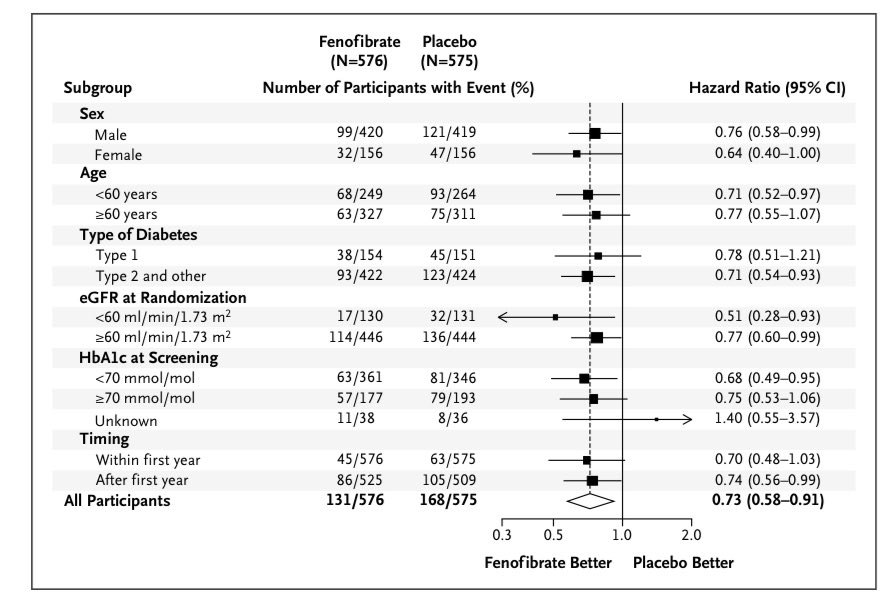
👉Fenofibrate and Diabetic Retinopathy; New Evidence from a RCT ☝️The LENS Trial ☝️ In people with diabetes and early retinopathy, fenofibrate led to a 27% lower risk of progression of, or treatment for, diabetic retinopathy or maculopathy compared with placebo over 4 years. Treatment with fenofibrate appeared similarly effective in participants with type 1 and type 2 diabetes and those with normal and/or somewhat impaired kidney function 🔓Open Access evidence.nejm.org/doi/10.1056/EV… @society_eas @NEJM
Pablo Corral MD tweet mediaPablo Corral MD tweet mediaPablo Corral MD tweet media
English
12
52
143
19K
Ross Hamblin retweetledi
Emma Wilmot
Emma Wilmot@WilmotEmma·
Congratulations @StadlerMarietta @Mortdecai and colleagues on this hugely important work on T1 & eating disorders. A dramatic improvement in DKA and HbA1c... 👏👏👏 @ABCDiab @DTN_UK
Nick Oliver@Mortdecai

After a huge amount of work the incredibly important data from the London type 1 diabetes and disordered eating service are now published here thelancet.com/journals/landi…. The results reflect the passion and dedication of the leadership team @StadlerMarietta

Derby, England 🇬🇧 English
1
5
23
2.1K
Ross Hamblin retweetledi
Daniel J Drucker
Daniel J Drucker@DanielJDrucker·
Behold, the FLOW trial. Semaglutide reduced the risk of clinically important kidney outcomes and death from cardiovascular causes in patients with type 2 #diabetes and chronic #kidney disease nejm.org/doi/full/10.10…
English
2
44
114
27.6K
Ross Hamblin retweetledi
Dr Philip Lee
Dr Philip Lee@drphiliplee1·
You may think this only happens to the SHO but the other day a patient told me he had no diarrhoea and when the renal prof came he looked me dead in the eye and said "I had six watery poos today"
Zack Ferguson@zackferguson

The eternal struggle

English
22
28
571
74K