Raquel Torres Peralta
7.6K posts

Raquel Torres Peralta
@Rql_Torres
Ciencia, tecnología, Mujeres en STEAM. Profesora - Investigadora, Universidad de Sonora


A man with diabetes is making his own insulin after cell transplant. A 42-year-old man with type 1 diabetes has become the first patient in the world to naturally produce insulin again after receiving gene-edited pancreatic cells. Using CRISPR-Cas12b technology, scientists reprogrammed donor islet cells to evade immune system attacks that normally destroy transplanted tissue in diabetics. This breakthrough eliminates the need for lifelong immunosuppressive drugs, which often carry severe side effects. The patient received nearly 80 million of these “hypoimmune” cells, which survived and thrived in his body. Four months later, doctors confirmed the cells were producing insulin by detecting C-peptide spikes after meals. While still in early trials, this marks a potential revolution in diabetes care, showing that the disease could one day be managed without daily insulin injections. If scaled, it could transform the lives of millions living with type 1 diabetes worldwide. [Carlsson, Per-Ola, et al. “Survival of Transplanted Allogeneic Beta Cells with No Immunosuppression.” The New England Journal of Medicine, Aug. 4, 2025.]


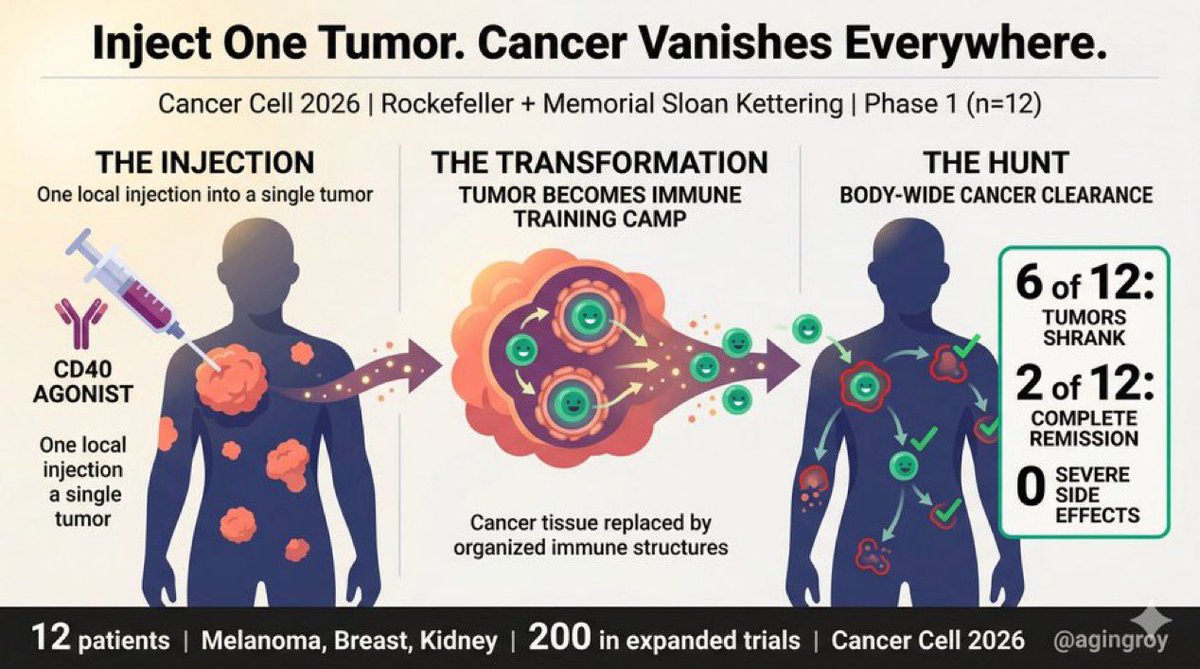
12 patients with metastatic cancer. Melanoma, breast, kidney. Doctors injected a re-engineered antibody (CD40 agonist) into a single tumor. Not IV. Not systemic. One local shot. The result: tumors shrank across the entire body, including at sites that were never touched. 2 of 12 patients hit complete remission. The injected tumors didn’t just shrink. They were replaced by organized immune tissue, tertiary lymphoid structures, essentially training camps for cancer-killing T cells. Zero severe side effects. The concept: instead of flooding the body with immunotherapy and hoping it finds the cancer, turn one tumor into a vaccine against itself. Train the immune system locally. Let it hunt globally. Nearly 200 patients now in expanded trials across bladder, prostate, and brain cancers. Published in @Cancer_Cell by Jeffrey Ravetch’s lab at @RockefellerUniv and @MSKCancerCenter


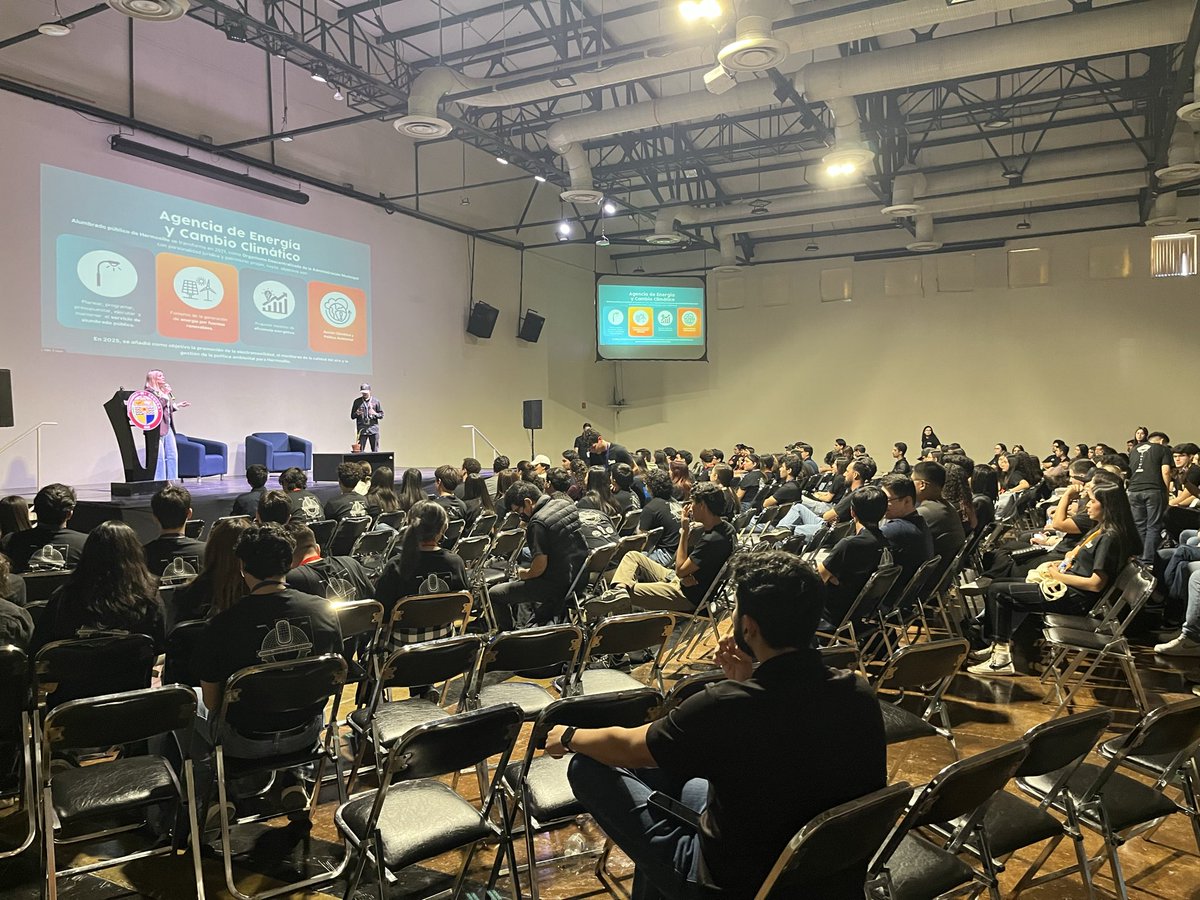
En la IV Sesión del Comité de Monitoreo de la Calidad del Aire compartimos avances clave para mejorar nuestra ciudad. 🌱 Impulsamos acciones como los Llantatones por la Salud, la intervención del Ecoparque, mejoras en la Glorieta de Pueblitos para mejorar la calidad del aire. 🌬️

En la IV Sesión del Comité de Monitoreo de la Calidad del Aire compartimos avances clave para mejorar nuestra ciudad. 🌱 Impulsamos acciones como los Llantatones por la Salud, la intervención del Ecoparque, mejoras en la Glorieta de Pueblitos para mejorar la calidad del aire. 🌬️

🚨 Human Papilloma Virus (HPV) can now be completely eliminated, thanks to Mexican researchers.

🚨 Human Papilloma Virus (HPV) can now be completely eliminated, thanks to Mexican researchers.

Reflex Robotics releases the first episode of "At Your Service"


💉Vacuna contra el dengue. México. 🚨COFEPRIS otorgó el registro sanitario a la vacuna Qdenga (TAK-003), desarrollada por el laboratorio Takeda. Cinco de marzo. 👉🏼 Personas a partir de los 4 años de edad: 👉🏼 Qdenga® debe administrarse como una dosis de 0,5 ml en un … 🧵


La universidad medieval evaluaba con exámenes orales. Evaluar es exigir que el conocimiento se interiorice. Si la IA reduce el esfuerzo, la universidad debe reintroducirlo de otra forma. La IA está forzando otro cambio: menos tareas en casa, más interacción directa, más conversación socrática. The New York Times: Si la escritura “aceptable” se automatiza, la educación superior debe centrarse en pensamiento crítico, identidad intelectual y evaluación relacional. nytimes.com/es/2025/08/27/…