
Andrew Rush
2K posts

Andrew Rush
@RushSpace
Space Industrialist. Co-founder and CEO of Star Catcher. Previously: President & COO of Redwire, CEO of Made In Space.

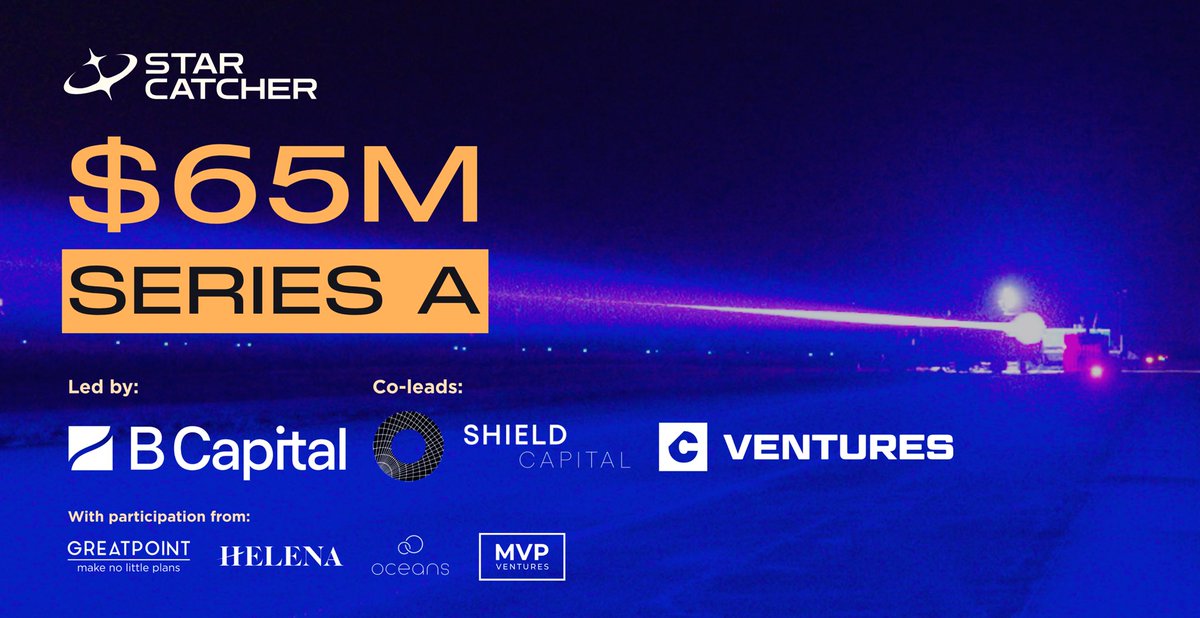
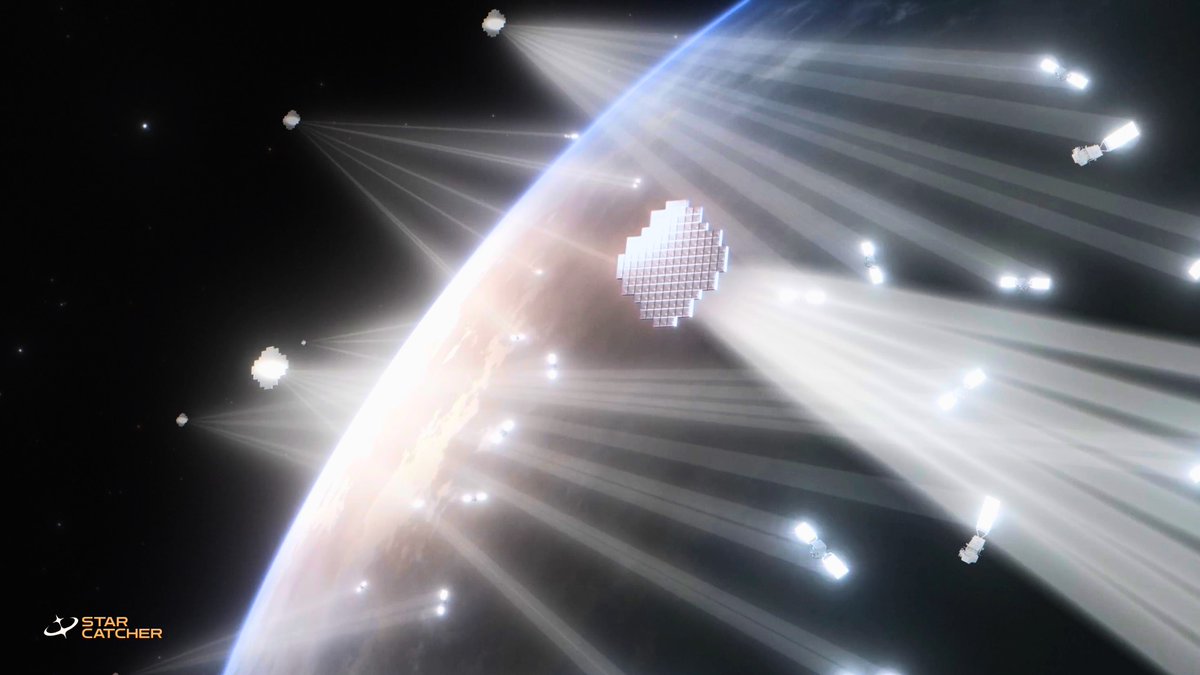
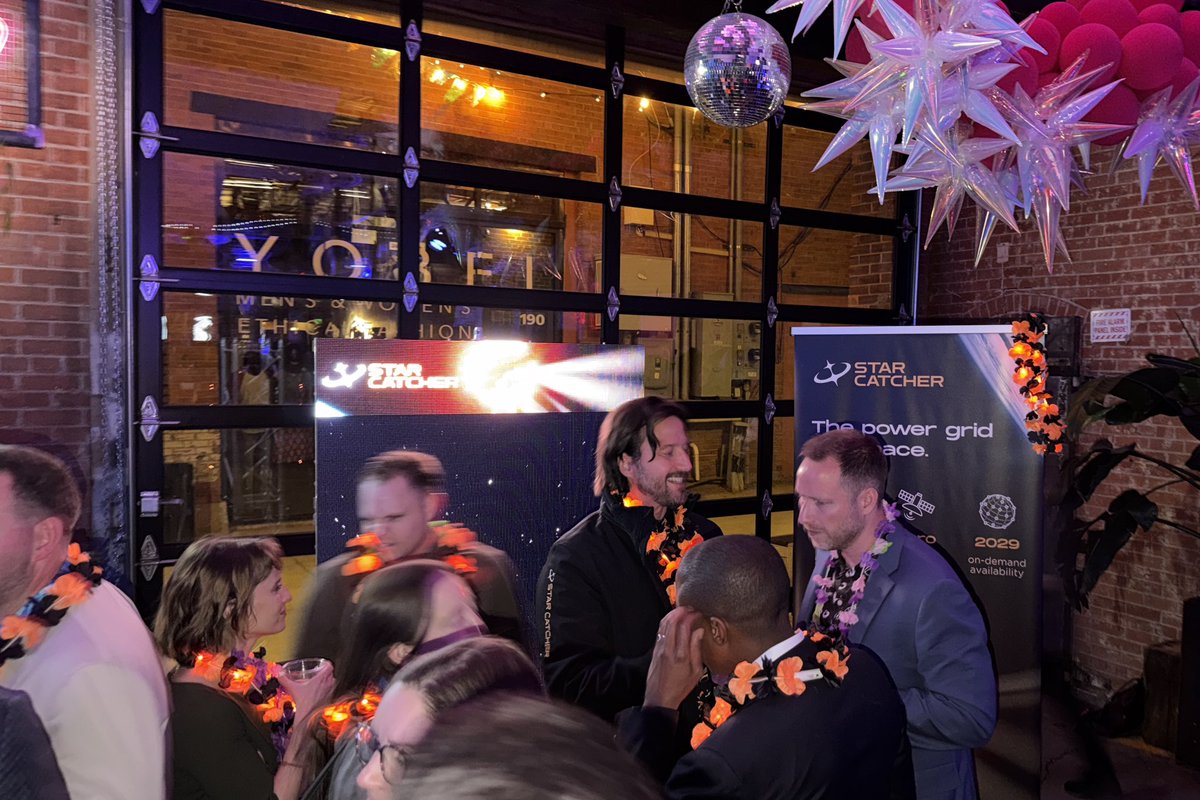
What an electric week thus far since announcing our $65M Series A to build the first power grid in space ⚡️ Thank you @NYSE for sharing the news and interviewing Andrew Rush on the opening bell show! This is just the beginning. #BeamOn


Beaming a huge thank you to @NYSE for having our CEO @RushSpace on the opening bell show yesterday morning to discuss our $65 million Series A ⚡️


Star Catcher CEO Andrew Rush (@RushSpace) grew up loving science fiction. Now he’s helping to bring a whole new generation of tech into reality in space by tackling its biggest bottleneck: access to power. “Everybody basically goes on camping trips. You bring your solar rays with you,” he says. “Our daily lives are based on and enriched by space, regardless of who we are. So providing more power ultimately enriches humanity.” Rush isn’t new to the problem. He was previously CEO of Made In Space, which built the first 3D printer used in space more than a decade ago. In 2024, he co-founded Star Catcher, raising $12M to harness the Sun’s power by beaming concentrated energy to solar panels and satellite arrays. On The Upstarts Podcast, Rush talks about his orbital career journey from patent lawyer to space CEO. He explains why energy and power are such an important unlock for space innovation, and why space startups are slowly getting better at raising venture dollars. And he shares his Upstart Moment, as Star Catcher passed key checkpoints by completing optical tests at Jacksonville's EverBank Stadium and NASA’s Kennedy Space Center last year. youtube.com/watch?v=FuWsAh…


This is what the build out for a 300MW datacenter looks like. Multiply this visual by 1,000 then ask yourself, “Why do Elon, Sundar, Sam, Jensen, Schmidt and Bezos all agree and have come to the same conclusion that we need to repackage this compute and shoot it into space?” The answer is they all expect the real demand multiplier to be 1,000,000+ not 1,000. Arguments against Space Data Centers revolve around limited op ex savings, depreciation schedules, etc which are all perfectly reasonable when you only care about the next 100 data centers or the next 18 months of IRR. Meanwhile the titans of the upcoming Industrial Revolution have all seen the writing on the wall and realize we simple cannot meet the demand for intelligence building project by project on the ground. You cannot copy and paste this 1M times in the next 10 years. Not when you need buy in from 1M+ local governments, interconnect 1M+ power hungry buildings, and appease NIMBY orgs 1M+ times. They’ve concluded it actually makes more sense to package up compute into modular boxes, shoot a lot of them into space and beam the results back. Betting against data centers in space is simply a bet against AI demand scaling beyond 100 GWs per year within 10 years. It’s not about radiators, ITU approvals, capex v opex, Nuclear energy scale up, etc. You could be right making that bet, but be honest with yourself about what bet you are making.


Star Catcher CEO Andrew Rush (@RushSpace) grew up loving science fiction. Now he’s helping to bring a whole new generation of tech into reality in space by tackling its biggest bottleneck: access to power. “Everybody basically goes on camping trips. You bring your solar rays with you,” he says. “Our daily lives are based on and enriched by space, regardless of who we are. So providing more power ultimately enriches humanity.” Rush isn’t new to the problem. He was previously CEO of Made In Space, which built the first 3D printer used in space more than a decade ago. In 2024, he co-founded Star Catcher, raising $12M to harness the Sun’s power by beaming concentrated energy to solar panels and satellite arrays. On The Upstarts Podcast, Rush talks about his orbital career journey from patent lawyer to space CEO. He explains why energy and power are such an important unlock for space innovation, and why space startups are slowly getting better at raising venture dollars. And he shares his Upstart Moment, as Star Catcher passed key checkpoints by completing optical tests at Jacksonville's EverBank Stadium and NASA’s Kennedy Space Center last year. youtube.com/watch?v=FuWsAh…