
Ryanfilevine
1.8K posts


Ryanfilevine
@RyanM_Anderson
Husband. Father of 6. Co-founder, CEO, @filevine. #verticalAI #biasedtowardaction
Salt Lake City, UT Katılım Mayıs 2012
1.1K Takip Edilen698 Takipçiler
Ryanfilevine retweetledi

What if we built better software, not just more of it?
English

We had an incredible April at Harvey.
- Net new ARR is up 6x YoY
- We’re about to break 50% DAU/MAU
- Our average user now spends 12 hours a month using Harvey
Job's not finished.

English
Ryanfilevine retweetledi

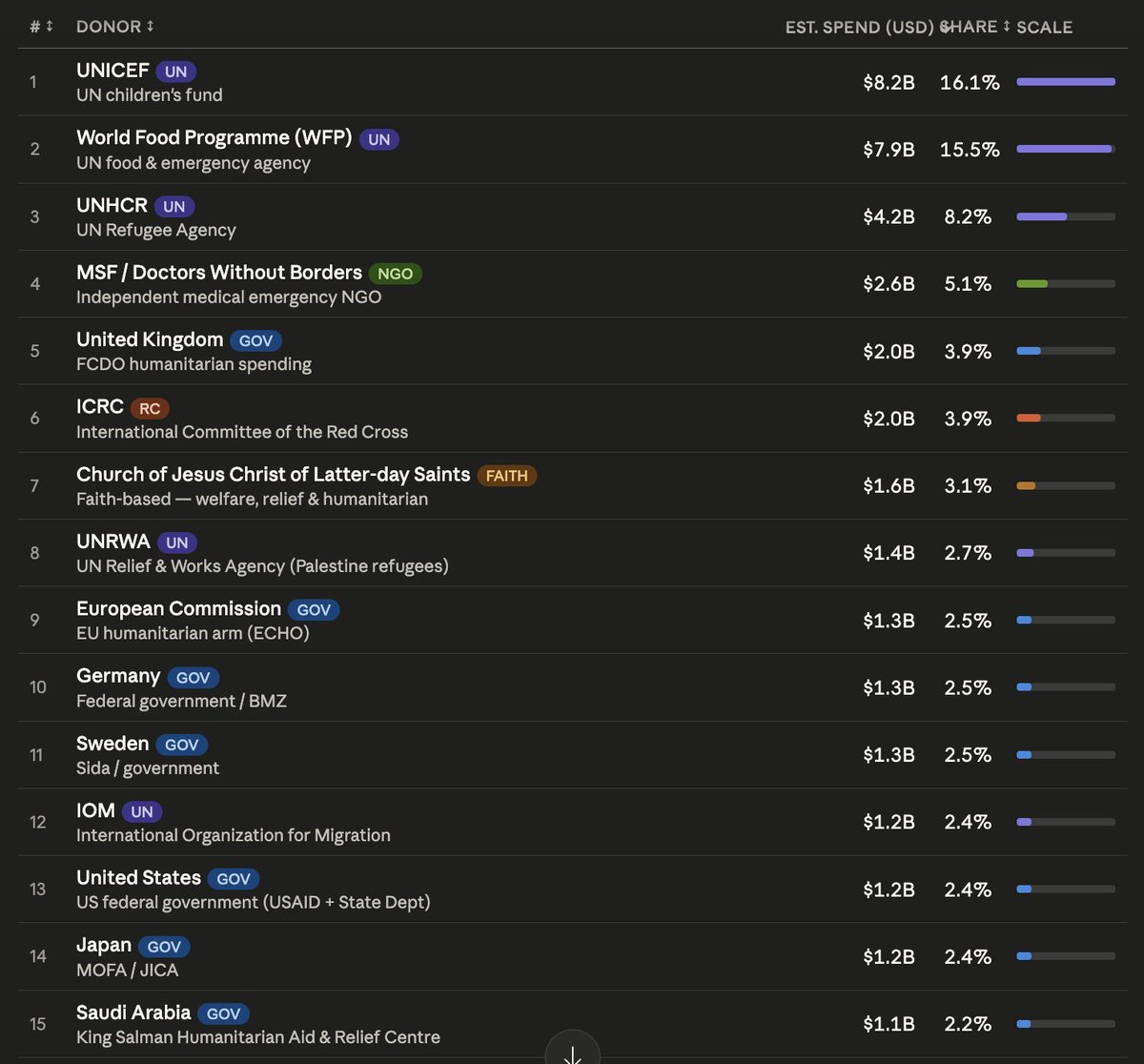
Compared to the top humanitarian aid providers on the planet, The Church of Jesus Christ of Latter-day Saints led all faith-based donors and provided more in total expenditures than the EU and the United States.
This table shows the Church ranking 7th in total expenditures provided among all entities of the world.
English
Ryanfilevine retweetledi

These look like amazing projects. Love to see it.
Chad Moore@Chazzym22
GIGANTIC win for our property management group! Jesse Smith and team were just awarded PM contracts on two of the largest/ newest retail projects in the state of Utah! Paseo in Washington/ STG & The Commons in Herriman Thank you to Elevate Properties for choosing us for both PM & Leasing.
English
Selling the very best SaaS in 2026 is like selling the very best mortgage-backed securities in 2008.
English

Ryanfilevine retweetledi
Marketing departments falling behind bc there are so many product releases.
That’s never happened before. What a world.
English

We got the call 2 years ago today that the @NHL was coming to Utah. We play in the Stanley Cup playoffs tomorrow.
Crazy ride. Just getting started. @utahmammoth #TusksUp
English
“Writing code is the easiest part of software engineering”
—Jim Blake, Filevine Co Founder (in 2015).
Zara Zhang@zarazhangrui
In the same vein, writing ≠ generating text In fact, generating text is the LEAST important part of the writing process So many people mistake LLMs as good writers just because it can generate text well
English
“The hard part of design is rarely generating the form. It is understanding the problem well enough to know what and how something should exist at all.”
This is so good @karrisaarinen
Parallels for LegalAI
Karri Saarinen@karrisaarinen
English

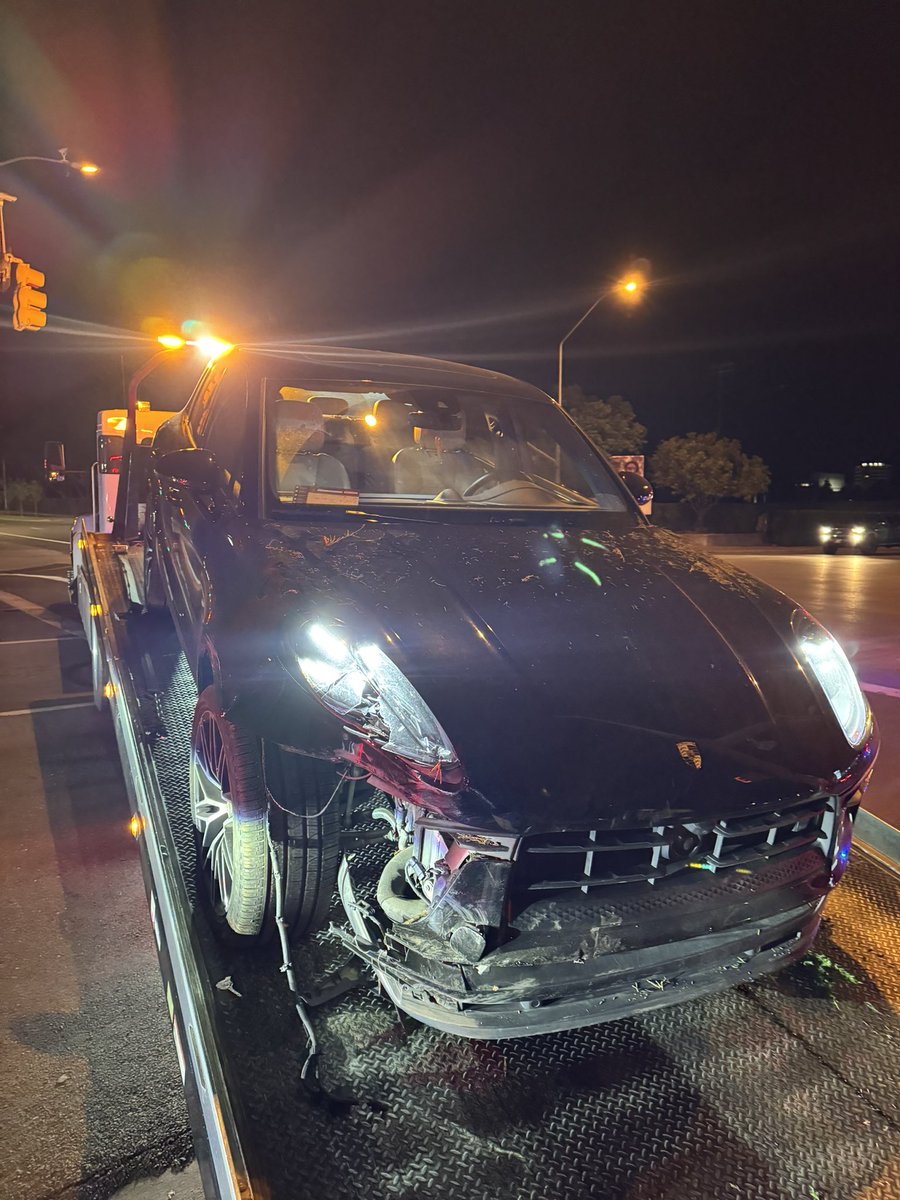
Daughter at 3:32 AM- just got in a little accident, no other cars, cops said it should be like a couple hundred bucks to repaint a little scratch on the bumper.
Dad at 3:35 AM- that’s awful, glad you’re ok and safe. Send a pic so I can see the damage.
The damage
English